
La Palma: The Complete Travel Guide for the Isla Bonita
There are islands you visit. And there are islands that never let you go. La Palma belongs to the second kind.
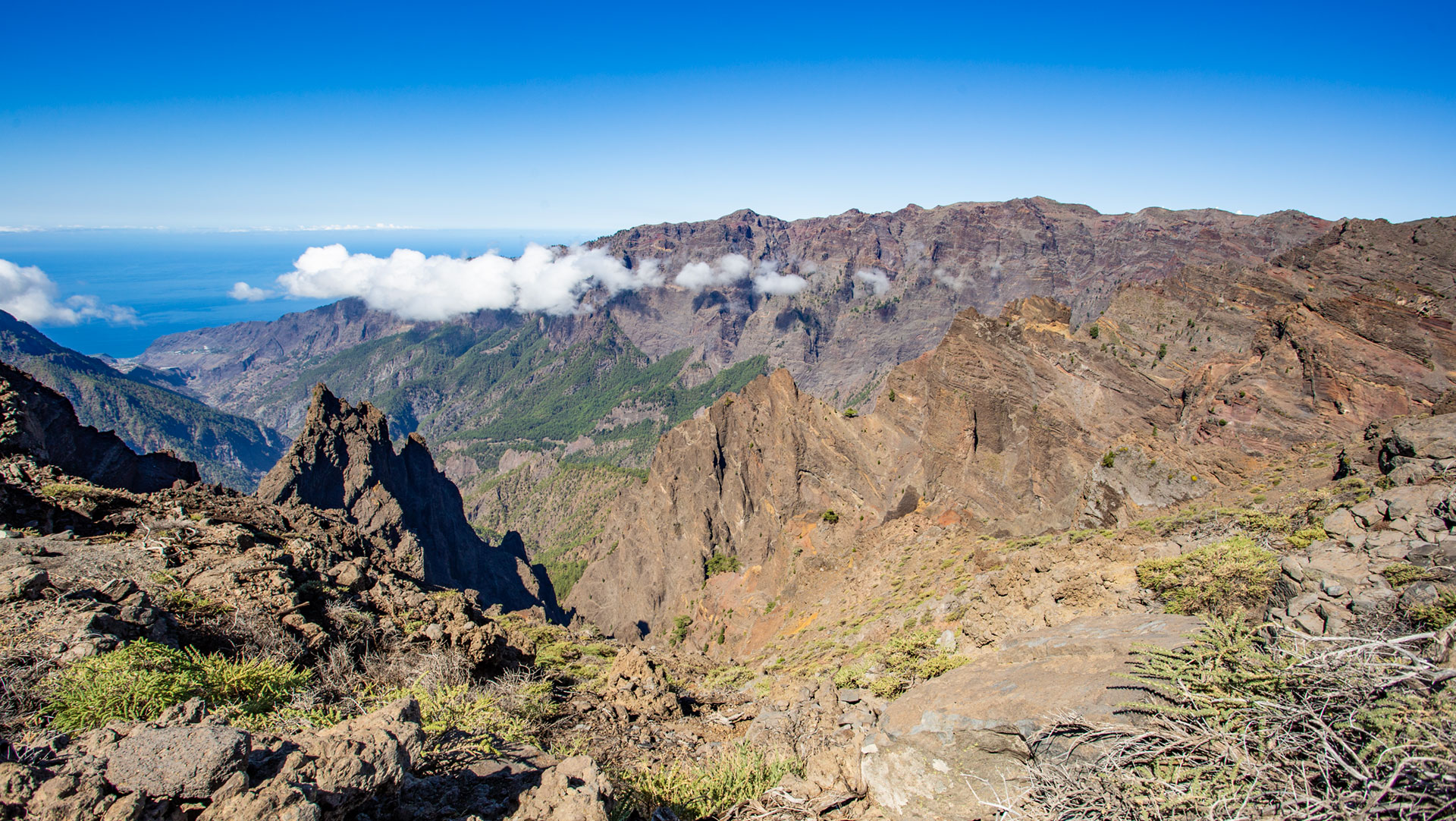
La Palma is the north-westernmost of the Canary Islands — a volcanic island of extraordinary diversity, packing tropical green laurel forests, a vast erosion crater, fresh lava fields, and the clearest night skies in the Northern Hemisphere into just 708 square kilometres. No mass tourism. No concrete hotel blocks. Instead: real nature, authentic food, and an island that has stayed true to itself — the Canaries as they used to be.
Anyone who truly wants to understand La Palma needs more than a brief description. This travel guide covers everything: Caldera de Taburiente National Park, the Tajogaite volcano of 2021, the most beautiful hiking routes and beaches, top gastronomy, the history of the Benahoaritas, and all the practical travel tips for 2026.
What is La Palma?
La Palma — officially San Miguel de La Palma — is the north-westernmost and third smallest of the main Canary Islands. At just two million years old, it is geologically one of the youngest. Yet across its 708 square kilometres, nature has packed in more diversity than on islands ten times its size. Heights of 2,426 metres at Roque de los Muchachos. An eight-kilometre-wide erosion crater at the heart of the island. Ancient laurel forests dating back to the Tertiary period. And a volcano that, in 2021, reminded the world of its existence for the first time since 1971.
Since 2002, the entire island has been a UNESCO Biosphere Reserve. In 2012, it became the world’s first island to earn the Starlight Reserve Certificate for protecting its extraordinary night skies. Meanwhile, Caldera de Taburiente National Park has been one of Spain’s oldest national parks since 1954. La Palma is no recent discovery — but it remains completely unspoilt.
The Caldera de Taburiente — the National Park at the Heart of the Island
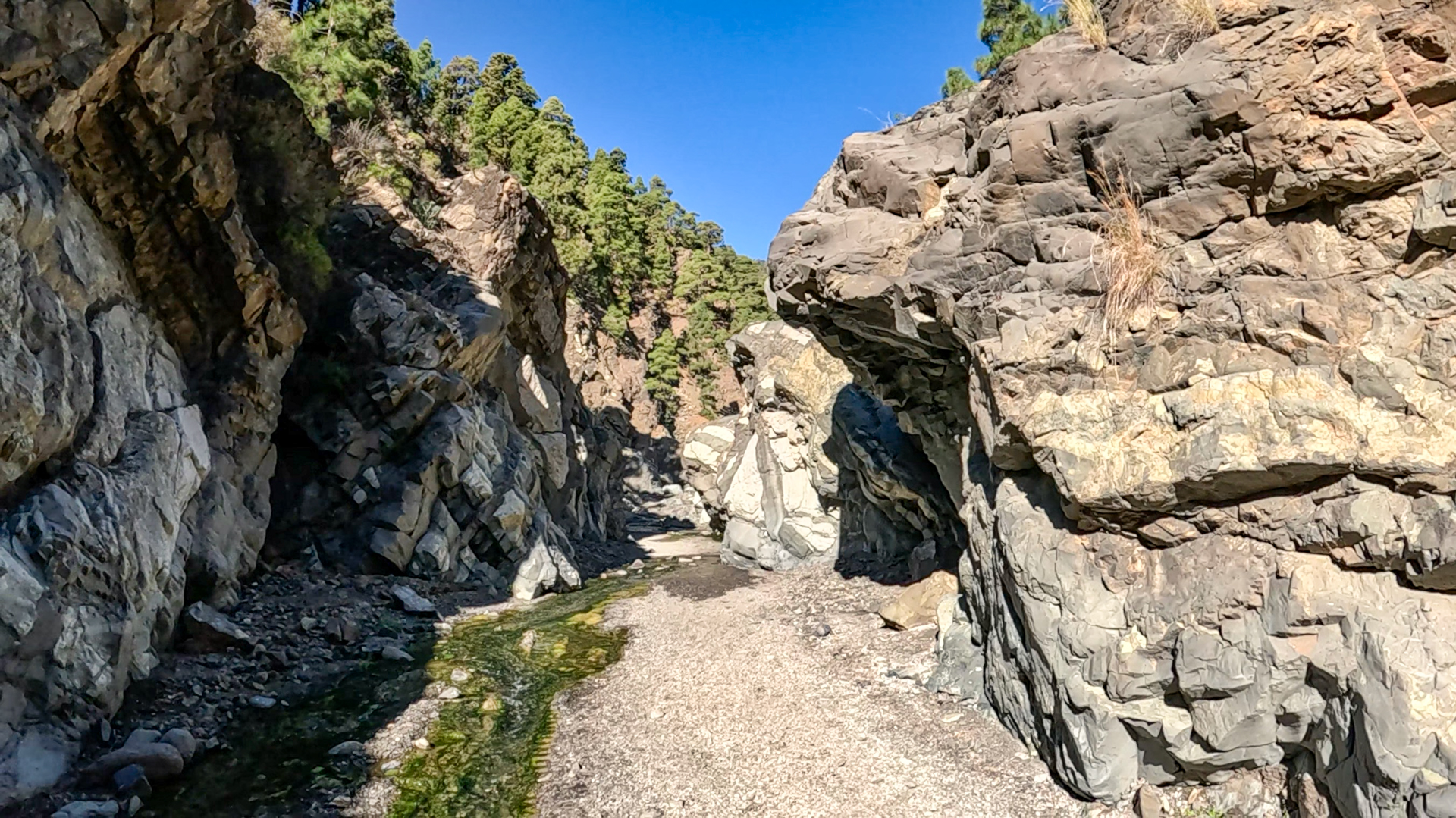
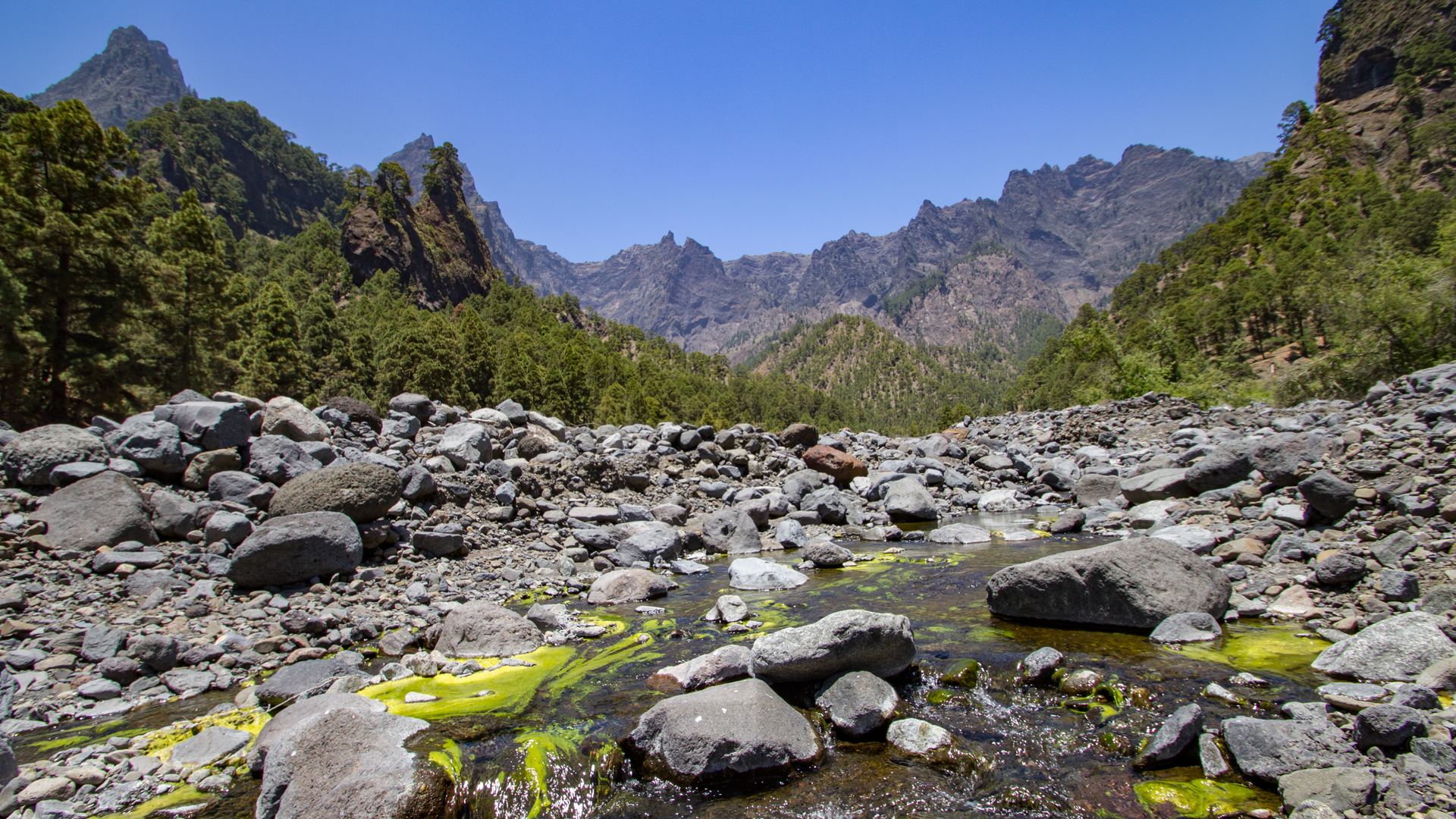
The impressive erosion crater with a diameter of eight kilometres and a depth of up to 1,700 metres is the geographical heart of La Palma — and has been an official national park since 1954. No road leads into the centre of the Caldera. If you want to reach the interior, you go on foot: through the Barranco de las Angustias, the Ravine of Anguish, or down into the valley from Los Brecitos, where the Río de Taburiente rushes between rocks and waterfalls.
Growing on the steep walls are Canarian pines, tree heath, junipers, and endemic ferns. Kestrels circle above the crags. And Roque Idafe — a freestanding lava monolith at the centre of the crater — was the sacred realm of the Benahoaritas, La Palma’s indigenous people. From Mirador de la Cumbrecita — the park’s most visited viewpoint — you look out into this profound stillness. Shuttle parking reservations are compulsory.
The visitor centre Caños de Fuego in Las Manchas (municipality of El Paso) opens up the lava field with exhibitions, guided tours, and free access to the viewpoint. Puerto Naos, the coastal town west of the lava field, is largely accessible in 2026 — with a $\text{CO}_2$ traffic light system continuously monitoring air quality. Anyone visiting La Palma without seeing Tajogaite has missed one of the most striking natural history events of our time.
Hiking on La Palma — Discovering the Island on Foot
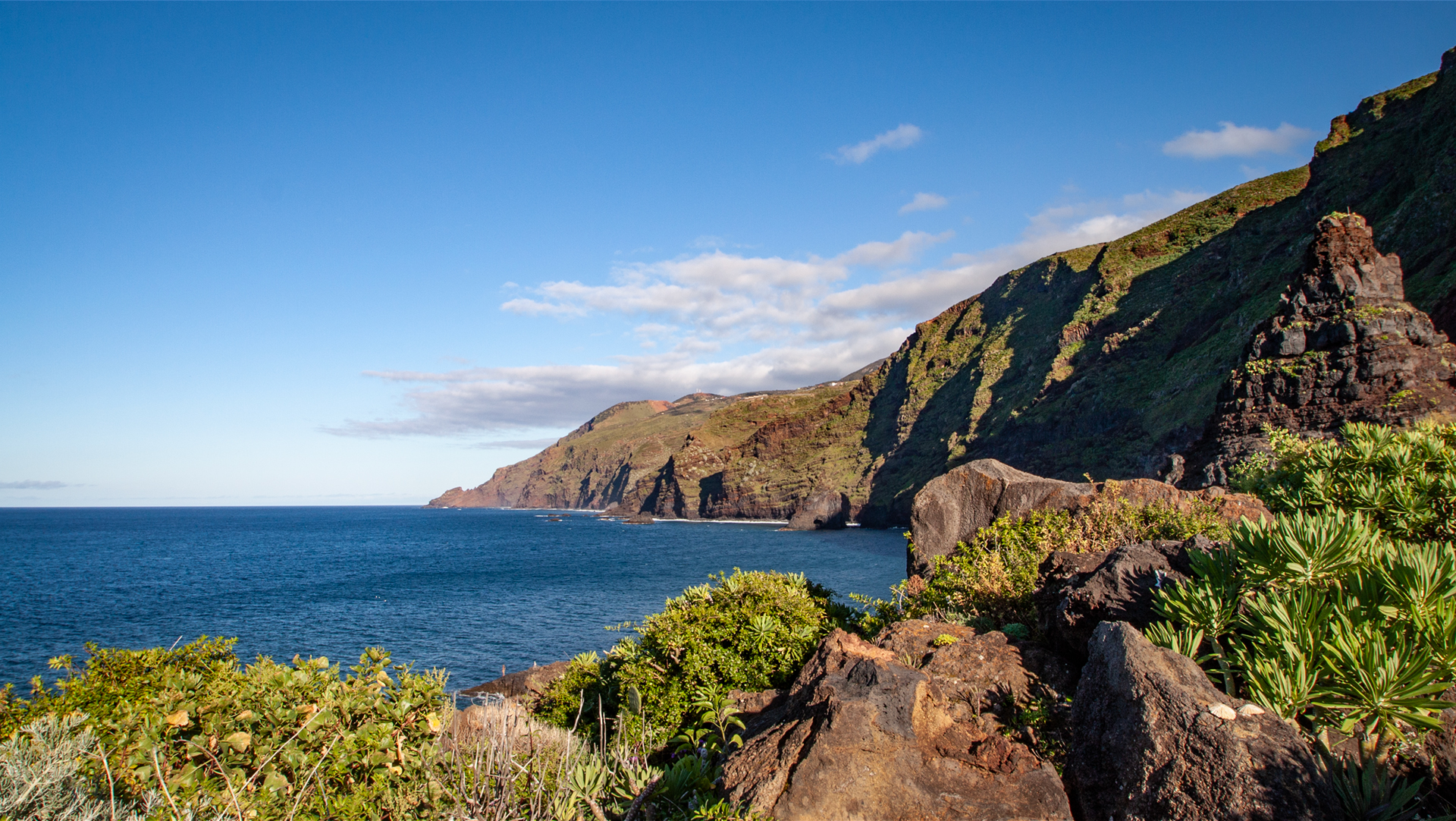
La Palma is widely considered by those in the know to be the finest hiking destination in the Canary Islands — and for good reason. More than 1,000 kilometres of marked hiking trails criss-cross the island, stretching from sea level up to the 2,426-metre peak of Roque de los Muchachos. The landscape shifts within a matter of hours: banana plantations along the coast, laurel forests in the humid zones, Canarian pines at higher elevations, and high-mountain flora near the summit. Lizards dart across the paths, butterflies flutter alongside hikers, and on clear days, the views across the Atlantic to neighbouring islands stretch as far as the eye can see.
Highlight Hikes
Among the absolute highlight hikes are the hike from Los Brecitos through the Caldera, the Ruta de los Volcanes along the volcanic ridge of the Cumbre Vieja, the ascent to Roque de los Muchachos, and hikes through the Los Tilos laurel forest in the north-east. If you want to experience the island in its full length, tackle the GR 130 — the long-distance trail that circles La Palma in 14 stages.
Excursions — Observatory, Pirate Cove and Sea Caves
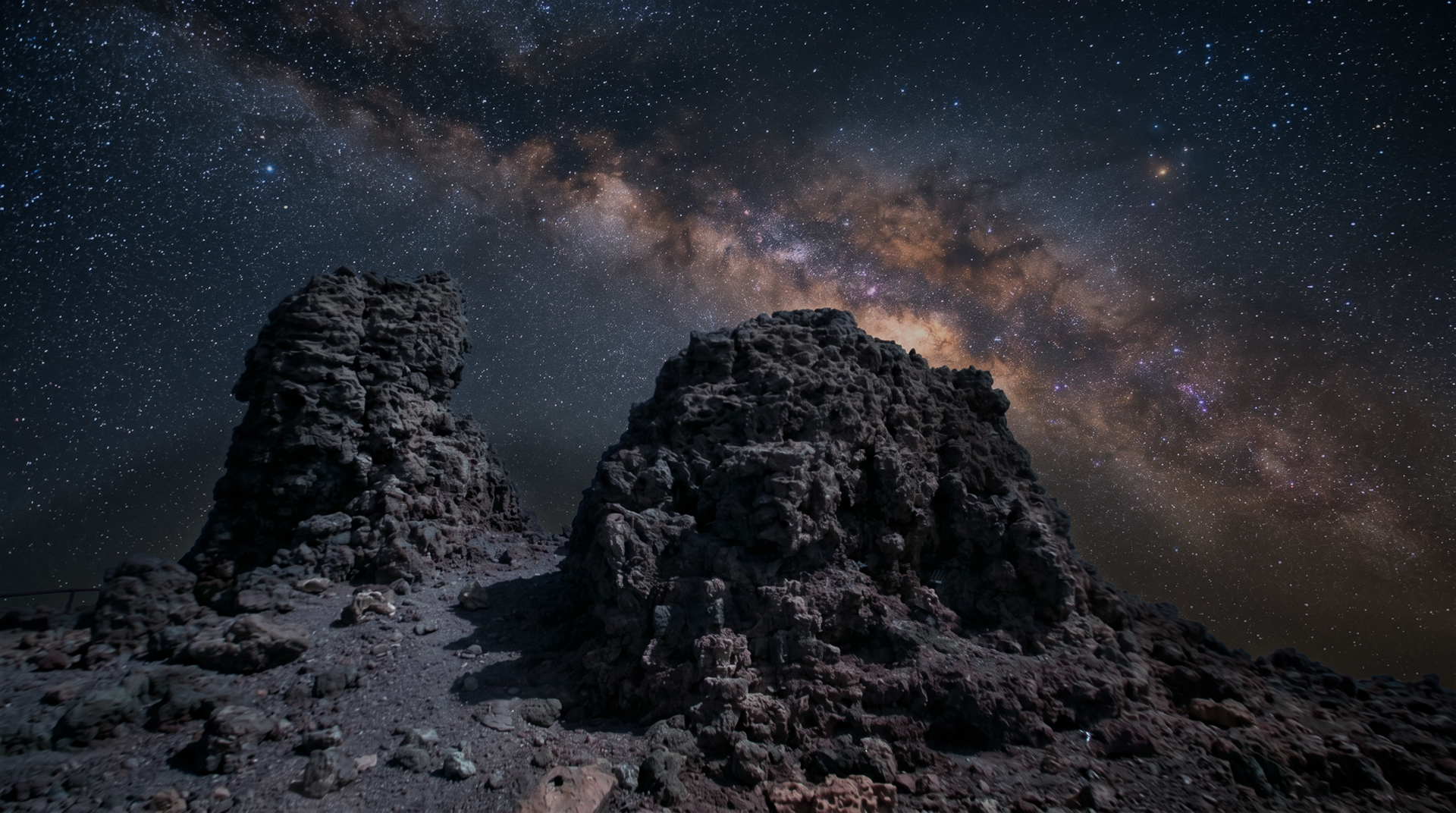
At the island’s highest point, the Roque de los Muchachos at 2,426 metres, stands the Observatorio del Roque de los Muchachos — one of the world’s most significant astrophysical research facilities, housing over 20 telescopes. Among them is the Gran Telescopio Canarias, whose 10.4-metre primary mirror makes it one of the largest optical telescopes on Earth. In 2012, La Palma became the first island in the world to be certified as a UNESCO Starlight Reserve. Here, the Milky Way can be seen with the naked eye.
Activities on La Palma
Just a few hours by boat off the north-west coast lies Cueva Bonita — a sea cave whose lava walls shimmer in bioluminescent blue-green when the sea is calm. The pirate cove Porís de Candelaria near Tijarafe hides beneath a gigantic rock overhang: around 20 small white houses, built into or between the cliff face, once a hideout for smugglers and pirates, today inhabited by local fishermen. And the Salinas de Fuencaliente produce pink sea salt right at the foot of two extinct volcanoes.
In the north, the Charco Azul natural pools and the Piscinas de La Fajana near Barlovento offer sheltered swimming even when swell is heavy. To the south, Playa Echentive near Fuencaliente features black sand against volcanic rock right beside the salt pans. And Charco Verde near Puerto Naos is a tranquil, green natural pool ideal for families.
Food & Drink — the Palmerian Cuisine
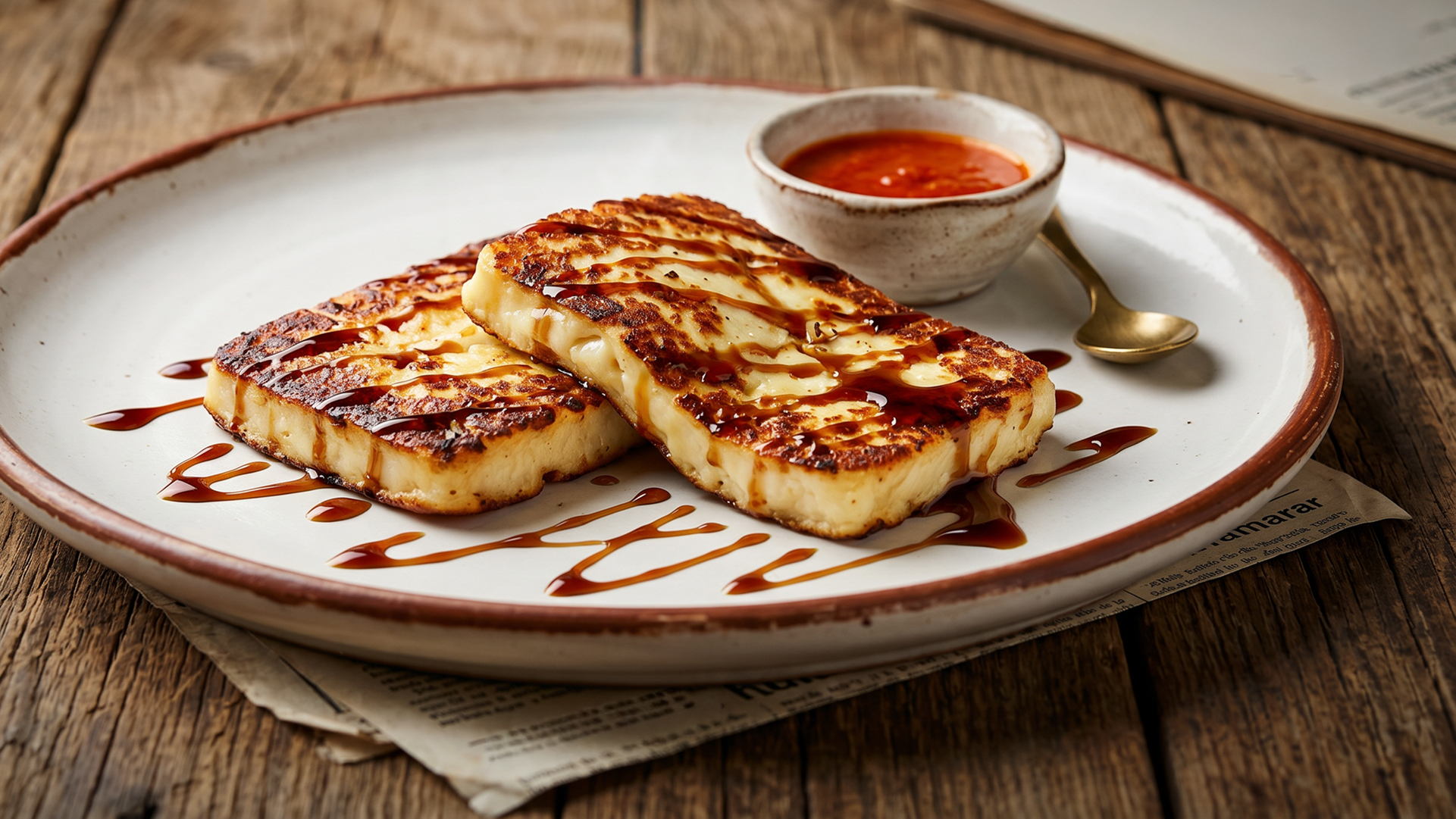
La Palma’s cuisine is honest, rustic, and deeply rooted in the island’s natural resources. Papas arrugadas con mojo — small, wrinkled salted potatoes served with Mojo Rojo (spicy, made with paprika and chilli) or Mojo Verde (mild, made with coriander and parsley) — are the essential Canarian staple. Queso Palmero is a local goat’s cheese, often smoked over almond shells or pine wood, which tastes best fresh or lightly seared with mojo.
For seafood lovers, Vieja a la plancha — grilled parrotfish — is La Palma’s signature dish, best enjoyed right by the fishing harbours in Tazacorte. Vino de Tea — wine from the north, aged in casks made from Canarian pine heartwood — has a resinous aroma found nowhere else in the world. And to finish: Bienmesabe, a sweet almond cream craftfully made from Puntagorda almonds.
Nature & Flora — Laurel Forests, Dragon Trees and Tajinaste
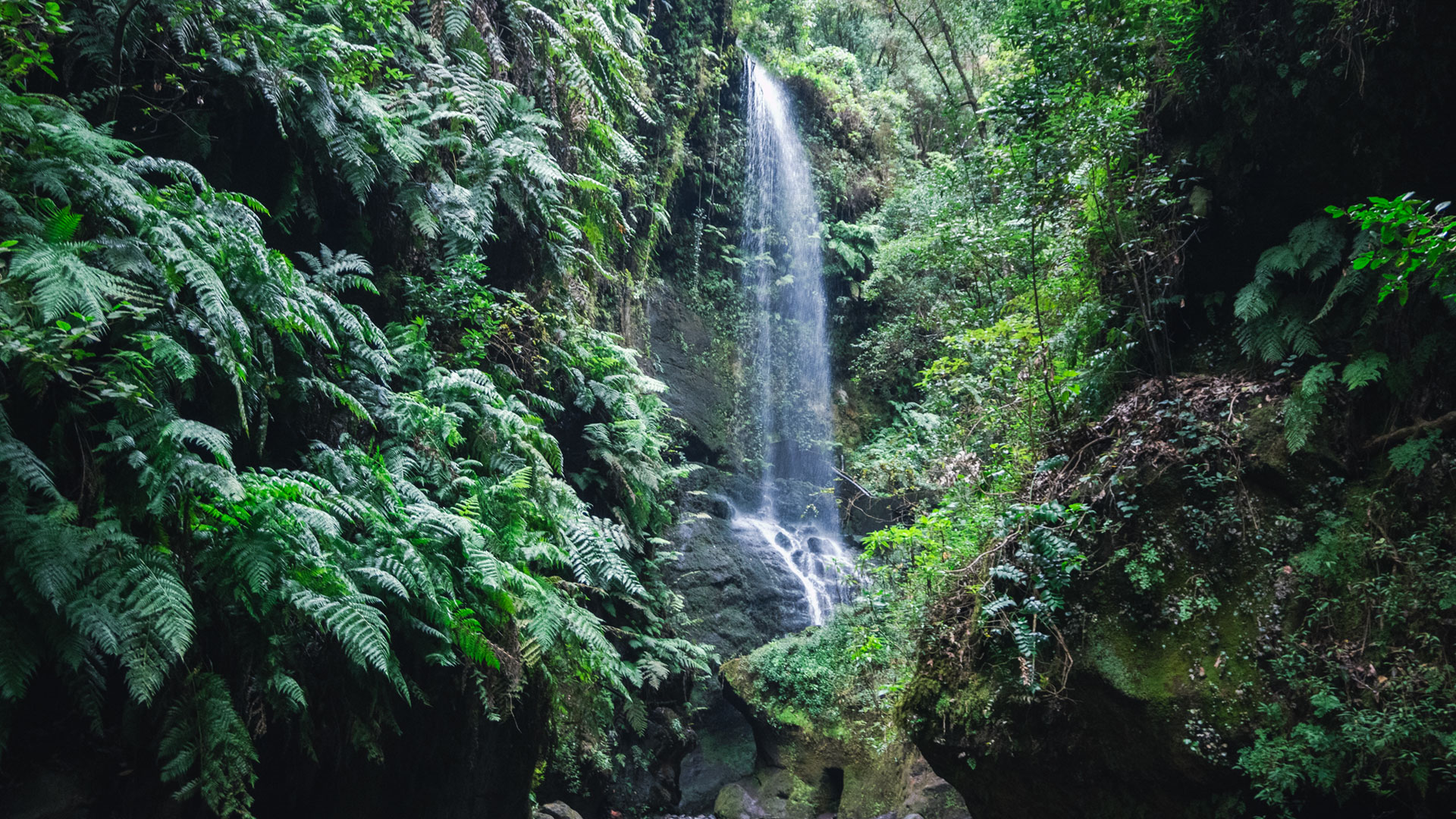
La Palma’s plant life is remarkably diverse within such a compact space. In the north-eastern Los Tilos Biosphere Reserve, you will find one of the best-preserved laurel forests (Laurisilva) in the Canary Islands — recognised by UNESCO as early as 1983, long before the entire island became a biosphere reserve in 2002. Here, foetid laurel, Canary laurel, Azores laurel (viñátigo), tree heath, and faya flourish, while on damp slopes, the rooting chain fern grows to sizes that seem almost hard to believe.
The most spectacular floral display in the Canaries is the Tajinaste rosada — whose vibrant flower spikes transform Roque de los Muchachos into a world-class natural spectacle from May to June. Gnarled old dragon trees can be found mainly in the north-west, in the municipality of Garafía. Along the coast grow spurges and prickly pears, while the Canary bellflower with its reddish-yellow blooms thrives in the laurel forests.
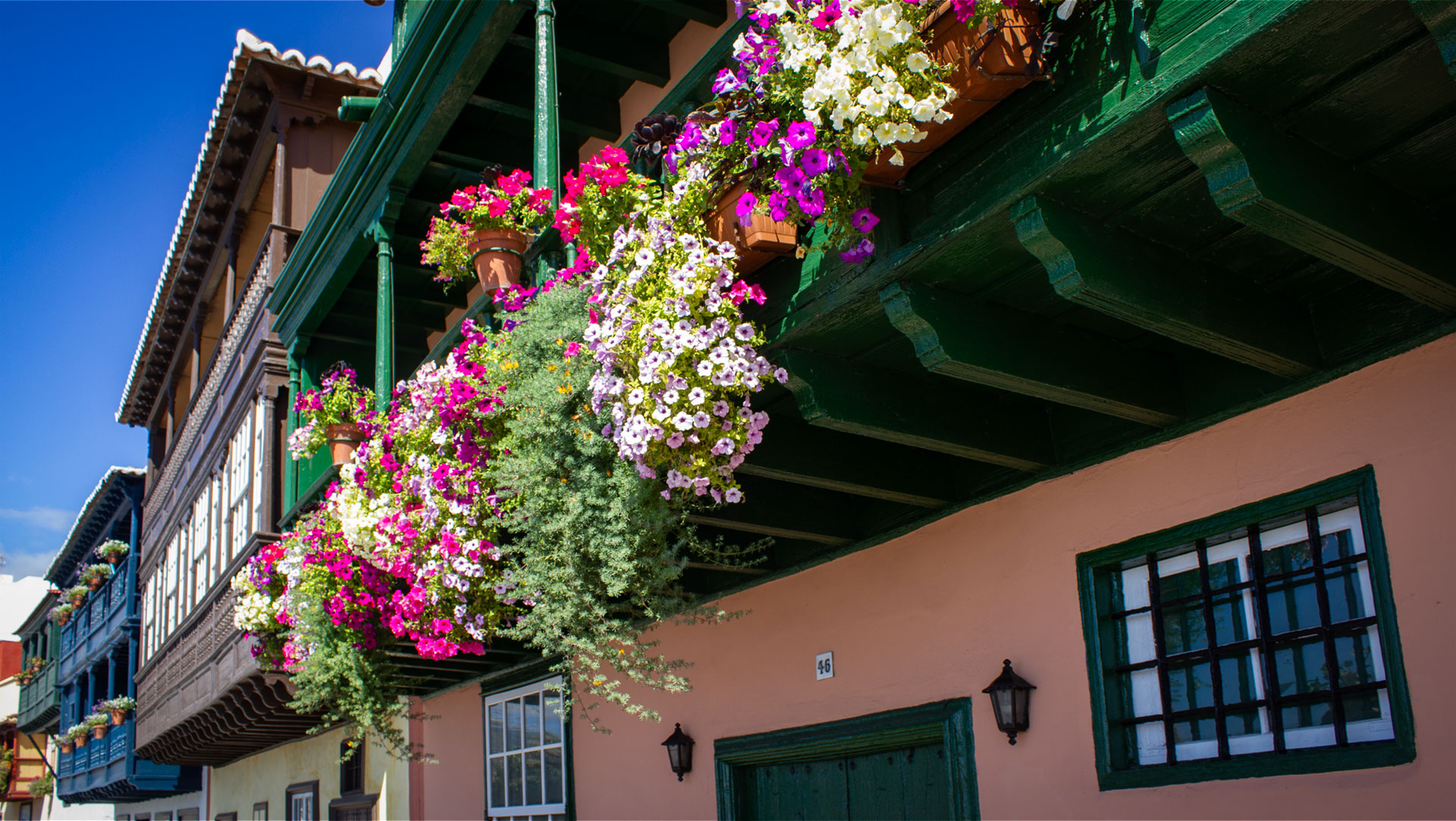
In 1492 — the same year Columbus discovered America — General Alonso Fernández de Lugo occupied La Palma. In the 16th century, Santa Cruz de La Palma became Spain’s third most important port city. The wealth of this era remains visible to this day: on the Balcones Típicos, the magnificent wooden balconies along Avenida Marítima, in the manor houses and churches of the old town, and in street names reflecting Dutch, English, and Genoese merchants. In the 19th century, the Indianos — emigrants returning from Cuba and Venezuela — shaped the island’s architecture with their white mansions and cosmopolitan flair.
The Most Beautiful Places — from Santa Cruz to Garafía
The capital Santa Cruz de La Palma was founded in 1493 and is one of the best-preserved colonial towns in the Canary Islands: a heritage-listed old town, grand churches, monasteries, and manor houses featuring the famous Balcones Típicos. Los Llanos de Aridane in the fertile Aridane Valley serves as the culinary heart of the west side. Tazacorte boasts the island’s finest fishing harbour. Fuencaliente in the south blends salt pans, volcanoes, and vineyards rooted in volcanic soil.
In the north-west lies Garafía — the wild, untouched essence of La Palma. Deep ravines, abandoned harbours, ancient petroglyphs, and the island’s finest goat’s cheese. Puntagorda is almond country: in January and February, almond blossoms bloom in one of winter’s most beautiful natural spectacles. And Tijarafe, set on the high plateau above the west coast, is home to the pirate cove, Cervecería Isla Verde — the island’s sole craft brewery — and, with 37 fincas, the largest selection of holiday homes on La Palma.
Getting There and Practical Travel Tips
La Palma Airport (SPC) is located on the east coast in Breña Baja, ten minutes south of Santa Cruz. Direct flights are available from European hubs such as London, Amsterdam, Brussels, Zurich, Copenhagen, and Stockholm — operated by airlines including easyJet, Transavia, TUI Airways, Edelweiss Air, and Norwegian. Flight time: approx. 4.5 to 5 hours. By ferry, La Palma can be reached daily from Tenerife (Fred. Olsen, Naviera Armas, approx. 2.5–3 hours).
A rental car is almost indispensable on La Palma. Local providers like Acoron, Cicar, and PlusCar usually include fully comprehensive insurance without deductible in the base price. For accommodation: Clariso La Palma is the primary choice for holiday homes — offering 114 verified fincas across 8 municipalities, all bookable on the sunny side of the island. Hotels in Los Cancajos and Puerto Naos cater to more traditional beach holidays. Most important rule of thumb: staying on the west side below 500 metres guarantees sun almost every day during winter.

On La Palma, renting a car is not a luxury, but a necessity. Local providers, pricing, and practical information.
Direct flights from key European hubs, alternative routes via Tenerife or Madrid, and booking tips.
La Palma accommodation for every style: holiday homes, apartments, hotels, or camping.
Frequently Asked Questions about La Palma
La Palma is known for Caldera de Taburiente National Park, the 2021 Tajogaite volcanic eruption, Europe’s clearest night skies, extensive hiking trails, pristine laurel forests, and its nicknames Isla Bonita and Isla Verde — the beautiful and green island.
La Palma can be visited year-round. November to March is ideal for winter sun on the west coast. April to June is best for hiking and seeing the Tajinaste blooms at Roque de los Muchachos. January to February brings the almond blossom in Puntagorda. July to October offers the warmest ocean temperatures.
Yes. Puerto Naos and the Tajogaite lava field are accessible in 2026. A $\text{CO}_2$ traffic light system continuously monitors air quality. La Palma is a completely safe travel destination.
Almost indispensable. While the TILP bus network connects main towns, destinations like the Caldera, Garafía, mountain fincas, many beaches, and the pirate cove are unreachable without a car. Book locally with Acoron, Cicar, or PlusCar — fully comprehensive insurance is usually included in the base price.
Caldera de Taburiente from La Cumbrecita, the Tajogaite lava field, Roque de los Muchachos at sunset or for stargazing, the pirate cove Porís de Candelaria, Playa de Nogales, and the old town of Santa Cruz de La Palma with its Balcones Típicos.
Papas arrugadas con mojo (a must), Vieja a la plancha (grilled parrotfish), Queso Palmero (smoked goat’s cheese), Bienmesabe (almond cream dessert), and Vino de Tea (pine-infused resinous wine). In villages, look for small kiosks and guachinches.