La Palma Biosphere Reserve – the Green Island and Its Nature Conservation
La Palma carries a title you would not necessarily expect of an Atlantic island: UNESCO Biosphere Reserve. Not just a part of the island – the entire island has been under this designation since 2002. Behind it lies more than a label: a system of protected areas, sustainability guidelines, and a natural diversity that, across 708 square kilometres, assembles everything the Canary Islands have to offer botanically and geologically.
What a Biosphere Reserve Is
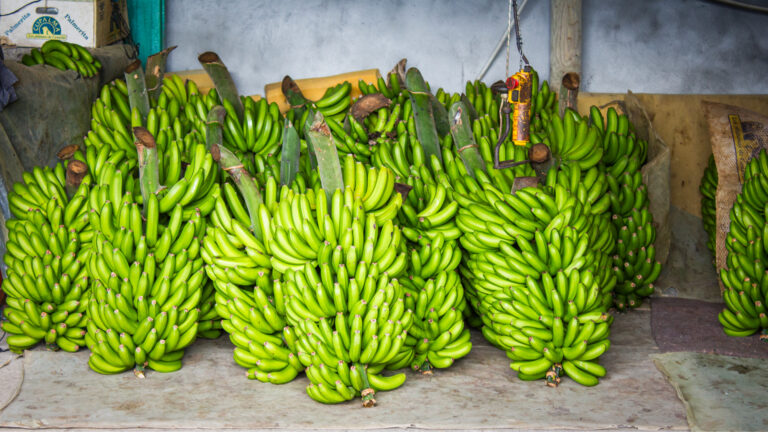
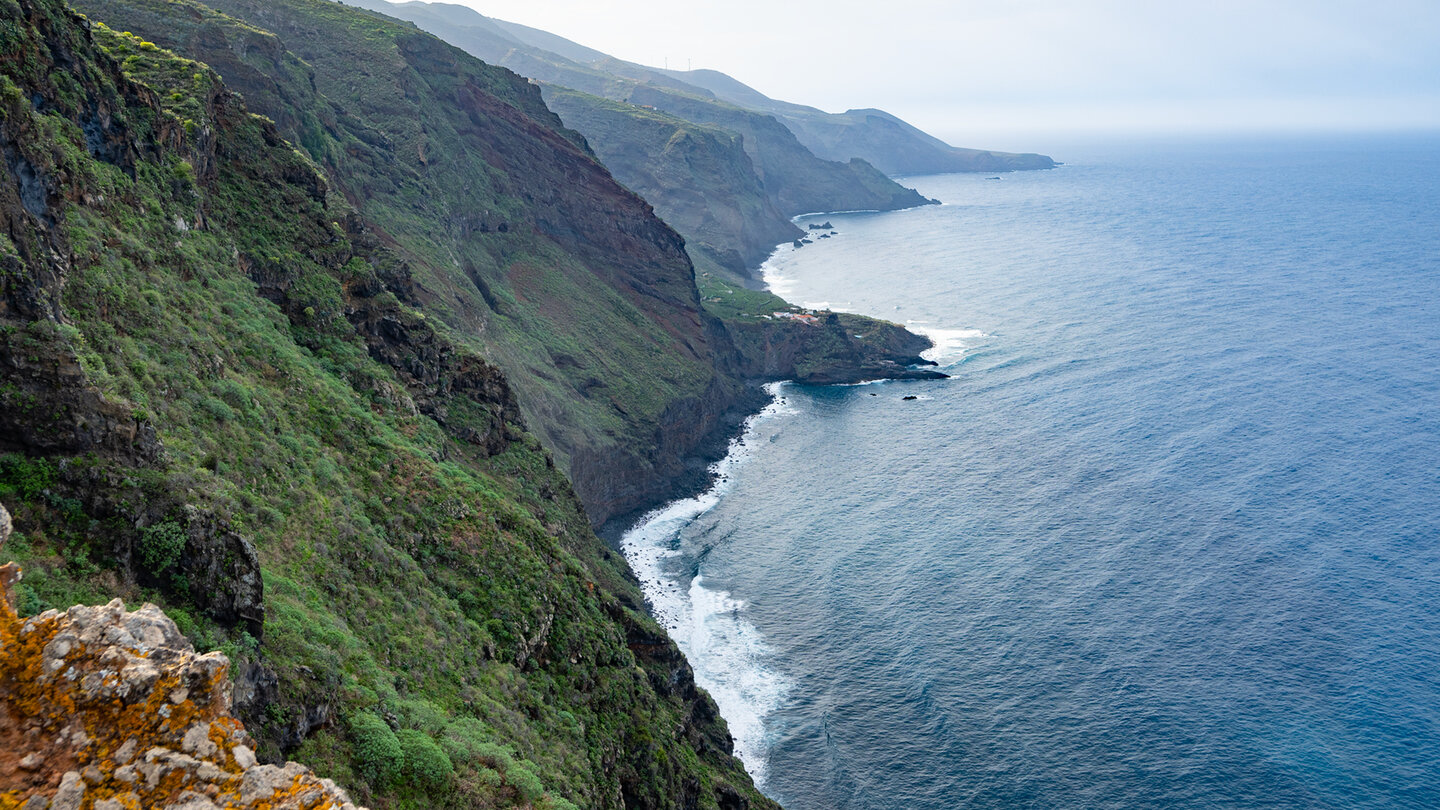
A UNESCO Biosphere Reserve is more than just a national park. It is a holistic framework linking environmental conservation with human activity – in three concentric zones. The core zone (here: the Caldera de Taburiente National Park and other protected areas) is strictly protected. The buffer zone permits limited, environmentally compatible use. The transition zone is inhabited, with sustainable agriculture playing a key role.
La Palma was designated as a whole island because it almost ideally embodies this zone structure: the national park at the island’s centre, extensive laurel and pine forests as a buffer, and villages and farmland along the coasts. The Biosphere Reserve designation thus formalises what was already there geologically and ecologically.
The Protected Areas at a Glance
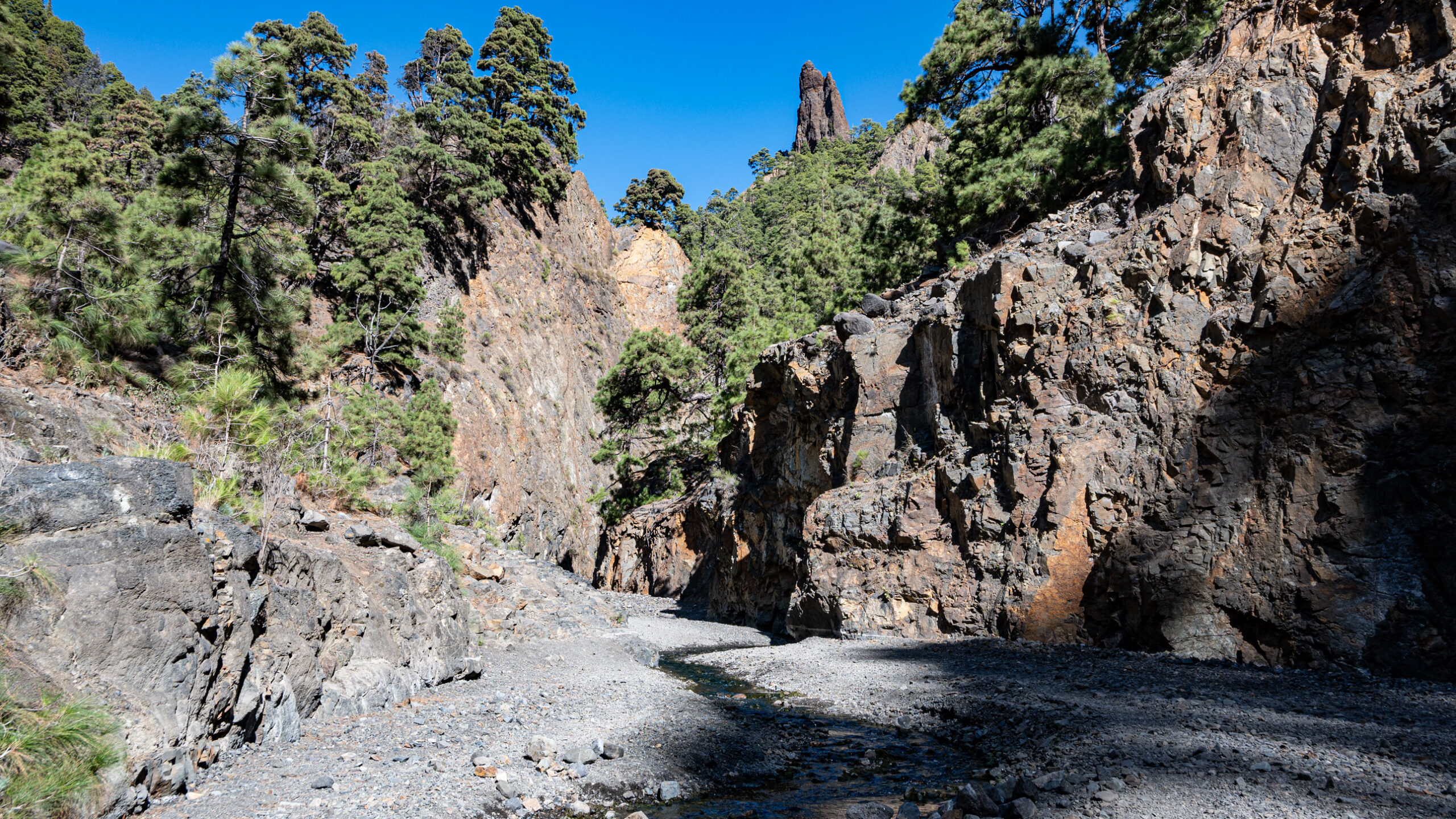
- Caldera de Taburiente National Park (since 1954): The oldest and most important protected area on the island, covering around 4,690 hectares.
- Parque Natural de Las Nieves: Protects the extensive laurel forests of the northeast, including Los Tilos and other valuable woodland areas.
- Guelguén Nature Reserve: Preserves the unique cliff-coast flora and important breeding habitats on the north coast. Further nature and landscape reserves protect endemic plant species and rare bird species.
La Palma’s Biodiversity
More than a quarter of all Canarian endemic species occur exclusively on La Palma. Relative to its area, the island has one of the highest concentrations of endemic species in the world.
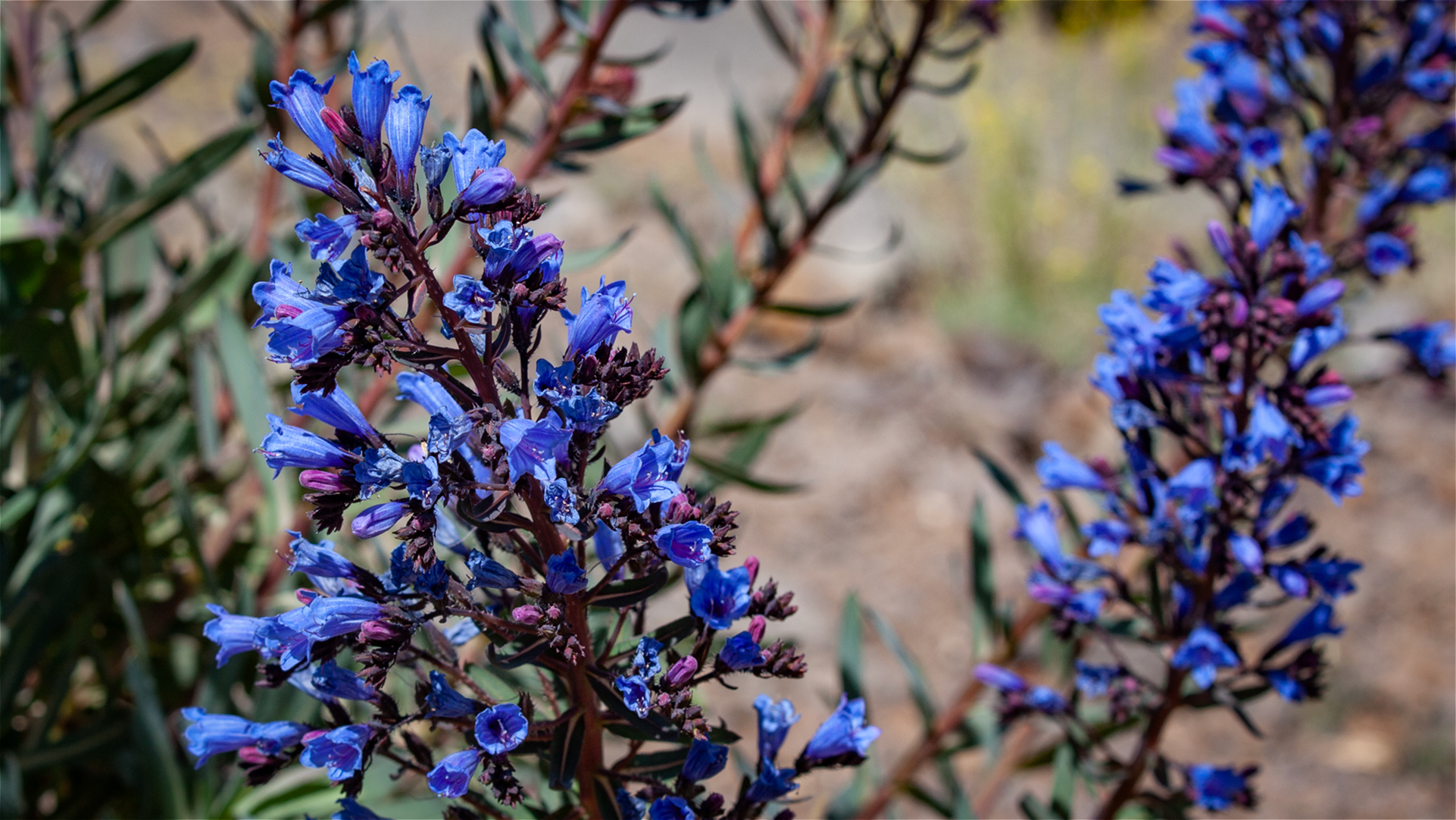
Particularly striking are two high-altitude tajinaste species Tajinaste rosada and Tajinaste azul de la cumbre, among the best-known endemic plants of La Palma. The island’s fauna is equally exceptional: the La Palma chaffinch, the graja (a subspecies of the red-billed chough), the Bolle’s pigeon, and the western Canaries lizard are among the characteristic species of the island.
Sustainable Tourism on La Palma
La Palma has not sought mass tourism – and has not received it. With around 300,000 visitors per year, the island remains far from the millions that flood other Canary Islands. This tranquil atmosphere is no accident; it is the result of a conscious decision for quality-oriented tourism rather than volume.
In practice: no vast hotel complexes, but holiday houses, rural holiday homes (casas rurales), and small hotels. No waterparks, but over 1,000 kilometres of walking trails. No major tourist attractions, but authentic natural and cultural experiences. This is precisely the combination that makes La Palma so special for so many visitors.
Frequently Asked Questions (FAQ)
What does the Biosphere Reserve status mean for travellers?
Can you hike anywhere in the Biosphere Reserve?
Why is La Palma so much greener than other Canary Islands?
This article is based on the on-the-ground knowledge of the Gequo editorial team – publishers of the Reisezeit hiking guides and operators of Sunhikes.com. Last updated: May 2026