The Indianos: La Palma’s Wealthy Returnees
In the 19th century, La Palma was marked by economic hardship. Agriculture could barely support many families, and particularly young men from modest farming backgrounds set out across the Atlantic in search of a better life. Many emigrated to the New World — above all to Cuba, Venezuela, and Puerto Rico.
They often left their homeland with nothing but hope for a better life. Many never returned. Some, however, achieved an extraordinary social rise: they built fortunes in the Caribbean and came back to La Palma years later as wealthy returnees. These men and families were called Indianos. They brought not only money, but also new ways of life, architectural ideas, music, culinary traditions, and a deep connection to the Caribbean that continues to shape the identity of the island today.
Who Were the Indianos?
The Indianos were not a uniform group. Some worked their way up in Cuba or Venezuela from simple labourers to successful merchants or entrepreneurs. Others traded in sugar, tobacco, or agricultural products and built new lives for themselves far from home.
Some emigrants stayed permanently in the Americas and supported their families back home through remittances. Others returned to La Palma and invested their wealth in houses, businesses, social projects, or the modernisation of their home towns. A returning Indiano was held in high regard on La Palma — though sometimes accompanied by a certain scepticism toward the new wealth and unfamiliar habits.
Caribbean Influence on La Palma
The returnees brought new cultural influences to the island. The Indianos introduced Cuban cigars, elegant clothing, new musical styles, and culinary traditions. The connection to Venezuela remains particularly strong to this day. Due to the numerous waves of emigration, Venezuela is affectionately known on La Palma as the “Octava Isla” — the Eighth Island. Many families still have relatives in Caracas or other Venezuelan cities today.
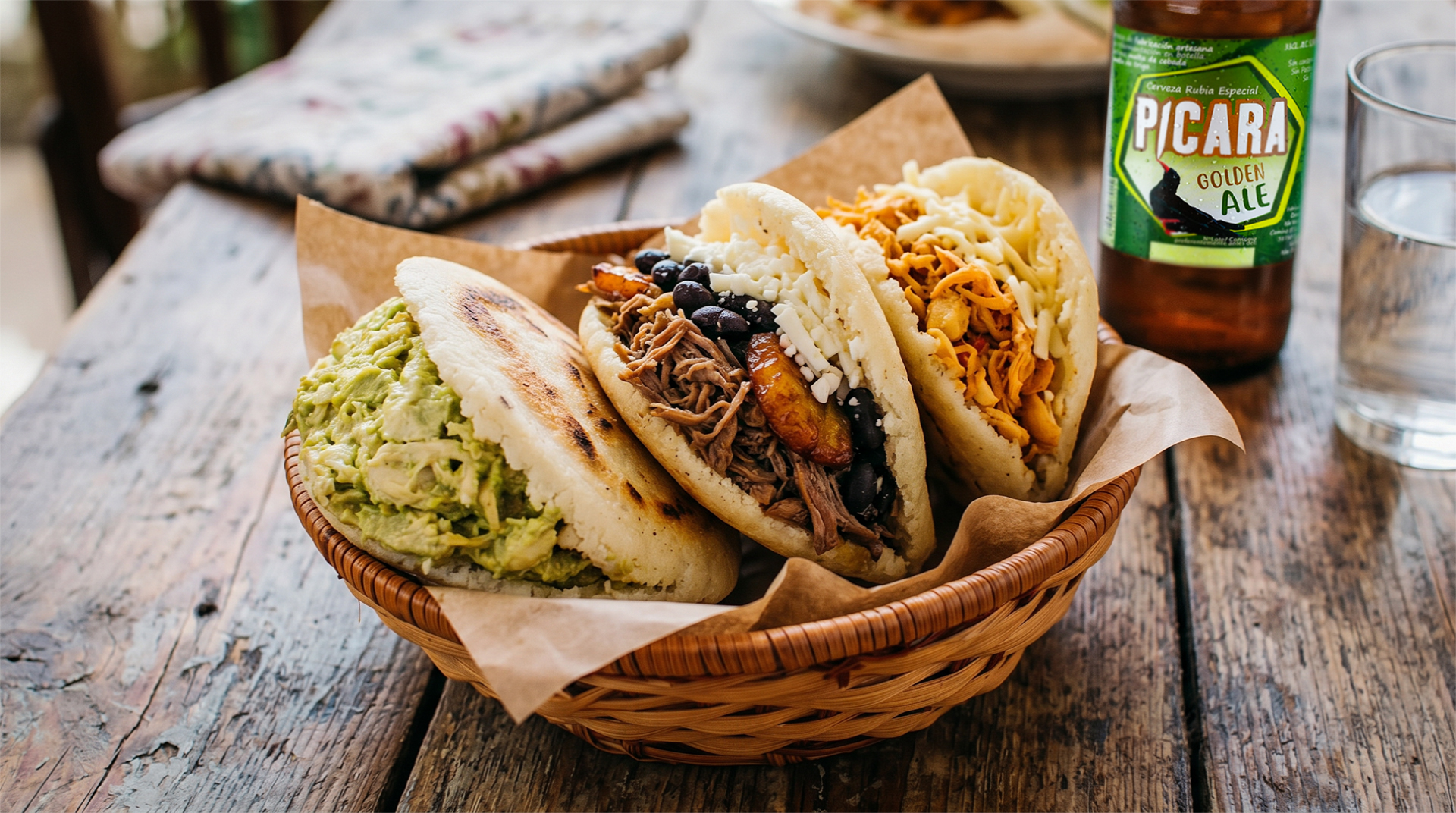
The culinary and musical legacy lives on as well: Venezuelan delicacies such as arepas are found in many restaurants, and Cuban rhythms have permanently influenced the musical culture of the island.
The Architectural Legacy
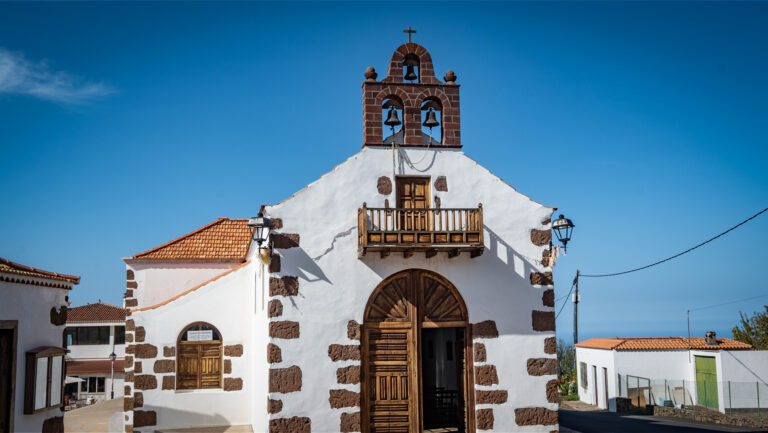
The most visible legacy of the Indianos is found in the grand houses they built after their return. Inspired by the cities of Cuba and Venezuela, elegant villas arose with neoclassical and eclectic design elements. The finest examples can be found in Santa Cruz de La Palma, Los Llanos de Aridane, Tazacorte, and other towns — buildings with generous facades, large windows, decorative elements, and tropically designed courtyards. Among the finest examples are the representative houses along the historic streets of Santa Cruz de La Palma such as Calle O’Daly and Calle Real, as well as various villas in the Aridane valley.
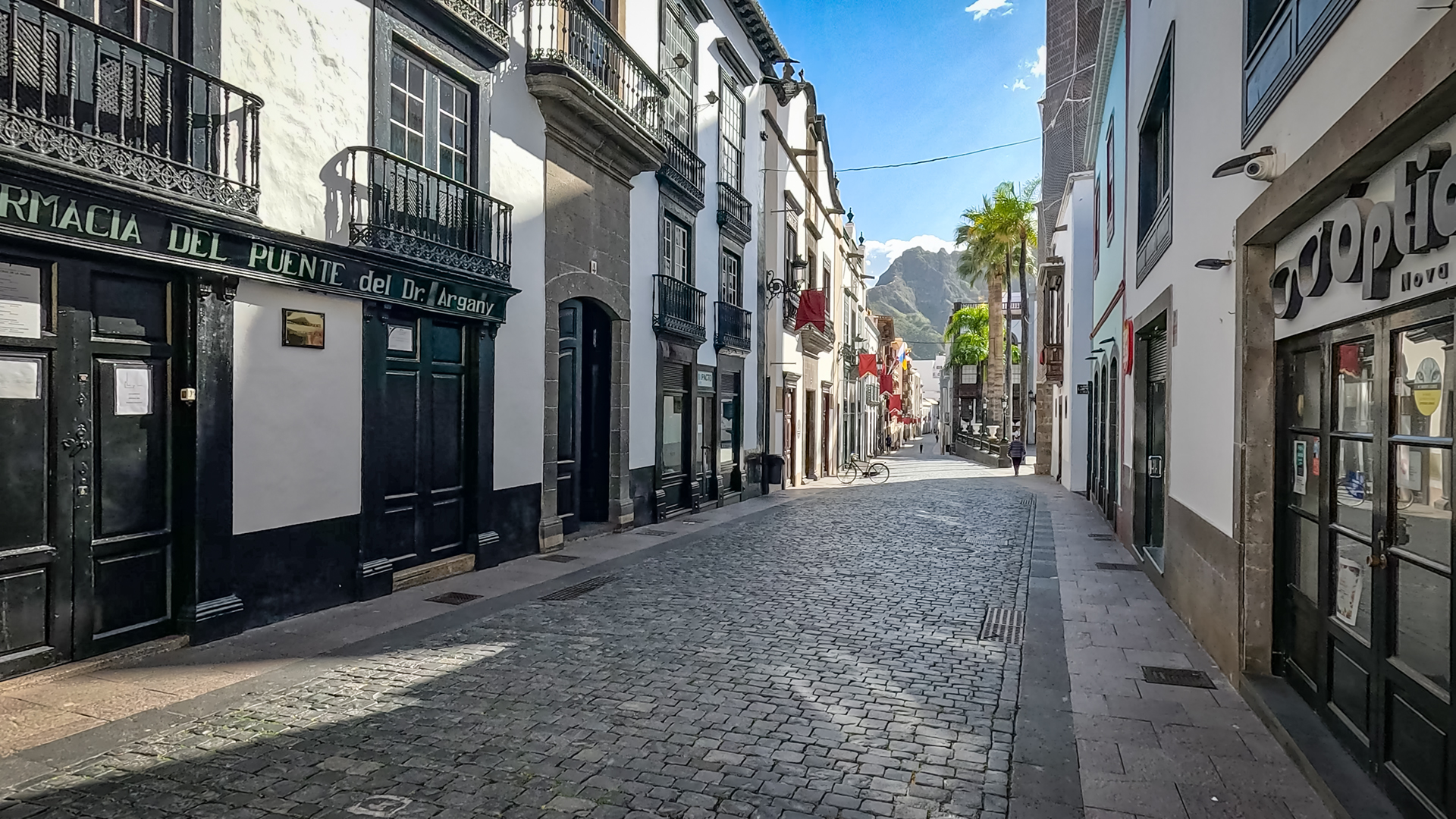
Not all of the island’s historic manor houses date from the Indiano era, however: the Casa Massieu-Van Dale in Los Llanos, for example, has its origins in the 17th and 18th centuries and belongs to the island’s older colonial heritage.
The Día de los Indianos: The White Carnival of Santa Cruz
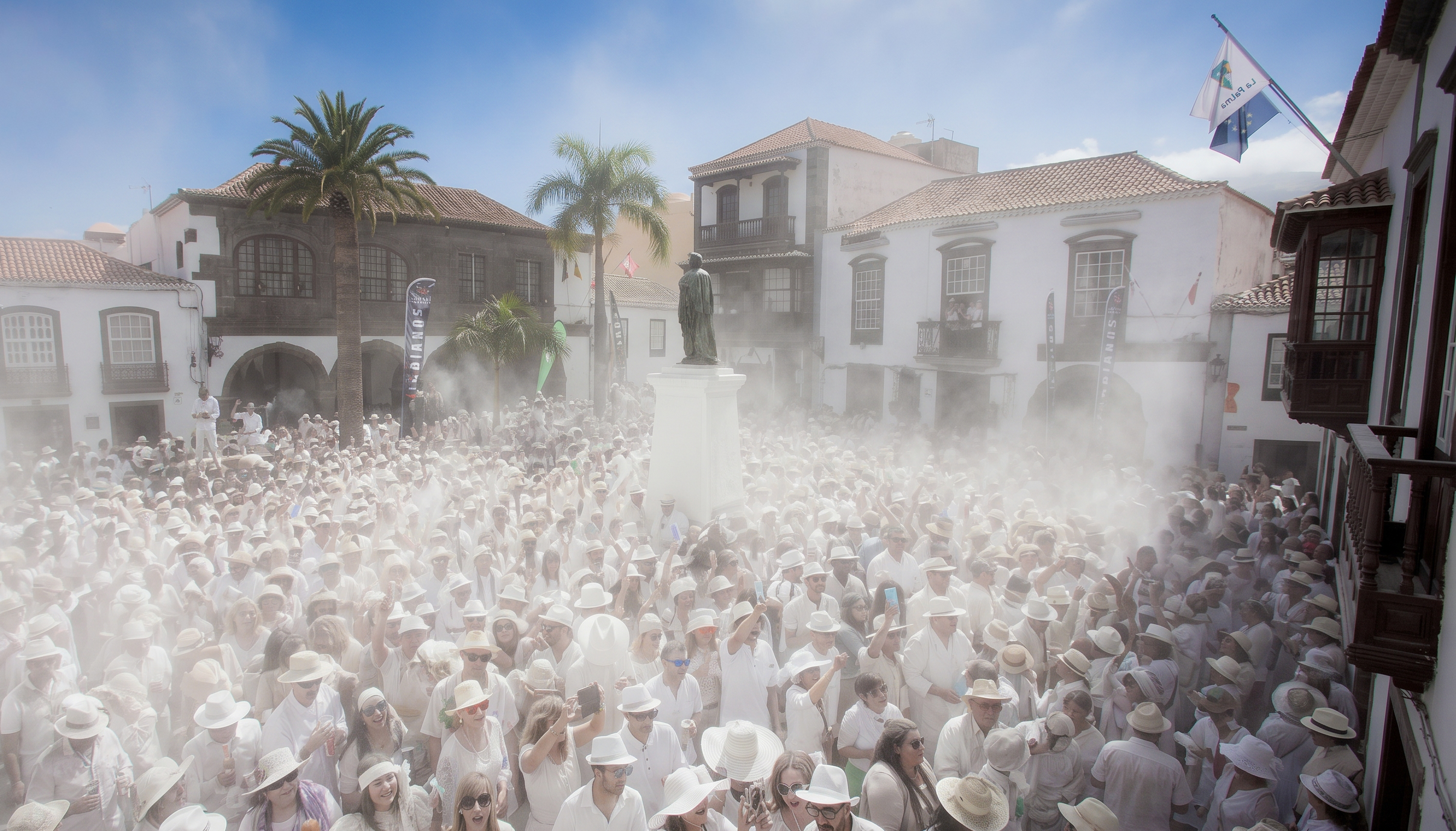
The most famous commemoration of the Indianos is the Día de los Indianos on Carnival Monday in Santa Cruz de La Palma. On that day, the capital transforms into a sea of white. Participants dress in historic white suits, wear straw hats, and evoke the returning emigrants with cigars, music, and a Caribbean atmosphere.
The best-known ritual is the mutual showering of white talcum powder (polvos de talco). Contrary to a common assumption, it is not flour, nor is it a direct reference to the sugar trade. The tradition is generally understood as a humorous nod to the pale, elegant appearance of the wealthy returnees, who came back after years in the Caribbean with a way of life unfamiliar to the island. The Día de los Indianos today blends history, carnival, and Caribbean joie de vivre into one of the most celebrated festivals in the Canary Islands.
Conclusion
The Indianos represent one of the most fascinating chapters of La Palma’s history: emigration, courage, success, and return. They transformed the social fabric of the island, left behind remarkable buildings, and brought a piece of the Caribbean back home.
Their legacy lives on today in the architecture, the music, the cuisine, and the island’s most famous carnival celebration.
Frequently Asked Questions
What does the term "Indiano" mean?
Why did so many Palmeros emigrate to Cuba and Venezuela?
Why is white powder used at the Día de los Indianos?
Where can you still see the legacy of the Indianos today?
Why do people on La Palma call Venezuela the "Eighth Island"?
This article is based on the on-the-ground knowledge of the Gequo editorial team – publishers of the Reisezeit hiking guides and operators of Sunhikes.com. Last updated: May 2026