La Palma Biosphere Reserve: The Entire Island Under UNESCO Protection
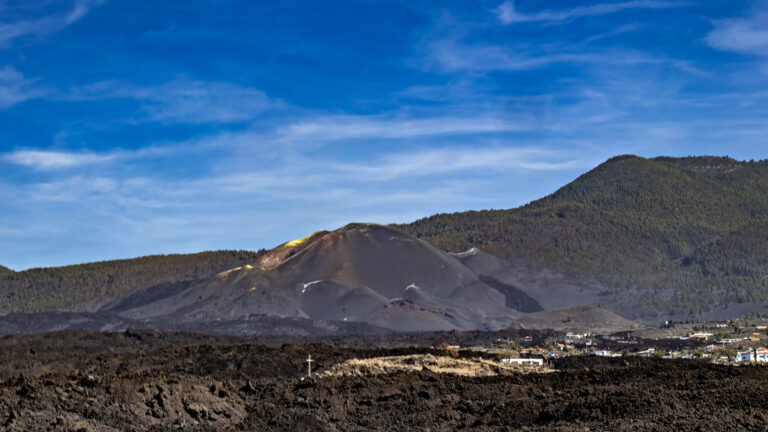
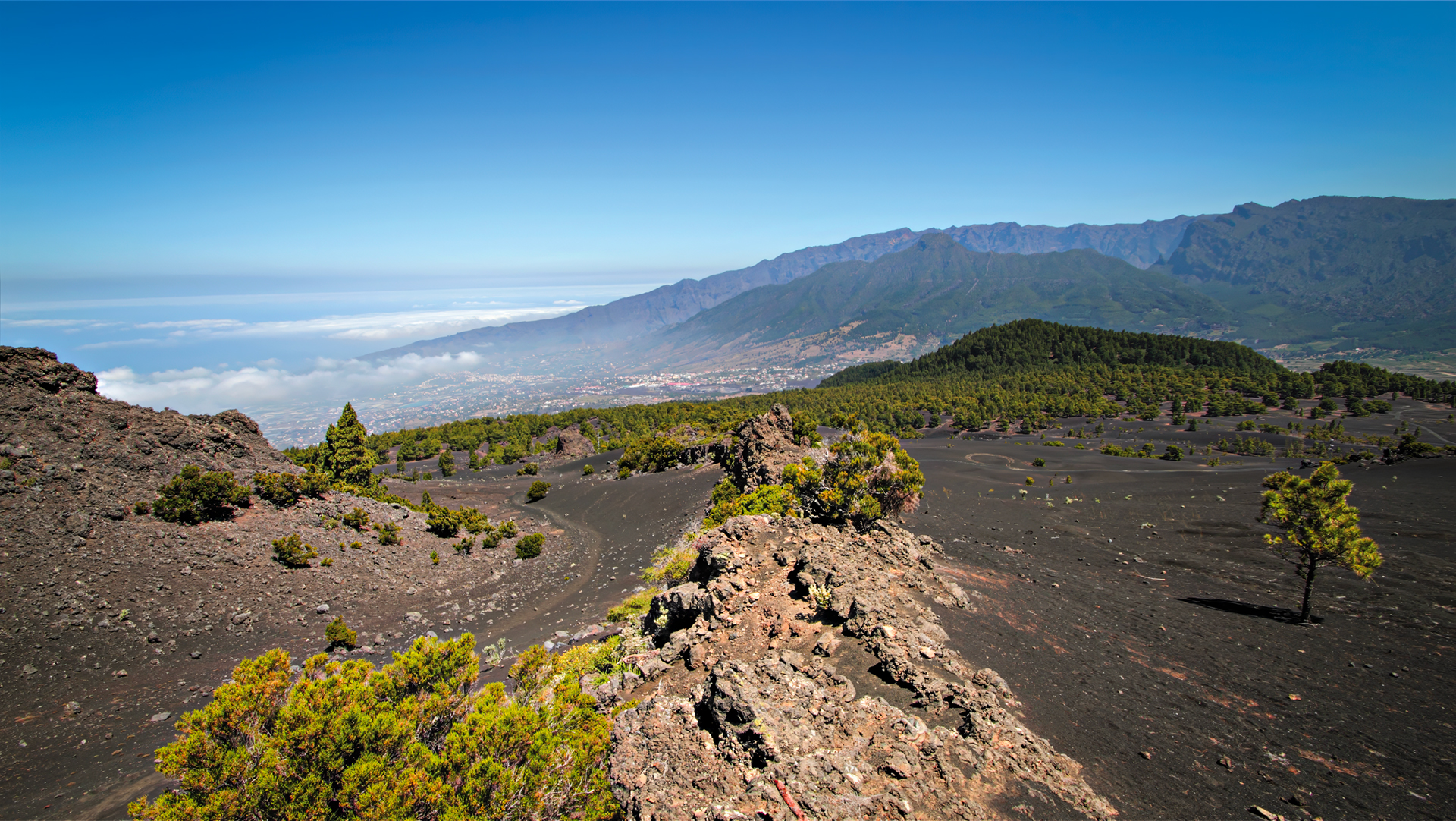
In 2002, UNESCO designated the entire island of La Palma a Biosphere Reserve — a distinction granted to very few island regions worldwide. Key factors included the island’s extraordinary landscape diversity, the Caldera de Taburiente National Park, the laurel forests of Los Tilos, the Cumbre Vieja Nature Reserve with its most recent volcanic landscapes around Tajogaite, and the marine areas surrounding the island. Together they form a unique natural space with remarkable biodiversity.
What a Biosphere Reserve Means
A UNESCO Biosphere Reserve is not a completely sealed-off nature reserve. Rather, it serves as a model region for the interplay of nature conservation, sustainable development, and regional life. UNESCO distinguishes three zones:
- Core zones with strict nature conservation.
- Buffer zones, where research and traditional land use are possible.
- Transition zones, where people live, practice agriculture, and sustainable tourism is promoted.
The History: From Los Tilos to the Entire Island
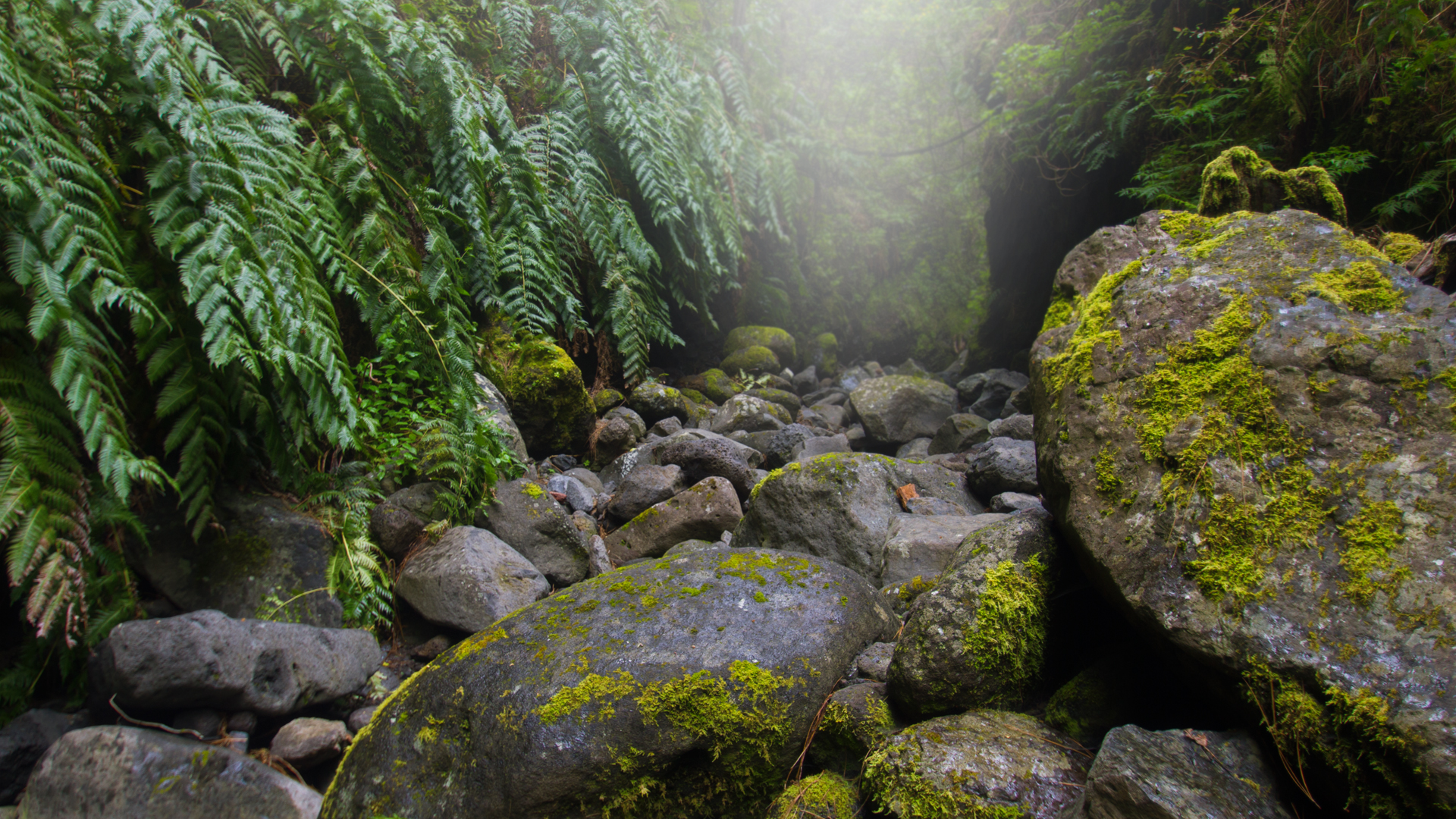
In 1983, the 511-hectare area of El Canal y Los Tilos near San Andrés y Sauces was designated the first Biosphere Reserve in the Canary Islands. The lush laurel forest with its Marcos y Cordero springs, the Barranco del Agua, and a unique fauna and flora provided the impetus. In 2002, the designation was extended to the entire island — a step that brought La Palma international recognition and shaped the island’s nature tourism.
Why Did La Palma Become a UNESCO Biosphere Reserve?
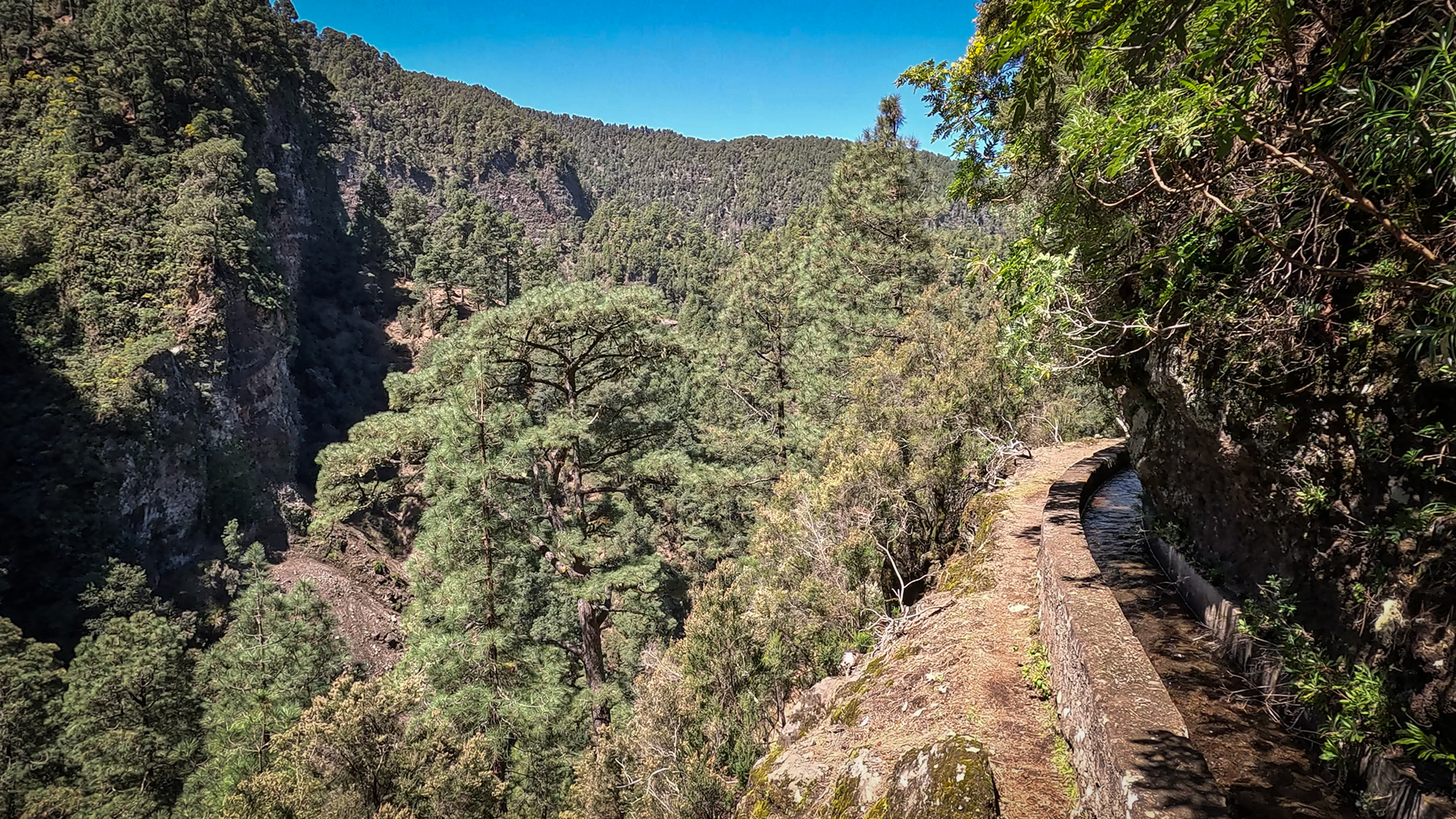
La Palma packs an extraordinary variety of landscapes and habitats into a relatively small area. From evergreen laurel forests and extensive pine woodlands to the highlands of Caldera de Taburiente National Park and the young lava fields of Tajogaite, the island encompasses a mosaic of highly diverse ecosystems. This is complemented by numerous endemic plant and animal species as well as traditional cultural landscapes with vineyards, almond groves, and terraced fields. The surrounding marine areas are also part of the conservation concept. This unique combination of natural and cultural heritage made La Palma a model region for sustainable development and led to its recognition as a UNESCO Biosphere Reserve in 2002.
Key Facts and Figures
| Indicator | Value |
|---|---|
| UNESCO Biosphere Reserve since | 2002 |
| First Biosphere Reserve: Los Tilos | 1983 |
| Island area | 708 km² |
| Highest peak | Roque de los Muchachos (2,426 m) |
| National Park | Caldera de Taburiente |
| UNESCO-Starlight Reserve | Yes |
| Protection includes | Land and marine areas |
Practical Significance for Visitors
Visitors will notice the island’s UNESCO status in many ways. Strict conservation rules apply in the Caldera de Taburiente National Park. For the popular viewpoint La Cumbrecita, only the car park needs to be reserved online in advance when arriving by car. Those arriving on foot or by taxi do not need a reservation.
The exceptionally dark night sky is also the result of consistent conservation measures. As an internationally recognised Starlight Reserve, La Palma limits light pollution and creates ideal conditions for astronomical observations and for nocturnal animal species.
In addition, the Biosphere Reserve supports numerous projects for sustainable agriculture, the protection of traditional cultural landscapes, and the study of the new volcanic landscapes around Tajogaite, which have been gradually reclaimed by plants and lichens since the 2021 eruption.
What You See on the Ground
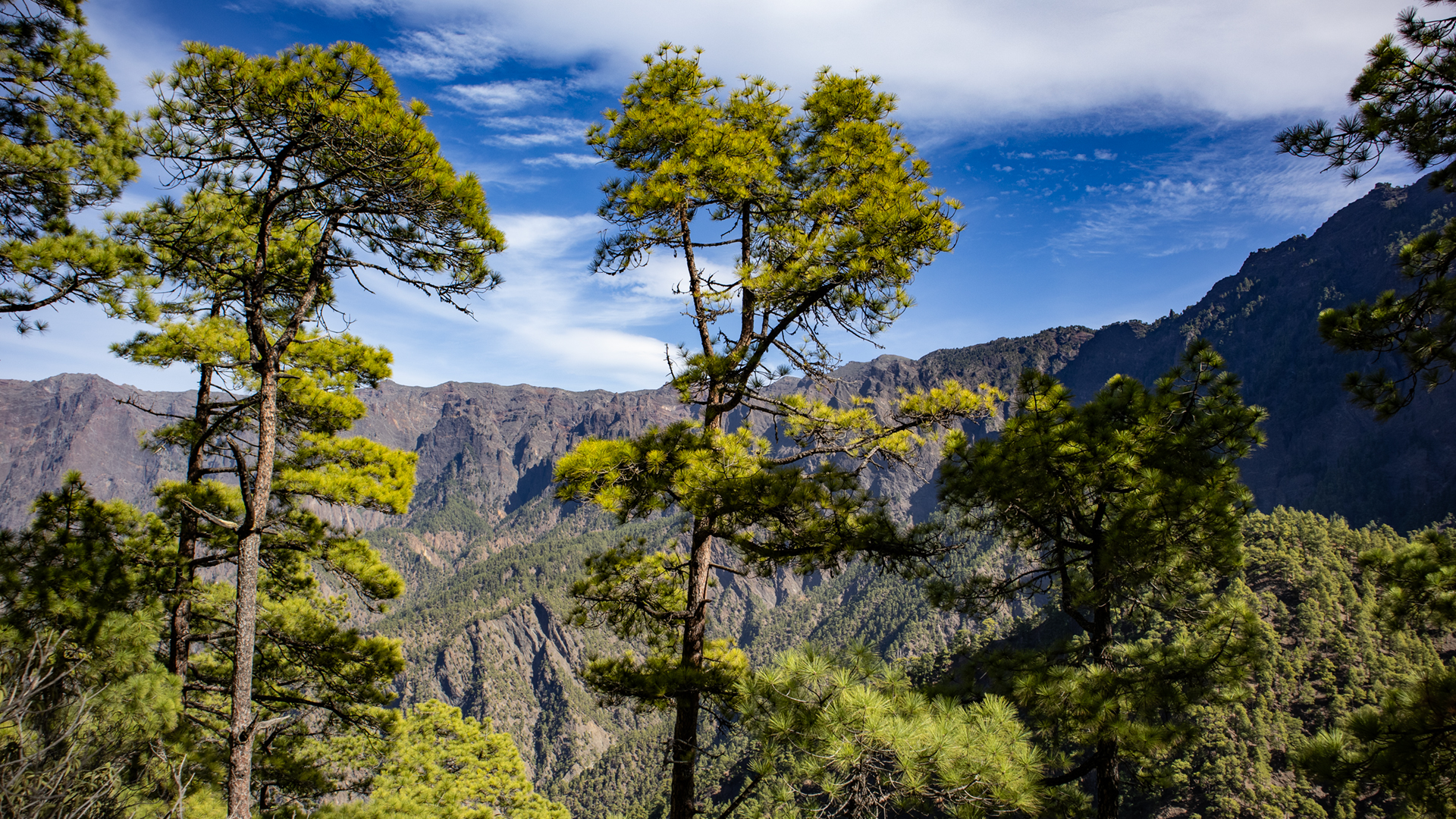
Visitors often don’t consciously notice the UNESCO status — yet they experience its effects everywhere: restored dry-stone walls, well-maintained hiking trails, traditional terraced fields, dark night skies, and the virtual absence of large-scale hotel developments are all direct results of the conservation framework.
Sustainability to Take Home
The Biosphere Reserve awards its own quality seal — the Marca Reserva Mundial de la Biosfera La Palma — to sustainably produced island products. These include wine, honey, cheese, almonds, handicrafts, and other regional products. Purchasing items with this seal simultaneously supports local producers and the preservation of the traditional cultural landscape.
Conclusion
The La Palma Biosphere Reserve is far more than a UNESCO title. It connects nature conservation, sustainable development, and the daily life of the island’s population. This very balance makes La Palma one of the most pristine and best-preserved islands in Europe.
Frequently Asked Questions
What does UNESCO Biosphere Reserve status mean for La Palma?
Is the entire island a nature reserve?
Do you need a reservation for La Cumbrecita?
What role does the Tajogaite volcano play in the Biosphere Reserve?
How do you recognize sustainable products from La Palma?
This article is based on the on-the-ground knowledge of the Gequo editorial team – publishers of the Reisezeit hiking guides and operators of Sunhikes.com. Last updated: May 2026