
La Palma: Der komplette Reiseführer für die Isla Bonita
Es gibt Inseln, die man besucht. Und es gibt Inseln, die einen nicht loslassen. La Palma gehört zur zweiten Sorte.
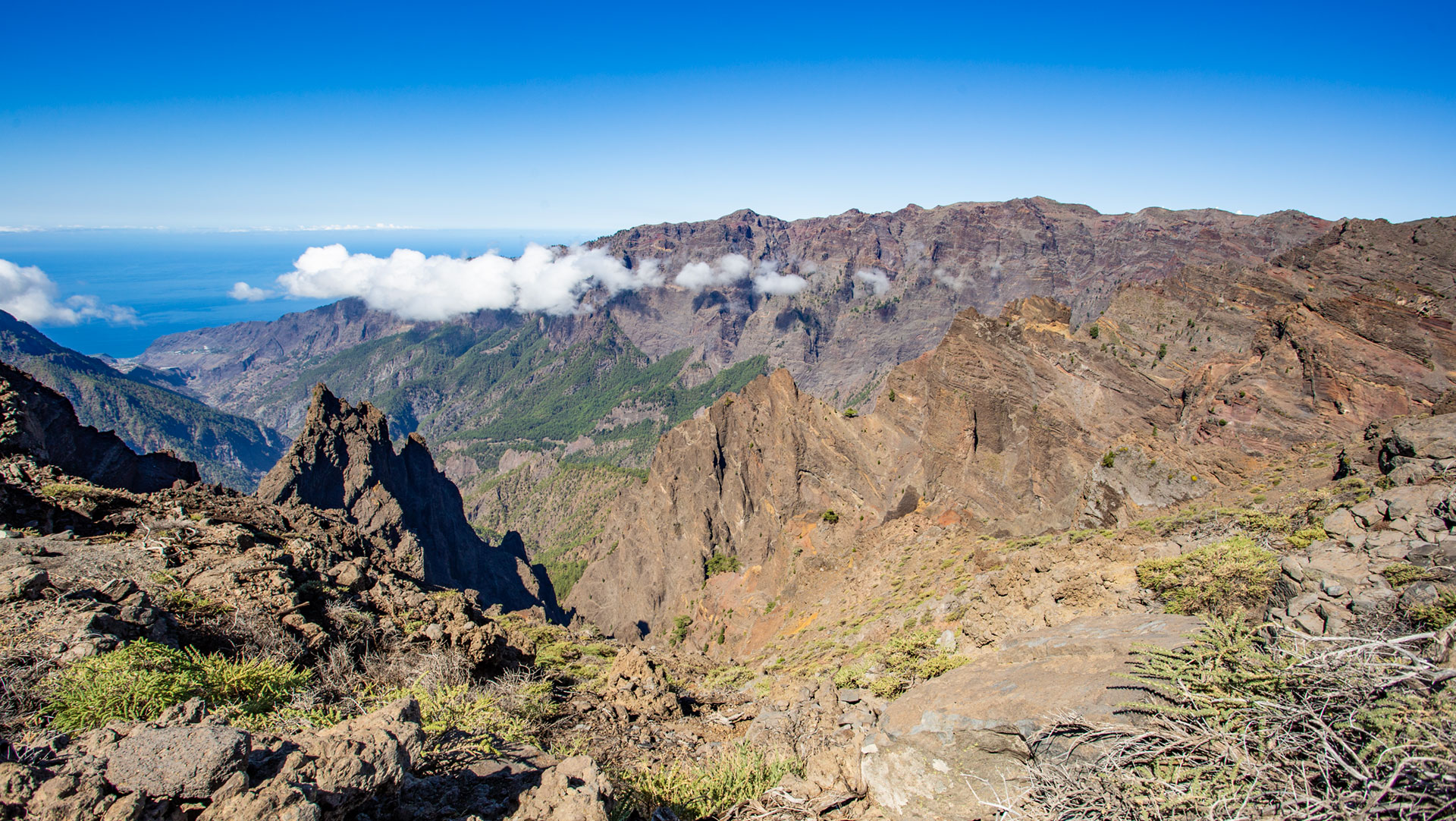
La Palma ist die nordwestlichste der Kanarischen Inseln — eine Vulkaninsel von außergewöhnlicher Vielfalt, die auf 708 Quadratkilometern tropisch-grüne Lorbeerwälder, einen mächtigen Erosionskrater, frische Lavafelder und den reinsten Sternenhimmel der nördlichen Hemisphäre vereint. Kein Massentourismus. Keine Bettenburgen. Dafür echte Natur, echte Küche und eine Insel, die noch sie selbst geblieben ist — die Kanaren, wie sie einmal waren.
Wer La Palma wirklich verstehen will, braucht mehr als eine Kurzbeschreibung. Dieser Reiseführer liefert alles: den Nationalpark Caldera de Taburiente, den Vulkan Tajogaite von 2021, die schönsten Wanderrouten und Strände, die beste Gastronomie, die Geschichte der Benahoaritas und alle praktischen Reisetipps für 2026.
Was ist La Palma?
La Palma — offiziell San Miguel de La Palma — ist die nordwestlichste und drittkleinste der sieben Kanarischen Inseln. Mit einem Alter von nur zwei Millionen Jahren ist sie geologisch eine der jüngsten. Und doch: Auf ihren 708 Quadratkilometern hat die Natur mehr untergebracht als auf mancher zehnmal größeren Insel. 2.426 Meter Höhe im Roque de los Muchachos. Ein acht Kilometer breiter Erosionskrater im Herzen der Insel. Lorbeerwälder aus dem Tertiär. Und ein Vulkan, der 2021 zum ersten Mal seit 1971 die Welt an seine Existenz erinnerte.
Seit 2002 ist die gesamte Insel UNESCO-Biosphärenreservat. Seit 2012 trägt sie das Starlight-Reservat-Zertifikat — als weltweit erste Insel — für den Schutz ihres außergewöhnlichen Nachthimmels. Und der Nationalpark Caldera de Taburiente ist seit 1954 einer der ältesten Nationalparks Spaniens. La Palma ist keine Entdeckung von gestern — aber eine, die noch nicht verbraucht ist.
Die Caldera de Taburiente — der Nationalpark im Herzen der Insel
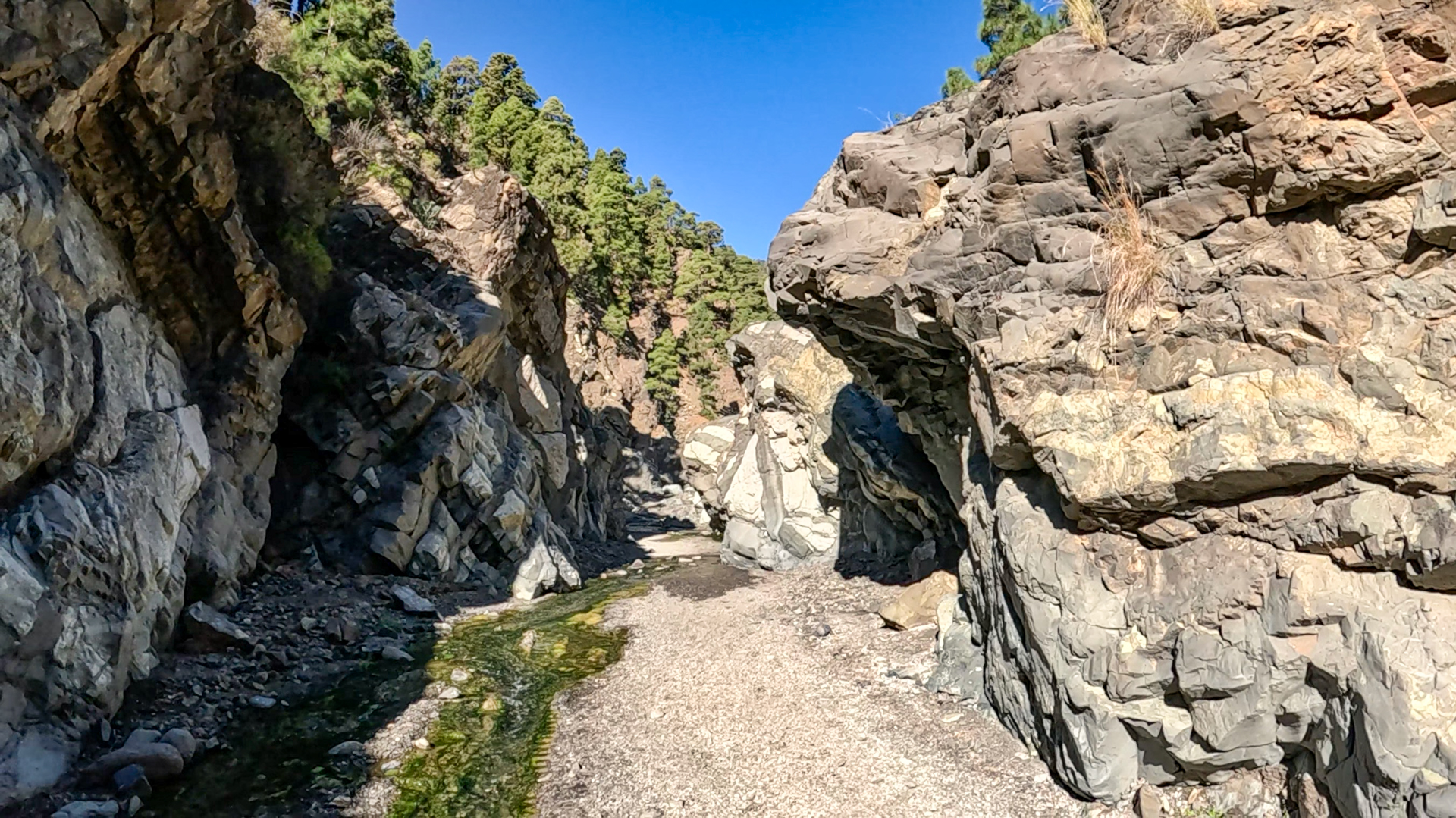
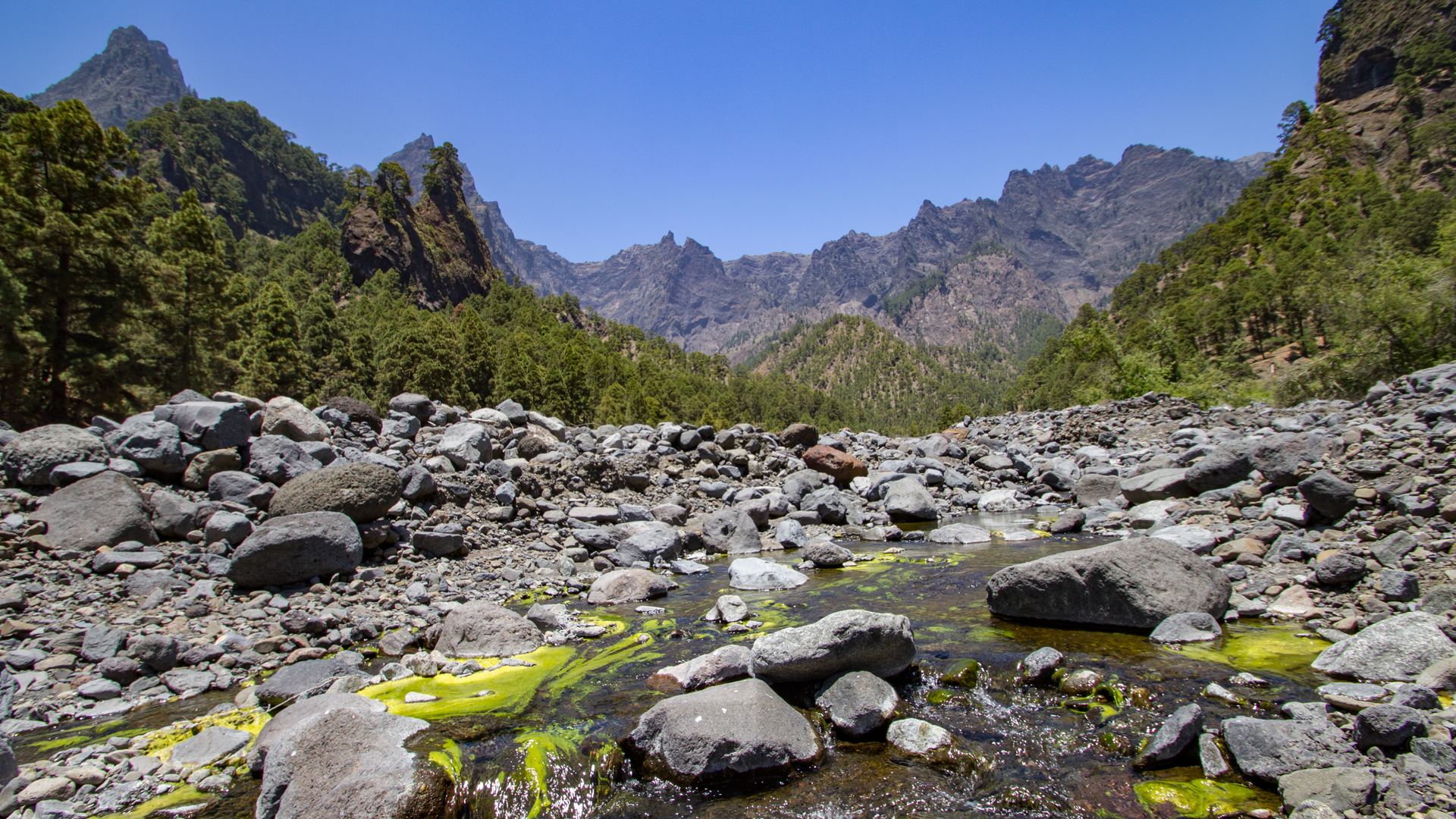
Der beeindruckende Erosionskrater mit einem Durchmesser von acht Kilometern und einer Tiefe von bis zu 1.700 Metern ist das geografische Herzstück La Palmas — und seit 1954 offiziell Nationalpark. Keine Straße führt ins Zentrum der Caldera. Wer ins Innere will, geht zu Fuß: durch den Barranco de las Angustias, die Schlucht der Todesängste, oder von Los Brecitos aus hinab in das Tal, wo der Río de Taburiente zwischen Felsen und Wasserfällen rauscht.
An den Steilwänden wachsen Kanarische Kiefern, Baumheiden, Zedern und endemische Farne. Turmfalken kreisen über den Felsen. Und der Roque Idafe — ein frei stehender Lavafels mitten im Krater — war der heiligste Ort der Benahoaritas, der Ureinwohner La Palmas. Vom Mirador de la Cumbrecita — dem meistbesuchten Aussichtspunkt des Parks — blickt man in diese Stille hinein. Eine Reservierung für den Shuttle ist obligatorisch.
Das Besucherzentrum Caños de Fuego in Las Manchas (Gemeinde El Paso) erschließt das Lavafeld mit Ausstellungen, geführten Touren und freiem Zugang zum Aussichtspunkt. Puerto Naos, der Küstenort westlich des Lavafelds, ist 2026 weitgehend zugänglich — das CO₂-Ampelsystem überwacht die Luftqualität dauerhaft. Wer La Palma besucht und den Tajogaite nicht sieht, hat eine der eindrücklichsten Naturgeschichten unserer Zeit verpasst.
Wandern auf La Palma — die Insel zu Fuß entdecken
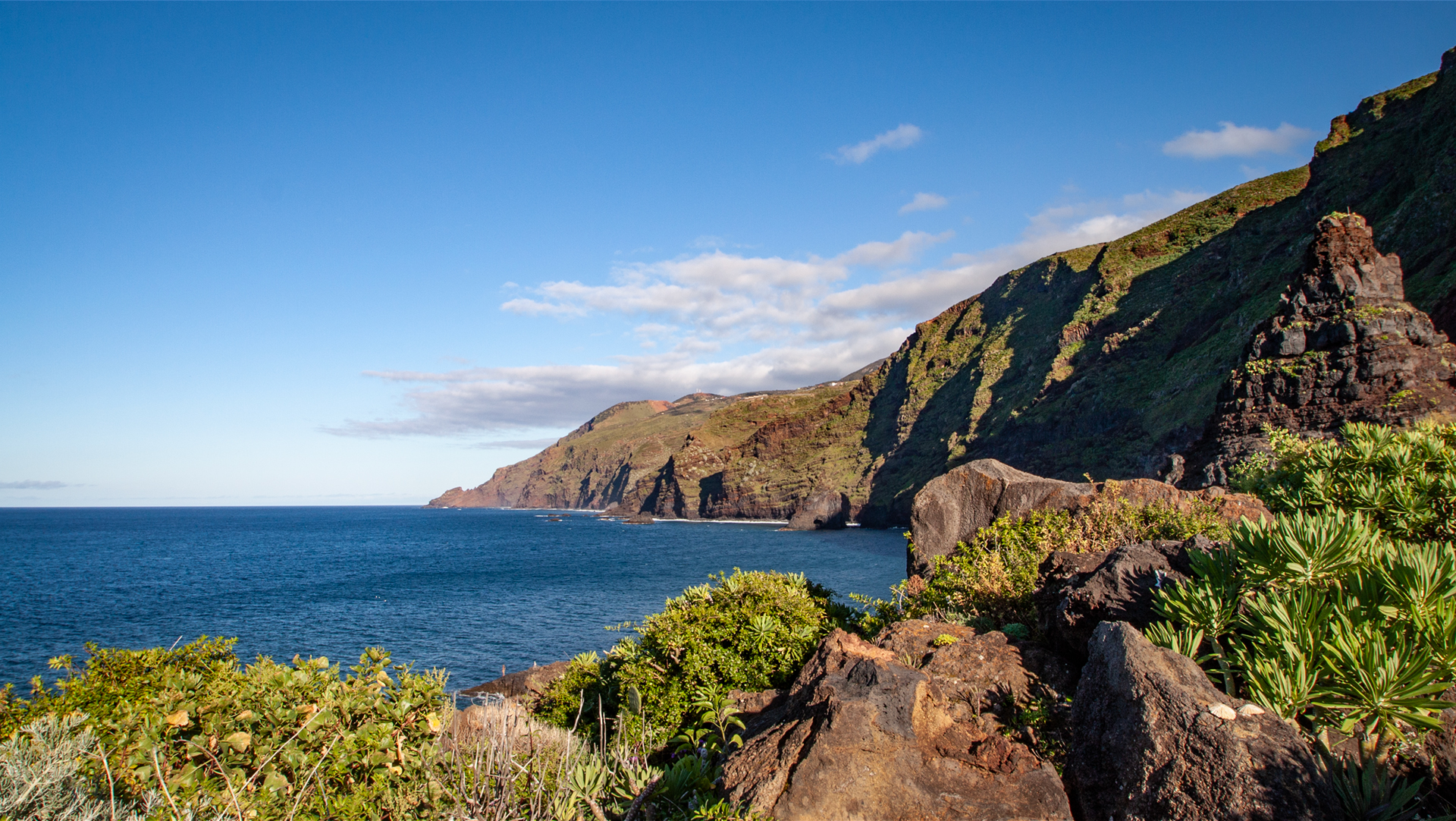
La Palma gilt unter Kennern als das beste Wanderziel der Kanarischen Inseln — und das hat seinen Grund. Über 1.000 Kilometer markierte Wanderwege durchziehen die Insel vom Meeresniveau bis auf den 2.426 Meter hohen Gipfel des Roque de los Muchachos. Die Vegetation wechselt innerhalb weniger Stunden: Bananenplantagen an der Küste, Lorbeerwälder in der Feuchte, Kanarische Kiefern in den Höhenlagen, Hochgebirgsvegetation am Gipfel. Eidechsen huschen über die Wege, Schmetterlinge begleiten den Wanderer, und die Aussichten auf den Atlantik und die Nachbarinseln sind an klaren Tagen unbegrenzt.
Highlight-Wanderungen
Zu den absoluten Highlight-Wanderungen zählen die Wanderung von Los Brecitos durch die Caldera, die Ruta de los Volcanes entlang der Vulkankette der Cumbre Vieja, der Aufstieg zum Roque de los Muchachos und Wanderungen durch den Lorbeerwald von Los Tilos im Nordosten. Wer die Insel in ihrer ganzen Länge erleben will, geht den GR 130 — den Fernwanderweg, der La Palma in 14 Etappen umrundet.
Ausflüge — Sternwarte, Piratenbucht und Meereshöhlen
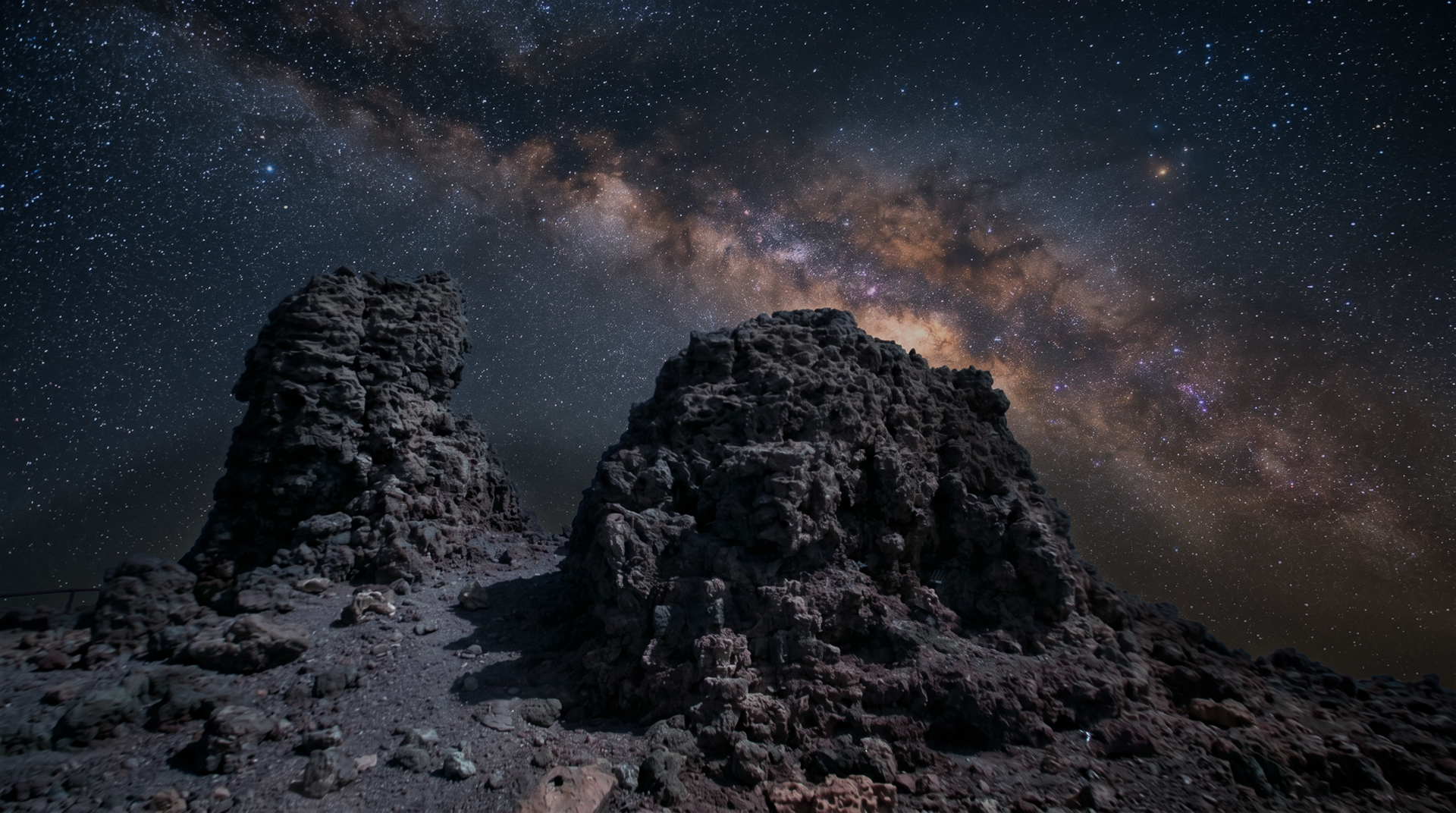
Auf dem höchsten Punkt der Insel, dem Roque de los Muchachos auf 2.426 Metern, steht das Observatorio del Roque de los Muchachos — eine der bedeutendsten astrophysikalischen Forschungseinrichtungen der Welt mit über 20 Teleskopen, darunter das Gran Telescopio Canarias mit 10,4 Metern Spiegeldurchmesser, eines der größten optischen Teleskope der Erde. 2012 wurde La Palma als weltweit erste Insel als UNESCO-Starlight-Reserve zertifiziert. Mit bloßem Auge ist hier die Milchstraße zu sehen.
Aktivitäten auf La Palma
Wenige Stunden mit dem Boot von der Nordwestküste entfernt leuchtet die Cueva Bonita — eine Meereshöhle, deren Lavawände sich bei ruhiger See in biolumineszierendem Blaugrün spiegeln. Die Piratenbucht Porís de Candelaria bei Tijarafe verbirgt sich unter einem gigantischen Felsüberhang: rund 20 kleine weiße Häuser, in den Fels geschlagen oder dazwischen errichtet, einst Versteck von Schmugglern und Piraten, heute von einheimischen Fischern bewohnt. Und die Salinas de Fuencaliente produzieren rosa Meersalz direkt am Fuß zweier erloschener Vulkane.
Im Norden bieten die Naturpools Charco Azul und die Piscinas del Fajana bei Barlovento geschütztes Baden selbst bei starker Dünung. Im Süden die Playa Echentive bei Fuencaliente — schwarzer Sand auf Vulkangestein, direkt neben den Salinen. Und der Charco Verde bei Puerto Naos ist ein ruhiger, grüner Naturpool ideal für Familien.
Essen & Trinken — die palmerische Küche
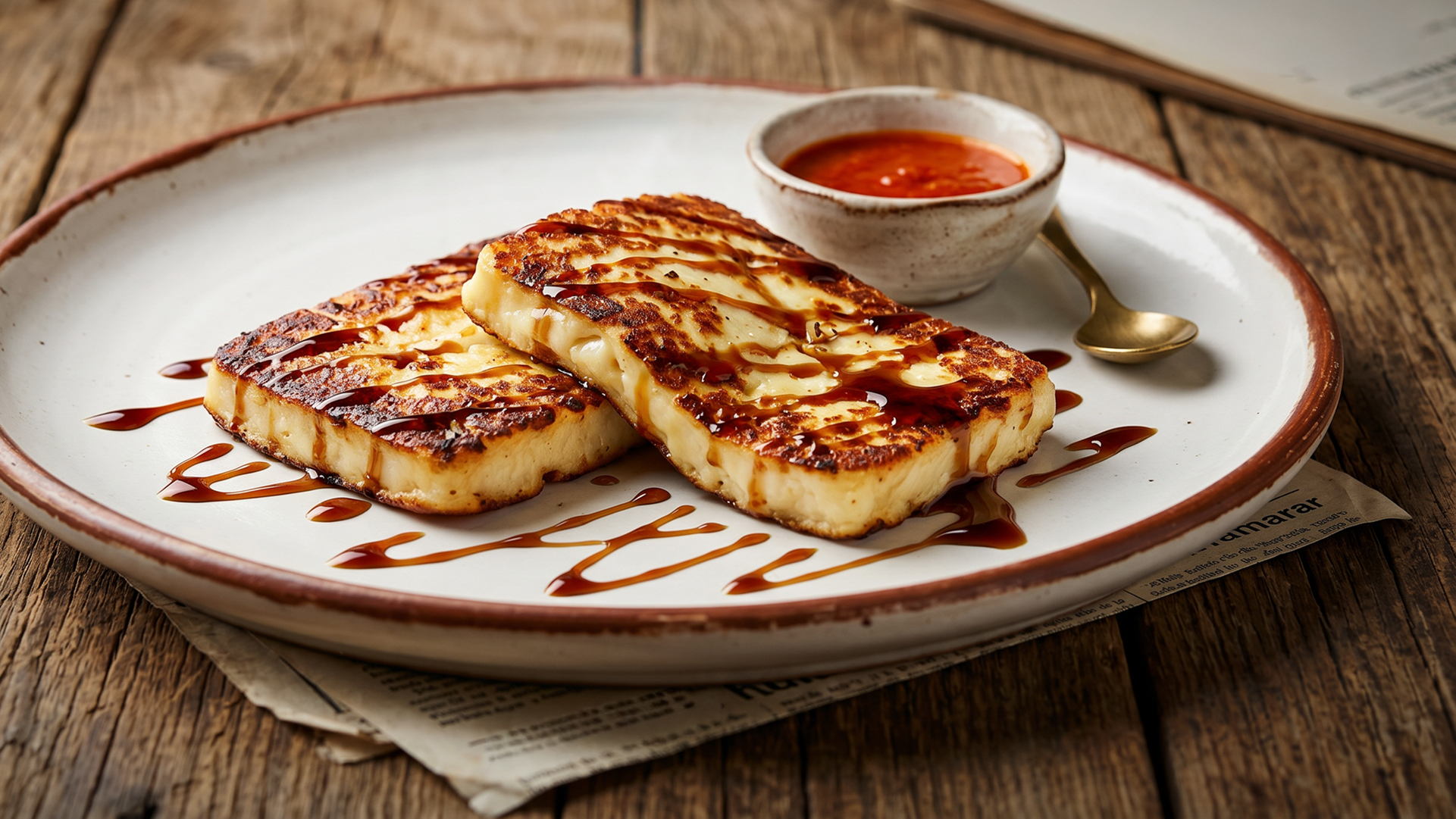
Die Küche La Palmas ist ehrlich, rustikal und tief verwurzelt in den natürlichen Ressourcen der Insel. Papas arrugadas con mojo — kleine runzelige Salzkartoffeln mit Mojo Rojo (pikant, mit Paprika und Chili) oder Mojo Verde (mild, mit Koriander und Petersilie) — sind das kanarische Grundnahrungsmittel. Der Queso Palmero ist ein Ziegenkäse, oft über Mandelschalen oder Kiefernholz geräuchert, der am besten frisch oder kurz angebraten mit Mojo schmeckt.
Für Fischliebhaber: Vieja a la plancha – der gegrillte Papageienfisch – ist das palmerische Signature-Gericht, am besten direkt an den Fischhäfen in Tazacorte. Vino de Tea – Wein aus dem Norden, in Fässern aus dem Kernholz der Kanarischen Kiefer gelagert – hat ein harziges Aroma, das es nirgendwo sonst gibt. Und als Abschluss: Bienmesabe, eine süße Mandelcreme aus Mandeln von Puntagorda.
Natur & Flora — Lorbeerwälder, Drachenbäume und Tajinaste
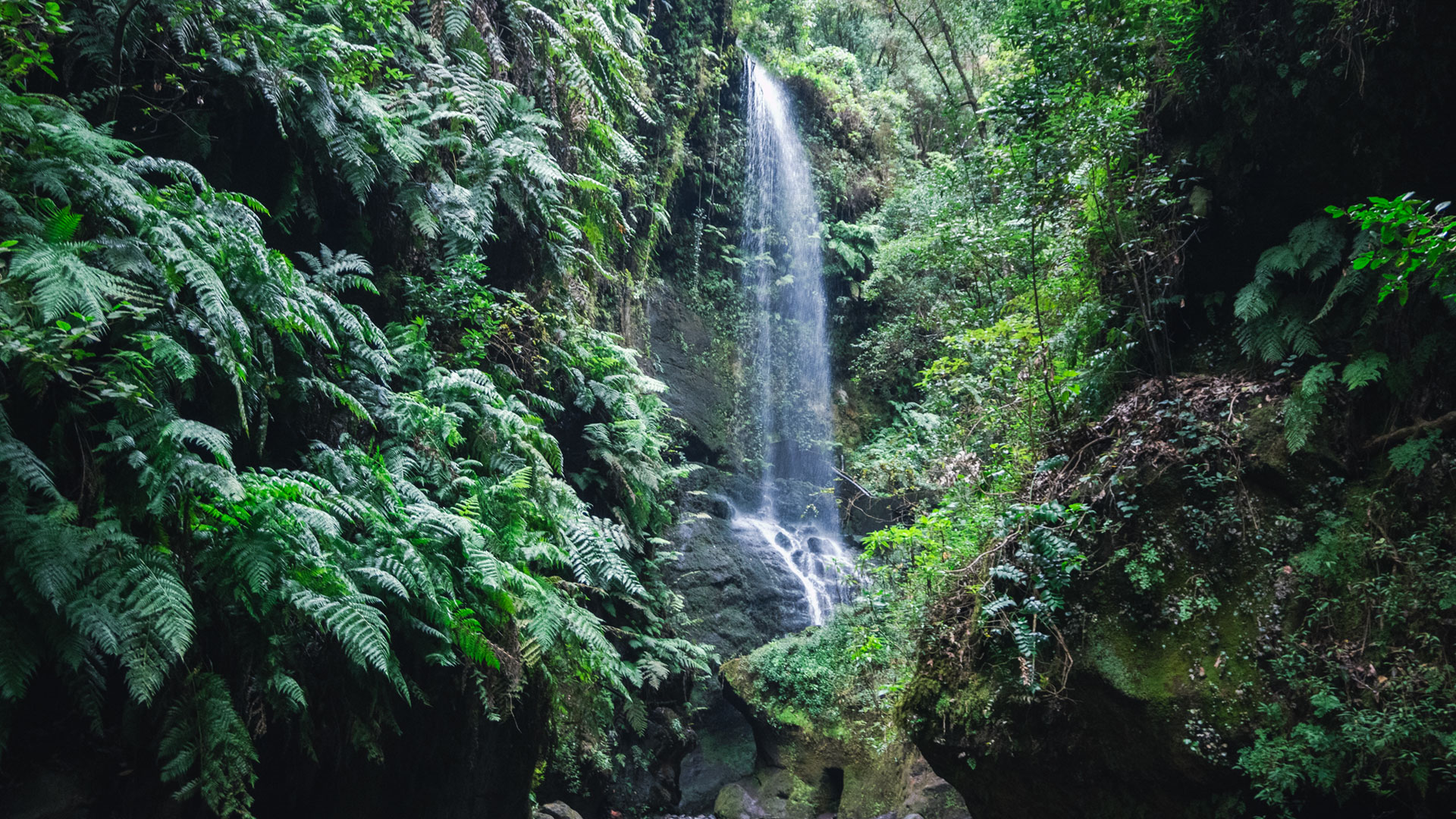
La Palmas Pflanzenwelt ist faszinierend vielfältig auf engstem Raum. Im nordöstlichen Biosphärenreservat Los Tilos wächst einer der am besten erhaltenen Lorbeerwälder (Laurisilva) der Kanarischen Inseln — bereits 1983 von der UNESCO ausgezeichnet, lange bevor die gesamte Insel 2002 zum Biosphärenreservat wurde. Hier gedeihen Stinklorbeer, Kanaren-Lorbeer und Indische Persea, Baumheiden und Gagelbaum, und an feuchten Hängen wächst der Wurzelnde Kettenfarn zu einer Größe heran, die man kaum für möglich hält.
Das spektakulärste Blütenspektakel der Kanaren ist die Tajinaste rosada — dessen leuchtende Blütenkerzen von Mai bis Juni den Roque de los Muchachos in ein Naturwunder verwandeln, das weltweit seinesgleichen sucht. Knorrige alte Drachenbäume findet man vor allem im Nordwesten, in der Gemeinde Garafía. Und entlang der Küste wachsen Wolfsmilchgewächse und Feigenkakteen, während in den Lorbeerwäldern die Kanarische Glockenblume mit rötlich-gelben Blüten
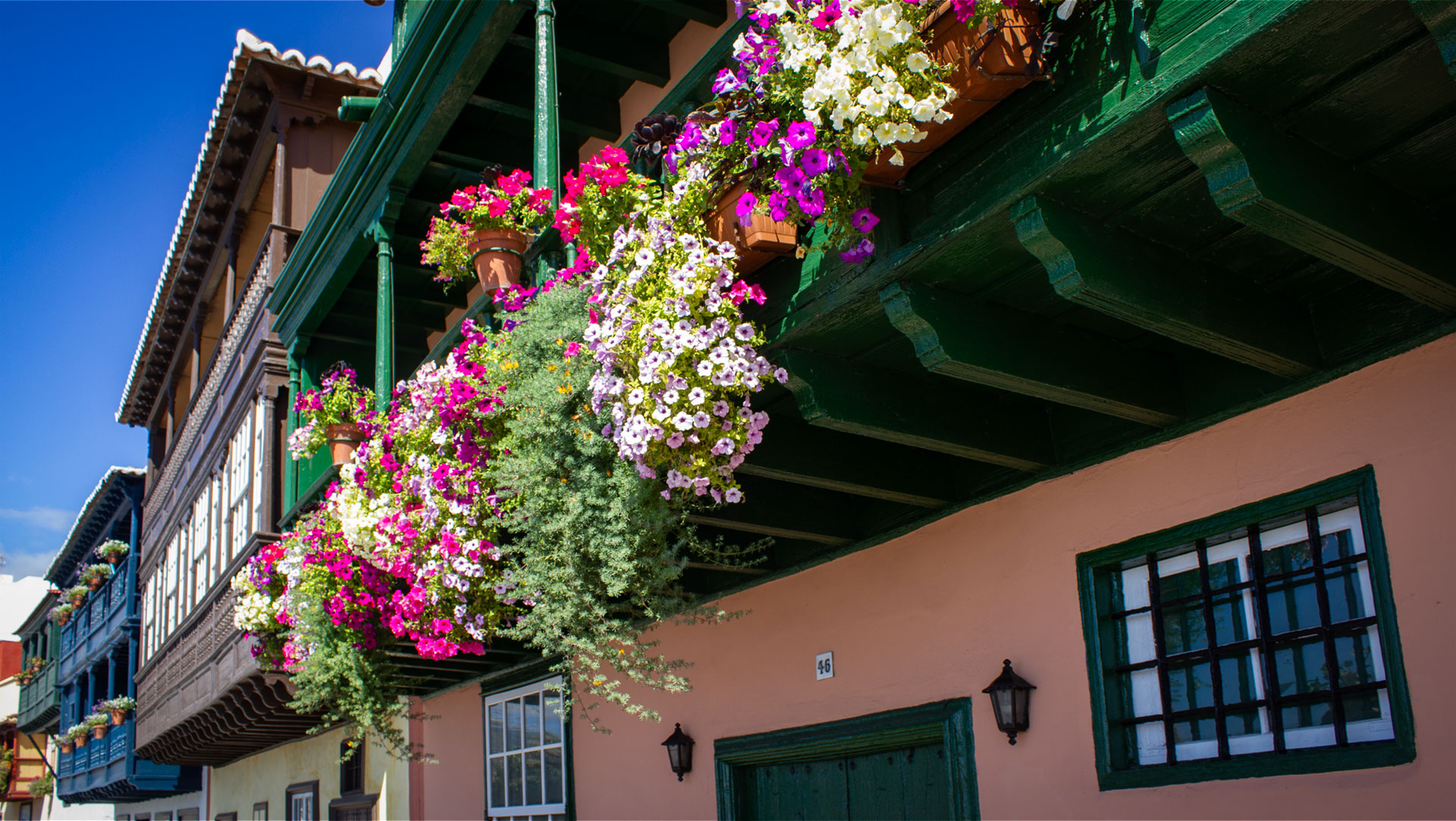
1492 — dasselbe Jahr, in dem Kolumbus Amerika entdeckte — besetzte General Alonso Fernández de Lugo La Palma. Im 16. Jahrhundert wurde Santa Cruz de La Palma zur drittwichtigsten Hafenstadt Spaniens. Der Reichtum dieser Zeit ist bis heute sichtbar: an den Balcones Típicos, den prachtvollen Holzbalkonen der Avenida Marítima, an den Herrenhäusern und Kirchen der Altstadt, und in den Straßennamen, die an niederländische, englische und genuesische Kaufleute erinnern. Im 19. Jahrhundert prägten die Indianos — Rückkehrer aus Kuba und Venezuela — die Architektur der Insel mit ihren weißen Villen und ihrer Weltgewandtheit.
Die schönsten Orte — von Santa Cruz bis Garafía
Die Hauptstadt Santa Cruz de La Palma wurde 1493 gegründet und ist eine der am besten erhaltenen Kolonialstädte der Kanaren: denkmalgeschützte Altstadt, prächtige Kirchen, Klöster und Herrenhäuser mit den berühmten Balcones Típicos. Los Llanos de Aridane im fruchtbaren Aridanetal ist das gastronomische Zentrum der Westseite. Tazacorte hat den besten Fischhafen. Fuencaliente im Süden verbindet Salinen, Vulkane und Weinberge auf Lavaböden.
Im Nordwesten liegt Garafía — das wildeste und ursprünglichste Stück La Palmas. Tiefe Schluchten, verlassene Häfen, alte Petroglyphen und der beste Ziegenkäse der Insel. Puntagorda ist die Mandelbaumzone: Im Januar und Februar blühen hier die Mandeln in einem der schönsten Naturspektakel des Winters. Und Tijarafe auf dem Hochplateau über der Westküste ist Heimat der Piratenbucht, der Cervecería Isla Verde — der einzigen Craft-Brauerei der Insel — und mit 37 Fincas das größte Ferienhaus-Angebot auf La Palma.
Anreise und praktische Reisetipps
Der Flughafen La Palma (SPC) liegt an der Ostküste in Breña Baja, zehn Minuten südlich von Santa Cruz. Direktflüge gibt es ab Frankfurt, Düsseldorf, München, Hamburg, Berlin, Stuttgart und Hannover — mit Condor, Discover Airlines, Eurowings und TUI fly. Flugzeit: ca. 4,5 bis 5 Stunden. Mit der Fähre ist La Palma täglich von Teneriffa erreichbar (Fred. Olsen, Naviera Armas, ca. 2,5–3 Stunden).
Ein Mietwagen ist auf La Palma nahezu unverzichtbar. Lokale Anbieter wie Acoron, Cicar und PlusCar bieten Vollkasko ohne Selbstbeteiligung meist im Basispreis. Für Unterkünfte: Clariso La Palma ist die erste Adresse für Ferienhäuser — 114 geprüfte Fincas in 8 Gemeinden, alle auf der Sonnenseite der Insel buchbar. Hotels in Los Cancajos und Puerto Naos für klassischeren Strandurlaub. Wichtigste Faustregel: Westseite unter 500 Metern bedeutet im Winter fast täglich Sonne.

Auf La Palma ist ein Mietwagen kein Luxus ist, sondern eine Notwendigkeit. Lokale Anbieter, Preise und praktische Informationen.
Direktflüge aus Deutschland, Östereich und der Schweiz, Alternativrouten: Über Teneriffa oder Madrid und Buchungstipps.
Unterkünfte auf La Palma für jeden Typ: Ferienhaus, Ferienwohnung Hotel oder Camping.
Häufige Fragen zu La Palma
La Palma ist bekannt für den Nationalpark Caldera de Taburiente, den Vulkanausbruch Tajogaite 2021, den reinsten Sternenhimmel Europas, ausgedehnte Wanderwege, ursprüngliche Lorbeerwälder und seine Beinamen Isla Bonita und Isla Verde — die schöne und die grüne Insel.
La Palma ist ganzjährig bereisbar. November bis März für Wintersonne auf der Westküste. April bis Juni für Wandern und die Tajinaste-Blüte am Roque de los Muchachos. Januar bis Februar für die Mandelblüte in Puntagorda. Juli bis Oktober für das wärmste Wasser.
Ja. Puerto Naos und das Tajogaite-Lavafeld sind 2026 zugänglich. Das CO₂-Ampelsystem überwacht die Luftqualität dauerhaft. La Palma ist eine vollständig sichere Reisedestination.
Nahezu unverzichtbar. Das TILP-Busnetz verbindet Hauptorte, aber Caldera, Garafía, Fincas in den Bergen, viele Strände und die Piratenbucht sind ohne Auto nicht erreichbar. Lokal buchen: Acoron, Cicar oder PlusCar — Vollkasko meist im Basispreis.
Die Caldera de Taburiente von La Cumbrecita, das Tajogaite-Lavafeld, den Roque de los Muchachos bei Sonnenuntergang oder für Sterne, die Piratenbucht Porís de Candelaria, die Playa de Nogales und die Altstadt von Santa Cruz de La Palma mit den Balcones Típicos.
Papas arrugadas con mojo (Pflicht), Vieja a la plancha (Papageienfisch vom Grill), Queso Palmero (geräucherter Ziegenkäse), Bienmesabe (Mandelcreme als Dessert) und Vino de Tea (Wein mit Kiefernholz-Aroma). In den Dörfern nach kleinen Kioskos und Guachinches suchen — dort isst man am authentischsten.