Category Food and Drink

Indiano Cuisine – The Caribbean Soul of an Atlantic Volcanic Island

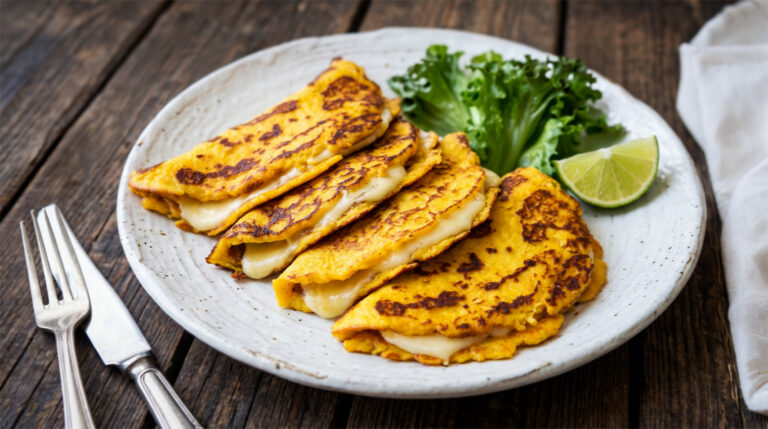
Cachapa: Dick und golden, der Maispfannkuchen trifft auf Queso Palmero.

There is a word on La Palma that contains an entire migration story and two culinary worlds: Indiano. An Indiano is a Palmero — or their descendant — who emigrated in the second half of the 19th or early 20th century to Cuba, Venezuela, or the United States. There they worked on sugarcane plantations, in tobacco factories, or in trade. They made their money and returned home.

Read MoreIndiano Cuisine – The Caribbean Soul of an Atlantic Volcanic Island

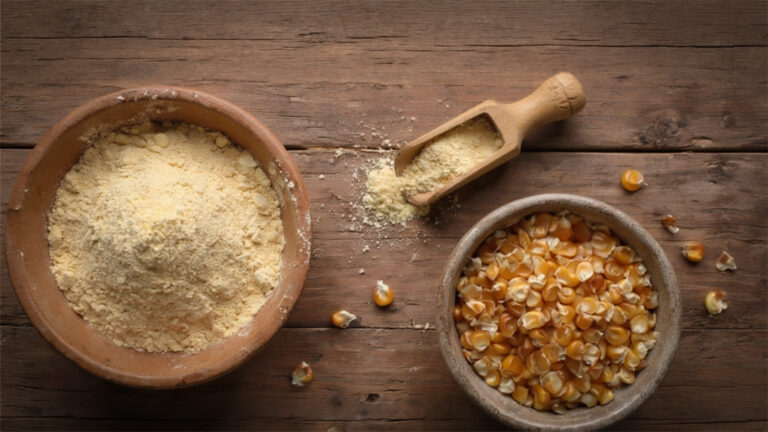
Gofio – The Food That Is Older Than La Palma’s History

Gofio – geröstetes Getreidemehl, das seit Jahrtausenden die Grundlage der kanarischen Küche bildet

Before wine was cultivated on the slopes of La Palma, before sugar cane and later corn reached the island, and long before the banana became its emblem, gofio was already a staple. The Benahoaritas, La Palma's indigenous people, originally made gofio from roasted barley and other available grains. Only after the Spanish conquest did corn from the Americas arrive in the Canaries, gradually becoming the most common base for the gofio still widely eaten today.

Read MoreGofio – The Food That Is Older Than La Palma’s History

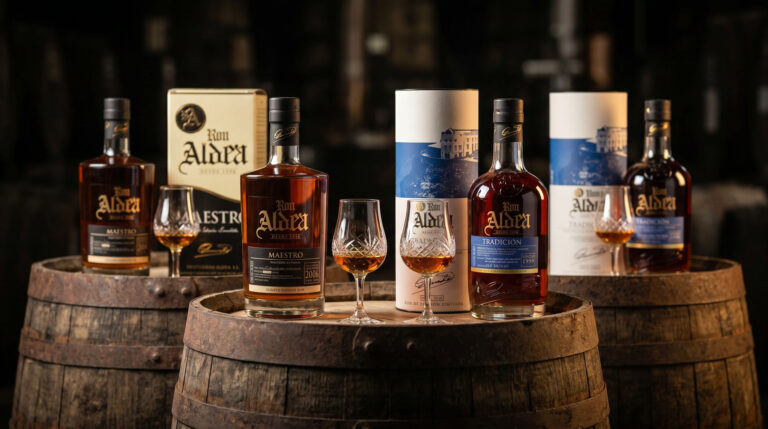
Ron Aldea – Caribbean Heritage in a Northeast Canarian Harbour Village

Ron Aldea – Der Rum aus Puerto Espíndola

Puerto Espíndola is a small fishing harbour on the northeast coast of La Palma that would barely register on a map were it not for Ron Aldea. Thanks to the distillery, it has become a pilgrimage site for rum lovers. The story of Ron Aldea begins in 1936, when the Quevedo family founded the brand. Since 1969 the distillery has been located in Puerto Espíndola, where rum is produced to this day from freshly pressed sugar cane juice — not from molasses, the industrial byproduct of sugar production, but from the green juice straight from the stalk. That makes Ron Aldea an Agricole rum: a category that originated in the Caribbean and has its only Canarian representative in Puerto Espíndola.

Read MoreRon Aldea – Caribbean Heritage in a Northeast Canarian Harbour Village

Vino de Tea – The Wine That Smells of Pine Forest

Vino de Tea – La Palma

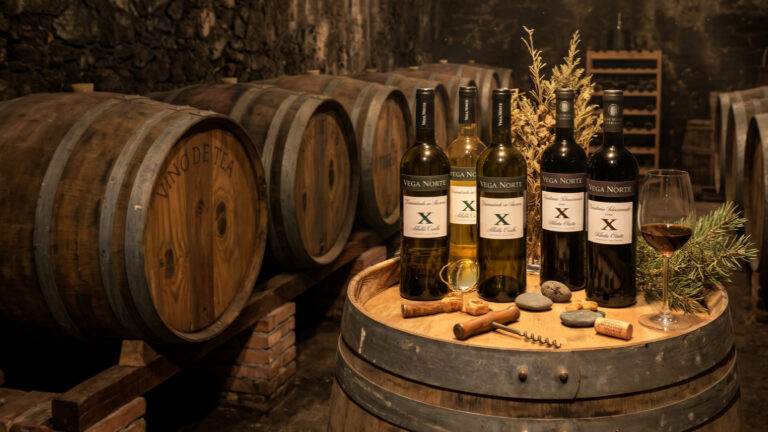
There are wines that leave no room for indifference. Vino de Tea is one of them. For some it is the most singular wine experience in the Canaries — a journey into an aroma world that exists nowhere else. For others it is too resinous, too strange, too far from anything recognizable as wine. Both reactions are valid. What is not valid: having visited La Palma without at least trying it.

Read MoreVino de Tea – The Wine That Smells of Pine Forest

Wine on La Palma – When the Soil Is More Than Soil

Weine La Palmas — eigenständig, vulkanisch, atlantisch

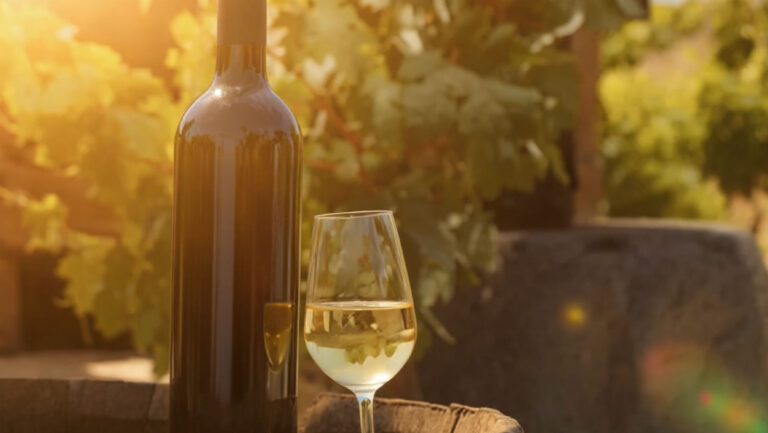
There is a simple truth about La Palma wine: you can taste where it comes from. That sounds like marketing — but it is a mineral, saline, and faintly resinous reality. Wine that grows on cooled lava and volcanic ash carries the ground inside it. The mineral concentration of these soils, the water retention of porous rock, the Atlantic breeze that sweeps over the vines every day — all of this creates a terroir that exists nowhere else on earth.

Read MoreWine on La Palma – When the Soil Is More Than Soil

Miel de Palma – Liquid Gold from the Palm Trunk

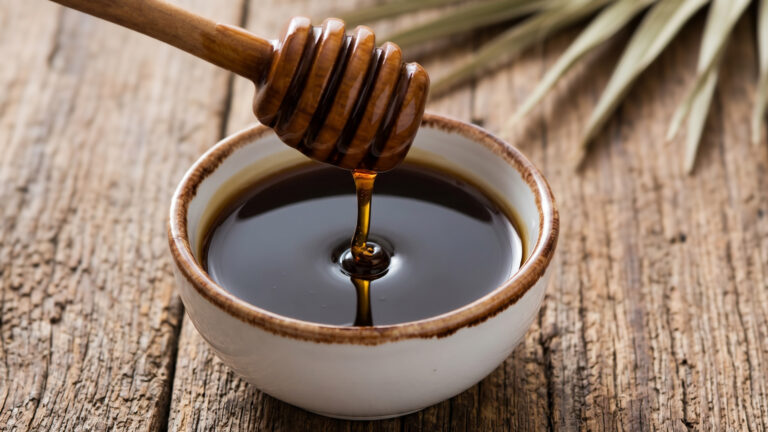
Miel de Palma, Sirup aus dem frischen Saft der Kanarischen Dattelpalme.

Miel de Palma is not honey. That sounds like a limitation — but it's actually a distinction. While honey is always honey, Miel de Palma is something that exists in this form on only a handful of islands in the world: a syrup made from the fresh sap of the Canary Island date palm (Phoenix canariensis), cooked down into a dark brown, thick, caramel-resinous concentrate that captures La Palma in a single spoonful.

Read MoreMiel de Palma – Liquid Gold from the Palm Trunk

Queso Asado con Mojo y Miel de Palma – Unforgettable in Five Minutes

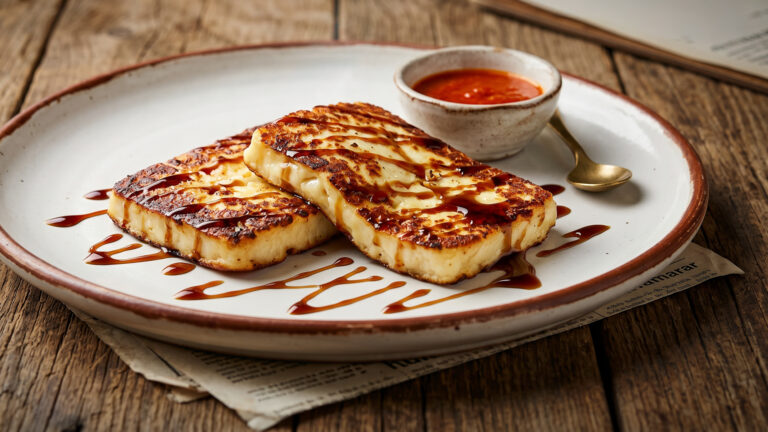
Queso asado mit Mojo und Miel de Palma – drei Zutaten, ein unvergessliches Gericht

Sometimes a dish gets everything right: the ingredients are simple, the preparation is quick, and the result — partly because of that simplicity — is unforgettable. Queso asado con mojo y miel de palma is that dish. Grilled goat cheese, savory mojo, a drizzle of Canarian palm syrup. Three ingredients, one hot pan, five minutes. And on the plate sits something that outperforms any recipe three times as complicated.

Read MoreQueso Asado con Mojo y Miel de Palma – Unforgettable in Five Minutes

Queso Palmero D.O.P. – When the Pasture Makes the Cheese

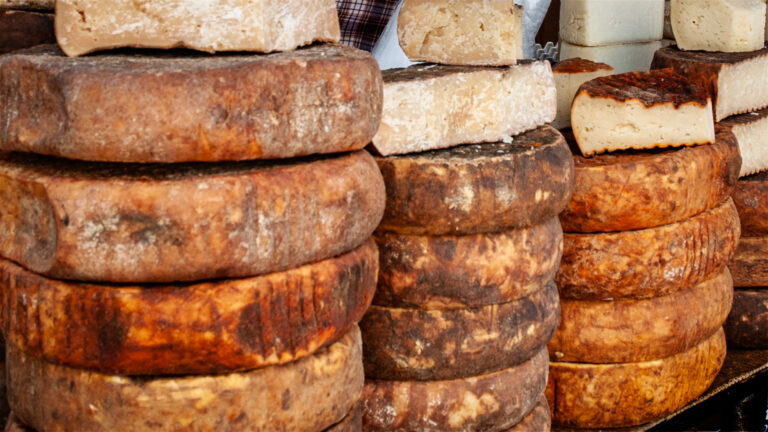
Queso Palmero in verschiedenen Reifungsstufen – frisch, geräuchert und gereift

Why does the goat cheese from Garafía taste better than almost any other goat cheese in the world? The answer is botanical: the goats in La Palma's northernmost municipality graze on pastures woven through with wild herbs — thyme, oregano, mint, lavender, mountain plants you won't find on any managed farm. The milk carries those aromas, and the cheese carries those same distinct flavors. Every bite of Queso Palmero is essentially an edible map of the landscape it came from.

Read MoreQueso Palmero D.O.P. – When the Pasture Makes the Cheese

Almogrote – La Palma’s Savory Answer to Everything

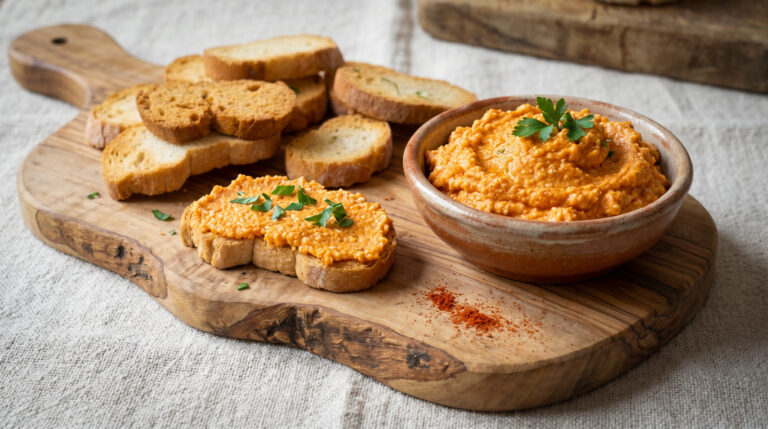
Almogrote – der würzige Käseaufstrich, der La Palmas kulinarische Identität auf einem Brot zusammenfasst

There are spreads you try and forget. And then there is almogrote. This savoury cheese paste, made from aged Queso Palmero blended with roasted red peppers, garlic, olive oil, and tomato, is proof that La Palma has a distinct culinary identity. Almogrote originally comes from the neighboring island of La Gomera — but on La Palma, made with robust aged Queso Palmero Curado, it has developed its own unmistakable character.

Read MoreAlmogrote – La Palma’s Savory Answer to Everything

Papas Arrugadas – The Dish That Explains La Palma in Three Words

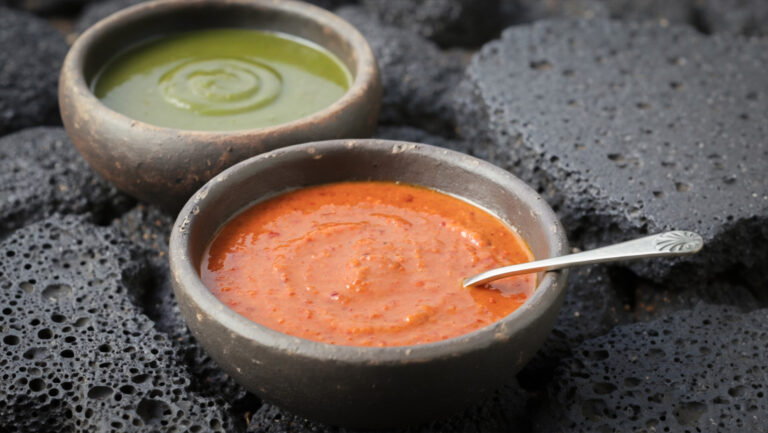
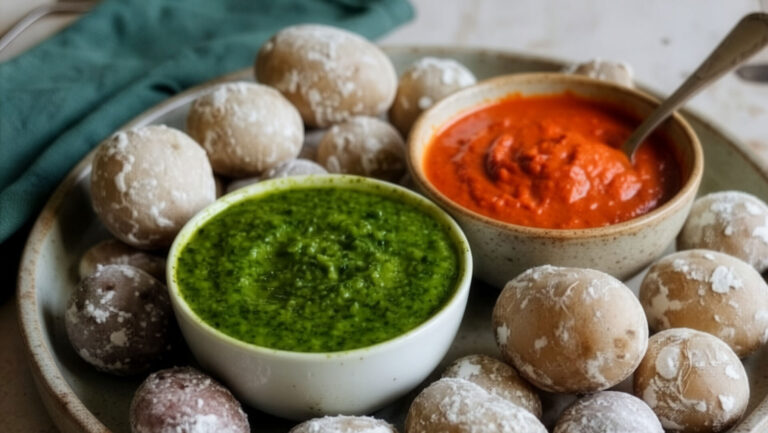
papas arrugadas con mojo rojo y verde

Some dishes describe a cuisine completely — without explanation, without a guide. Papas arrugadas con mojo is one of them. Small potatoes cooked in a high concentration of salt until the skin dries out and wrinkles into a white crust, served with mojo rojo and mojo verde. The result is simultaneously a technique, a philosophy, and a flavour you will not find in exactly the same form anywhere else on earth.

Read MorePapas Arrugadas – The Dish That Explains La Palma in Three Words

Canarian Tapas – The Social Heart of Island Cuisine

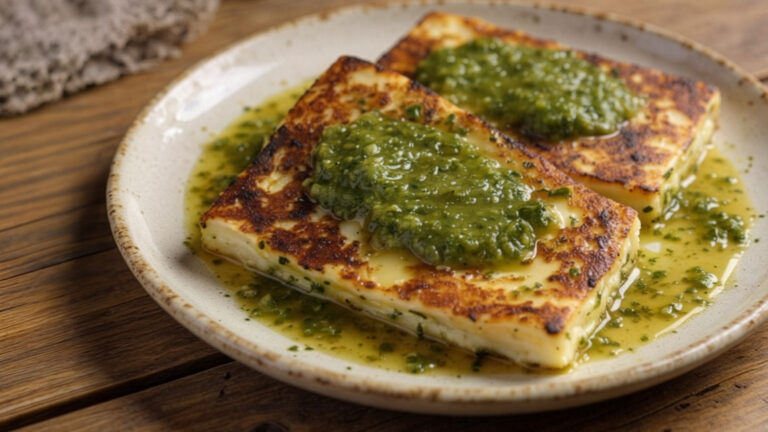
Queso asado a la plancha con mojo verde

Tapas on La Palma are not a tourist concept. They are how locals eat in the evening – or more precisely, how they eat their way through the evening. One stop here, a glass there, a piece of cheese next door. No fixed restaurant, no reserved table, no set menu. Just walk, look, sit, order, keep moving. That is the tapas culture of the Canary Islands – informal, sociable, and on La Palma especially genuine, because here hardly any bar is optimized for tourists.

Read MoreCanarian Tapas – The Social Heart of Island Cuisine

Dining in Los Llanos – The Island as It Lives in the Evening

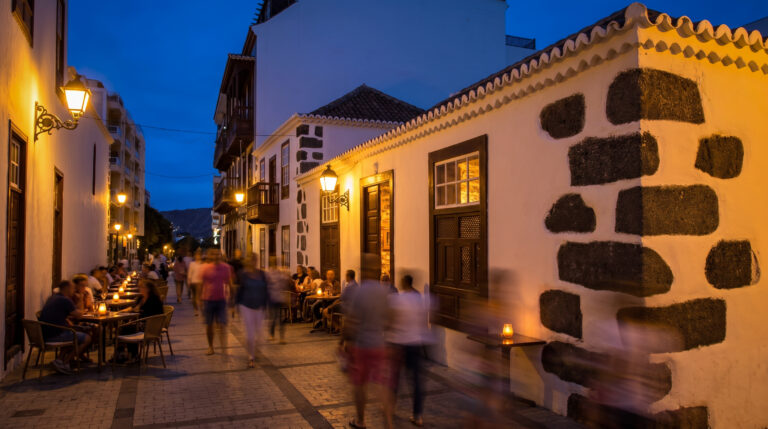
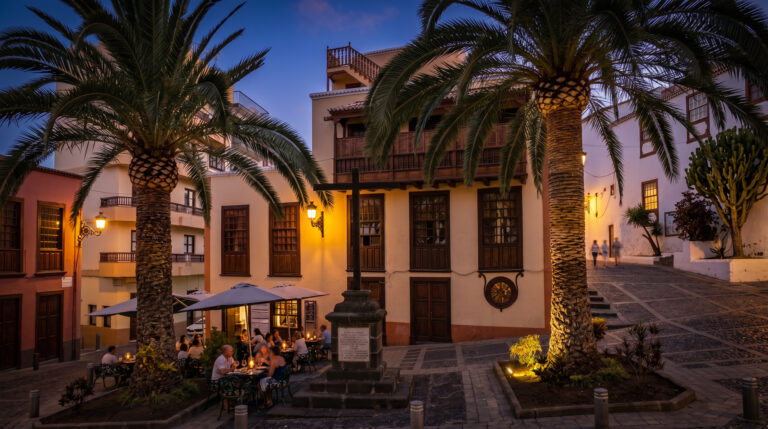
Abendstimmung in Los Llanos de Aridane – in diesen Gassen beginnt der Tapas-Abend

Los Llanos de Aridane is a shopping hub, administrative centre and transport junction by day. But come evening – from 8 pm, when the shops close and the restaurants open – it becomes the liveliest spot on La Palma. In the lanes around the Plaza de España and the pedestrian streets, something begins that locals call the tapeo – the unhurried evening ritual of drinks and small plates: a blend of conviviality, good food, rough wine from good barrels, and the quiet realisation that nowhere else is probably much better right now.

Read MoreDining in Los Llanos – The Island as It Lives in the Evening

Fish Dining in Tazacorte – Where La Palma Tastes Best

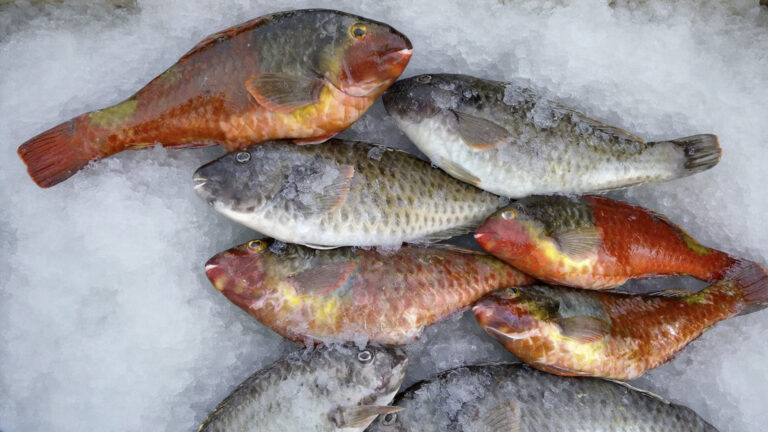
Puerto de Tazacorte – Frischer Papageienfisch, der abends auf dem Teller landet

There is a moment in Tazacorte that stays with you: you're sitting at the harbour, the sun dips into the Atlantic, somewhere there's the clatter of cutlery on terracotta, and then a plate arrives with a whole vieja from the grill – Canarian parrotfish, crispy on the outside, juicy inside, alongside a bowl of papas arrugadas and two small dishes of mojo. La Palma on a plate, in its most honest form.

Read MoreFish Dining in Tazacorte – Where La Palma Tastes Best