Indiano Food – The Caribbean Soul of an Atlantic Volcanic Island
There is a word on La Palma that contains an entire migration story and two culinary worlds: Indiano. An Indiano is a Palmero — or their descendant — who emigrated in the second half of the 19th or early 20th century to Cuba, Venezuela, or the United States. There they worked on sugarcane plantations, in tobacco factories, or in trade. They made their money and returned home.
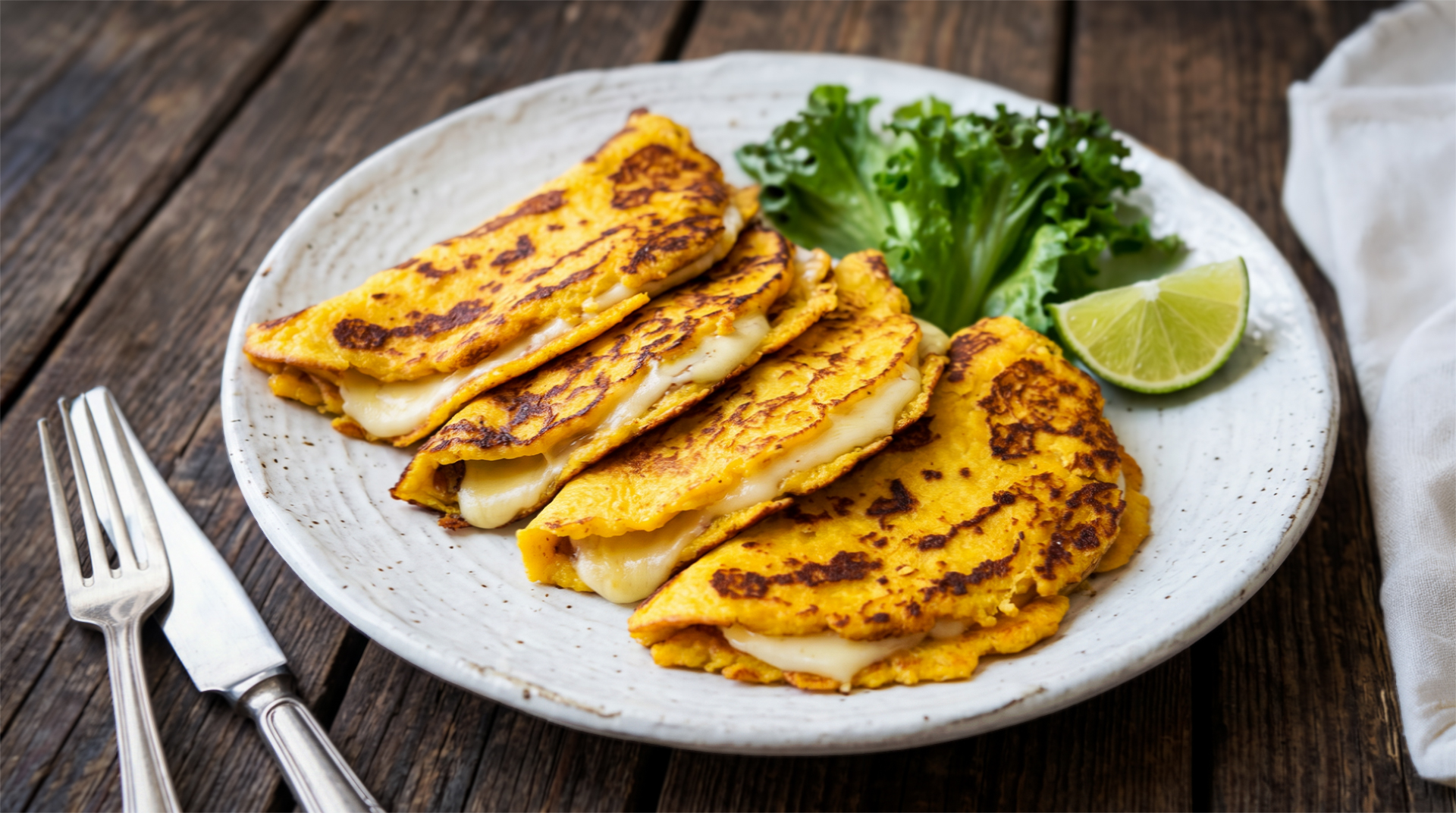
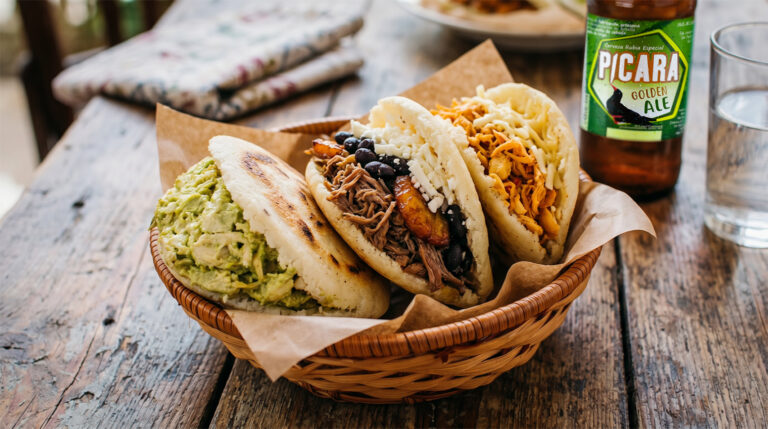
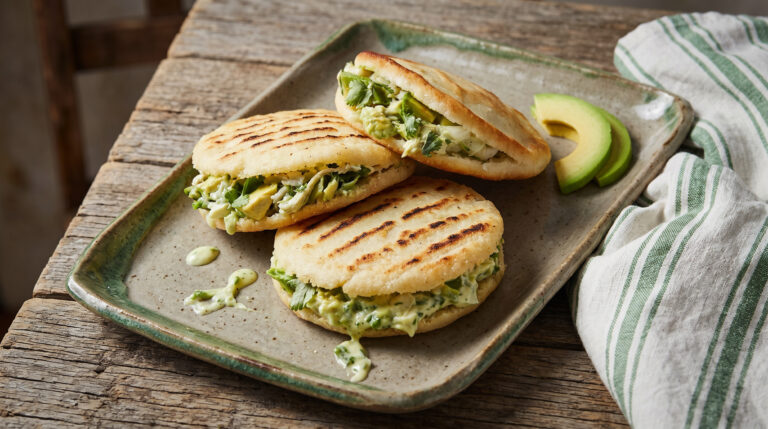
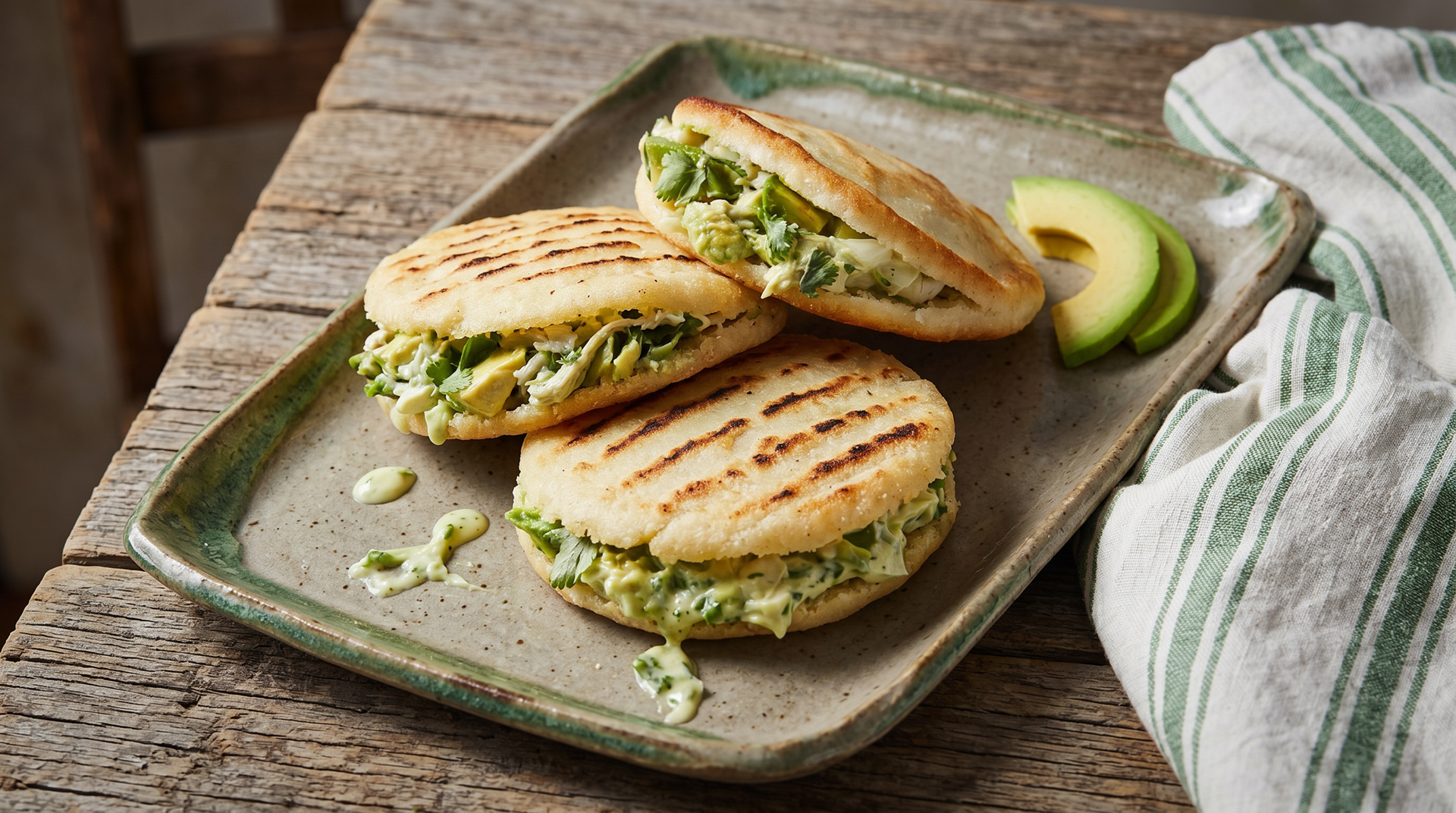
They built houses. The white colonial villas in Santa Cruz, Breña Alta and El Paso — with their Cuban-influenced ornamentation and oversized balconies — are Indiano buildings. They brought seeds and plants: tobacco, coffee, sugarcane. And they brought recipes: arepa, cachapa, black beans, platanito frito. Dishes that took root on La Palma and never left.
What the Indianos Brought to La Palma
Culinary influence: Arepa recipes, sugar processing methods, Venezuelan corn and legume traditions, and Cuban meat-marinating techniques. Botanically: tobacco seeds, coffee plants for the highlands, new fruit tree varieties. Architecturally: the colonial villas, the balcony ornamentation, the wide and open style of the Caribbean plantation-house tradition.
Los Indianos – A Carnival of Memory
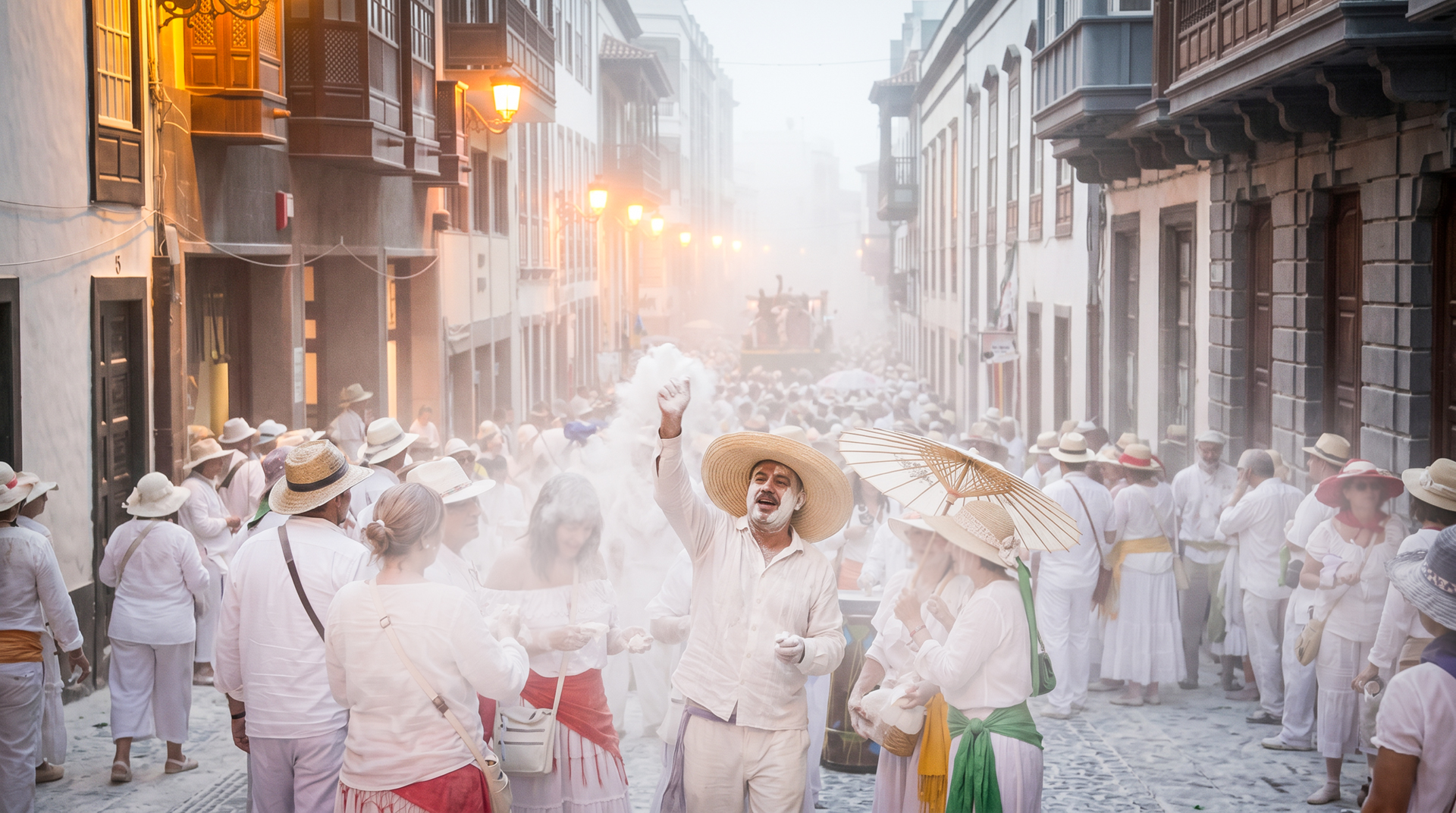
The most vivid monument to this history is the carnival festival Los Indianos in Santa Cruz de La Palma: on Shrove Monday, the entire city dresses in white. Talcum powder fills the air, Cuban music plays on the Plaza, and for one day La Palma is again what it once was — an island suspended between the Atlantic and the Caribbean. Los Indianos 2026: February 16.
The Venezuelan Influence Today
The Venezuelan connection is not just history. From the 2000s onward, as Venezuela’s economy deteriorated and the political situation grew unstable, families with Venezuelan roots and new immigrants returned to La Palma. This second wave revitalized the island’s Venezuelan food culture: new areperas, more Venezuelan products in supermarkets, more Harina P.A.N. on the shelves than ever before.
Frequently Asked Questions (FAQ)
What is the difference between an Indiano and a Venezuelan immigrant today?
This article is based on the on-the-ground knowledge of the Gequo editorial team – publishers of the Reisezeit hiking guides and operators of Sunhikes.com. Last updated: May 2026