Queso Palmero D.O.P. – When the Pasture Makes the Cheese
Why does the goat cheese from Garafía taste better than almost any other goat cheese in the world? The answer is botanical: the goats in La Palma’s northernmost municipality graze on pastures woven through with wild herbs — thyme, oregano, mint, lavender, mountain plants you won’t find on any managed farm. The milk carries those aromas, and the cheese carries those same distinct flavors. Every bite of Queso Palmero is essentially an edible map of the landscape it came from.
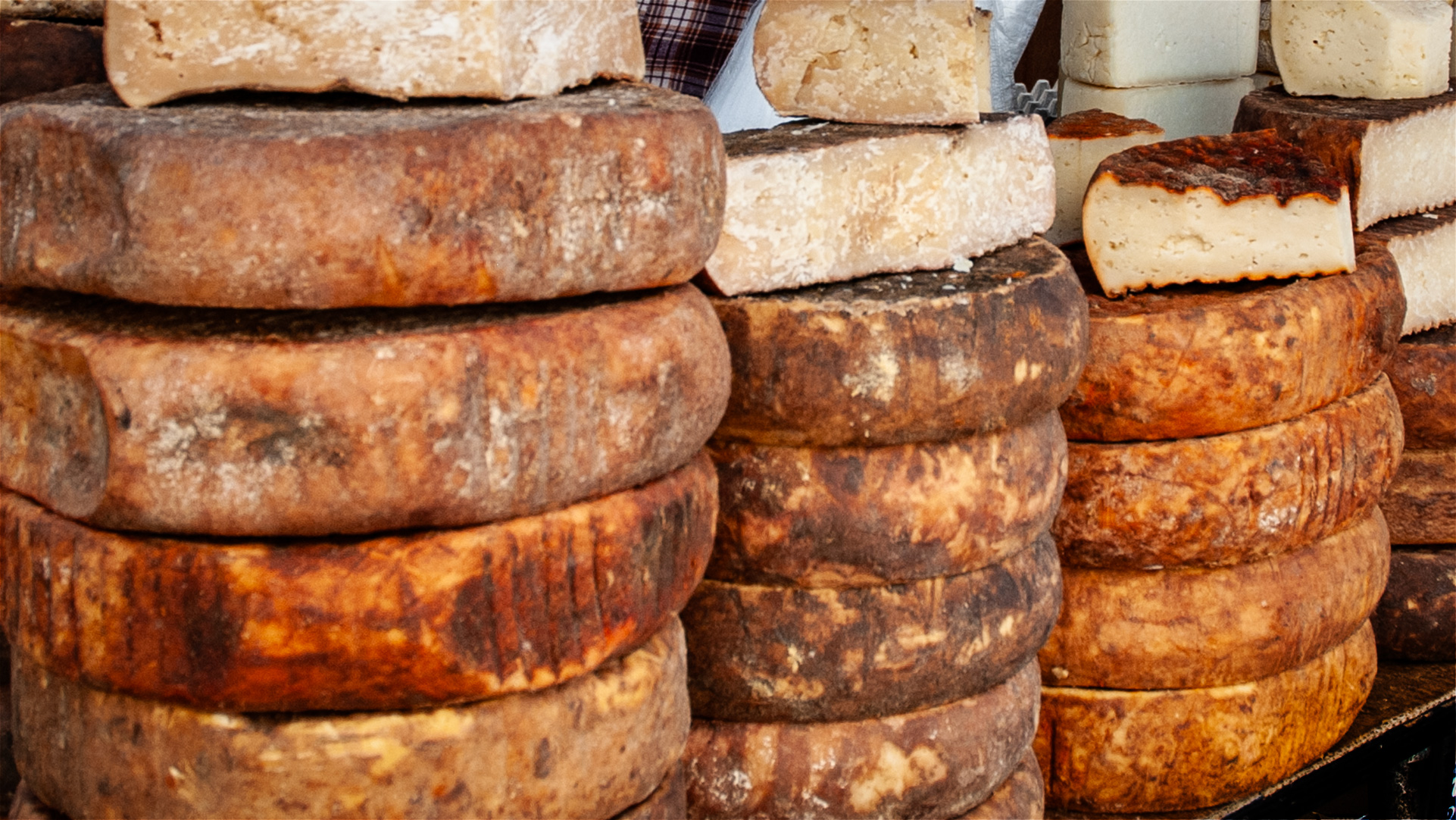
Queso Palmero carries the protected designation of origin D.O.P. (Denominación de Origen Protegida) and is one of the most important traditional cheese specialities of the Canary Islands. The designation guarantees that only cheese made from La Palma goats and La Palma milk can carry this name. It regularly wins top honours at Canarian cheese competitions — not by accident.
The Three Varieties – Fresh, Smoked, and Aged
Tierno (fresh): Soft, moist, mild, and slightly tangy. The cheese made today. Eat it raw, in slices, with a drizzle of olive oil. Best paired with: fresh tomatoes and a glass of light Listán Blanco.
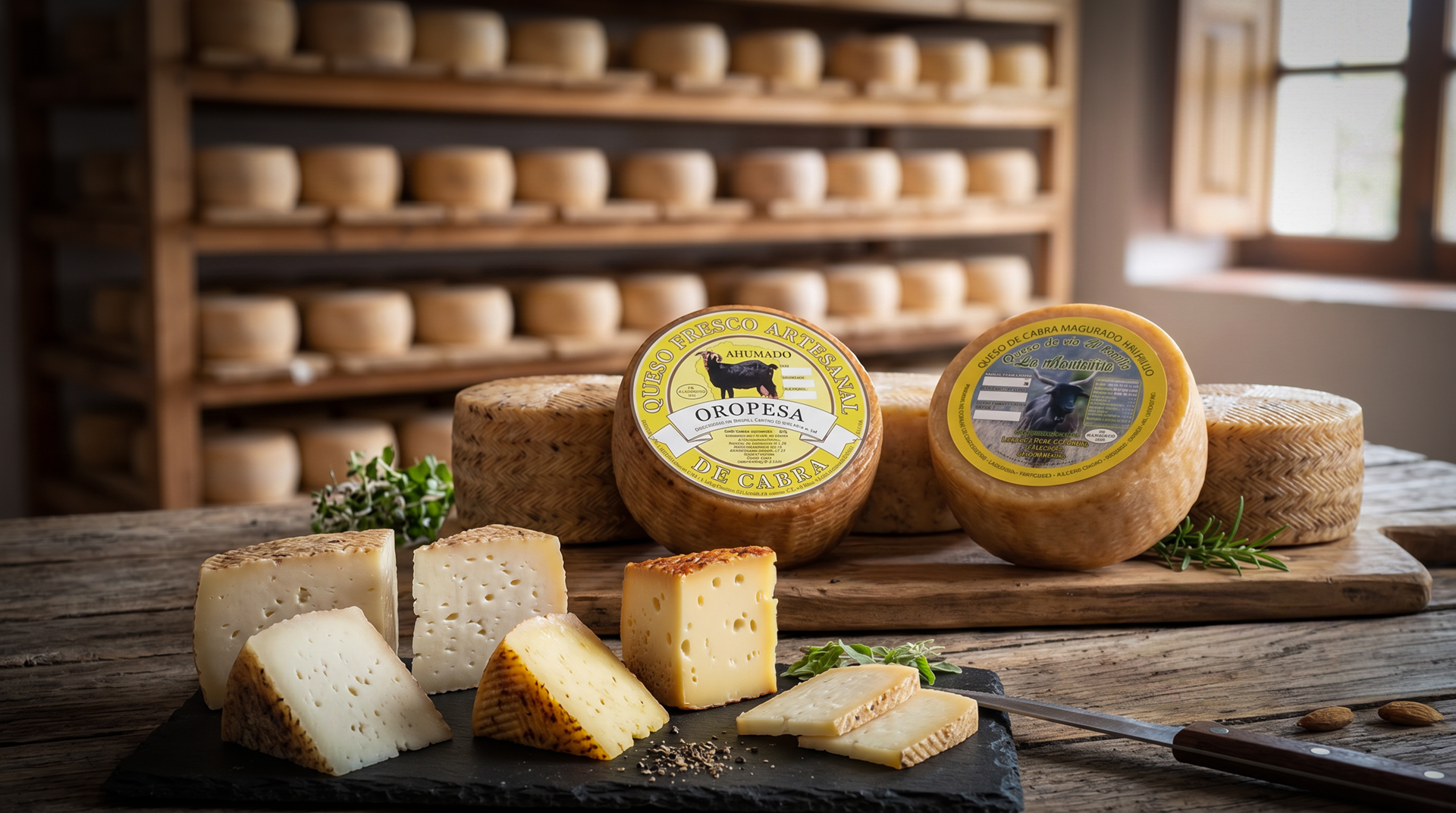
Ahumado (smoked): For the smoked Queso Palmero Ahumado, almond shells, dried cactus stems (tunera), and Canary pine needles (pinocha) are traditionally used. These give the cheese its characteristic, savoury smoke with a dark, dry rind. Inside: yellowish, slightly firm, with a smoky, nutty flavour all its own. This is the cheese that put La Palma on the map outside the island — and the one that is perfect in almogrote.
Curado (aged): Stored for several weeks to months, dry, savoury, with a flavour profile that grows more complex with every passing month. This is the cheese for connoisseurs: with a glass of Vino de Tea, in small pieces, without distraction.
Queso Asado – La Palma’s Quickest Culinary Treat
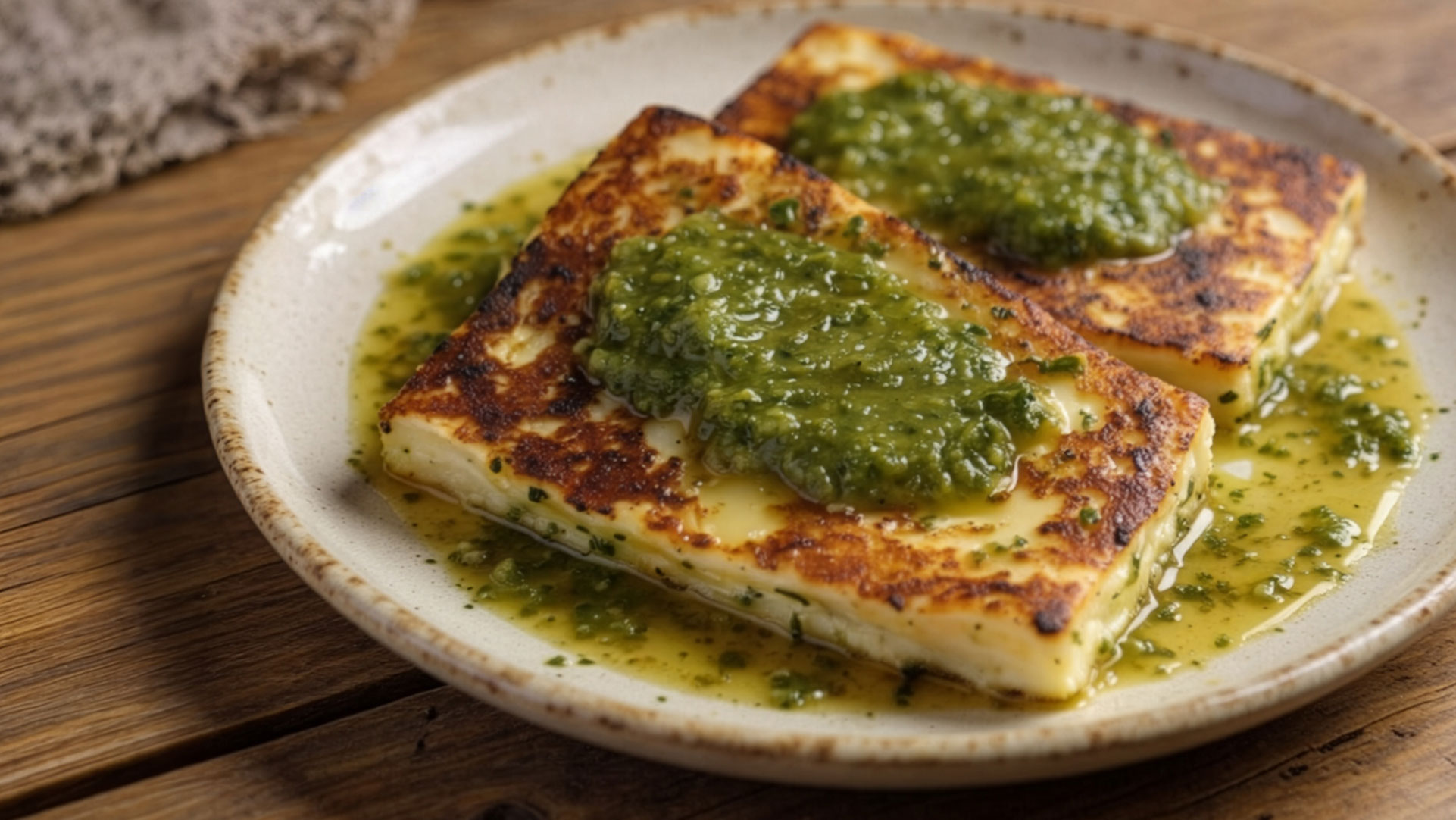
The best way to eat Queso Palmero is hot: a slice of fresh or semi-aged cheese on a hot grill or in the pan, 2–3 minutes until golden-brown and lightly crisped on the outside, warm and just barely molten inside. Mojo rojo on the side, a drizzle of Miel de Palma on top. Five minutes, three ingredients, one of the most perfect things on La Palma.
Where to Buy Queso Palmero
Buying directly from producers in Garafía is the first choice. The tourist office in Santo Domingo de Garafía can point you to active direct sellers. The Sunday market in Garafía occasionally has cheese straight from the farm. Specialist food shops and delicatessens throughout the island also carry it, and most major supermarkets (HiperDino, Spar) stock at least the semi-aged version. For the best quality and the most direct connection to where the cheese comes from, Garafía itself is the destination.
Frequently Asked Questions (FAQ)
What is the difference between Queso Palmero and regular goat cheese?
What does D.O.P. mean for Queso Palmero?
Why does Queso Palmero taste so distinctive?
How long does Queso Palmero keep?
Can I take Queso Palmero home on the plane?
How do I identify genuine Queso Palmero?
Which variety is best for first-timers?
This article is based on the on-the-ground knowledge of the Gequo editorial team – publishers of the Reisezeit hiking guides and operators of Sunhikes.com. Last updated: May 2026