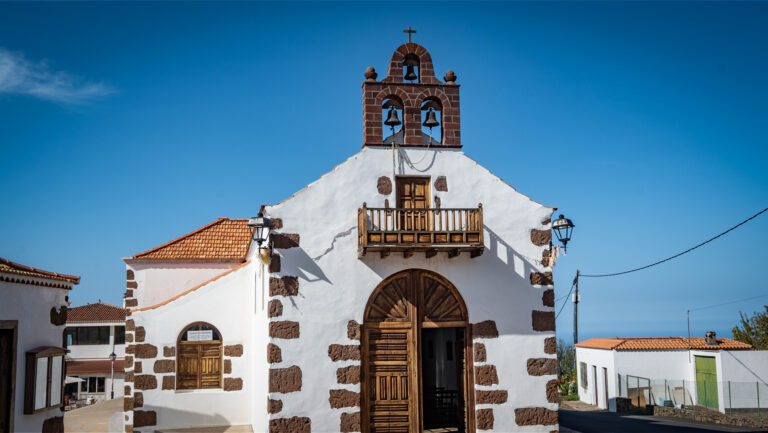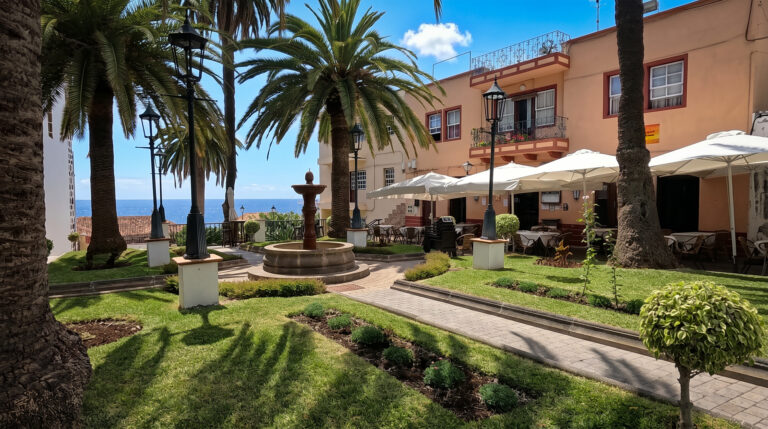
Las Manchas: Life on the Edge of the Volcano
The name Las Manchas means “stains” or “patches” in Spanish — and rarely has a place name taken on such a literal meaning. Since the Tajogaite eruption on 19 September 2021, Las Manchas, a district of El Paso on the western side of La Palma, has been criss-crossed with black lava patches that have changed the village forever. Houses disappeared under metres of lava, fields were buried, roads dissolved. What remained is a place that lives in a uniquely intimate way with the volcanism La Palma has carried for millions of years.
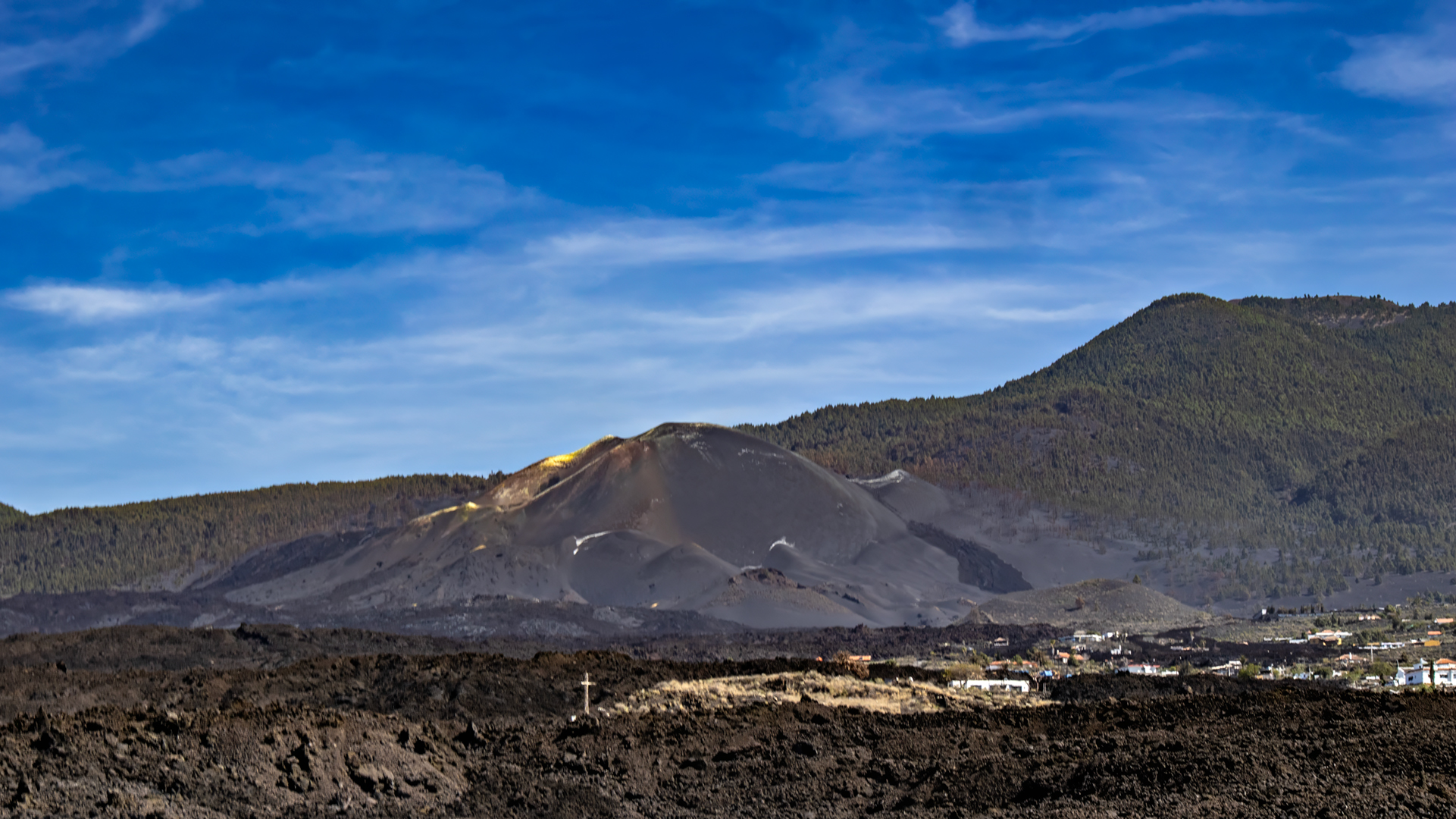
Today Las Manchas is one of the most fascinating draws on the island — not despite the destruction, but because of it. The lava field is accessible, the visitor centre informs, and guided tours show what 85 days of volcanic fire left behind.
What the Tajogaite Left Behind in 2021
The Volcán de Tajogaite — meaning “cracked mountain”, a name officially given in June 2022 — erupted on the western flank of the Cumbre Vieja. The lava flowed westwards across the Aridane Plain, burying more than 1,200 hectares and creating two new peninsulas at the sea (the so-called fajanas), which increased La Palma’s total land area by around 50 hectares. Las Manchas was particularly hard hit: 40 per cent of the district disappeared under lava and ash. Over 3,000 buildings were destroyed in the affected area as a whole.
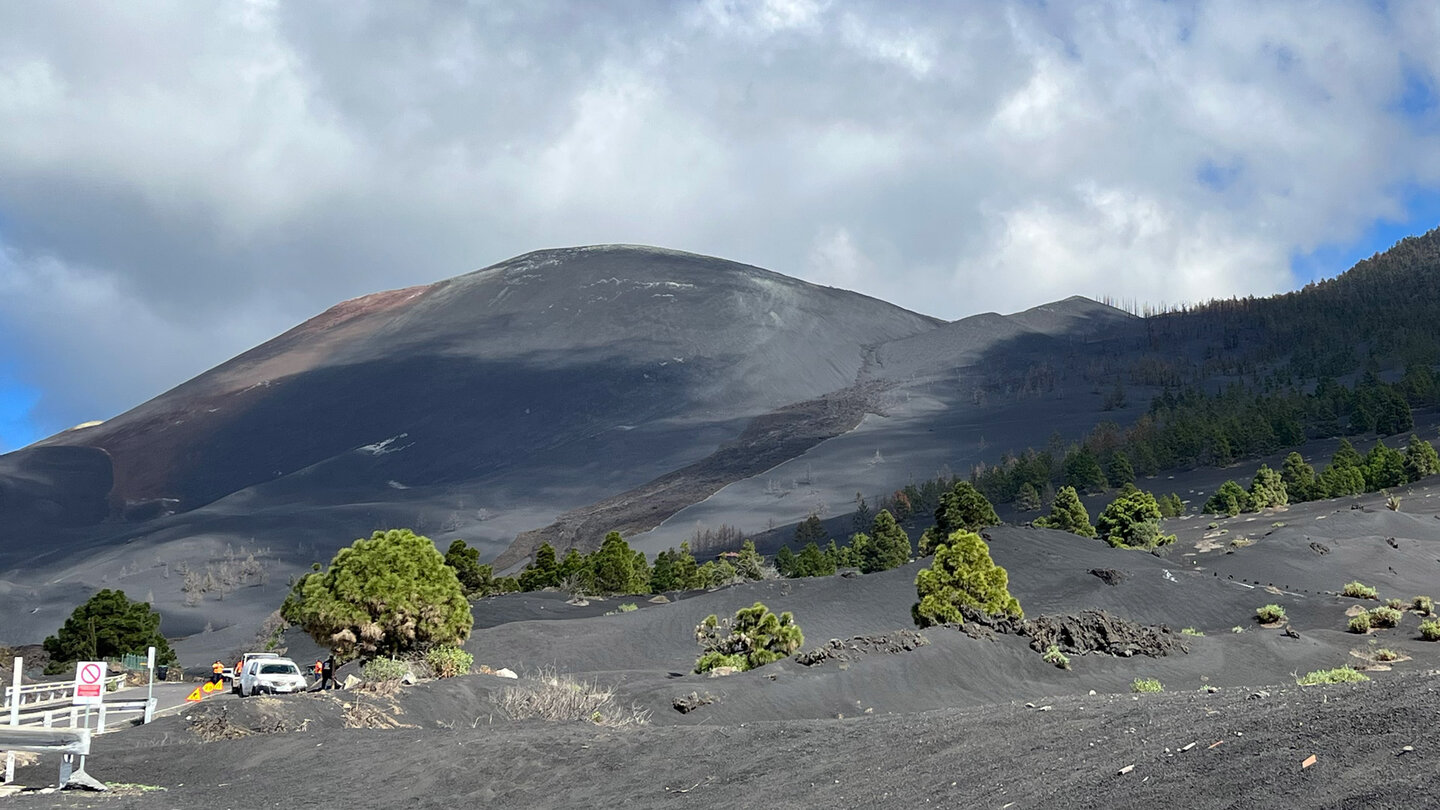
The Caños de Fuego Visitor Centre documents the eruption vividly. Guided tours lead into the lava tubes that formed beneath the solidified flow — an experience costing between €15 and €45 per person, and entirely unlike any hike through green terrain. You walk through the interior of a volcanic conduit shaped by the cooling lava itself. The free viewpoint at Las Manchas offers the most comprehensive overview.
Note
Parts of the area are subject to access restrictions due to gas emissions. Check the latest information at the visitor centre or with the municipality of El Paso. As of: May 2026.
Las Manchas Today: Between Rebuilding and Memory
What remains after the eruption looks apocalyptic at first glance — and on closer inspection is something else: a lesson in resilience. Many families have rebuilt their homes. The banana plantations are recovering. The lava weathers; the first pioneer plants break through the black stone. Las Manchas shows what La Palma has always been: an island that defies nature, because it has no other choice.
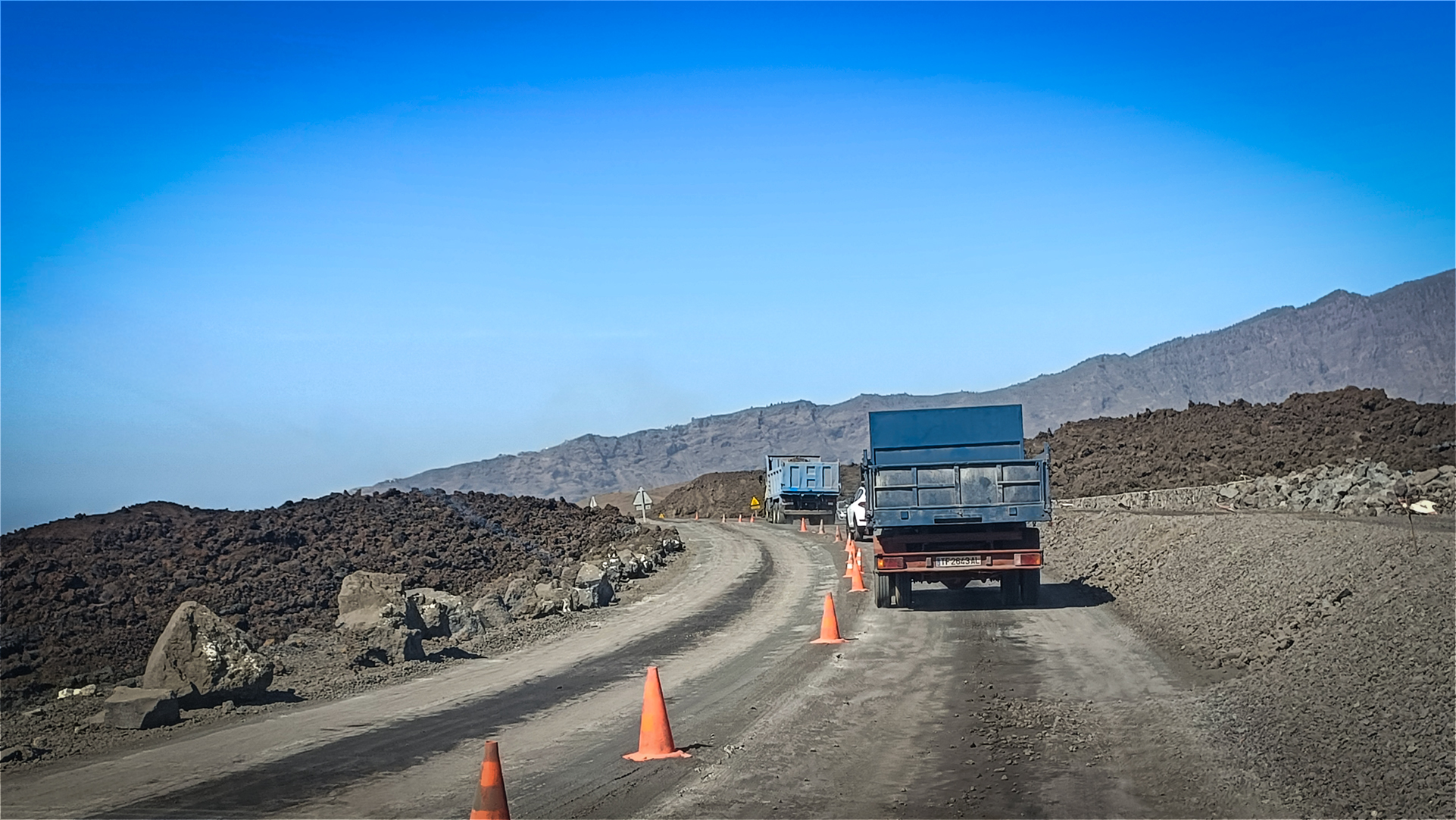
Anyone wanting to understand the 2021 eruption — its scale, its consequences, its context within the volcanic history of the island — should visit the visitor centre in El Paso first, then drive up to Las Manchas. Combining both sites takes half a day and gives more understanding than any book.
Conclusion
Las Manchas is La Palma’s living volcano museum — an inhabited place that shows how nature and people start anew after a catastrophe. A visit leaves a lasting impression.
Frequently Asked Questions
Can you visit the lava field at Las Manchas?
How far is Las Manchas from Puerto Naos?
What does Tajogaite mean?
How long did the Tajogaite eruption last?
This article is based on the on-the-ground knowledge of the Gequo editorial team – publishers of the Reisezeit hiking guides and operators of Sunhikes.com. Last updated: May 2026