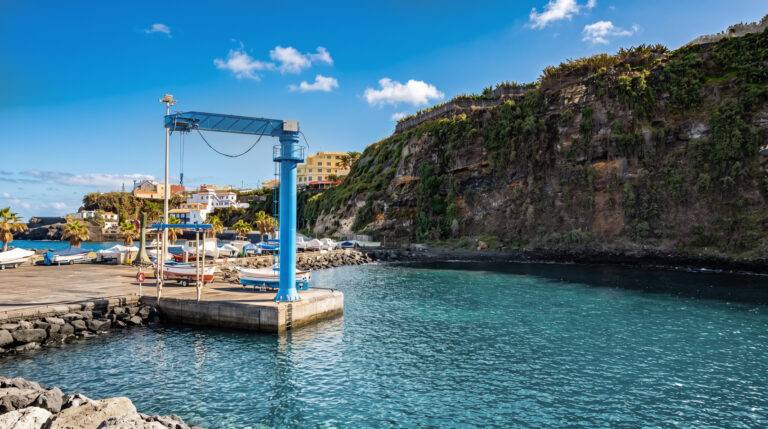
Playa de La Salemera – Unspoiled on the Southeast Coast
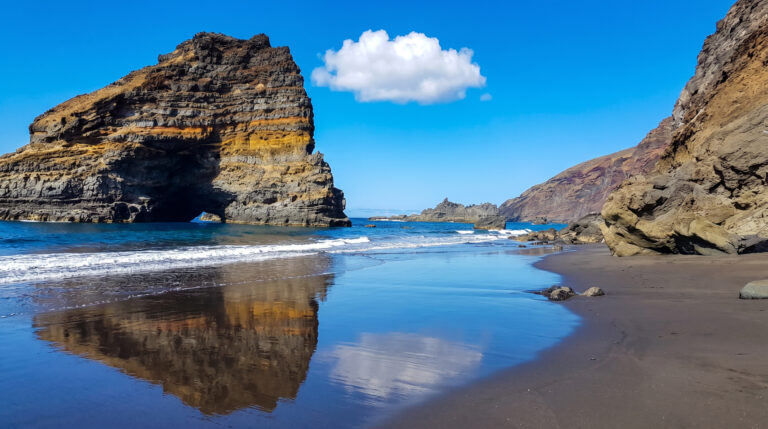
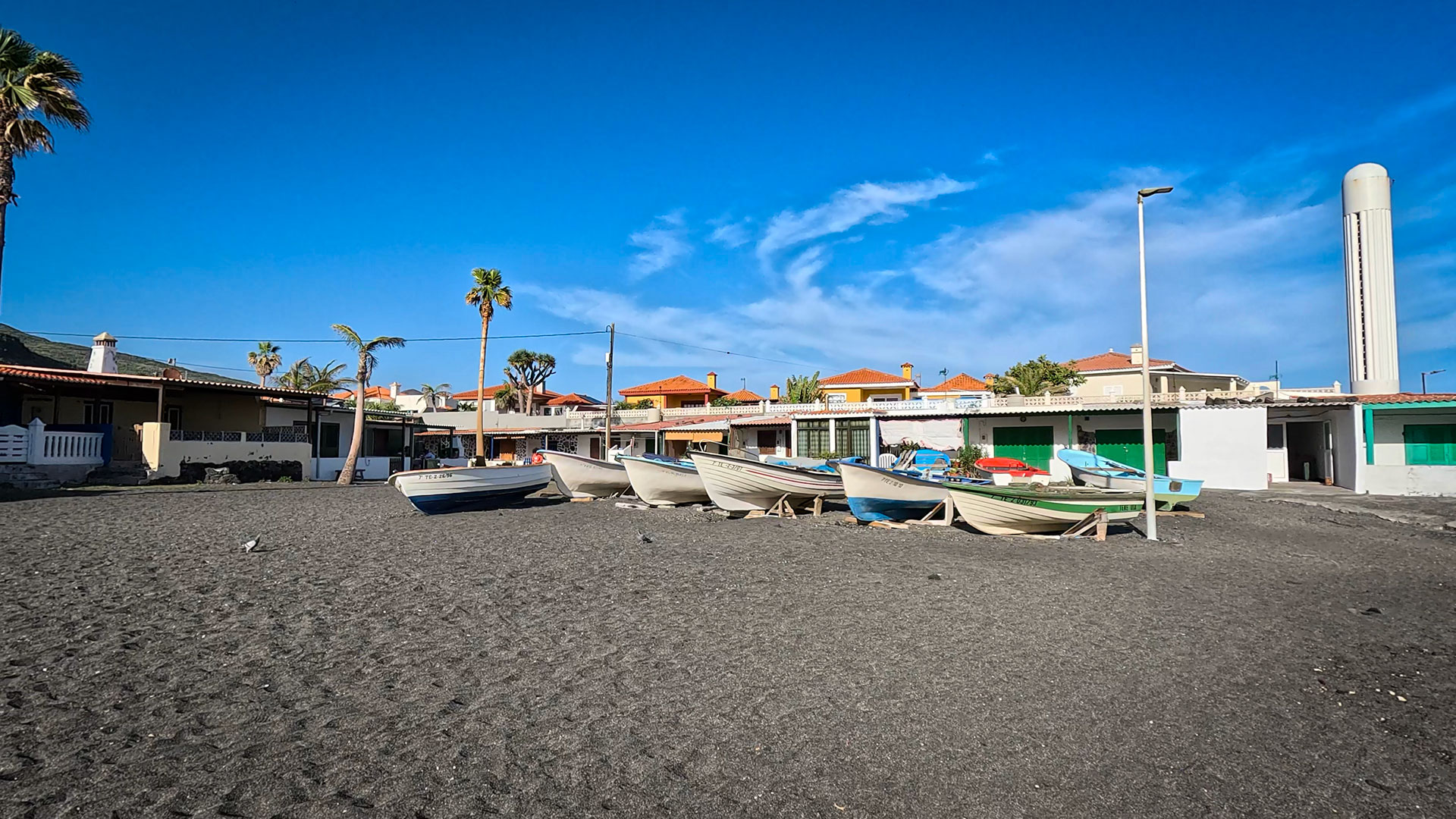
On the southeast coast of La Palma, a few kilometers from Villa de Mazo, lies a beach that doesn’t seek visitors and doesn’t need them: Playa de La Salemera. An unspoiled black sand beach — for those seeking a stretch of coastline that looks exactly as it did fifty years ago.
Character and Location
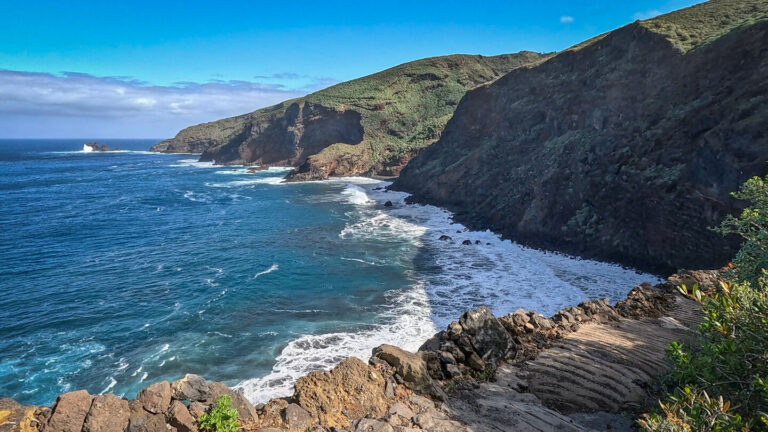
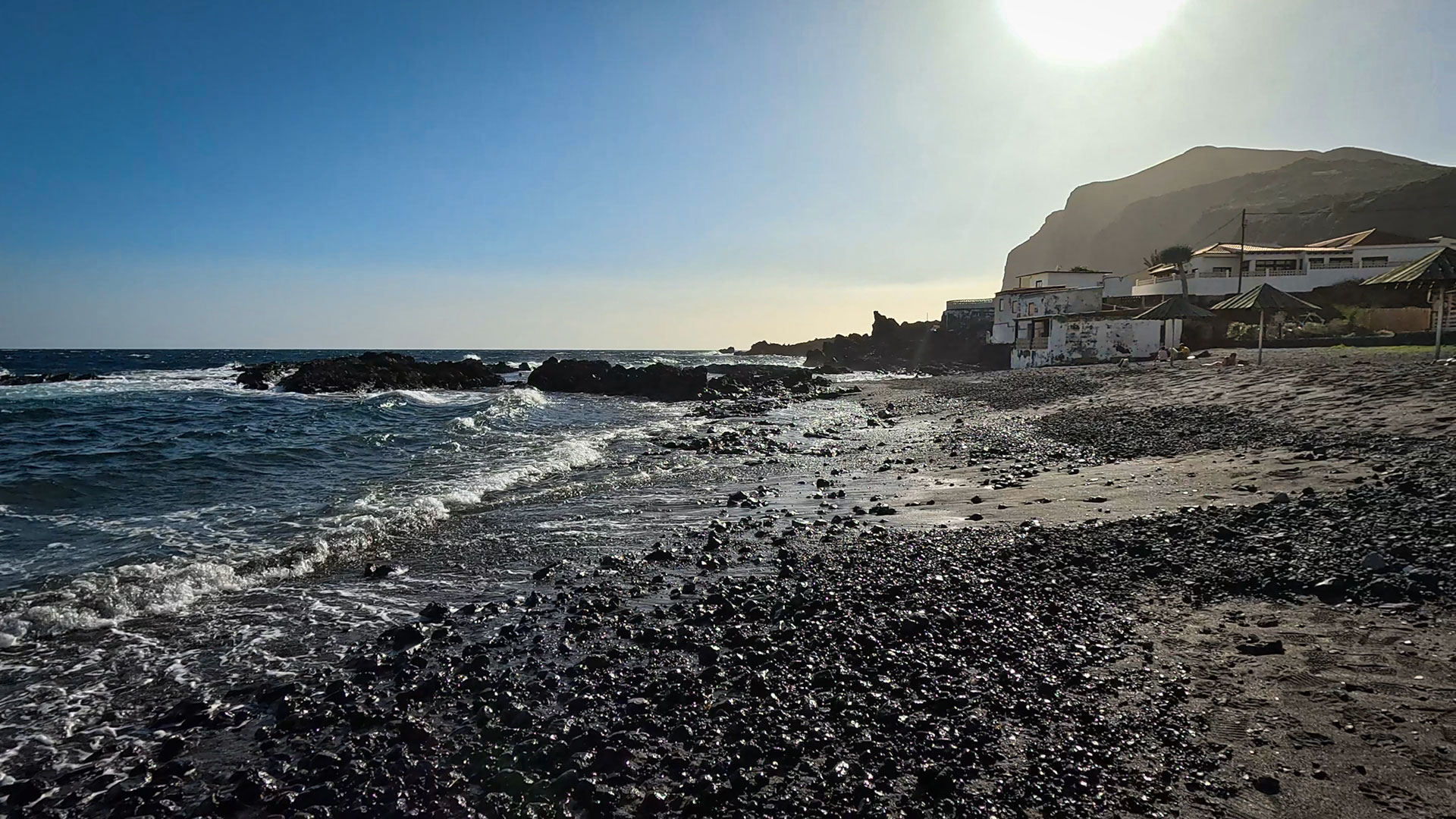
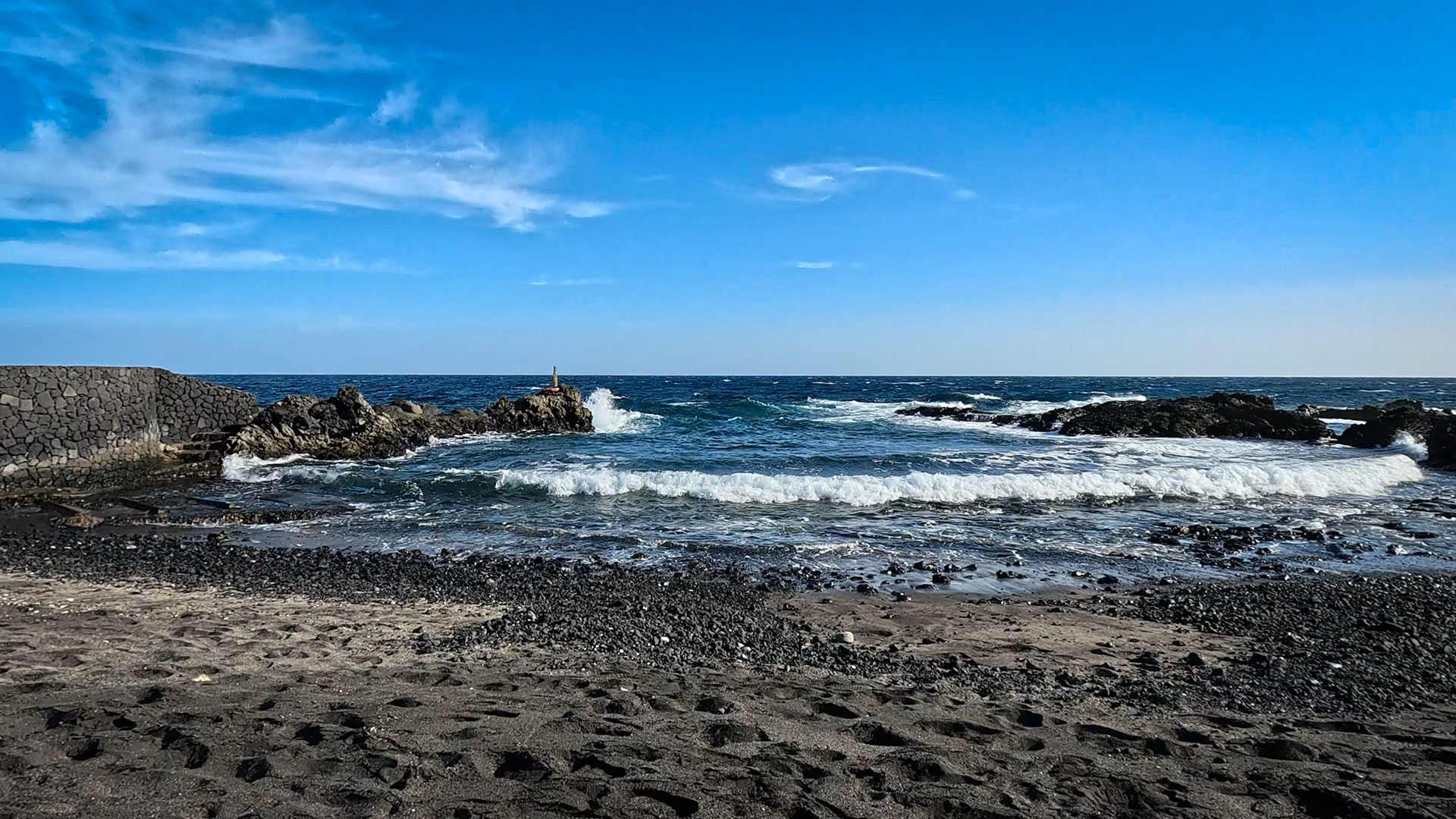
Playa de La Salemera is narrow, framed by lava rock, and completely natural. No sun loungers, no lifeguard. The water is Atlantic: clear, cool, with the surf characteristic of the southeast coast. Swimming is possible, but the beach is not suited for a full beach day — Playa de Los Cancajos, a few kilometers north, is better for that.
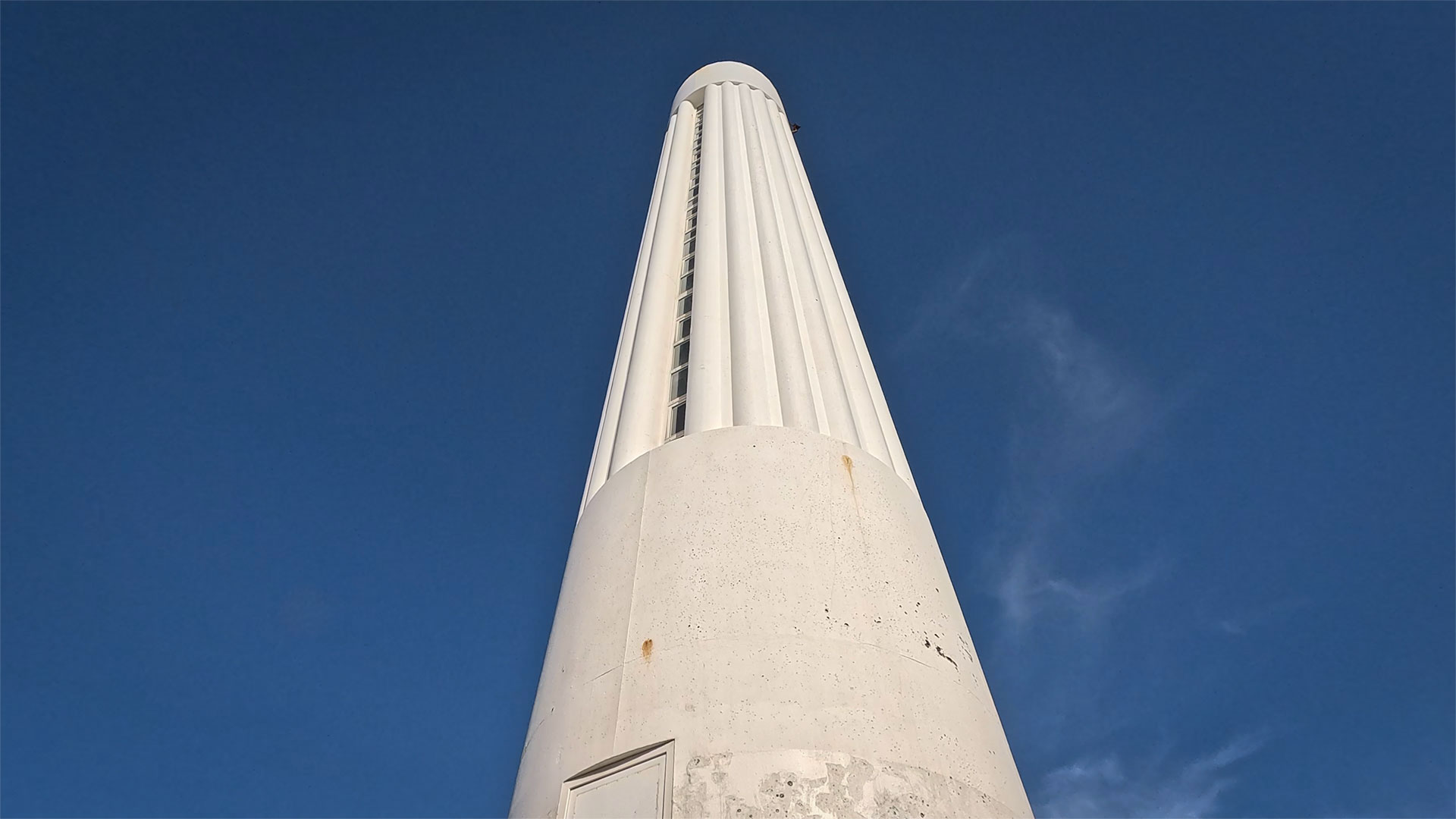
What Salemera offers is something different: the silence of a coastline that has not yet been developed. Those who arrive early in the morning are usually alone. The cliffs behind cast shade only late in the day, and the light is good. Kiosko Playa Salemera is a genuine insider tip in the small coastal village of La Salemera in south-east La Palma – right on the waterfront, next to the lighthouse. The restaurant is known for freshly caught fish, seafood and Canarian specialities such as papas arrugadas with mojo. Despite the name ‘Kiosko’, expect excellent cooking: the restaurant has won several awards and even holds the prestigious ‘Solete’ from the Guía Repsol. From the terrace you have a stunning view over the Atlantic. Tip: The restaurant is particularly popular at weekends – booking is recommended.
Swimming & Safety
Beach flags give daily updates on swimming conditions.
Green: safe. Yellow: caution. Red: no swimming – surf conditions here can deteriorate quickly.
No lifeguard on site. Water shoes recommended.
Undertows on the southeast coast — rely on your own judgment.
Villa de Mazo: History and Craft
The village of Villa de Mazo, above La Salemera, is one of La Palma’s most culturally rich municipalities. The Ecomuseo Belmaco houses the island’s oldest petroglyphs. The local potters use a technique without a potter’s wheel, directly linked to the Benahoaritas tradition. For Corpus Christi, village streets are covered with flower carpets of natural materials — a festival maintained for generations.
Those who combine La Salemera with the Ecomuseo and a stroll through Villa de Mazo’s old-town lanes understand more about La Palma than most who spend a week at the beach.
Ruta de los Volcanes: Volcanic Ridge Above the Beach
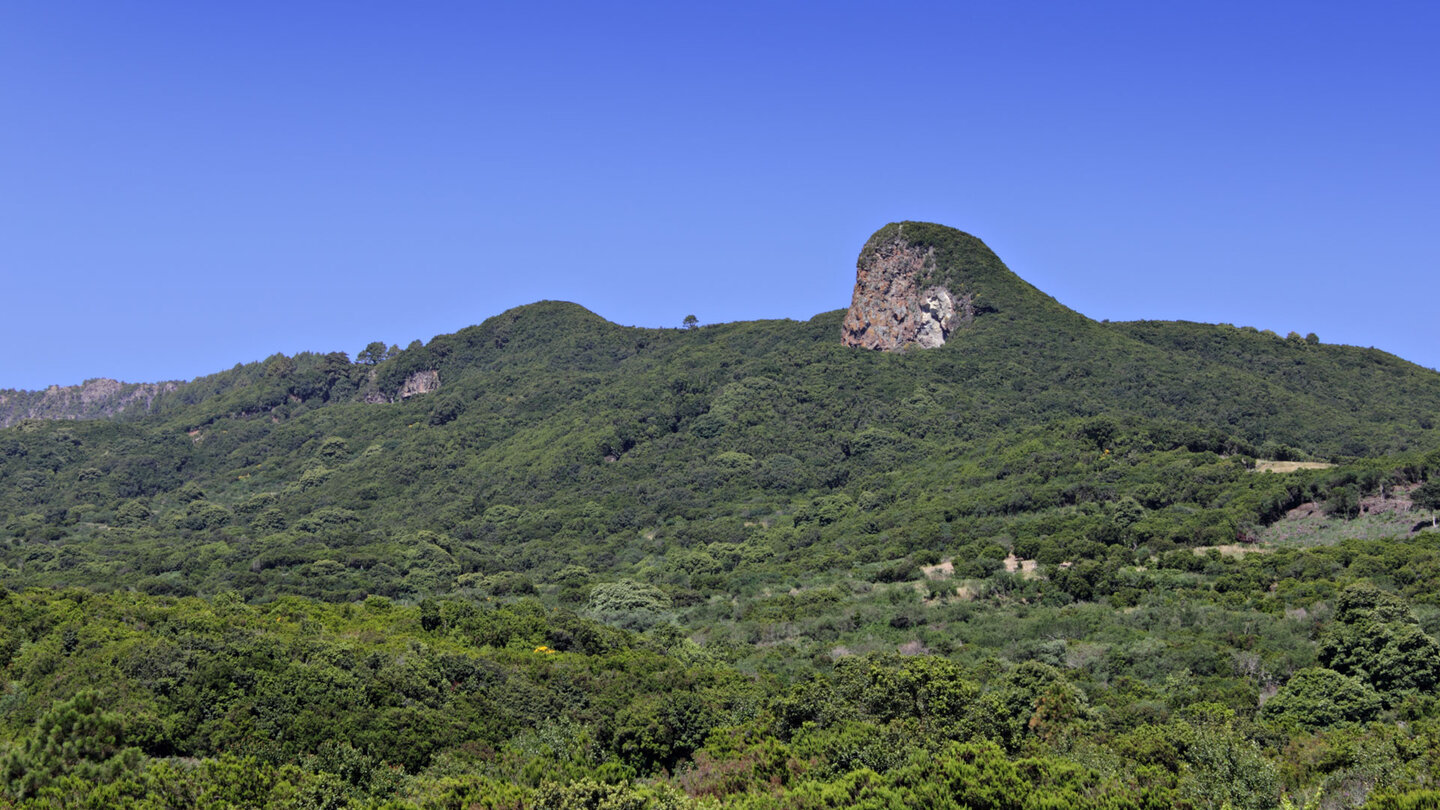
Directly above the southeast coast runs the Cumbre Vieja mountain range — the volcanic chain that erupted again in 2021. From the coast at La Salemera, the volcanic ridge is visible. Visit the coast in the morning and drive into the mountains in the afternoon to experience in one day what sets La Palma apart from all other Canary Islands: the closeness of Atlantic coastline and active volcanism.
| Location | South-east coast of La Palma, municipality of Villa de Mazo |
|---|---|
| Beach | Black sand, narrow, unspoiled |
| Facilities | None – bring supplies from Villa de Mazo |
| Lifeguard | None – swim at your own risk |
| Combine with | Ecomuseo Belmaco · Corpus Christi flower carpets · Ruta de los Volcanes |
| Accommodation | Clariso Villa de Mazo (2 houses) |
Accommodation in Villa de Mazo
Villa de Mazo is one of La Palma’s eight Clariso municipalities. Book via Clariso Villa de Mazo.
The Black Sand of the Southeast Coast
The sand at Playa de La Salemera is finer than at many other black sand beaches on La Palma. The southeast coast is slightly less exposed than the west coast, giving the sea more time to grind down the lava rock. The result is sand that’s warm in the afternoon and feels good underfoot. A small thing — but the difference between a beach where you stand and one where you want to lie down.
The Southeast Coast: What La Palma Shows Here
La Palma’s southeast coast is less visited than the west coast and less dramatic than the north. What it has is a quiet reliability: moderate surf, good light, a landscape that doesn’t try to be dramatic but simply is beautiful. La Salemera is the most typical beach of this coastal character: not a highlight, but not a disappointment either. Staying in Villa de Mazo, go to the beach in the morning and the museum in the afternoon. That’s enough.
Getting There and Timing
Playa de La Salemera is reached via a side road from the LP-2. Parking and a signpost are there — anyone with a hire car will find it. Best time: morning, when the coast is still quiet. In the afternoon head back and use the remaining hours for Villa de Mazo, or continue to Los Cancajos, the next well-equipped beach.
Corpus Christi: When Villa de Mazo Glows
Once a year, at Corpus Christi in late May or early June, Villa de Mazo looks like a different place. Village streets are covered with flower carpets of blossoms, salt, sand, and natural materials — work that takes days and can be seen for only a few hours. The tradition has been maintained for generations and is UNESCO intangible cultural heritage. For those on La Palma at the right time, a detour to Villa de Mazo is essential.
Practical Information: What You Need to Know
In the village behind Playa de La Salemera is Restaurante Playa Salemera — fresh fish, local ingredients, varied menu. A hire car is recommended; La Salemera is off the main road. Bring sun protection: the southeast coast offers little natural shade. Come early — midday is warmest but most crowded on weekends. On the way back, lunch in Villa de Mazo itself is worthwhile: simple restaurants, good food, fair prices.
Snorkeling and Coastal Life
On calm days the water in front of Playa de La Salemera is clear enough for snorkeling. The lava rocks at the beach edge are home to wrasse, small bass, sea urchins, and the occasional octopus. The southeast coast is less known for its underwater world than the west or north, but those who come and look will find enough. Bring equipment from Villa de Mazo or Los Cancajos.
Conclusion: Playa de La Salemera
La Salemera is not La Palma’s main beach — it is the quiet coastal stretch of a municipality with exceptional cultural heritage.
Beach in the morning, petroglyphs at midday, flower carpets at festival time: Villa de Mazo has more to offer than most expect.
Frequently Asked Questions
What is the Ecomuseo Belmaco in Villa de Mazo?
Is it safe to swim at Playa de La Salemera?
When are the Corpus Christi flower carpets in Villa de Mazo?
This article is based on the on-the-ground knowledge of the Gequo editorial team – publishers of the Reisezeit hiking guides and operators of Sunhikes.com. Last updated: May 2026