La Palma: 14 Municipalities, 82,000 Residents, One Island
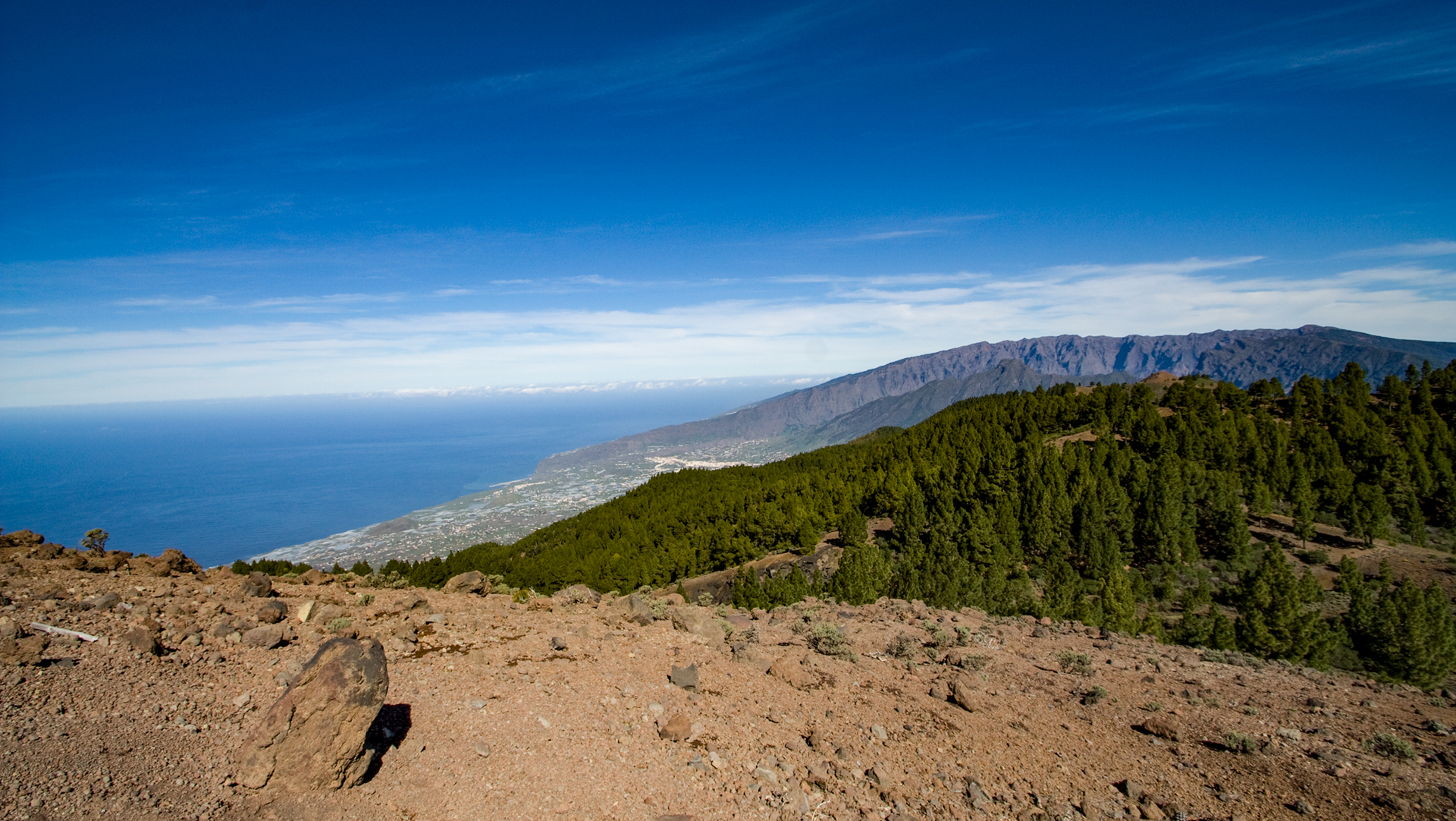
La Palma is not a uniform whole — it is a fascinating mosaic of 14 municipalities, each with its own history, population density, and economic character. To the west lies the fertile plain of the Aridane valley, to the north the remote municipality of Garafía, to the south the volcanic community of Fuencaliente, and at the centre the vast natural space of the Caldera de Taburiente National Park. This diversity makes La Palma an island that no single visit can fully exhaust.
Administrative Structure
The Canary Islands form an autonomous region of Spain with two provinces. La Palma belongs to the Province of Santa Cruz de Tenerife, together with Tenerife, La Gomera, and El Hierro. The island is governed by the Cabildo Insular — a kind of island government headquartered in Santa Cruz de La Palma. This institution handles key responsibilities in areas such as infrastructure, nature conservation, road construction, and tourism development. The 14 municipalities also have their own administrations, each led by an Alcalde (mayor) and a municipal council.
The 14 municipalities are: Barlovento, Breña Alta, Breña Baja, Fuencaliente, Garafía, Los Llanos de Aridane, El Paso, Puntagorda, Puntallana, San Andrés y Sauces, Santa Cruz de La Palma, Tazacorte, Tijarafe, and Villa de Mazo.
The largest municipality by area is El Paso, covering around 135 square kilometres. This is due to its extensive territory in the central highlands, which includes large portions of the Caldera de Taburiente National Park. Garafía in the northwest is also one of the island’s larger municipalities by area, though it ranks behind El Paso. The most populous municipality is Los Llanos de Aridane in the west.
Population and Social Structure
La Palma has approximately 82,000 residents today. Demographic trends reflect the challenges facing many rural island regions: while more remote northern municipalities such as Garafía and Barlovento struggle with an ageing population and the out-migration of younger people, population growth is concentrated primarily in the centres of Los Llanos de Aridane and Santa Cruz de La Palma.
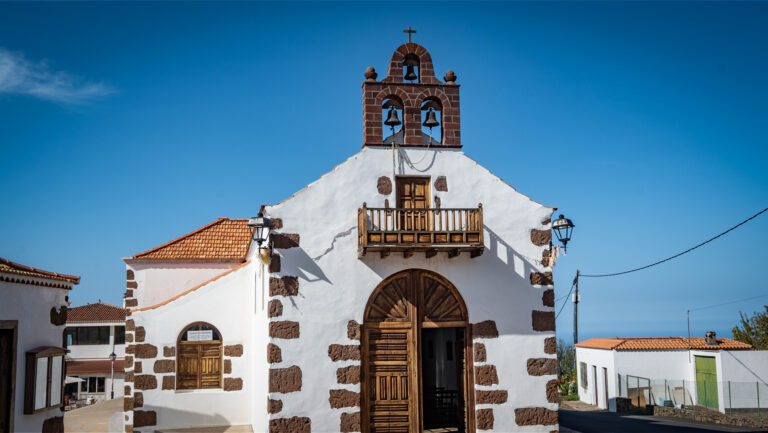
The majority of Palmeros have a Spanish-Catholic background. Religious traditions and local customs continue to play an important role in everyday life. Patron saint festivals, processions, and traditional celebrations are observed in many municipalities with broad community participation.
Since the 1980s, smaller communities of Central European immigrants have also settled on the island — primarily Germans, Austrians, and Dutch. Many are drawn by the mild climate, the tranquillity, and the unspoiled natural environment.
Economy: Bananas, Agriculture, and Low-Impact Tourism
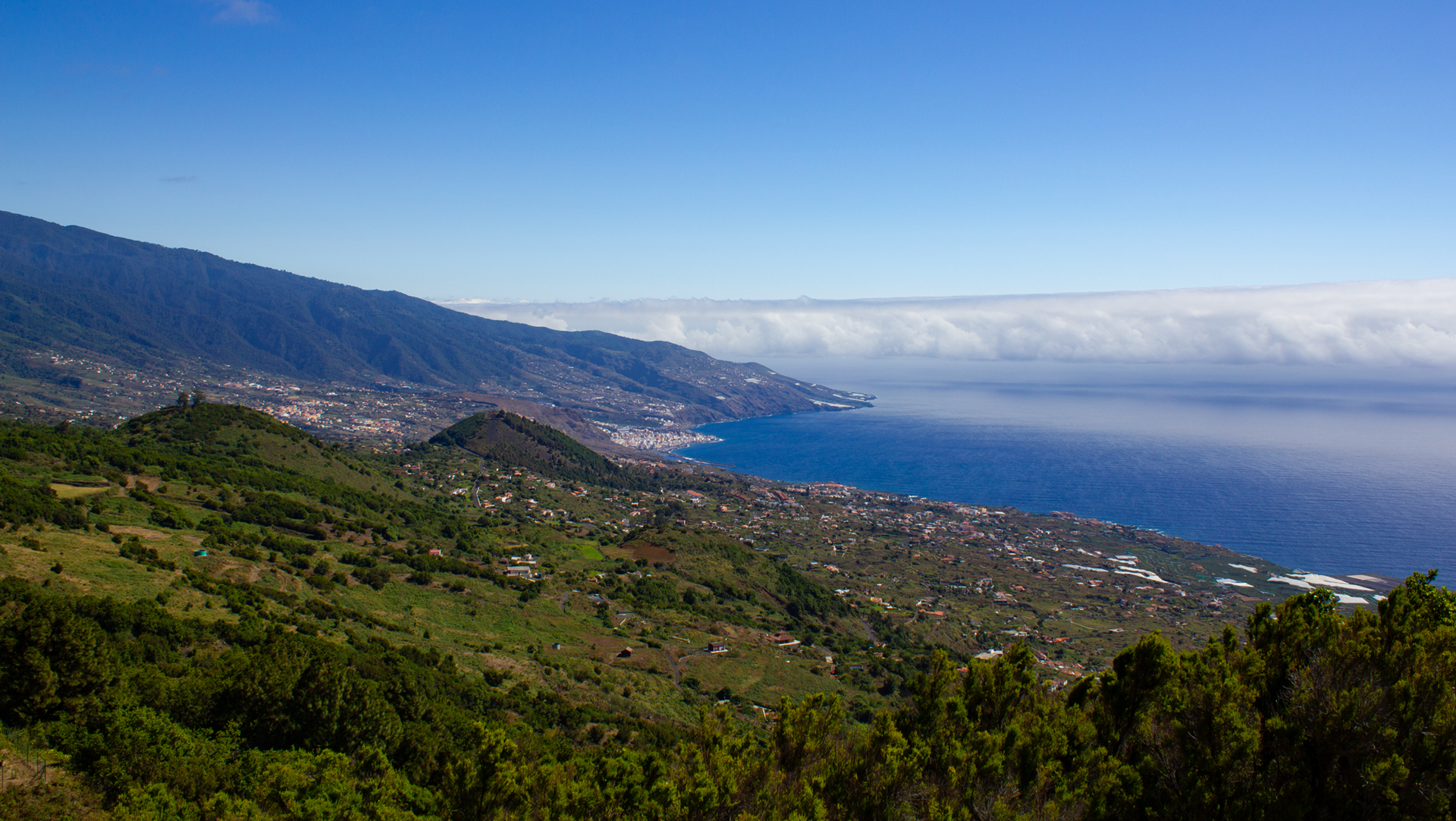
Unlike the larger Canary Islands, agriculture on La Palma remains a central economic factor. Above all, banana cultivation continues to be the island’s economic backbone and one of its most important private employers. The green terraced plantations are a defining feature of the landscape, especially along the west and north coasts. Alongside bananas, avocados, wine, citrus fruits, and traditional agricultural products are gaining in importance.
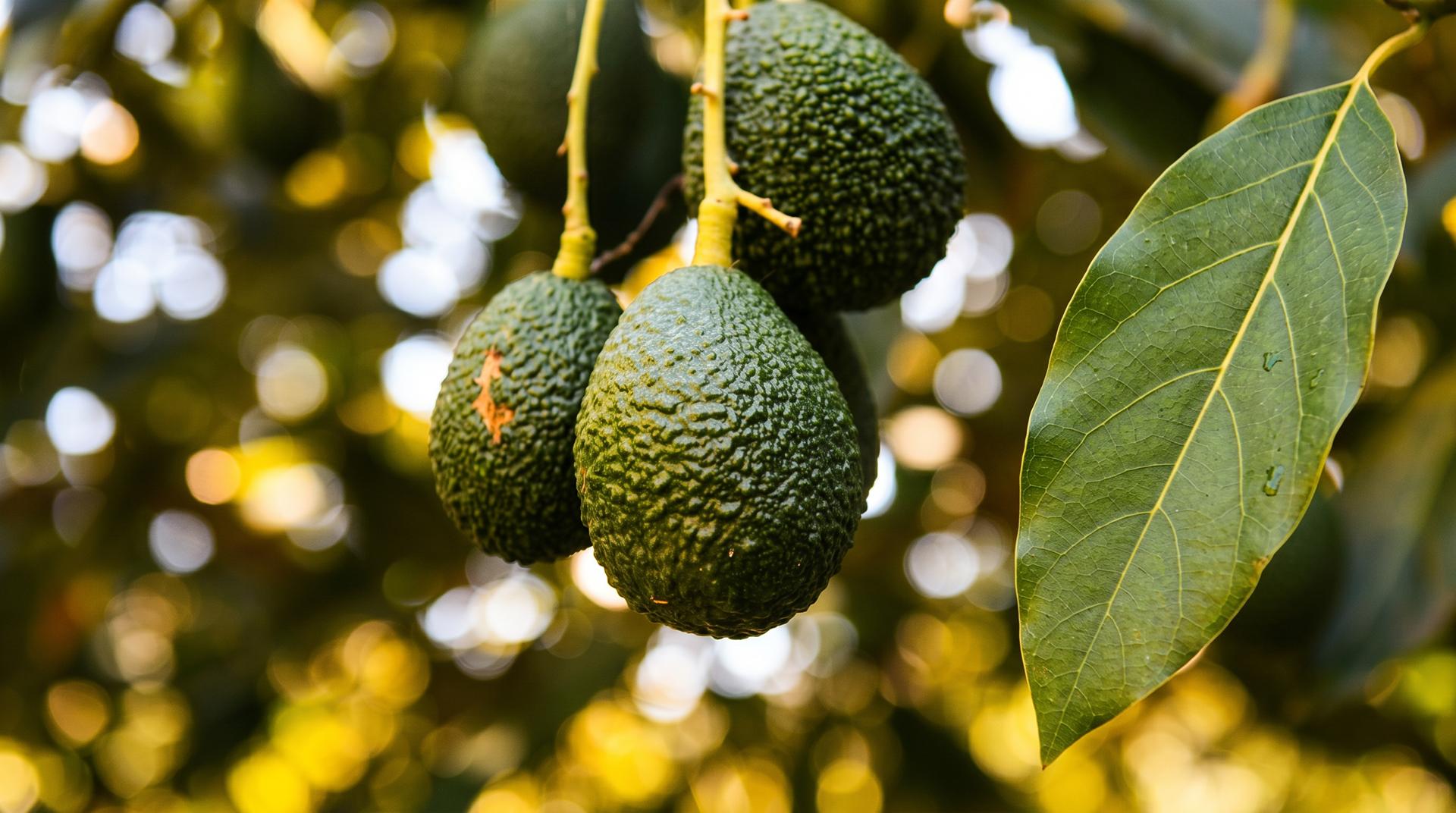
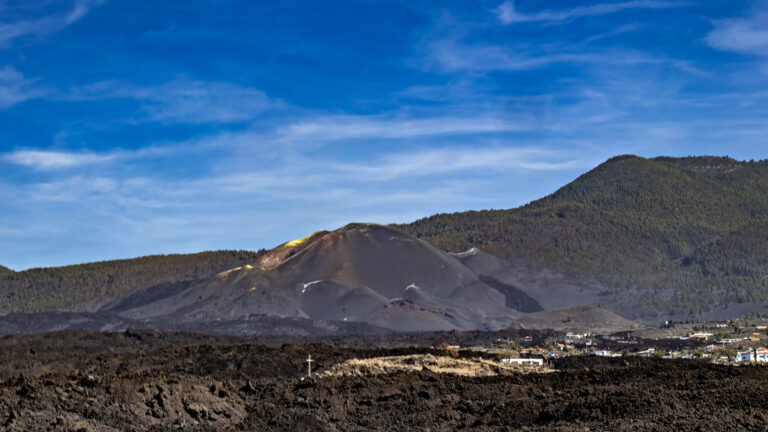
The 2021 Tajogaite volcanic eruption destroyed large portions of agricultural land as well as important irrigation infrastructure in the Aridane valley. Rebuilding and adapting agriculture to the changed landscape remain ongoing priorities.
Tourism also plays an important role, but differs significantly from the mass tourism found on other Canary Islands. La Palma deliberately focuses on low-impact nature tourism, hiking, and independent travel — with holiday rentals, small guesthouses, and experiences rooted in the natural environment.
Conclusion
La Palma’s administrative structure reflects the character of the island: 14 independent municipalities with distinct landscapes, traditions, and economic strengths together form an exceptionally diverse island. La Palma is small enough to remain manageable, yet varied enough to always reveal new facets.
Frequently Asked Questions
How many people live on La Palma?
How many municipalities does La Palma have?
Which is the largest municipality on La Palma?
What role does banana cultivation play for La Palma?
Does La Palma belong to Spain, or is the island independent?
This article is based on the on-the-ground knowledge of the Gequo editorial team – publishers of the Reisezeit hiking guides and operators of Sunhikes.com. Last updated: May 2026