Avocados on La Palma: The Green Gold of the West Coast
In recent years, a new shade of green has spread across the hillsides of La Palma’s west coast: avocado trees. As demand for European avocados grows, La Palma — with its mild Atlantic climate, fertile volcanic soil, and well-developed irrigation infrastructure — has established itself as one of the most promising growing locations north of Africa.
Why La Palma for Avocados?
Avocados need a frost-free, subtropical climate with mild temperatures and a reliable water supply. The sheltered coastal zones on the island’s western side provide ideal conditions. Thanks to the traditional Galerías (water tunnels) and large storage reservoirs (Balsas), the plantations can be irrigated year-round.
The expansion of avocado farming also brings challenges. Avocado trees require considerable amounts of water and are among the most water-intensive crops on the island. For this reason, irrigation, water management, and sustainable resource use are increasingly at the centre of agricultural discussion on La Palma.
Varieties and Harvest
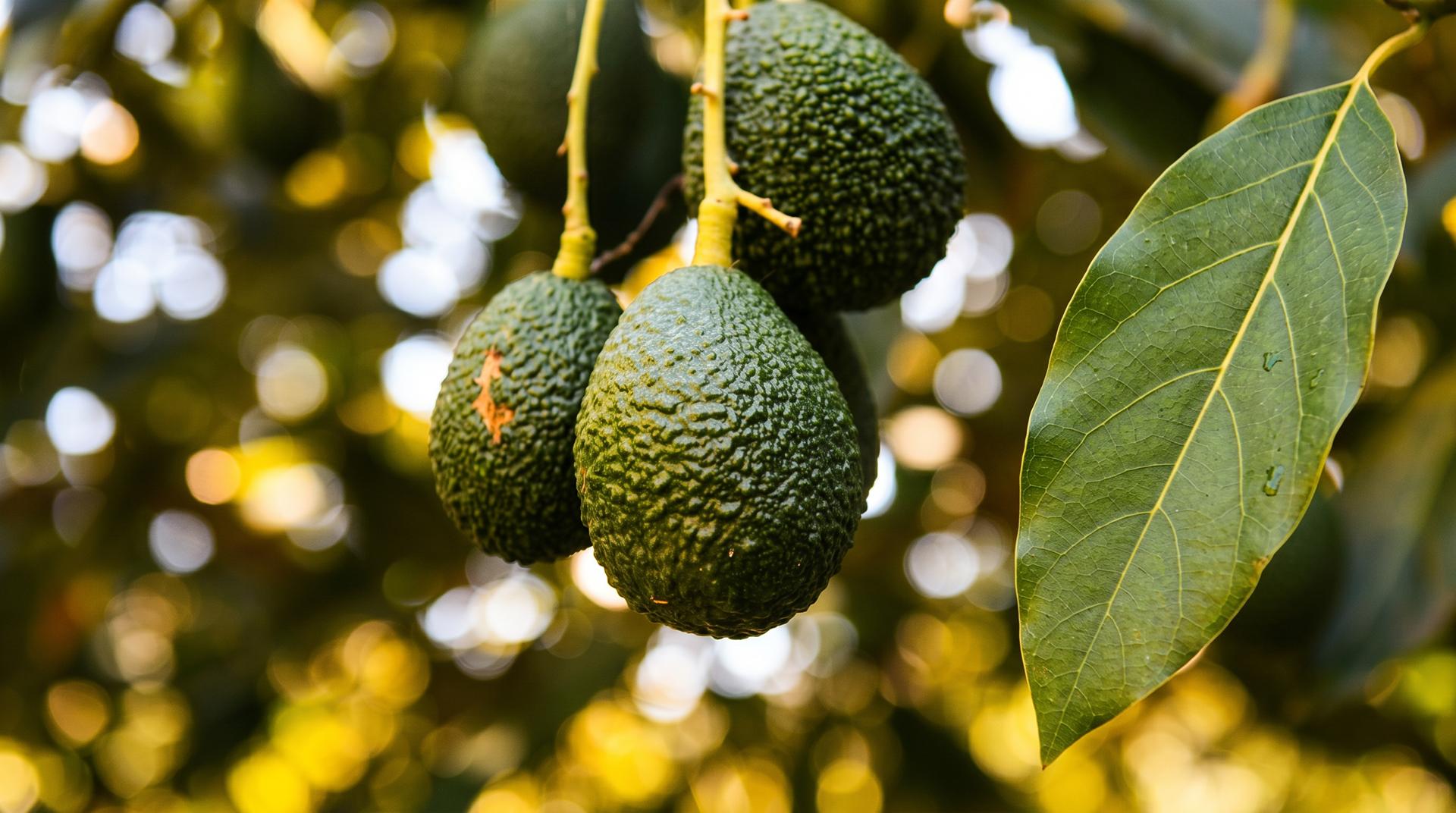
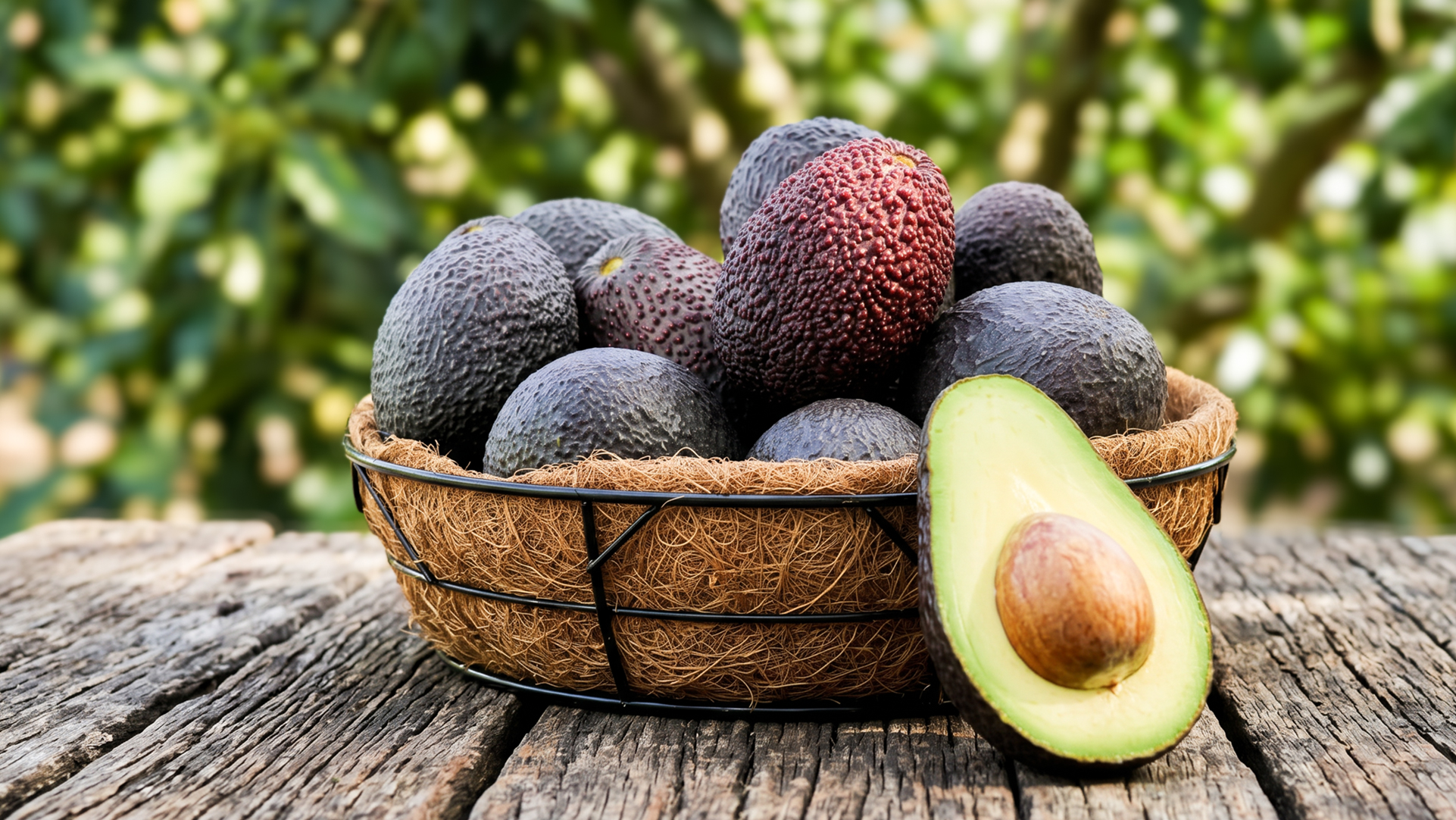
Two avocado varieties dominate on La Palma. The Fuerte has a smooth, green skin and is harvested mainly from autumn through winter. The world’s best-known variety, Hass, with its dark, pebbly skin, reaches its main harvest period between spring and summer.
A botanical peculiarity makes avocados unique: the fruits can remain on the tree for many weeks or even months after reaching maturity without becoming soft. Only after harvest does the actual ripening process begin. This allows farmers to flexibly adjust the harvest timing to demand and market conditions. Those who buy avocados directly at farmers’ markets or farm shops often receive fruits that are already perfectly ripe and at their full flavor.
The Impact of the Tajogaite Eruption
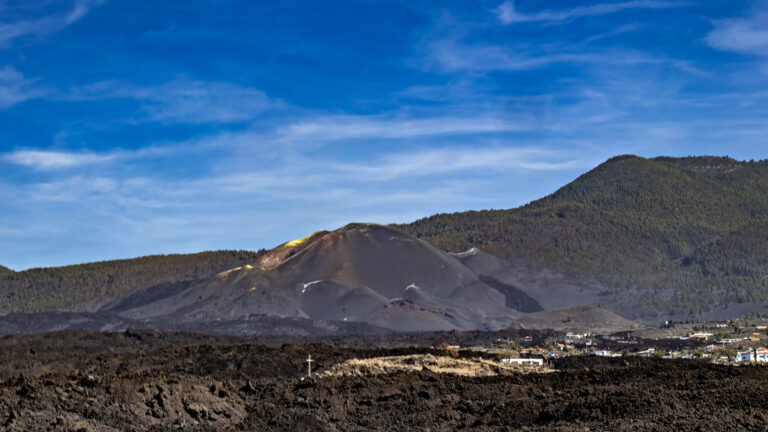
The Tajogaite eruption in 2021 also destroyed numerous avocado plantations or cut off their water supply. In recent years, many areas have been recultivated and new growing zones established. At the same time, awareness is growing around making avocado cultivation as sustainable as possible and using available water resources responsibly.
Another advantage of La Palma’s avocados lies in their proximity to the European market. Compared to imports from South America or South Africa, the transport routes are significantly shorter, substantially reducing CO₂ emissions from shipping.
Conclusion
The avocado has become an important addition to La Palma’s agriculture in recent years. The subtropical climate, fertile volcanic soils, and proximity to the European market offer ideal conditions. At the same time, responsible management of limited water resources remains one of the most important challenges for further expanding cultivation.
Frequently Asked Questions
When is avocado season on La Palma?
Which avocado varieties grow on La Palma?
Why do avocados only ripen after harvest?
Are avocados from La Palma more sustainable than overseas imports?
Where can you buy fresh avocados on La Palma?
This article is based on the on-the-ground knowledge of the Gequo editorial team – publishers of the Reisezeit hiking guides and operators of Sunhikes.com. Last updated: May 2026