
The Wildlife of La Palma: Small, Endemic, and Overlooked
La Palma is no safari destination. Those looking for lions or elephants won’t find them here. But those who look carefully — on rocks, in bushes, in the laurel forest, beneath the water’s surface — discover a fauna that overwhelms with its uniqueness: endemic lizards with blue throats. Pigeons whose ancestors have survived for millions of years in the laurel forests of the Canary Islands. Geckos that move silently up walls. And off the coast, whales and dolphins that have the fortune to live in some of the cleanest waters in Europe.
Birds: The Laurel Forest as Refuge
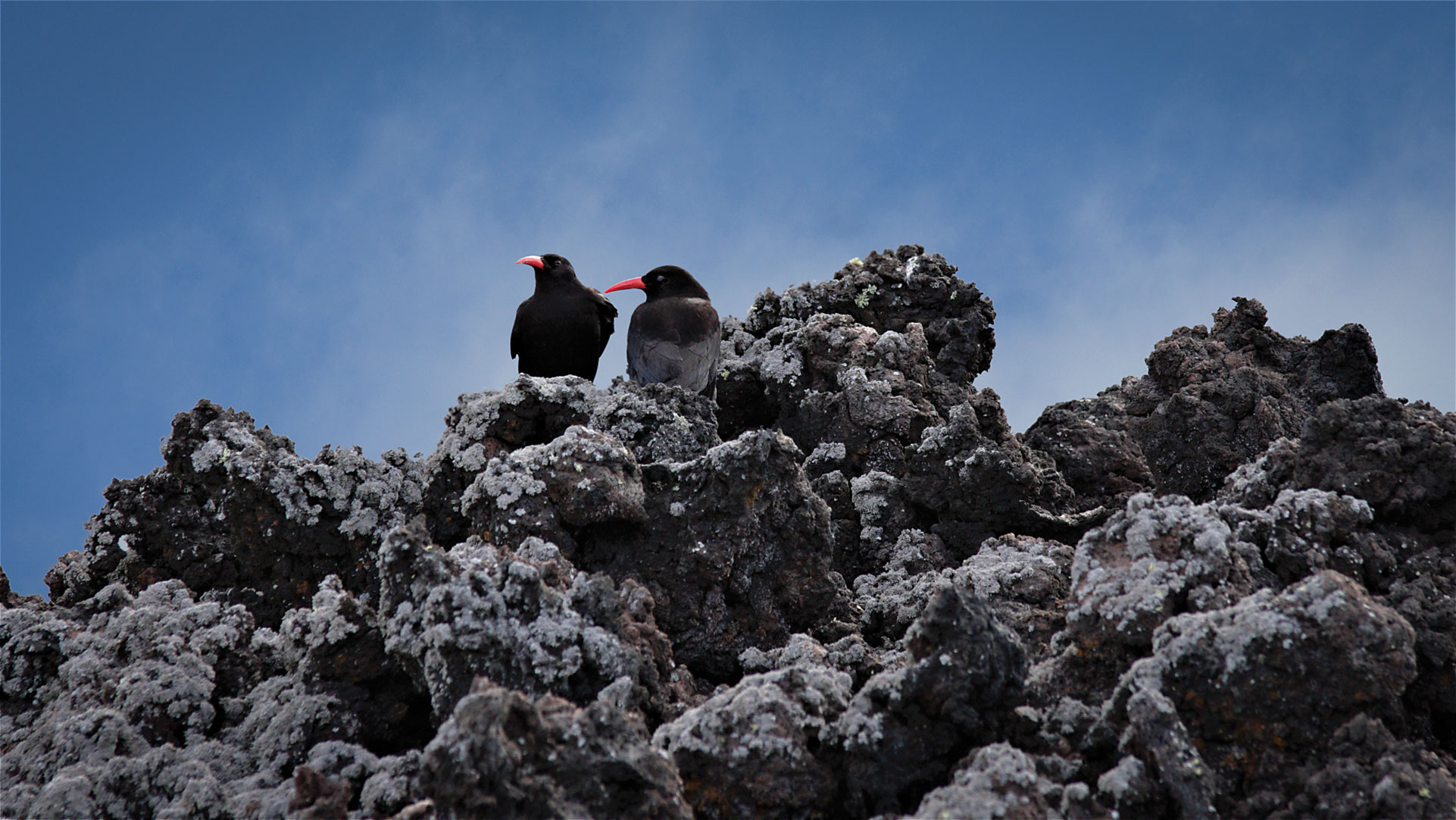
Around 50 bird species occur regularly on La Palma. Particularly striking is the Graja (Pyrrhocorax pyrrhocorax barbarus), the Palmerian subspecies of the Red-billed Chough. With its deep black plumage, bright red legs, and curved red bill, it is one of the most distinctive birds on the island. It can most often be observed around Roque de los Muchachos and in the high elevations.
Two of Europe’s rarest wood pigeons live in the laurel forest: the White-tailed Laurel Pigeon (Columba junoniae), recognizable by its pale tail band, and Bolle’s Laurel Pigeon (Columba bollii), whose darker tail without a pale band distinguishes it from its relative. Both are characteristic species of the Laurisilva and are closely tied to this ancient forest.
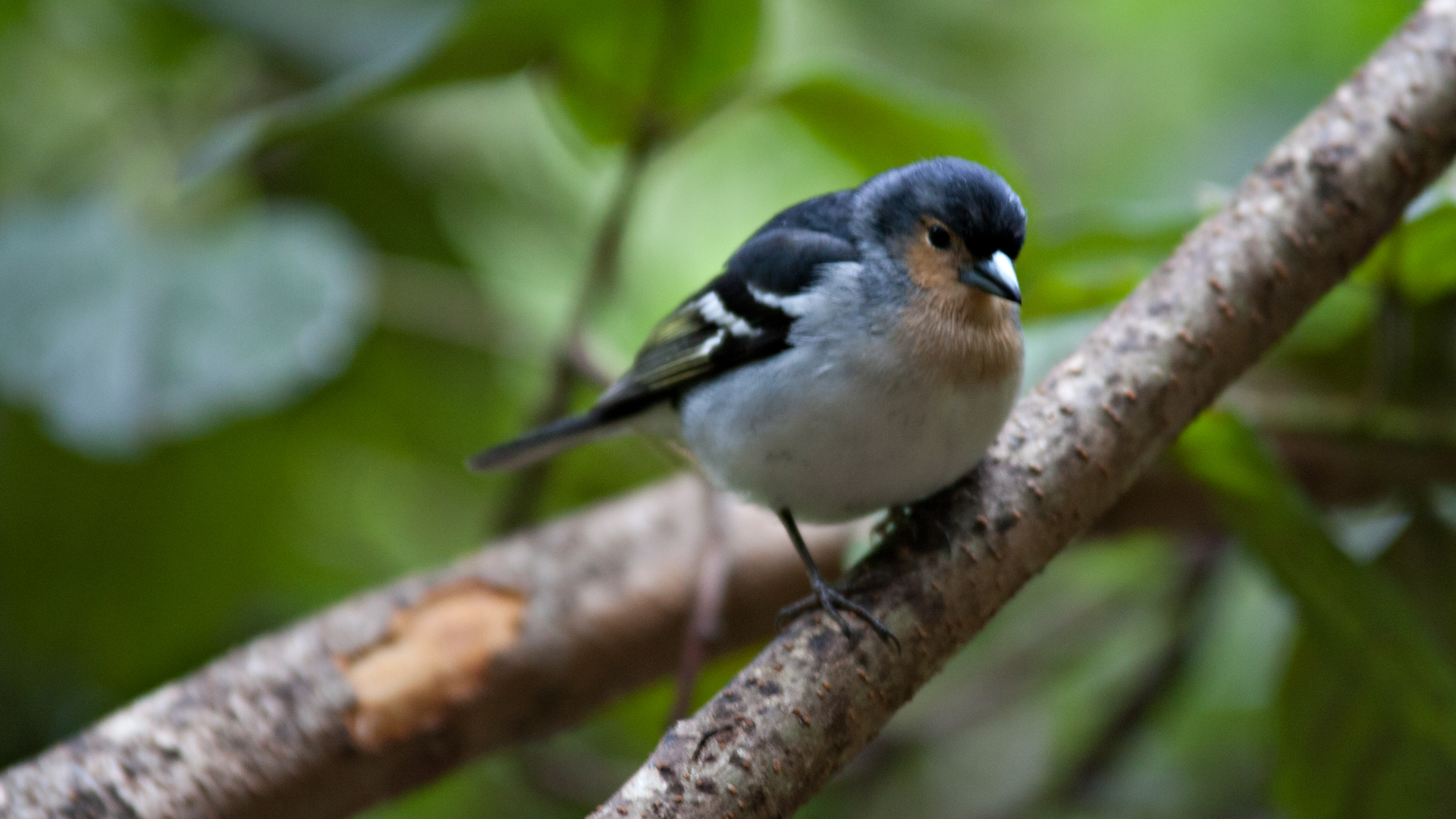
The La Palma Chaffinch (Fringilla coelebs palmae) also evolved into its own subspecies and stands out for its darker plumage. Kestrels, Berthelot’s Pipit, and various seabirds along the coast are also commonly spotted.
Reptiles: Lizards and Geckos
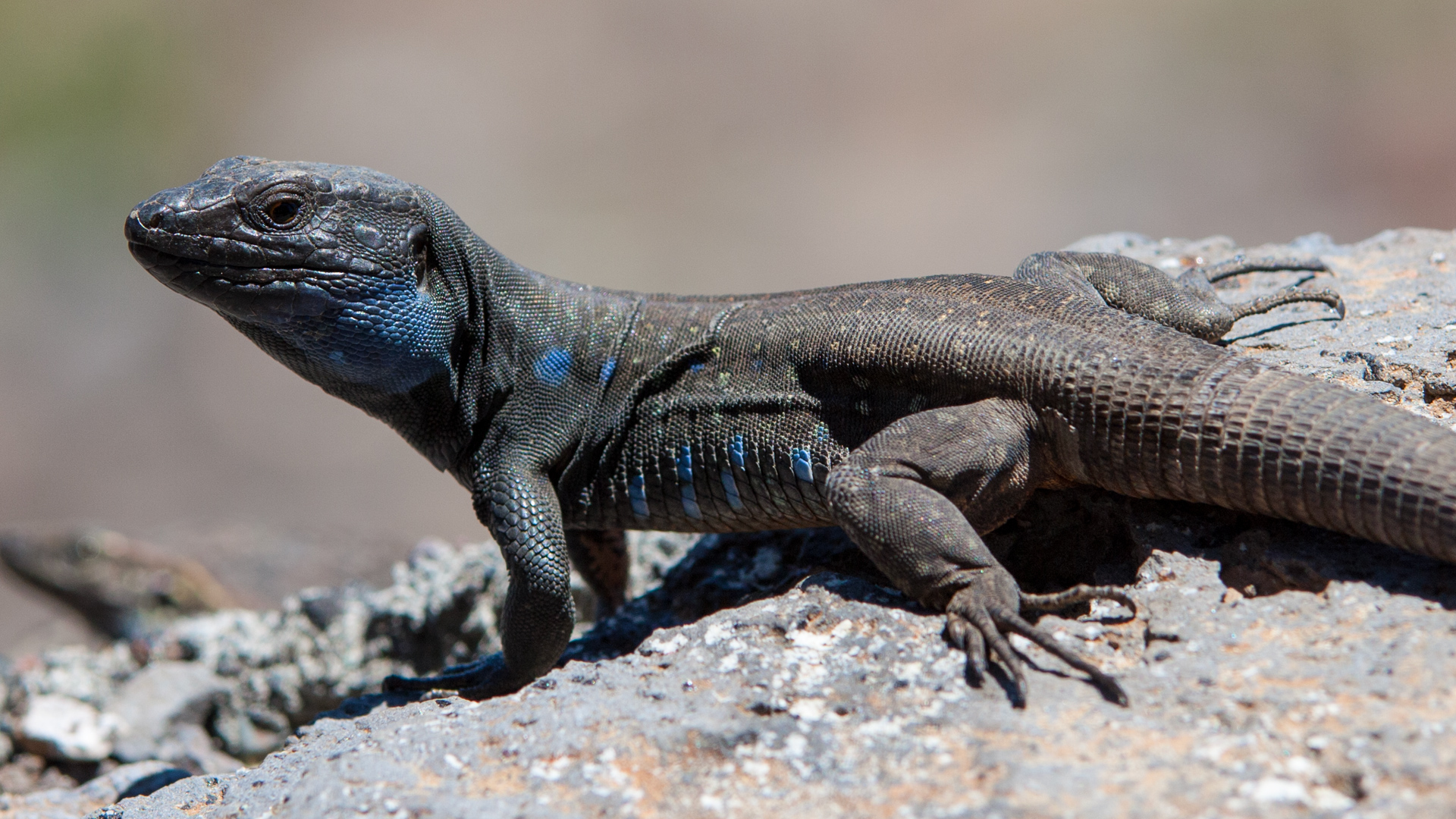
The most common wildlife encounter on La Palma is with the La Palma Lizard (Gallotia galloti palmea). This subspecies is found exclusively on La Palma. The males in particular stand out during mating season for their vivid blue patches on the throat and flanks.
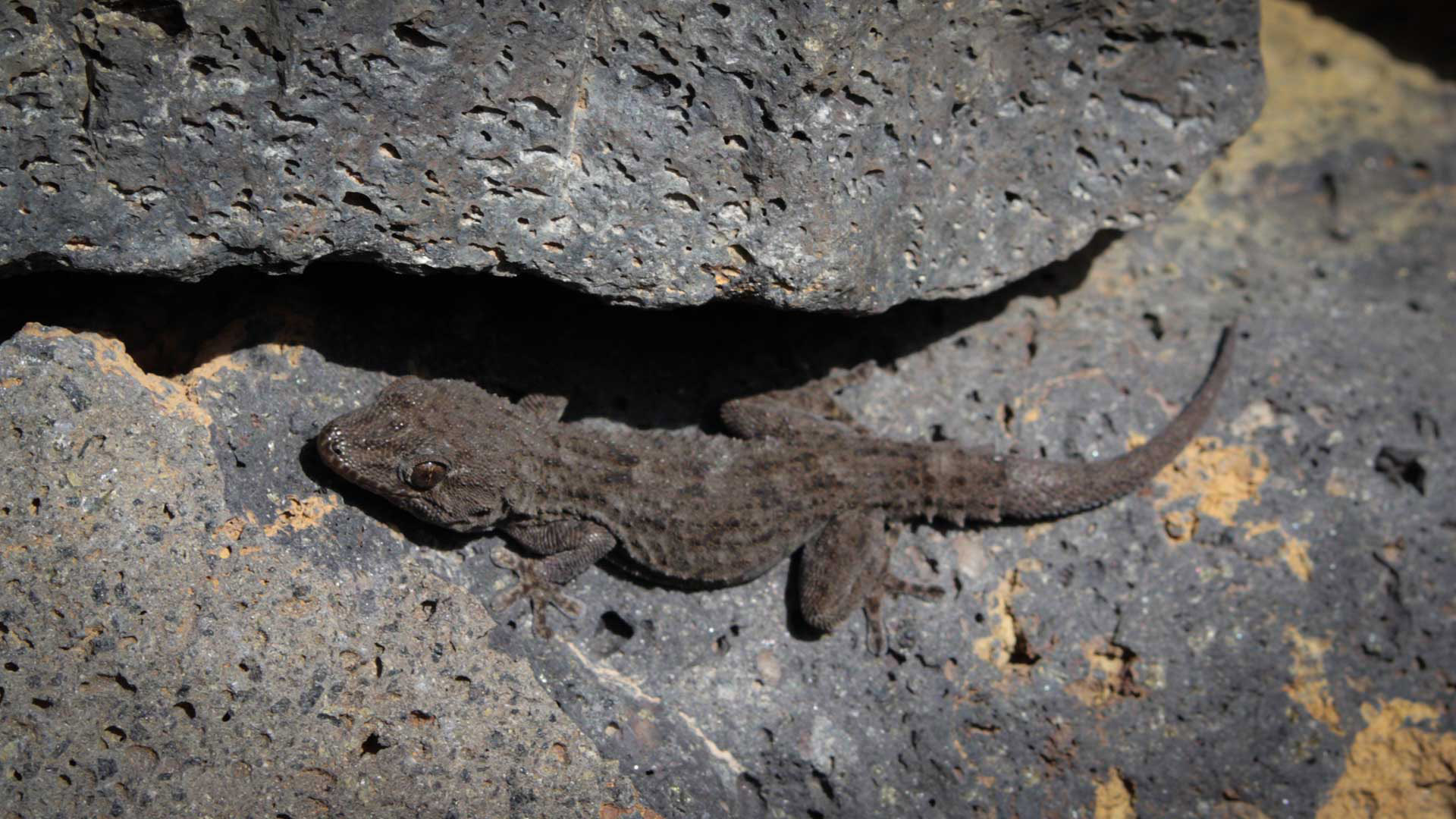
Equally typical is the Canary Islands Gecko (Tarentola delalandii), an endemic resident of the western Canary Islands. It lives mostly on house walls, stone walls, and rocks, feeding on mosquitoes, moths, and other insects. It is completely harmless to humans and a useful housemate.
Marine Wildlife and Whales
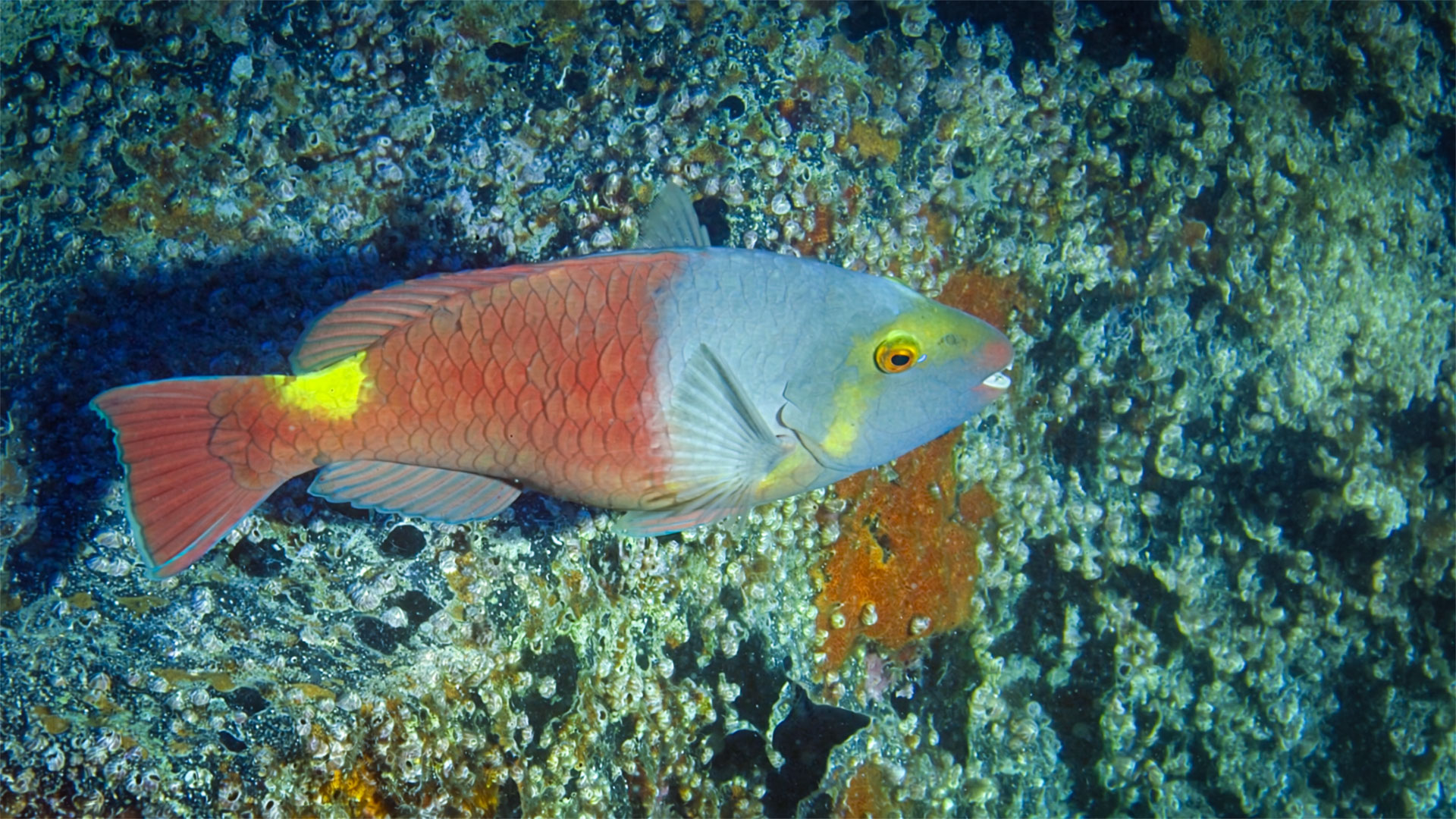
The waters off La Palma are among the most species-rich marine regions in the Canary Islands. Snorkelers and divers regularly encounter parrotfish (Vieja), moray eels, barracudas, rays, and sea turtles.
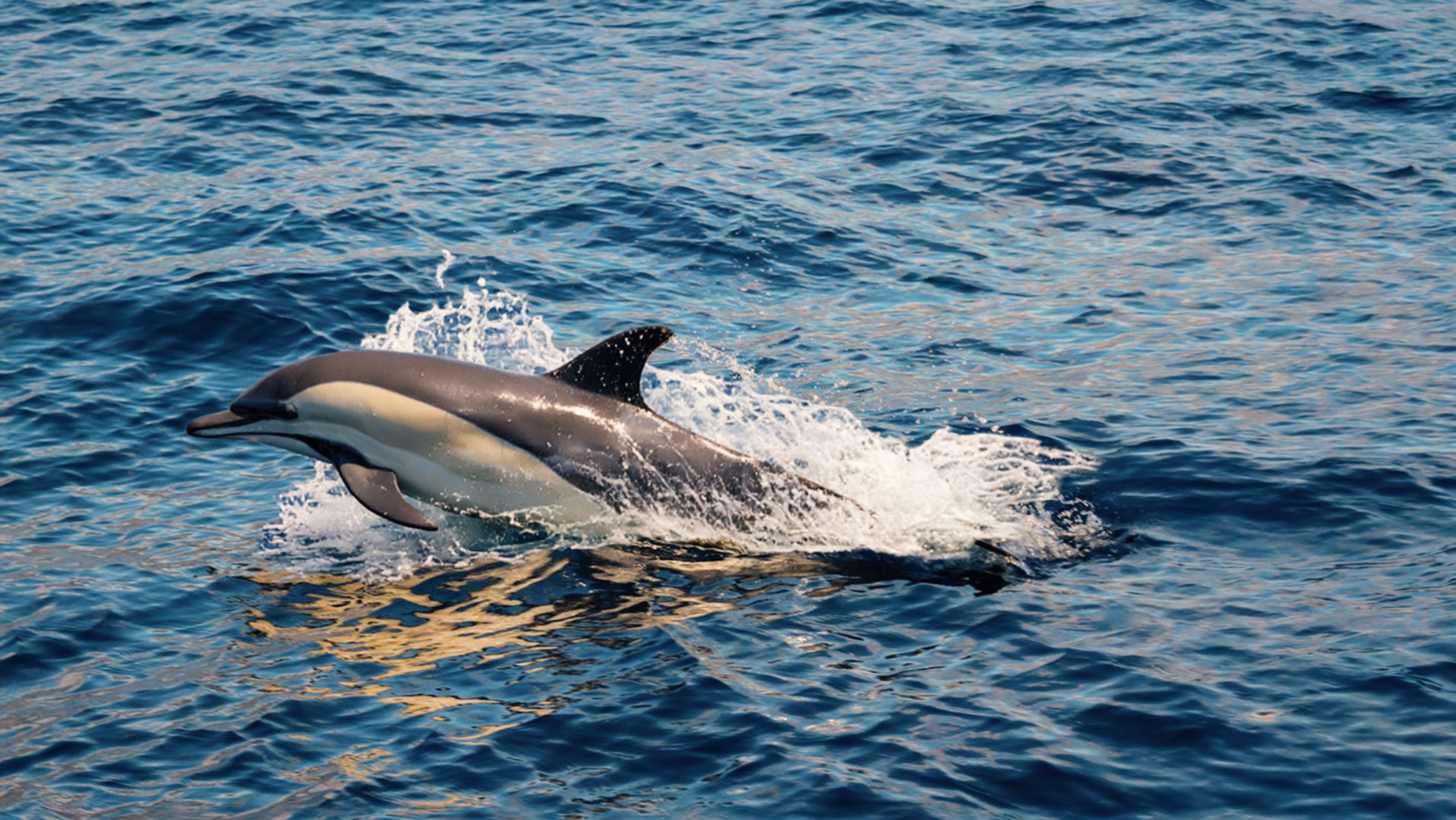
The west coast in particular is one of the best whale-watching areas in the archipelago. Pilot whales and various dolphin species are spotted here year-round. With some luck, bottlenose dolphins, striped dolphins, or fin whales and blue whales on their migrations can also be seen. Sustainable boat tours from Tazacorte offer excellent wildlife-watching opportunities.
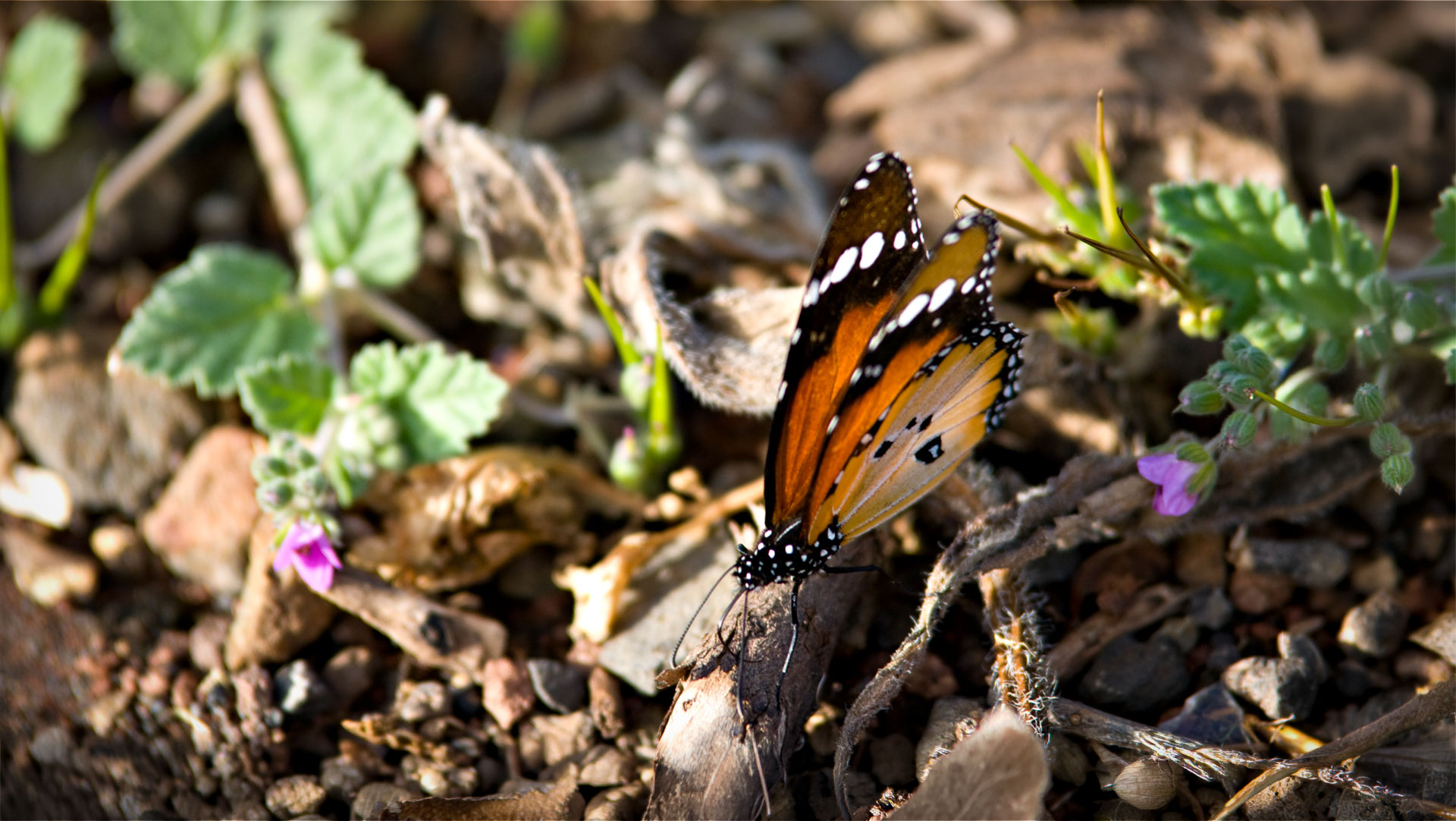
In addition to marine wildlife, La Palma also delights butterfly lovers. The striking Plain Tiger (Danaus chrysippus) is regularly seen in the gardens and coastal areas of the western side.
A Paradise for the Attentive Observer
La Palma’s wildlife is no spectacle — it is a promise for all those who look. The laurel pigeons, the whales off the west coast: they belong to the island just as much as the Roque and the Caldera.
Frequently Asked Questions
Are there dangerous animals on La Palma?
Where can you spot whales and dolphins?
Where can laurel pigeons be observed?
How do you recognize the Graja?
Which reptiles live on La Palma?
This article is based on the on-the-ground knowledge of the Gequo editorial team – publishers of the Reisezeit hiking guides and operators of Sunhikes.com. Last updated: May 2026