Wine Growing on La Palma: Malvasía, Volcanic Ash, and a Comeback
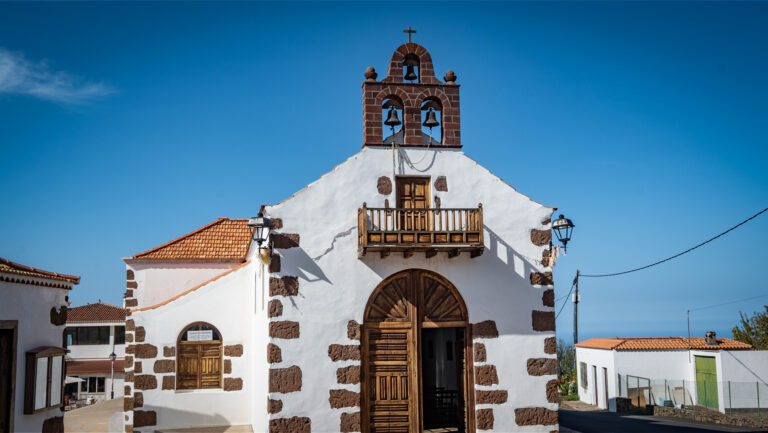
Back in the 16th and 17th centuries, the royal courts of England drank Malmsey — the famous Malvasía wine from La Palma. Even William Shakespeare mentions “Malmsey” — the English name for the famous Malvasía wine — in several of his works. This was no coincidence: Santa Cruz de La Palma was then one of the most important trading ports of the Atlantic, and the wine from the island’s volcanic landscapes was considered a prized luxury. Later, European tastes changed and viticulture fell into a long crisis. Only with the introduction of the protected designation of origin D.O. La Palma in 1994 did an impressive comeback begin, making the island once again one of the most exciting wine regions in the Canary Islands.
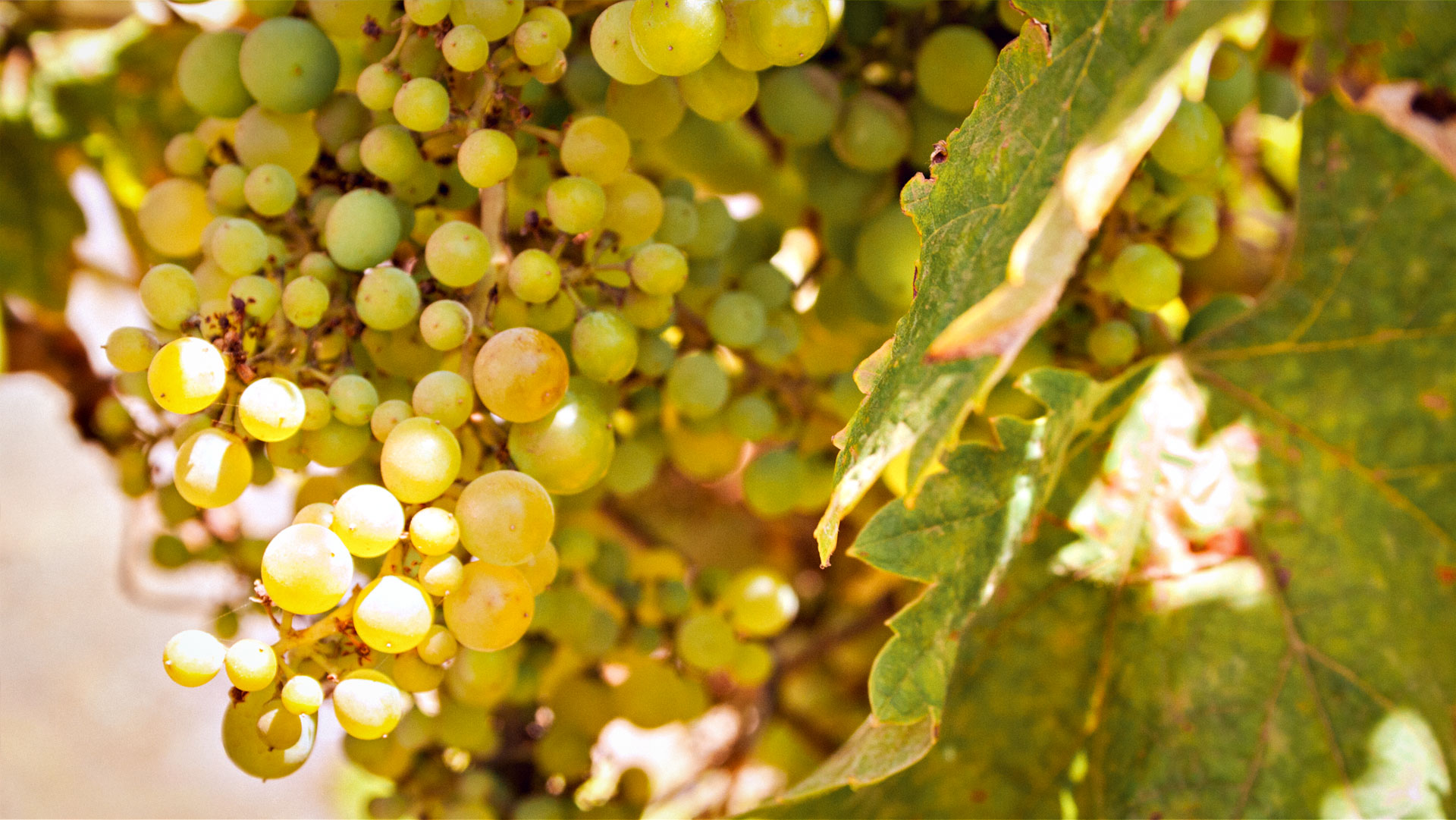
One feature in particular fascinates wine enthusiasts: the Canary Islands were spared from the 19th-century phylloxera epidemic. As a result, many vines still grow ungrafted (pie franco) on their original roots — a rarity in European viticulture.
The Three Growing Zones
La Palma is divided into three wine-growing areas with very different characters. In the east around Hoyo de Mazo and Breña, fresh white wines and light, fruit-forward reds dominate. The moister climate and volcanic soils produce elegant and balanced wines.
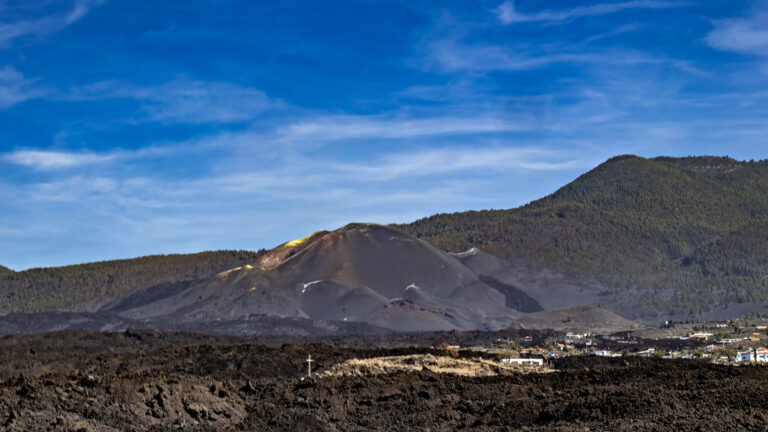
The south around Fuencaliente is the island’s most traditional Malvasía area. On black volcanic ash, vines are often trained flat to the ground as Rastras, shielding them from the strong trade winds while drawing on the stored heat of the lava soil. Here, mineral white wines, characterful reds, and the famous Malvasía wines are produced.
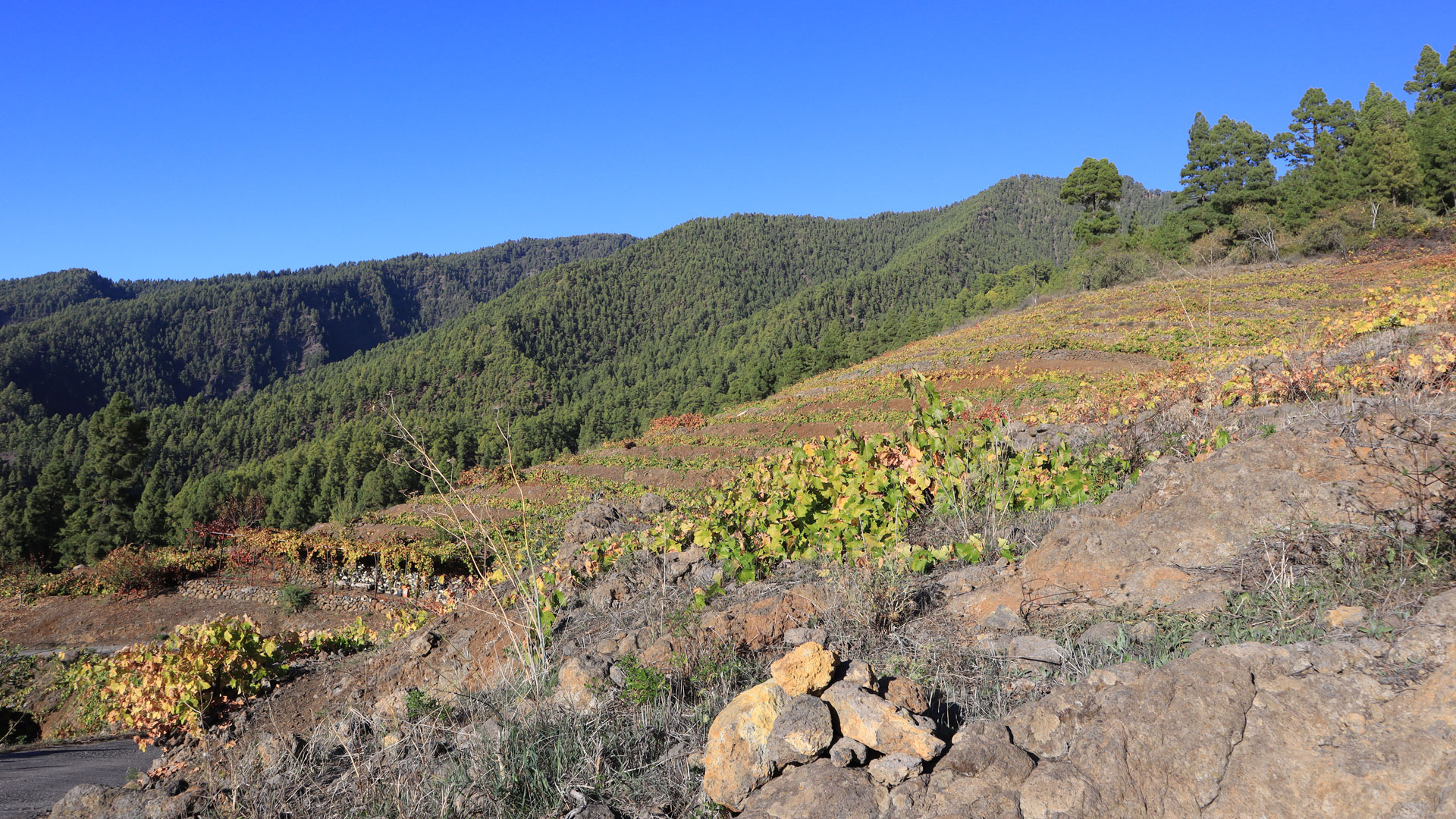
The north and northwest — covering Garafía, Puntagorda, and Tijarafe — are known for their exceptional variety. Both fresh white and red wines as well as the traditional Vino de Tea are produced here, while renowned wineries like Vega Norte have made the region’s quality known far beyond the island.
Vino de Tea: La Palma’s Secret Wine
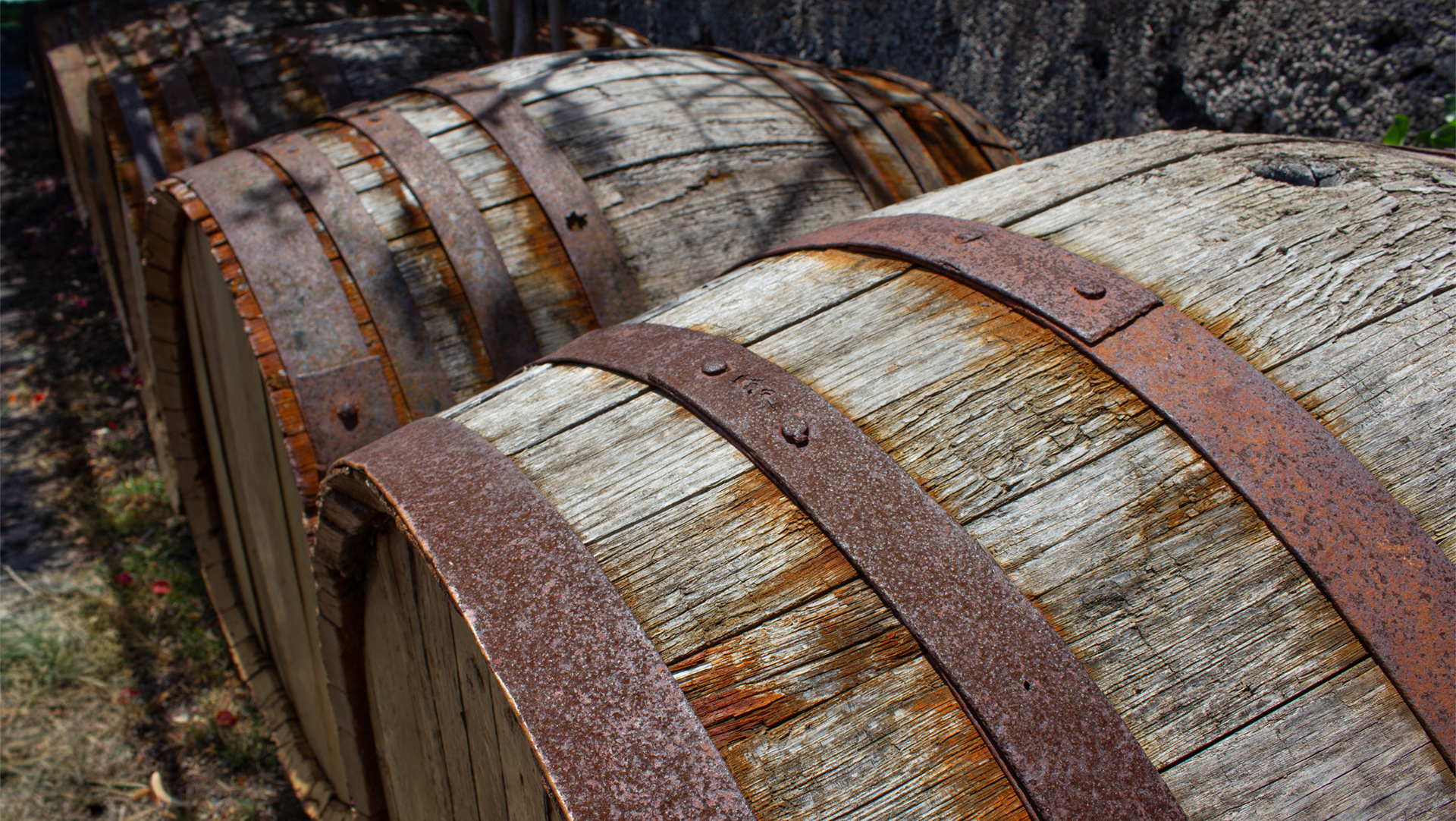
The Vino de Tea is one of the most extraordinary wines of the Canary Islands. It traditionally ages in barrels made from the resinous heartwood of the Canary Island pine (Tea), which gives it its unmistakable resin and pine notes. While vaguely reminiscent of Greek retsina, it possesses a completely unique character. It is especially prized in the north and northwest of the island.
Malvasía: The Wine of Kings
Malvasía is the historic flagship of La Palma. Already in the 16th and 17th centuries, the noble-sweet Malvasía Dulce was considered one of the most coveted wines in Europe. It remains one of the island’s most exclusive specialties to this day. At the same time, winemakers produce modern, dry Malvasía white wines that are earning international acclaim for their fine minerality and tropical fruit aromas.
Among the best-known wineries in the south are Teneguía and Carballo, while Vega Norte in the northwest is renowned for outstanding white and red wines from native grape varieties.
| Fuencaliente | Malvasía dry & sweet · Listán Blanco · Negramoll · direct winery sales |
|---|---|
| Hoyo de Mazo | White wines & red wines · traditional grape varieties |
| Garafía & North | Vino de Tea · Negramoll · Mercadillo Puntagorda (Sat/Sun) |
Conclusion:
La Palma’s wine industry has made a remarkable comeback: after centuries of decline and a crisis from which many islands never recovered, D.O. La Palma has produced a viticulture that today ranks among the most interesting in the Canary Islands. Malvasía and Vino de Tea are souvenirs you can’t find anywhere else.
Frequently Asked Questions
Why Is La Palma Wine Considered So Special?
What Does "Ungrafted" (Pie Franco) Mean?
What Is the Difference Between Malvasía and Vino de Tea?
Where Can You Buy Wine Directly From Producers on La Palma?
Which Wine Region Is the Most Famous on La Palma?
This article is based on the on-the-ground knowledge of the Gequo editorial team – publishers of the Reisezeit hiking guides and operators of Sunhikes.com. Last updated: May 2026