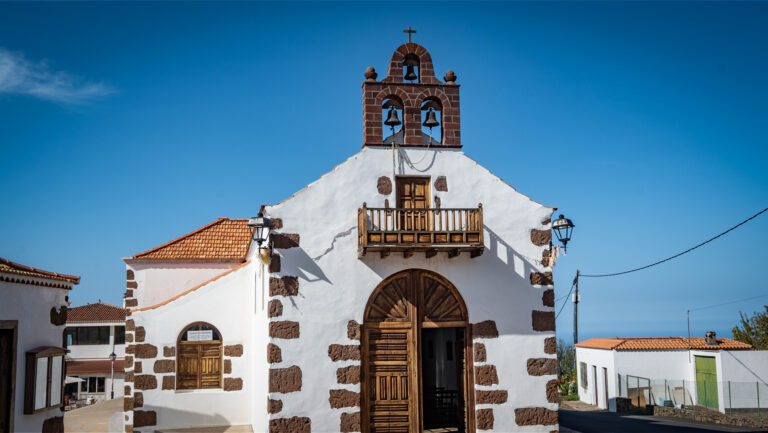
Argual and Tazacorte: The Colonial Heritage of the Aridane Valley
The Aridane Valley is considered the green and economic heart of La Palma. Yet the history of this prosperity does not begin in the modern centre of Los Llanos de Aridane, but in the small neighbourhood of Argual and the neighbouring town of Tazacorte.
In the 16th century, one of the most important centres of sugarcane cultivation in the Canary Islands developed here. Flemish merchants and the Augsburg trading house of the Welsers established one of the island’s first sugar mills (ingenios) in Argual. The prized sugar was shipped to Europe via the nearby port of Tazacorte, making the region one of the wealthiest areas of La Palma.
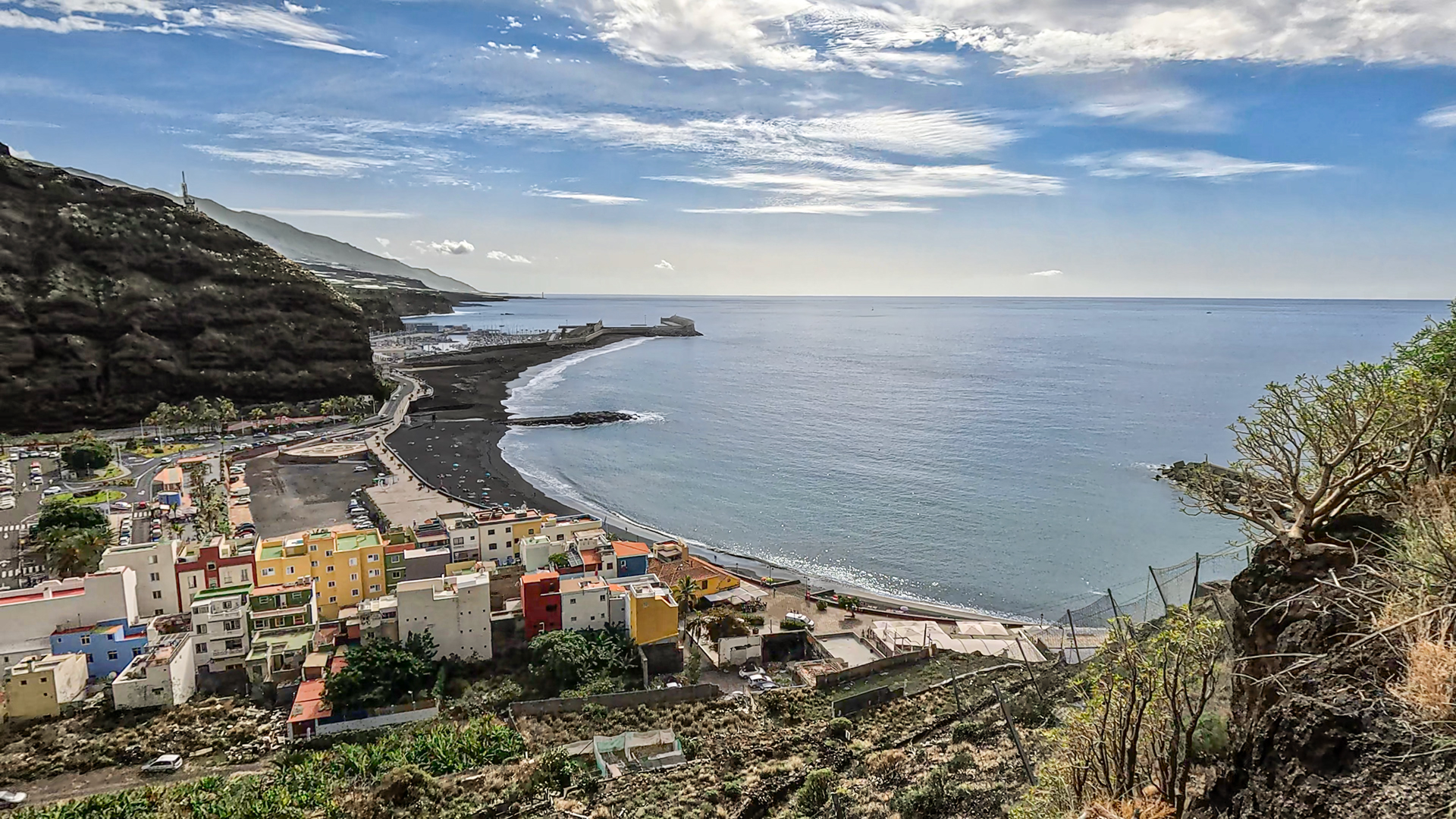
Historic manor houses, cobbled squares, and ancient irrigation systems still tell the story of this era today. Between banana plantations, colonial architecture, and views of the Atlantic, one of the island’s most fascinating landscapes unfolds.
Llano de Argual: The Historic Heart of the Aridane Valley
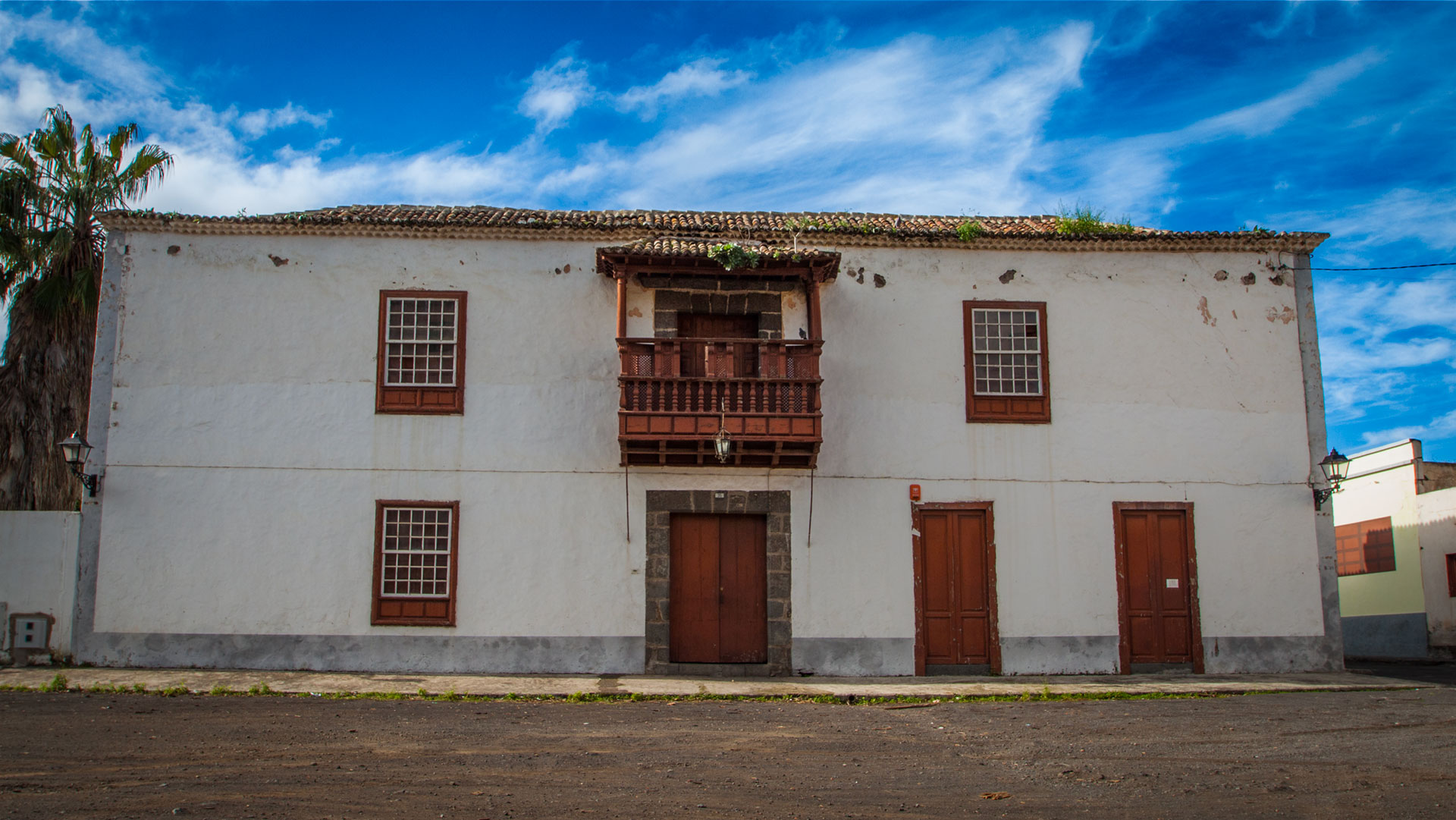
The heart of Argual is the Llano de Argual, centred around the Plaza Sotomayor. Here stand some of the oldest and most beautiful manor houses on the west coast: two-storey buildings with thick walls, traditional wooden balconies, and artfully carved doors made of tea wood — the durable pitch pine heartwood of the Canary Island pine.
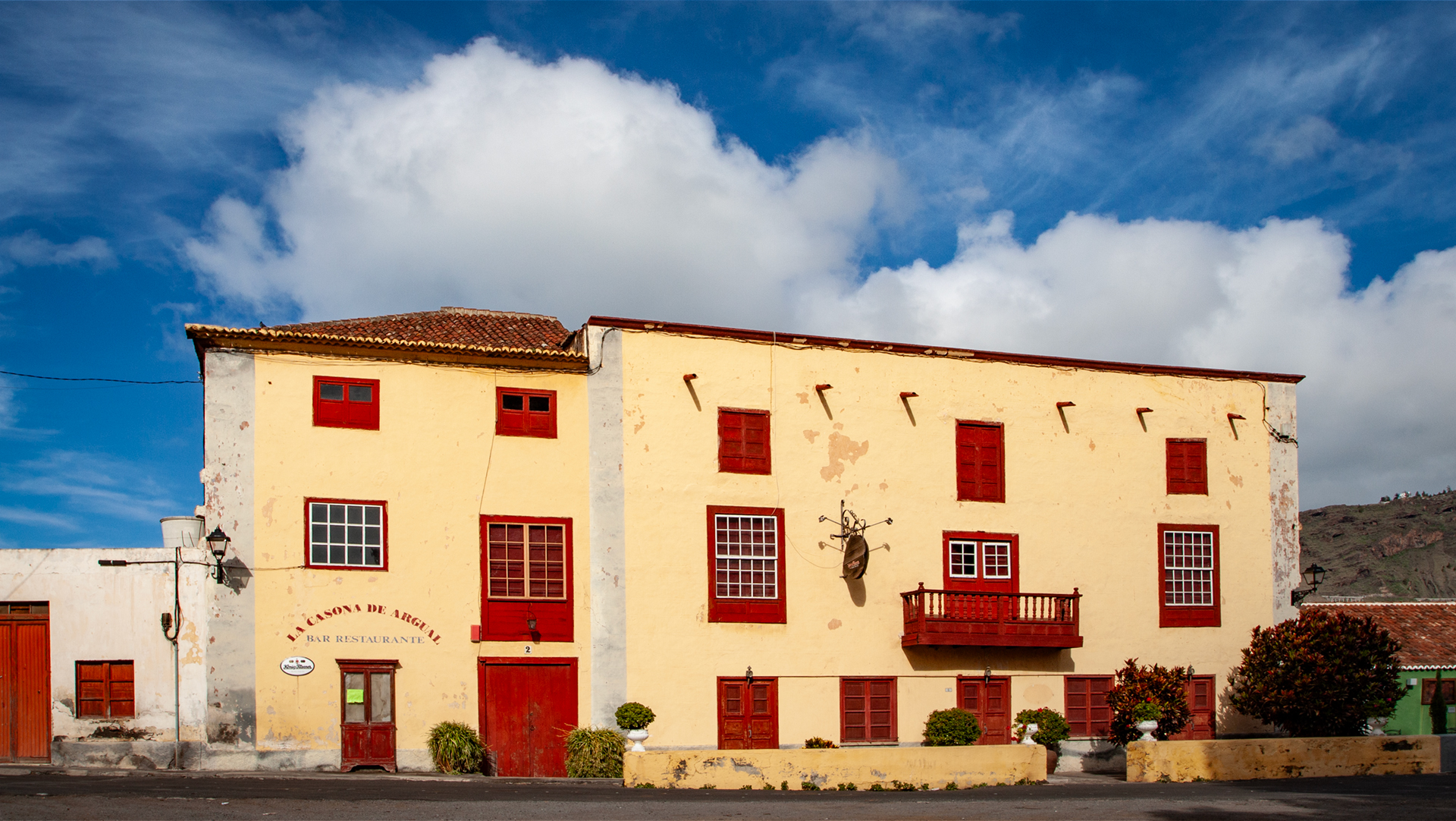
Particularly worth seeing are historic estates like Casa Massieu and Casa Sotomayor. They reflect the wealth of the sugar barons who controlled their plantations and trade from here.
The water needed for sugar cultivation was channeled through an elaborate canal system from the Caldera de Taburiente and the Barranco de las Angustias — a remarkable engineering feat for its time.
Tazacorte: The Port of ‘White Gold’
Without Tazacorte, Argual’s rise would not have been possible. The coastal town had the most important port in the Aridane Valley and was the departure point for exporting prized sugarcane to Europe.
Today, Puerto de Tazacorte and the old trade routes recall this maritime past. The town combines history with one of the most beautiful stretches of coastline on the west side: a sheltered harbour, a black volcanic beach, and numerous waterfront restaurants.
Sunday Tip: Rastro de Argual and Glassblowing Art
During the week, Argual feels quiet and peaceful. But every Sunday morning, the Llano de Argual transforms into one of the island’s liveliest gathering spots.
At the famous Rastro de Argual market, La Palma’s largest and best-known flea and craft market, vendors offer antiques, handcrafts, local produce, and culinary specialities.
Right at the plaza is also the long-established glassblowing workshop Artefuego. Here you can watch the glassblowers at work and see how glowing molten glass is shaped into unique artistic pieces.
Mirador del Time: The Most Spectacular View of the Aridane Valley
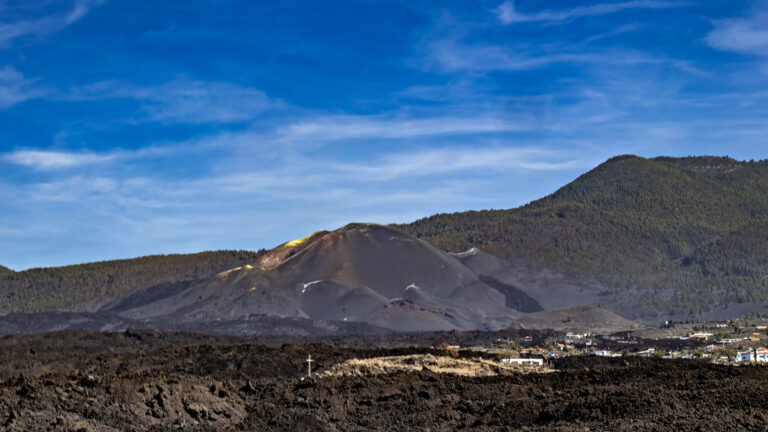
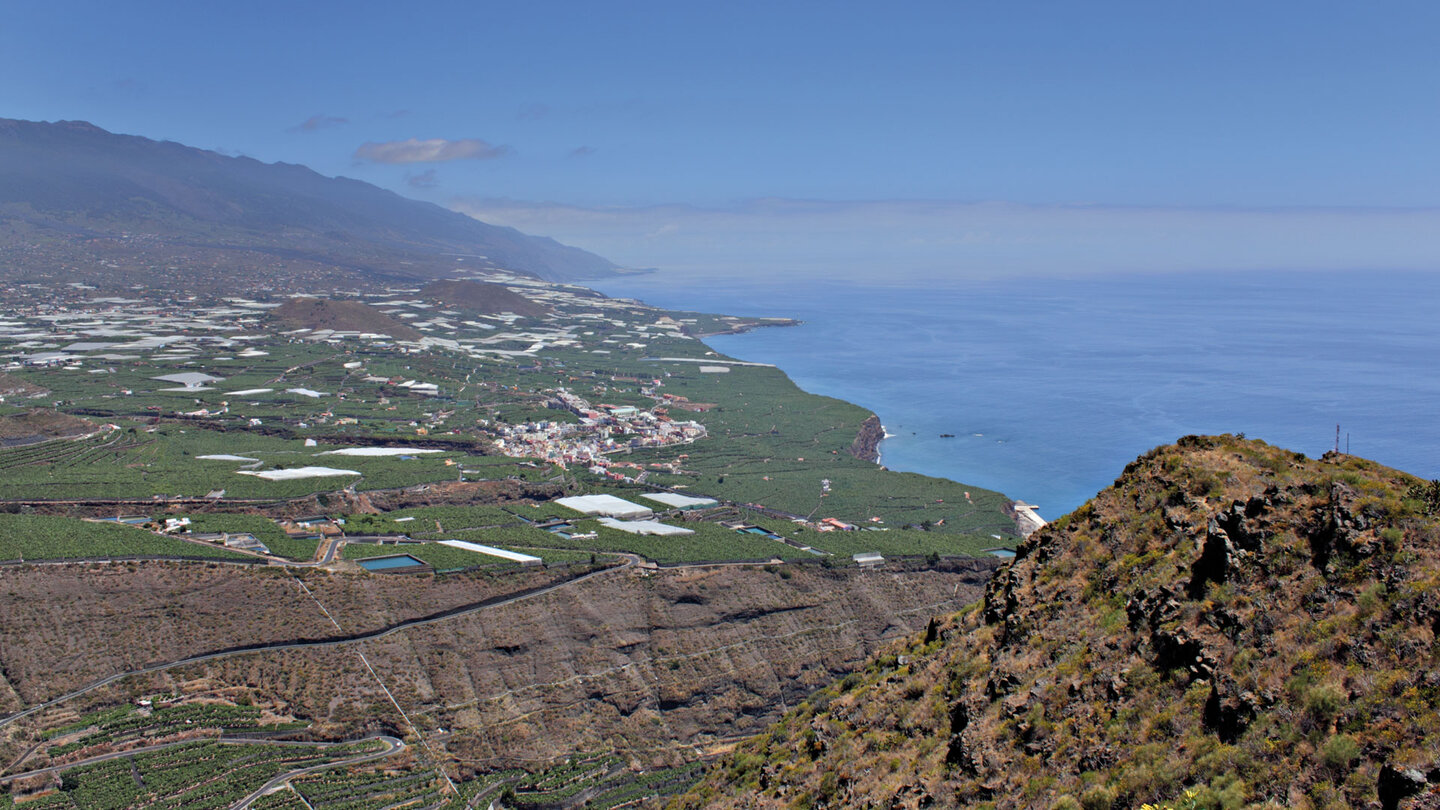
Those who want to grasp the scale of this historic cultural landscape should continue from Argual to the Mirador del Time. The viewpoint sits on a cliff edge nearly 600 metres high north of the valley and ranks among the most impressive panoramic spots on La Palma. From here, the view stretches across the entire Aridane Valley: a green sea of banana plantations reaching all the way to the coast at Puerto de Tazacorte. Since the 2021 Tajogaite eruption, dark lava fields have added another dimension — a striking contrast between fertile cultivated land and new volcanic terrain.
The Region at a Glance
| Category | Details |
|---|---|
| Location | Argual and Tazacorte on the northern edge of the Aridane Valley near Los Llanos de Aridane |
| Historical Significance | Centre of sugarcane cultivation in the 16th century, shaped by Flemish merchants and the Welser trading house |
| Highlights | Plaza Sotomayor, historic manor houses, Rastro de Argual, glassblowing studio Artefuego, Puerto de Tazacorte, Mirador del Time |
| Architecture | Colonial townhouses with wooden balconies, inner courtyards, and elements of tea wood (heartwood of the Canary Island pine) |
| Special Feature | A blend of sugar history, historic harbour trade, handicrafts, and spectacular landscape views |
| Best Time to Visit | Sunday morning for the Rastro de Argual market and glassblowing demonstrations at Artefuego |
Conclusion
Argual and Tazacorte tell the story of the Aridane Valley like few other places on La Palma. In Argual you discover the colonial wealth of past centuries, while Tazacorte preserves the connection to the Atlantic and the historic trading port. Together with the panorama from the Mirador del Time, they offer a fascinating insight into the history and landscape of La Palma’s west coast.
Frequently Asked Questions
When is the best time to visit Argual?
Can you visit the historic manor houses in Argual?
What is the Mirador del Time?
Why was Argual historically so important?
What can you experience in Tazacorte?
This article is based on the on-the-ground knowledge of the Gequo editorial team – publishers of the Reisezeit hiking guides and operators of Sunhikes.com. Last updated: May 2026