The Churches of Santa Cruz: Mudéjar, Flemish Masters, and Canarian Art
In the 16th century, Santa Cruz de La Palma was one of the wealthiest port cities in the Spanish Empire. Merchants and citizens invested the riches from Atlantic trade in church buildings that remain among the most significant religious structures in the Canary Islands.
Flemish merchants brought precious paintings and altarpieces to the island, Canarian craftsmen created elaborate coffered ceilings from pine wood, and Spanish architects combined Renaissance elements with the widespread Mudéjar tradition. Visitors to the churches of Santa Cruz discover five centuries of art history within a few square kilometres.
Iglesia de El Salvador: The Sacred Heart of Santa Cruz
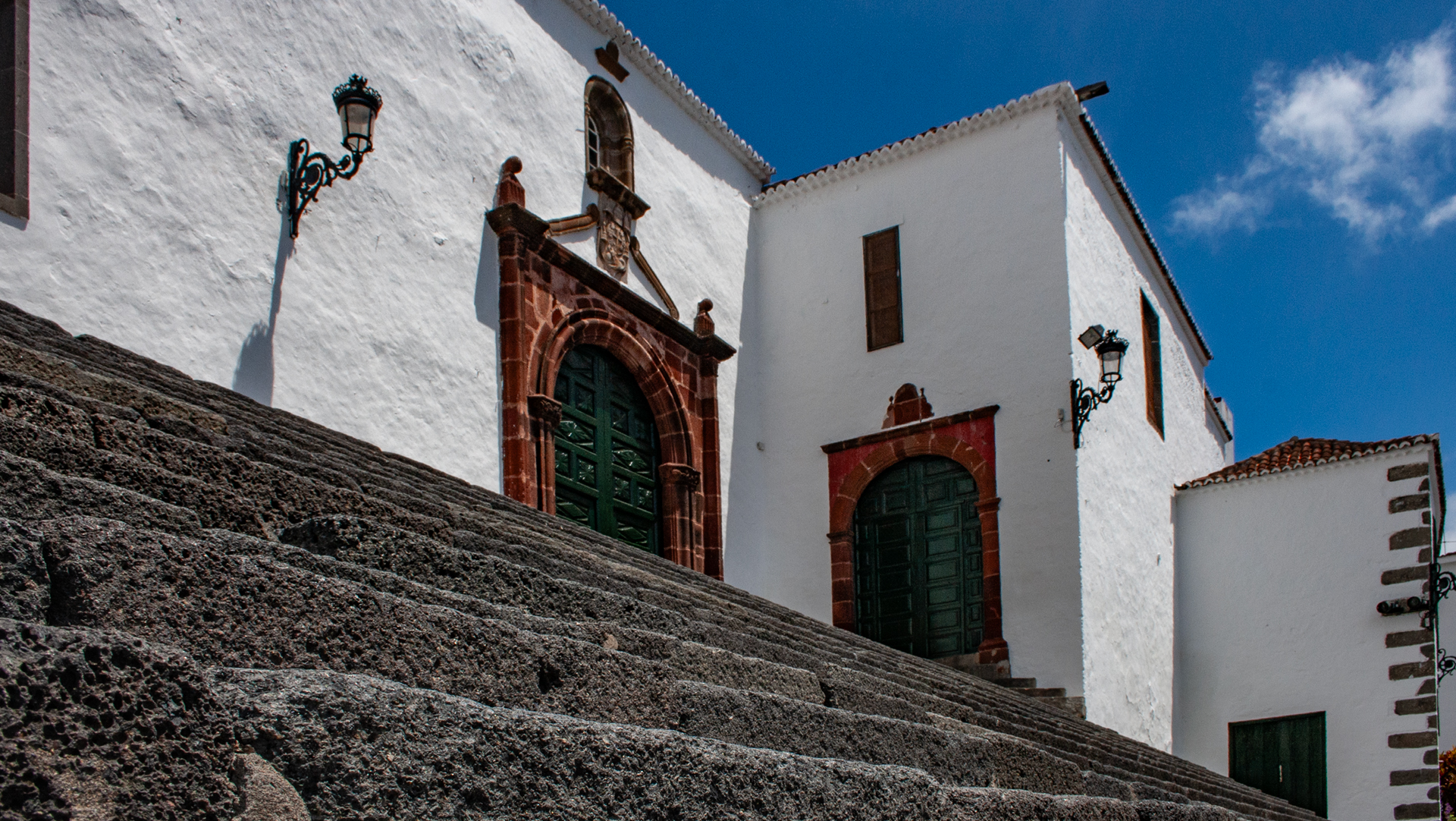
The Iglesia de El Salvador on the Plaza de España is the island’s most important church. Its impressive Renaissance portal from the 16th century shows the influence of the Spanish Plateresco style.
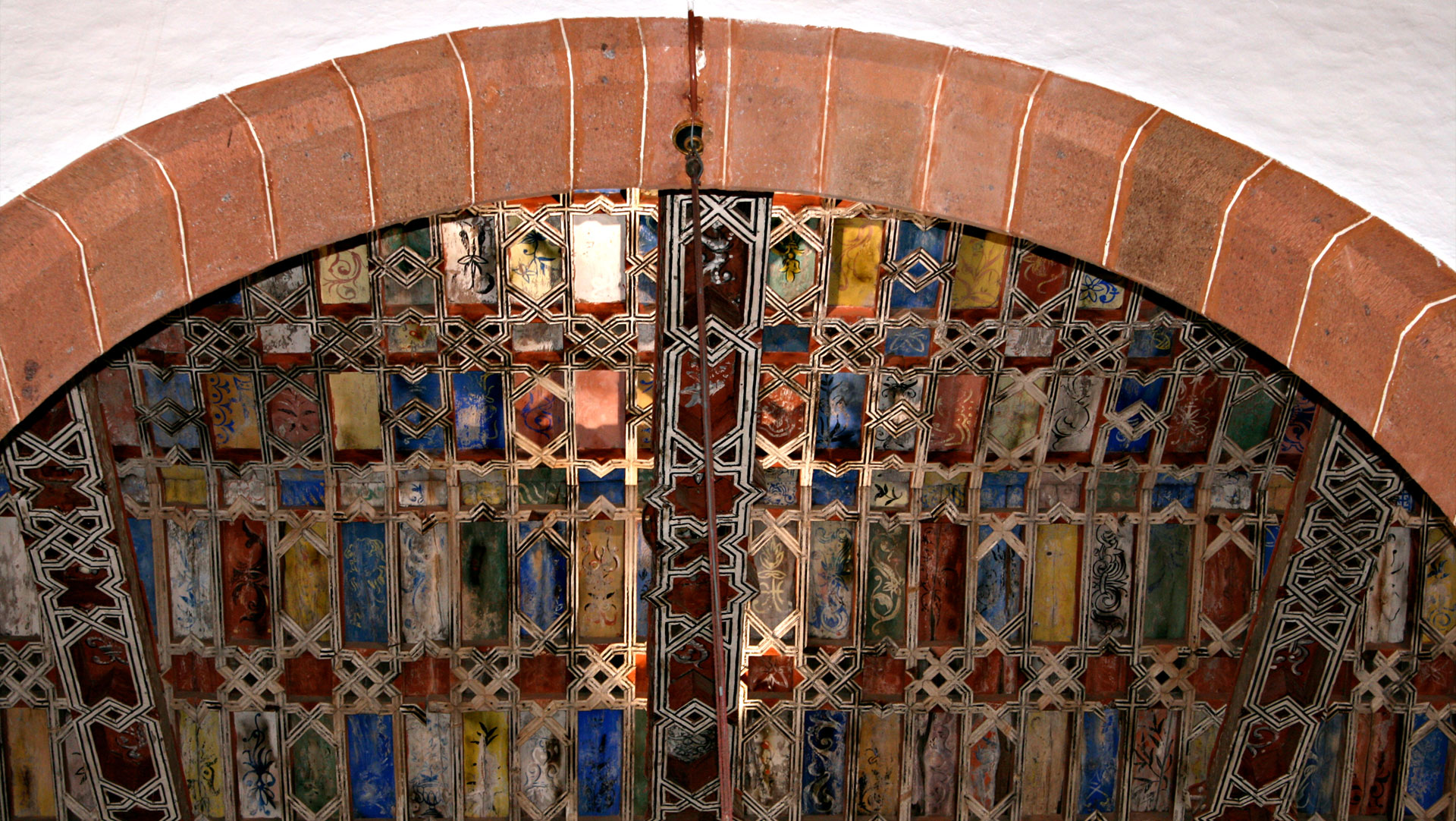
Inside, the magnificent Mudéjar coffered ceiling with its colourful design is particularly striking. The blend of Moorish ornamentation and late Gothic carpentry is typical of Canarian architecture of this era. A special detail is hidden in the sacristy: the artful Gothic stone vault is one of the rare surviving Gothic architectural elements on La Palma.
San Francisco: Convent, Museum, and Flemish Madonna
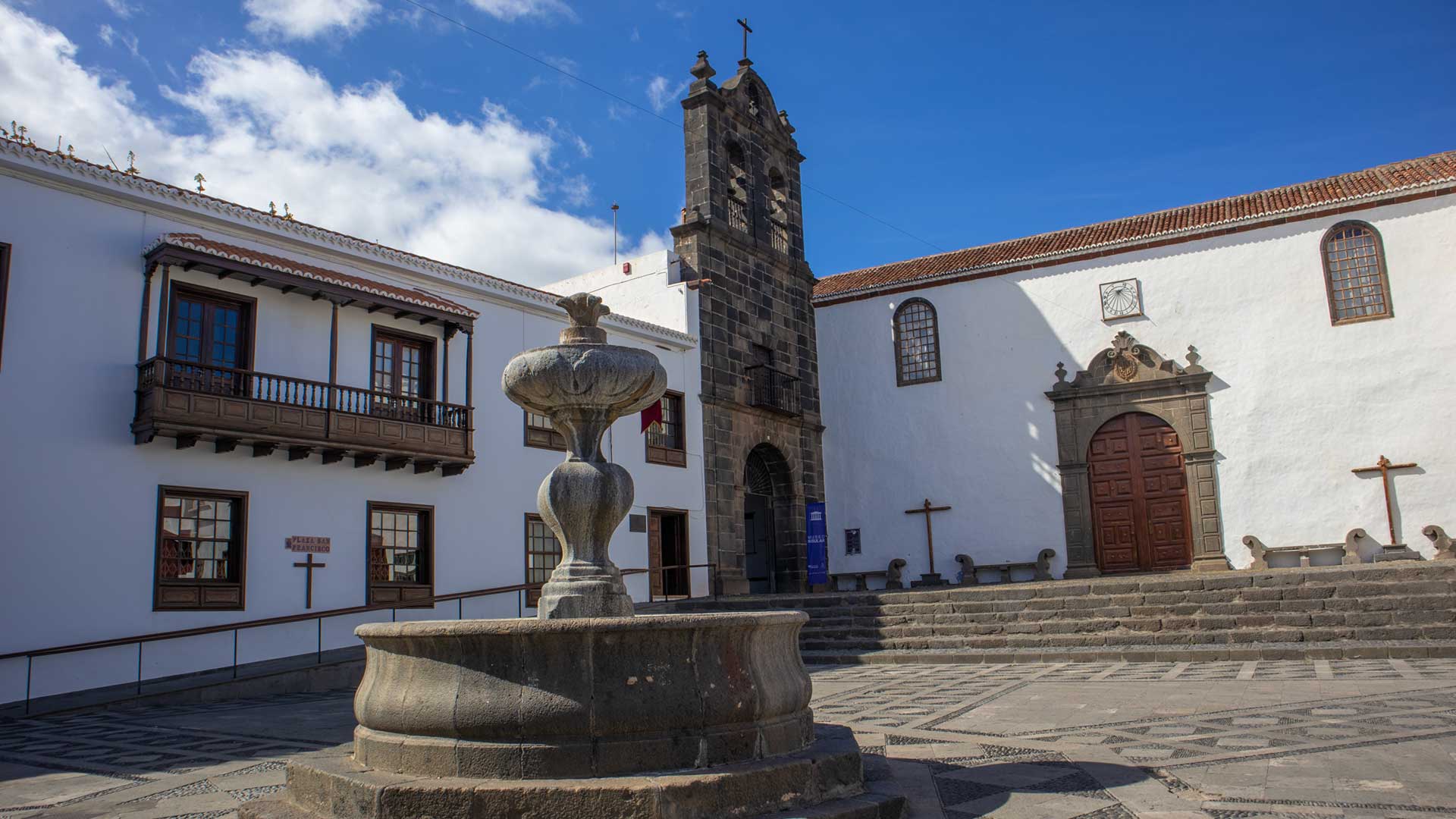
The former Franciscan convent of San Francisco on the Plaza de San Francisco is one of the most important historic building complexes in the capital. Today it houses the Museo Insular de Santa Cruz de La Palma, while the adjacent Iglesia de San Francisco is separately accessible.
The church preserves an extraordinary art treasure: the Virgen de Montserrat, a precious Flemish carving from the early 16th century. It ranks among the most significant examples of Flemish art in the Canary Islands.
The two-storey wooden cloister of the former monastery is also well worth a visit. The museum displays pre-Spanish ceramics of the Benahoaritas, historic nautical charts, and collections on the island’s natural and cultural history.
Santo Domingo: Flemish Masterworks on La Palma
The Iglesia de Santo Domingo in the northern part of the old town appears restrained at first with its plain, massive Baroque façade. Inside, however, lies one of the island’s greatest artistic treasures.
The church holds the largest collection of Flemish Baroque paintings in the Canary Islands. The works arrived on the island in the 16th and 17th centuries through the close trade ties between La Palma and the Netherlands.
The most famous painting is the “Rueda de la Fortuna” (The Wheel of Fortune) from the workshop of Antwerp painter Frans Francken II. For art lovers, Santo Domingo is therefore one of the most important stops on a tour through Santa Cruz.
Chapels and Hidden Treasures
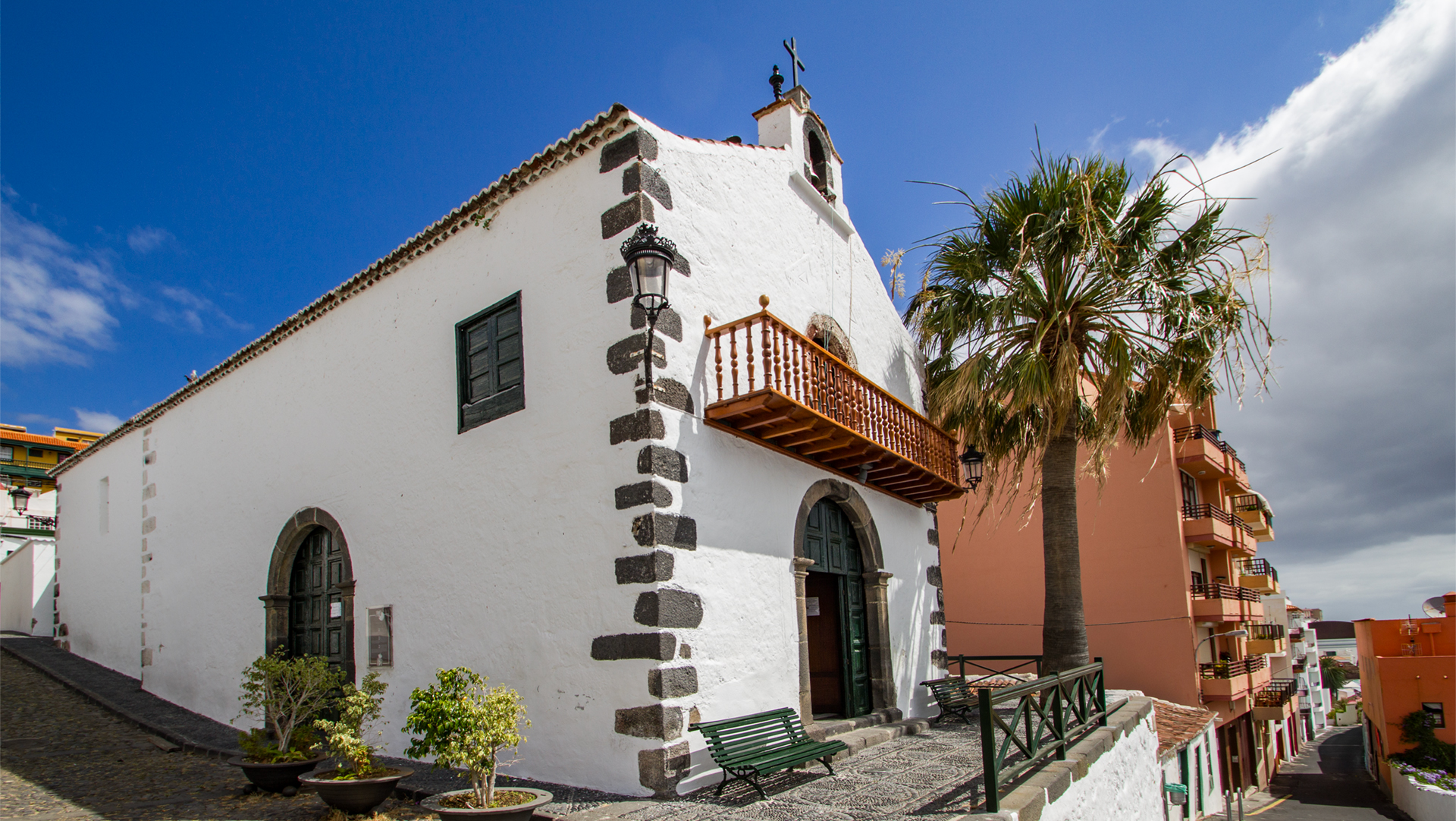
Beyond the major churches, smaller chapels are well worth a detour. The Ermita de San Telmo above the coastal road and the Ermita de la Luz reveal the island’s religious diversity and the close connection between city history and everyday life.
They tie in perfectly with a heritage walk through the old town.
The Historic Churches of Santa Cruz at a Glance
| Category | Details |
|---|---|
| Main Churches | Iglesia de El Salvador, Iglesia de San Francisco, Iglesia de Santo Domingo |
| Architectural Styles | Renaissance (Plateresco), Baroque, Mudéjar wooden ceilings, and Canarian religious architecture |
| Artistic Highlights | Mudéjar ceiling in El Salvador, Virgen de Montserrat in San Francisco, largest collection of Flemish Baroque paintings in the Canaries at Santo Domingo |
| Historical Background | 16th-century Atlantic trade wealth brought Flemish artworks and magnificent church furnishings to La Palma |
| Visiting | Most churches are free to enter; the Museo Insular charges a small entry fee |
Conclusion
The churches of Santa Cruz de La Palma are living art galleries that tell the story of a once-prosperous Atlantic metropolis. Among Mudéjar wooden ceilings, Flemish masterworks, and Renaissance portals, a few streets offer an extraordinary journey through five centuries of island history.
Frequently Asked Questions
Why are there so many Flemish artworks on La Palma?
Which church has the most important Flemish artworks?
Can you visit the San Francisco monastery?
When can you visit the churches?
This article is based on the on-the-ground knowledge of the Gequo editorial team – publishers of the Reisezeit hiking guides and operators of Sunhikes.com. Last updated: May 2026