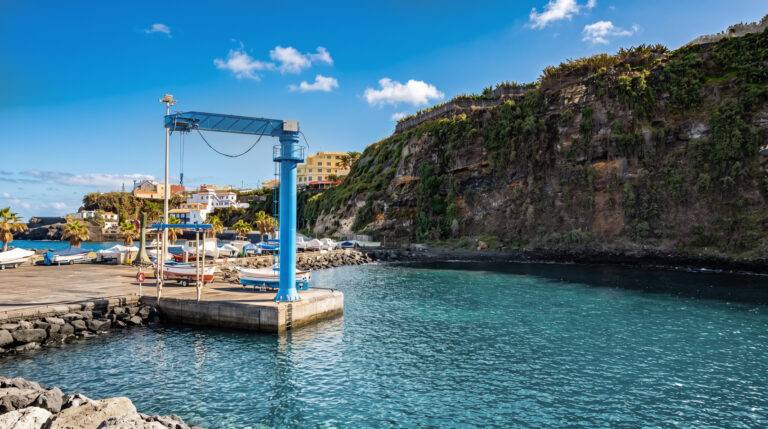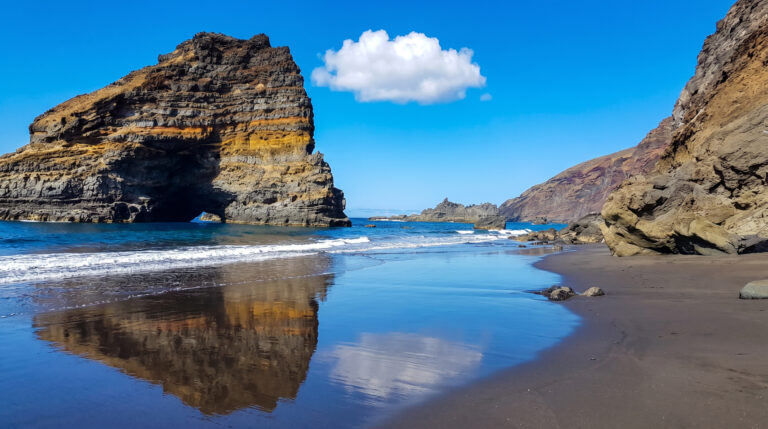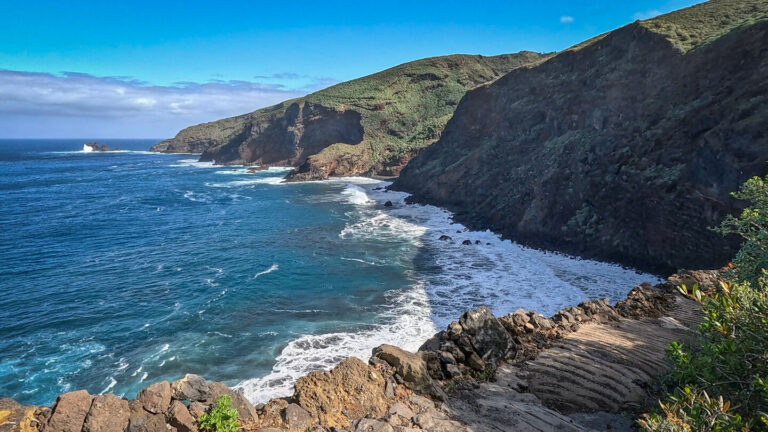
Playa de Santa Cruz de La Palma – City Beach Close to Town
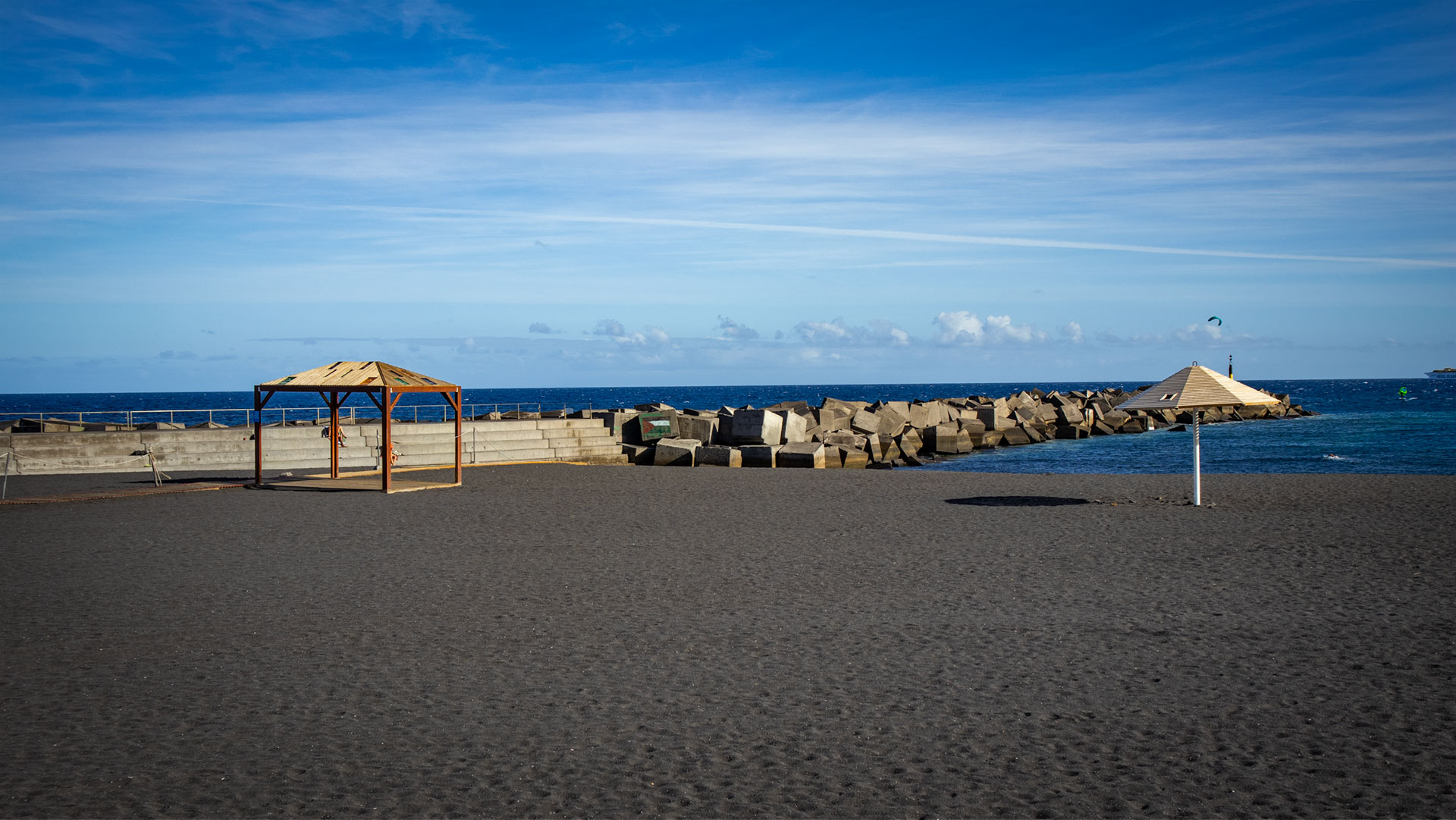
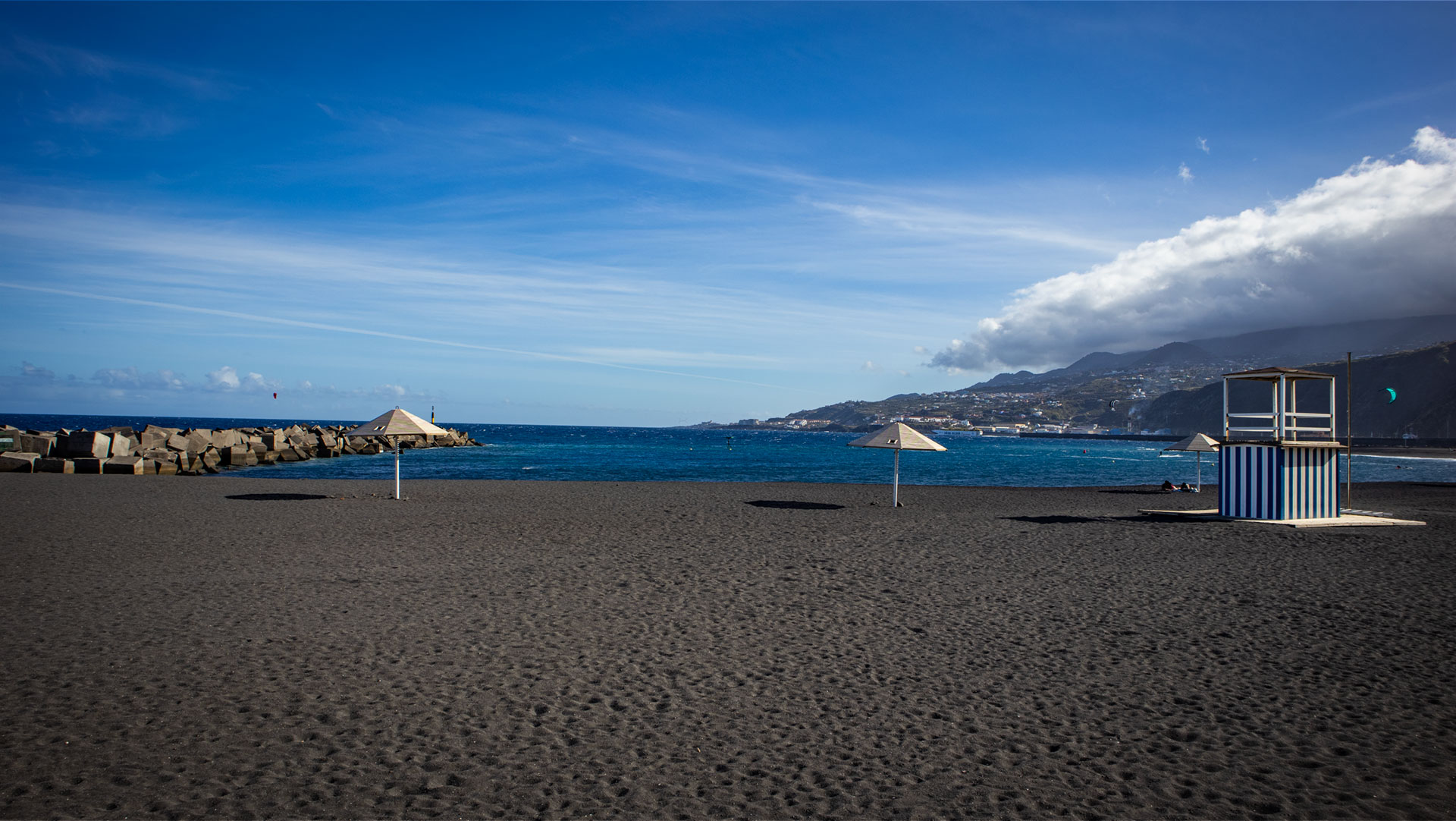
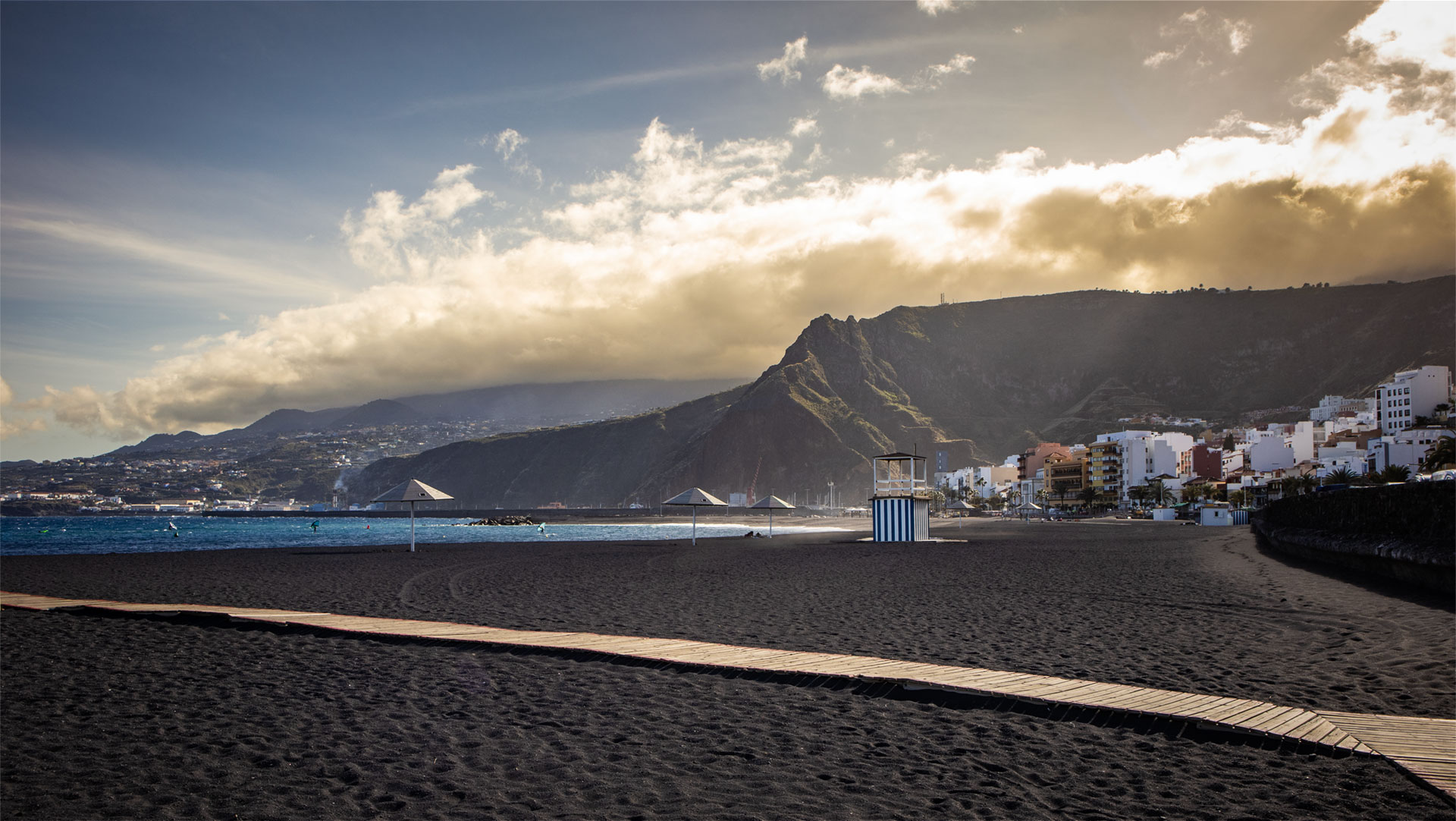
Those staying in the capital of La Palma do not need a hire car to reach the sea. The Playa Santa Cruz de La Palma lies right in the centre of Santa Cruz de La Palma, tucked between the harbour, the promenade and the old town – a beach that requires no effort, just a towel.
City Life on Black Sand
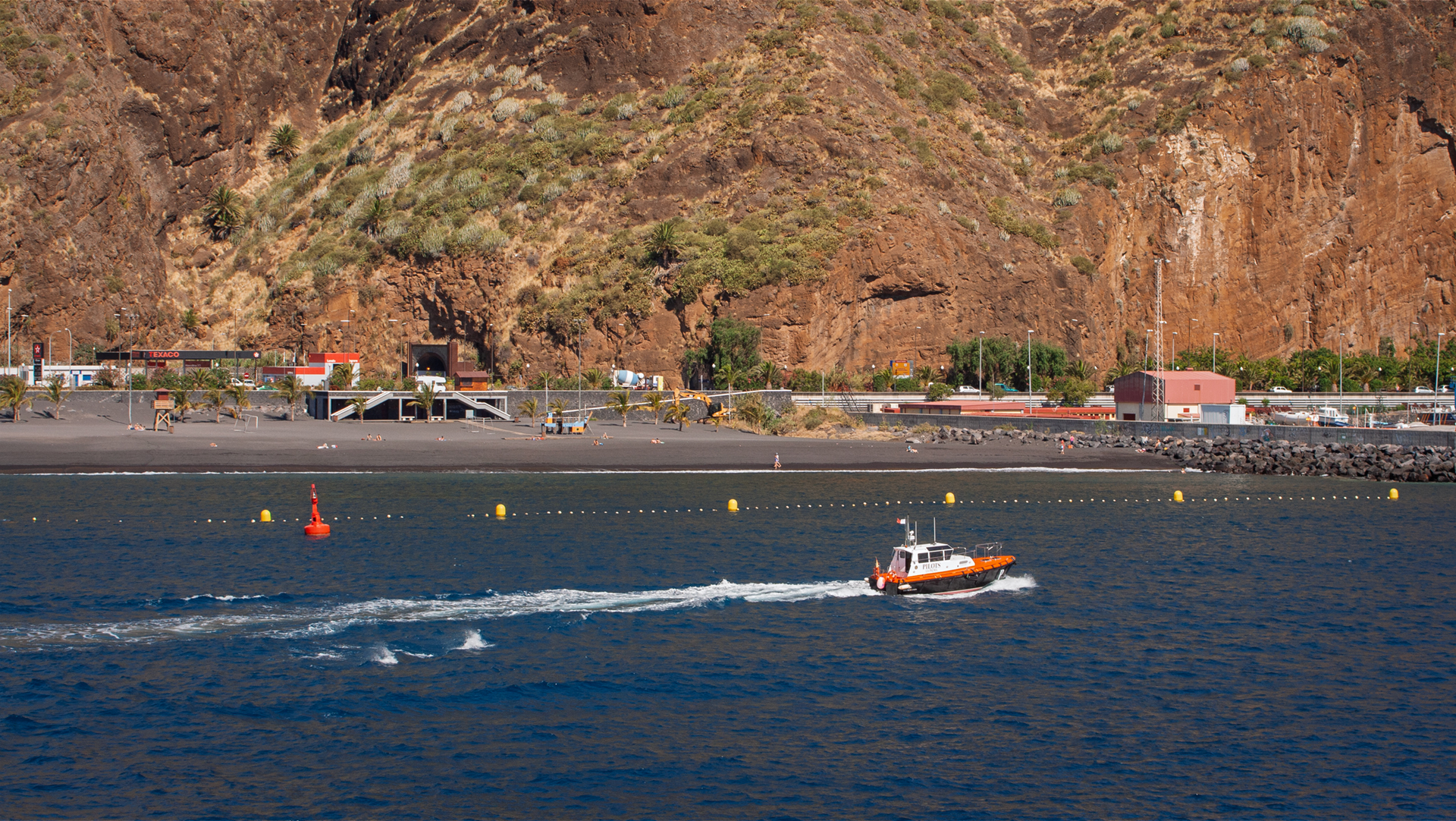
Santa Cruz de La Palma, the island capital, is not a resort in the classic sense. The Balcones Típicos of the Avenida Marítima, the Renaissance church, the lively harbour bustle – that is why people come here. And then, amidst all the culture, a strip of black sand lies at the water: Playa de Santa Cruz de La Palma, not large, not remote, but pleasantly lively and urbanely charming.
The water is the same Atlantic water as everywhere on the island – deep blue, cool, with occasional surf. On calmer days it invites you to swim; on stormier ones to stroll with a view of the sea.
Swimming & Safety
The beach flags give daily information about swimming conditions:
Green: Safe swimming conditions.
Yellow: Caution – waves or current. Children and less confident swimmers should stay ashore.
Red: Swimming strictly prohibited. Ignoring this is life-threatening.
The beach lies within the city area – in high season lifeguards are on duty.
Surf can become stronger with onshore easterly winds.
Ideal for City Visitors
Playa de Santa Cruz de La Palma is especially worthwhile for those exploring Santa Cruz who want a quick dip at the end of a sightseeing day. It is not a beach for spending a full day by the sea, but an ideal complement to a city visit. The old town is reachable on foot, cafés and restaurants are around the corner.
Those looking for a classic beach day can drive five kilometres south to Playa de Los Cancajos – the proper bathing beach near the capital, with full facilities and Blue Flag status.
| Location | Right in Santa Cruz de La Palma, east coast |
|---|---|
| Beach | Black sand, medium-sized, urban setting |
| Facilities | Lifeguard in high season; promenade alongside |
| Old town | Walkable – balcony houses, museum, church |
| Tip | Great add-on during a city visit; not a full-day beach |
| Alternative | Playa de Los Cancajos (5 km south) for a proper beach day |
Santa Cruz de La Palma – the Island Capital
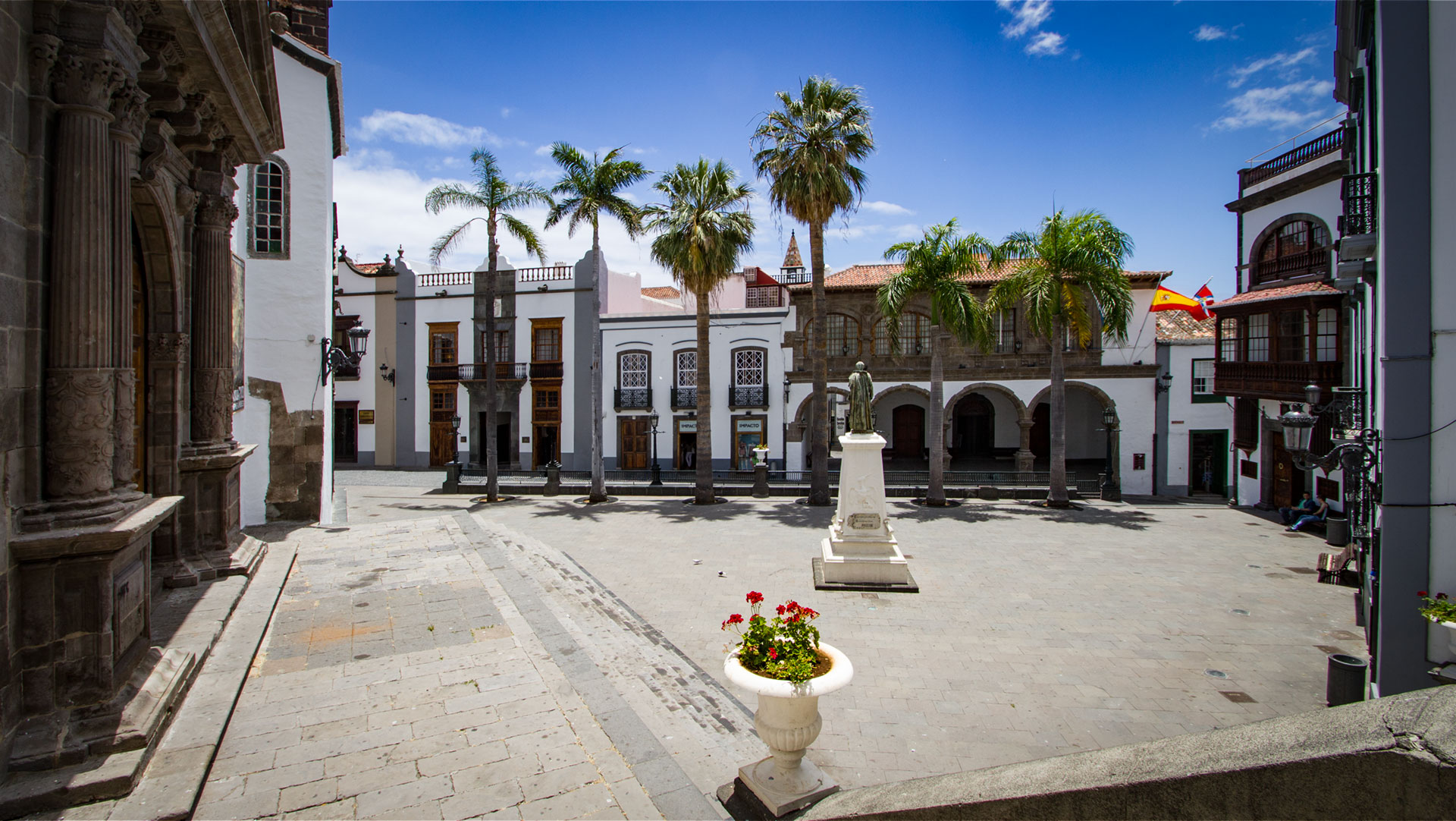
Santa Cruz is one of the best-preserved colonial towns in the Canary Islands. The Avenida Marítima with its colourful balconies is the city’s landmark. The colonial architecture, the historic town hall, the Iglesia El Salvador and the maritime museum – all of this lies within easy walking distance of the old town, no more than ten minutes from the beach. Those who stroll through the old town alleys after a swim understand what sets La Palma apart from the other Canary Islands.
The Avenida Marítima – the City’s Landmark
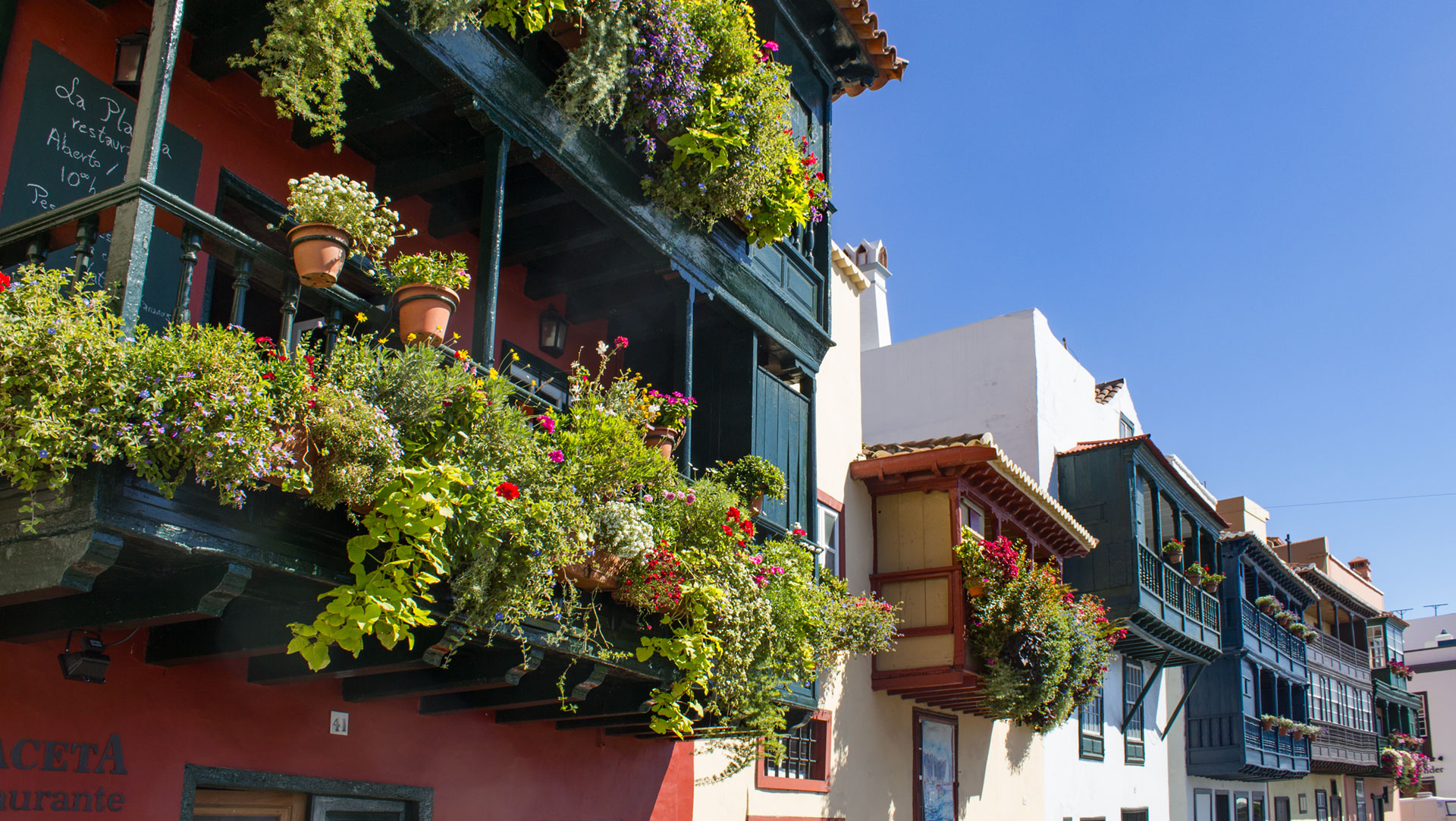
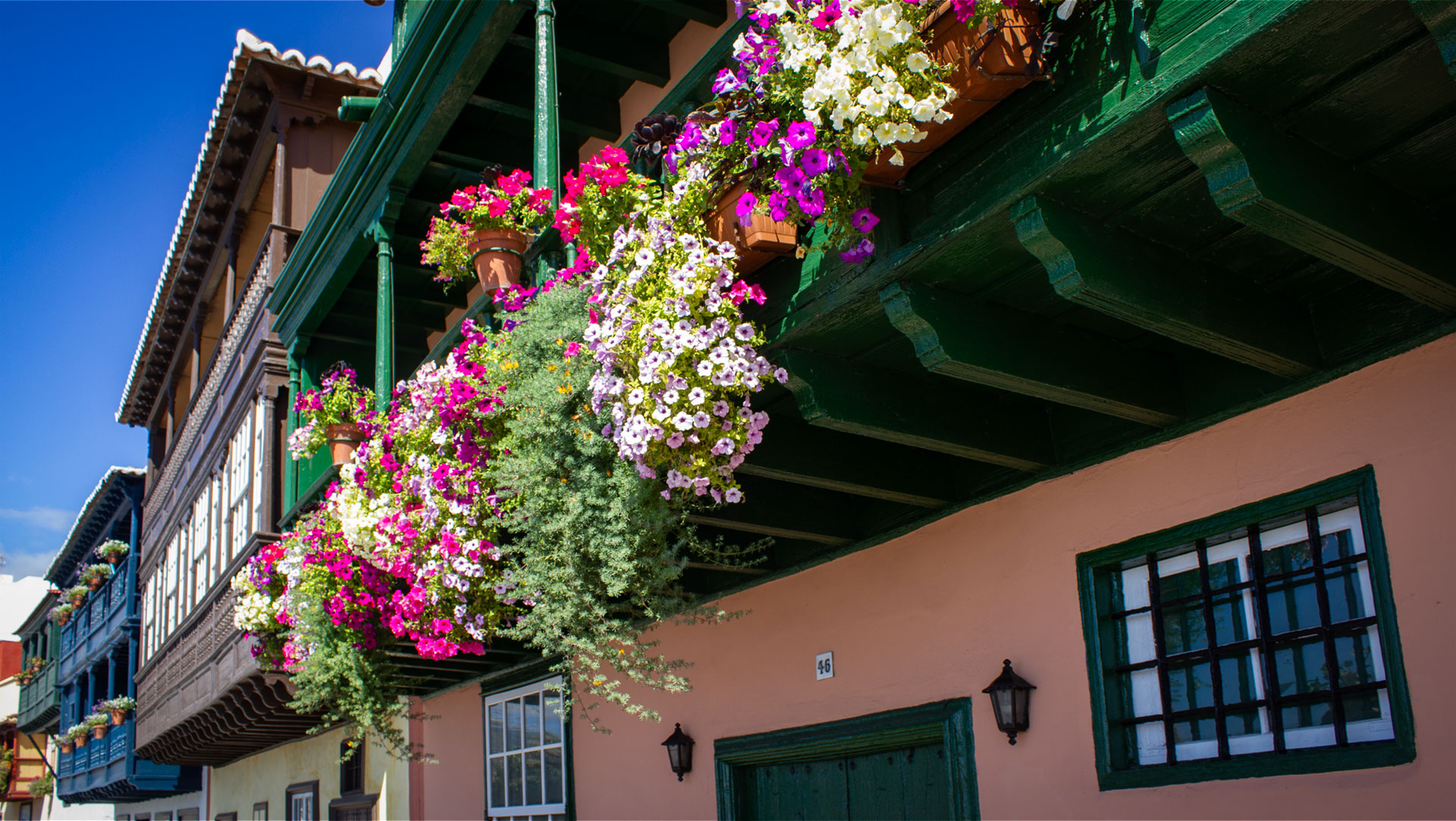
The Avenida Marítima of Santa Cruz de La Palma is considered one of the most beautiful street fronts in the Canary Islands. The colourful house facades with their typical wooden balconies – the Balcones Típicos – are the city’s hallmark. A stroll along the promenade before or after the beach visit is a must: in the morning when fishmongers and bakers open, or in the evening when the locals come for their paseo.
The Colonial Architecture of Santa Cruz
Santa Cruz de La Palma is considered one of the best-preserved colonial towns in the Canary Islands. The collection of Renaissance churches, manor houses and merchant houses from the 16th and 17th centuries is largely intact – what has fallen victim to the tourism boom on most islands still stands here. The Iglesia El Salvador with its Renaissance portico, the town hall with its paintings and the wooden balconies of the Avenida Marítima are the main sights. A two- to three-hour walk through the old town, combined with a beach stop, makes for a great full-day trip to Santa Cruz.
Balcones Típicos: The City’s Landmark
The wooden balconies of the Avenida Marítima are the most famous motif of Santa Cruz de La Palma. Each house has a different balcony – different wood carvings, different colours, different sizes. This variety arose because each merchant family designed their balcony as an individual status symbol. The teak balconies were built by Canarian craftsmen and are today listed monuments. Those walking along the Avenida Marítima see the balconies best from the other side of the street – from the promenade that begins directly at the Playa de Santa Cruz de La Palma.
The Maritime Museum Santa Cruz
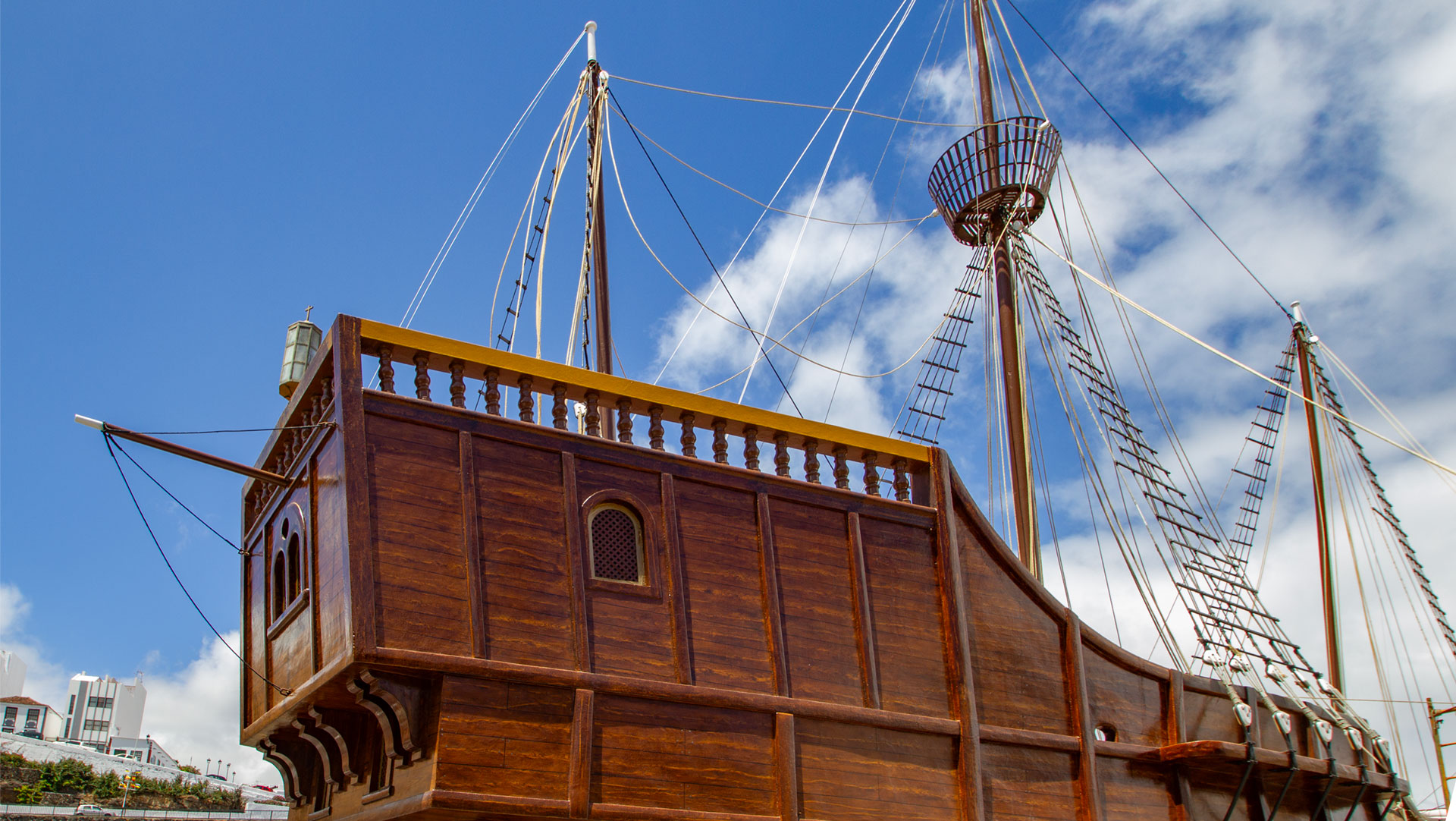
The maritime museum in Santa Cruz de La Palma is one of the island’s special attractions. A faithful replica of the caravel Santa María – the ship on which Christopher Columbus reached America in 1492 – is the centrepiece. The museum is housed in the ship and explains the maritime history of La Palma, which in the 16th and 17th centuries was one of the most important ports of the New World. A visit takes about an hour and provides context that you cannot get on the beach.
Harbour Life and Evening Promenade
The harbour of Santa Cruz de La Palma is not just a hub for goods and ferries – it is also where the city’s evening life begins. The promenade along the coast fills on warm evenings with locals coming for the paseo: strolling without a destination, eating ice cream, drinking coffee, meeting acquaintances. For visitors who want something more after a day at Playa de Santa Cruz de La Palma, this evening stroll is the perfect close to the day.
Practical: Parking and Transport
Santa Cruz de La Palma has several car parks and a multi-storey car park at the harbour. In high season it is advisable to arrive early – the harbour is frequented by cruise passengers and parking spaces become scarce. Those arriving by bus have the advantage of being dropped right in the town centre. From the airport Santa Cruz is reachable in 10 to 15 minutes, from Los Cancajos in five minutes by car. The old town itself is car-free – which makes visiting on foot pleasant.
Playa de Bajamar: The Second City Beach
Alongside Playa de Santa Cruz de La Palma there is also the Playa de Bajamar in Santa Cruz – another small city swimming beach, just a few minutes’ walk from the old town. Both beaches are modest in size, but ideal for a quick dip during a city visit. Those spending several days in Santa Cruz who want to swim every day alternate between the two – or head for an extended beach day to Los Cancajos, five kilometres to the south.
Playa de Santa Cruz de La Palma is not the reason to visit Santa Cruz. It is the bonus. The island capital deserves a visit for its architecture, its history, its harbour life. The beach is the cherry on top – the moment when after the city walk you grab the towel and jump briefly into the water. In this context it is perfect: accessible, clean, right next to everything else. No beach in the world would need to be more than that.
Those who visit Santa Cruz only for the beach miss the real reason. Playa de Santa Cruz de La Palma is a bonus – the cherry on top after a day in the alleyways of the old town, after the view through the wooden balconies to the harbour, after coffee in one of the small cafés of the Avenida Marítima. Beach and city in combination: that is the strength of Santa Cruz de La Palma, and what sets the island capital apart from all other cities in the Canary Islands.
Conclusion: Playa de Santa Cruz de La Palma
Playa de Santa Cruz de La Palma is La Palma’s city bathing beach – not a dream beach, but a practical and charming spot for everyone who is in Santa Cruz.
The real reason to come is the combination: old town in the morning, beach at noon, harbour in the evening.
Those planning a full beach day head to Los Cancajos.
Frequently Asked Questions
Is Playa de Santa Cruz de La Palma worth a full beach day?
What is there to see in Santa Cruz de La Palma?
Is there a bus to Santa Cruz?
When is the beach at its quietest?
This article is based on the on-the-ground knowledge of the Gequo editorial team – publishers of the Reisezeit hiking guides and operators of Sunhikes.com. Last updated: May 2026