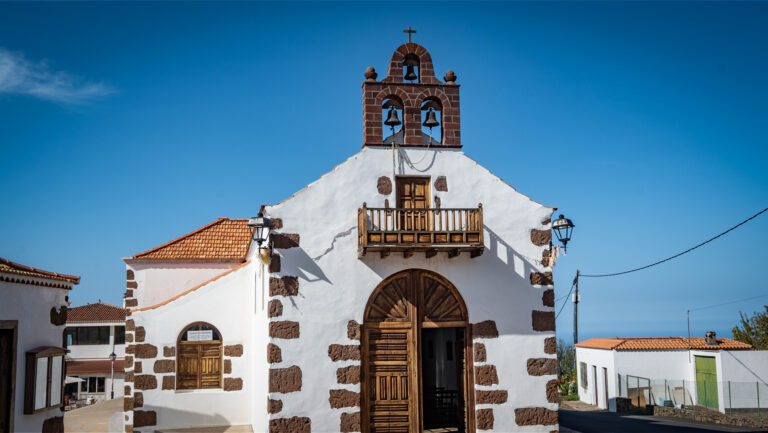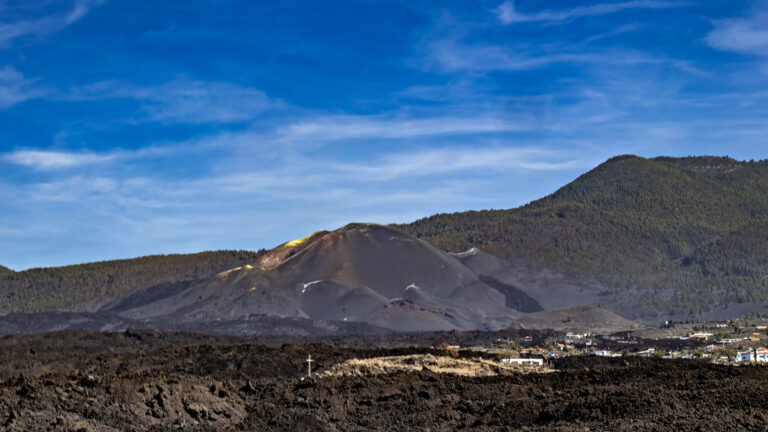
The Conquest of La Palma 1493: The End of Benahoare
Among the European maritime powers of the 15th century, La Palma was long regarded as one of the most difficult of the Canary Islands to conquer. The island, known to its indigenous inhabitants as Benahoare, offered deep ravines, steep mountain slopes, and inaccessible cave systems that provided natural protection. Anyone seeking to control La Palma had to fight not only against its people but against the landscape itself.
As early as 1447, the Castilian nobleman Hernán Peraza launched a first attempt at conquest. His force of around 500 men was repelled by the fierce Benahoaritas and suffered heavy losses. The indigenous people knew every path, every ravine, and every hidden cave in their homeland — a decisive advantage over the foreign invaders.
Decades later, the final campaign of the Spanish Crown began. On 29 September 1492, the feast day of the Archangel Michael, the Castilian general Alonso Fernández de Lugo landed with around 900 soldiers on the coast near present-day Tazacorte. The island was subsequently named San Miguel de La Palma. The conquest lasted nearly eight months and ended in May 1493 with the defeat of the last resistance.
Tactics, Alliances, and the Road to Subjugation
The swift conquest of La Palma was not purely a military achievement. Fernández de Lugo exploited above all the political divisions of the island. The Benahoaritas lived in several independent tribal territories, each with their own rulers. While some chieftains were willing to form alliances with the Spanish and adopt the Christian faith, the ruler of Aceró chose resistance. This division within the island’s society made it easier for the Spanish to advance. Allies from the eastern and southern territories ultimately helped Fernández de Lugo in the fight against the last independent ruler of the island: Tanausú.
Tanausú: The Last Ruler of Aceró
Tanausú ruled the mountain kingdom of Aceró, whose territory broadly corresponds to the present-day Caldera de Taburiente National Park. The massive cliffs and the difficult-to-access Barranco de las Angustias made his homeland a natural fortress. The Spanish failed repeatedly in their attempts to penetrate the protected territory. The Benahoaritas skillfully used the rugged landscape to inflict painful defeats on the attackers.
When the Caldera proved impossible to take by force, Fernández de Lugo resorted to deception. He offered Tanausú peace negotiations and promised safety for him and his people. The ruler left his protected position — and was captured in violation of the agreement. With the capture of Tanausú in the spring of 1493, the last organised resistance of the Benahoaritas collapsed.
Tanausú’s Death and Legacy
What happened next is one of the most famous stories in the island’s history. After his capture, Tanausú was to be taken to Spain to be presented to the royal couple, Isabella of Castile and Ferdinand of Aragon. According to tradition, he refused all food during the crossing and died of pride and despair in the Atlantic. His death became a symbol of resistance against the conquest and continues to shape the culture of remembrance on La Palma to this day. In Los Llanos, a monument commemorates the last ruler of Aceró. To this day, his name remains a symbol of freedom, independence, and the lost world of the Benahoaritas.
The Founding of Santa Cruz and the End of Benahoare
Following his victory, Fernández de Lugo began reorganizing the island. On 3 May 1493, the feast day of the Holy Cross, he founded on the east coast the city of Santa Cruz de La Palma — the new political and economic capital of the island. For the surviving Benahoaritas, a difficult period began. Although a 1434 papal bull was intended to protect native Canarians from enslavement, numerous prisoners were sold and deported to the Spanish mainland.
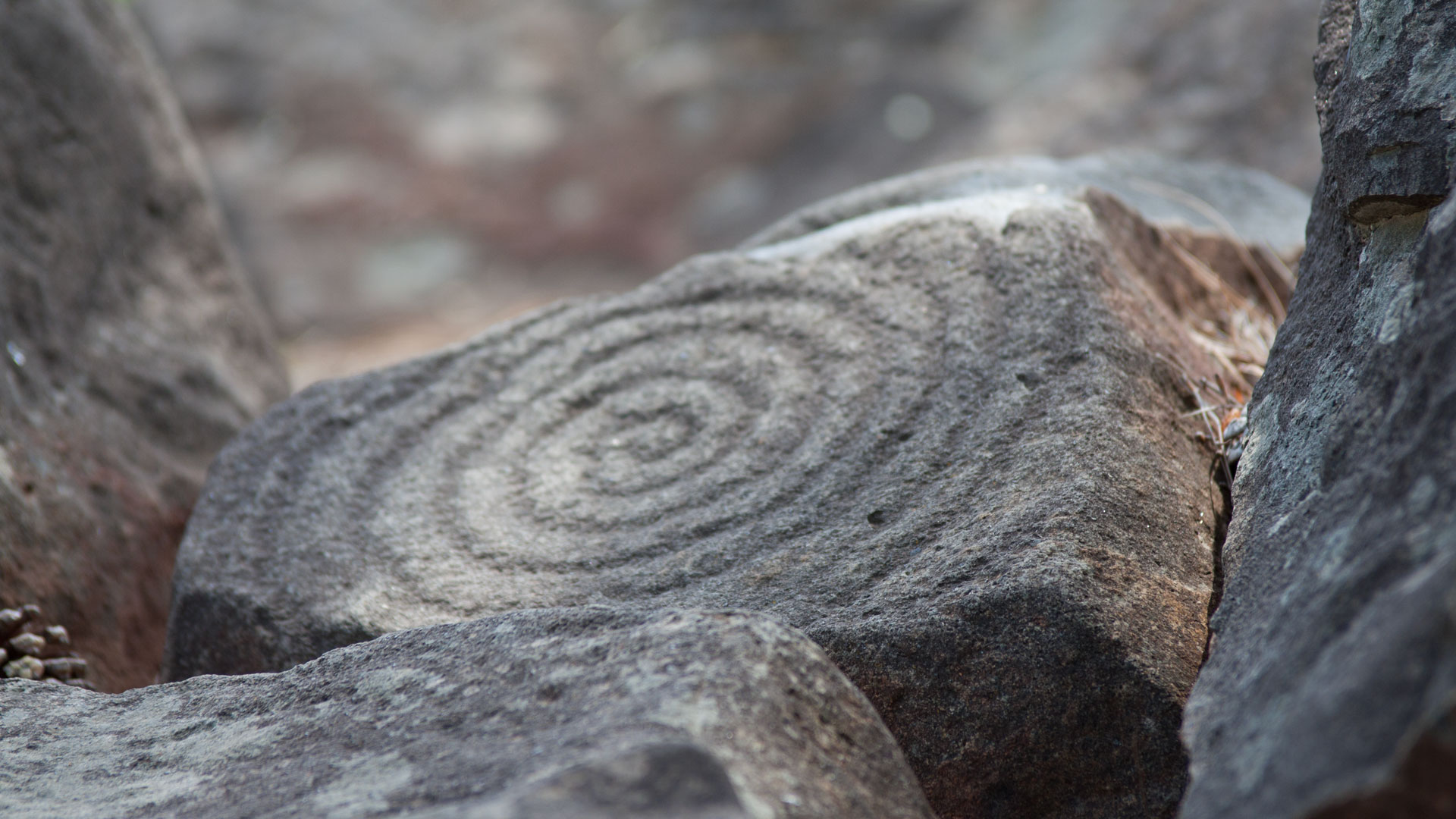
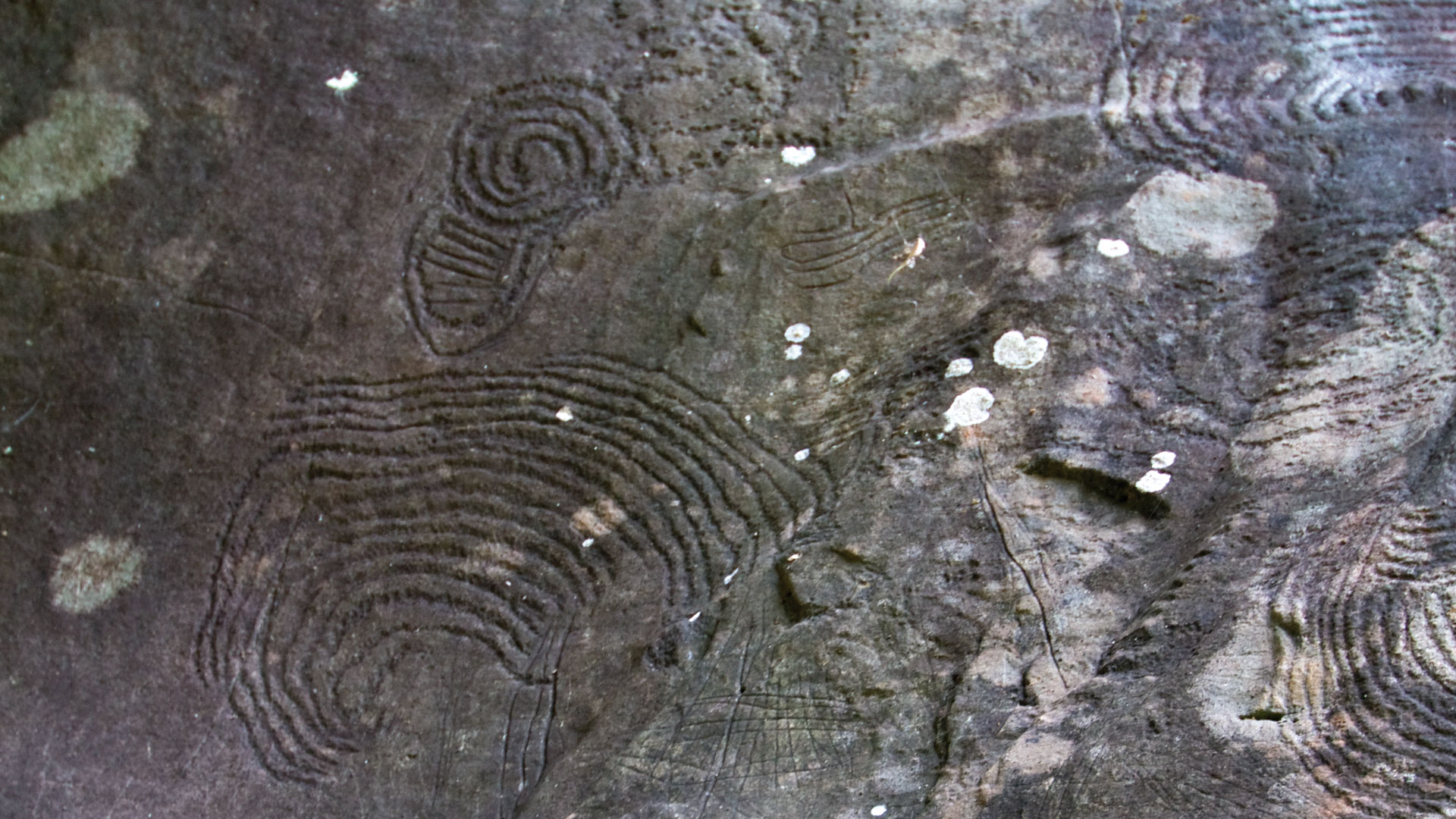
Not until 1514 did the surviving indigenous people receive the same legal rights as the Spanish settlers. However, the distinct culture, language, and religion of the Benahoaritas disappeared within just a few generations. What remains are their rock carvings, archaeological sites, place names, and the memory of a society that had shaped La Palma long before Spanish rule.
The Conquest of La Palma at a Glance
| Date | Event |
|---|---|
| 1447 | Failed conquest attempt by Hernán Peraza |
| 29 September 1492 | Landing of Alonso Fernández de Lugo near Tazacorte |
| Autumn 1492 – Spring 1493 | Alliances with some island rulers and battles against pockets of resistance |
| Spring 1493 | Capture of Tanausú and end of organised resistance |
| 3 May 1493 | Founding of Santa Cruz de La Palma |
Conclusion
The conquest of La Palma in 1492/93 was not merely a military campaign — it was the collision of two entirely different worlds. With Tanausú’s defeat, the era of Benahoare came to an end — yet the memory of the native people lives on in the landscapes, place names, and traditions of the island to this day.
Frequently Asked Questions
Was La Palma the Last of the Canary Islands to Be Conquered?
Who Was Tanausú?
Where Did the Spanish Land During the Conquest of La Palma?
Why Were the Spanish Able to Conquer La Palma Despite the Terrain?
What Remains Today to Recall the Conquest of La Palma?
This article is based on the on-the-ground knowledge of the Gequo editorial team – publishers of the Reisezeit hiking guides and operators of Sunhikes.com. Last updated: May 2026