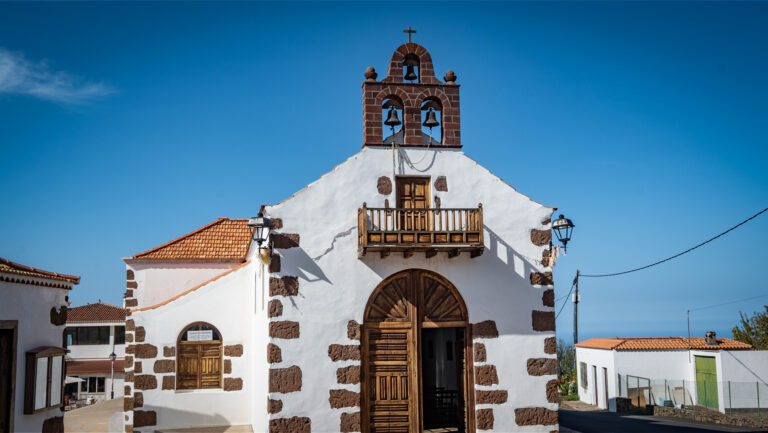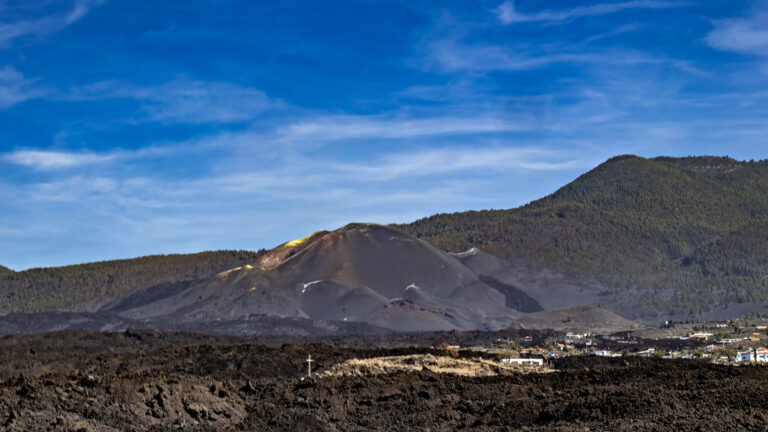
The Benahoaritas: La Palma’s First Society
Benahoare — that was the name the indigenous people of La Palma gave their homeland. The name is usually translated as “My Home” or “My Homeland.” Long before European seafarers crossed the Atlantic, a distinct culture with its own traditions, beliefs, and ways of life already existed on the island.
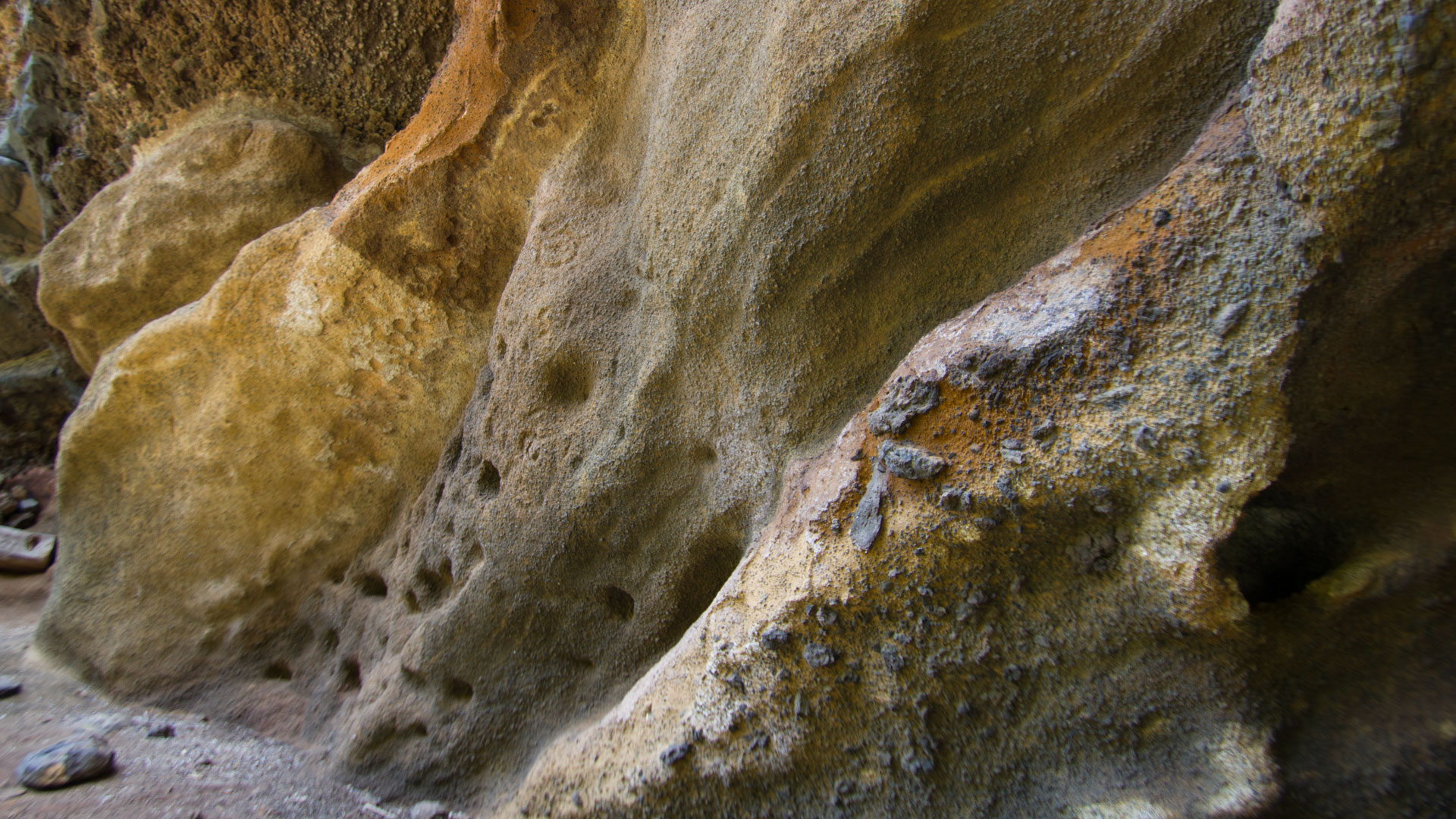
The origins of the Benahoaritas are now largely understood: genetic studies and linguistic evidence point to a close connection with the Berber peoples of North Africa. Settlement of La Palma is thought to have occurred in the first millennium BCE. How the people crossed the Atlantic, however, remains a mystery — no concrete evidence of their boats or the method of crossing has yet been found.
Life and Society of the Benahoaritas
The Benahoaritas organised themselves in various tribal territories and lived as herders and gatherers in harmony with the island’s landscape. Their most important livestock were goats, sheep, and pigs — though the dog also played a significant role among the indigenous people. The Latin word canis is the likely origin of the name “Canary Islands”.
Their most important foods included dairy products, meat, and gofio — roasted grain flour that remains a staple of Canarian cuisine to this day. For shelter, the Benahoaritas primarily used natural and expanded rock caves that offered protection from wind and weather. Several of these archaeological sites can still be visited today:
- Cuevas de Buracas (Garafía): An impressive cave complex near Las Tricias in the northwest of La Palma, surrounded by ancient dragon trees and a remarkable cultural landscape.
- Cueva Belmaco (Mazo): One of the most significant archaeological sites on the island and an important centre for the study of the Benahoaritas.
- El Tendal (San Andrés y Sauces): One of the most important archaeological sites in the northeast, with a modern visitor centre.
The Benahoaritas made their pottery entirely by hand without a potter’s wheel. The traditional technique of crafting and decorating ceramics is still preserved in craft workshops on La Palma today.
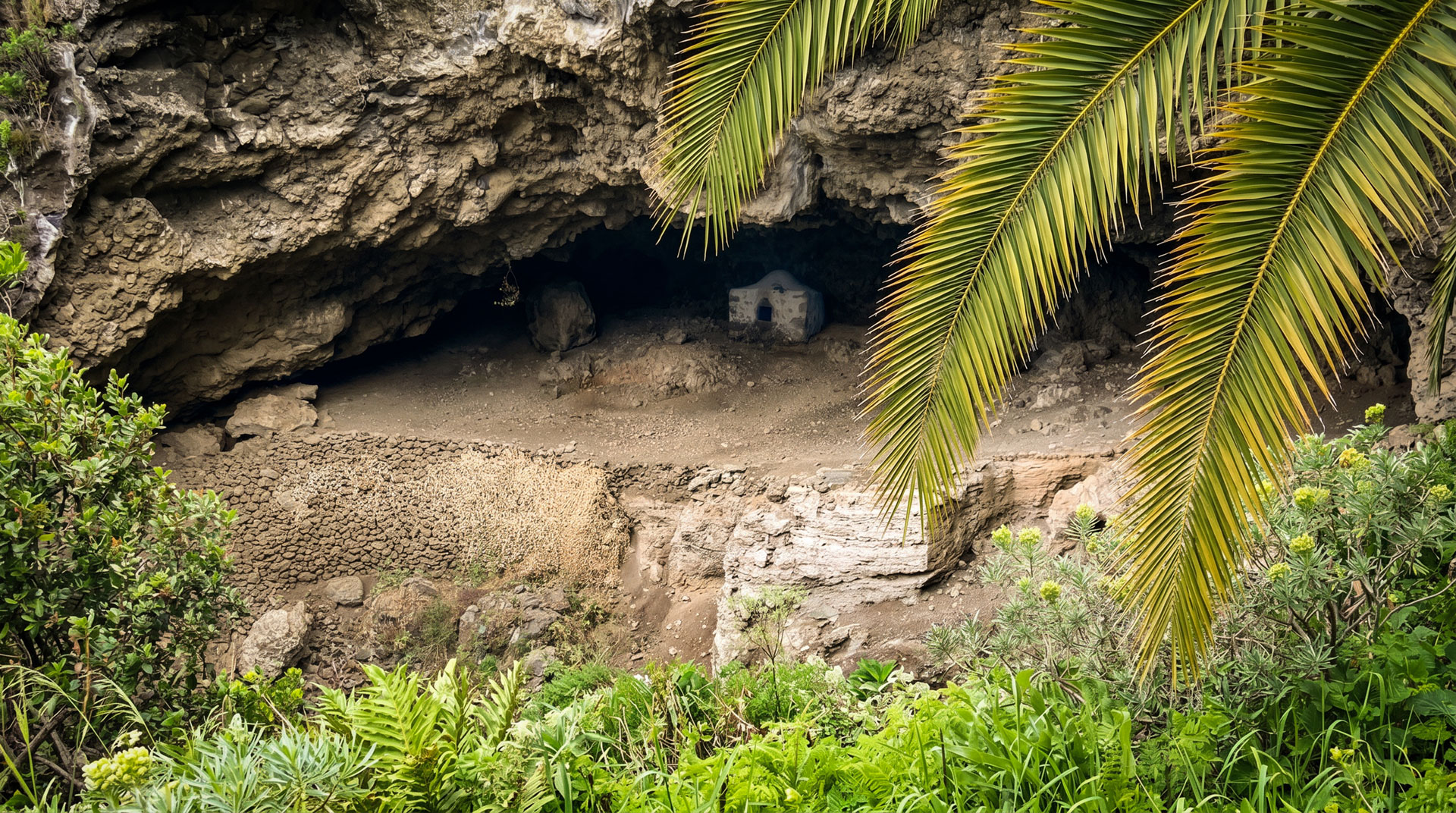
Rock Carvings: The Mysterious Marks in Stone
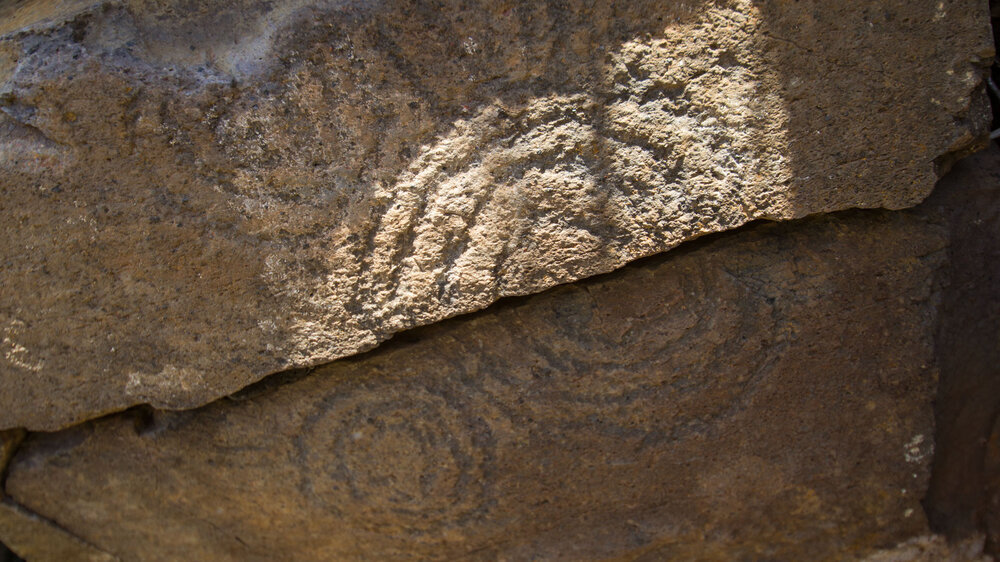
The most fascinating legacy of the Benahoaritas is their petroglyphs — spirals, meanders, circles, and geometric patterns carved into basalt rock. La Palma has numerous sites containing these mysterious rock engravings. The most well-known include:
- La Zarza and La Zarcita Cultural Park, near Garafía
- Cueva Belmaco near Mazo
- El Calvario near Santo Domingo de Garafía
The meaning of these symbols has not been definitively established. Since the Benahoaritas left behind no known written language, the symbols can only be interpreted through archaeological comparison. Religious associations are frequently suggested — relating to the sun, moon, water, or fertility — but these interpretations remain scientifically unproven.
The End of the Benahoaritas
The end of their independent culture began with the Spanish conquest of La Palma between 1492 and 1493, led by Alonso Fernández de Lugo. Particularly well known is the resistance of Tanausú, the last ruler of the kingdom of Aceró in what is now the Caldera de Taburiente National Park. Only through deception were the Spanish able to capture him. His story remains to this day a symbol of the fierce spirit of independence of the island’s early inhabitants.
Many Benahoaritas died during the fighting or were enslaved despite existing protections. The surviving indigenous people were integrated into the new society over the following generations. Their language and many of their original customs disappeared — but their traces remain visible today. What endures are petroglyphs, ceramic traditions, numerous place names, and archaeological sites that tell the story of La Palma’s first great culture.
Museum Tip: In the Footsteps of the Benahoaritas
Anyone who wants to learn more about the history of the island’s indigenous people should visit the Museo Arqueológico Benahoarita (MAB) in Los Llanos de Aridane. The modern museum displays tools, ceramics, jewellery, human remains, and reconstructed dwellings of the Benahoaritas. It is considered the most important institution for the study of La Palma’s pre-Spanish history, and serves as the perfect complement to hiking and visiting the archaeological sites.
Conclusion
The Benahoaritas left behind no written chronicles and no monumental cities. Their history speaks through caves, rock carvings, and ancient place names. The mysterious petroglyphs remain a reminder of a culture that was deeply connected to the landscape of La Palma — long before the island received its current name.
Frequently Asked Questions
Where did the Benahoaritas come from?
What does the name Benahoare mean?
Where can you see traces of the Benahoaritas on La Palma?
What do the spirals and symbols of the petroglyphs mean?
Are there descendants of the Benahoaritas today?
This article is based on the on-the-ground knowledge of the Gequo editorial team – publishers of the Reisezeit hiking guides and operators of Sunhikes.com. Last updated: May 2026