Canarian Tapas – The Social Heart of Island Cuisine
Tapas on La Palma are not a tourist concept. They are how locals eat in the evening – or more precisely, how they eat their way through the evening. One stop here, a glass there, a piece of cheese next door. No fixed restaurant, no reserved table, no set menu. Just walk, look, sit, order, keep moving. That is the tapas culture of the Canary Islands – informal, sociable, and on La Palma especially genuine, because here hardly any bar is optimized for tourists.
Those who truly understand tapas on La Palma also understand the island itself: it is a society that comes together in the evenings. At small tables, with simple food, with wine from a neighbouring farm. No performance, no staging – just life, happening naturally.
Papas Arrugadas – The Foundation
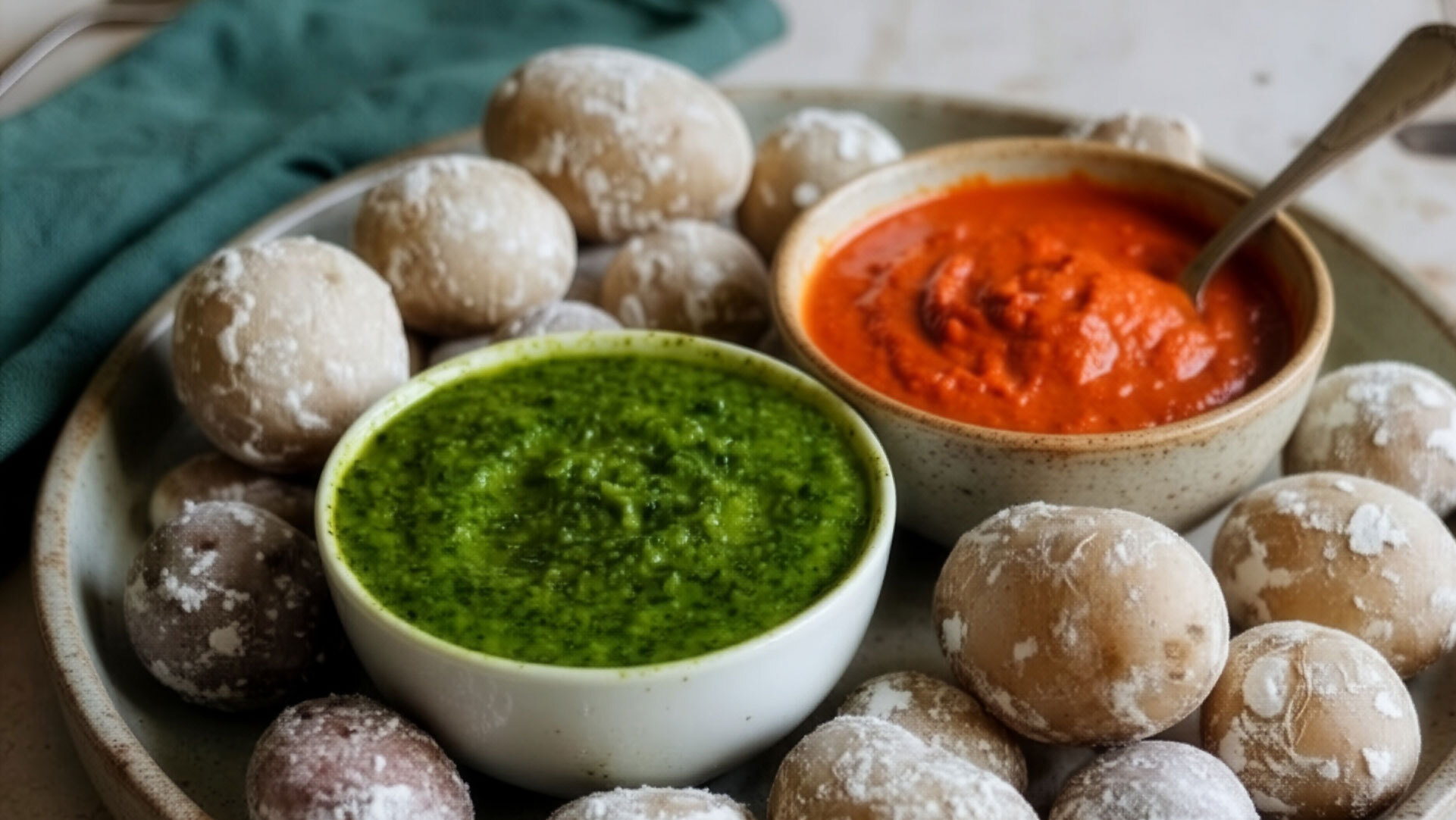
No tapas evening on La Palma is complete without papas arrugadas. The small unpeeled potatoes, boiled in water with so much sea salt that the skin turns white-crystalline and wrinkles – that is the opening of every order. Alongside: mojo rojo (spicy, deep red, with roasted peppers and cumin) or mojo verde (fresh, green, with cilantro and parsley). On La Palma you will occasionally find papas negras too – black heirloom potatoes with violet flesh, more intense in flavour.
Queso Asado – Canarian Cheese from the Grill
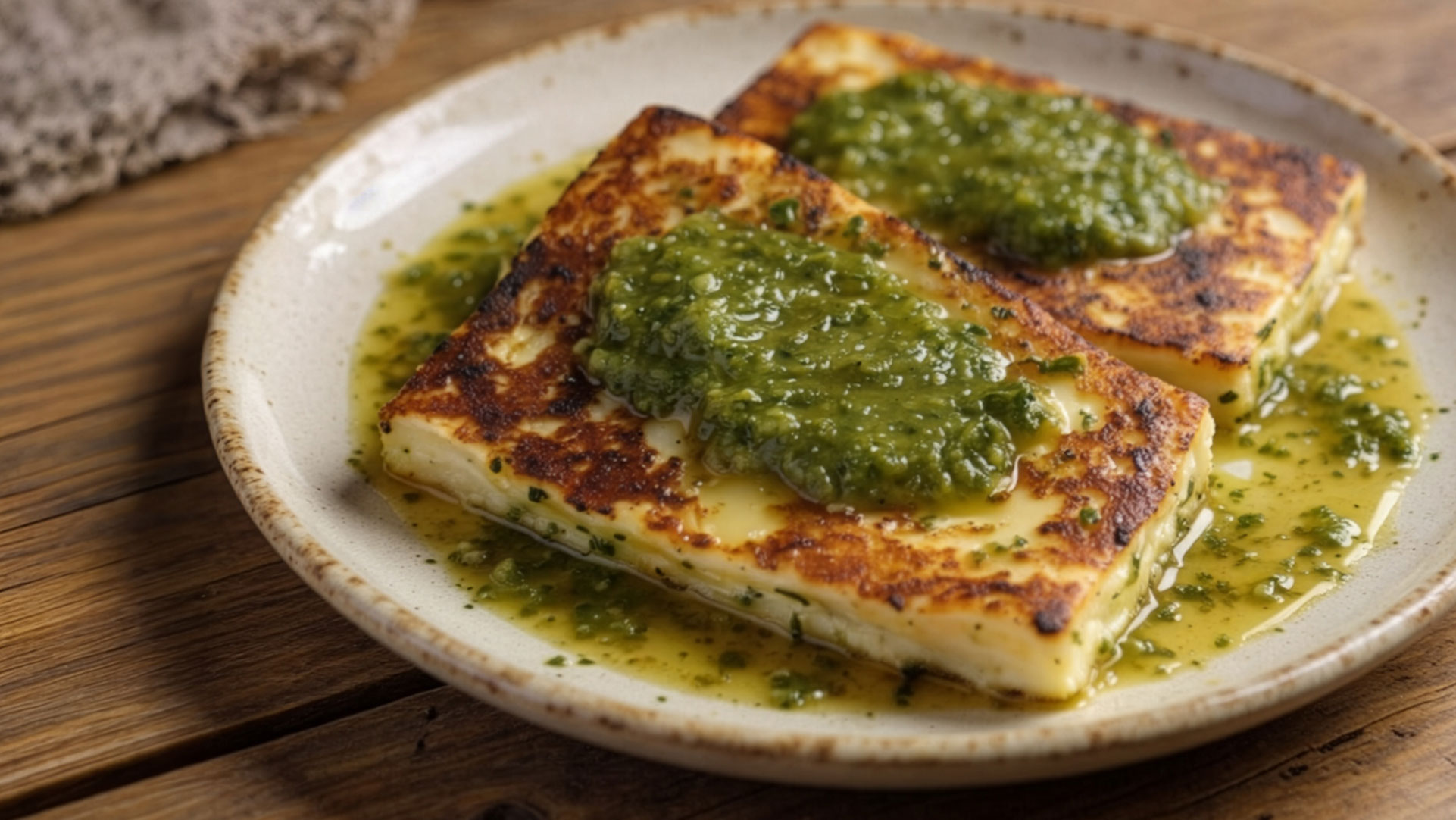
A slice of Queso Palmero (the local goat cheese) is briefly grilled or pan-fried until golden brown and lightly charred on the outside, warm and soft inside. Alongside: mojo rojo or verde, a drizzle of miel de palma (palm syrup) on top. The complete picture: savoury, creamy, lightly sweet, lightly spicy. One of the best dishes on the island – and as a tapa for €3–5, it offers unbeatable value.
Carne de Fiesta – The Celebration Dish
Cubes of pork marinated in garlic, oregano, smoked paprika, white wine, and sometimes a splash of vinegar, then seared over high heat. The result: a crispy crust and a juicy interior. Carne de Fiesta is the dish that appears on La Palma whenever something is being celebrated – and because the Canary Islands celebrate a great deal, it appears very often.
Almogrote – The Spread with History
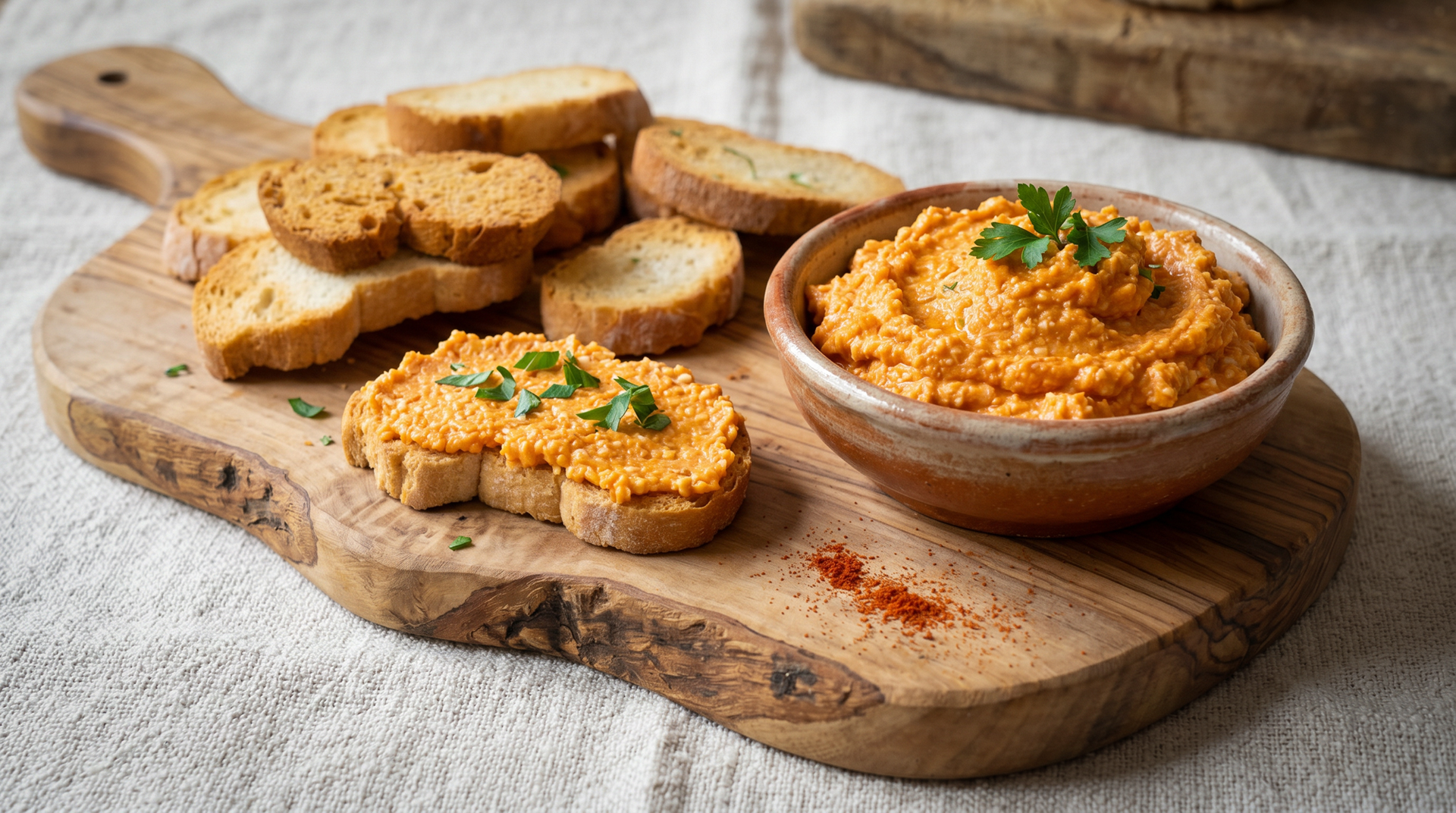
Aged Queso Palmero, grated and blended with roasted red peppers, garlic, tomatoes, and olive oil into a spreadable paste – that is almogrote. On toast, as a dip for papas, or on a slice of grilled bread with a glass of wine: almogrote is the tapa that sets La Palma apart from all the other Canary Islands. No other almogrote in the archipelago comes close to the one from this island.
Chistorra and Morcilla – From the Grill
Chistorra is a thin chorizo variety that crisps up on the grill and develops a smoky, spicy aroma that makes bars on La Palma recognizable from the street. Morcilla is the Canarian blood sausage – more complex and savoury than continental European versions, with onions, cumin, and sometimes anise. Both are staples in Canarian tapas bars and a sure way to eat like a local.
Where to Find Tapas on La Palma
Los Llanos de Aridane: the side streets around Plaza de España from 8:30 p.m. onward – the liveliest tapas area on the island. Santa Cruz de La Palma: Calle O’Daly and Avenida Marítima – a bit quieter, but with good fish stops. Tazacorte: harbour kiosk and beachside bars for lapas and cheese. In the small villages: the village kiosks (Tijarafe, Puntagorda, Garafía) for the most authentic and affordable experience.
Frequently Asked Questions (FAQ)
How much does a tapas evening on La Palma cost?
Which tapas are suitable for vegetarians?
This article is based on the on-the-ground knowledge of the Gequo editorial team – publishers of the Reisezeit hiking guides and operators of Sunhikes.com. Last updated: May 2026