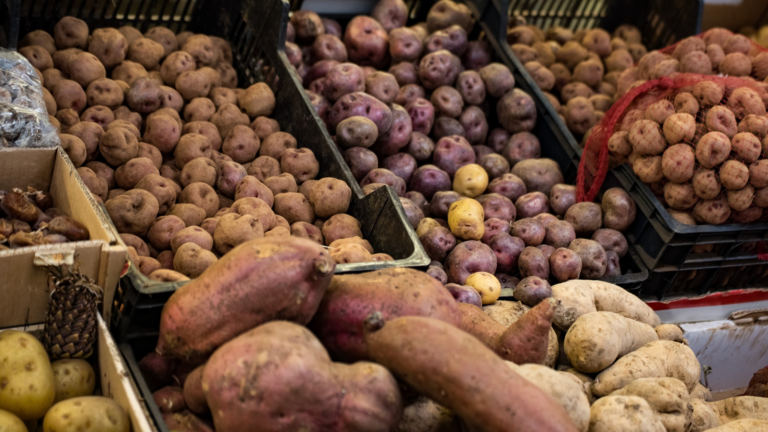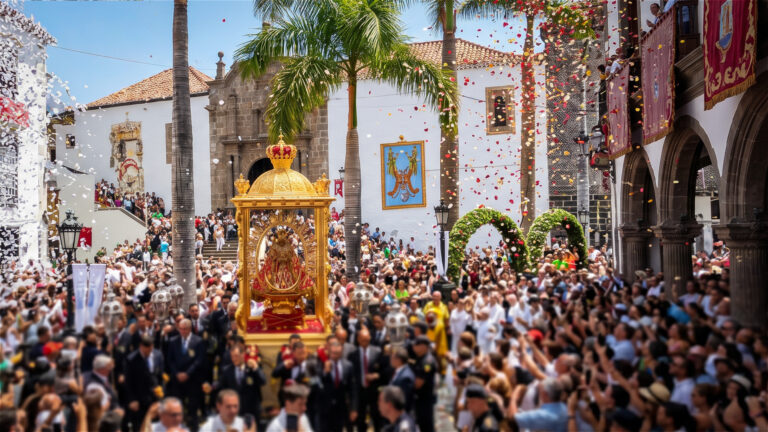
500 Years of Agriculture on La Palma – Constantly Reinventing Itself
La Palma has an agricultural history that reads like a series of boom and bust: a crop flourishes, transforms the face of the island, collapses – and the island finds the next product. Sugar cane, wine, silk, cochineal, bananas. Five cycles in 500 years, each with its own prosperity and its own end. What remains is an island that has learned to reinvent itself.
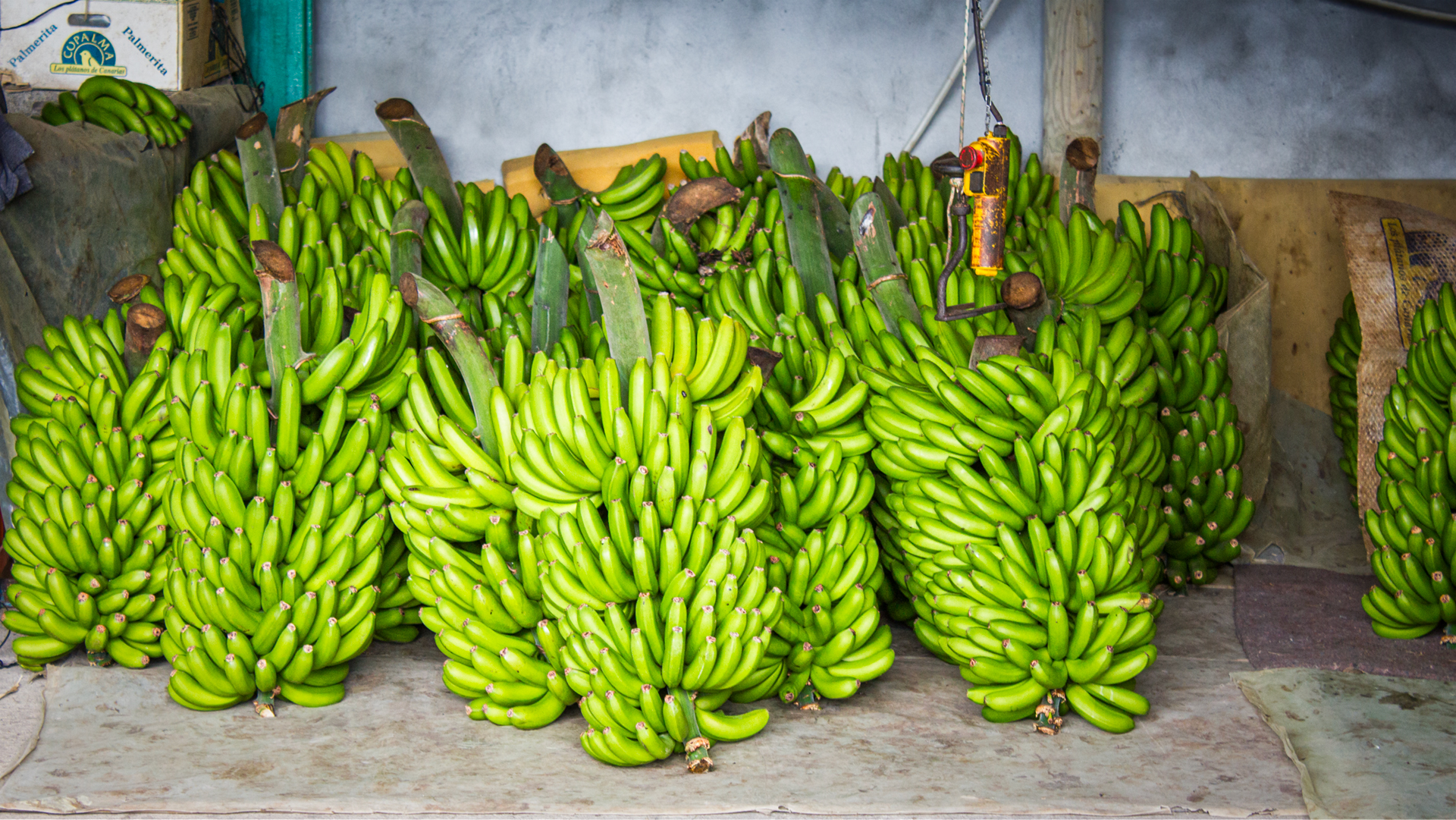
It is precisely this capacity to adapt again and again that remains one of La Palma’s greatest strengths to this day. Anyone travelling around the island today will discover traces of this history everywhere – from old sugar-cane mills and historic wine terraces to the extensive banana plantations along the coasts.
The Five Great Agricultural Eras of La Palma
| Era | Agriculture | Significance | Why did it end? |
|---|---|---|---|
| 16th century | Sugar cane | The island’s first great prosperity | Cheap sugar from the Americas displaced local production |
| 16th–19th century | Malvasía wine | Exported across Europe, especially to England | Mildew, vine diseases, and trade conflicts |
| 16th–18th century | Silk | Significant craft with a European reputation | Competition from industrial production |
| 19th century | Cochineal | Europe’s most important natural dye | Synthetic aniline dyes made carmine obsolete |
| since the late 19th century | Plátano Canario | Still the island’s most important agricultural sector | Today facing challenges from climate change, water supply, and volcanic eruptions |
Sugar Cane – the First Golden Age (16th Century)
After the Castilian conquest, La Palma developed into one of the most important sugar islands in the Atlantic as early as the 16th century. The island’s numerous springs, mild climate, and fertile volcanic soils offered ideal conditions for sugar-cane cultivation. Within just a few decades, the island was exporting large quantities of what was then the highly prized ‘white gold’ to Europe.
The prosperity of that era remains visible to this day. The revenues funded Renaissance churches, magnificent manor houses, and costly Flemish altarpieces that still adorn numerous island churches today. Santa Cruz de La Palma also developed into one of the most important ports of the Spanish Empire.
But the boom did not last indefinitely. When the vast plantations in the Caribbean and Brazil began supplying the European market with significantly cheaper sugar, La Palma lost its competitive edge. The island had to find a new direction.
Malvasía – the Wine of Europe’s Royalty (17th–19th Century)
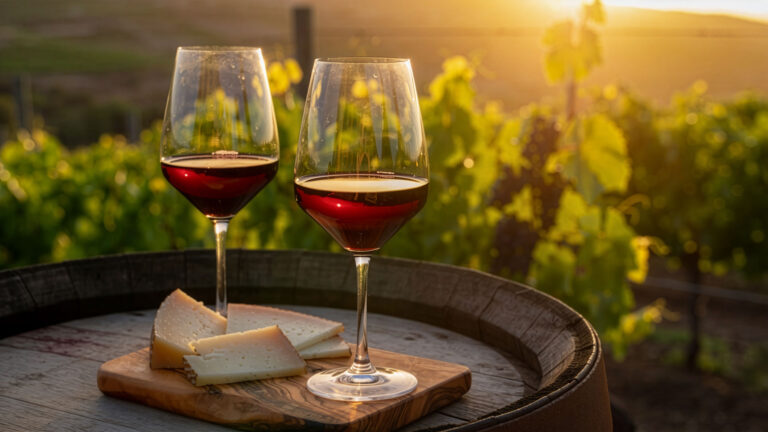
Vineyards grew up on the former sugar-cane fields. The sweet Malvasía wine in particular soon became one of the Canary Islands’ most famous exports. In England especially, the so-called ‘Canary Wine’ was a luxury item poured at royal courts and in the houses of the nobility.
Even William Shakespeare mentioned Canarian wine several times in his works, contributing to its legendary reputation. Contemporary merchants described the vineyards of the Las Breñas region in particular as the source of some of Europe’s finest wines.
Over the course of the 19th century, vine diseases, mildew, and political trade conflicts brought the great export boom to an end. Wine-growing never disappeared entirely, however. Today the volcanic Malvasía is experiencing a remarkable renaissance under the protected designation of origin D.O. La Palma. In Fuencaliente, Mazo, and the Breñas especially, high-quality wines are once again being produced and winning numerous international awards.
Silk – La Palma as a Leading Producer
Alongside wine, La Palma developed into the most important centre of silk production in the Canary Islands during the 16th and 17th centuries. Mulberry trees were planted around El Paso in particular, with their leaves serving as food for silkworms.
Production was extremely labour-intensive. From raising the worms to reeling the fine threads, dyeing, and weaving, every step was carried out by hand. High-quality fabrics from La Palma were traded far beyond the Canary Islands.
Today this remarkable craft lives on at the Museo de la Seda in El Paso. It is regarded as the only workshop in Europe where the entire traditional silk production process is still demonstrated in full – from caterpillar to finished cloth. Visitors experience a craft that has remained virtually unchanged for centuries.
Cochineal – the Most Expensive Red of Its Day
After the decline of the wine export, the next chapter in the island’s agriculture began in the 19th century. The cochineal insect made its way to the Canary Islands from Mexico. These tiny creatures live on prickly pear cacti (opuntias) and yield the intensely red natural dye carmine, which was highly sought after in the European textile industry at the time.
Within a few decades, large opuntia plantations sprang up on La Palma. The trade was so lucrative that carmine was at times among the island’s most valuable exports.
With the invention of synthetic aniline dyes at the end of the 19th century, however, this sector collapsed almost entirely. The cacti have survived in many parts of the island to this day, and with a little attention one can still spot the characteristic white cochineal insects on their pads.
Bananas – the Green Gold of the Present
Since the late 19th century, banana plantations have shaped the landscape of La Palma. British trading houses recognised early on the exceptional conditions of the Aridane Valley: fertile volcanic soils, plenty of sunshine, and a balanced climate.
Today La Palma produces around 140,000 to 150,000 tonnes of Plátano Canario per year and ranks among the most important growing regions in the Canary Islands. The smaller fruits ripen on the plant for considerably longer than imported bananas, developing their characteristically intense flavour as a result.
The Tajogaite volcanic eruption of 2021 hit banana cultivation severely, however. Around 370 hectares of plantations disappeared under lava flows metres deep, irrigation pipes were destroyed, and numerous families lost their livelihoods. Extensive recultivation measures have been under way since then; new pipelines have been laid and many areas are being made productive again step by step.
The Future of Agriculture
The history of La Palma shows that the island has repeatedly adapted to changing conditions. New prospects are emerging even after the Tajogaite eruption. While many farms rebuild their banana plantations, others are increasingly turning to avocados, which require less water and are in strong international demand.
At the same time, high-quality wine-growing continues to gain in importance, and many agricultural operations today combine traditional production with sustainable tourism. Historic fincas, vineyards, and orchards are becoming authentic holiday destinations where visitors can experience agriculture and island history at first hand.
Frequently Asked Questions (FAQ)
Can genuinely handmade silk still be purchased on La Palma?
How do La Palma's bananas differ from imported bananas?
Can historic wine estates on La Palma be visited?
This article is based on the on-the-ground knowledge of the Gequo editorial team – publishers of the Reisezeit hiking guides and operators of Sunhikes.com. Last updated: May 2026