Wine Tasting on La Palma – Volcanic Soil in the Glass
Wine grown on volcanic ash. That sounds like a marketing promise – but on La Palma it’s simply reality. The island produces some of the most distinctive wines in the Canary Islands: mineral, full of character, and shaped by a terroir found nowhere else in the world.
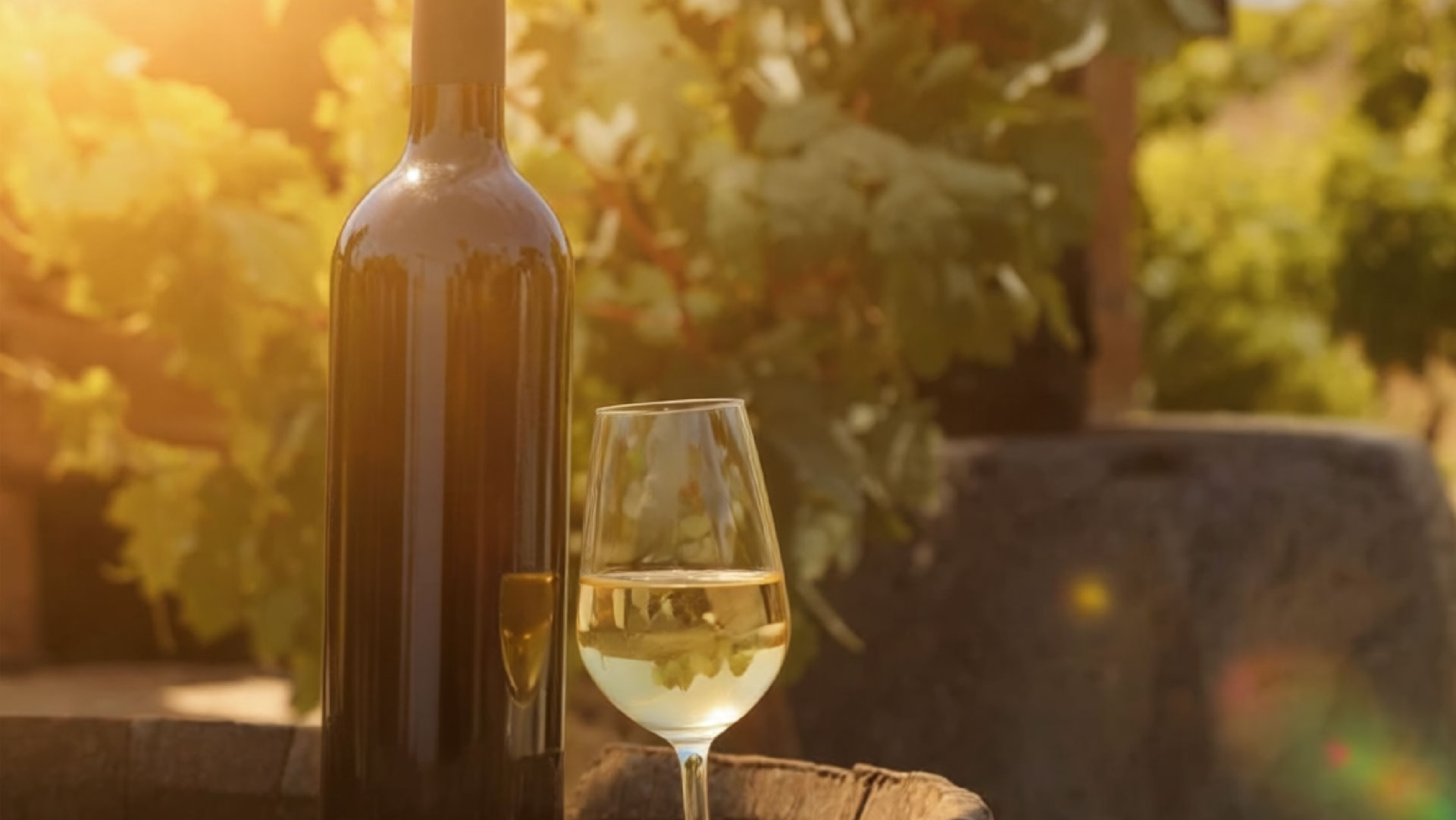
La Palma is a small wine-growing island – production is limited, the bodegas are family-run, and almost none of the wine makes it to the mainland. All the more reason to visit them in person.
The Three Wine-Growing Zones of La Palma
Fuencaliente – The Southern Zone
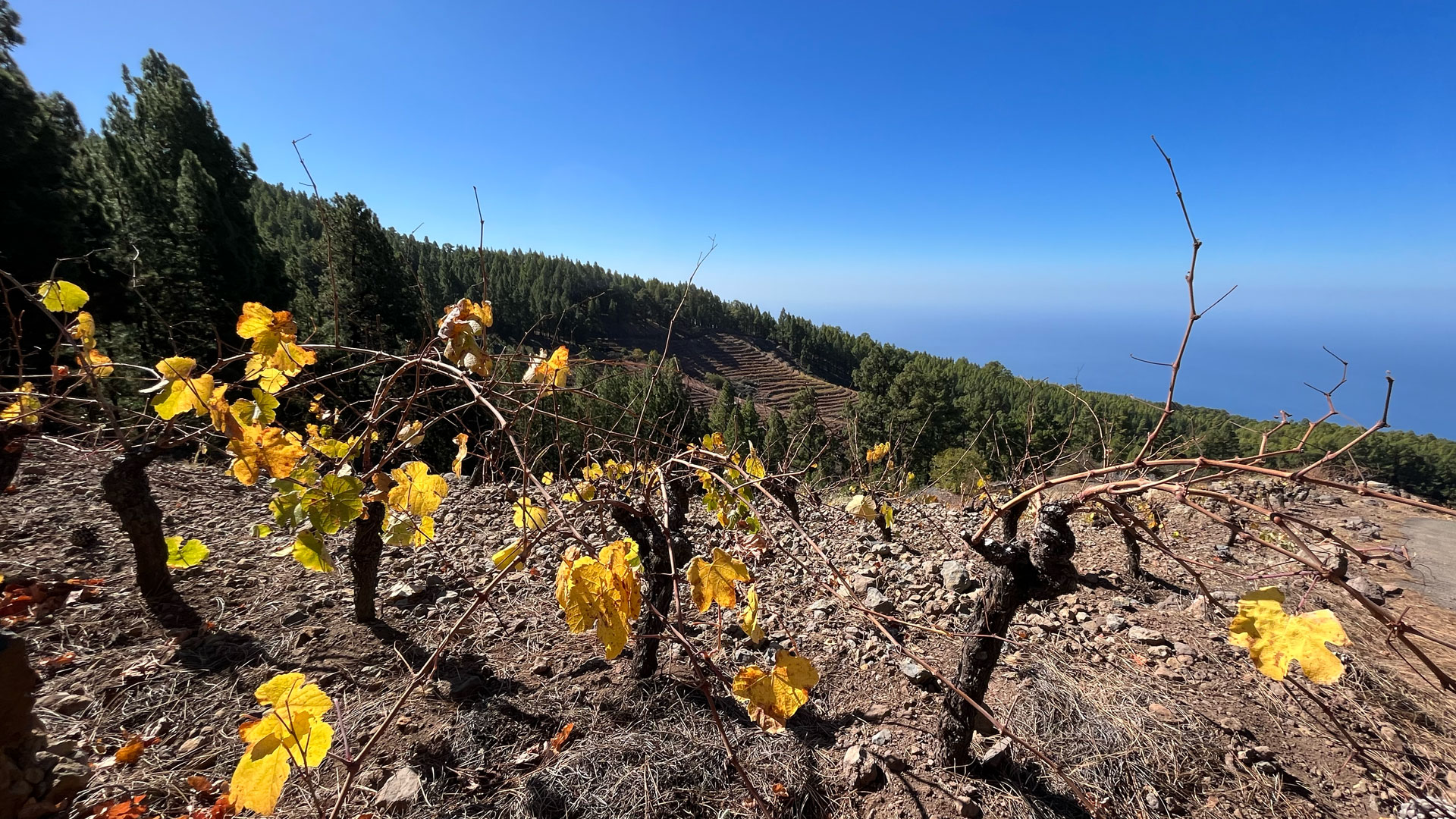
In the south of La Palma, around the lighthouses and volcanic craters, lies the island’s most important wine-growing zone. The volcanic soil, constant trade winds, and altitude produce wines with intense mineral notes – especially the Malvasía Canaria, both dry and sweet.
Hoyo de Mazo – The Eastern Zone
In the east, around Mazo and Breña Alta, vines grow in a moister, greener environment. The wines here are lighter, with more floral and fruity notes – a counterpoint to the intense reds of the south.
Northern Zone – Vino de Tea
The most legendary wine of La Palma comes from the north: the Vino de Tea. Aged in barrels made from Canary Island pine (tea wood), it gains its unmistakable resinous character. A wine that divides opinion – but never goes unnoticed.
Bodegas and Wine Tastings
Bodega Teneguía in Los Canarios (Fuencaliente) is the best-known address for wine tastings on La Palma. The bodega offers tastings of its own wines, including the celebrated Malvasía. Advance booking is recommended.
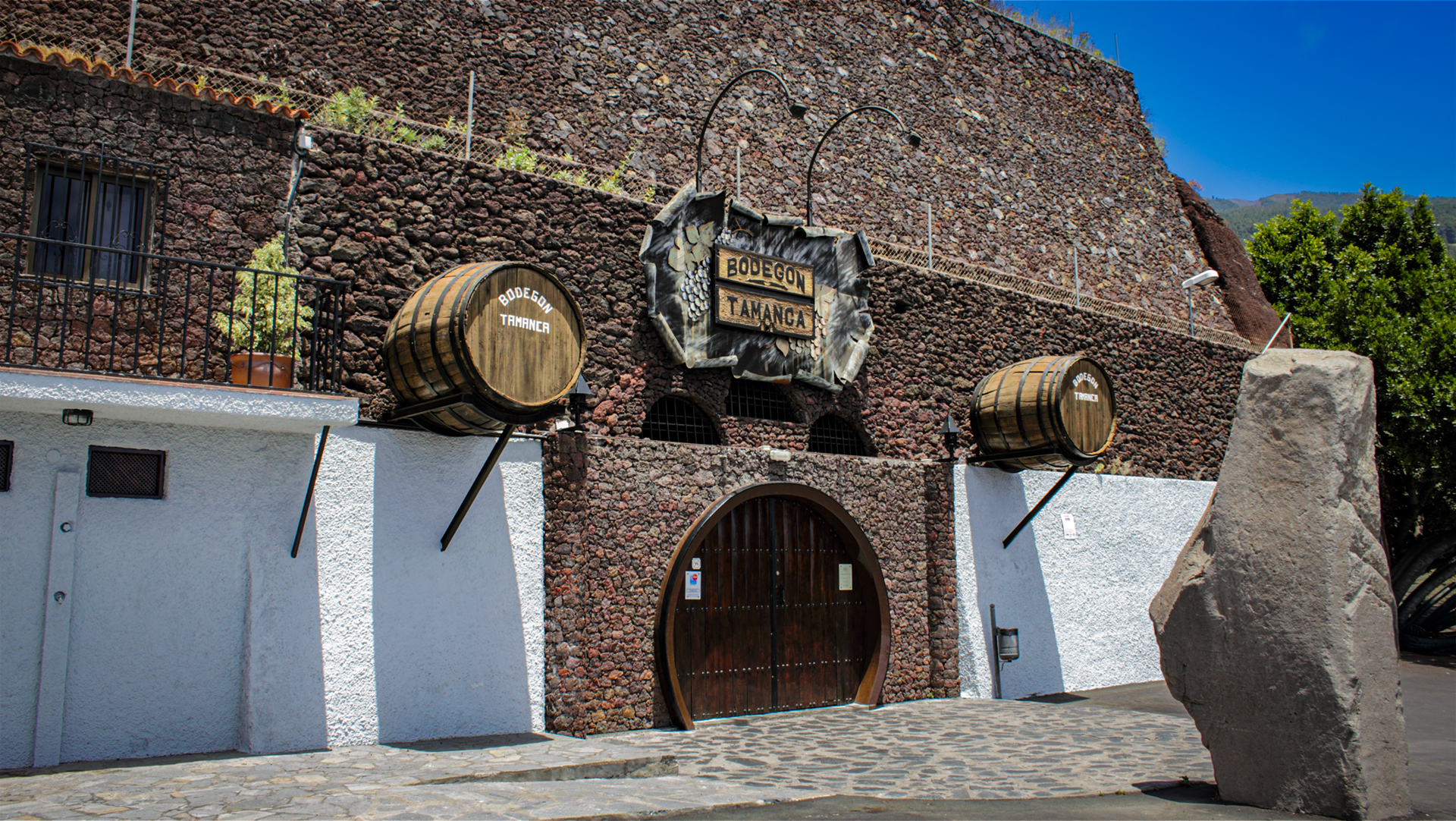
A tip for your visit: on Friday afternoons and Saturdays, many bodegas welcome spontaneous visitors – a good time to stop by without a reservation.
Craft Beer: Cervecería Isla Verde
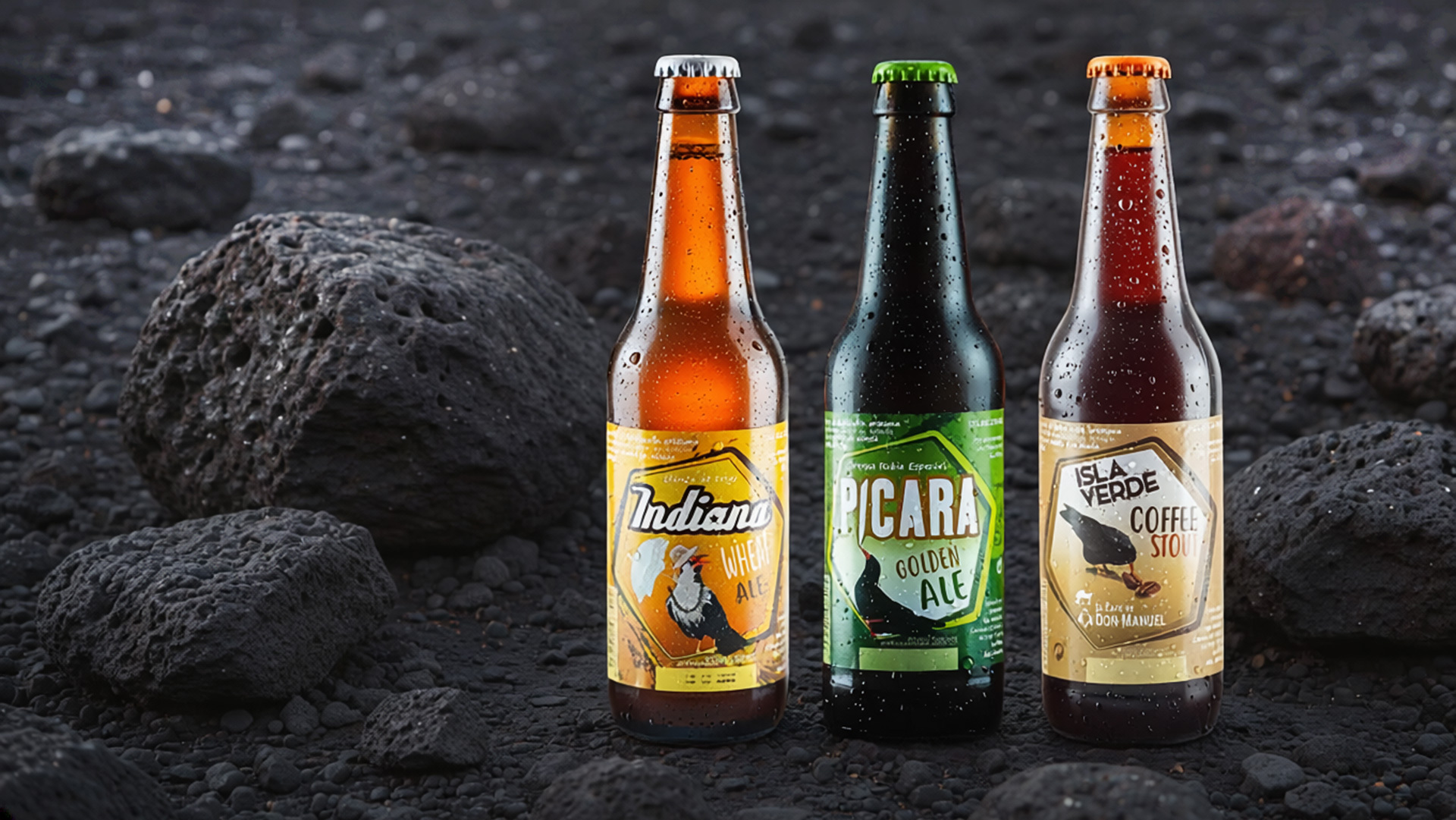
If wine is not your thing, or you simply want to explore the local drink scene alongside the wineries: the Isla Verde brewery in Tijarafe produces craft beers inspired by local ingredients. Tours and tastings are available on request.
| D.O. La Palma | Protected designation of origin since 1994 |
|---|---|
| Fuencaliente | Malvasía Volcánica – prime wine region |
| Northern Zone | Vino de Tea – unique pine resin wine |
| Bodega Teneguía | Los Canarios, Fuencaliente – Tours on request |
| Buying local | Local markets and supermarkets – cheaper than imported |
| Craft Beer | Isla Verde – in restaurants and supermarkets |
Frequently Asked Questions (FAQ)
What is Vino de Tea?
Can you take Malvasía Canaria back in your luggage?
Wine Growing as Island History
The history of wine growing on La Palma is the island’s history in miniature. First came sugar cane, then the phylloxera crisis that devastated European vineyards, while La Palma survived, then the slow comeback. Today the DO La Palma wines stand on their own – not just as a local curiosity, but as a genuine expression of a unique island terroir.
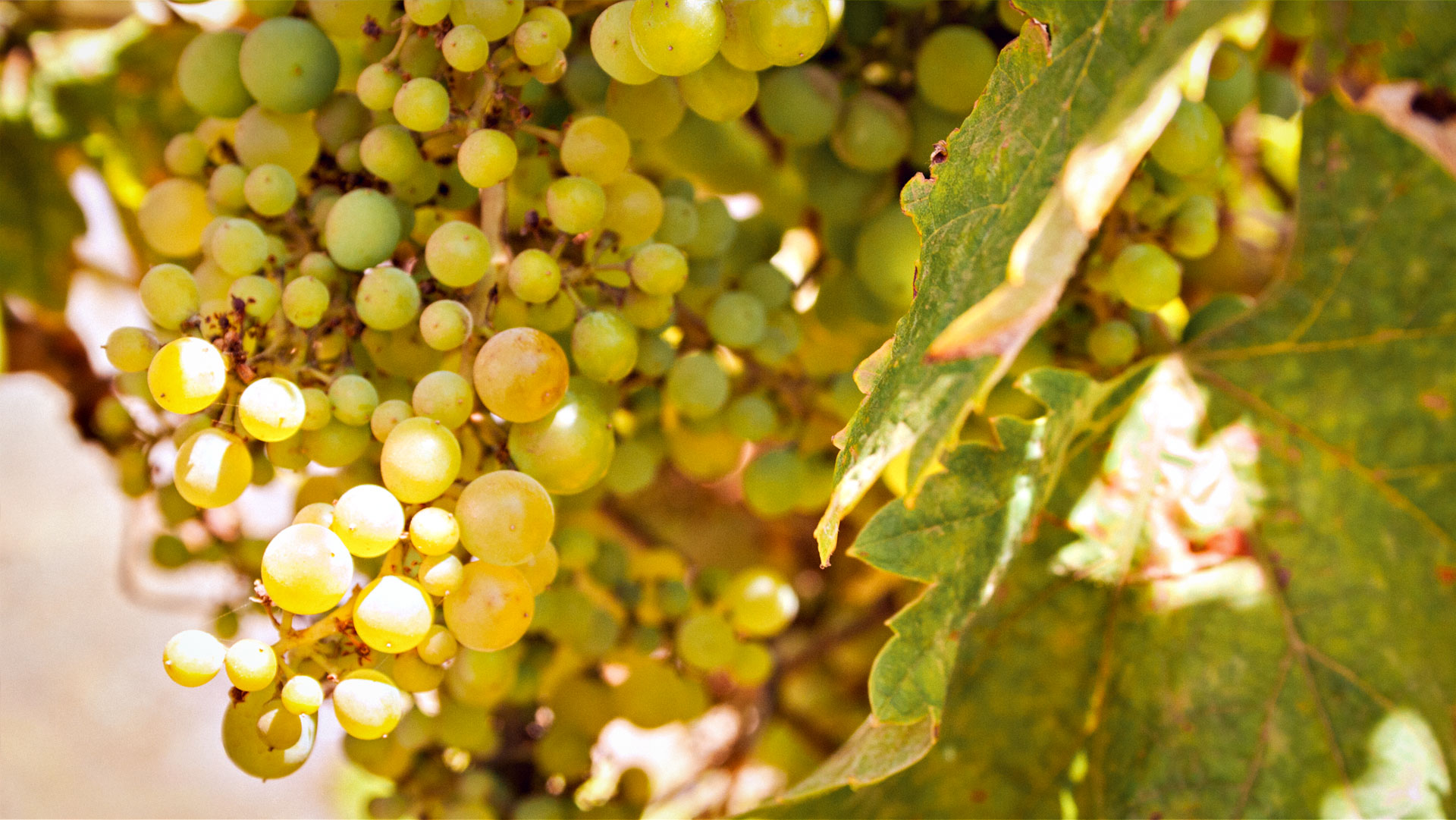
The DO La Palma, officially recognised since 1994, has revitalized wine growing on the island. Traditional varieties such as Malvasía, Negramoll, Listán Negro, and Albillo are cultivated on steep terraces at elevations of up to 1,400 meters – a viticultural achievement rare anywhere in Europe.
This article is based on the on-site expertise of the Gequo editorial team – publishers of the Reisezeit hiking guides and operators of Sunhikes.com. As of May 2026