Wine, Rum, Cheese and Salt – the Specialities of La Palma
La Palma produces little – but what it produces, it produces well. Wine on lava soils that is mineral like no other. Rum from freshly pressed sugarcane juice, the only one in the Canary Islands made by the Agricole method. Goat’s cheese from Garafía, award-winning multiple times. And sea salt from the saltworks at the southern cape, which appears in restaurants from Madrid to Munich. Souvenirs with a true sense of place.
Wine with Provenance – D.O. La Palma
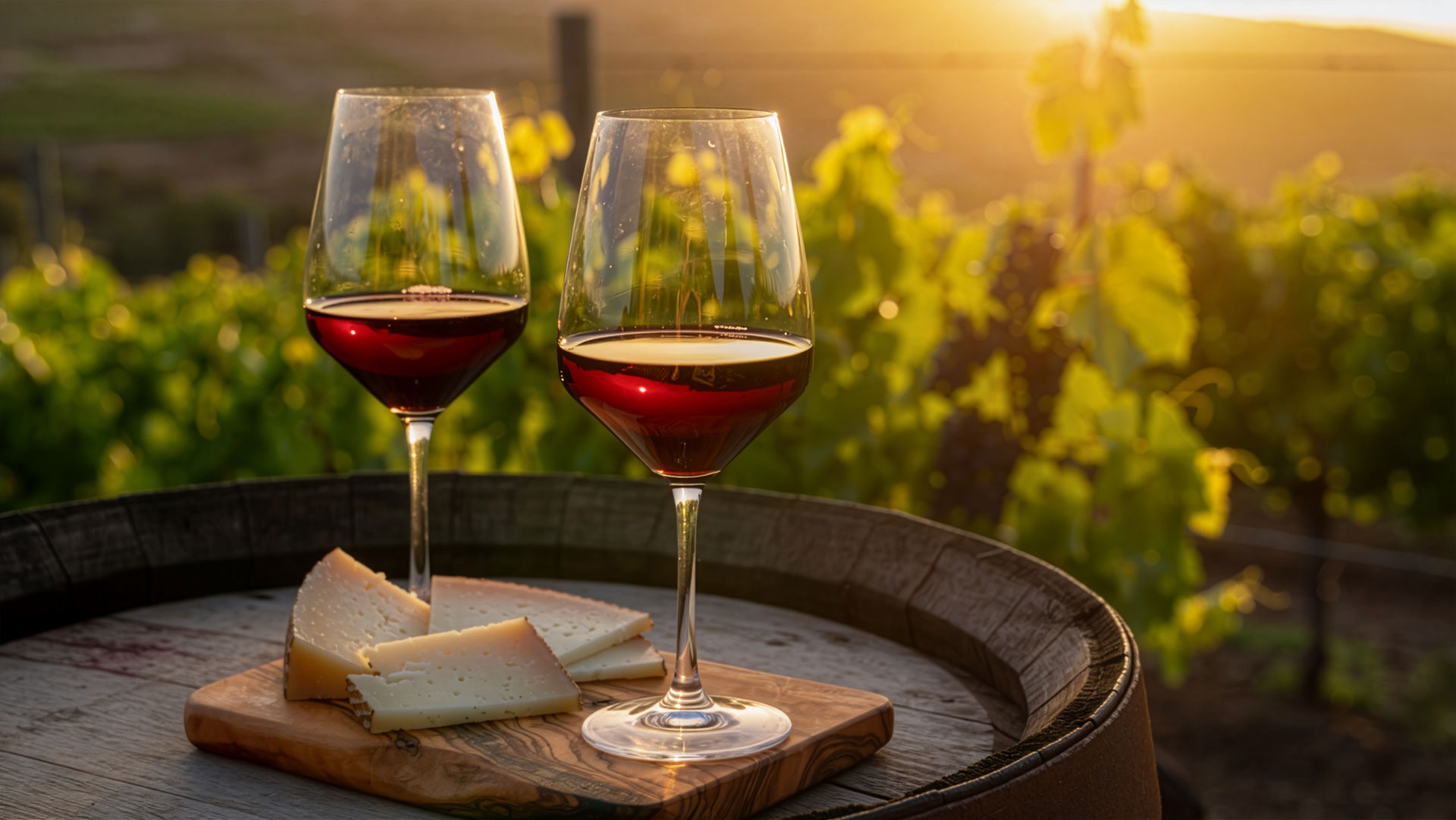
La Palma has held its own Denominación de Origen (D.O.) since 1994. The vineyards often grow on volcanic soils and in many places still on ungrafted rootstocks. Each region of the island produces its own character.
- Fuencaliente in the south is home to the famous Malvasía Volcánica, a mineral white wine prized at European royal courts as early as the 17th century.
- Hoyo de Mazo in the east is known for fresh white wines and elegant red wines, including from the Negramoll grape variety.
- Garafía, Puntagorda, and Tijarafe in the north are associated with the extraordinary Vino de Tea, which matures in barrels made from the resinous heartwood of the Canarian pine, giving it its unmistakeable aroma.
Many bodegas offer tours and tastings. Particularly well-known are the Bodega Teneguía in Fuencaliente and the Bodegas Noroeste de La Palma in Garafía.
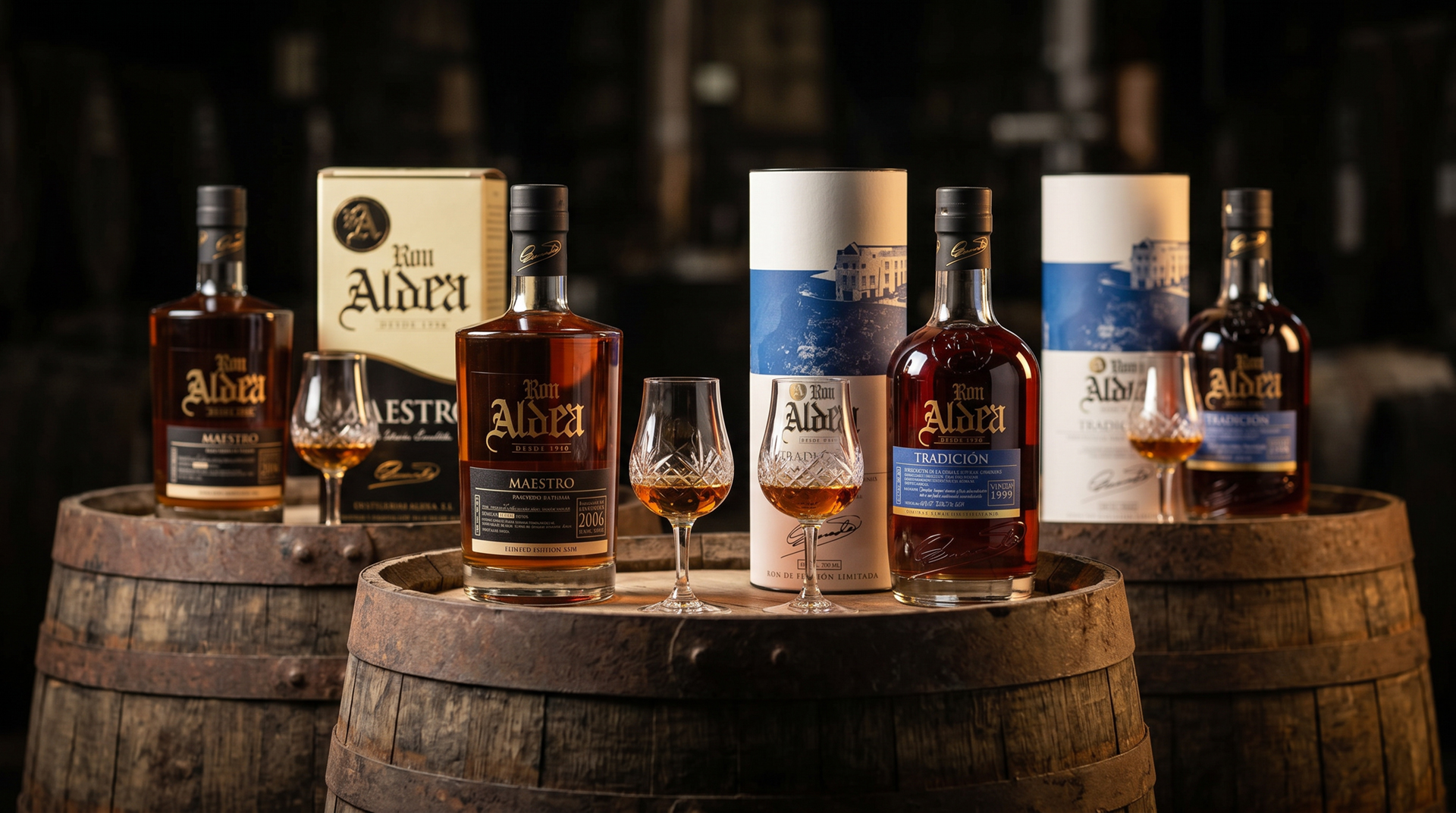
Ron Aldea – Sugarcane Rum from La Palma
La Palma’s rum is one of the Canary Islands’ standout products. While many rum varieties are made from molasses, Ron Aldea produces its rum from freshly pressed sugarcane juice – following the traditional Rhum Agricole method. Since 1936, the Quevedo family in San Andrés y Sauces has been producing high-quality distillates. Particularly popular is the multi-year aged Ron Aldea Añejo and the Ron Miel, which is refined with real blossom honey and traditionally served after meals throughout the Canary Islands.
Those wanting to learn more can visit the distillery and take part in a tasting. Tours and tastings by prior arrangement (+34 922 45 01 93).
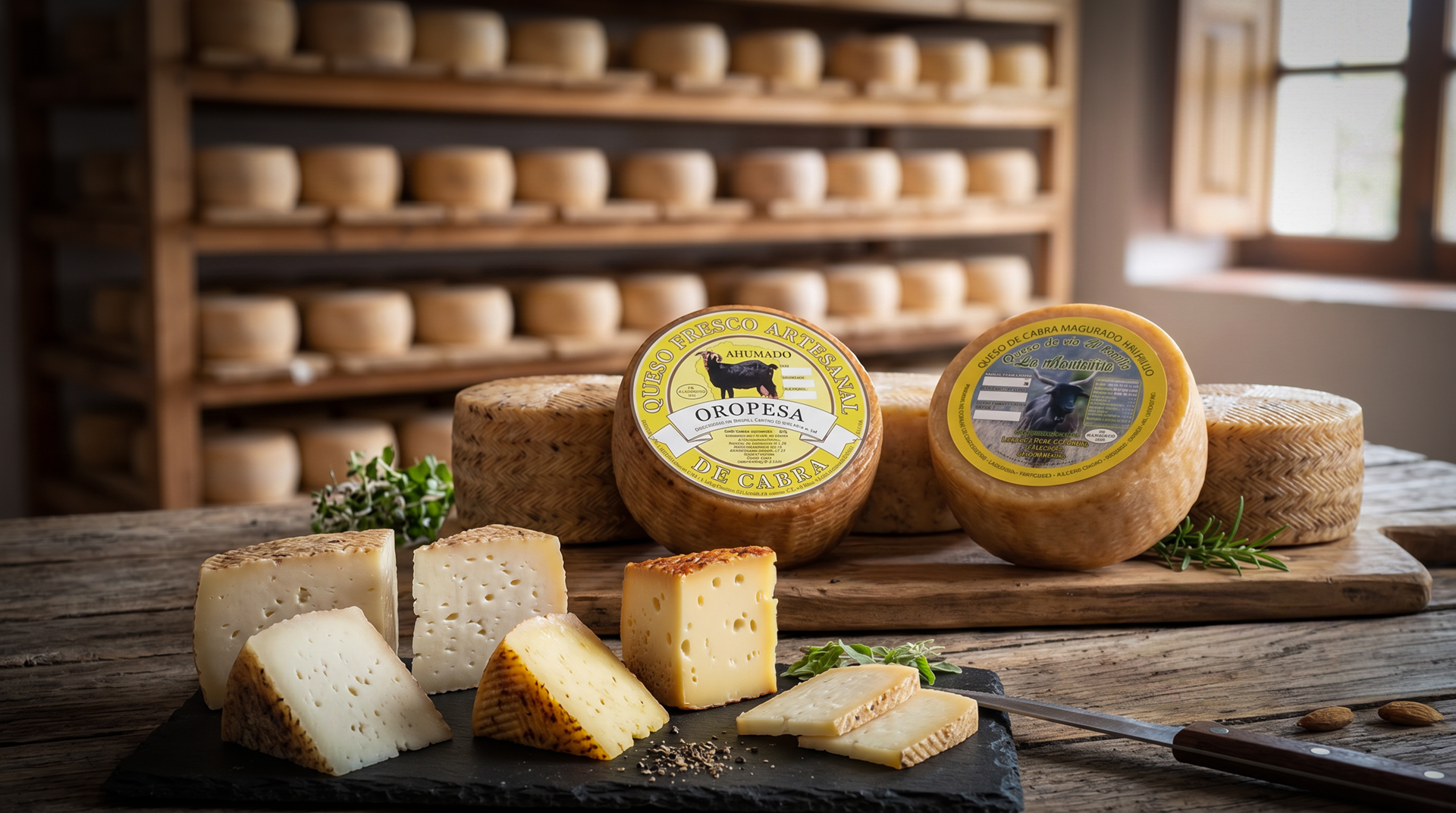
Queso Palmero – Award-Winning Goat’s Cheese
The Queso Palmero carries the protected designation of origin D.O.P. and is made exclusively from the milk of the native Cabra Palmera. The cheese dairies in the north around Garafía in particular enjoy an excellent reputation. Whether tierno (young), semicurado (semi-cured), or curado (cured) – the cheese is one of the island’s culinary flagship products.
In many traditional restaurants it is served as Queso Asado: lightly grilled and accompanied by red or green mojo.
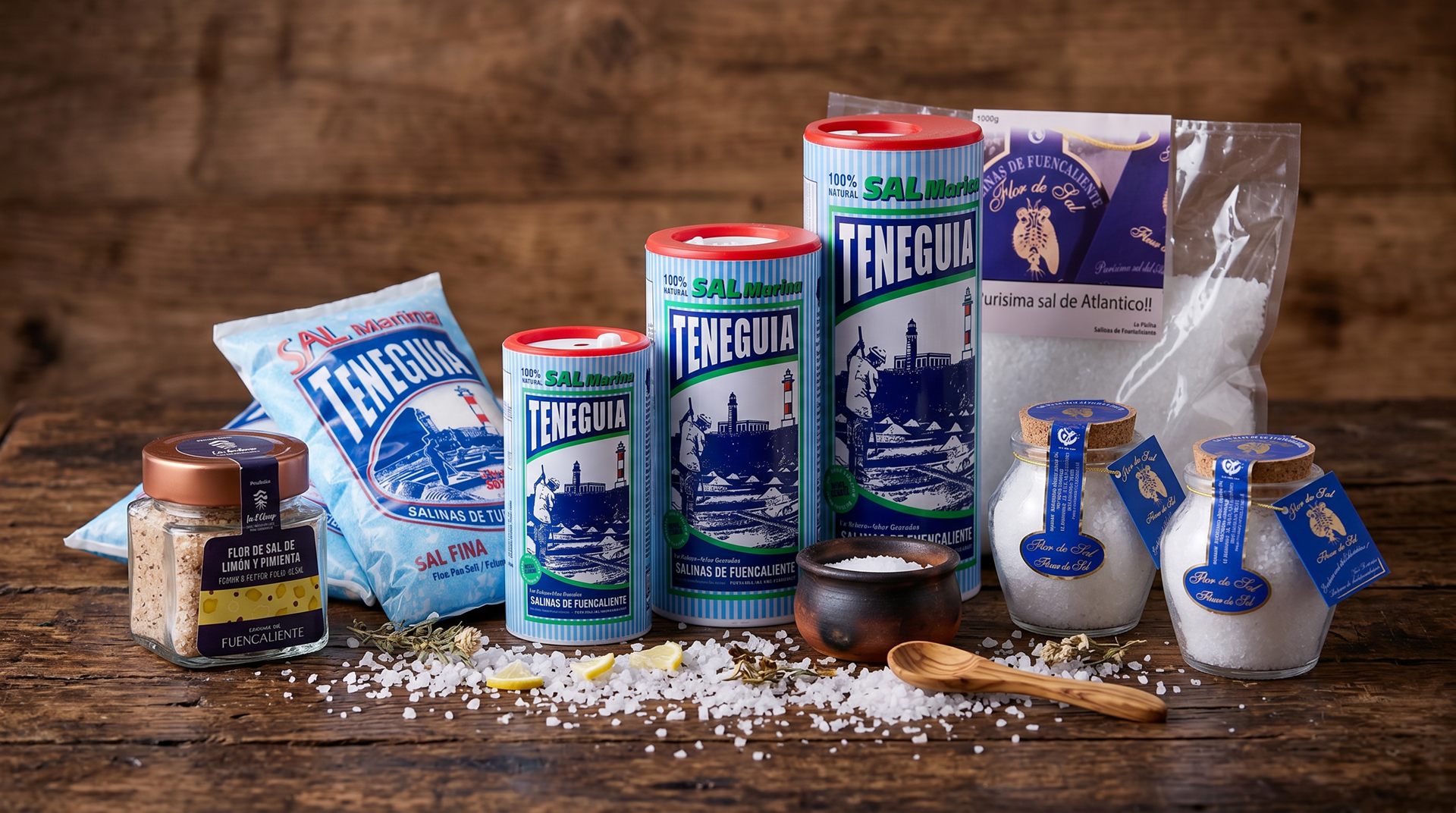
Sal de Teneguía – Hand-Skimmed Sea Salt from the Southern Cape
At the southernmost point of La Palma lie the Salinas de Fuencaliente. Here, high-quality sea salt is still harvested today by traditional hand methods. A real highlight is the Flor de Sal, which is carefully skimmed from the water surface only on calm days. The natural salt is rich in minerals and is one of the island’s best-known products.
The saltworks themselves are one of the finest excursion destinations in the south and have a shop as well as a restaurant with views over the Atlantic.
What to Take Home
| Speciality | Recommendation | Where to buy |
|---|---|---|
| Malvasía Volcánica | Bodegas Teneguía or other D.O. wines | Bodegas, wine shops, supermarkets |
| Vino de Tea | Bodegas Noroeste de La Palma | Garafía, farmers’ markets |
| Ron Aldea Añejo | Multi-year aged bottlings | Distillery, specialist shops, supermarkets |
| Queso Palmero D.O.P. | Fresh, semi-cured, or cured | Farmers’ markets, farm shops, fresh food counters |
| Sal de Teneguía | Flor de Sal or sea salt | Saltworks shop, supermarkets |
| Cerveza Isla Verde | Local craft beer | Restaurants and supermarkets |
How to Get La Palma’s Products Home Safely
Wine, rum, and mojo can only be taken in hand luggage if they comply with liquid regulations. In checked baggage, bottles should be well padded. Goat’s cheese can be taken home within the EU without any problems. Many producers will vacuum-seal the cheese on request, making it ideal for the journey home. Salt and dry products can be transported without restriction. For travellers outside the EU, the customs and import regulations of the destination country apply.
Frequently Asked Questions (FAQ)
Where can you buy the specialities directly from the producer?
What souvenir is typical of La Palma?
What makes the Vino de Tea so special?
Where can you find the best local products on La Palma?
What is the difference between Malvasía Volcánica and Vino de Tea?
This article is based on the on-the-ground knowledge of the Gequo editorial team – publishers of the Reisezeit hiking guides and operators of Sunhikes.com. Last updated: May 2026