Plátano Canario – Why This Banana Beats All Others
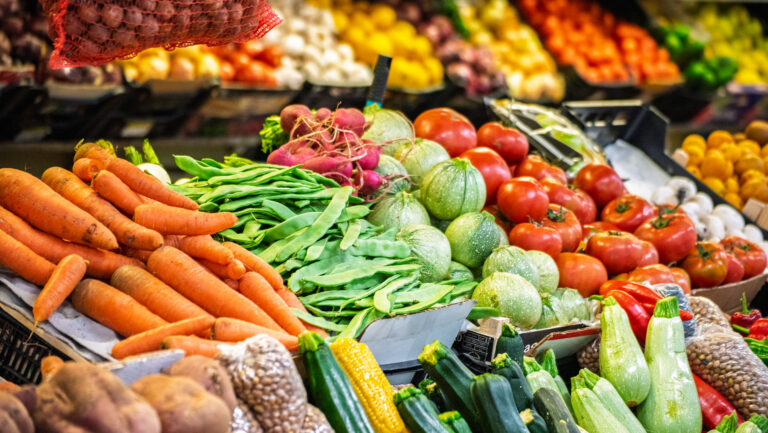
There is a simple test every visitor to La Palma should try: eat a Plátano Canario straight from a market stall – ideally one harvested that morning. Then buy a supermarket banana at home and take a bite. Standard imported bananas simply don’t compare.
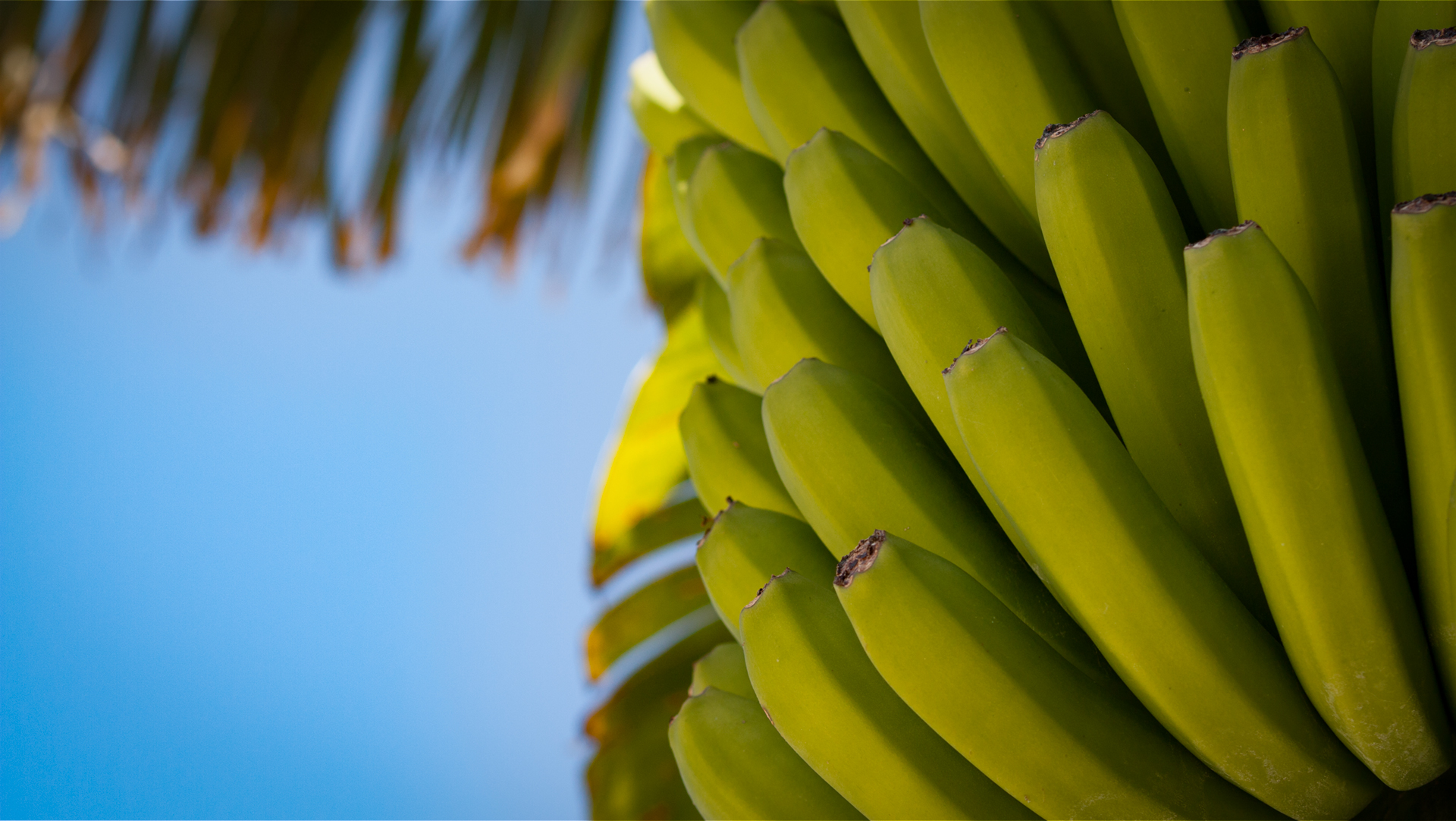
The Plátano de Canarias is usually slightly smaller than many imported bananas from Central and South America. This is not because it is a completely different variety — the Canaries also grow primarily Cavendish bananas. Their special flavour comes instead from the mild climate, the volcanic soils and the longer ripening time on the plant before harvest.
This makes them more aromatic, sweeter, with more dry matter and a flavour that hints at honey and a touch of vanilla. It comes from the soil — volcanic earth, rich in minerals — and from the irrigation water drawn from the springs of the Caldera de Taburiente. It also comes from the production method: hand-harvested bunches, strict selection, no industrial mass transport.
What Makes the Difference
Like virtually all table bananas, Plátanos de Canarias are harvested green so they survive transport intact. However, because of the short shipping distances, they can be harvested later than most overseas imports and then ripen in controlled conditions. This allows them to develop an especially intense aroma and their characteristic sweetness. The difference is not subtle — it is unmistakable.
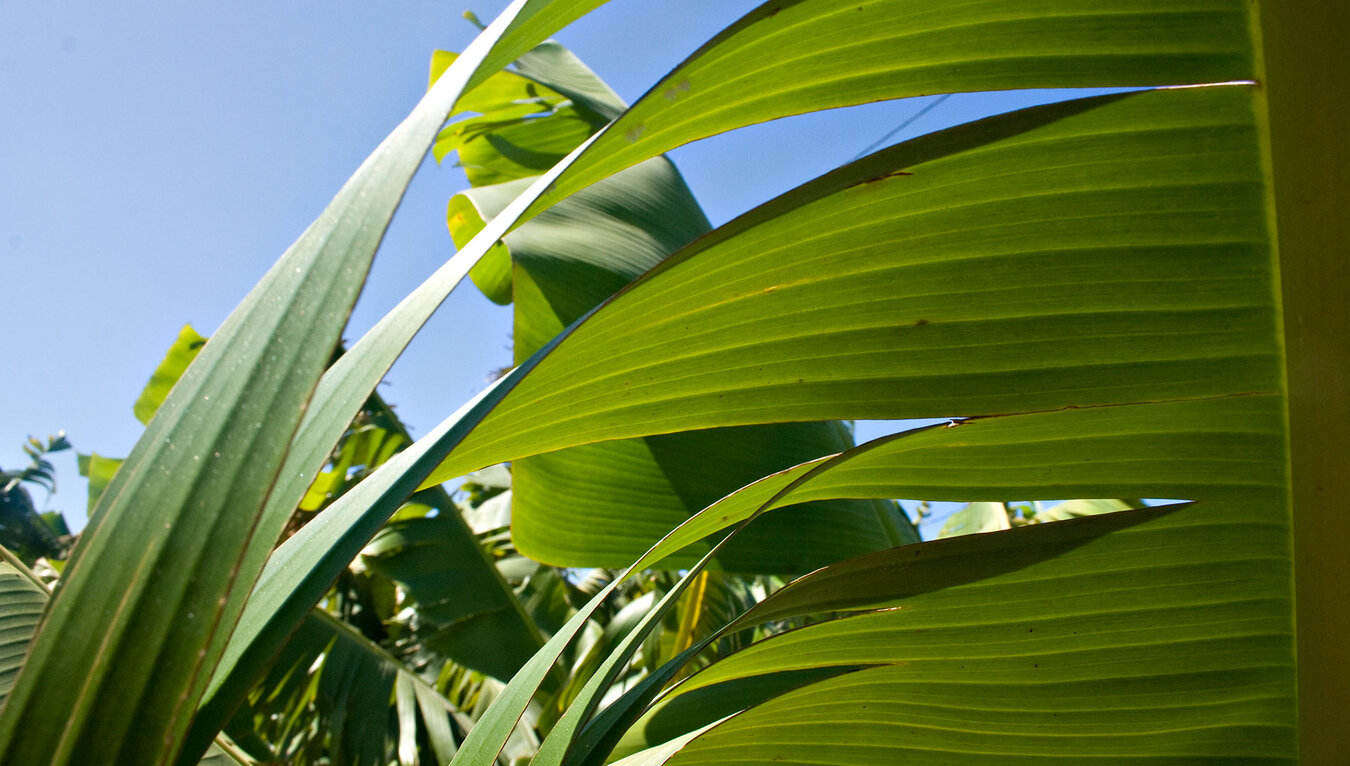
The Plátano Canario is recognised as a Protected Geographical Indication (PGI) by the EU. That means: if you read “Plátano de Canarias” on the packaging, you have a verified origin guarantee. On La Palma, that guarantee comes from the market stall, the roadside, the farmer — no packaging, just direct.
Cultivation – How La Palma Grows Its Bananas
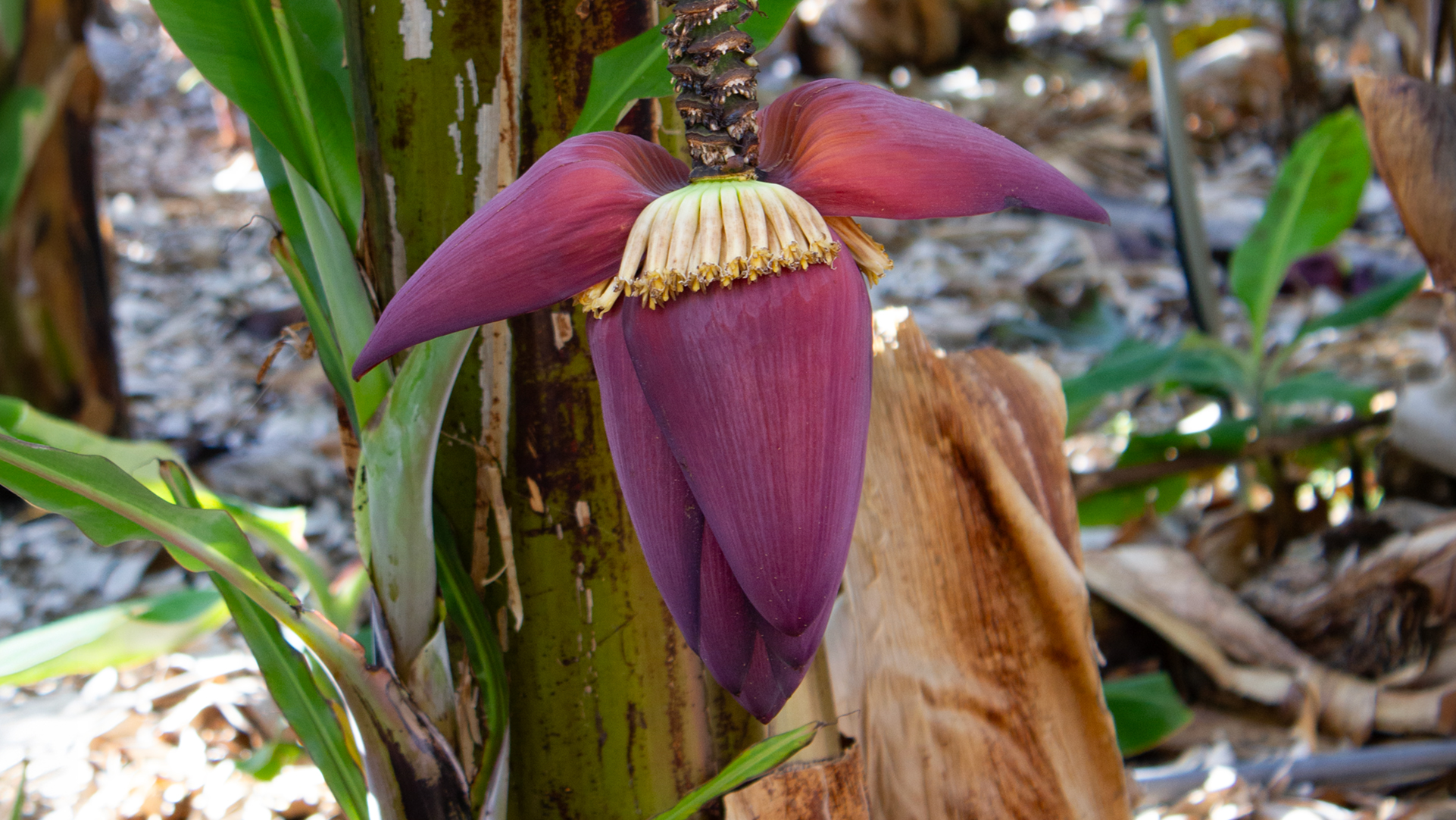
The heart of banana cultivation on La Palma is the Aridane Valley on the western side: the dry, sunny zone, irrigated by the centuries-old canal system fed by the Caldera springs. Some 140,000–150,000 tonnes leave the island each year, almost exclusively by ship to mainland Spain. The 2021 Tajogaite eruption destroyed around 370 hectares of plantations — but reconstruction is well advanced.
Where to Buy the Best Plátanos
- Market halls & markets: The daily market hall (Mercado Municipal) in Los Llanos or the Sunday farmers’ market (Mercadillo Agricultor) in the Argual district. Weekend markets in Puntagorda (Sat/Sun) and Mazo (Sat) also offer field-fresh fruit.
- Roadside stands: Along the LP-3 and LP-1 in the Aridane Valley — often right next to the plantations.
- Supermarkets: All local supermarkets carry Plátano Canario with the official PGI seal.
Frequently Asked Questions (FAQ)
Why does the Plátano Canario have small brown spots on the skin?
Why are Plátanos de Canarias smaller than many imported bananas?
Can you visit banana plantations on La Palma?
Why are bananas on La Palma wrapped in blue plastic bags?
How do you recognise a genuine Plátano de Canarias?
This article is based on the on-the-ground knowledge of the Gequo editorial team – publishers of the Reisezeit hiking guides and operators of Sunhikes.com. Last updated: May 2026