La Palma for Photographers – An Island Full of Subjects
La Palma is an island for people who look carefully. For photographers, that is a profound gift: a landscape with extreme elevation changes that cycles through every quality of light within a single day. Volcanic black against laurel forest green against Atlantic blue. Traditional balconies in terracotta and turquoise. A sky so dark that astrophotography is possible at a serious level. The subjects here are inexhaustible.
Morning – Balcones Típicos and Old Town Santa Cruz
The old town of Santa Cruz de La Palma is one of the finest Renaissance streetscapes in the Canary Islands – and at its best in morning light. The famous Calle Real (O’Daly) is lined with colourfully painted traditional houses featuring elaborate carved wooden balconies (balcones típicos) that define La Palma’s architectural identity. The ideal time is around 30 to 45 minutes after sunrise, when the light is soft and golden and the harbour promenade remains peaceful.
Photo Tip:
Shoot from the harbour side at a slight angle with a wide-angle lens. The long row of historic façades forms a natural leading line and creates a harmonious composition.
Sunrise – Above the Sea of Clouds
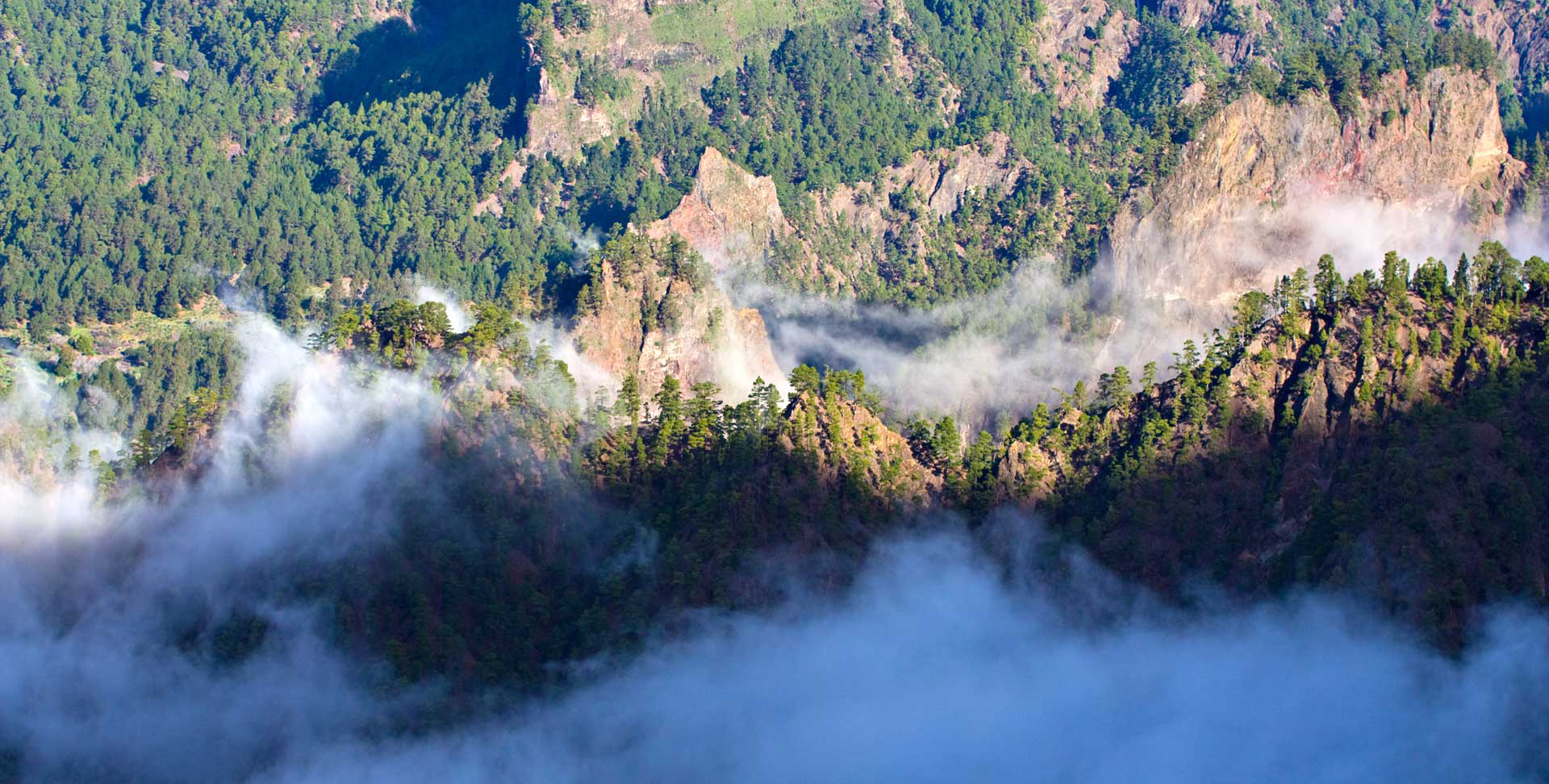
Driving to the Roque de los Muchachos before dawn and waiting for the sun to rise above a sea of cloud below is one of the signature photographic experiences on La Palma. When the cloud layer is dense and the summit is clear – which is frequent – the light at sunrise is extraordinary: pink and gold bouncing off the cloud surface, the telescope domes silhouetted against the colour, the caldera rim emerging from the mist. Plan to arrive at least 45 minutes before sunrise.
⚠️ Important Note on Summit Access:
The barrier to the summit plateau (Espigón del Roque) does not always open before sunrise. Depending on the season, it may not open until dawn or around 7 am.
Alternative: The freely accessible viewpoints Pico de la Cruz and Mirador de Los Andenes along the LP-4 offer equally spectacular views above the cloud sea and are excellent for sunrise photography.
Tajinaste in Bloom – May to June
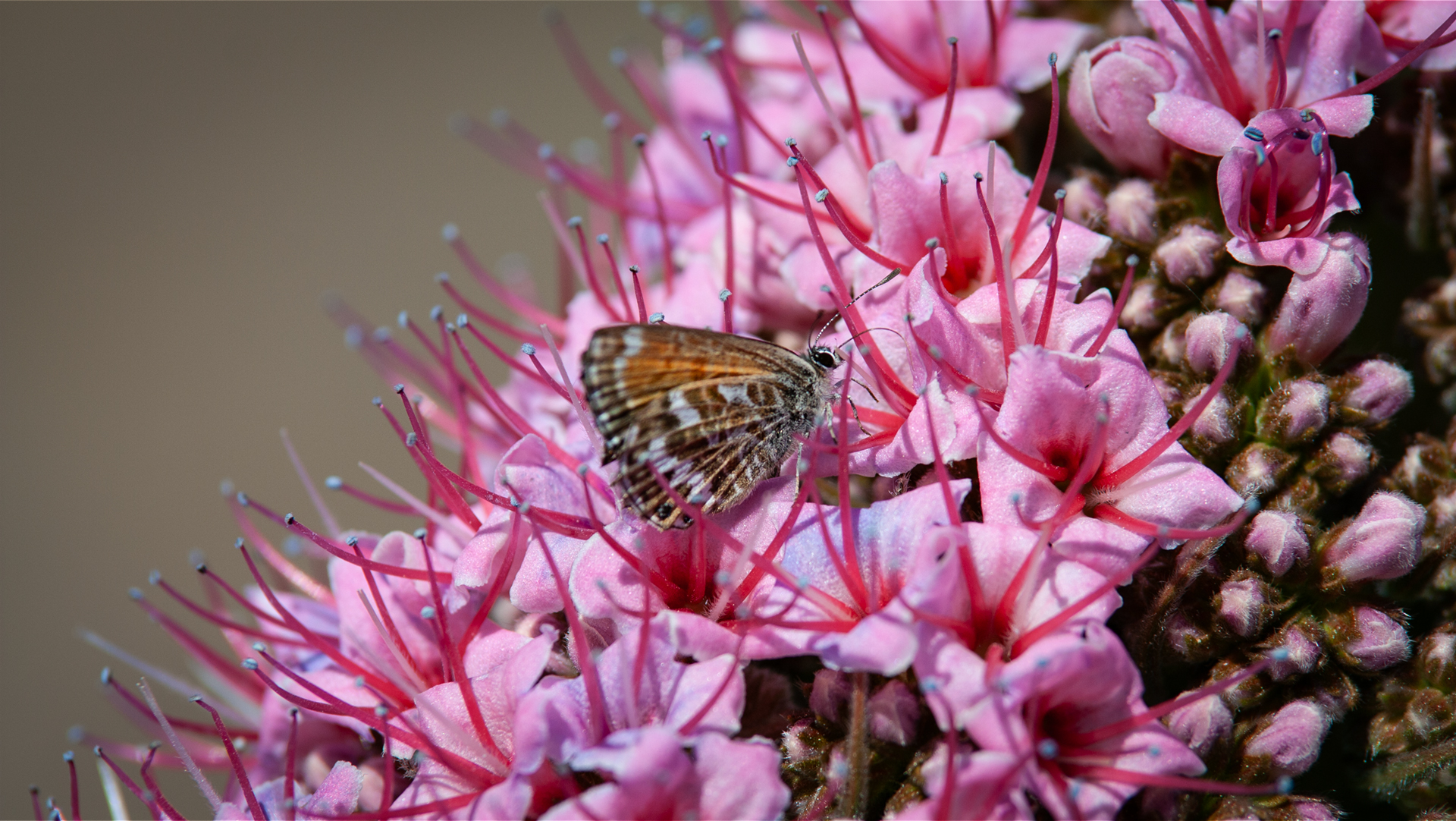
The tajinaste (Echium wildpretii) is endemic to the Canary Islands and grows exclusively at altitude on La Palma and Tenerife. Between May and June, the Cumbre ridge becomes scattered with extraordinary spires – up to 3 metres tall, covered in thousands of tiny red flowers – rising from dry volcanic soil against the sky. The best concentrations are along the high-altitude ridges of the LP-4, particularly near the Ruta de los Volcanes and the Pico de la Nieve.
Photo Tip:
Use a telephoto lens to isolate individual flower spires against the mountains or cloud sea. Wind is frequent at altitude, so set a fast shutter speed.
Cueva Bonita – Afternoon Light
The sea cave on La Palma’s west coast known as Cueva Bonita produces its famous light effect only in the afternoon, when low-angle sun enters the cave entrance and refracts off the water surface into turquoise and emerald patterns on the mineral-rich rock walls. The cave is accessible by boat only – for example from the harbour at Tazacorte. The light effect is strongest between 2 pm and 4:30 pm on sunny days.
Photo Tip:
A tripod is of little use on a boat. A shutter speed of at least 1/250 second prevents camera shake. A polarising filter reduces reflections on the water and brings out the colours of the rock.
Tajogaite Lava Field – Dramatic Textures
The 2021 lava field offers photographic subjects unlike anywhere else in Europe: raw black basalt in every imaginable texture, the new coastline where lava entered the sea, pioneering plants colonising fresh rock, and the Tajogaite cone as a backdrop. Early morning and late afternoon light works best on the dark surfaces.
The Mirador de Las Hoyas is ideal for wide-angle shots of the lava delta and coastline. Along the open paths between Tajuya and Jedey, you can capture close-up details of lava textures and the first pioneering plants.
Milky Way and Astrophotography
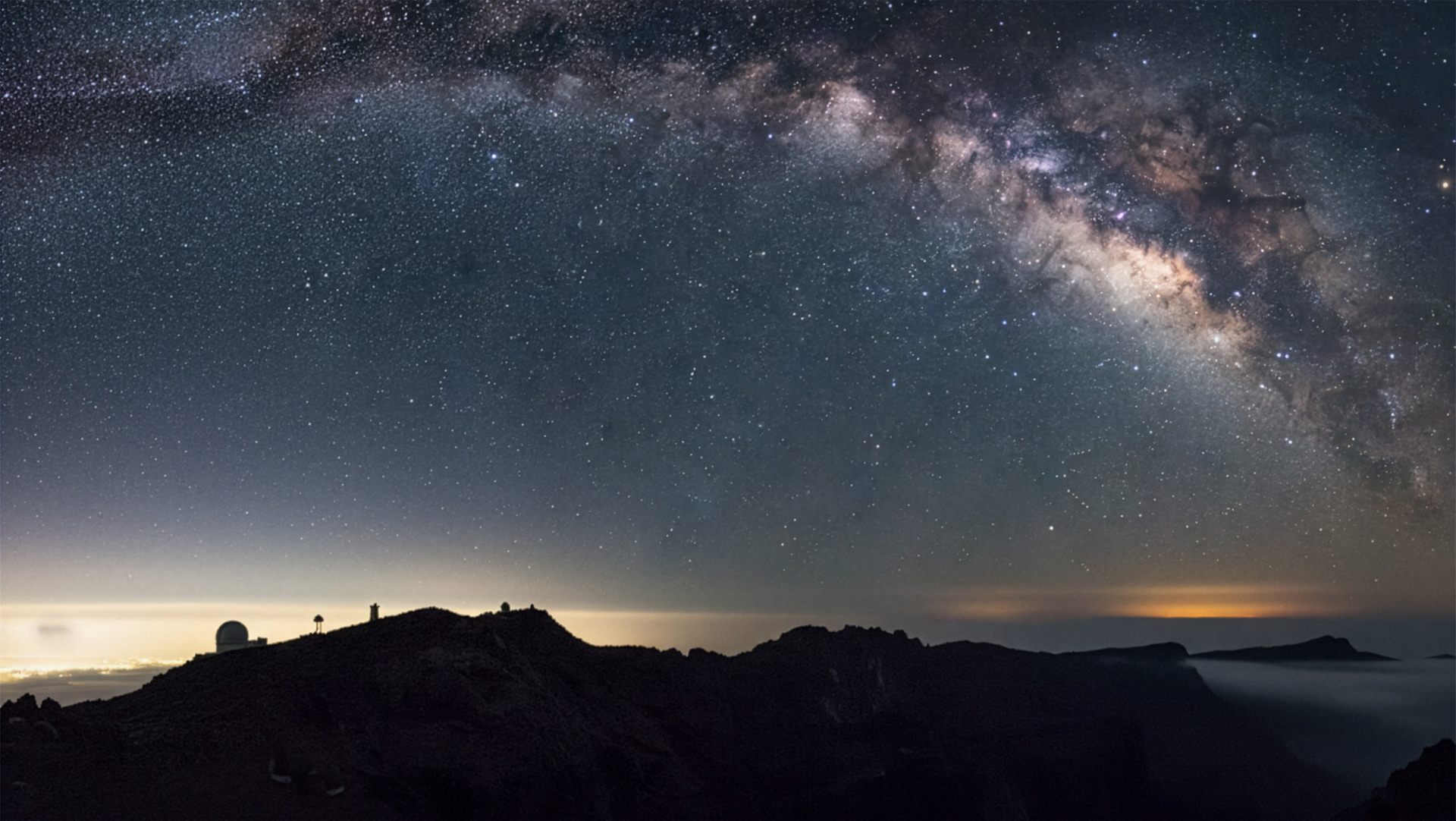
Thanks to strict dark sky legislation and the clear air at altitude, La Palma is one of the world’s best locations for astrophotography. The best conditions occur during the new moon phase between May and October, when the galactic core of the Milky Way is most clearly visible.
Important Note:
Road access to the summit area and the telescope car parks is closed to the public at night. The barrier typically remains shut between approximately 9 pm and 7 am.
For astrophotography, the freely accessible viewpoints along the LP-4 are therefore particularly well suited – such as the Mirador de Los Andenes or the Pico de la Cruz. The Llano del Jable car park on the LP-301 is also popular.
Equipment:
Tripod, fast wide-angle lens (f/1.8 to f/2.8), ISO 1600–3200, and exposure times of 15 to 20 seconds.
More Top Photography Locations
| Subject | Best Time | Location |
| Balcones Típicos | Morning (east light) | Avenida Marítima, Santa Cruz |
| Sunrise | Sunrise | Pico de la Cruz, Mirador de Los Andenes |
| Tajinaste blossom | May–June, morning | High-altitude ridges along the LP-4 |
| Cueva Bonita | 2:00–4:30 pm | Boat trip from Tazacorte |
| Tajogaite lava field | Golden hour | Mirador de Las Hoyas, Tajuya–Jedey |
| Almond blossom | January–February | Puntagorda and surroundings |
| Faro de Fuencaliente | Sunset | Southern tip of the island |
| Milky Way | New moon, May–October | Mirador de Los Andenes, Pico de la Cruz, Llano del Jable |
Practical Tips for Photographers on La Palma
La Palma’s light varies considerably depending on which side of the island you are on. Trade wind clouds create soft, diffused light in the north-east – ideal for photographing the laurel and cloud forests. On the west coast, the air is clearer, with warm afternoon light and strong contrasts.
The black lava beaches reflect far less light than pale sand. When exposed for the dark sand, the camera often overexposes the white foam of the waves. Spot metering on the bright areas – or a slight underexposure – helps. A graduated neutral density filter is also useful for balancing a bright sky.
Frequently Asked Questions (FAQ)
Which lens is most versatile on La Palma?
Which season is best for a photography trip?
Do I need a permit for astrophotography on La Palma?
Which camera is best for La Palma?
When is the light on La Palma at its best?
This article is based on the on-the-ground knowledge of the Gequo editorial team – publishers of the Reisezeit hiking guides and operators of Sunhikes.com. Last updated: May 2026