Notable Figures from La Palma – the Island and Its Faces
La Palma has around 83,000 inhabitants. Statistically speaking, launching an international career from here is unlikely – and yet it has happened more than once. A shoe designer whose creations are held in the world’s most important museums. A warrior regarded as the last resistance against the Spanish conquerors. And a film actress who captivated Hollywood in the 1940s.
Manolo Blahnik – World Star from Santa Cruz
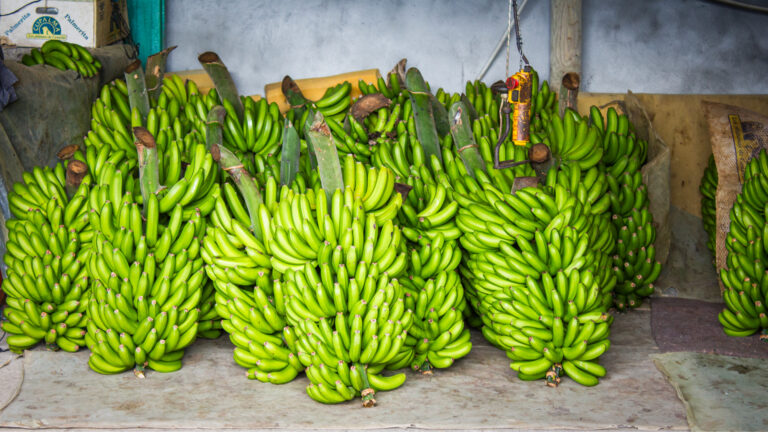
Manolo Blahnik was born in 1942 in Santa Cruz de La Palma and grew up on his parents’ banana plantation. His mother was Czech, his father Palmero. He studied literature and architecture in Geneva, later moved to New York, and became – as he himself tells it – a shoe designer almost by accident. By accident perhaps, but with the consistency and passion that make great world careers.
His creations became icons of international pop culture in the 1990s through the TV series ‘Sex and the City’. Today his designs are held in major museums around the world, including the Victoria and Albert Museum in London and the MoMA in New York. Manolo Blahnik is regarded as one of the most important shoe designers of the modern era. His connection to his home island remains unbroken to this day – and La Palma is proud of its most famous son.
Tanausú – the Symbol of Last Resistance
Tanausú was the chieftain of La Palma’s last independent tribal territory: Aceró, meaning ‘strong place’. When Spanish troops under Alonso Fernández de Lugo conquered the island in 1492, almost all the tribal territories submitted. Only Tanausú defended his realm in the west of the island – the Barranco de las Angustias, the ‘Ravine of Anguish’, a natural fortress on the edge of the Caldera de Taburiente.
He was eventually captured through a ruse. According to tradition, Tanausú refused any submission on the ship bound for Spain: he went on hunger strike, tore off his bandages, and finally threw himself into the Atlantic to escape captivity.
For the Palmeros he remains a symbolic figure to this day: the last who refused to be defeated. His name is omnipresent on La Palma – in streets, schools, and public institutions.
Maria Montez – Hollywood’s First ‘Queen of Technicolor’
Maria Montez is one of the most unusual celebrities with a connection to La Palma. Strictly speaking, she was not a Palmera: she was born in 1912 in the Dominican Republic. Yet her father hailed from Garafía in the north of La Palma – and the island therefore considers her one of its own. She herself called herself Spanish throughout her life.
In the 1940s, Montez became world-famous through Hollywood productions such as ‘Arabian Nights’ and ‘Ali Baba and the Forty Thieves’. Her exotic roles in lavish Technicolor films made her the legendary ‘Queen of Technicolor’. She died in 1951 at just 39 years of age. In Garafía especially she remains a cult figure to this day.
Luis Morera – the Voice and Face of the Island
Luis Morera (*1946) remains a living legend on La Palma today. His colourful mosaics adorn squares, parks, and public buildings; his music is part of the island’s cultural soundscape.
He combines Canarian folk music with jazz and folk, traditional craftsmanship with the influences of Gaudí’s Modernisme. As a sculptor, painter, musician, and poet, he is one of the most versatile artistic talents La Palma has ever produced.
Why La Palma Has So Few Celebrities – and Why That Is a Good Thing
83,000 people, and the world knows mainly one of them – Manolo Blahnik. That is an honest reckoning: La Palma is not an island that propels its gifted people upwards. The island holds them. The connection to home that Blahnik describes is not the exception but the pattern: Palmeros leave and come back, or they stay.
That explains the quality of life on La Palma. A society that holds onto its people develops a sense of community that has been lost on heavily commercialised islands. The festivals are not for visitors, the cuisine is not for Instagram, the markets are not for souvenir hunters. What La Palma has, it has for itself – and that makes it all the more valuable when you are fortunate enough to experience it.
Frequently Asked Questions (FAQ)
Did Manolo Blahnik really grow up on La Palma?
Which famous figures come from La Palma?
Why does Tanausú still play such an important role on La Palma?
Why has La Palma produced such significant figures despite its small size?
What makes La Palma's culture so special?
This article is based on the on-the-ground knowledge of the Gequo editorial team – publishers of the Reisezeit hiking guides and operators of Sunhikes.com. Last updated: May 2026