La Bajada de la Virgen: The Five-Year Festival
Every five years, La Palma holds its breath. The Bajada de la Virgen de las Nieves — the ceremonial descent of the island’s patron saint from her sanctuary above Santa Cruz de La Palma into the island capital — is the most significant religious and cultural event on the island. At the same time, it ranks among the most impressive popular festivals in the Canary Islands and all of Spain.
Tens of thousands of Palmeros return from around the world for this event. Over several weeks, Santa Cruz de La Palma transforms into one vast festival city, with processions, concerts, folklore, theatre, and traditional performances. Accommodation and hire cars are often booked more than a year in advance. The next regular Bajada will take place in the summer of 2030.
History and Significance
The origins of the Bajada are historically documented. In 1676, La Palma suffered a severe drought. With the harvests threatening to fail, the population brought the statue of the Virgin from her sanctuary — the Santuario de Nuestra Señora de las Nieves — down to Santa Cruz de La Palma to pray for rain.
When the long-awaited rains finally came, Bishop Bartolomé García Ximénez decreed in 1680 that this procession of thanksgiving should be repeated every five years. Since then, the Bajada has traditionally been celebrated in years ending in 0 or 5, and remains to this day one of the most important expressions of La Palma’s identity.
The Course of the Bajada
The Bajada is far more than a single procession. The festival programme extends over several weeks in summer and is traditionally divided into the Semana Chica and the Semana Grande. During this time, cultural and religious events take place daily, drawing visitors from across Spain.
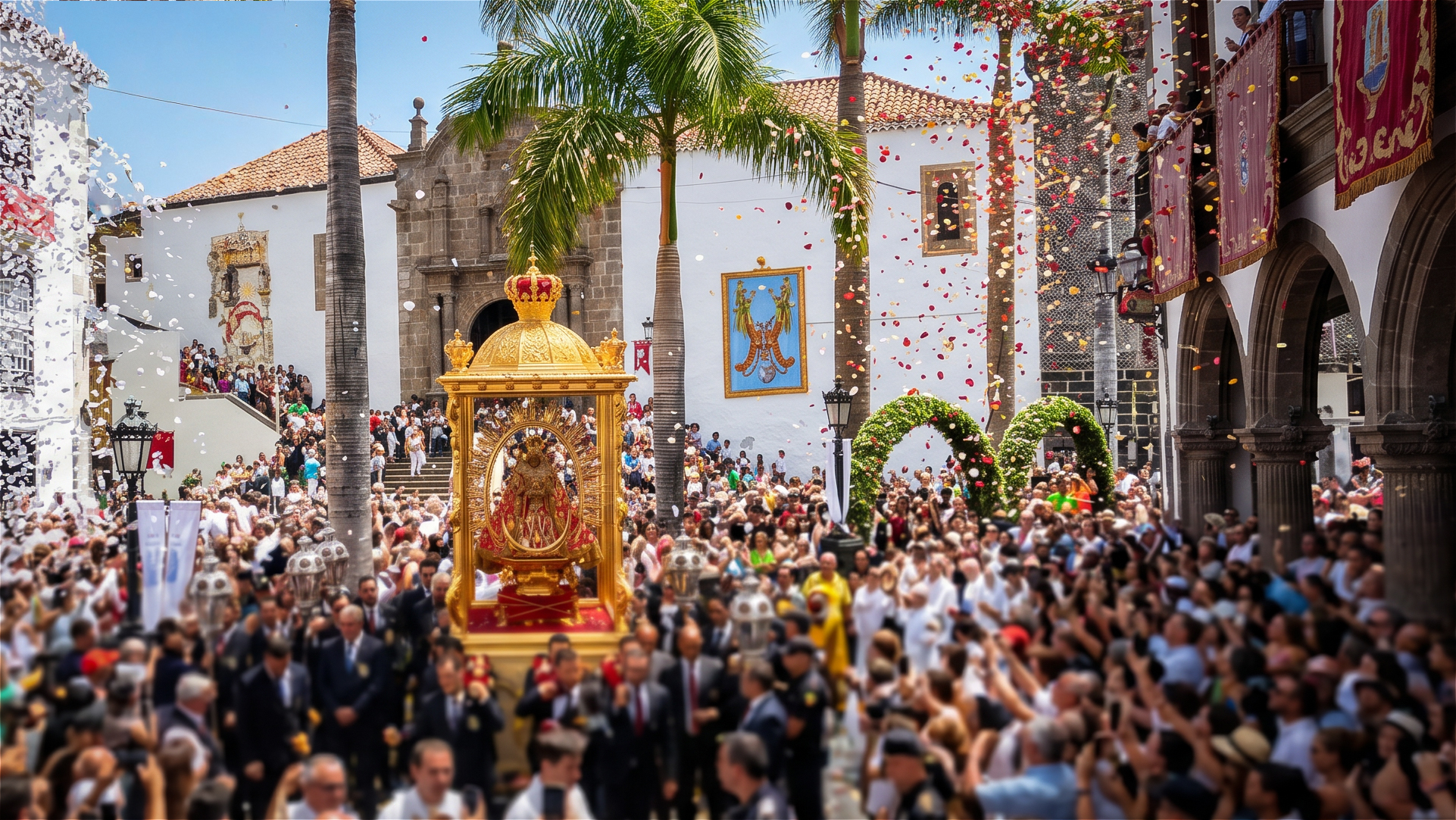
Among the best-known events are:
- El Minué – a ceremonial dance in 18th-century style, performed in historical costumes.
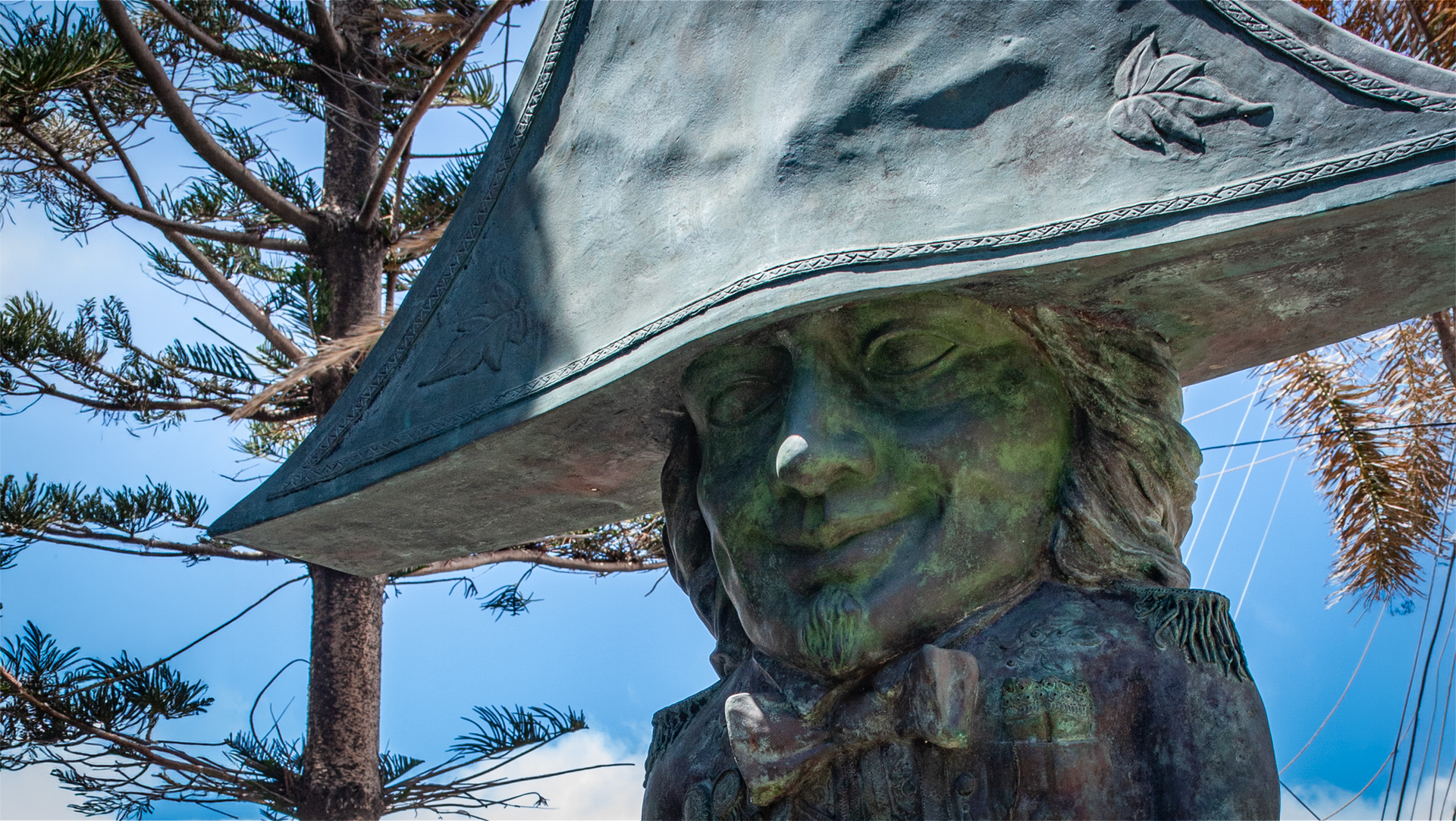
- La Danza de los Enanos – the famous Dwarf Dance and perhaps the best-known symbol of the Bajada. After a solemn introduction, the performers transform within seconds into the famous dwarves with their distinctive hats and dance through the streets of Santa Cruz for hours.
- La Loa – a traditional theatrical performance of a religious nature, accompanying the arrival of the patron saint.
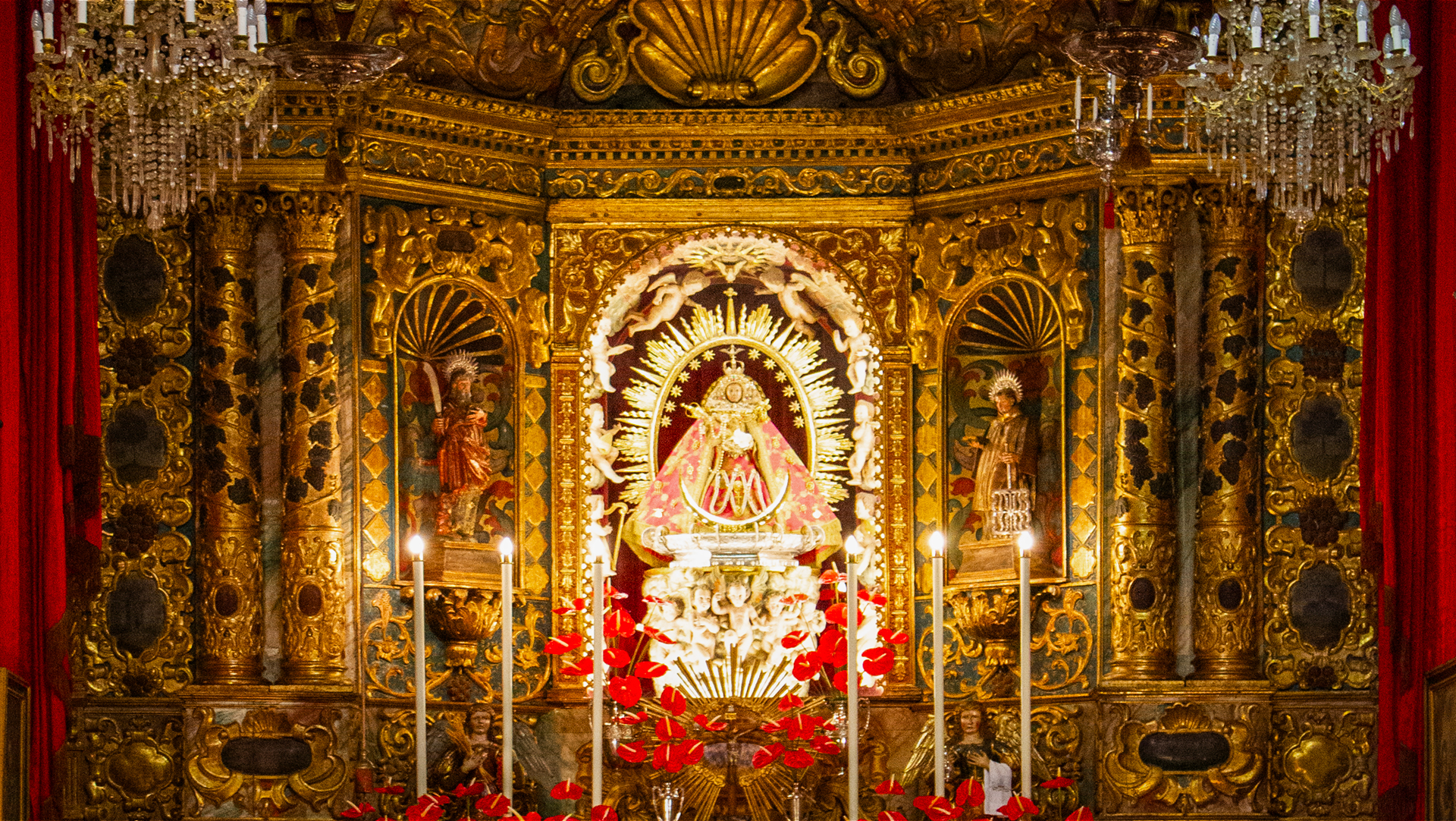
The emotional centrepiece is the Bajada itself: the precious 14th-century statue of the Virgin is carried in a solemn procession from the sanctuary above the city down to the centre of Santa Cruz. Thousands of the faithful accompany the procession in traditional dress, with music groups and folklore ensembles lining the entire route.
Practical Information for Visitors
| Topic | Recommendation | Planning Tip |
|---|---|---|
| Dates | Every five years (July and August) | The main events usually take place in July. |
| Tickets | Book early | Grandstand tickets for the Dwarf Dance are offered and often sell out quickly. |
| Accommodation | Book 12 to 18 months in advance | Santa Cruz in particular books up early during the Bajada. |
| Hire Car | Also book early | Demand across the entire island is very high during the festival weeks. |
Accommodation During the Bajada
During the Bajada, Santa Cruz de La Palma is in a state of festive exception. Anyone wishing to stay in the heart of the action should book their accommodation very early.
A relaxed alternative is accommodation on the western side of the island, around Los Llanos de Aridane, El Paso, or Tazacorte. Thanks to the road tunnel, Santa Cruz is just a short drive away, making it easy to return to quieter surroundings after the events.
A wide selection of holiday houses and fincas is available across the island. For the Bajada in particular, early booking is advisable, as many regular guests reserve their accommodation well in advance.
A Living Emblem of Palmeran Identity
The Bajada de la Virgen de las Nieves is far more than a religious festival. It combines history, faith, music, folklore, and the sense of community of the entire island. Anyone who wants to experience La Palma in all its cultural richness will find few better moments than the Bajada. The next opportunity comes in the summer of 2030.
Frequently Asked Questions
When is the next Bajada de la Virgen on La Palma?
What makes the Virgen de las Nieves so special?
Can you experience the Dwarf Dance without paying?
How far in advance should you book accommodation and a hire car?
Is the Bajada worth visiting for those not interested in religious festivals?
This article is based on the on-the-ground knowledge of the Gequo editorial team – publishers of the Reisezeit hiking guides and operators of Sunhikes.com. Last updated: May 2026