Canarian Food on La Palma – what you must have eaten
Canarian cuisine is not fusion food, not a food trend, not an Instagram concept. It is an unpretentious cuisine shaped by poverty and island life, turning a few honest ingredients into dishes that you don’t forget easily. Eating on La Palma means eating the Atlantic, volcanic soil, and centuries-old tradition – on one plate.
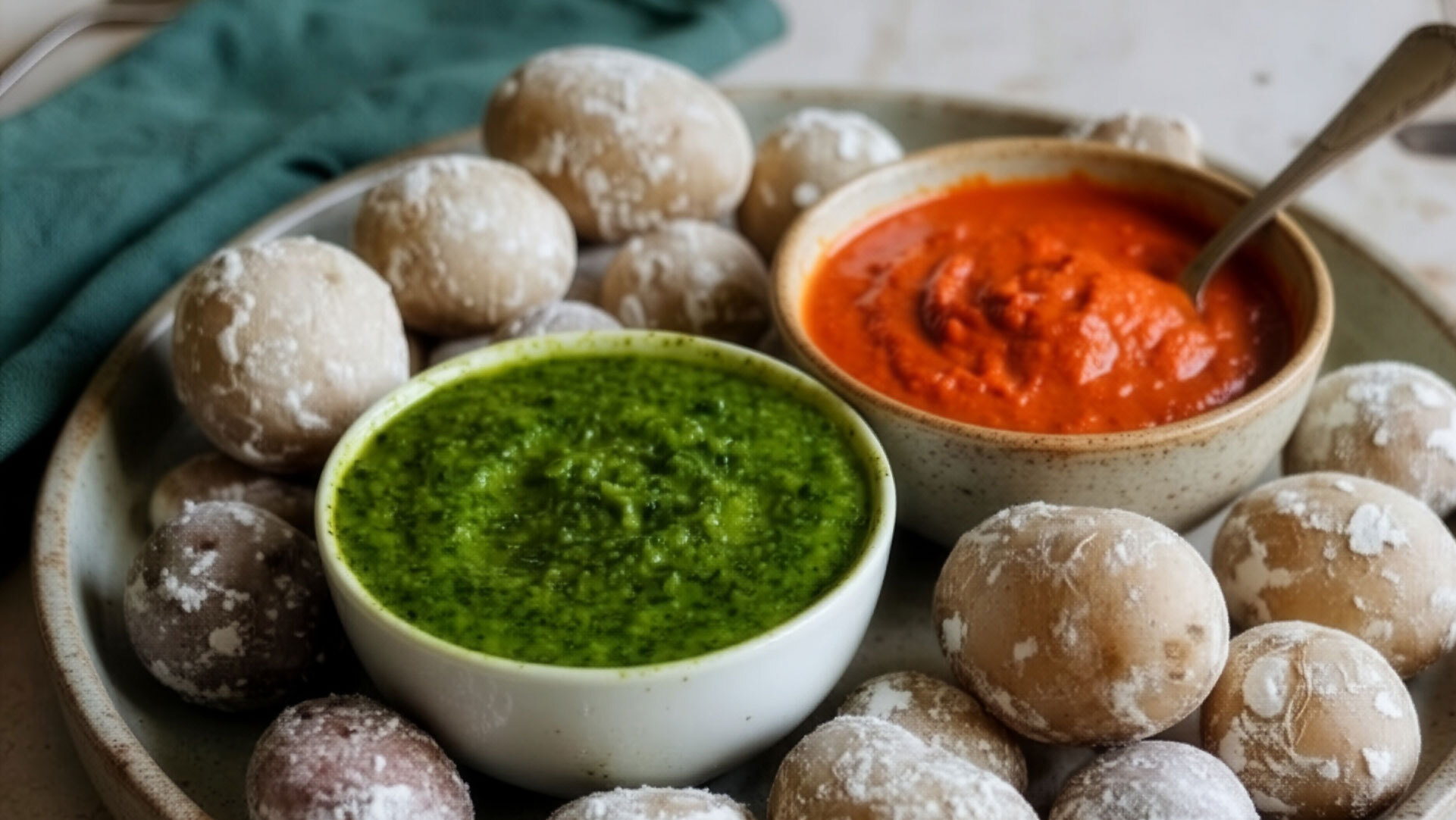
1. Papas arrugadas con mojo
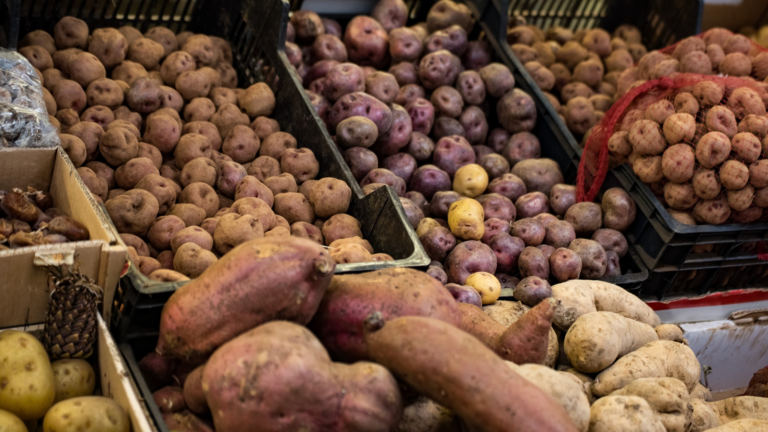
The archetype of Canarian cuisine: small potatoes (often black papas negras from the volcanic soil), cooked in heavily salted water until the skin wrinkles. Served with mojo rojo (spicy, with paprika and garlic) or mojo verde (fresh, with coriander and parsley). No other dish represents La Palma better.
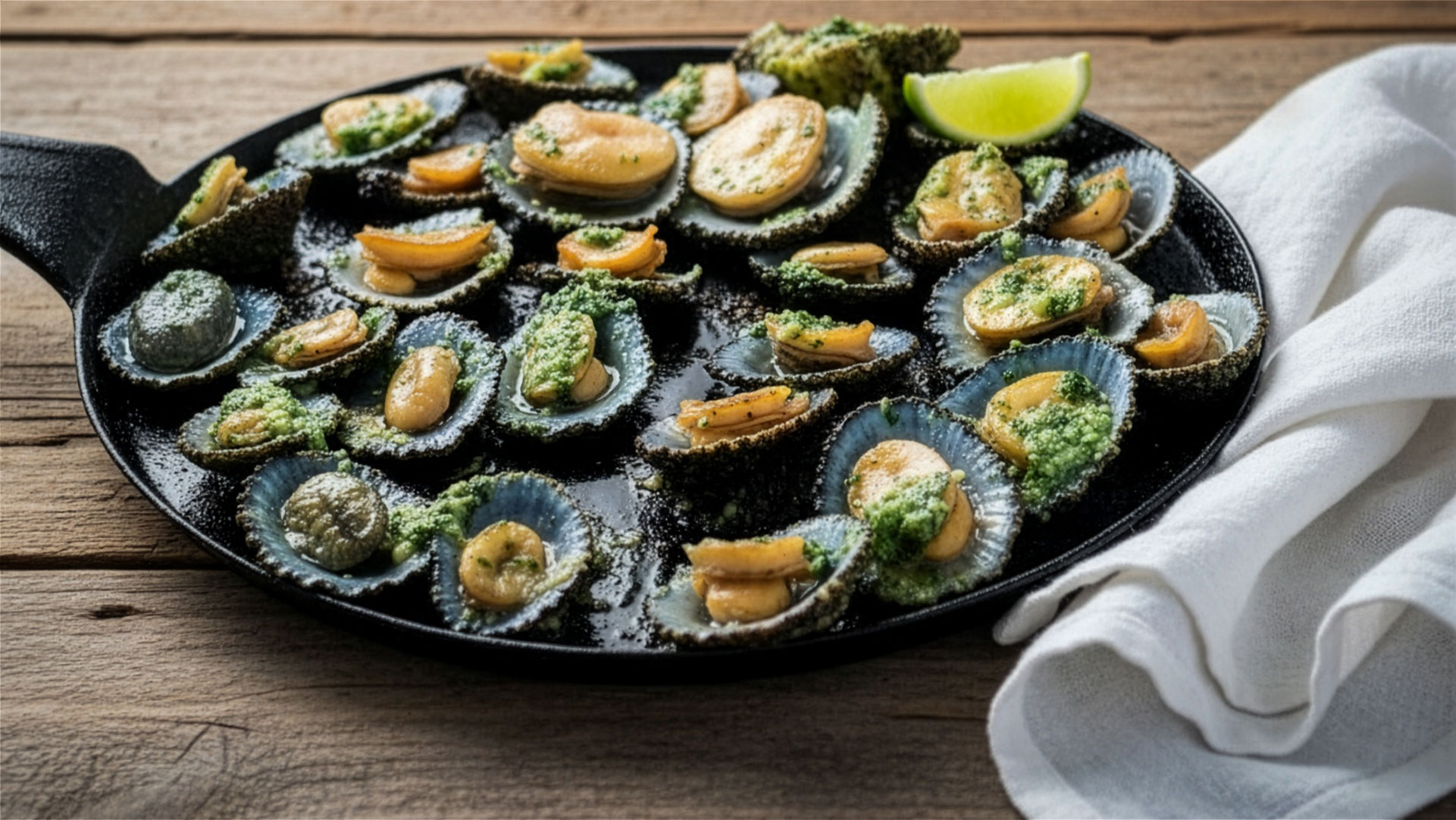
2. Lapas a la plancha
Limpets grilled on a hot stone with lemon and a touch of mojo verde. La Palma is Canarian, the sea is Canarian, and the lapa is the seafood symbol of the islands. In every harbour restaurant, best enjoyed right by the water.
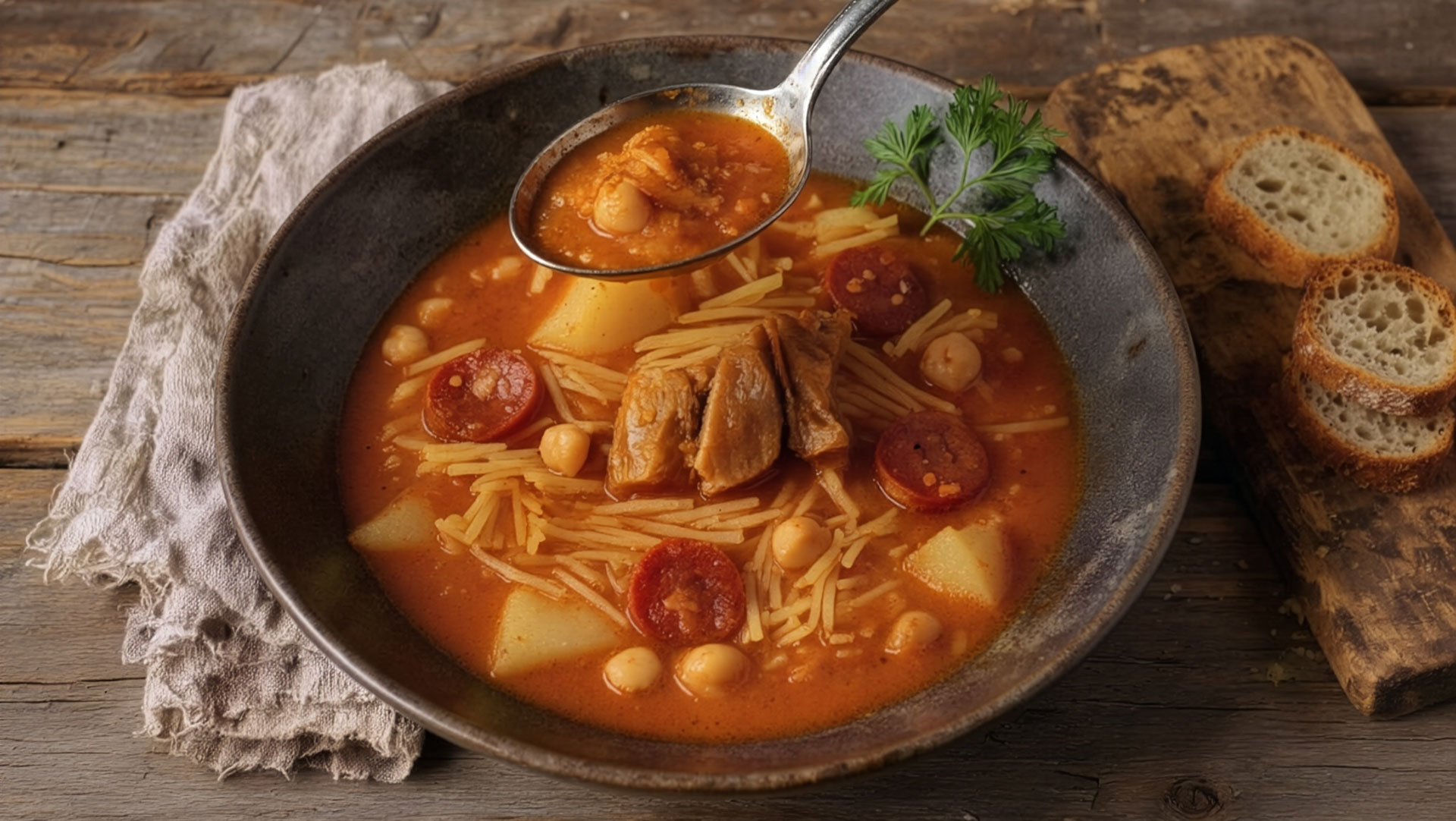
3. Rancho canario
This hearty Canarian stew is pure comfort food. The key ingredient is chickpeas (garbanzos), accompanied by potatoes, pasta, vegetables, and substantial meat such as chorizo and pork. Rancho Canario is more substantial than a classic vegetable soup and is one of the traditional dishes served particularly on cooler days in the mountain villages of La Palma. It tastes most authentic in simple village restaurants and family-run establishments.
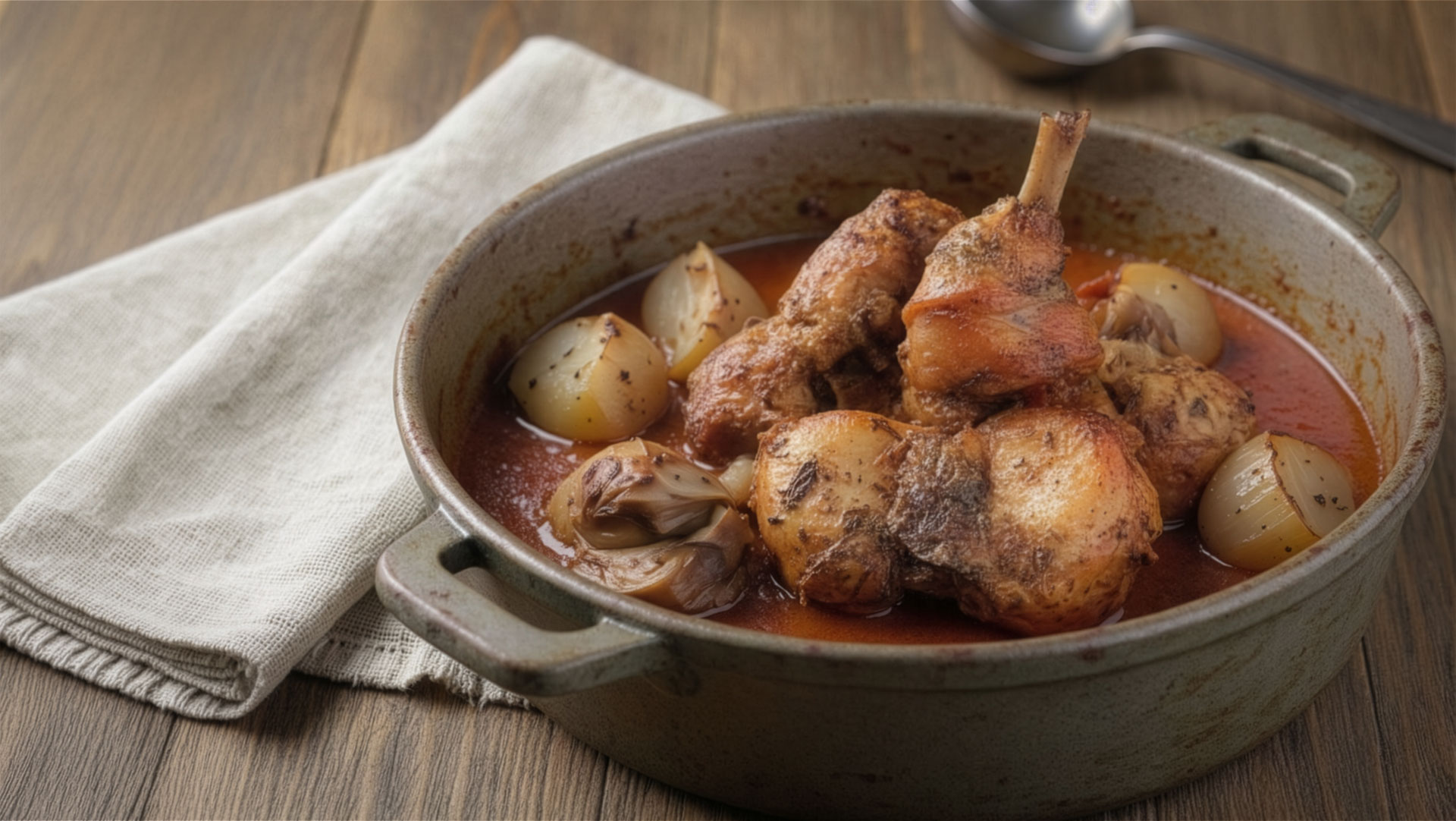
4. Conejo en salmorejo
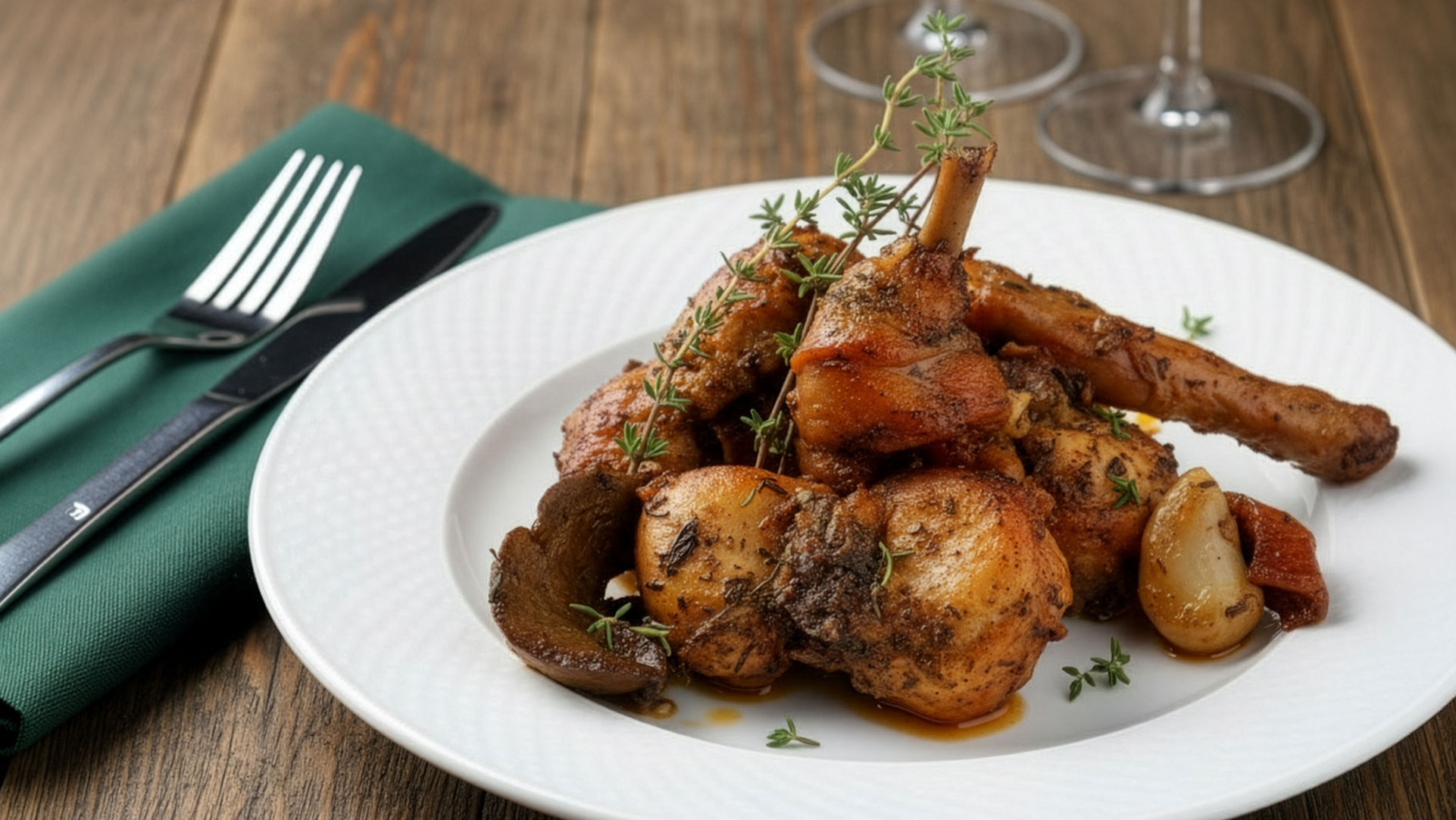
Rabbit marinated in vinegar, garlic, paprika, oregano, and thyme – slowly braised until the meat falls from the bone. The Sunday dish of Palmero cooking, found in the village restaurants of the interior.
5. Gofio
Gofio is roasted, coarsely ground grain – wheat or maize, sometimes mixed. The staple food of the Benahoaritas and still present today: as gofio de miel (with honey for breakfast), as gofio escaldado (stirred into stock), as a dessert, or as an ingredient in Canarian cooking. A flavour you won’t have encountered before.
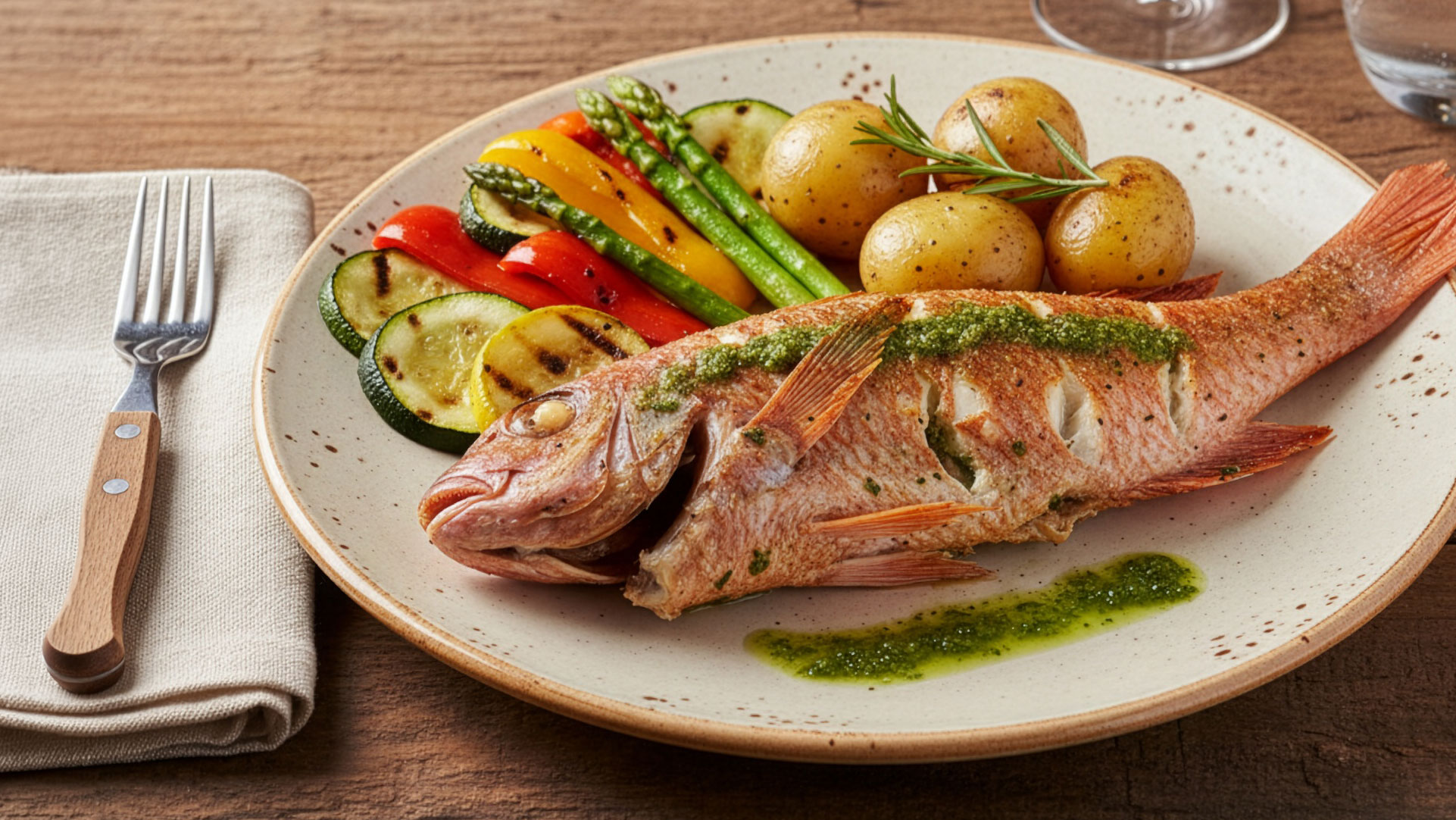
6. Vieja a la plancha
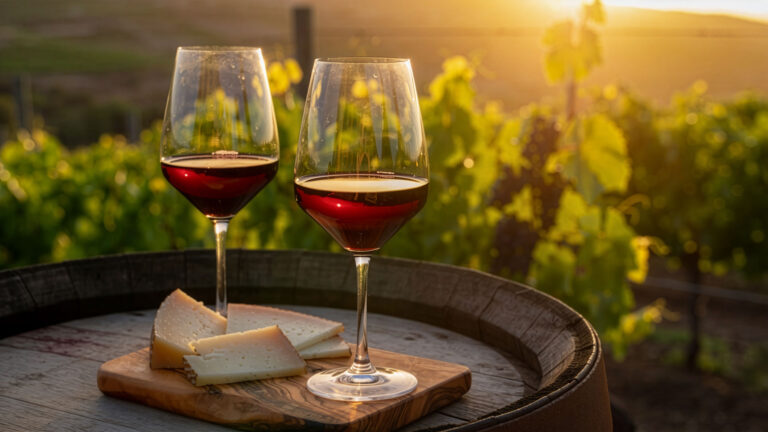
The Vieja (parrotfish) is the most typical fish of La Palma: colourful, rock-dwelling, simple and good on the grill. With papas arrugadas, mojo, and a glass of Malvasía – that is the complete island lunch.
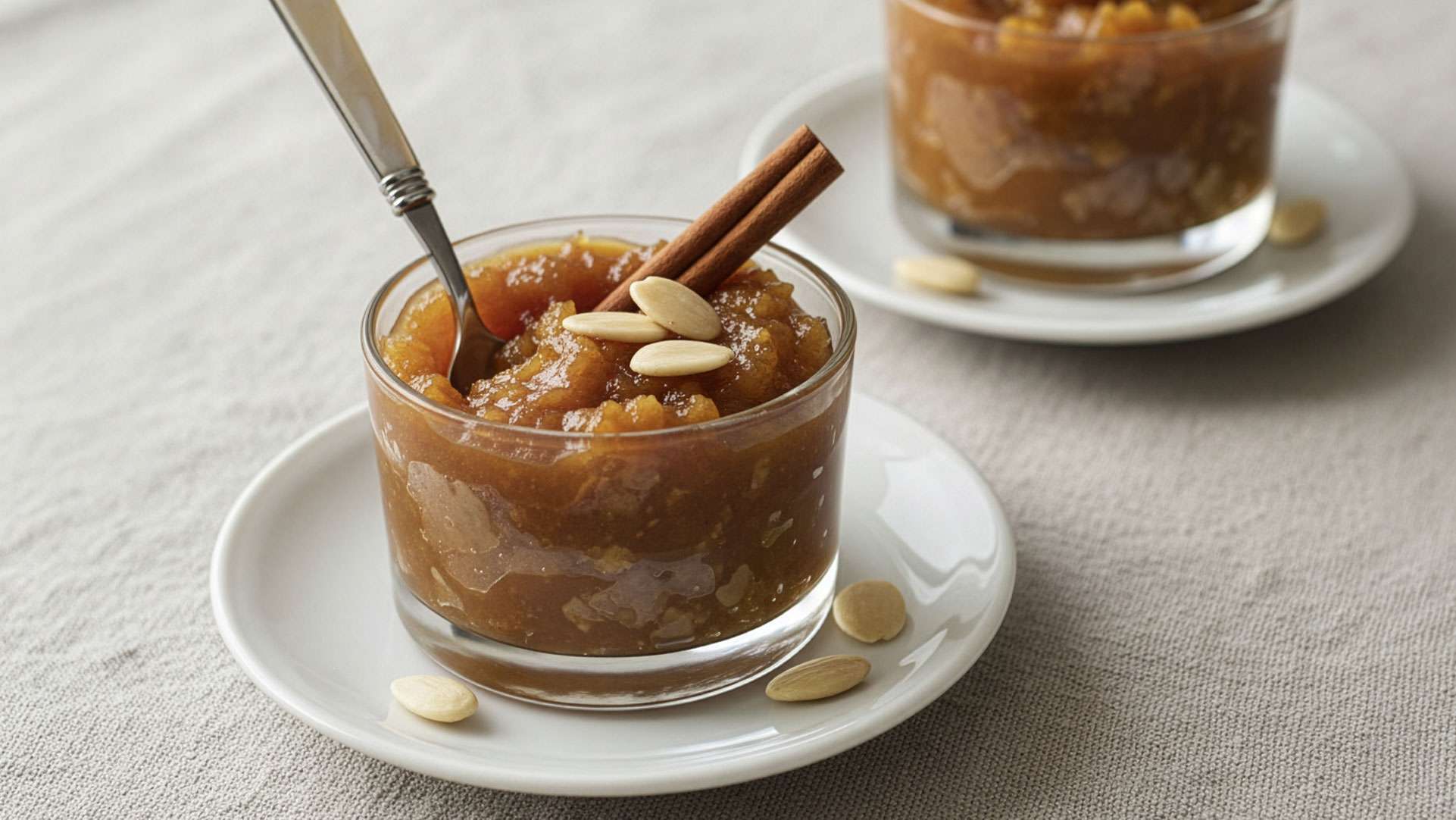
7. Bienmesabe
A dessert made from ground almonds, sugar, egg yolk, lemon zest, and occasionally rum. The name means ‘it tastes good to me’ – which is accurate. On La Palma, made with almonds from Puntagorda, it is particularly rewarding.
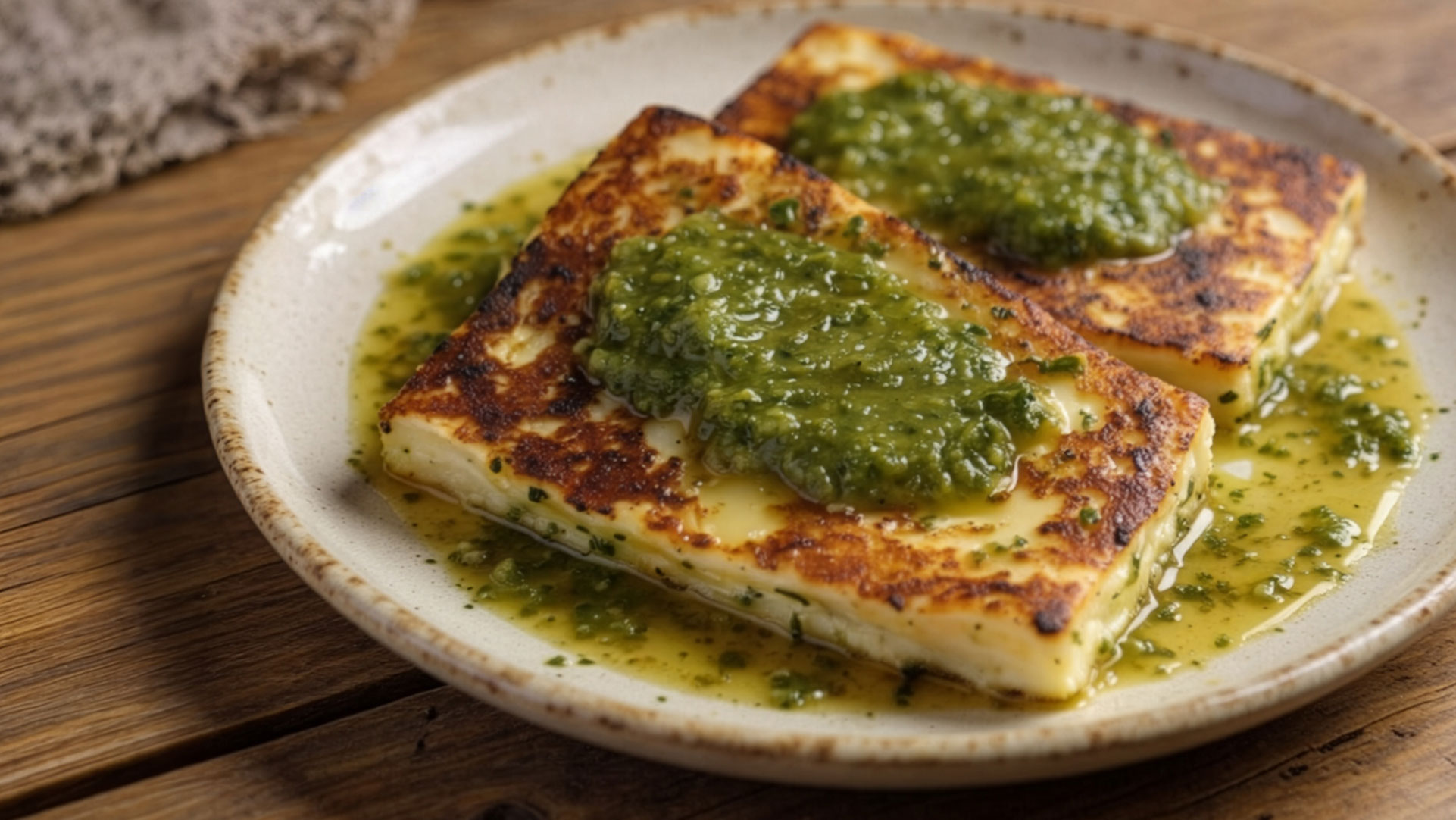
8. Queso asado con mojo
Grilled goat’s cheese is one of the most popular starters on La Palma. The mild Queso Palmero is usually briefly grilled on both sides on the plancha until golden brown on the outside and pleasantly warm inside. Traditionally served with mojo rojo and mojo verde and a little bread.
A particularly fine example of this combination of regional products and modern island cuisine can be found at Camu Camu in Las Tricias. Here, Palmero goat’s cheese is interpreted with great creativity, demonstrating how versatile the island’s traditional ingredients can be.
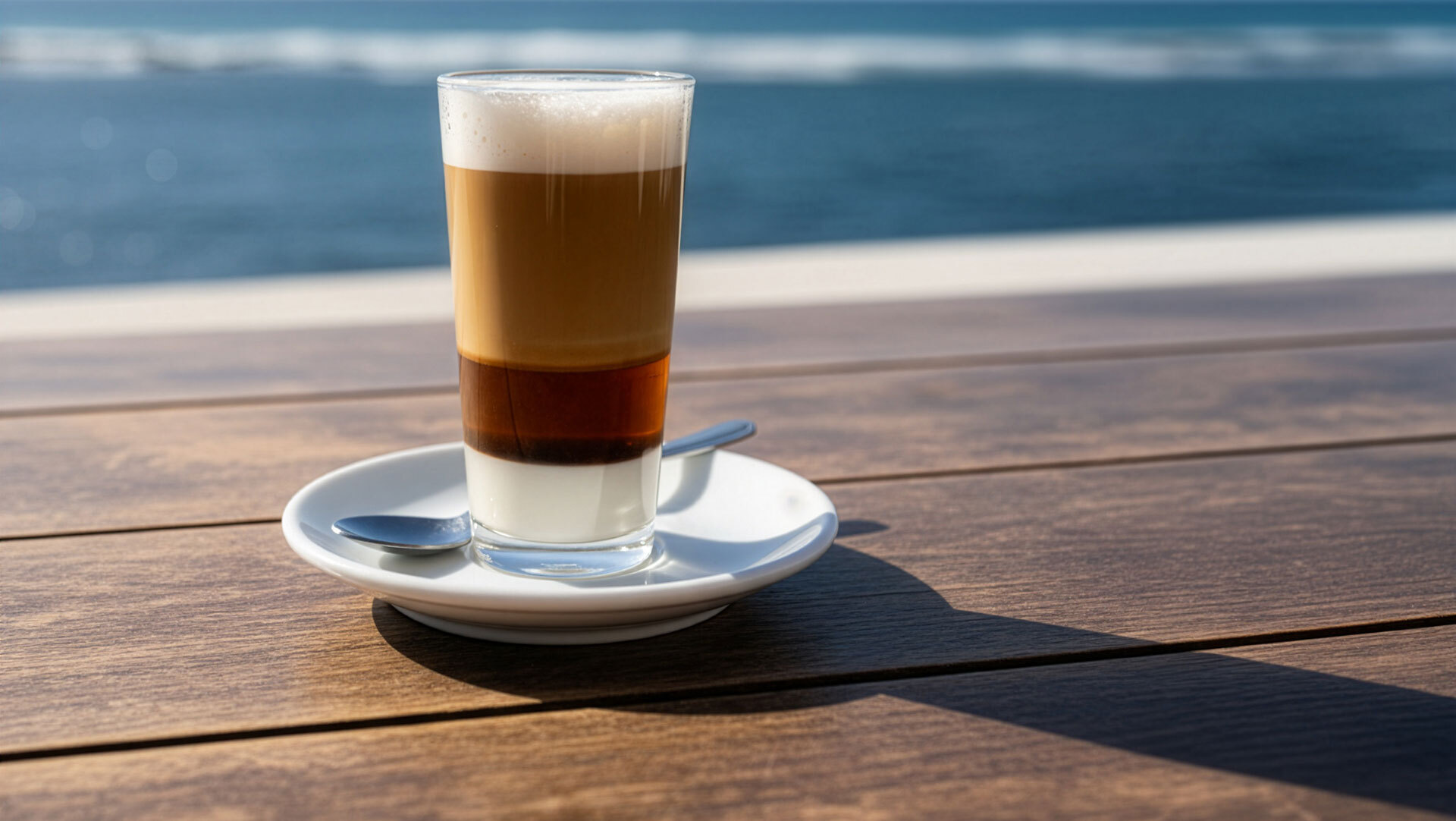
9. Barraquito
The Barraquito (in the north of La Palma often also called Zaperoco) is a small coffee artwork in a glass. The traditional composition consists of several layers: at the bottom lies sweet condensed milk (leche condensada), then a shot of Licor 43, followed by espresso and frothed milk. The drink is finished with lemon zest and a pinch of cinnamon.
Important: First admire the artful layers, then stir vigorously and enjoy. The typical sweet flavour comes primarily from the condensed milk – not from honey rum.
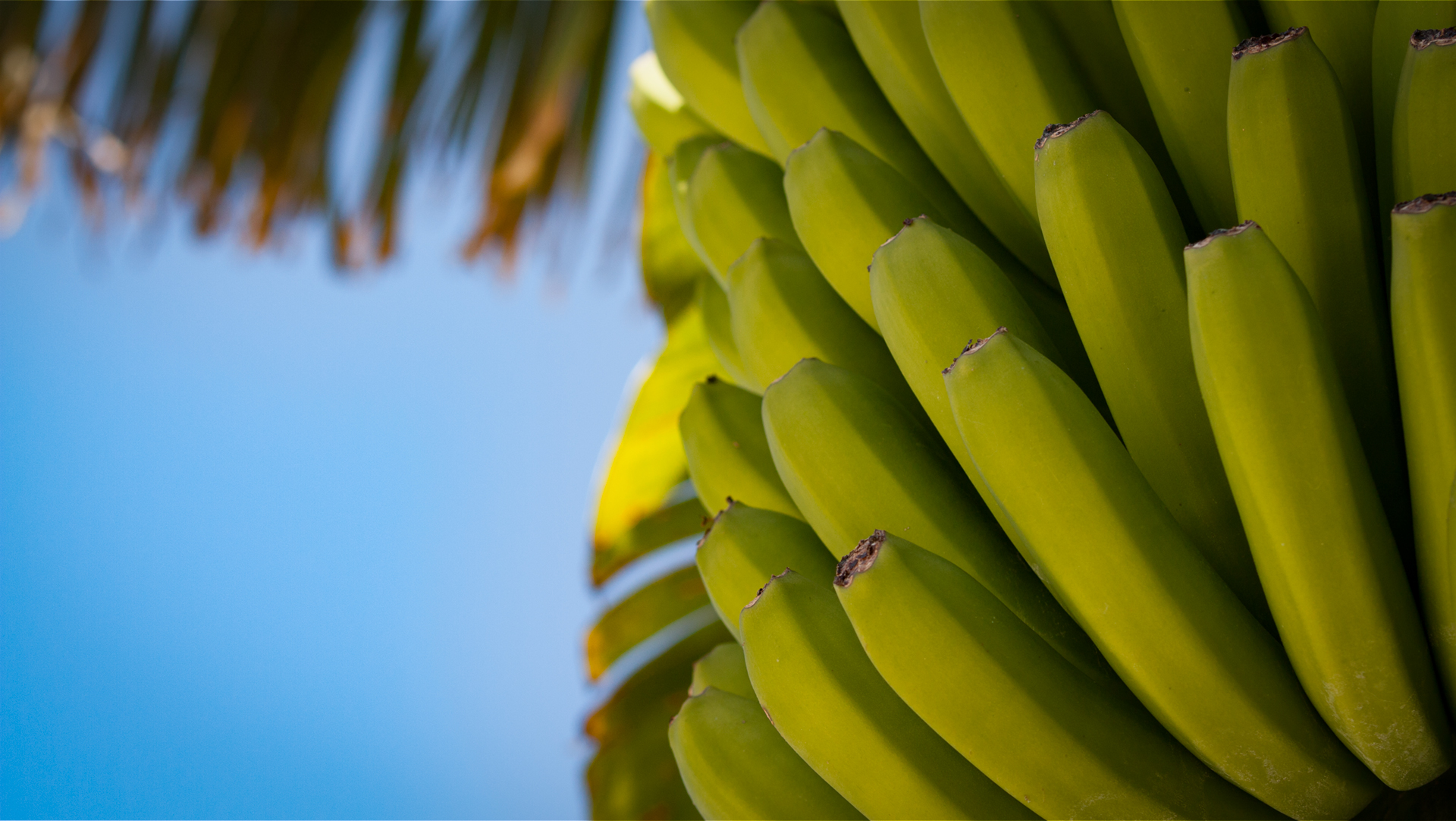
10. Plátano canario – just as it comes
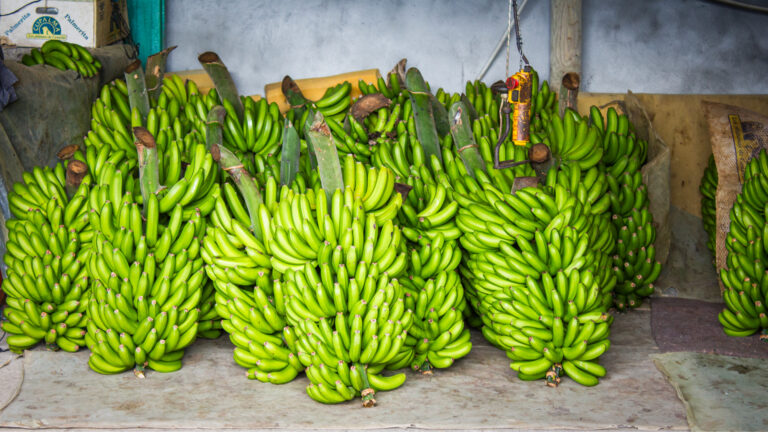
Yes – a banana. But the Plátano Canario from La Palma, fresh from the grower, is a different product from the supermarket banana. Smaller, more aromatic, sweeter, with a flavour that carries within it 150 years of banana-growing history on the island. Simply buy and eat – at the market, on the beach, on the go.
Where to Eat Best on La Palma
La Palma’s culinary treasures are rarely found in large hotel complexes, but in the traditional tascas, bodegones, and small family restaurants of the villages.
In Los Llanos de Aridane: Around the Plaza de España and the pedestrian zones of the old town there are numerous bars and restaurants serving Canarian tapas, local wines, and small sharing dishes.
In Puerto de Tazacorte: The harbour promenade is one of the best addresses on the island for fresh fish and seafood. Specialities such as Vieja, grilled lapas, or the fresh catch of the day come straight from the Atlantic onto the plate.
In the island interior: The smaller village restaurants in particular often serve the most authentic cuisine. Here you find traditional dishes such as Rancho Canario, Conejo en Salmorejo, or Queso asado – frequently to recipes passed down through generations.
Around Las Tricias and Garafía: The region is known for its rural cooking, goat’s cheese, almonds, and traditional products. On the village square in Las Tricias, Camu Camu is a wonderful stopping point. The restaurant combines regional ingredients with a modern approach and offers, alongside Canarian products, vegetarian and vegan dishes as well as fresh seasonal specialities.
A tried-and-tested tip:
Follow the locals. A restaurant with plenty of locals’ cars parked outside at lunchtime is often a good sign of honest cooking, fair prices, and genuine Palmero atmosphere.
Frequently Asked Questions (FAQ)
Which typical drinks should you try on La Palma?
What is a typical breakfast on La Palma?
Is there a beer that is typical of La Palma?
Which local products make good culinary souvenirs from La Palma?
What makes La Palma's cuisine different from that of the other Canary Islands?
This article is based on the on-the-ground knowledge of the Gequo editorial team – publishers of the Reisezeit hiking guides and operators of Sunhikes.com. Last updated: May 2026