Beaches on La Palma – Black, Wild and Rarely Crowded
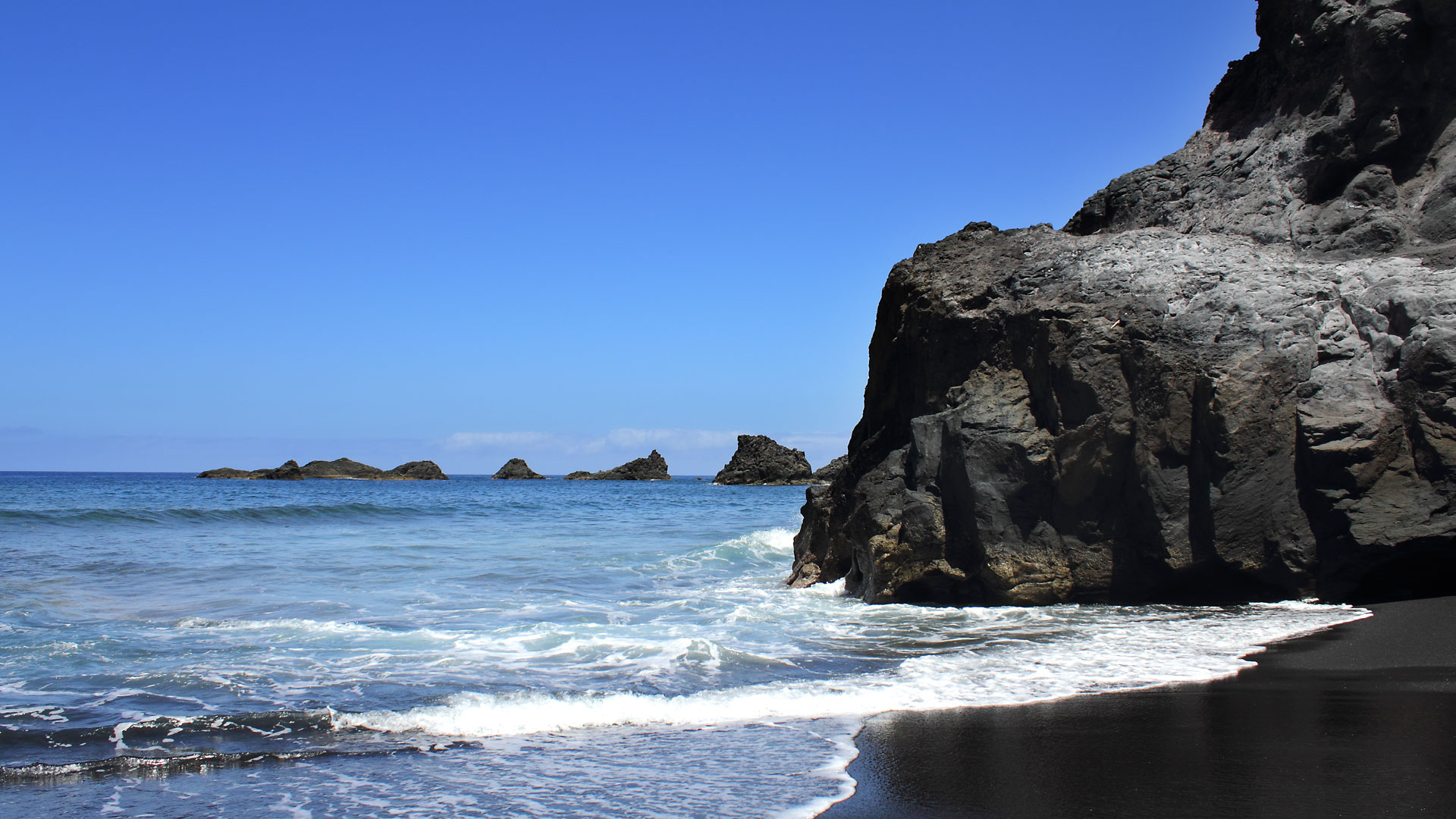
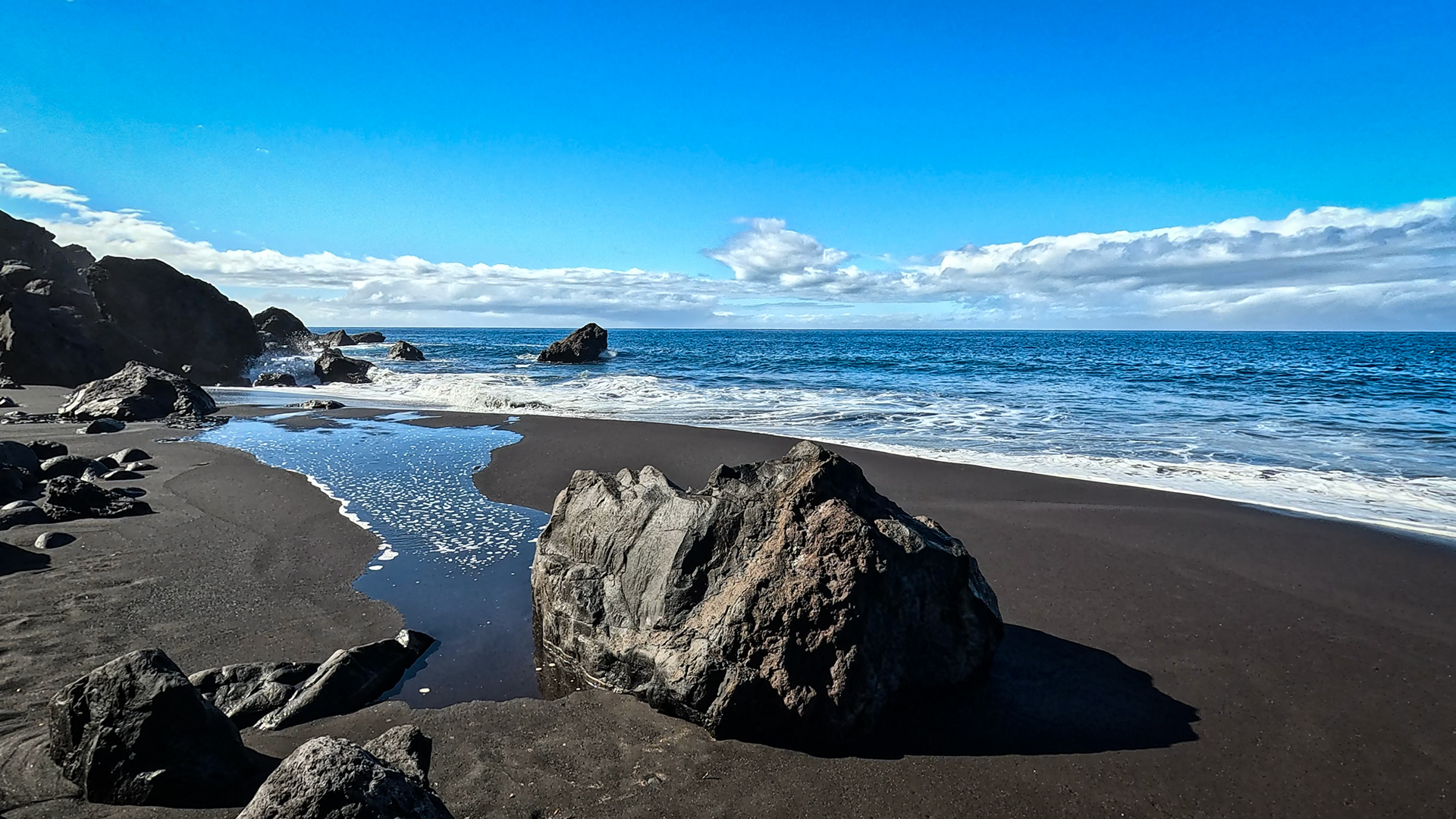
La Palma is not a classic beach-holiday island – and that is precisely its invaluable advantage. Those looking for wide white sandy beaches with sun loungers, beach bars, and entertainment will find them more readily on Tenerife or Gran Canaria. Anyone wanting to discover hidden coves beneath dramatic cliffs, black volcanic sand, or natural seawater pools carved into lava rock will find a coastline on La Palma that has remained unspoilt and unique.
The Main Beaches and Natural Pools at a Glance
Playa de Nogales (Puntallana) – the Wild Dream Beach in the North-East
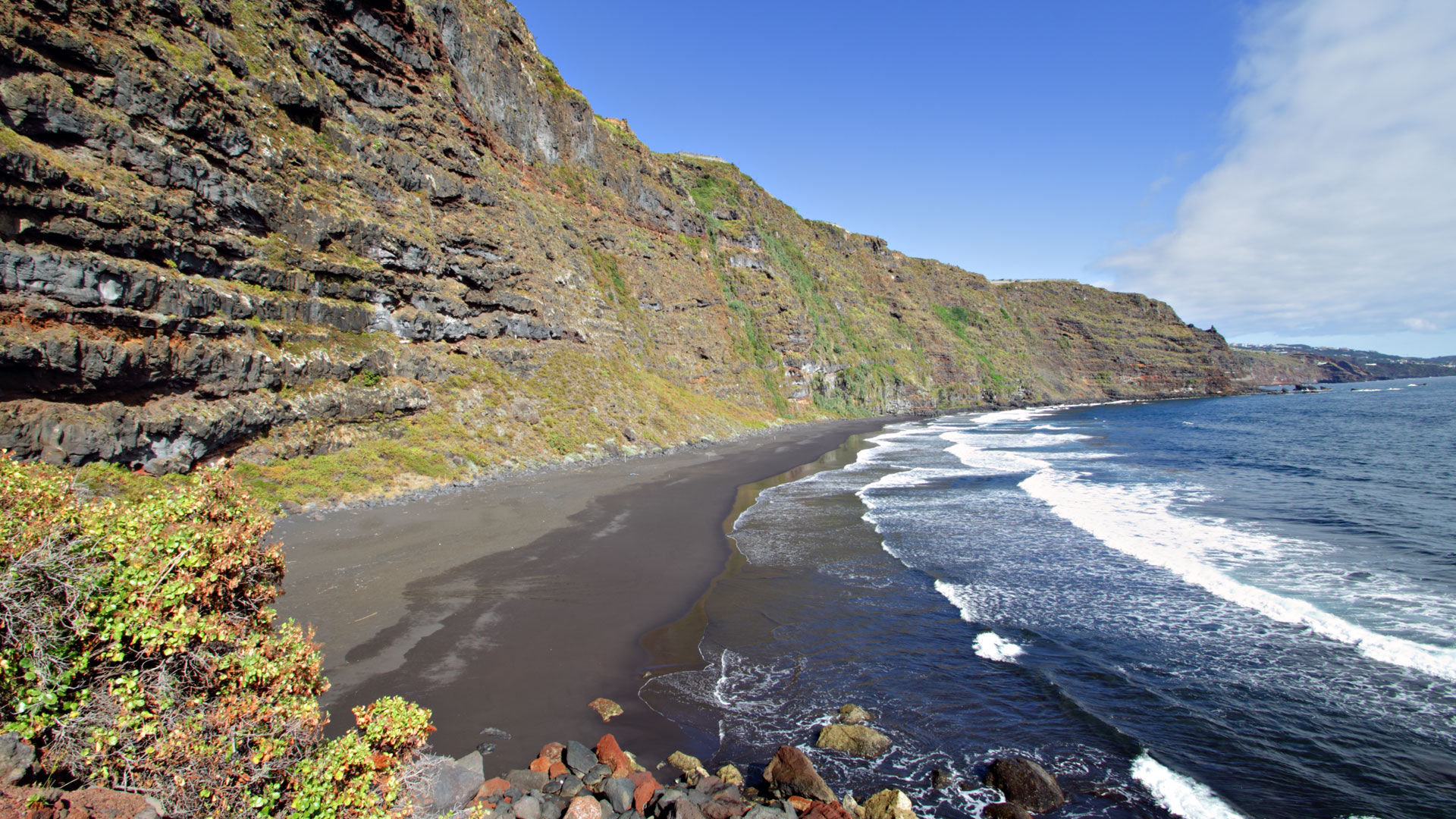
Playa de Nogales is one of the most impressive natural beaches in the Canary Islands. A black sand beach around 500 metres long lies nestled between steeply rising, green-covered rock faces and reveals the wild side of the Atlantic.
Access leads from the car park down a path built into the cliffs to the sea, taking about 15 minutes. Halfway down lies the small sea cave Cueva del Infierno, making the descent even more varied.
The surf here is often powerful. Surfers appreciate the waves, but swimming is only very limited due to strong currents and the exposed Atlantic position. Nogales is therefore most impressive as a nature experience, a photography destination, and a place for long beach walks.
Charco Azul (San Andrés y Sauces) – Swimming in Lava Rock
Charco Azul is one of La Palma’s best-known natural bathing spots. Here the volcanic landscape has formed sheltered seawater pools in the black basalt.
The site offers ideal conditions for a relaxed day by the water: several pools, a separate area for children, sunbathing terraces, showers, and a restaurant right beside the sea. The sheltered position makes swimming considerably more comfortable than at many of the island’s open beaches. Particularly in summer and at weekends, many locals come here too – anyone seeking peace and quiet should arrive early in the morning.
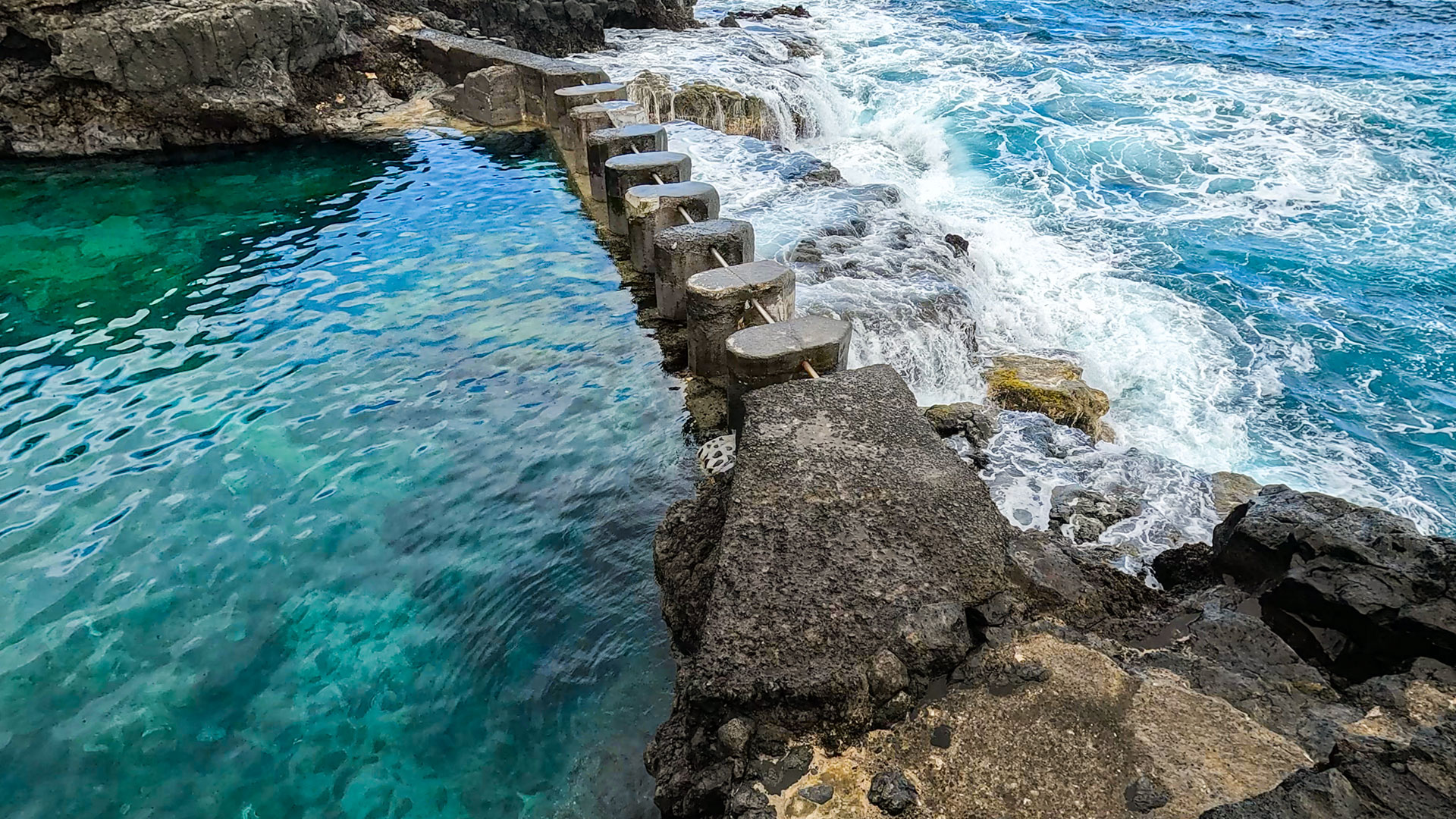
La Fajana (Barlovento) – Original Lava Pools in the North
In the north of the island lie the natural pools of La Fajana, which feel somewhat quieter and more unspoilt than the better-known Charco Azul.
Three seawater pools have been integrated into the volcanic coastline here and made accessible via paths and steps. Above the pools is a restaurant with fine views over the Atlantic. In calm seas, La Fajana is a wonderful place to swim. In winter or in heavy swell, however, Atlantic waves can break over the protective walls – bathing should then be avoided.
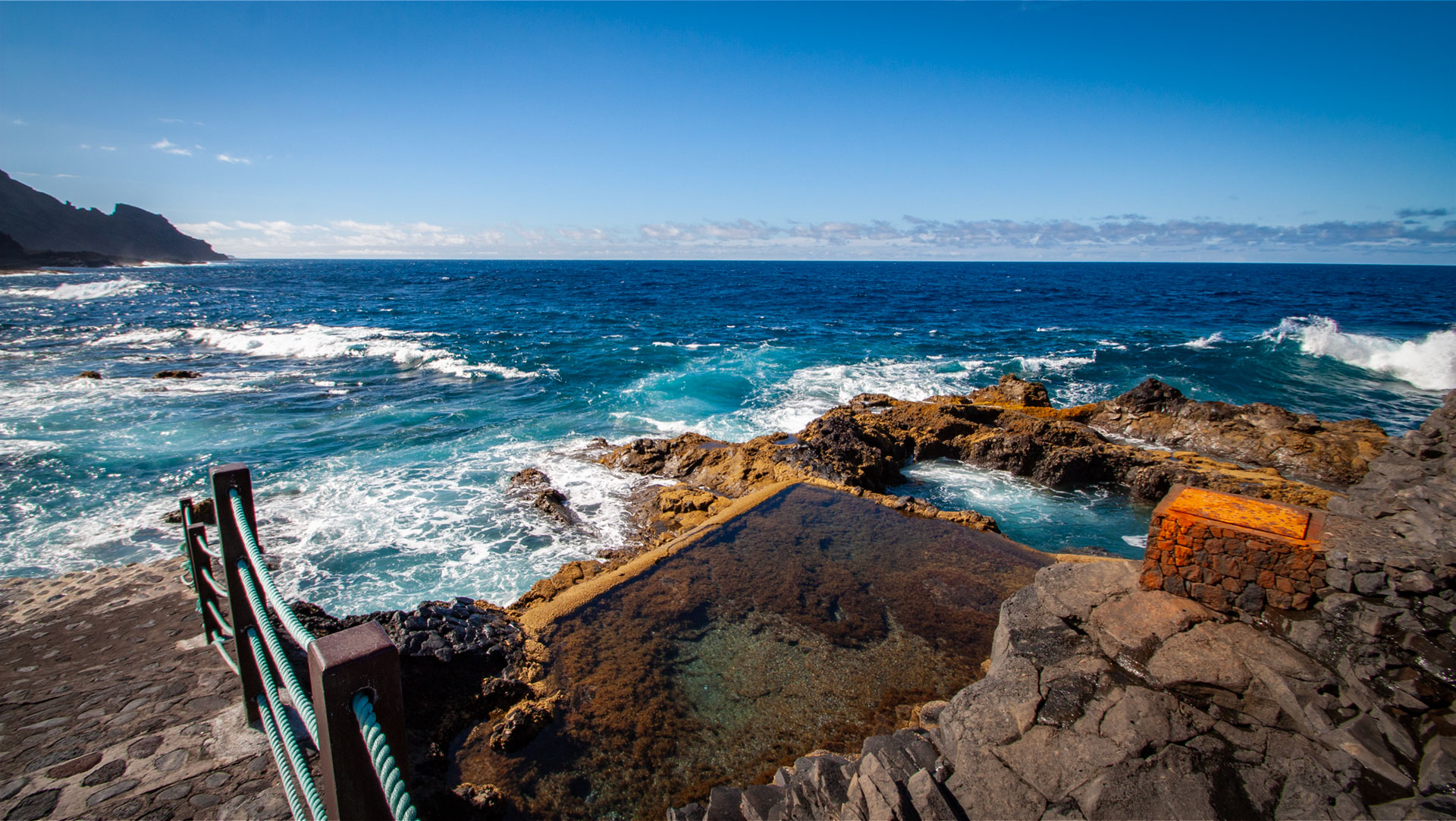
Playa de Los Cancajos (Breña Baja) – La Palma’s Family Beach
Anyone looking for an uncomplicated day at the beach with children will find the best infrastructure on the island at Los Cancajos.
The black sand bay near Santa Cruz de La Palma is protected by natural rocks and breakwaters. The water is usually calm and suitable for snorkelling. There are also restaurants, showers, toilets, sunbathing areas, and a promenade right beside the sea. Los Cancajos may not be La Palma’s most spectacular beach – but it is the most practical and family-friendly.
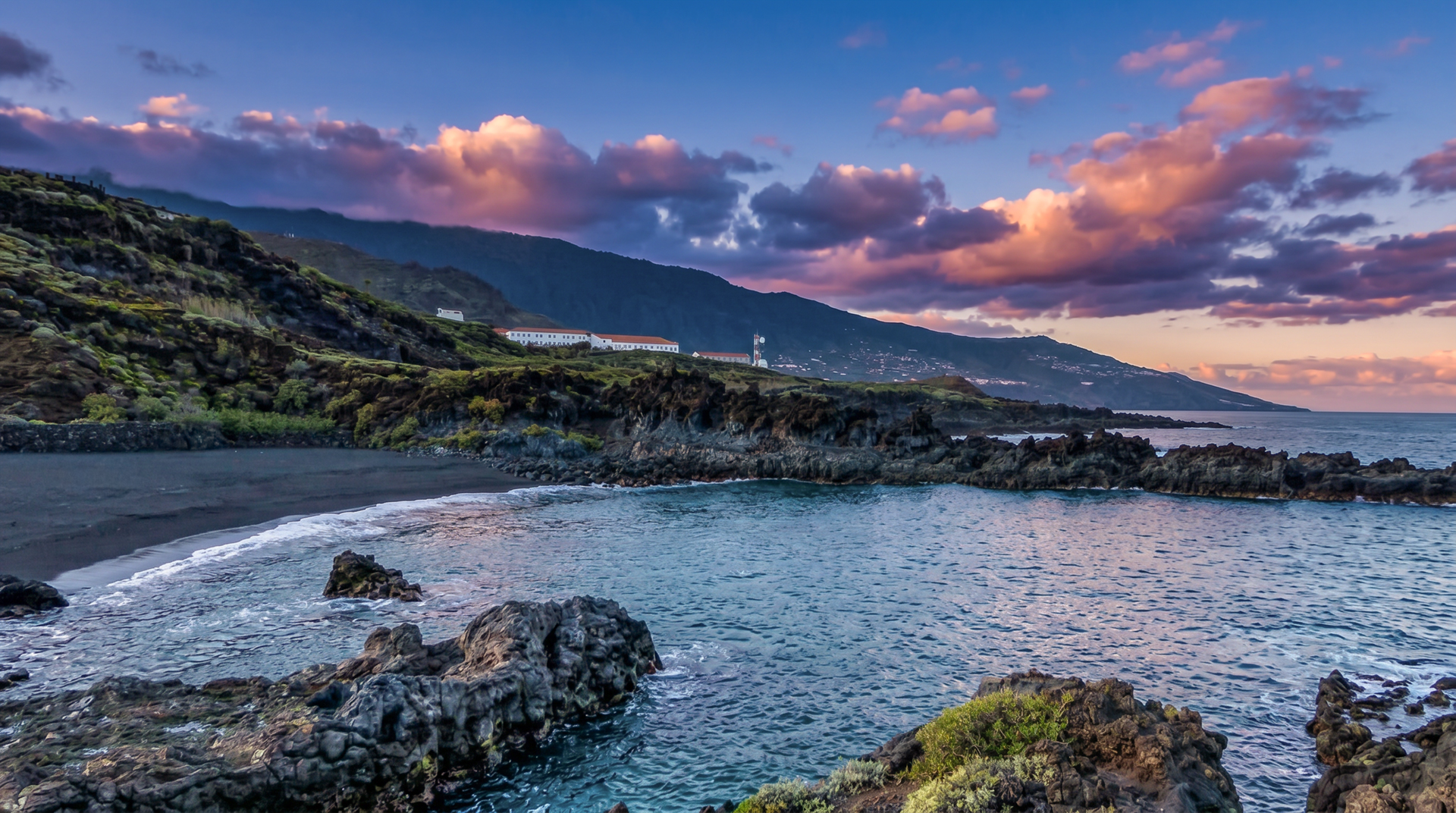
Playa Echentive and Playa del Faro (Fuencaliente) – Volcanic Landscape at the Southern Cape
At the southern end of La Palma, between the lighthouse, salt pans, and young volcanic landscape, lie the beaches of Playa Echentive and Playa del Faro.
Playa Echentive was shaped by more recent volcanic processes and impressively demonstrates how the island remains geologically active to this day. Black lava sand, dark pebbles, and bizarre rock formations create an almost otherworldly landscape here. Behind the beach lie natural rock pools such as Los Aljibes, which offer a special bathing experience in calm seas.
In wind or strong Atlantic swell, however, it is best to simply enjoy the scenery – conditions can change quickly.
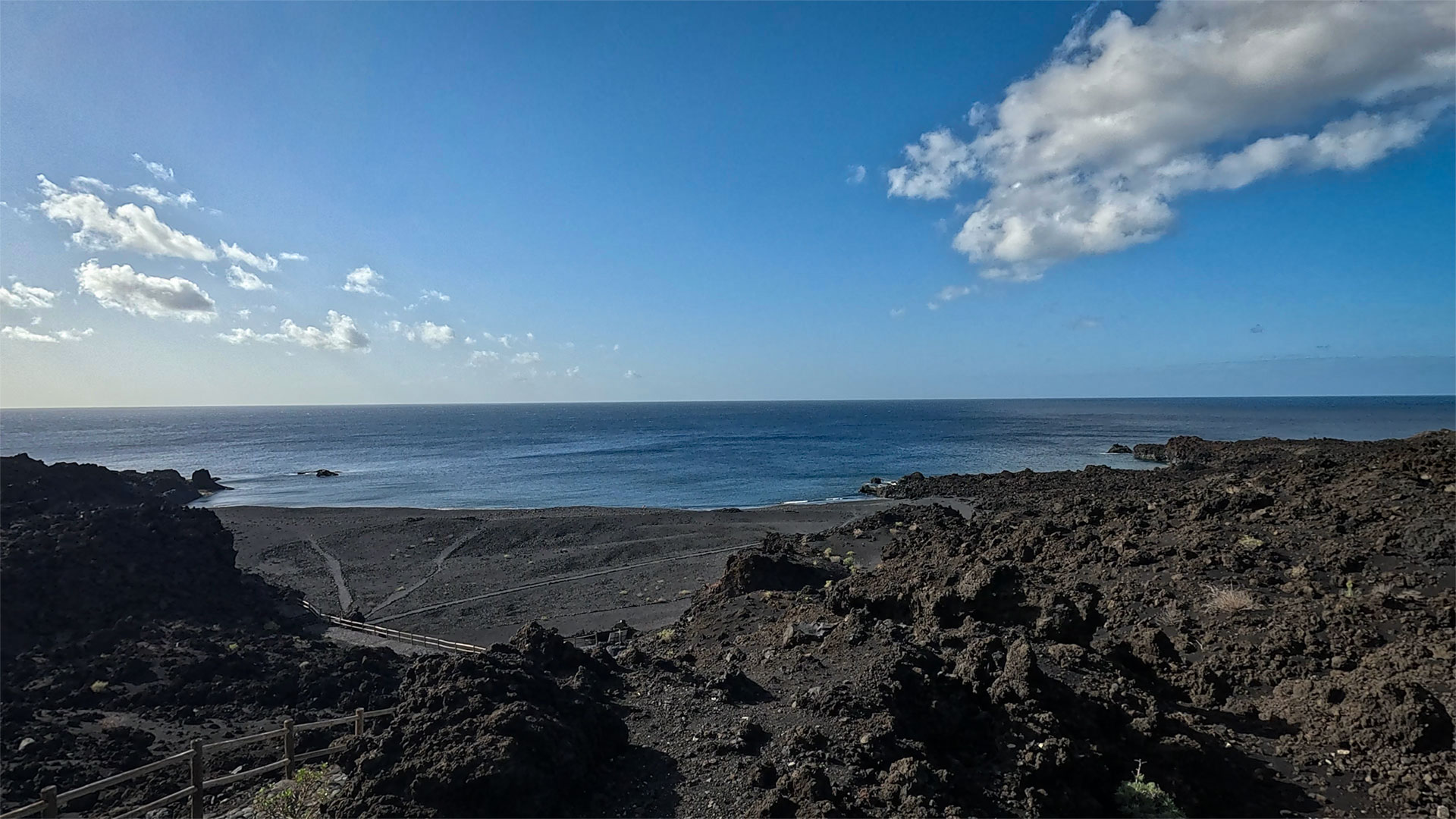
What You Need to Know About La Palma’s Beaches
La Palma’s beaches demand respect for the Atlantic. The volcanic island offers spectacular coastlines, but only a few classic bathing spots with a gentle entry into the water.
Important rules:
- Observe the flags: Currents at open natural beaches can be invisible. Red flags mean swimming is prohibited.
- No shallow entry: Many beaches drop off steeply just behind the waterline.
- Sturdy footwear: Lava rock and stony paths make water shoes or light footwear advisable.
- Don’t underestimate the waves: Atlantic swell, particularly in winter, can affect even sheltered areas.
Beaches for Different Preferences
| What you’re looking for | Recommendation | What makes it special |
|---|---|---|
| Families with children | Los Cancajos, Puerto de Tazacorte | Sheltered swimming areas, infrastructure, restaurants |
| Nature & solitude | Playa Echentive, Playa de la Veta | Wild volcanic landscape and few visitors |
| Safe swimming | Charco Azul, La Fajana | Sheltered seawater pools |
| Photo opportunities | Playa de Nogales | Black sand, green cliffs, and Atlantic waves |
What La Palma’s Beaches Don’t Offer
La Palma is not the right choice for classic beach holidays with kilometre-long sandy shores, seafront promenades, and shallow bathing water. For those seeking a black volcanic beach beneath towering cliffs, a natural pool among basalt rocks, or a secluded cove with a view of the open Atlantic, however, La Palma offers a coastline full of character.
Frequently Asked Questions (FAQ)
Does the black sand at La Palma's beaches really get as hot as people say in summer?
Are natural swimming pools such as Charco Azul suitable for non-swimmers and children?
What is special about 'seasonal beaches' such as the Playa de la Veta?
Can sun loungers and parasols be hired at La Palma's beaches?
Why are some beaches completely closed despite beautiful weather?
This article is based on the on-the-ground knowledge of the Gequo editorial team – publishers of the Reisezeit hiking guides and operators of Sunhikes.com. Last updated: May 2026