
Whales and Dolphins off La Palma: Atlantic Wildlife Right at the Shore
The Canary Islands are among the best whale-watching regions in Europe. La Palma holds a special position: off the steeply dropping west coast, the Atlantic already reaches depths of more than 1,000 metres just a few kilometres from shore. This extraordinary underwater landscape provides ideal living conditions for numerous whale and dolphin species. Short-finned pilot whales (Globicephala macrorhynchus) are year-round residents of the waters around the island. Also regularly spotted are bottlenose dolphins (Tursiops truncatus) and common dolphins (Delphinus delphis). Seasonally, larger whale species such as fin whales and, with luck, blue whales also pass by La Palma.
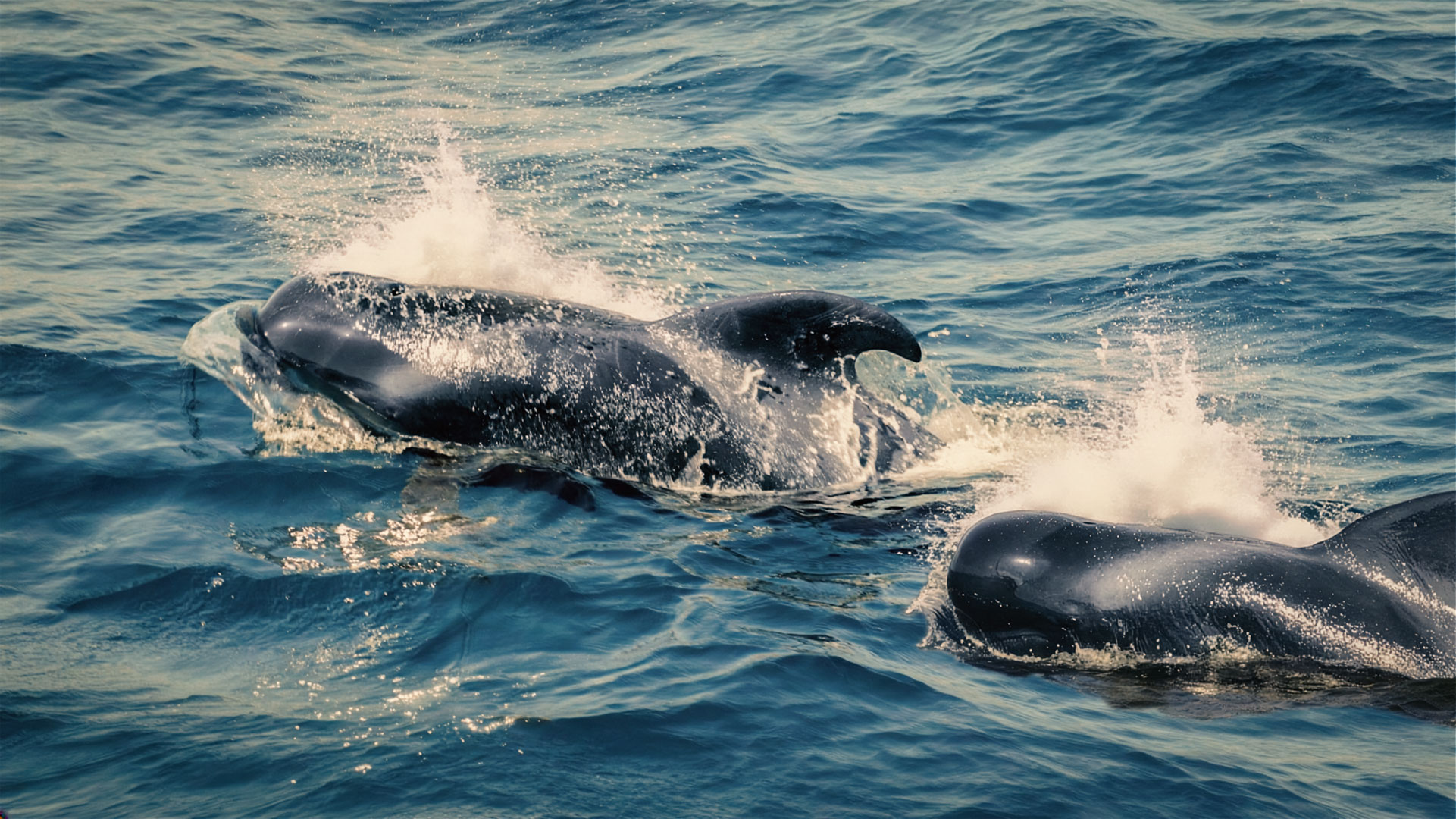
Whale Watching on La Palma — Departures from Tazacorte
The harbour of Puerto de Tazacorte is the main departure point for whale watching tours on La Palma. Several local operators run two- to three-hour excursions along the west coast. Many boats are equipped with hydrophones, allowing passengers to hear the clicks and whistles of marine mammals underwater. Excursions typically cost around 30 to 50 euros per person. Operators are committed to a respectful approach to the animals — including slow approach, sufficient distance, and no chasing or encircling.

The Best Season for Whale Watching
The chances of sightings are excellent all year round. While the summer months usually offer calm seas and outstanding conditions, large baleen whales such as fin whales and occasionally blue whales pass through mainly between late winter and spring.
Sustainable Whale Watching Tours
On La Palma, reputable operators follow the guidelines of the official Barco Azul certification. It requires a respectful approach to marine mammals, including:
- slow approach to the animals
- adherence to prescribed minimum distances
- no chasing or encircling of whale and dolphin groups
- limitation of observation time
This ensures the welfare of the animals always comes first.
Sea Turtles and Underwater World
Alongside whales and dolphins, the loggerhead sea turtle (Caretta caretta) — by far the most common sea turtle in the Canaries — is regularly encountered off La Palma. Other species such as the green sea turtle (Chelonia mydas) are only occasionally recorded.
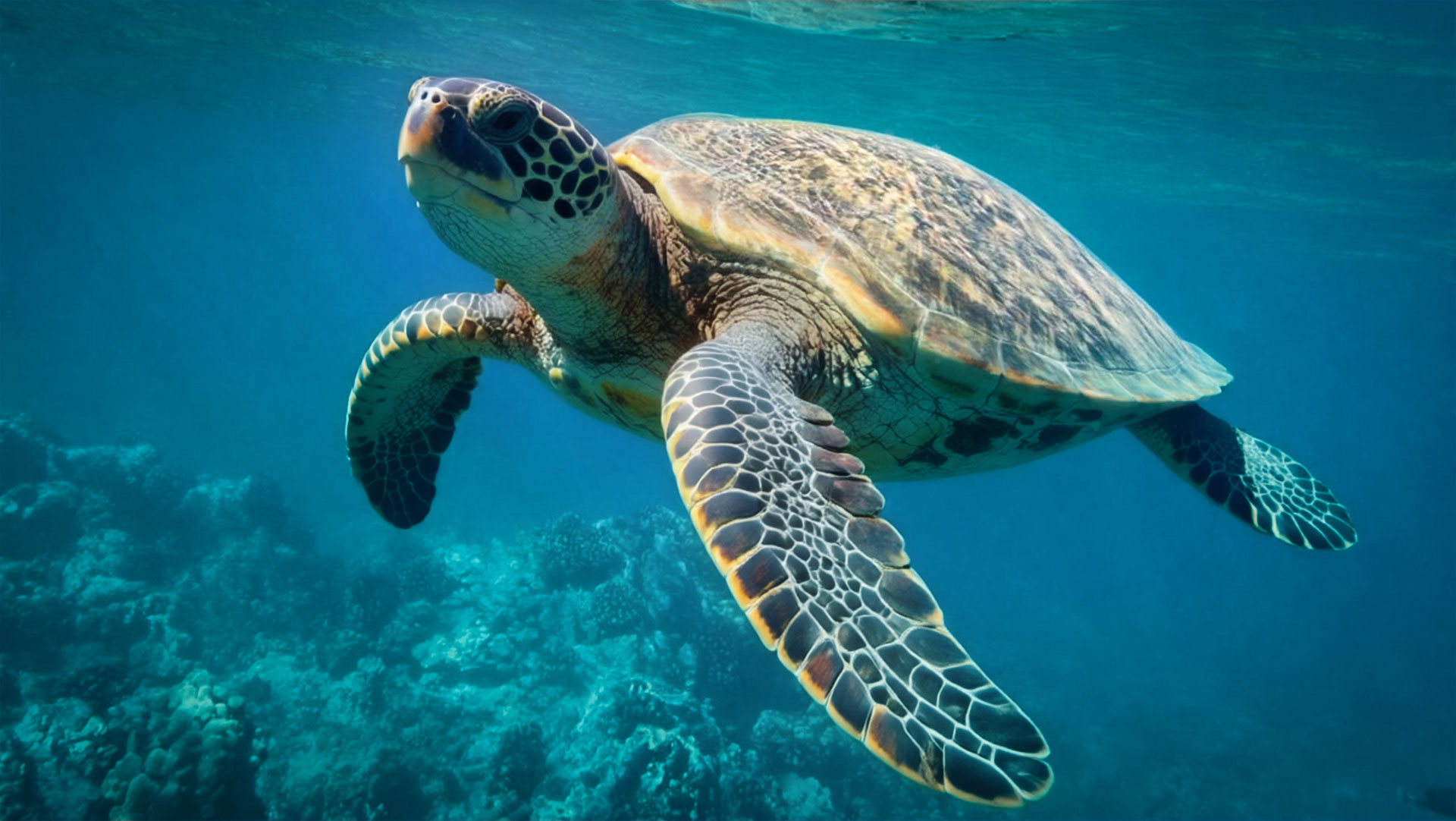
Underwater, divers and snorkelers encounter impressive lava formations with a rich variety of marine life. Commonly found are parrotfish, barracudas, moray eels, and rays. With luck, angel sharks — strictly protected — can also be spotted in sandy areas.
Good to Know: Why Are There So Many Whales off La Palma?
The west coast of La Palma drops extraordinarily steeply into the Atlantic. Just a few kilometres from shore, the seabed already reaches depths of more than 1,000 metres. This deep sea begins practically right at the island’s doorstep and provides ideal living conditions for pilot whales, sperm whales, and numerous dolphin species. Whale sightings are therefore possible after just a short boat ride.
An Unforgettable Encounter with the Atlantic
Whale watching on La Palma stands for immersive nature experiences rather than mass tourism. The combination of a steeply dropping deep sea, year-round pilot whales and dolphins, and seasonal visits by large baleen whales makes the west coast one of the most fascinating marine areas in the Canary Islands. Those who observe with respect experience the Atlantic at its most impressive.
Frequently Asked Questions
When is the best time for whale watching off La Palma?
Which whales and dolphins can you see off La Palma?
Where do the whale-watching tours depart from?
Are the whale-watching tours sustainable?
Which sea turtles live off La Palma?
This article is based on the on-the-ground knowledge of the Gequo editorial team – publishers of the Reisezeit hiking guides and operators of Sunhikes.com. Last updated: May 2026