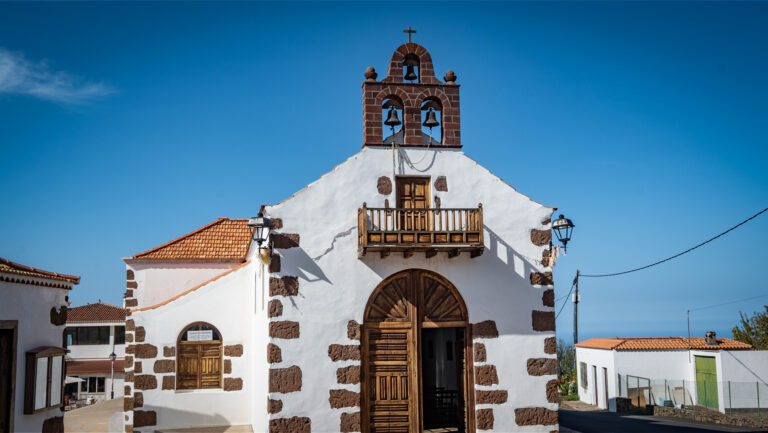
History of La Palma: From the Benahoaritas to Tajogaite
There are places whose historical significance far exceeds their geographic size. La Palma is one of those places. The island, which its indigenous inhabitants called Benahoare, has a fascinating history: from a millennia-old island culture through a golden age of trade to the dramatic changes brought by the Tajogaite volcano in 2021.
The Benahoaritas: Indigenous People of La Palma
Long before the arrival of Europeans, La Palma was inhabited by the Benahoaritas. In tourism, they are frequently—and incorrectly—referred to as “Guanches,” a term that strictly speaking applies only to the indigenous people of Tenerife. Genetic studies show that the Benahoaritas were closely related to the Berber peoples of North Africa. When exactly they reached the island cannot be determined with certainty; it was likely more than 2,000 years ago.
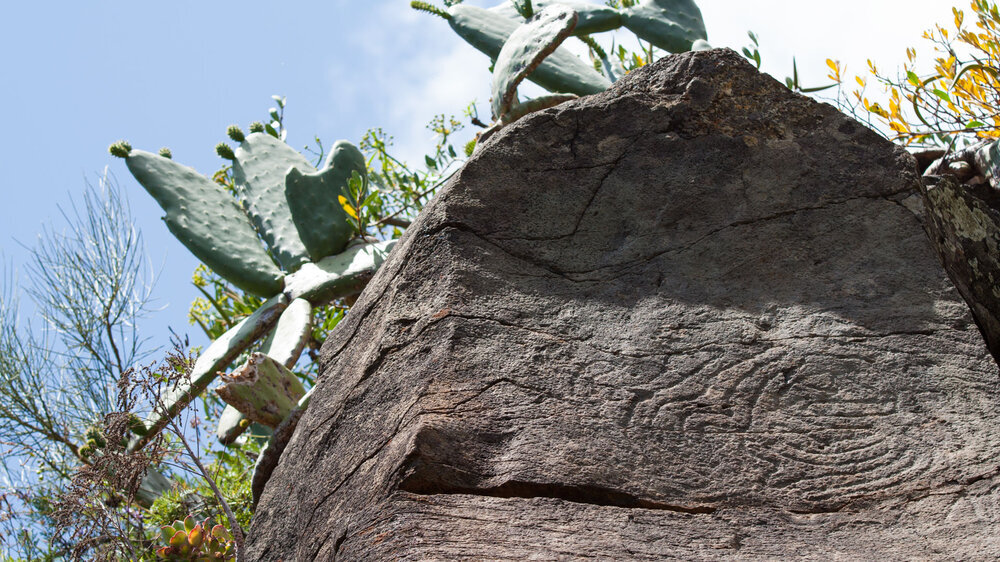
They lived as herders and gatherers in natural caves and simple stone settlements, organised in various tribal territories. To this day, mysterious petroglyphs and rock carvings bear witness to their culture — such as at the La Zarza Cultural Park or at El Tendal. The meaning of these spiral and geometric symbols remains a fascinating enigma. The end of this era came with the Spanish conquest by Alonso Fernández de Lugo, which was completed after fierce fighting in 1493.
Historical Figure: Tanausú
The best-known ruler of the Benahoaritas was Tanausú, leader of the kingdom of Aceró in what is now the Caldera de Taburiente. After his capture, he is said to have refused all food during the crossing to Spain and died at sea. He remains to this day a symbol of the resistance of the indigenous people.
The Golden Age: La Palma as an Atlantic Hub
In the 16th and 17th centuries, La Palma experienced its most glorious era. Thanks to its strategic position on the Atlantic route, the island became one of the most important trading ports of the Spanish Empire.
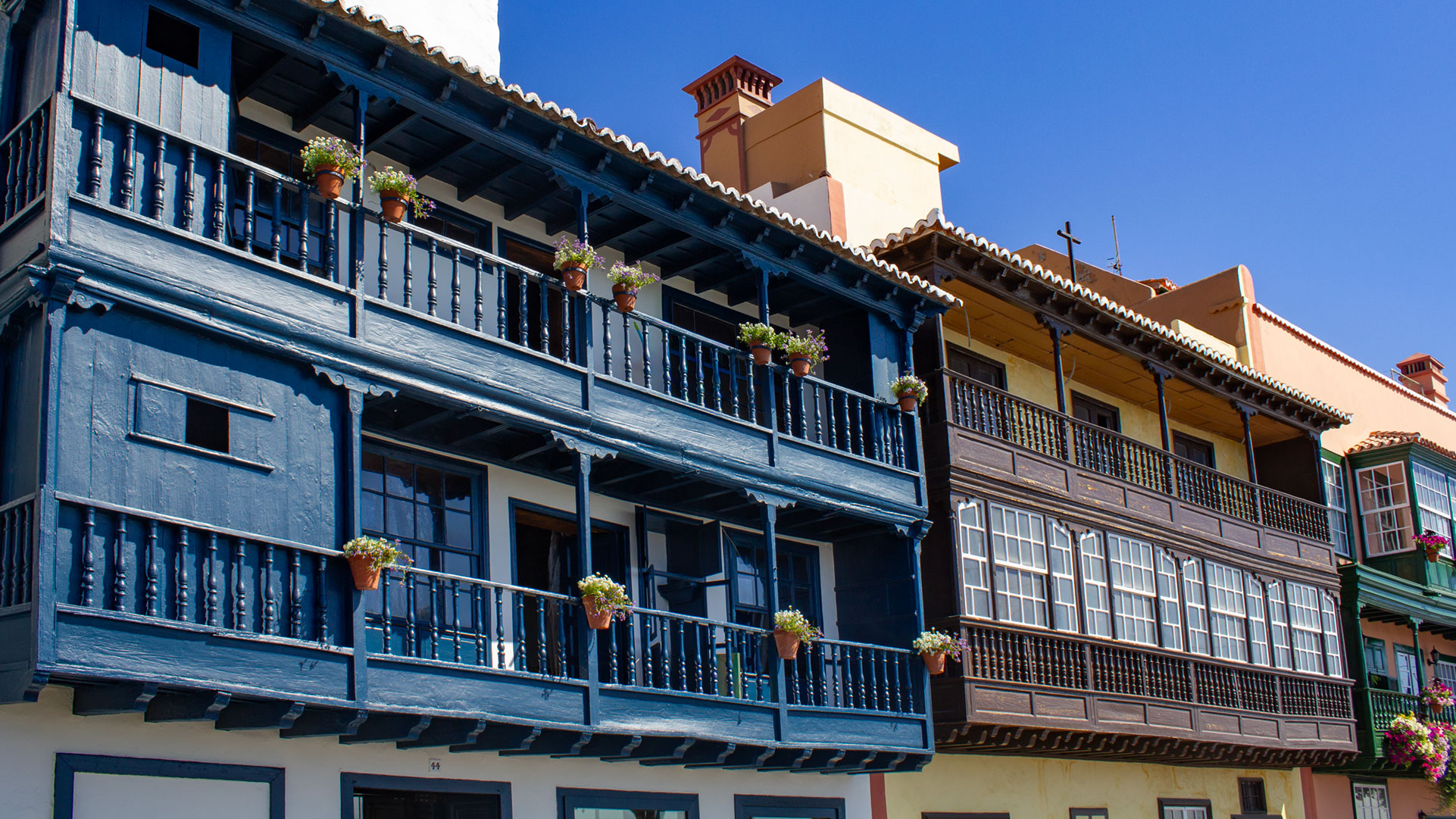
Granted direct trading rights with the Americas, the island became a hub for sugar, wine, wax, and silk. Above all, sugarcane cultivation and the famous Malvasia wine generated great prosperity. Traditional silk production also played an important role: in El Paso, this centuries-old craft is still preserved today and is one of the last fully traditional silk productions in Europe. Merchants from Flanders, Portugal, Genoa, and England settled on La Palma. They shaped the architecture of Santa Cruz with the famous wooden balconies and left cultural traces that remain visible to this day.
The wealth of the island also attracted pirates. In 1553, the French corsair François Le Clerc, known as “Pata de Palo” (Pegleg), attacked Santa Cruz de La Palma and devastated large parts of the city. In response, powerful defensive fortifications were built — some of which still stand today as reminders of that turbulent era.
The decline of the Golden Age did not come suddenly, but unfolded over several decades. The collapse of the international sugar market, combined with the loss of key trading privileges to Tenerife and Gran Canaria, caused Santa Cruz to gradually lose its former importance as an Atlantic port.
The Indianos: Emigration and Return
The 19th century was marked by economic hardship. Many Palmeros left their homeland and emigrated primarily to Cuba and Venezuela. Some returned later as wealthy emigrants — known in the Canary Islands as Indianos. They brought new ideas, international experience, and the wealth they had accumulated back to the island. Grand manor houses, elegant architecture, and the culture of Cuban cigars still recall this era today.
This history comes vividly alive at the famous Día de los Indianos on Rose Monday: in Santa Cruz de La Palma, people dress in white, wear Panama hats, celebrate with cigars and music, and honour the returnees from the Caribbean in one of the most extraordinary traditions in the Canary Islands.
The 20th and 21st Centuries
After difficult decades in the 20th century, a new era began with the international La Palma Airport, which opened near Mazo as early as 1970. However, modern tourism developed only gradually: larger visitor numbers emerged mainly from the late 1970s onward and grew more strongly in the 1990s. Unlike Tenerife or Gran Canaria, La Palma never pursued mass tourism. The island preserved its original character and became especially attractive to hikers, nature lovers, and independent travellers.
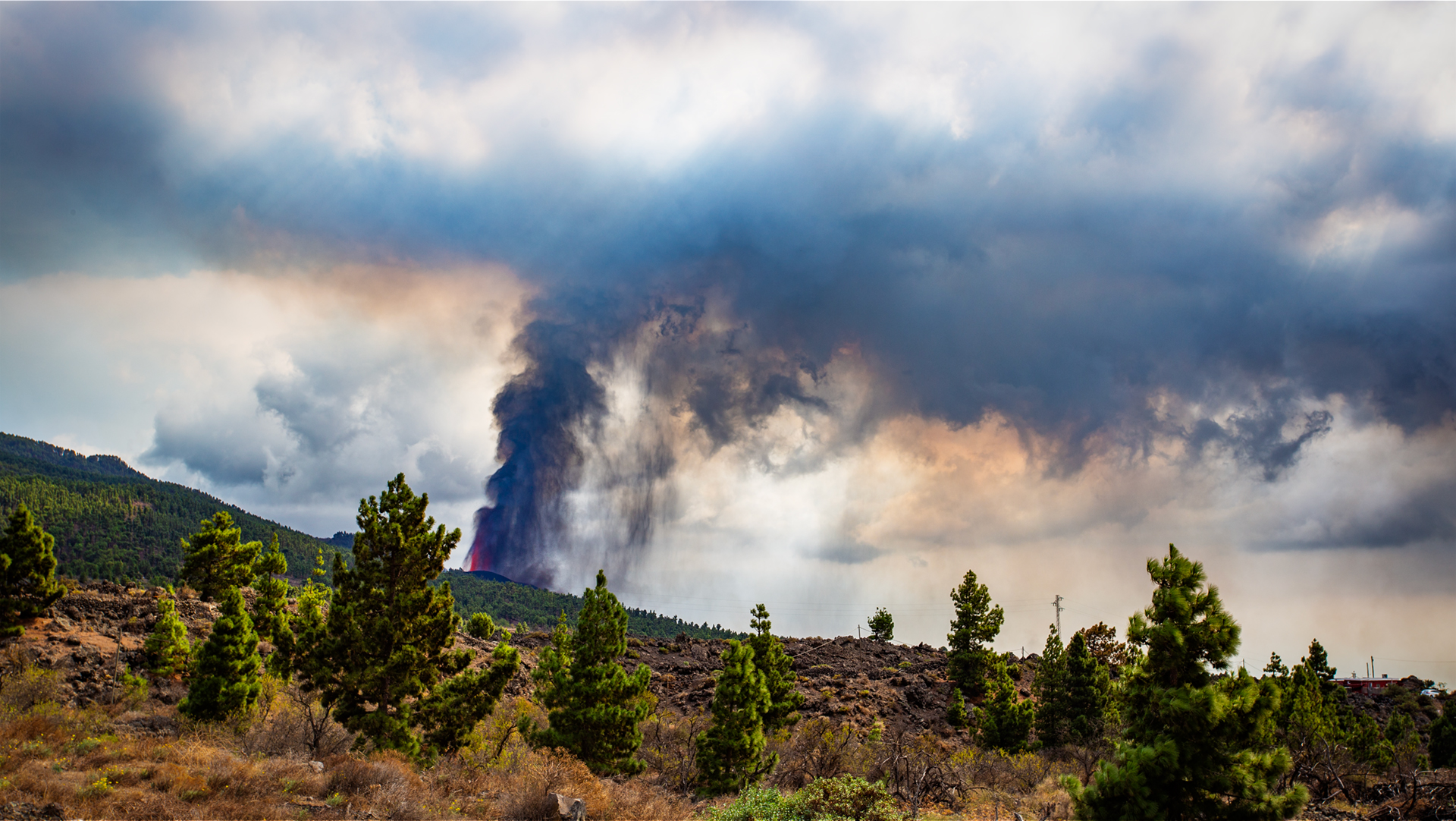
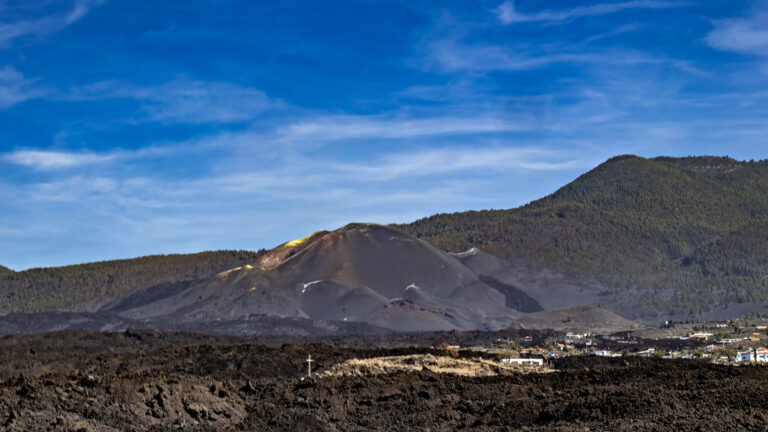
The most recent chapter in the island’s history was written by the Tajogaite volcano in 2021. The eruption lasted 85 days and permanently altered the landscape of the Aridane valley. Around 1,200 hectares of land were covered by lava, and around 3,000 buildings were destroyed, and new lava zones were created along the coast. The eruption demonstrated powerfully that La Palma’s history is written not only by people — but also by the immense forces of the earth.
La Palma’s History at a Glance
c. 1st millennium BC – Settlement by the Benahoaritas
1492–1493 – Castilian conquest under Alonso Fernández de Lugo
1553 – Pirate raid by François Le Clerc
16th–17th century – Height of Atlantic trade
19th century – Emigration to Cuba and Venezuela
1970 – Opening of the new airport
from 1990 – Development of hiking tourism
2021 – Eruption of the Tajogaite volcano
Conclusion
La Palma carries history in every alley, every ravine, and every volcanic cone. From the mysterious petroglyphs of the Benahoaritas through the colonial splendour of Santa Cruz to the young Tajogaite volcano, the island tells a story of resilience, transformation, and a unique bond between people and nature.
Frequently Asked Questions
Who were the Benahoaritas of La Palma?
Who was Tanausú and why is he important for La Palma?
Why was Santa Cruz de La Palma once so significant?
Why do people on La Palma celebrate the Día de los Indianos?
What is the significance of the Tajogaite volcano for La Palma?
This article is based on the on-the-ground knowledge of the Gequo editorial team – publishers of the Reisezeit hiking guides and operators of Sunhikes.com. Last updated: May 2026