Astronomy on La Palma: Under the Best Skies in the World
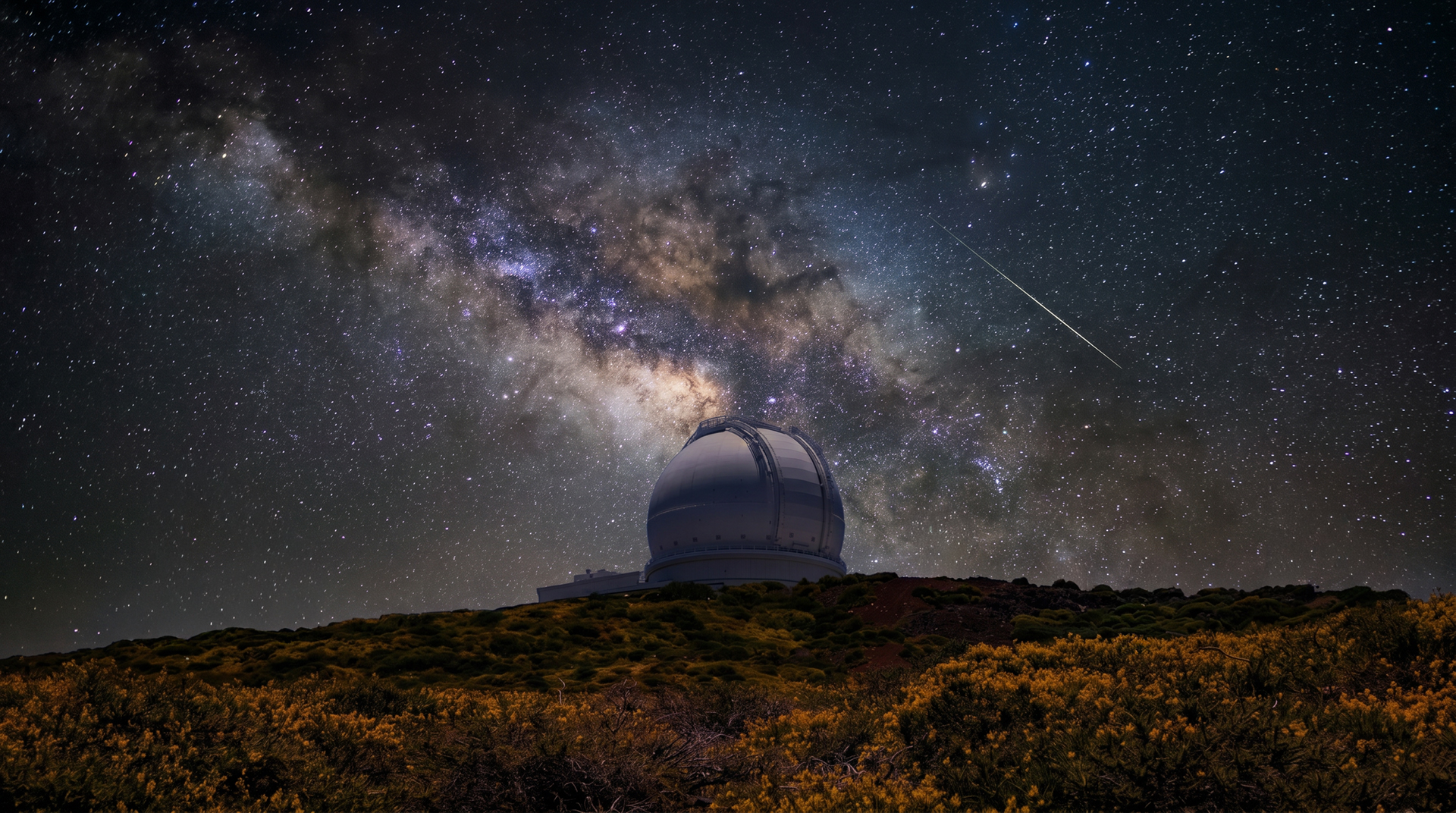
There are very few places on Earth where the night sky appears so clear and unspoiled. The Roque de los Muchachos on La Palma — at 2,426 metres the highest point on the island — sits mostly above the inversion layer of the trade wind clouds and, thanks to its exceptionally stable atmosphere, offers ideal conditions for astronomy.
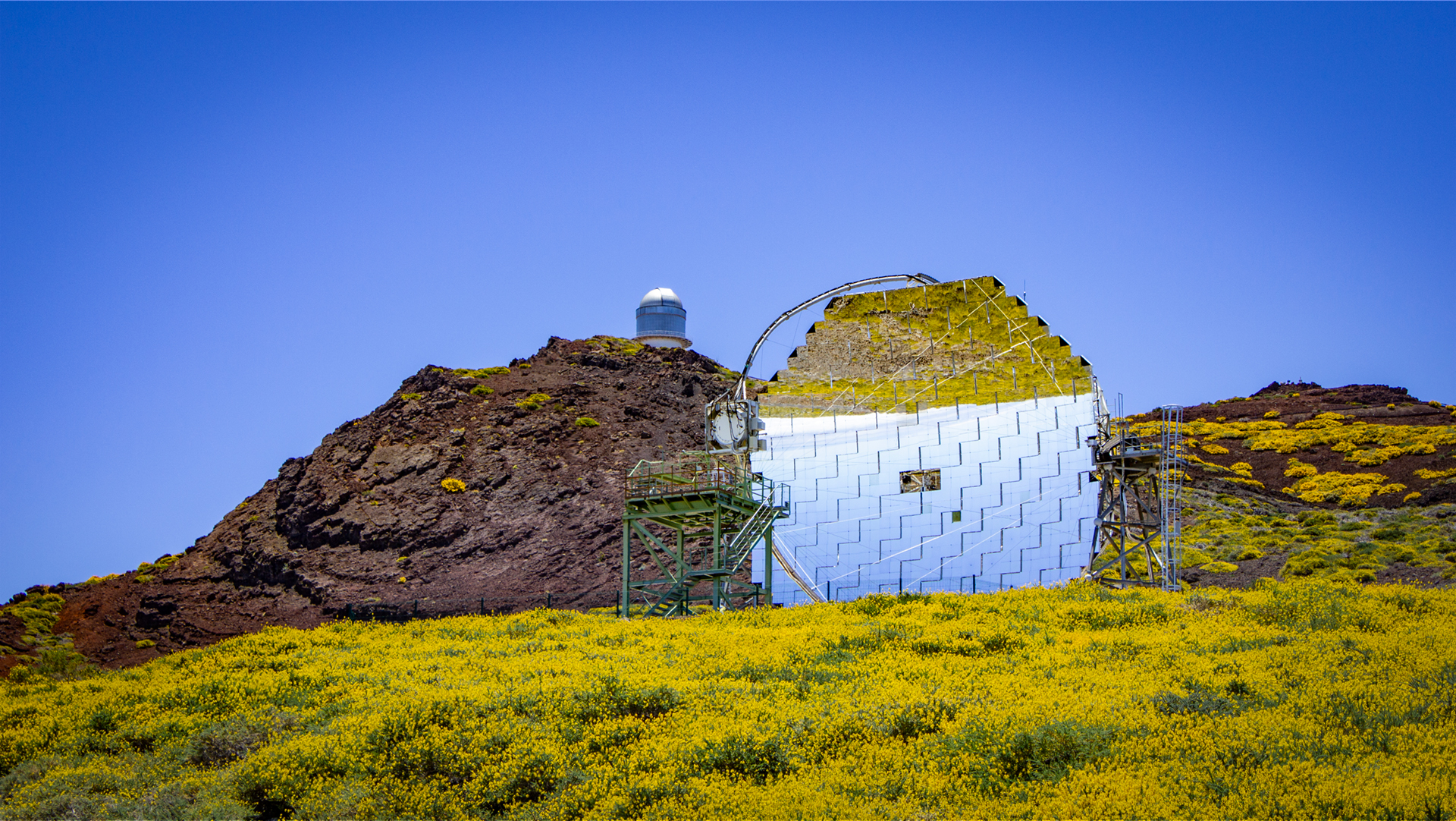
The Observatorio del Roque de los Muchachos (ORM) houses more than 20 telescopes from numerous countries and ranks among the most significant astrophysical research facilities in the world. While the naked eye can trace the Milky Way here with an intensity barely possible in Central Europe, the giant telescopes peer out to the very edges of the observable universe.
The Gran Telescopio Canarias (GTC)
The centerpiece of the observatory is the Gran Telescopio Canarias (GTC) — with a 10.4-metre primary mirror, one of the largest optical infrared telescopes in the world. It was inaugurated in 2009 at a cost of 130 million euros. Its resolving power is so extraordinary that it could theoretically detect a burning candle in Moscow — if not for the curvature of the Earth in between. The GTC is accessible to the public only through guided tours; booking is done online through the Instituto de Astrofísica de Canarias (IAC).
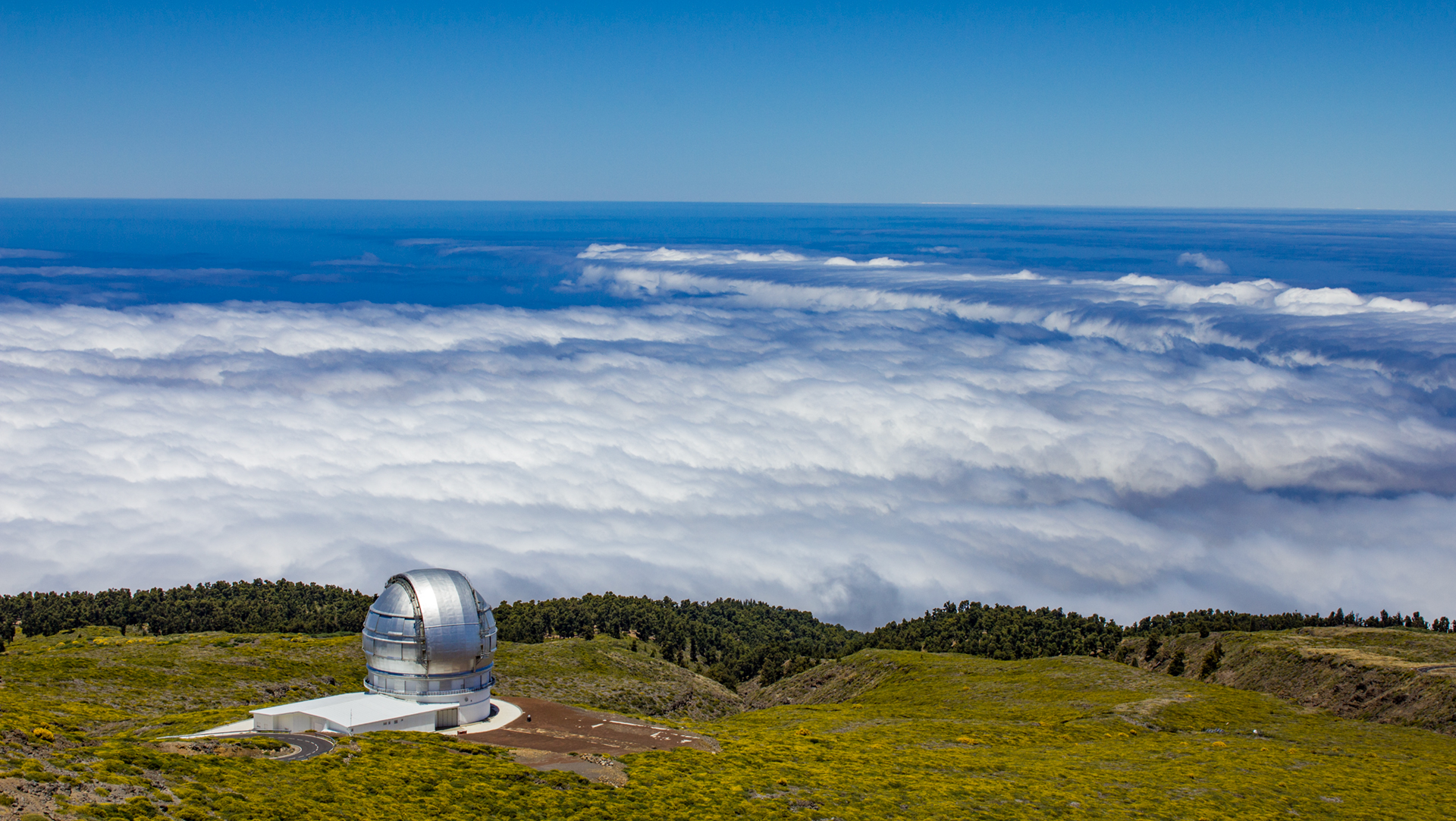
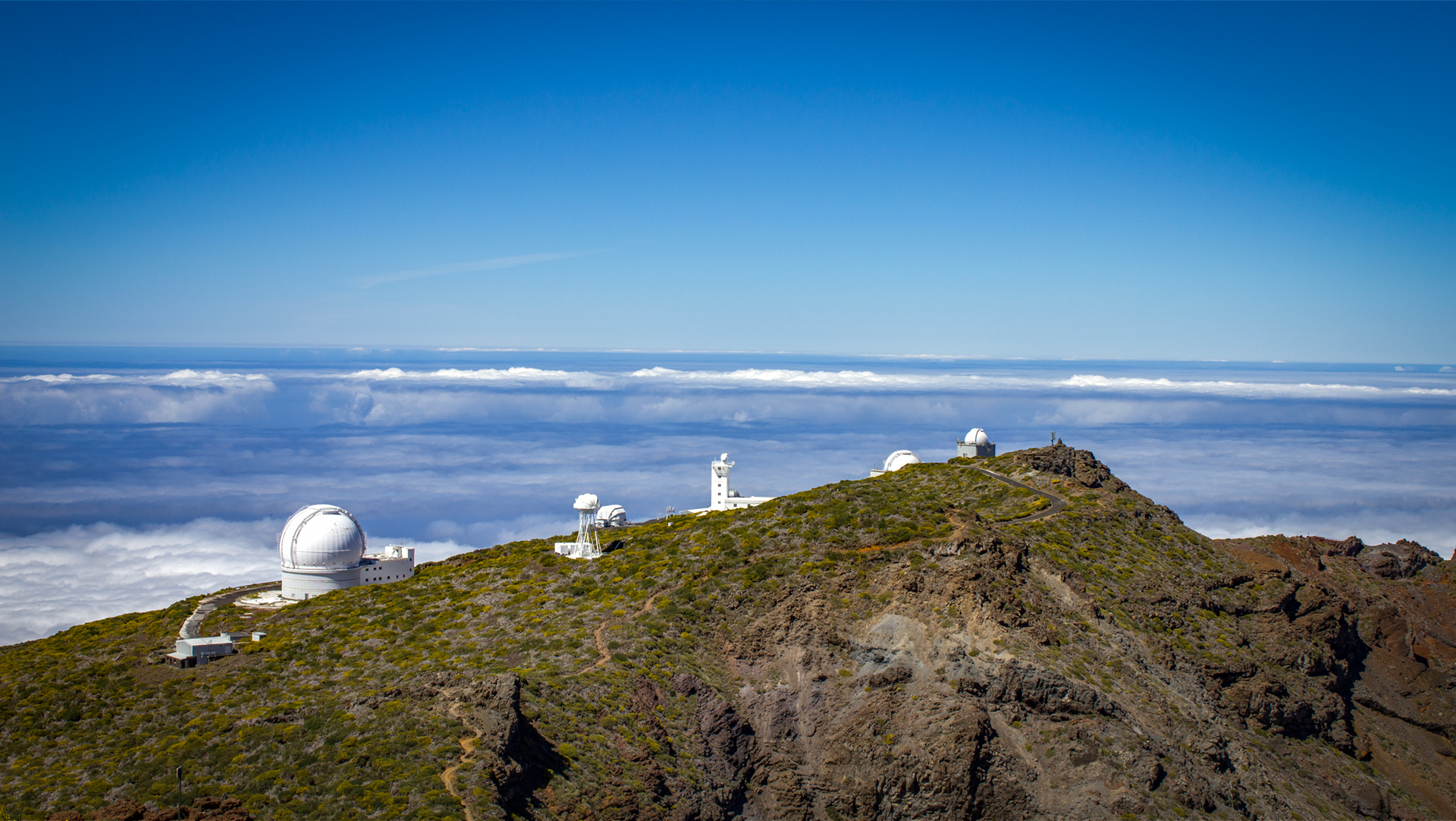
Alongside the GTC, numerous other scientific instruments define the ridge of Roque de los Muchachos. These include, among others, the MAGIC telescopes for the study of cosmic gamma radiation, the Nordic Optical Telescope (NOT) and the Telescopio Nazionale Galileo (TNG). The Dutch Open Telescope (DOT) for solar observation is also located on La Palma. In total, around 60 international institutes and research institutions work here.
La Palma as a UNESCO Starlight Reserve
As early as 2007, the international Starlight Declaration for the protection of the night sky was adopted on La Palma. In 2009, the island became the first territory in the world to receive the designation of Starlight Reserve and Starlight Destination.
This certification is not a marketing label, but part of a consistent strategy against light pollution. On La Palma, street lighting, billboards, and outdoor lighting are strictly regulated to preserve the exceptional quality of the night sky.
Tours and Visits for Travellers
Visitors have several ways to experience La Palma’s astronomy up close. The Centro de Visitantes del Observatorio del Roque de los Muchachos, located just below the telescope installations, offers a modern interactive exhibition about the universe, research, and the work of astronomers. It is an ideal first stop even when no guided tour of the telescope facilities is available.
Guided tours of the scientific facilities are offered during the day through the Instituto de Astrofísica de Canarias (IAC); early online reservation is strongly required. For a look at the night sky, specialized providers such as LaPalmaStars.com, AstroLaPalma or Ad Astra La Palma offer guided stargazing sessions with professional telescopes and expert astronomical commentary.
| GTC Tours | Booking through IAC (iac.es) · limited spots · book early |
|---|---|
| Stargazing | Guided night tours with professional telescopes and Starlight guides. Meeting points are usually at astronomical viewpoints; getting there is generally on your own by rental car. |
| Clothing | Even in summer, very cold at the summit (often 0–5 °C) — warm jacket essential |
| Road | LP-4 winding road · closed in winter due to ice · allow extra driving time |
Astronomical Viewpoints
In addition to guided tours, La Palma has numerous official astronomical viewpoints (Miradores Astronómicos). These feature information boards and orientation aids such as star maps and Polaris-sighting devices. Places like the Mirador Llano del Jable allow independent travellers to experience the island’s extraordinary night sky on their own.
Night Tip: The Best Spots for Stargazing
Particularly popular:
Mirador Llano del Jable
Mirador de los Matos
Caldera Ridge
remote highland areas near Garafía
Tip: A clear night after a calima or a weather front often provides exceptionally clear conditions.
Travel Tip: Pack Warm Clothing
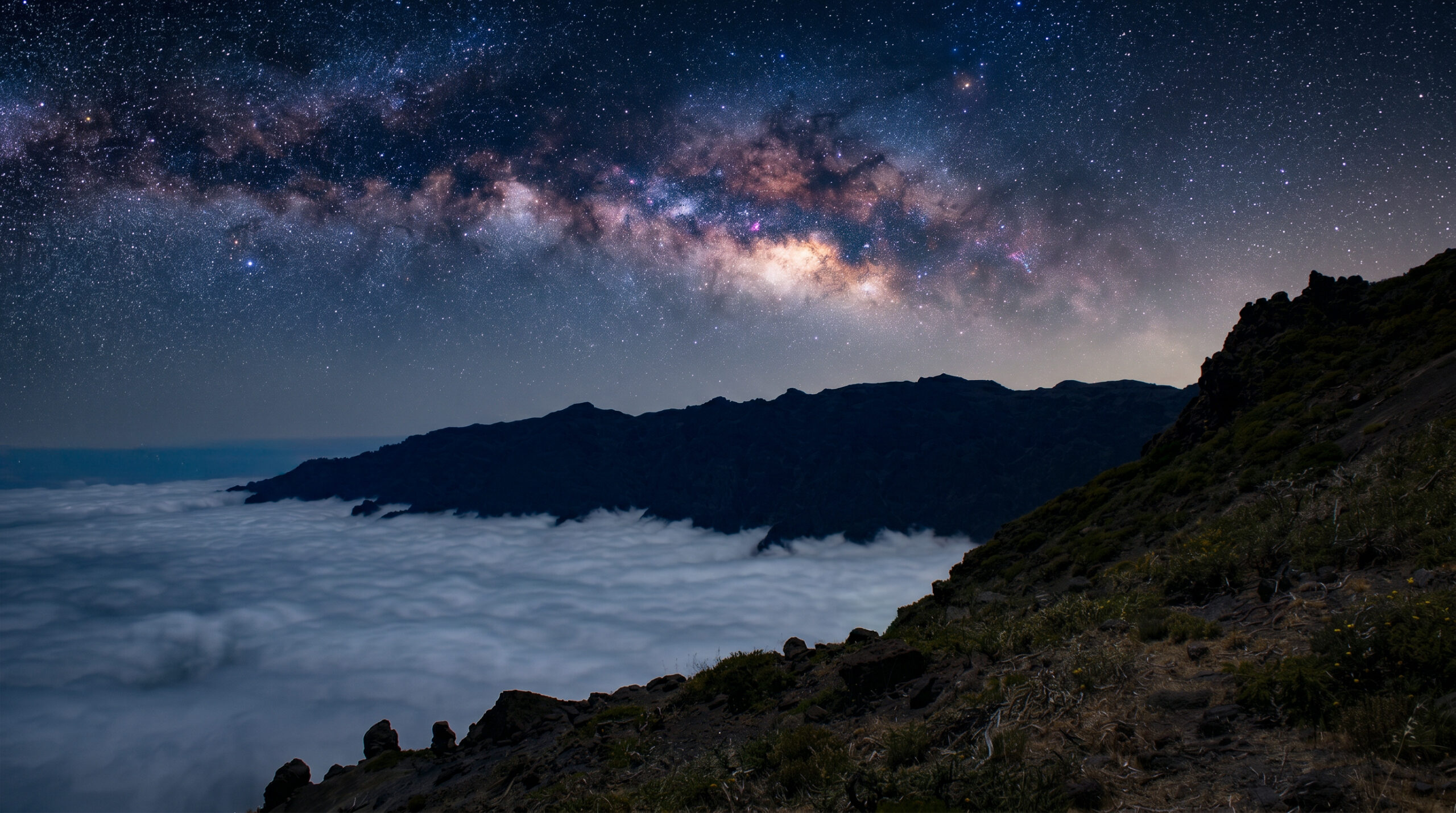
Summer on the island, winter at the summit: while swimming temperatures are possible at the coast, temperatures at Roque de los Muchachos drop significantly at night.
Plan ahead for stargazing: ✓ warm jacket ✓ long pants ✓ sturdy shoes ✓ possibly a hat and blanket
Conclusion
La Palma is one of the best places in the world for stargazing. The GTC, the Starlight Reserve, and a handful of professional stargazing providers make astronomy a genuine holiday highlight — even for non-astronomers.
Frequently Asked Questions
Can you visit the Observatorio del Roque de los Muchachos?
Can you drive up to the large telescopes on Roque de los Muchachos at night?
How much does a guided stargazing session cost on La Palma?
Why is La Palma one of the best places for astronomy?
Where is the best place to observe stars on La Palma?
This article is based on the on-the-ground knowledge of the Gequo editorial team – publishers of the Reisezeit hiking guides and operators of Sunhikes.com. Last updated: May 2026