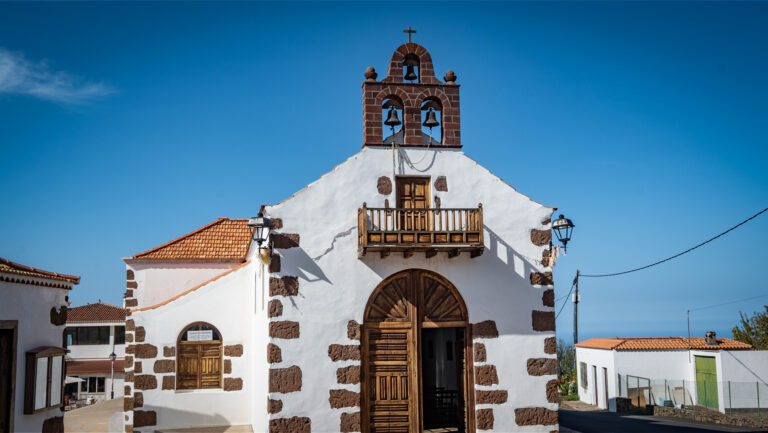
El Paso: The Gateway Between Two Worlds
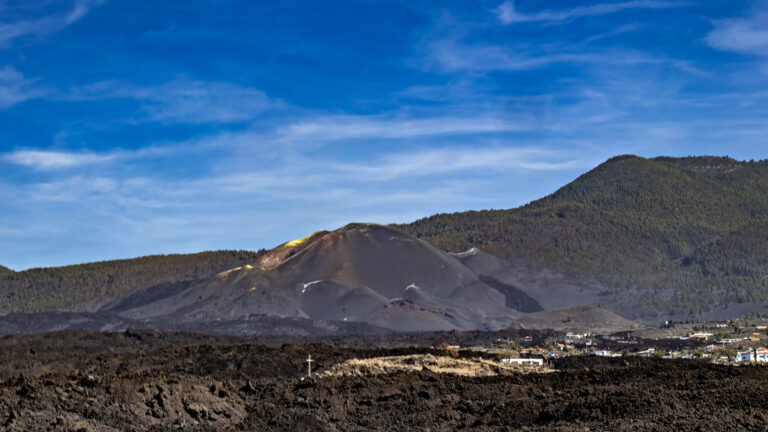
El Paso lies exactly where La Palma shows its greatest contrasts: on the western side of the island, between the ancient natural space of the Caldera de Taburiente to the north and the young volcanic landscape of the Tajogaite to the south. Those who visit El Paso stand with one foot in one of Spain’s most impressive nature reserves — and with the other on the newest piece of land on the island, created by the 2021 eruption. This combination of millions-of-years-old landscape and freshly formed earth makes El Paso one of the most fascinating places on La Palma.
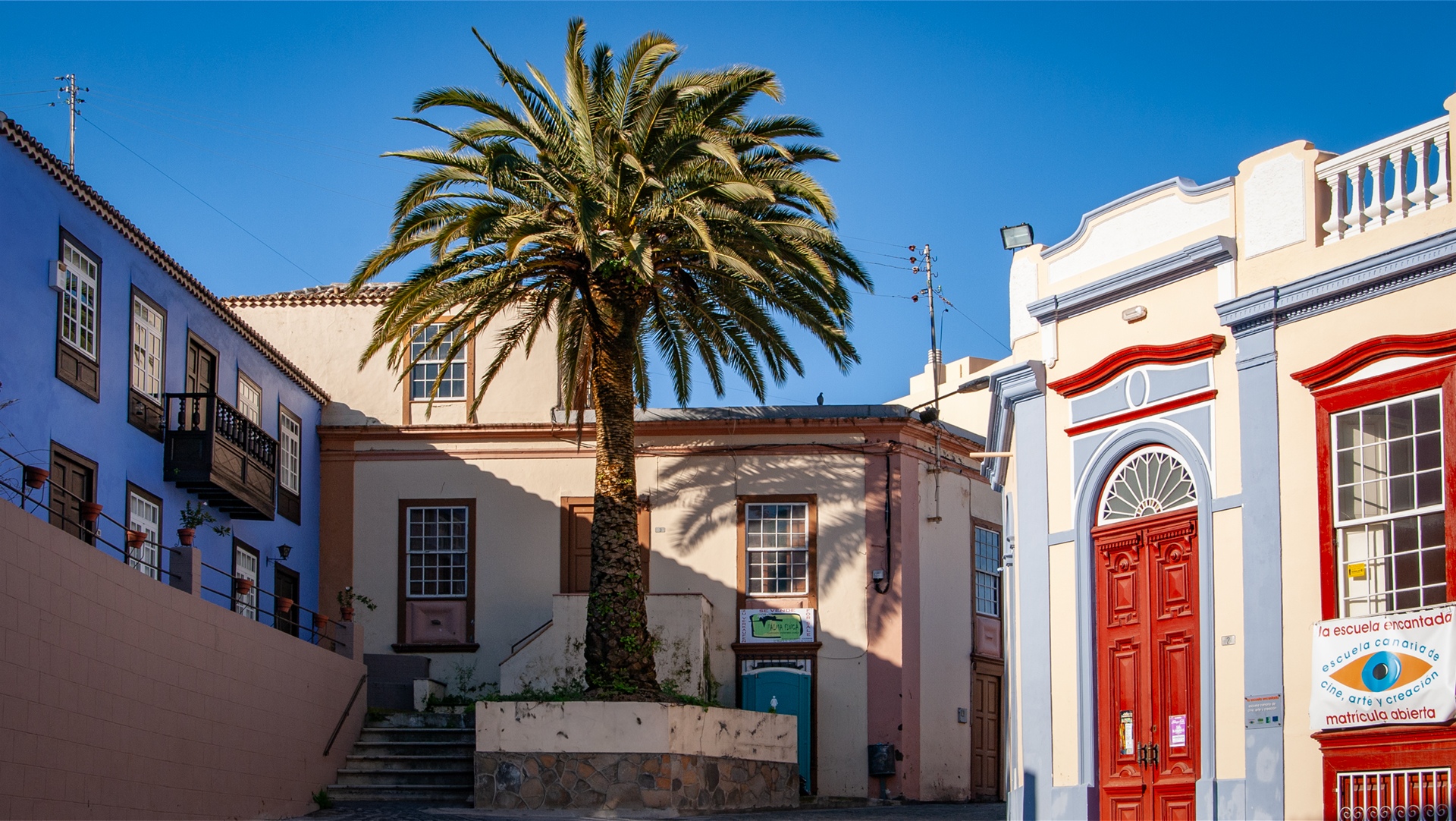
Around 7,500 people live in El Paso and its outlying areas such as Las Manchas and Tajuya. The municipality was deeply shaped by the Tajogaite eruption, but has preserved its character: quiet, unspoiled, and closely connected to nature. At the same time, El Paso is an important base for exploring the Caldera de Taburiente and the new volcanic landscapes of the Cumbre Vieja.
The National Park — Gateway to the Caldera de Taburiente
The official visitor centre of the Caldera de Taburiente National Park is located on the outskirts of El Paso. Here you can get information on hiking trails, current trail conditions, reservations, and the unique flora and fauna of the Caldera.
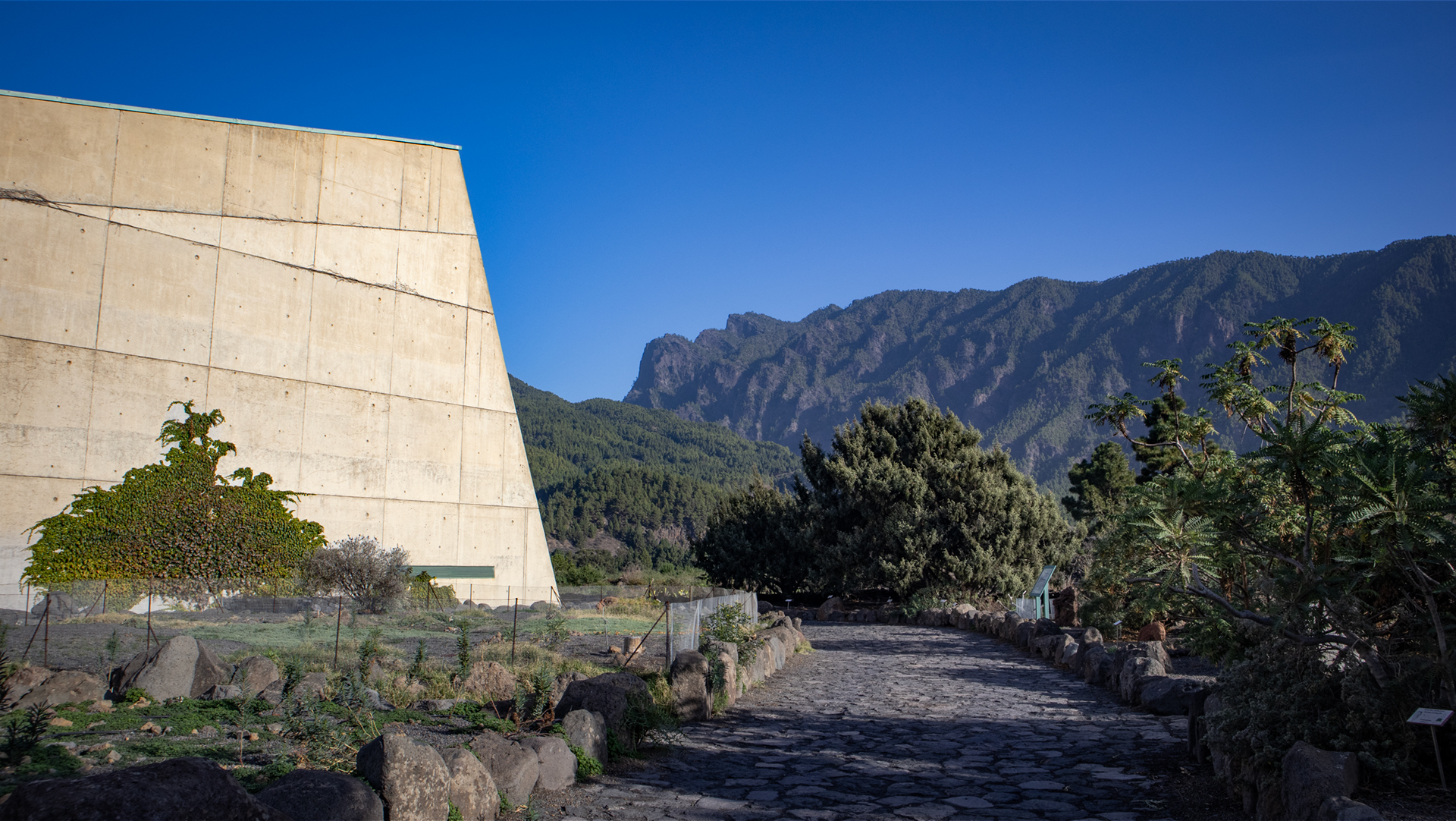
Those wishing to visit the famous viewpoint La Cumbrecita should be aware of the limited parking: access by private rental car is only possible with a prior online reservation of a parking spot. The barrier at the access road opens automatically via number plate recognition.
The free ticket is tied to a fixed time slot and should be reserved well in advance, especially during peak season and on weekends. Those who cannot secure a parking spot can alternatively take a taxi from the visitor centre or from El Paso.
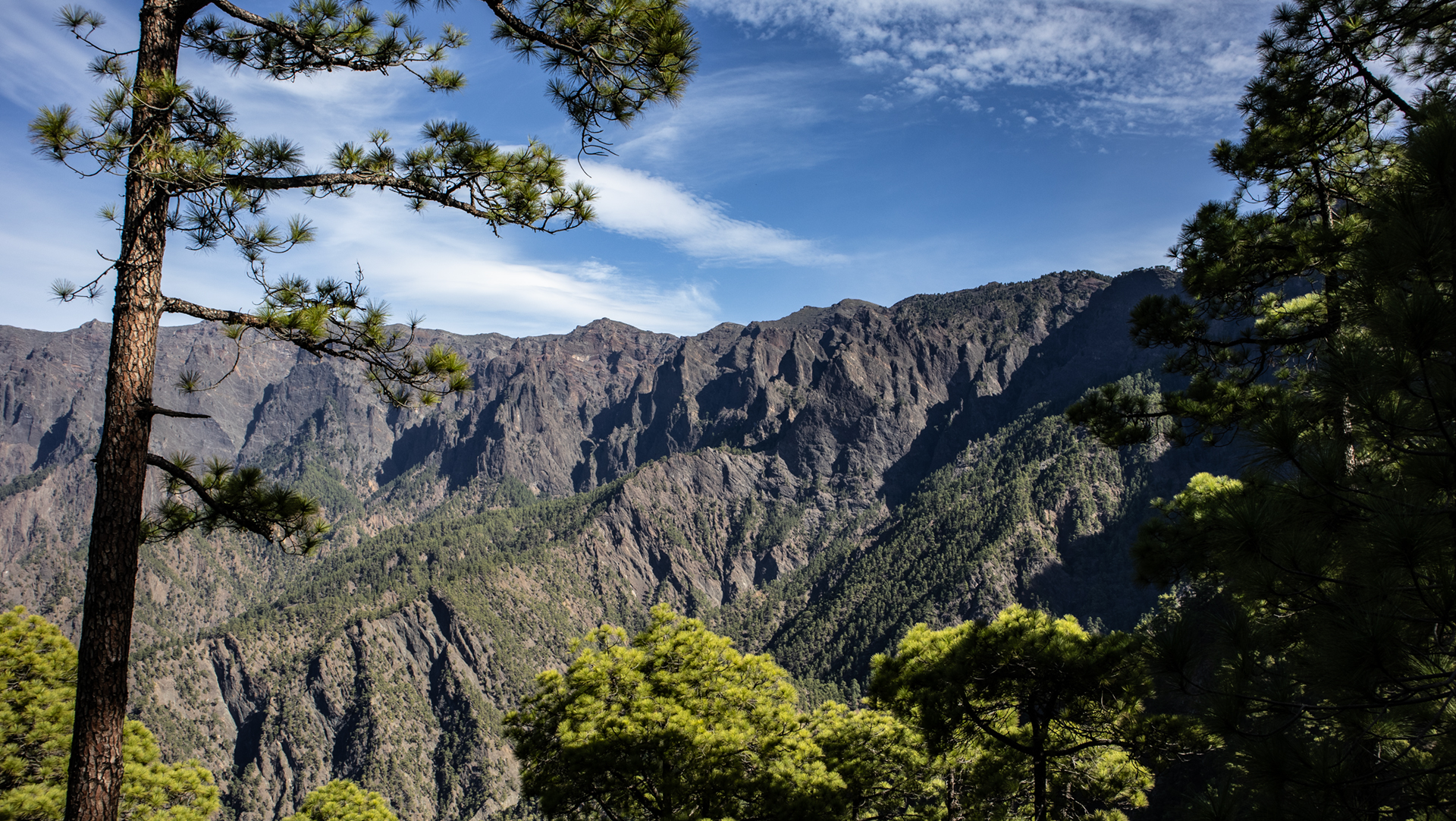
La Cumbrecita is one of the most breathtaking viewpoints on the island. At first glance, the enormous crater basin of the Caldera de Taburiente suddenly opens up before you: steep gorges, mighty pine forests, and massive rock walls shaped by millions of years of erosion. You need a moment to truly take in these dimensions.
The Tajogaite Lava Field: A Landscape Just Born
In the district of Las Manchas, the immense power of the 2021 Tajogaite eruption becomes especially apparent. Deep-black lava masses extend like petrified rivers down the slopes of the Cumbre Vieja all the way to the coast. On the horizon you can make out the so-called fajanas — new land spurs formed by the lava that have expanded the area of La Palma. Here the volcano wrested new land from the Atlantic and permanently altered the coastline.
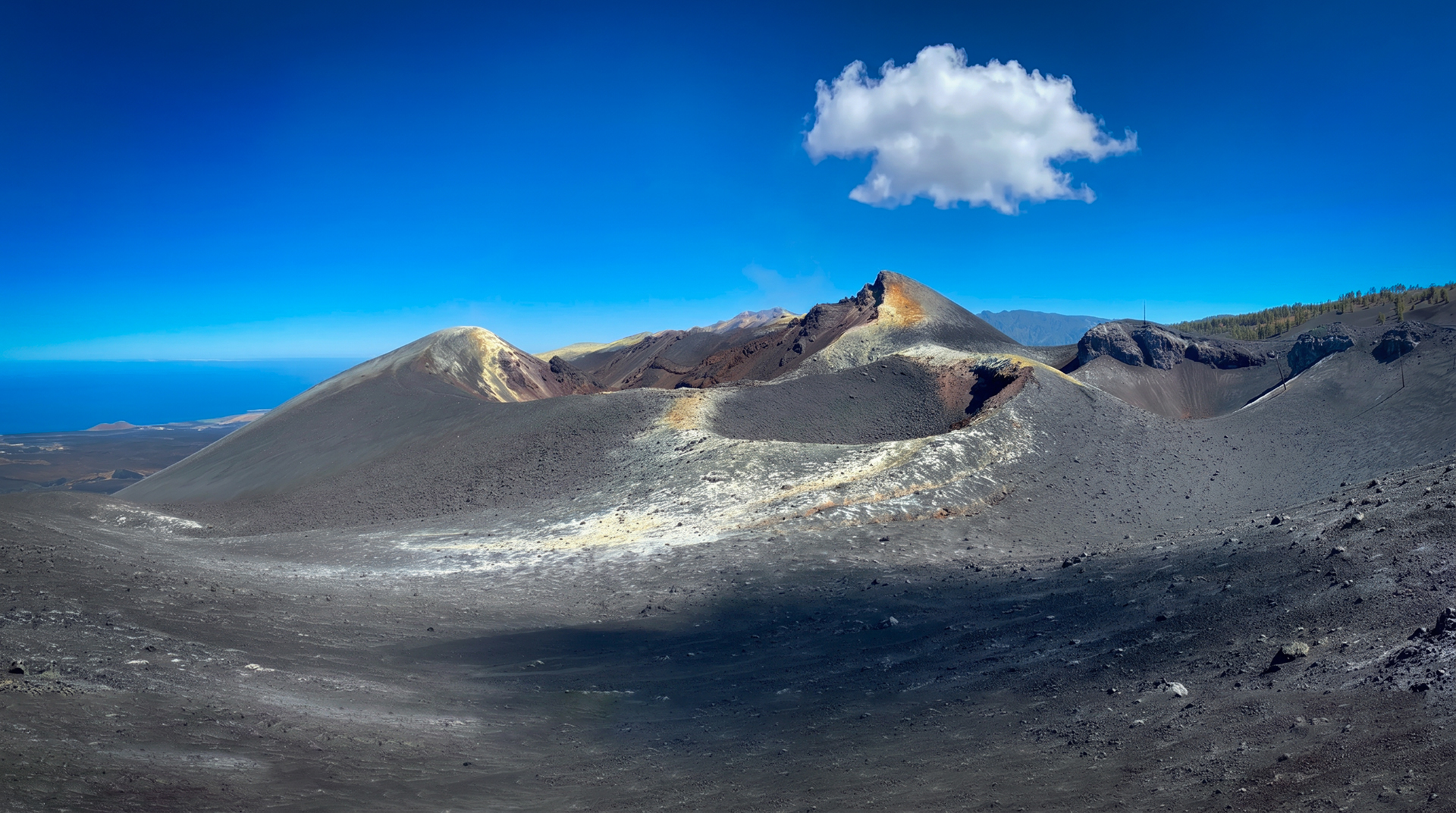
The Caños de Fuego visitor centre offers vivid information about the formation of the volcanic landscape. Particularly impressive are the guided tours through the underground lava tubes. Wearing a helmet and headlamp, visitors walk through natural tunnels created by cooling lava flows — an experience that makes the island’s young geology immediately tangible.
Note
Access restrictions remain in place for certain areas of the lava field due to possible gas emissions. Up-to-date information can be obtained at the visitor centre or from the municipality of El Paso.
The Silk Museum: A Nearly Forgotten Craft
El Paso and Mazo are jointly regarded as the centre of traditional crafts on La Palma. Those interested in traditional handwork — embroidery, ceramics, textiles — will find studios in and around El Paso that can be visited by appointment. El Paso has one distinctive attraction that surprises many visitors: the Museo de la Seda, the only silk museum in the Canary Islands.
Sericulture and silk processing came to La Palma after the conquest of the island in the 16th century, brought by Spanish and Flemish settlers, and developed over centuries into an important craft. The tradition was preserved especially in El Paso.
While many looms were still in operation in the mid-20th century, only a few traditional workshops continue today. The museum displays historic looms, silkworms, production stages, and finished textiles — a quiet testament to a craft that nearly disappeared.
Conclusion
El Paso is La Palma’s pivot point between past and future: between the immense Caldera de Taburiente and the young volcanic landscape of the Tajogaite. Those seeking nature, geology, and the quiet side of the island will find an ideal base here.
The proximity to the national park, the spectacular lava fields, and the historic silk-making tradition make El Paso a place that deserves more than just a drive-through.
Frequently Asked Questions
How do I book the reservation for La Cumbrecita?
Are there buses to La Cumbrecita?
What does a tour through the lava tubes near El Paso cost?
Where is the best place to stay in El Paso?
This article is based on the on-the-ground knowledge of the Gequo editorial team – publishers of the Reisezeit hiking guides and operators of Sunhikes.com. Last updated: May 2026