Climate on La Palma: The Divided Island and the Eternal Spring
One might think La Palma has one climate — but it has two. The central mountain range divides the island into a humid eastern side and a dry western side. In the east, the north-east trade winds bank up against the mountains, releasing their moisture as mist and light rain, nurturing lush laurel forests and evergreen vegetation. In the west, very little rain falls — the clouds have already emptied over the mountains — and instead, the sun shines almost constantly. This is not a natural curiosity but a fundamental characteristic of the island that shapes every travel plan.
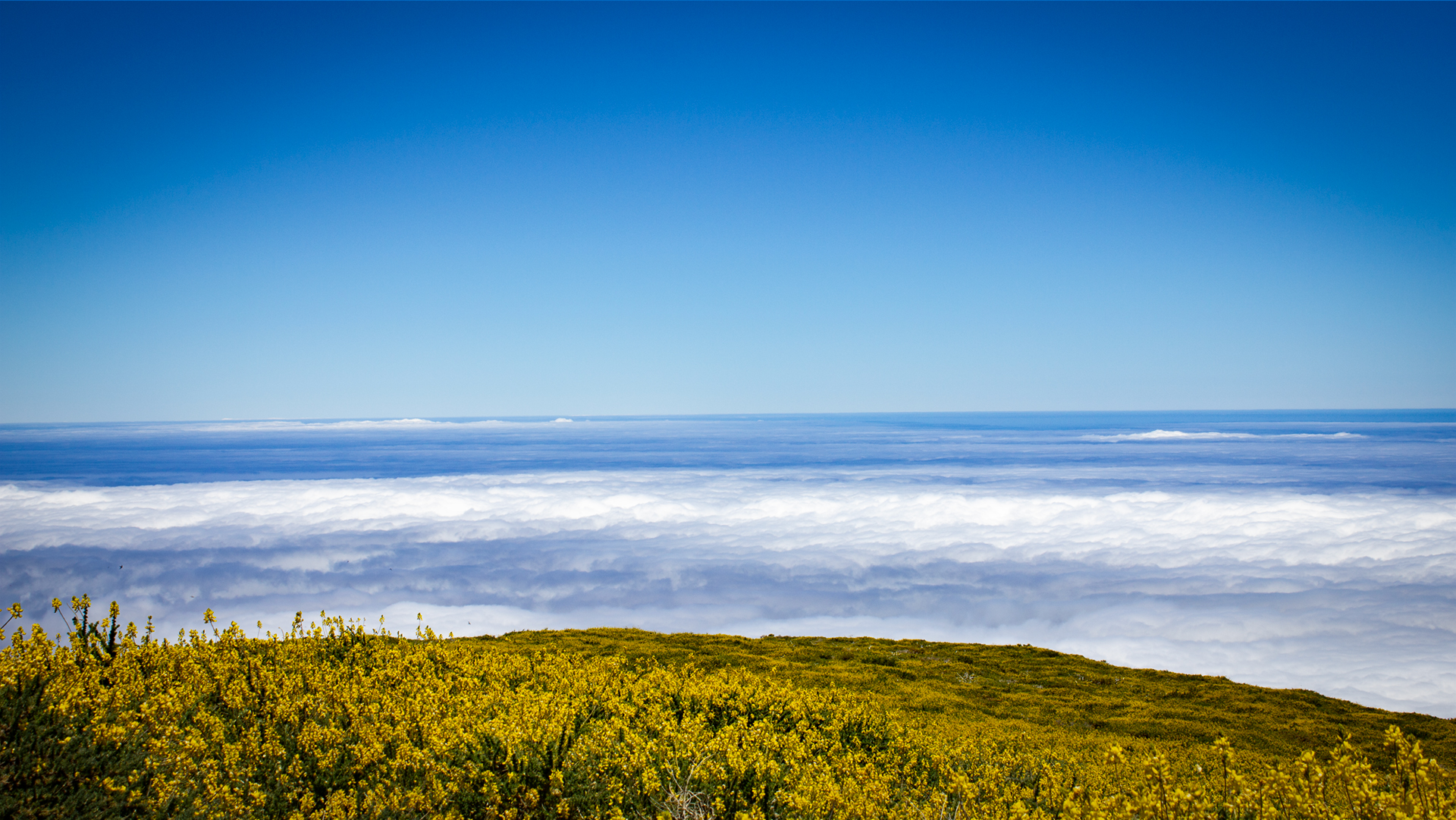
La Palma is one of the steepest volcanic islands in the world relative to its surface area. This extraordinary topographic relief means that completely different climate zones coexist within a very small area.
The result of this dualism is a climate you would struggle to find anywhere else on such a small scale: places like Puerto Naos and Tazacorte in the west enjoy more than 300 sunny days a year; places like Breña Alta in the east fewer than 200. Many travellers experience it firsthand in the tunnel under the Cumbre ridge: gray and overcast in the east, sunshine in the west.
Temperatures Throughout the Year
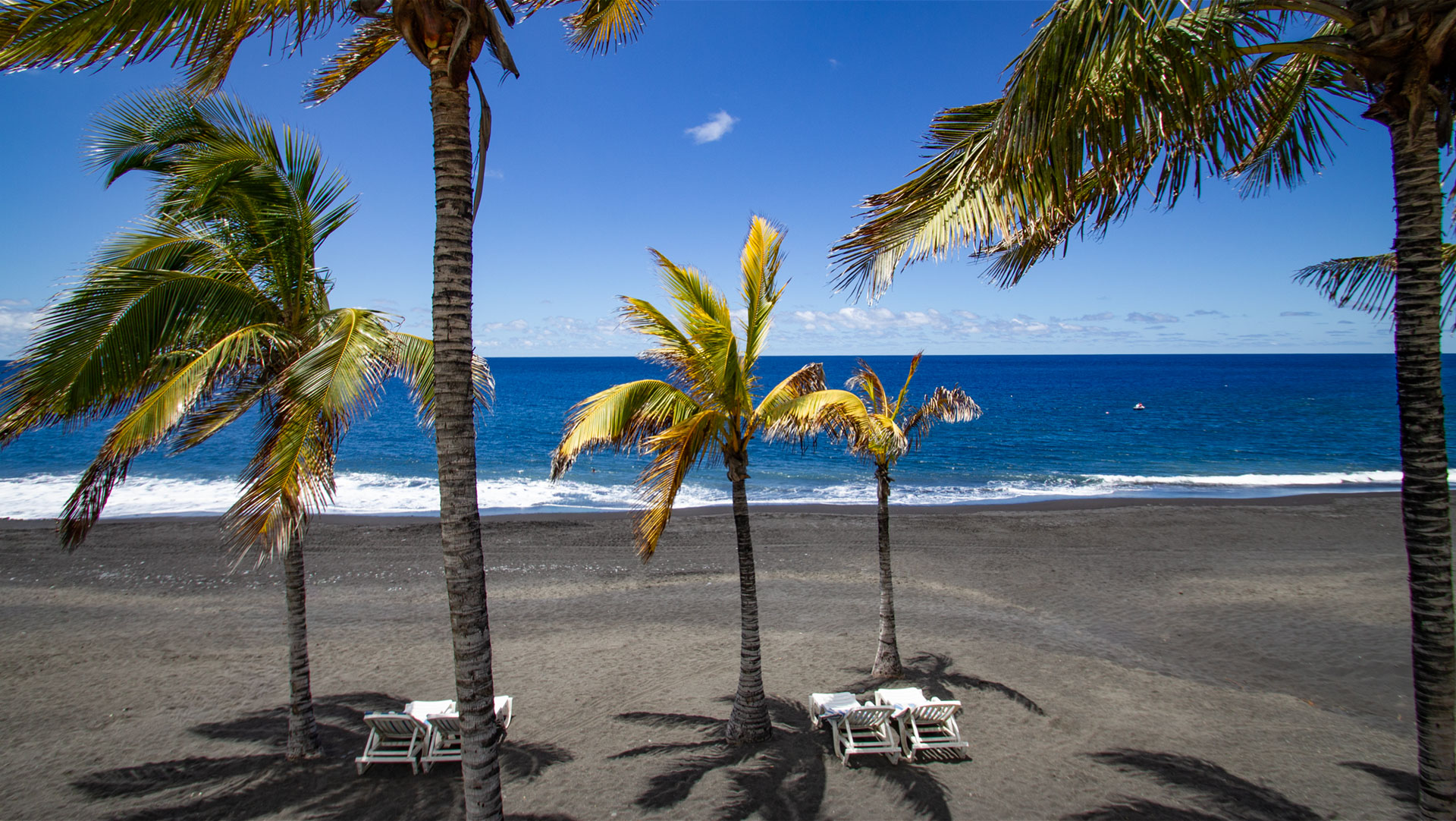
Temperatures on the coast vary little. In winter (December to March), daytime highs reach 20–22°C, with nights at 15–17°C. In summer (July to September), they climb to 26–28°C during the day, remaining at 21–23°C at night. Water temperature varies between 19°C in March and 24°C in September.
In the higher elevations, temperature drops by roughly 0.6 to 1°C per 100 metres of ascent. If it’s 25°C on the beach, you should expect 10°C or less at Roque de los Muchachos (2,426 m). In winter, snow can fall there. Warm clothing is essential for any excursion to higher elevations — even in summer.
The 500-Metre Rule for Accommodation
Anyone staying on La Palma in winter should pay attention to the altitude of their accommodation. Below 300 to 400 metres on the western side, sunshine is almost guaranteed. Above 500 metres, the likelihood of clouds and drizzle increases significantly — even on the western side. A finca in the mountains may be romantic, but anyone wanting sun in February is better off choosing the coastal zone. Puerto Naos and Tazacorte on the west coast are among the most reliable sunny spots for a winter holiday on La Palma.
Best Time to Visit
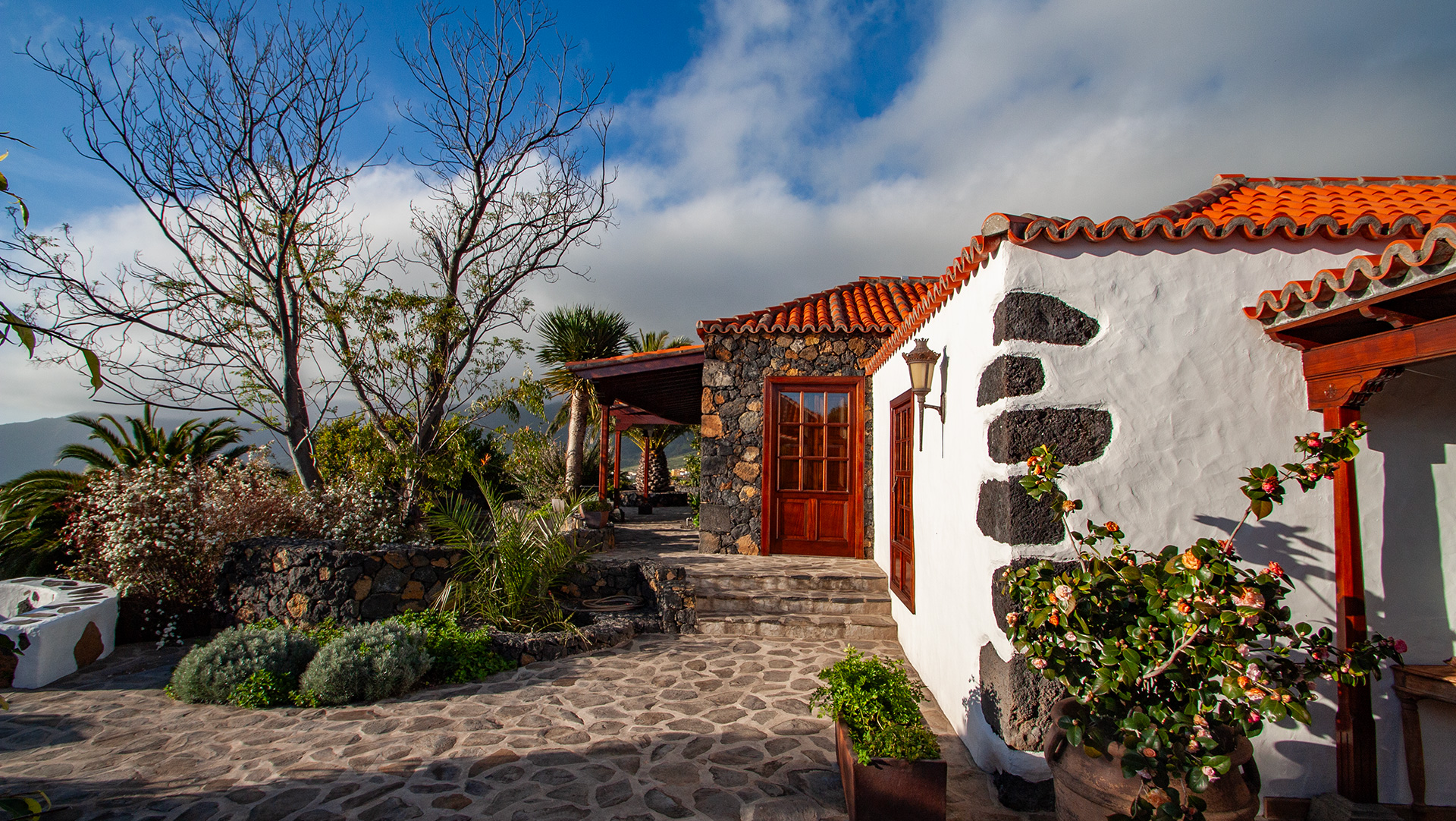
For hikers, April to June (blooming season, pleasant temperatures) or September to November (quieter, still warm) are ideal. For swimming: July to October (warmest water). For winter sun: October to April on the western side below 400 metres. La Palma is a year-round destination; mass tourism does not exist at any time of year.
| Jan–Mar | Peak season for winter sun · almond blossom in February · Carnival |
|---|---|
| Apr–Jun | Blooming season · best hiking weather · tajinaste bloom May/June |
| Jul–Sep | Warmest water · calima risk (Saharan dust) · dry |
| Oct–Dec | Quiet season · first autumn rains · ideal light quality |
Planning for La Palma’s Microclimates
La Palma’s climate is not a single weather condition — it is two. Understanding this — east moist, west sunny, altitude cold — allows you to plan your holiday perfectly. For winter sun: west side, close to the sea.
Frequently Asked Questions
When is the best time to visit La Palma?
How cold can it get on La Palma?
What is the 500-metre rule?
Why does the weather vary so much across such a small area on La Palma?
What is the calima and when does it occur?
This article is based on the on-the-ground knowledge of the Gequo editorial team – publishers of the Reisezeit hiking guides and operators of Sunhikes.com. Last updated: May 2026