Museo del Plátano – Europe’s Only Banana Museum
Driving through the Aridane Valley on La Palma, you pass through an endless expanse of banana plants. Plantations as far as the eye can see – a sea of green leaves and blue protective bags around the fruit. The banana is not decoration, it is an economic foundation: around 60,000 tonnes of Plátano Canario leave La Palma each year heading for the mainland. What lies behind this system – history, botany, technology, water – is explained by the Museo del Plátano in Tazacorte, Europe’s only museum dedicated exclusively to this subject.
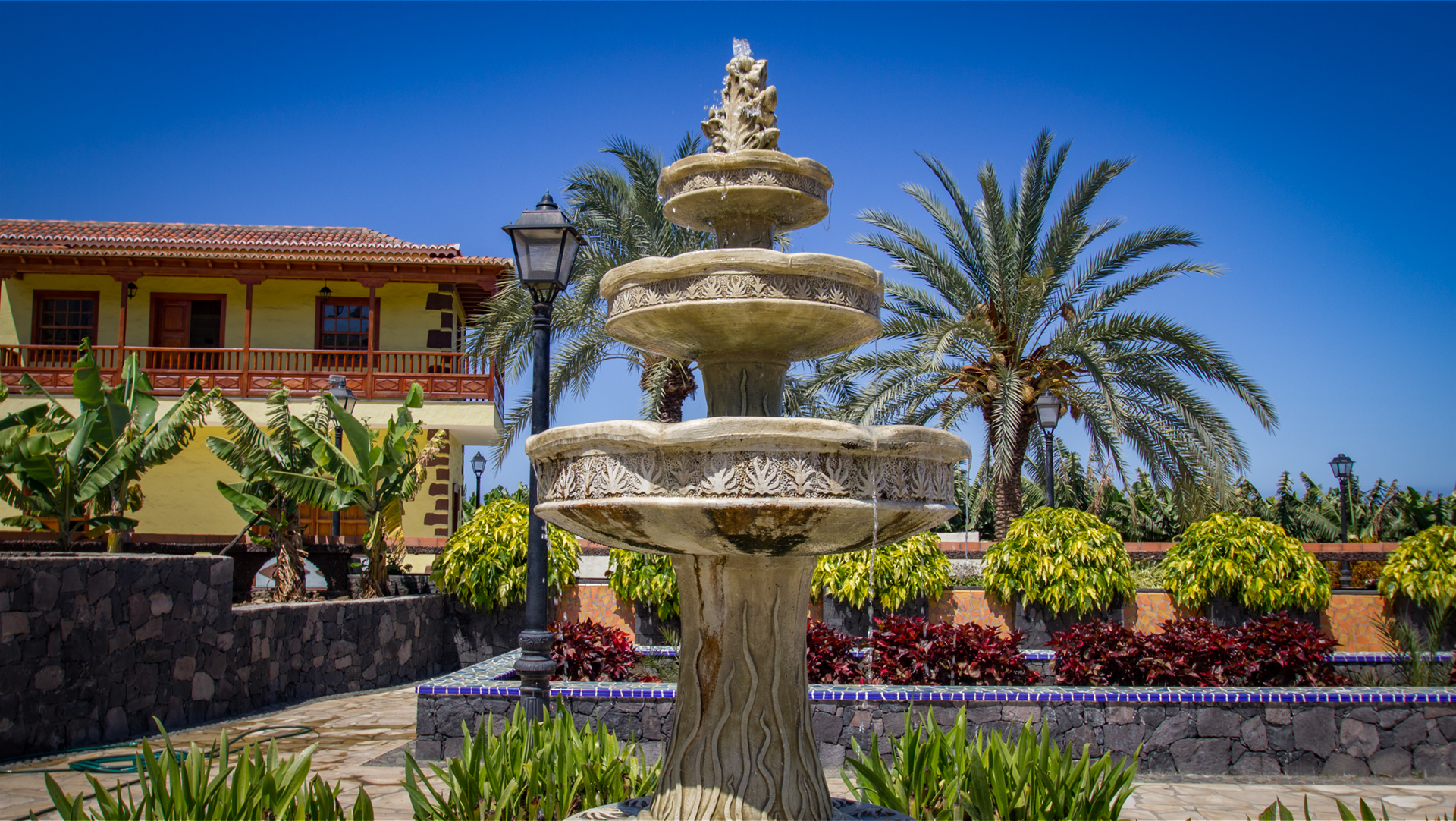
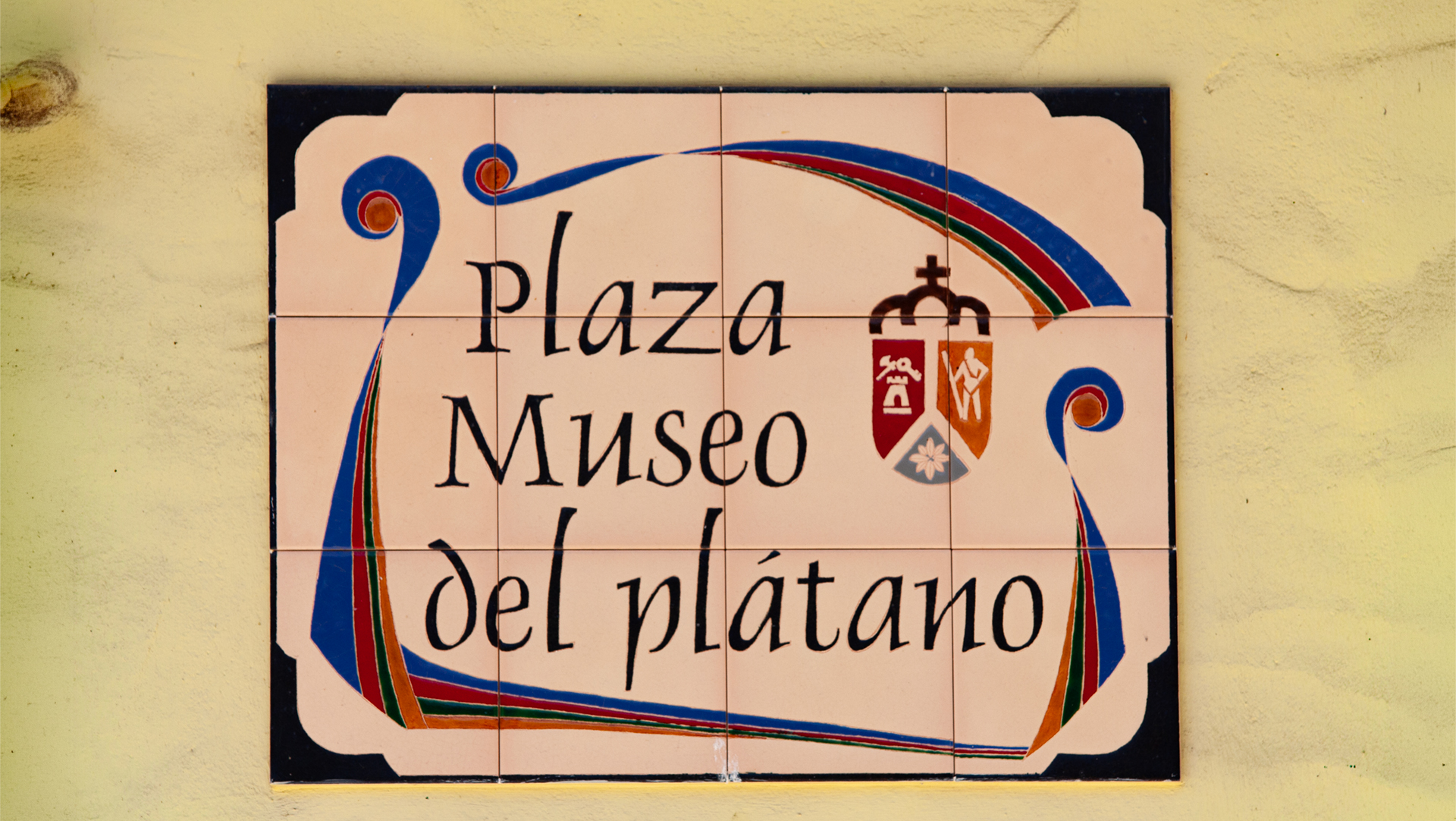
The museum is housed in a lovingly restored historic building with gardens, surrounded by living banana plants. It is not a large museum – but a charming, carefully curated one that takes seriously a subject most visitors have only ever encountered as yellow fruit in the supermarket.
What the Museum Shows
The exhibition takes visitors through the entire history of the banana on La Palma: from the introduction of the plant by the British in the 19th century, through the development of exports, to modern cultivation methods. Historical tools, old cable car models (fruit was transported directly to ships by cable car) and information boards in several languages bring the history to life.
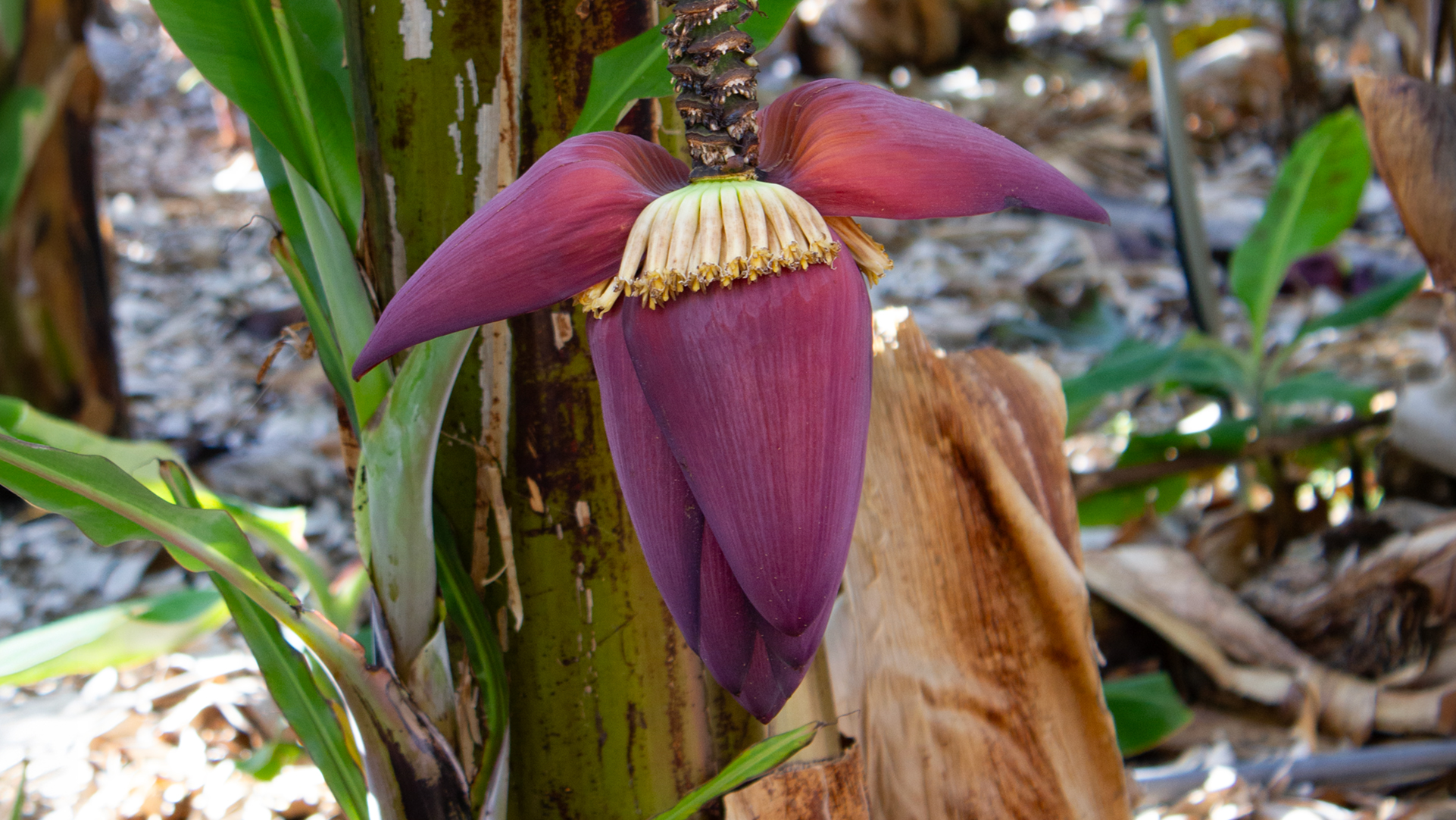
Particularly interesting are the sections on botany: the banana is not the fruit of a tree but of a herbaceous plant. The plant dies back after harvest – and regrows from the rhizome. And the complex irrigation system that keeps the plantations alive in the dry western part of La Palma is an engineering achievement in its own right.
The Plátano Canario – What Makes It Special
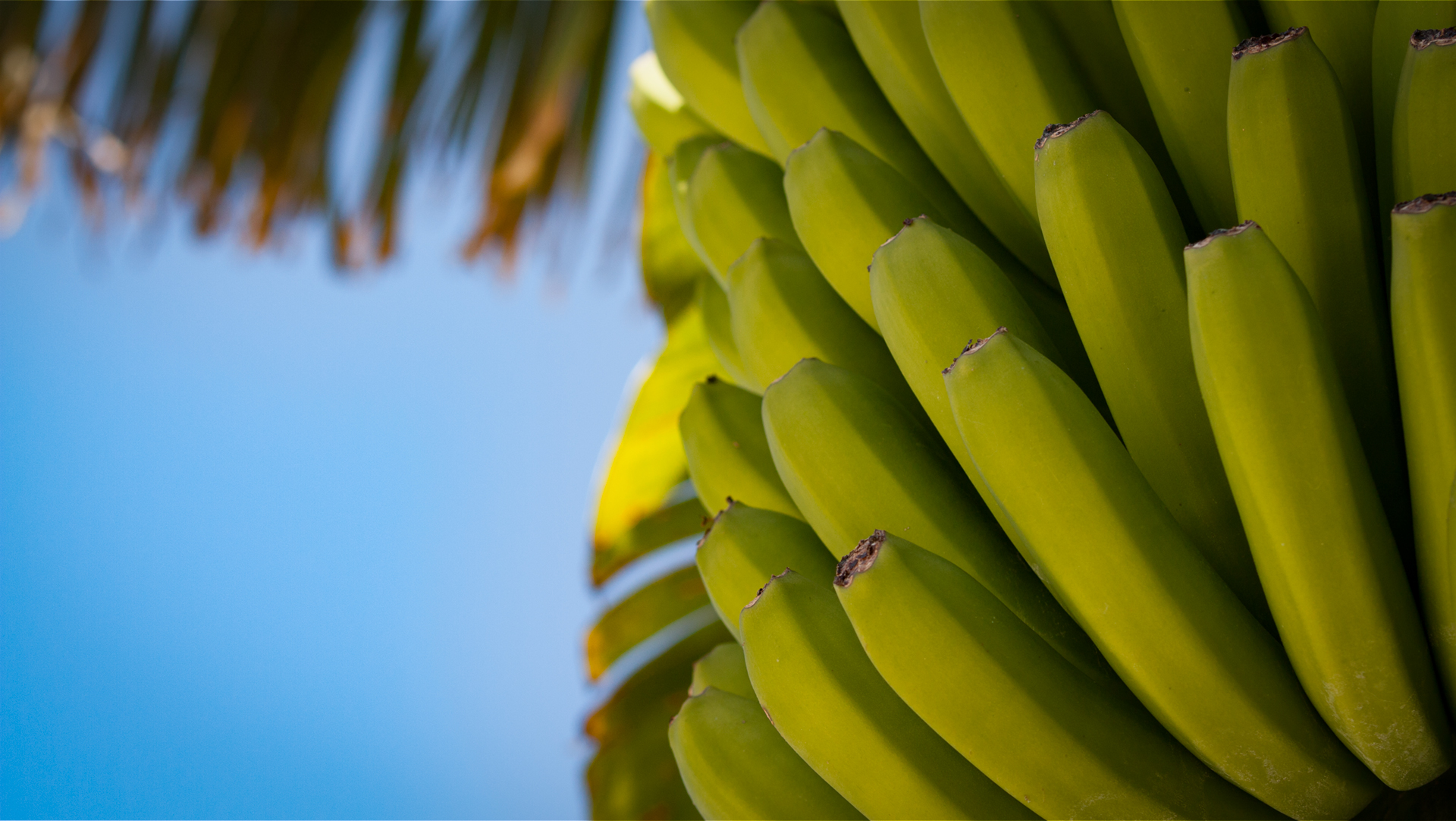
The Plátano Canario is not the large, starchy supermarket banana. It is smaller, more aromatic, sweeter and has a thinner skin. Its sugar content is higher, its water content lower – which sets it clearly apart from the Ecuadorian export banana in terms of flavour. Cultivation is more labour-intensive, harvesting is done by hand, and selection is strict.
La Palma produces a significant share of the Canarian banana harvest. The mild climate of the western slope, irrigation from mountain springs and the volcanic soil give the Plátano Canario its distinctive character. After visiting the museum, you see the plantations with different eyes.
Visitor Information
Museo del Plátano: Camino de El Polvillo, 38770 Villa de Tazacorte
Opening Hours: Mon–Fri 10:00–13:30 & 15:00–18:00; Sat 10:00–13:00; Sun closed
Admission: ca. 2,00 €
Duration: approx. 45–60 minutes
Getting There from Los Llanos: LP-1 towards Tazacorte, El Charco district – approx. 10 mins
Combine with: Tazacorte Old Town (500 m) + Puerto de Tazacorte harbour (1 km)
After the Museum: Exploring Tazacorte
The Museo del Plátano is located in the El Charco district, the historic old town of Tazacorte. The old town, with its colourful manor houses and narrow alleys, is considered one of the most beautiful on La Palma and is within walking distance after the museum visit. From the historic centre, it is just a few minutes to Puerto de Tazacorte – a small fishing harbour with restaurants right on the water.
Frequently Asked Questions (FAQ)
What sets the Plátano Canario apart from other bananas?
Can you buy banana products at the museum?
Is the museum suitable for children?
Is a plantation visit included with the museum visit?
How much time should I allow?
The History of the Banana on La Palma
The banana arrived in the Canary Islands in the 19th century with British trading houses. Tenerife and Gran Canaria initially became the main producers – but the favourable conditions in the Aridane Valley on La Palma meant that the western side of the island soon became one of the densest banana-growing regions in the Canaries. The mild climate with up to 3,000 hours of sunshine per year, the sheltered position from the northeast trade winds and the fertile volcanic soil make Tazacorte the best banana region on the island.
For decades, export was a complicated affair: the steep coastline offered no natural harbour. The solution was the cable car – a structure running directly from the coastal plantations over the cliffs to ships anchored offshore. The harvested bunches were bundled in baskets and transported directly on board by cable car. The museum displays photos and models of this long-vanished infrastructure.
Water: The Lifeblood of the Plantations
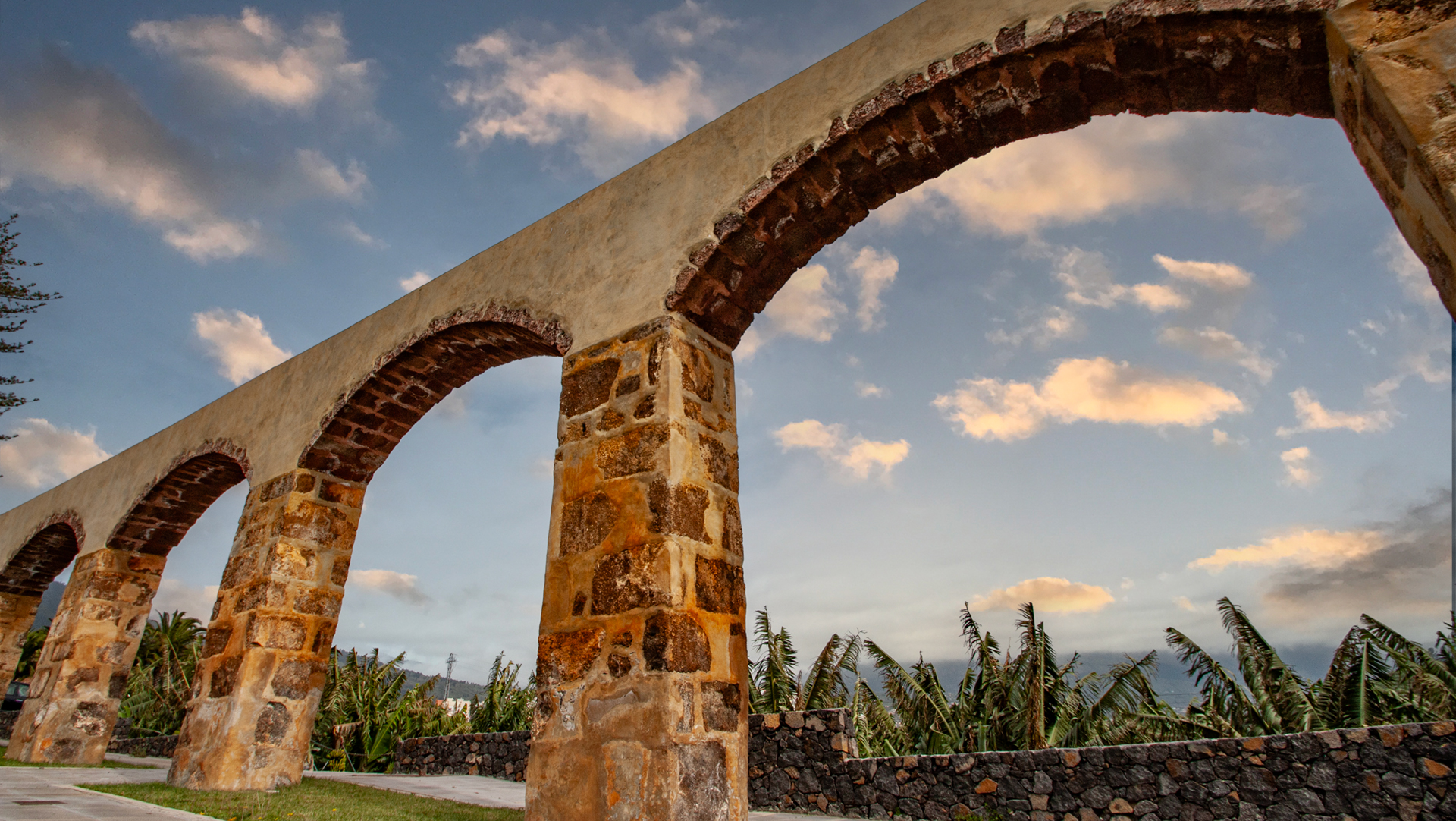
No water, no Plátano. The western side of La Palma is comparatively dry – the northeast trade winds bring their rain to the other side of the island. The irrigation system that keeps the Aridane Valley plantations alive is a centuries-old feat of engineering: water channels, tunnels, acequias – all transporting water from the mountain springs to the dry western side. The museum devotes a dedicated exhibition section to this system.
Tazacorte: The Most Beautiful Harbour on the West Coast
After visiting the museum, take a stroll through the historic old town down to Puerto de Tazacorte. The small fishing harbour with its black sand beach and waterfront restaurants is one of the most relaxed spots on the west coast. Combining the museum, the old town and an evening at the harbour makes for a perfect Tazacorte day.
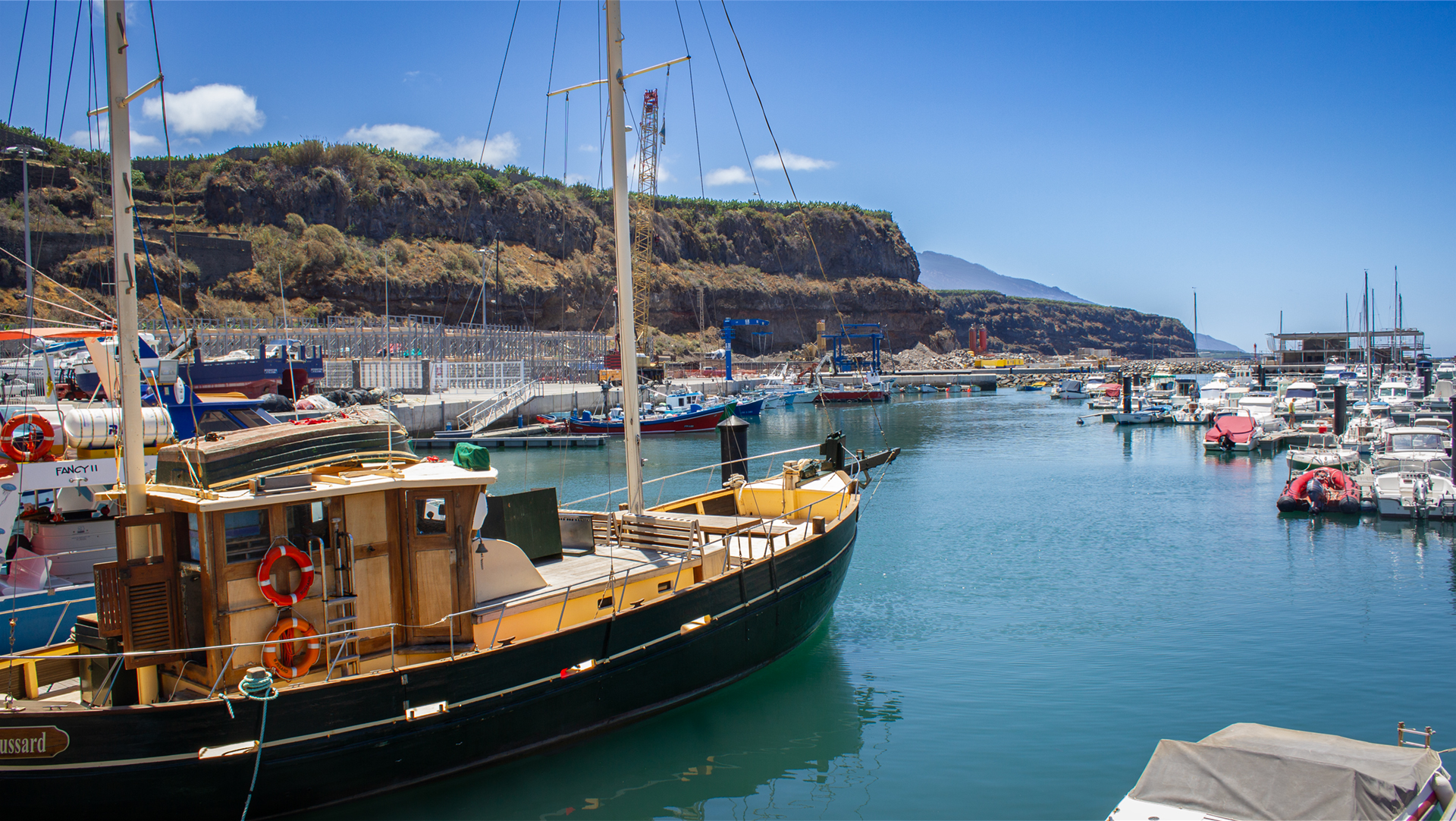
Tazacorte After the Museum
Puerto de Tazacorte is about 15 minutes on foot from the museum. This small harbour, with its black volcanic sand beach and waterfront restaurants, is one of the most laid-back spots on the west coast. Seafood, grilled fish and views over the Atlantic – a perfect end to a museum morning.
Those looking to stay overnight in Tazacorte will find vetted holiday homes directly in the municipality on Clariso. Tazacorte is one of the sunniest spots on La Palma and makes an ideal base for exploring the west coast.
Visiting Tips
Best Time to Visit: year-round; particularly sunny in summer
Combine with: Tazacorte Old Town + Puerto de Tazacorte (approx. 15 min. walk each)
Sundays: museum closed — choose a local market (mercadillo) day instead
This article is based on local knowledge from the Gequo editorial team – publishers of the Reisezeit hiking guides and operators of Sunhikes.com. Last updated: May 2026