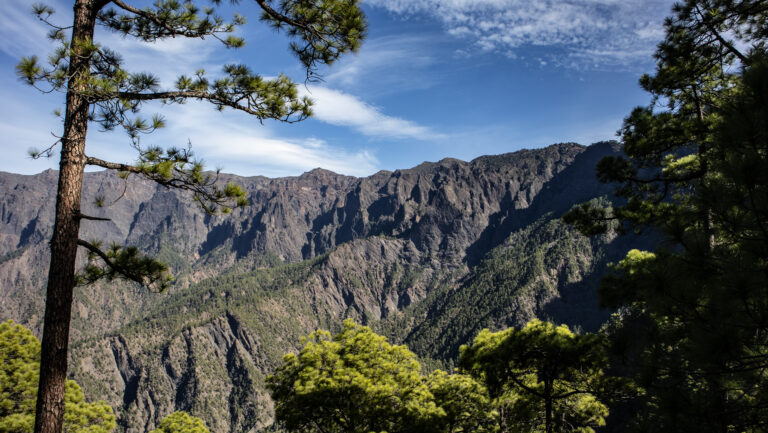
Los Tilos – Where La Palma’s Primeval Forest Breathes
There are moments on La Palma when you forget you’re in the middle of the Atlantic. In Los Tilos, such a moment is guaranteed. The path into the Barranco del Agua leads into a forest that feels older than any memory – a laurel forest so dense and humid you’d expect to find it in the tropics rather than on a small volcanic island in the Atlantic. The ferns reach head height. The air smells of damp moss. The greenery practically glows.
The Los Tilos UNESCO Biosphere Reserve
Los Tilos is part of the La Palma Biosphere Reserve – and within this reserve the laurel forest is considered the most precious piece. The Laurisilva, as this ancient forest type is known in Spanish, is a direct remnant of the Tertiary forests that covered large parts of Europe millions of years ago. Today it survives only in the Canaries, Madeira and the Azores – here in Los Tilos, in one of the purest forms in Europe.
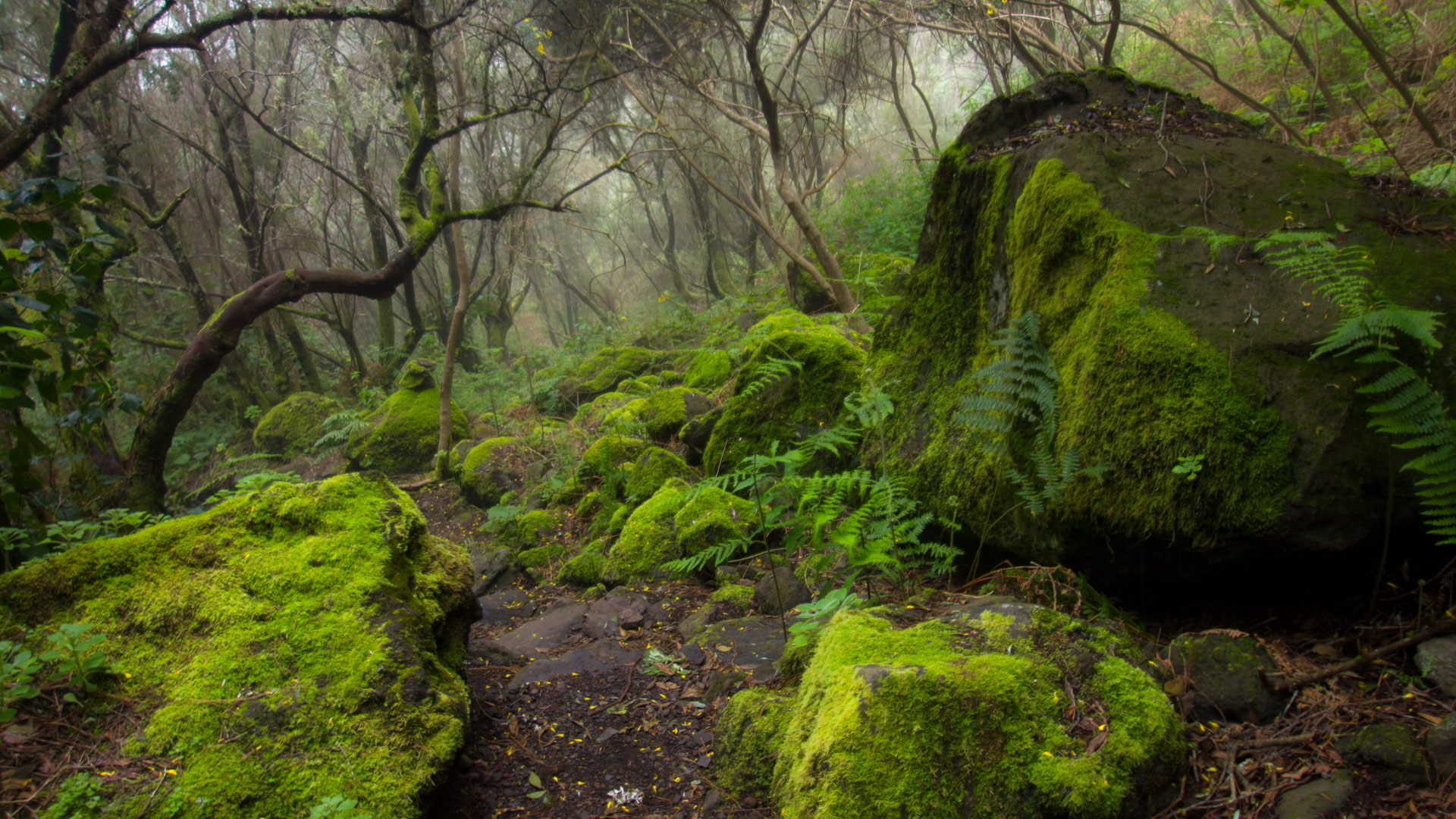
The laurel forest holds UNESCO World Heritage status – as part of the entire Canarian Laurisilva, recognised in 1999. Los Tilos is therefore not a national but a global natural heritage site. You can physically feel this as you breathe in the damp half-light of the forest.
The Barranco del Agua Gorge
Through the heart of Los Tilos runs the Barranco del Agua – the water gorge – a narrow, damp incision into the interior of the north slope, where water flows year-round. The short main trail crosses a bridge and passes through one of the characteristic tunnels into the interior, and is easily accessible even for less experienced visitors.
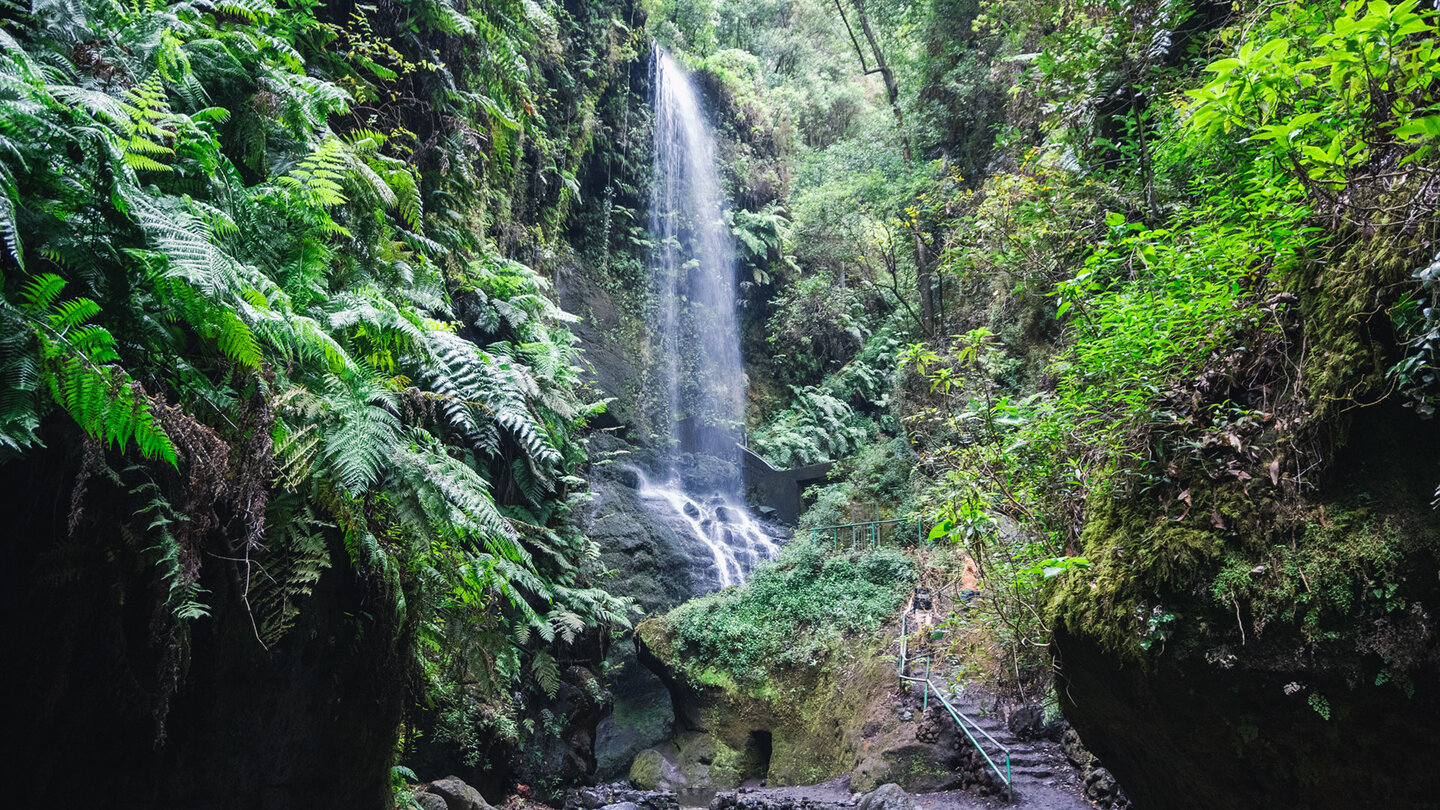
The Cascada de los Tilos waterfall, plunging deep into the throat of the gorge, is the visual centrepiece of the excursion. Depending on the season – and on rainfall in the preceding weeks – it falls as a single powerful jet or in many small streams. In winter and spring, when the north slope is at its dampest, it is at its most impressive.
The Trail to the Springs – Marcos y Cordero
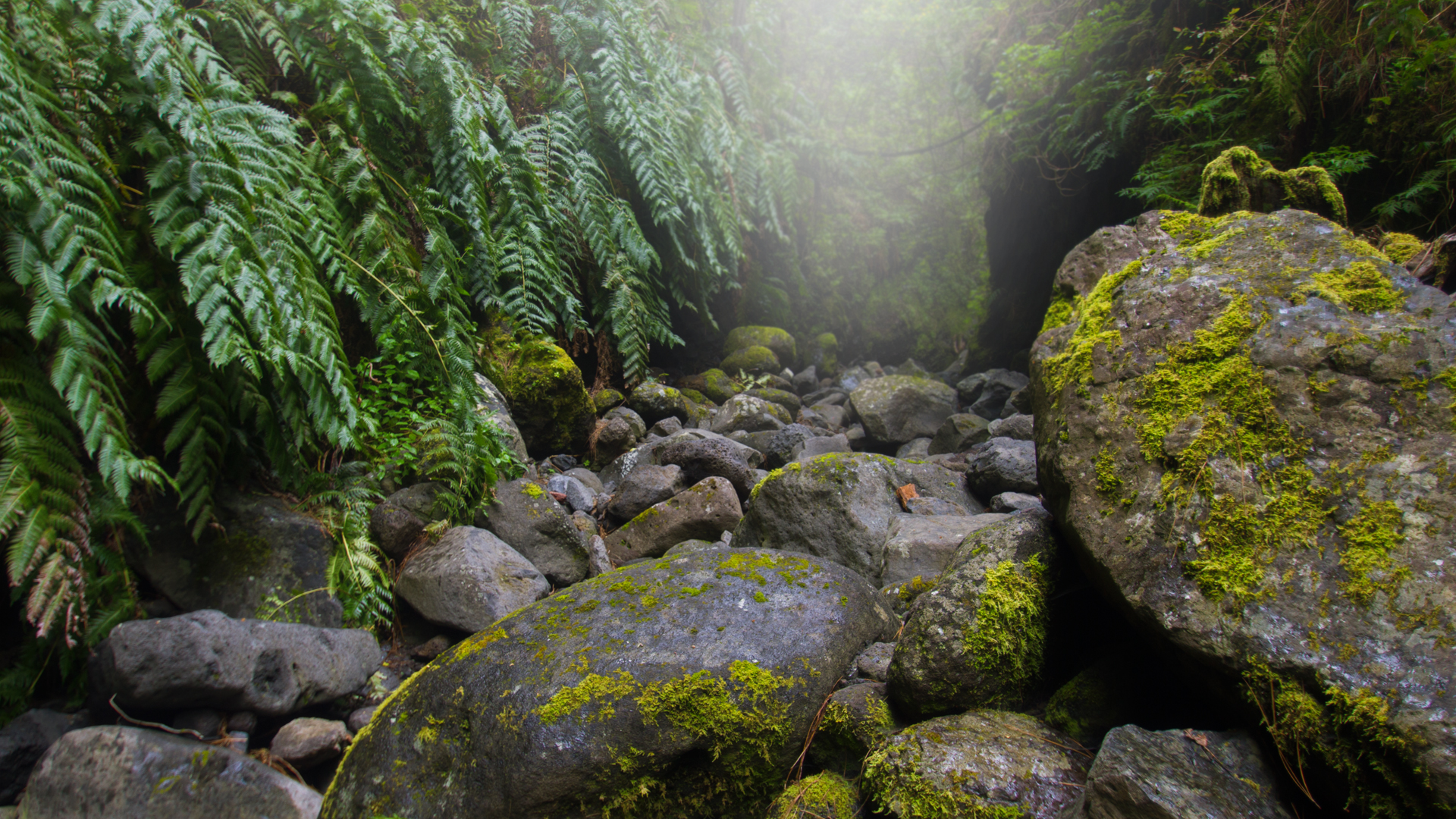
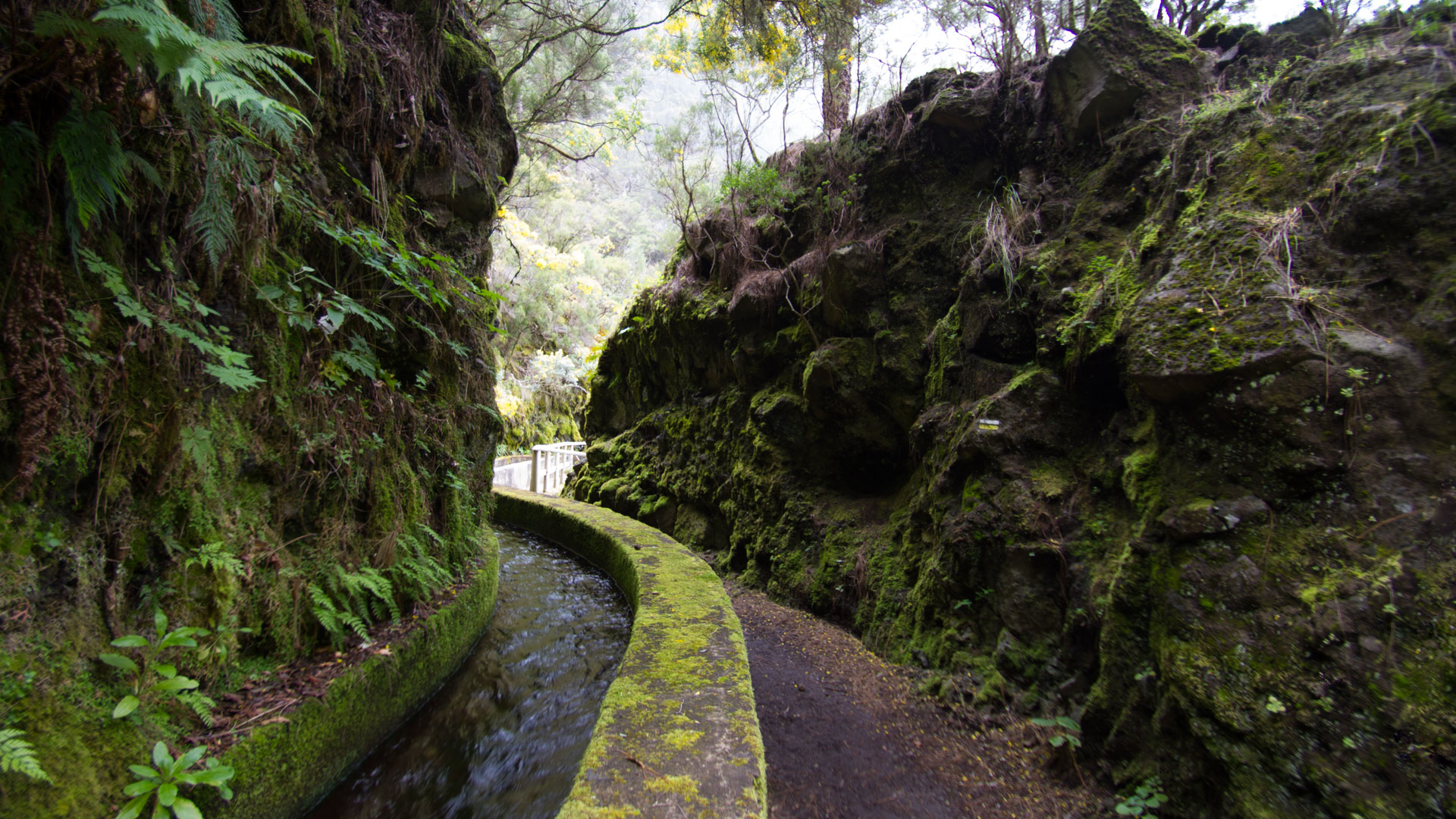
To get the full Los Tilos experience, push further on: all the way to the Marcos y Cordero springs. This trail passes through 13 tunnels cut into the rock, alongside water channels (acequias) that still carry water from the north to the western side of the island today. It is a hike through the interior of the mountain, through tropical humidity and deep silence – a uniquely special La Palma experience.
Essential Equipment:
A headlamp or flashlight is essential for the tunnel section. The tunnels are not lit. Also required: sturdy footwear, a rain jacket, and 1.5–2 litres of water per person.
Flora in the Laurel Forest
Species diversity in Los Tilos is unusually high by European standards. Laurel (Laurus novocanariensis), til (Ocotea foetens), Viñátigo (Persea indica) and tree heather form the canopy. Beneath them grow head-high ferns, mosses covering every stone and branch, and rare orchid species in the understorey. On the way to the springs the vegetation changes dramatically with every shift in moisture – each bend brings a new composition.

Wildlife is harder to spot than the flora, but all the more rewarding when encountered: the La Palma chaffinch, the greenfinch and the rare Bolle’s pigeon (laurel pigeon) live in this forest. Those who arrive early in the morning and move quietly have the best chances.
When Los Tilos is Most Beautiful
Los Tilos is at its most lush in winter and spring – when the trade wind clouds wrap the north slopes in mist and the moisture plunges the forest into deep green. In summer, the upper reaches can feel a bit drier, but the Barranco del Agua stays alive all year round. During—and especially right after—a downpour, the forest is at its most dramatic.
Visitor Information
Los Tilos Visitor Centre: Ctra. de los Tilos, San Andrés y Sauces, La Palma
Phone: +34 922 45 64 84
Opening hours: Mon–Fri 9:00–14:00 (weekends variable – check in advance)
Admission: free
Directions from Santa Cruz: LP-1 towards Puntallana, then follow signs for Tilos – approx. 35 min.
Equipment: Sturdy footwear, rain jacket, headlamp for the tunnel section
Frequently Asked Questions (FAQ)
Do you need a reservation for Los Tilos?
Can you hike in Los Tilos with small children?
What is the difference between Los Tilos and Cubo de la Galga?
What is the Mirador Espigón del Atravesado and how do you get there?
Is there anywhere to eat in Los Tilos?
Which route is recommended for families with small children?
The Visitor Centre
The Los Tilos visitor centre is located directly at the entrance to the nature park and is the best starting point for any visit. It offers exhibitions on the flora and fauna of the laurel forest, up-to-date information on trail conditions and maps of the various routes. The staff are helpful and can advise on route planning – especially if you are undecided between going just to the waterfall or continuing to the springs.
Directly beside the visitor centre, the short main trail into the gorge begins. Within a few minutes on foot you reach the first bridge over the Barranco del Agua – and from there the water gorge is within touching distance.
More Hiking Trails from Los Tilos
Beyond the short main trail and the long route to the Marcos y Cordero springs, further hiking routes start from Los Tilos. The PR LP 5 leads up to the ridge above the laurel forest and offers views over the green north slopes and towards the Atlantic. Another route connects Los Tilos with the nearby village of Las Lomadas – a moderate path linking two distinct character zones of La Palma: the lush gorge vegetation and the more open mountain landscapes behind it.
San Andrés y Sauces – The Municipality Around Los Tilos
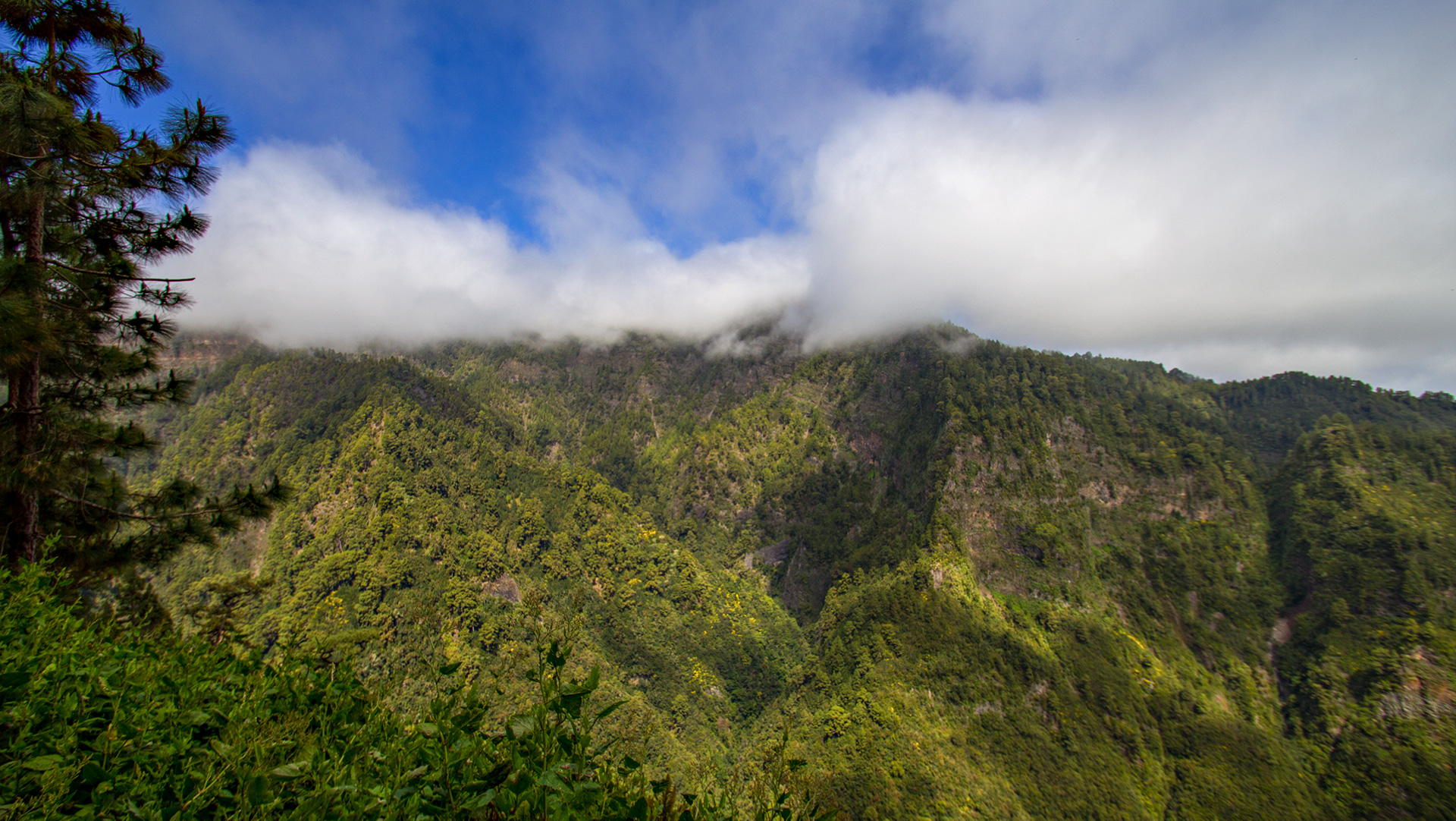
Los Tilos lies in the municipality of San Andrés y Sauces – one of the greenest and most rainfall-rich municipalities on La Palma. San Andrés is a small coastal town with a natural seawater pool, the Charco Azul, located a few kilometres from Los Tilos. Sauces is the inland district – a quiet village where time moves slowly.
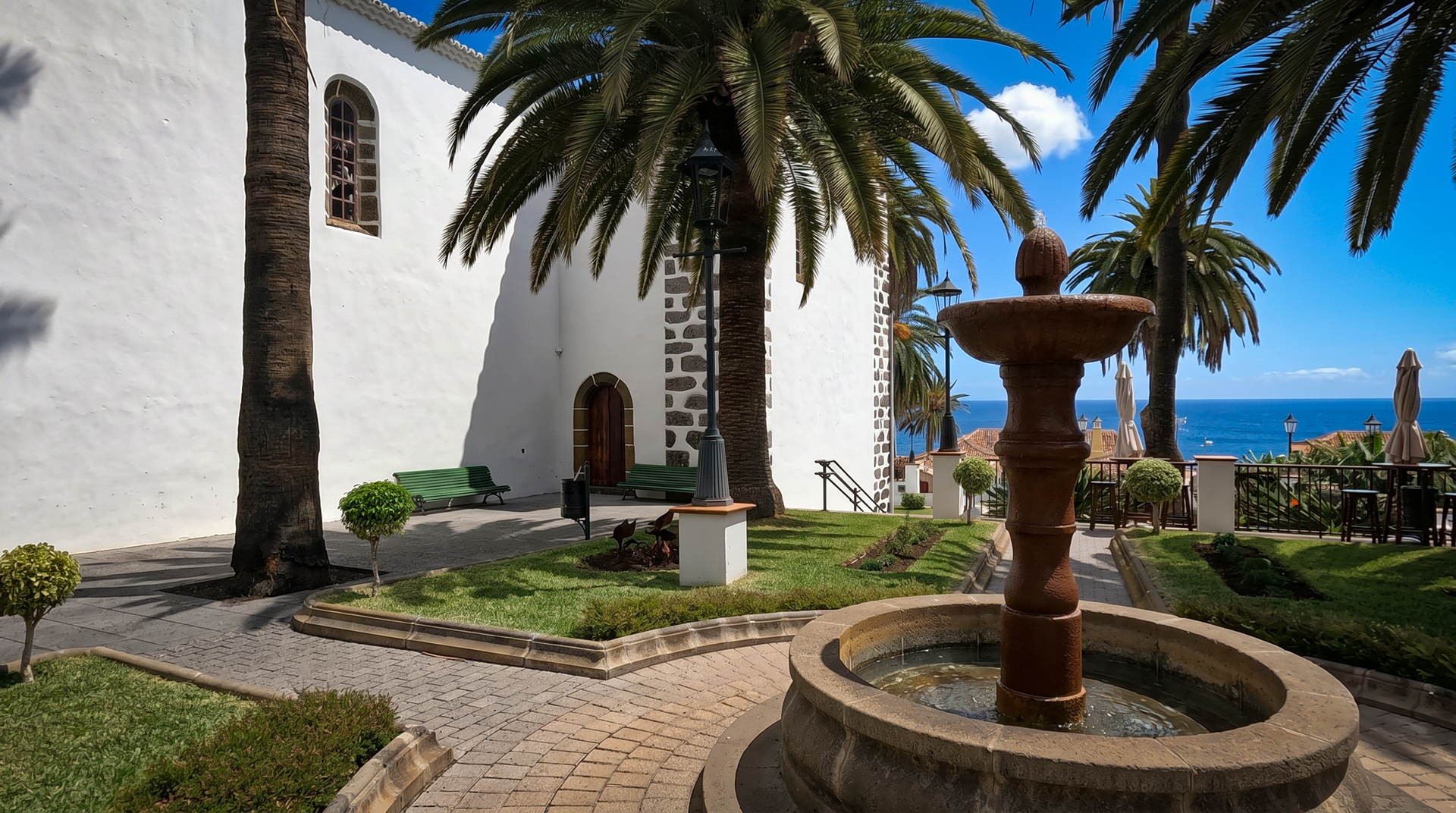
Those wishing to stay overnight in this corner of La Palma will find in San Andrés y Sauces a modest but genuine alternative to the better-known tourist spots. The area is within reach of the Charco Azul, one of the most popular natural seawater pools on the island – ideal for combining a forest walk in the morning with a swim in the afternoon.
Sustainability and Nature Conservation
Los Tilos is a strictly protected nature reserve – leaving the marked trails within the forest is not permitted. This rule exists for good reason: the laurel forest is sensitive, the soil easily damaged, and many endemic species need undisturbed areas. Respecting the trails helps ensure this ancient forest is preserved for future generations.
Collecting plants, fungi or rocks is prohibited in the protected area. Dogs must be kept on a lead. Noise should generally be avoided in the forest – not only out of consideration for other visitors, but above all for the wildlife.
Los Tilos and the Laurisilva – Global Significance
The Canarian Laurisilva is not just a regional peculiarity – as part of the UNESCO World Heritage Site ‘Laurel Forest of the Canary Islands’, it has been globally recognised since 1999. Within this heritage, Los Tilos on La Palma is considered one of the most significant remaining stands. The forest is home to over 40 endemic plant species and provides habitat for several bird species found only in the Canary Islands. Among them is Bolle’s pigeon (Columba bollii), a dove that breeds exclusively in the Canarian Laurisilva and is intimately linked to this type of woodland.

Unlike many other nature reserves worldwide, Los Tilos is not a reconstruction or a reforestation project. It is a genuine, direct descendant of a forest that has evolved without human interruption over millions of years. This fact makes every visit an event that goes beyond ordinary hiking – you are walking through living geological history.
Practical Tips for Visiting Los Tilos
Two Hikes for Two Levels
The short nature trail around the visitor centre with a detour to the waterfall can be comfortably done in an hour – level path, one small tunnel, perfect for families with children or anyone who just wants to immerse themselves in the forest without needing great fitness. Those wanting more head to the Mirador Espigón del Atravesado: a steep, roughly 90-minute hike up a narrow rocky ridge from which you look directly over the green canopy of the laurel forest as if from a nest. One of the most surprising viewpoints on the entire island – and found by very few visitors.
Terrain and Microclimate: The valley has its own climate: cool and damp year-round, regardless of what is happening on the coast. The ground on the forest trails is often slippery – moss, wet stones, damp roots. Shoes with a grippy sole are not just a precaution but plain common sense. Pack a light rain jacket or windbreaker, even if you set off in sunshine.
After the hike: The Restaurant Los Tilos directly at the visitor centre is the obvious stop for local specialities after the forest. Not a tourist restaurant – but a place where you can sit down properly after a long forest walk and eat Canarian food.
Summary: Los Tilos
Los Tilos is La Palma’s greenest and dampest natural experience. UNESCO World Heritage, a year-round water-bearing gorge, an impressive waterfall – and the trail to the Marcos y Cordero springs for those who want to experience the forest in its full depth. Pack a headlamp and set off early.
This article is based on the on-the-ground knowledge of the Gequo editorial team – publishers of the Reisezeit hiking guides and operators of Sunhikes.com. Last updated: May 2026