Fuencaliente – Where La Palma Dives Into the Sea at Its Southernmost Point
Right at the very bottom, at the island’s outermost tip, they stand side by side like silent sentinels: the old and the new lighthouse of Fuencaliente. The older one is half-swallowed by the lava of the 1971 eruption of Volcán Teneguía — a stone witness that this island is still breathing. Anyone who comes to Fuencaliente arrives at a place where the forces of the earth feel especially close.
The Lighthouses – Old and New, Lava and History
The old Faro de Fuencaliente was built in 1876. When the Teneguía volcano erupted in October 1971, its lava flows sealed off the surrounding land and cut a path all the way to the sea. The lighthouse survived — but to this day its foundations remain half-trapped in the hardened lava. Its modern successor has stood a few metres away since 1985, still doing its job. Together, the two form a picture that’s hard to beat.
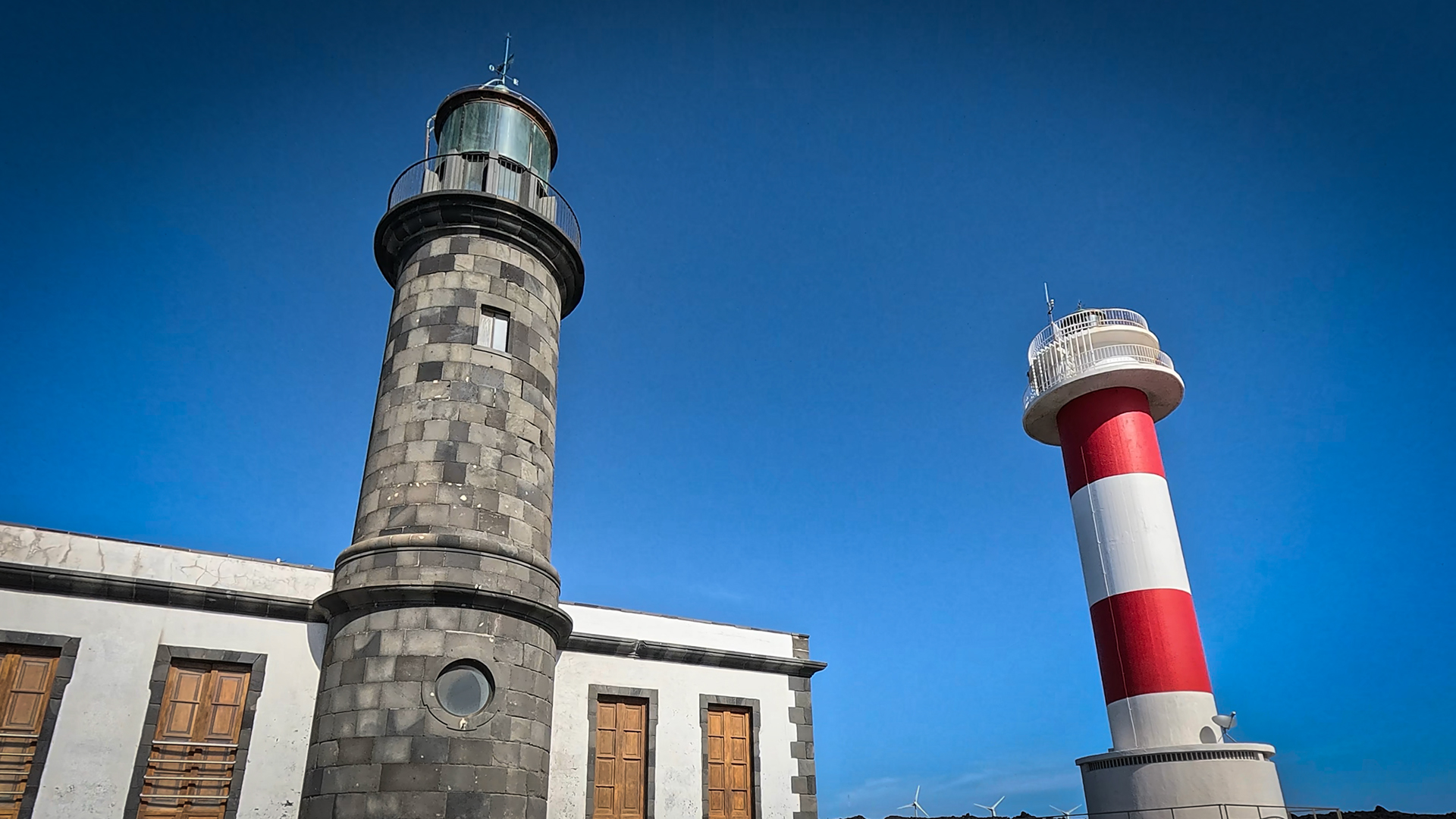
Sunset at the Faro
Anyone who comes in the evening, as the sun sinks into the Atlantic and the lava coast glows in the backlight, understands why this spot is on every photographer’s La Palma wishlist. The lighthouses of Fuencaliente in the evening light, flanked by the white salt pans and the black lava beach — it’s an image that lingers long after.
The Salt Flats – White Gold from Volcanic Earth
Right next to the lighthouses stretch the Salinas de Fuencaliente: shallow basins where Atlantic seawater evaporates, leaving behind the famous Sal de Teneguía — hand-harvested sea salt that’s rightly regarded as a delicacy in La Palma’s restaurants. The salt flats aren’t just a production site — they’re also a photographer’s dream: the contrast between the crystal-white salt, the deep-blue water of the basins, and the black volcanic earth all around is simply incredible.
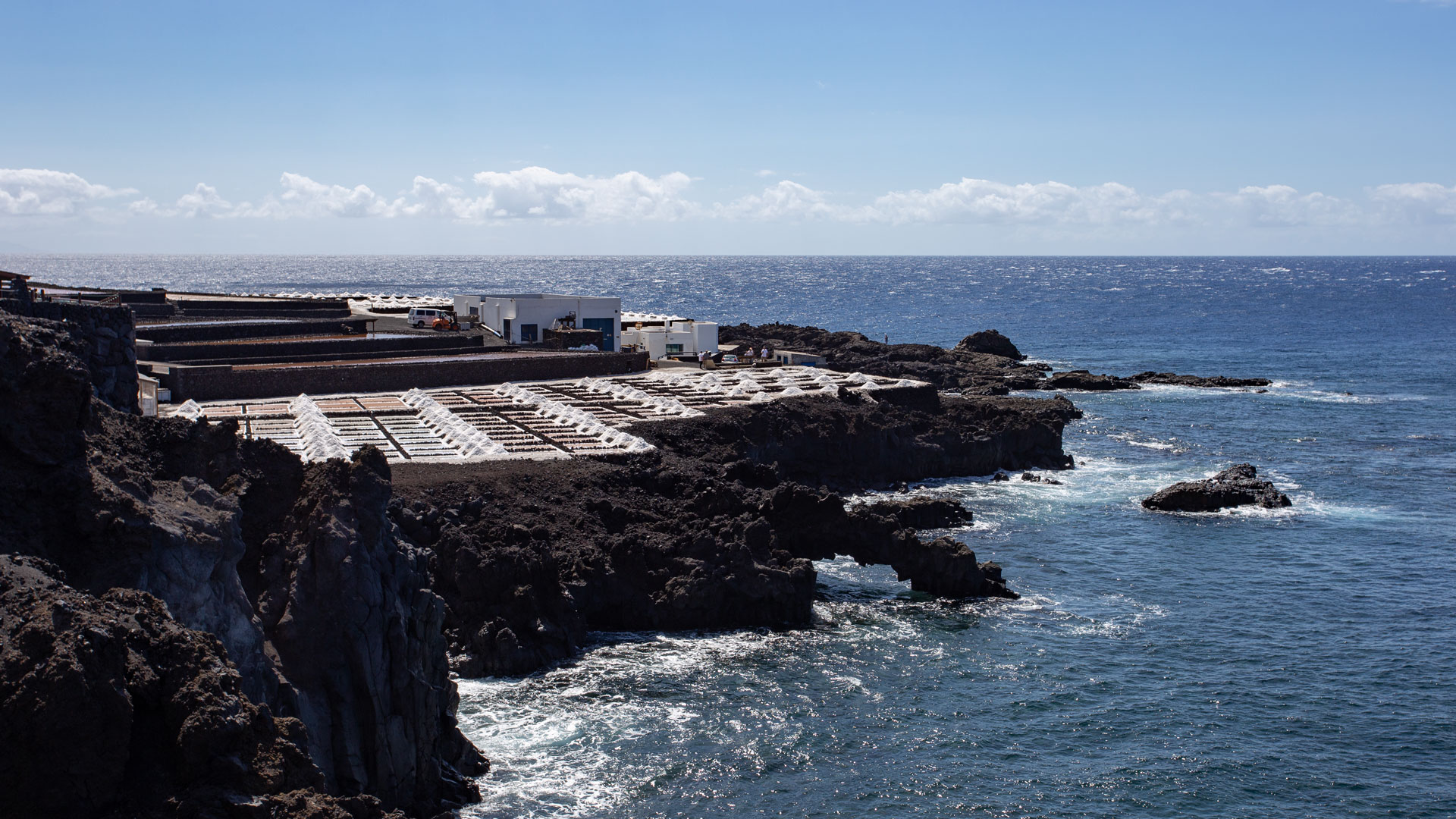
Volcán San Antonio and Volcán Teneguía
Anyone wanting to experience Fuencaliente in full doesn’t stop at the lighthouses. The Volcán San Antonio visitor centre on the edge of Los Canarios is the starting point for exploring both volcanic craters. From the rim of San Antonio’s crater, you look straight across at Teneguía — La Palma’s youngest volcano until the Tajogaite eruption in 2021. Teneguía erupted in 1971, pushing 29 hectares of new land into the sea.
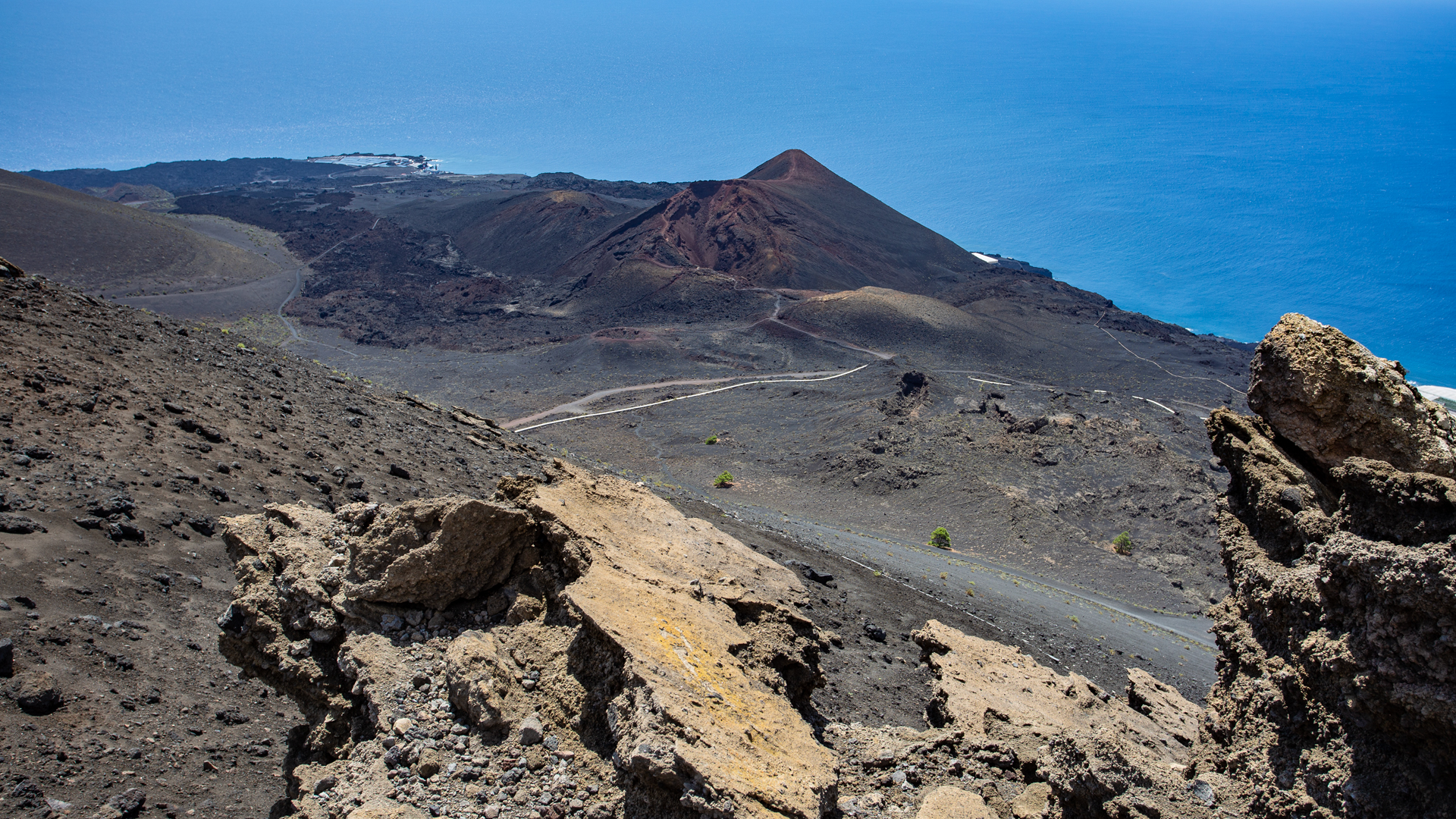
Hiking Volcán San Antonio and Teneguía
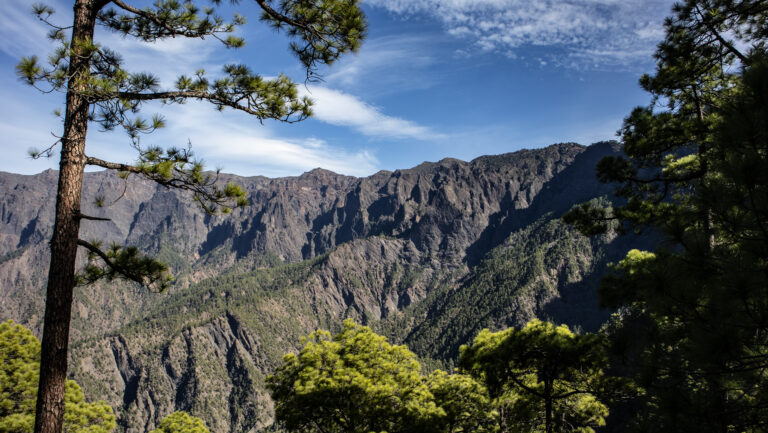
Black ash underfoot, the Atlantic a constant companion on the horizon: this is how the volcano hike in the south of La Palma begins, leading from the Volcán San Antonio visitor centre down to the southern tip. The trail winds through a barren, moon-like landscape past Volcán Teneguía, whose summit ridge — a relic of the 1971 eruption — invites an ascent in good weather. The further the descent progresses, the more striking the contrast between deep-black lava and deep-blue sea becomes. At the end await the red-and-white Faro de Fuencaliente lighthouse and the vividly coloured salt pans of the salinas.
Heat Warning:
The black lava ground around the volcanoes stores heat extremely well. Come early in the morning or in the late afternoon — at midday, exposed spots can be significantly hotter than the coastal towns.
Winemaking at the Southern Tip
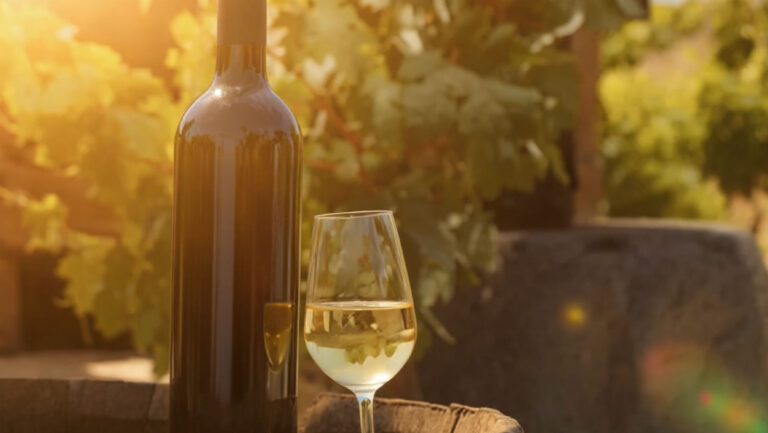
Fuencaliente isn’t just volcanoes and salt — it’s also the southernmost of La Palma’s four DO wine regions, and one of the island’s most important wine-producing areas. The vines grow on black lava soil, in volcanic dry-stone terraces (bancales) that shelter them from the Atlantic wind. The main varieties are Malvasía Volcánica — a full-bodied, golden white wine with a distinct taste of its volcanic terroir — and Listán Negro for the reds, alongside the legendary Vino de Tea, aged in pine barrels. Several bodegas around Fuencaliente, Los Canarios, and Jedey offer tours and tastings, and a self-drive loop through them pairs well with the excursion to the lighthouses and volcanoes.
Visitor Information
Visitor centre Volcán San Antonio: C. los Volcanes, 38740 Los Canarios, La Palma
Phone: +34 922 44 40 01
Opening hours: daily 9:00 a.m.–6:00 p.m.
Visitor centre admission: approx. €5–6 (guided tour possible)
Teneguía: freely accessible (follow the marked trail)
Getting there from Santa Cruz: LP-2 towards Villa de Mazo, then LP-207 towards Fuencaliente – approx. 40 min.
Getting there from Los Llanos: LP-2 via Los Canarios – approx. 45 min.
Frequently Asked Questions (FAQ)
Can you go inside the lighthouses of Fuencaliente?
What's the difference between San Antonio and Teneguía?
Where can you buy Sal de Teneguía?
Is a full day in Fuencaliente worth it?
Wine Tasting in Fuencaliente
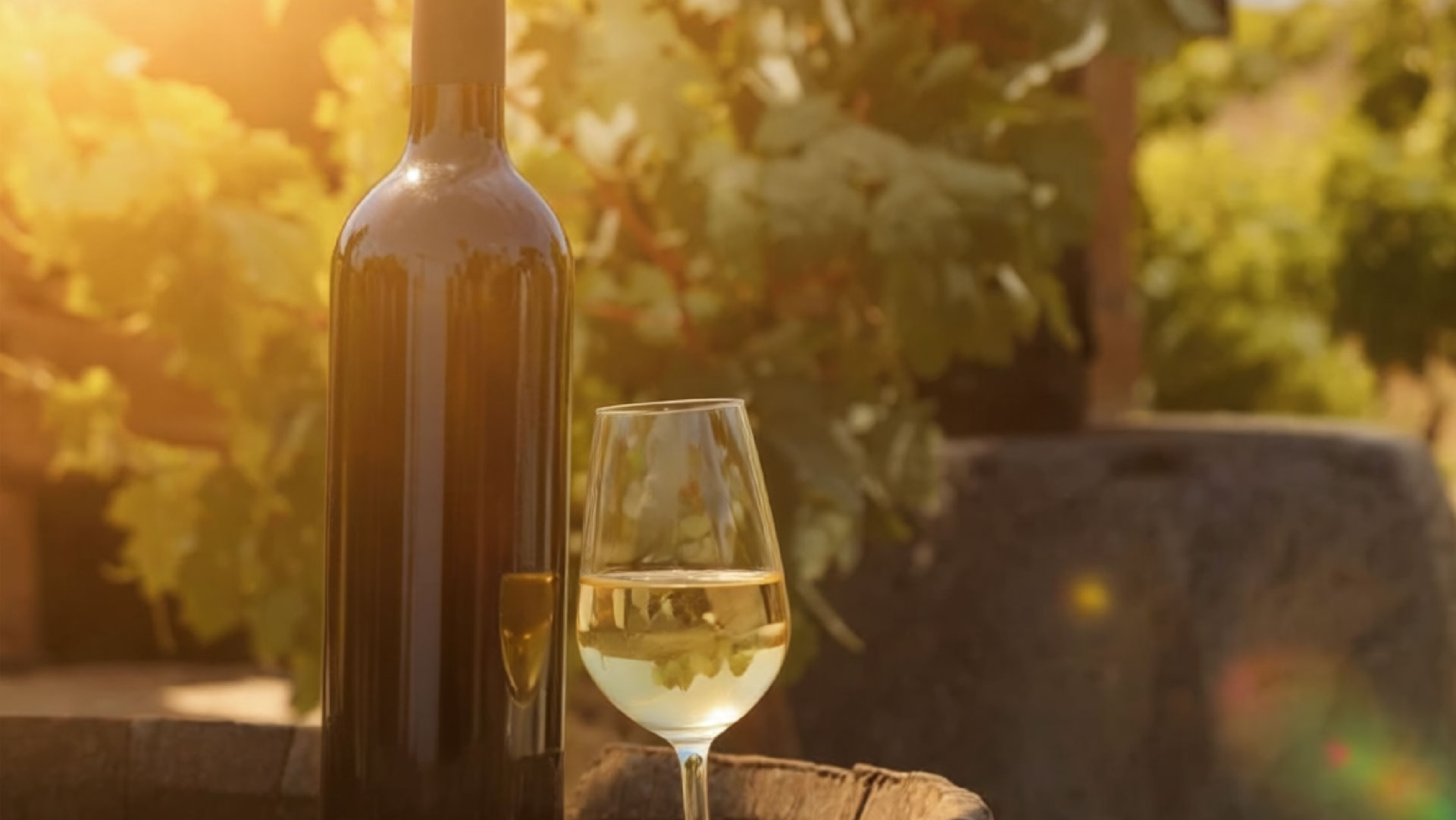
Several bodegas in the region offer tours with wine tasting. The Bodega El Níspero in Los Canarios is known for its Malvasía Dulce — a semi-sweet dessert wine traditionally drunk on La Palma to round off a meal. A wine tasting here, paired with a view over the lava field and the lighthouses, is one of the most peaceful and rewarding experiences Fuencaliente has to offer. Opening hours vary by season — a quick call or message ahead is recommended.
Eating in Fuencaliente
The restaurants in Fuencaliente and Los Canarios focus on simple, good Canarian cooking: papas arrugadas with fresh mojo rojo, freshly grilled fish, local goat cheese. Many places put Sal de Teneguía right on the table — best enjoyed on a slice of toasted Canarian bread with a little olive oil.
Stopping for a bite after the volcano hike isn’t just about refuelling: the local eateries in Fuencaliente are also a great place to chat with locals and hear stories about the 1971 eruption of Volcán Teneguía — there are still people in the area who personally remember the night the earth opened up.
Renting a Holiday Home in the South of La Palma
Anyone wanting to explore the south of La Palma thoroughly will find holiday homes and fincas in good locations in Villa de Mazo. Mazo lies between Fuencaliente and Santa Cruz, has its own pottery tradition, and offers easy access to beaches, volcanic trails, and winemaking country. Clariso.eu has a selection of vetted accommodation in Villa de Mazo.
The Wine Route of the South
The small bodegas around Los Canarios each have their own character and are worth seeking out.
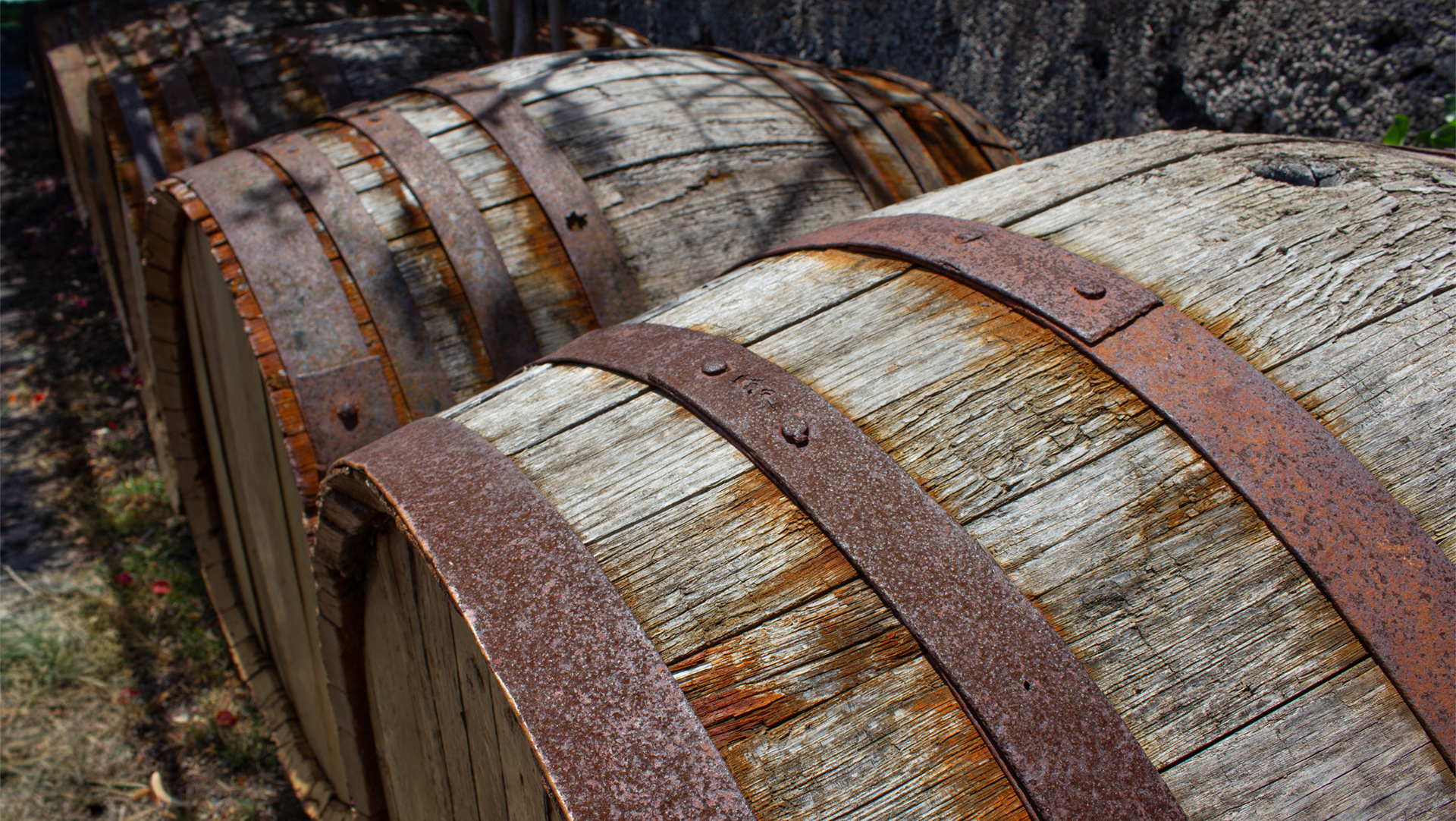
The best-known address is the Bodega El Níspero in Los Canarios — small-scale production, high quality, and staff who are happy to explain the special characteristics of volcanic winemaking in person on request. Visits are usually possible without advance notice, though a quick call beforehand doesn’t hurt.
Special Experiences in the South
One of the best ways to experience Fuencaliente is an early morning hike from the San Antonio visitor centre, along the path between the two volcanoes, down to the lighthouses. The trail is well marked, takes around 2 hours, and ends right at the Playa del Faro — a small, dark pebble beach that ranks among La Palma’s wildest and most beautiful swimming spots.
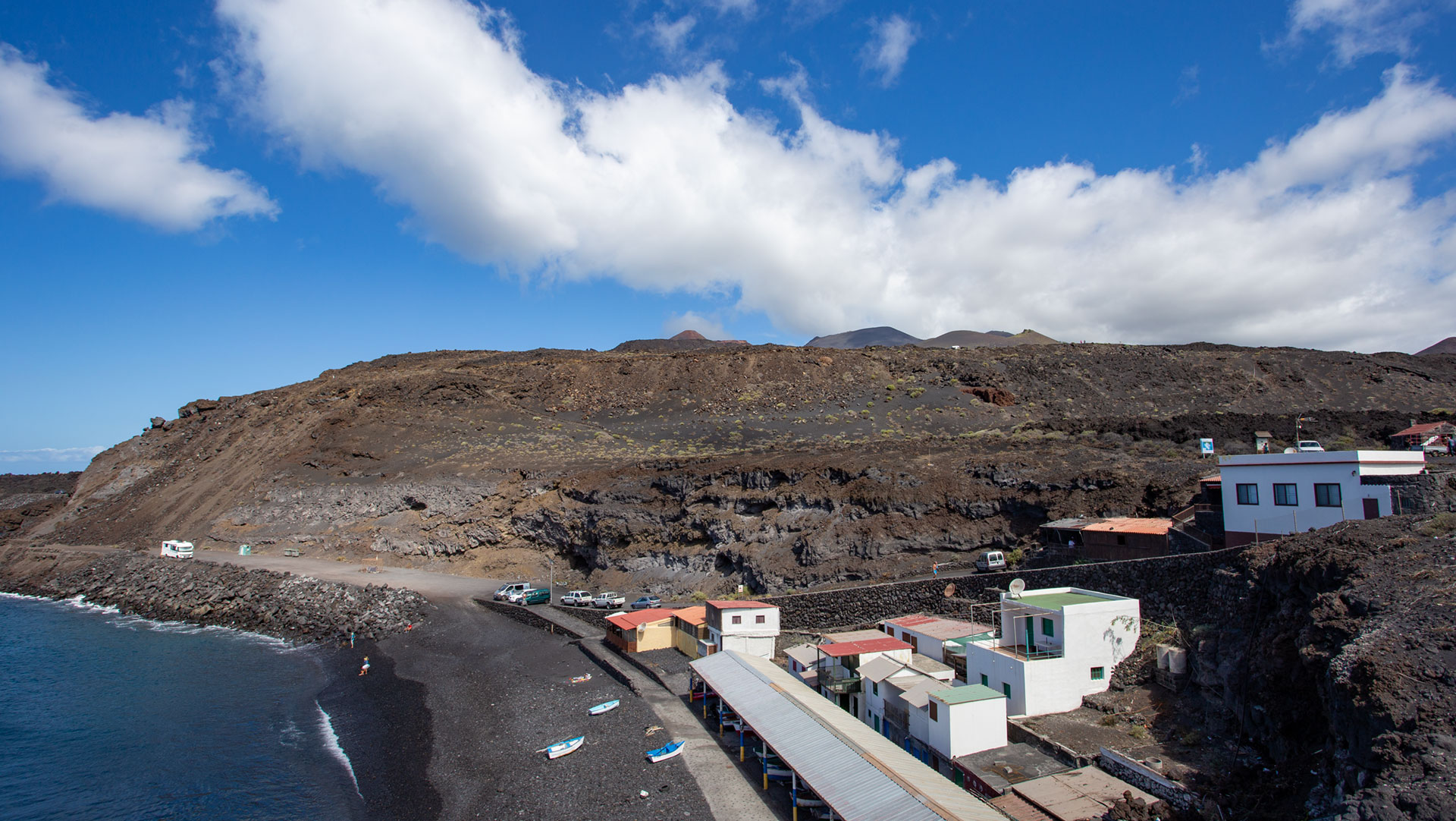
Anyone visiting Playa del Faro should know: this beach isn’t suited to families with small children. The surf is strong, the ground uneven, and swimming should only be attempted in calm sea conditions. But the combination of black pebble beach, the old lighthouse in the background, and the turquoise Atlantic water creates a view you won’t easily forget.
Fuencaliente at the southern tip brings together, in a small area, everything that defines La Palma: volcanic landscape, sea salt flats, Canarian wine culture, and a view to the end of the world. The lighthouses in the first morning light, a climb up Teneguía with a view all the way to La Gomera, a wine tasting at a small bodega afterwards — that’s a complete La Palma day. Set off early in the morning, take a lunch break in Los Canarios, spend the afternoon at Playa del Faro.
This article is based on the on-the-ground knowledge of the Gequo editorial team – publishers of the Reisezeit hiking guides and operators of Sunhikes.com. Last updated: May 2026