Miradores – Seeing La Palma from Above
La Palma is an island of viewpoints. Scattered across the island, from the coast to the 2,426-meter summit, you’ll find lookout points that offer breathtaking panoramas. Some are right by the roadside, while others require a short hike.
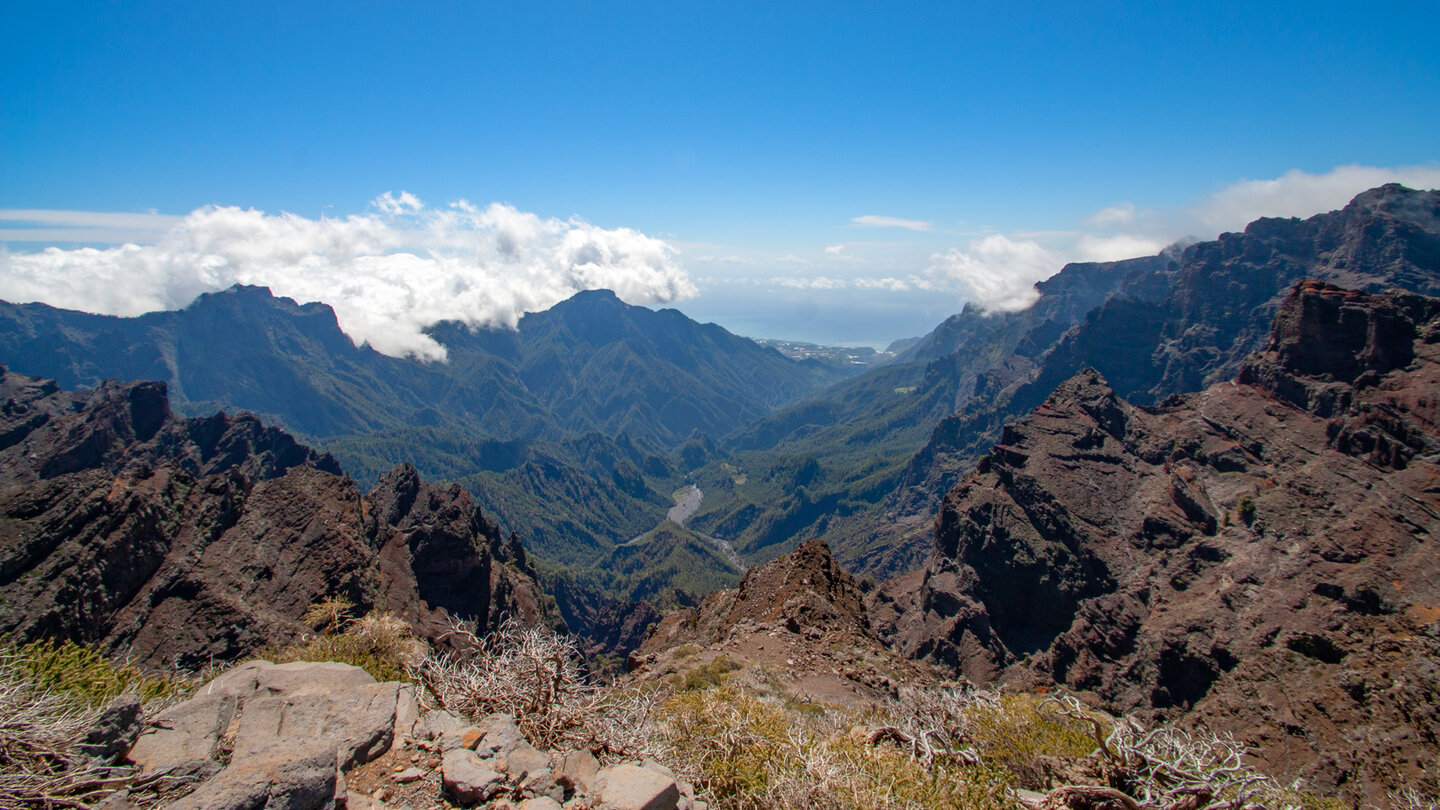
This guide presents the most beautiful miradores on La Palma – with tips on the best time to visit and how to reach them.
The Best Miradores at a Glance
Roque de los Muchachos (2,426 m)
The highest point of La Palma is also its most far-reaching viewpoint. On clear days you can see all seven Canary Islands from here.
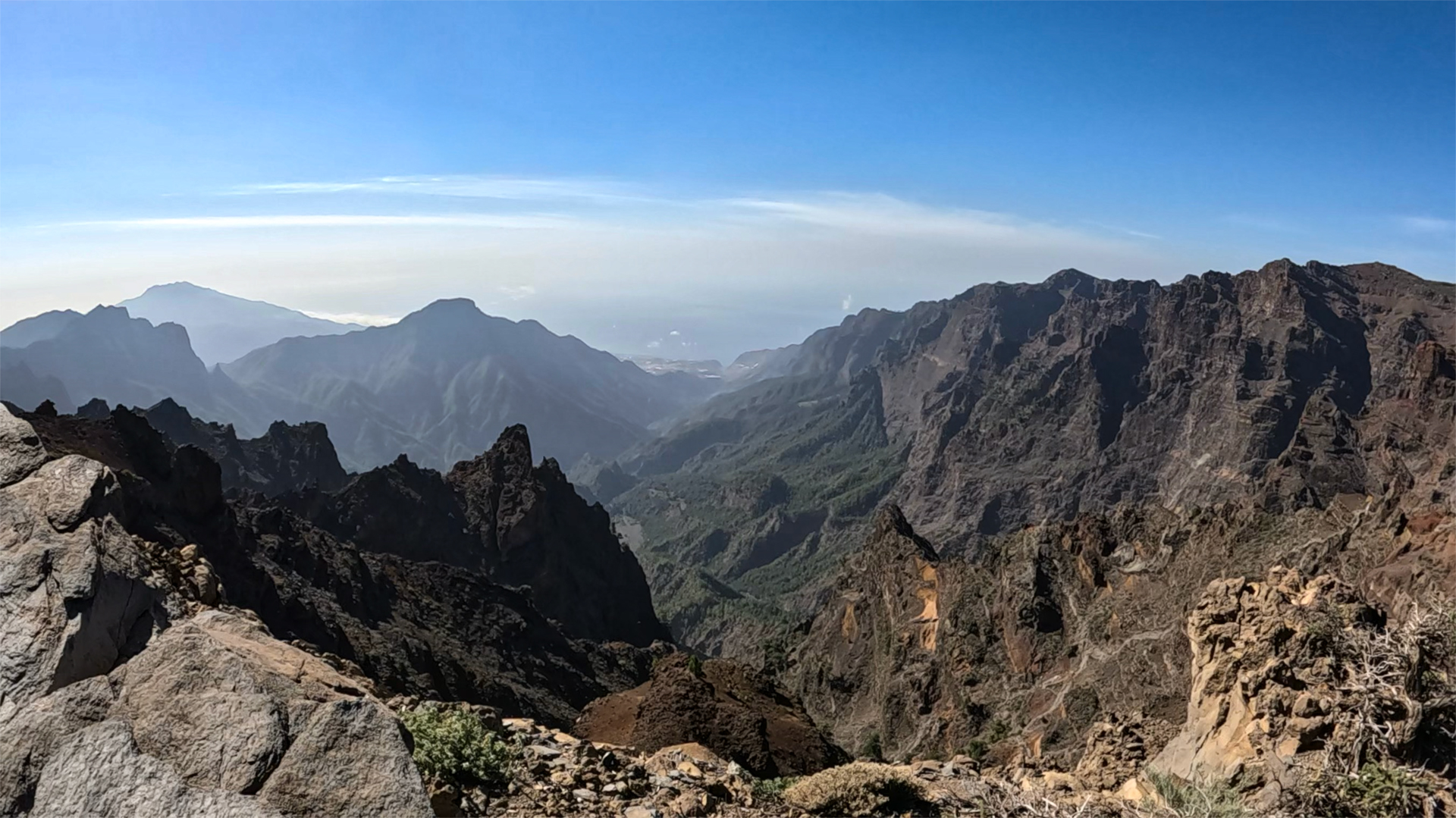
La Cumbrecita (1,833 m)
The classic Caldera view: from La Cumbrecita you look straight down into the erosion crater, the Roques de Cumbrecita rise like needles from the green. Advance parking reservation required (reservasparquesnacionales.es). For everyone who wants to see the Caldera from above without a long hike.
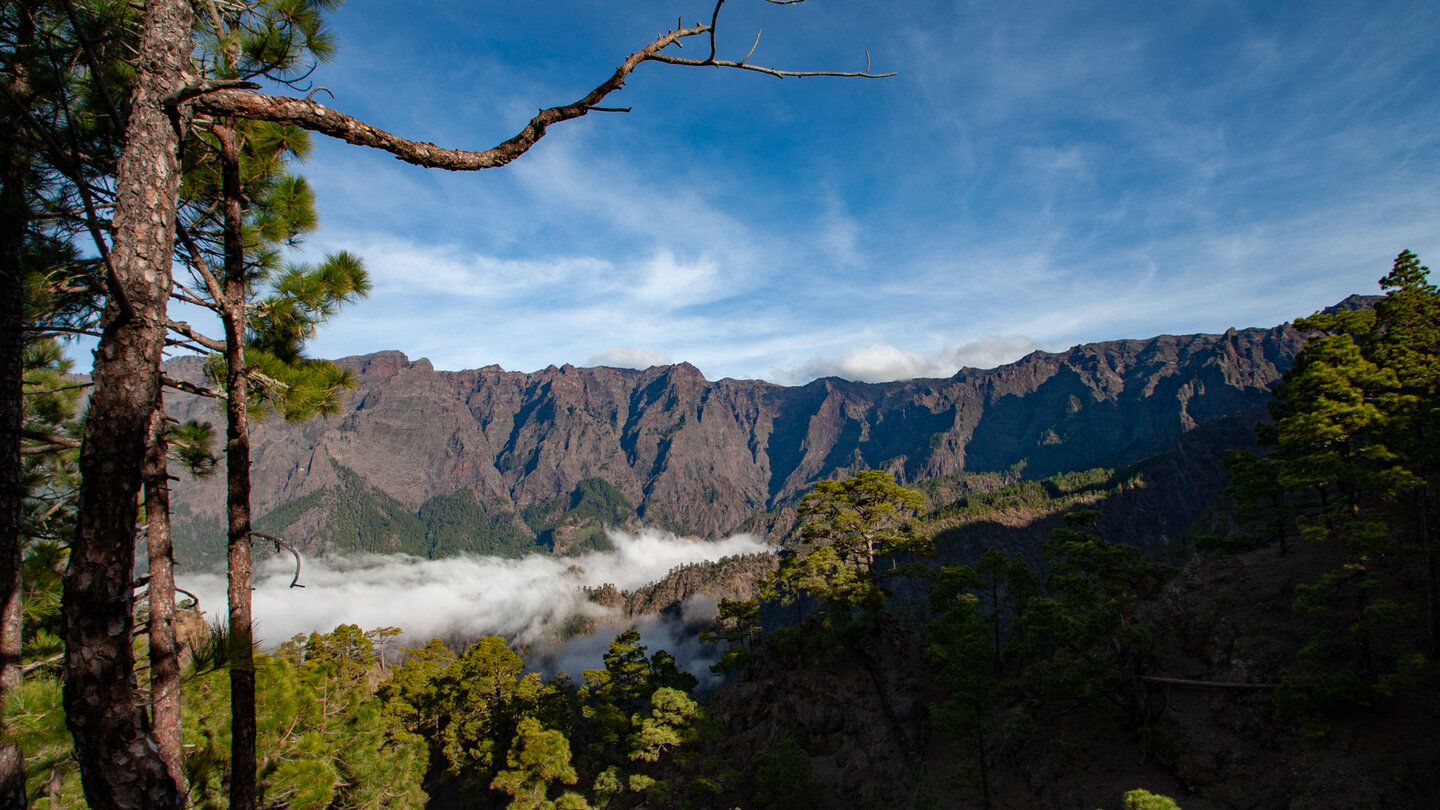
Mirador del Time
One of the most spectacular roadside viewpoints on the island. On the LP-1 between Los Llanos and Tijarafe, the road winds along steep rock faces with a view straight down to the Barranco de las Angustias.
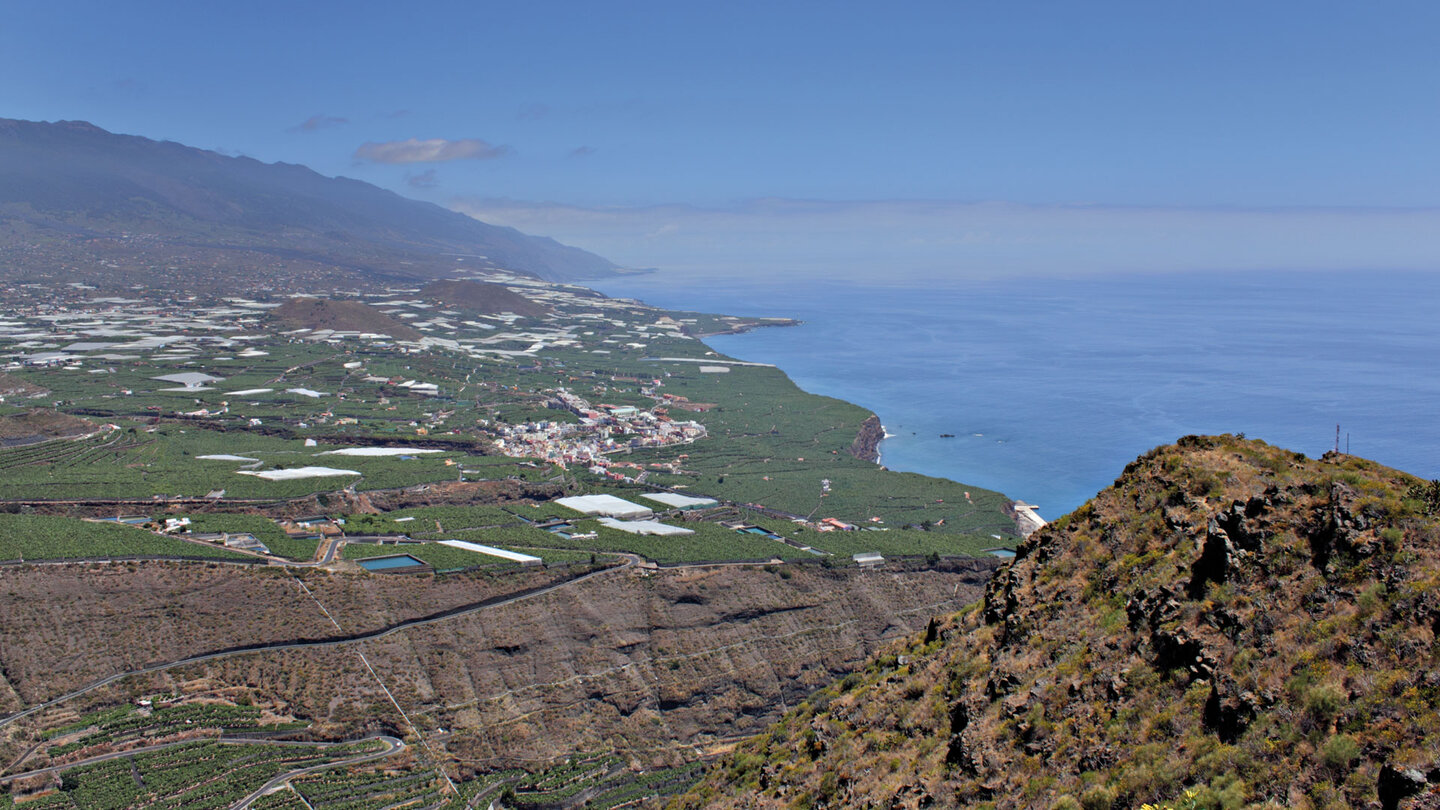
Mirador Barranco Fagundo
On the LP-1 north of El Tablado (Garafía). The view into the deepest gorge in the north is dramatic – a sheer drop into the rocky ravine.
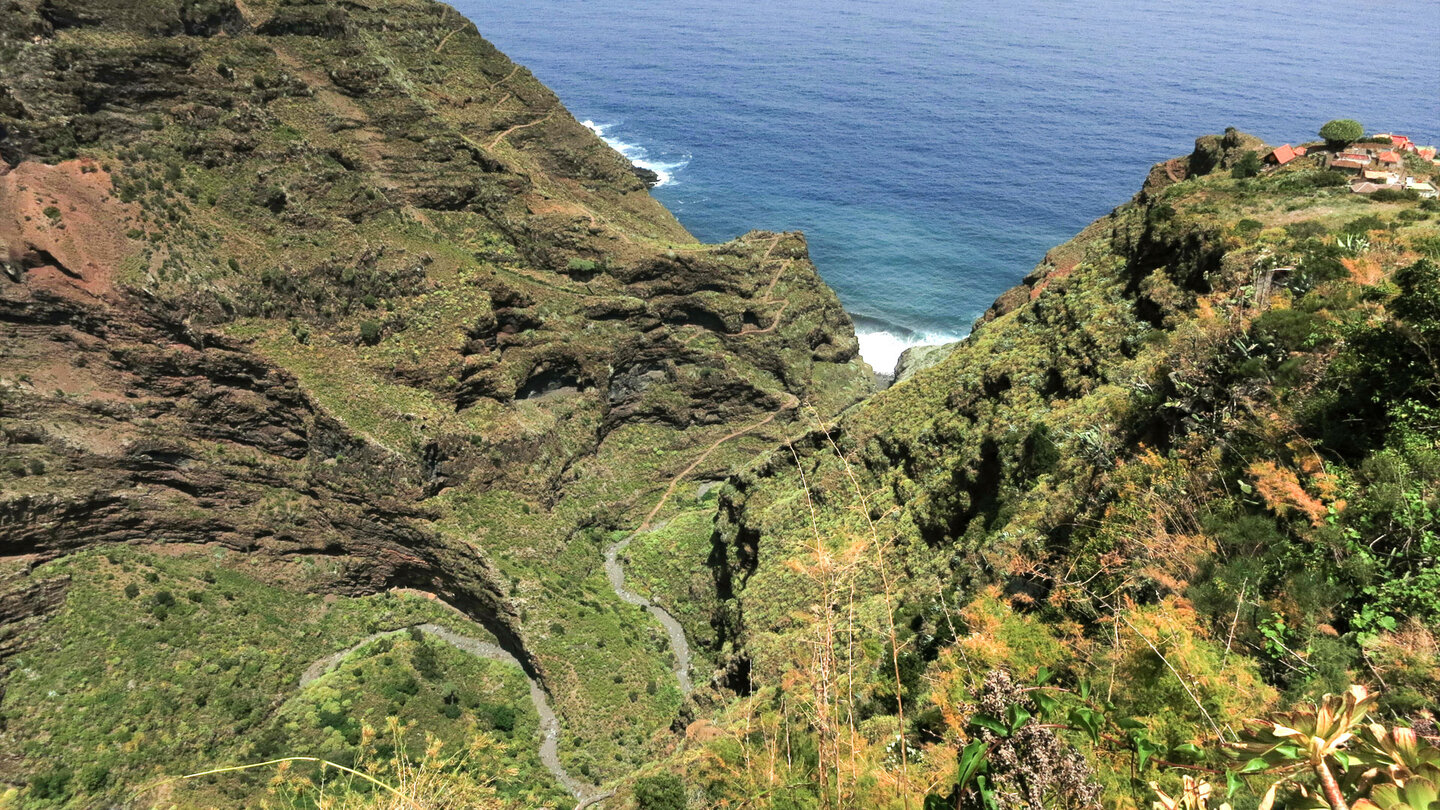
Mirador de Garome
The Mirador de Garome is located directly on the border between the municipalities of Puntagorda and Tijarafe. It offers a wide view of the north coast and the Atlantic.
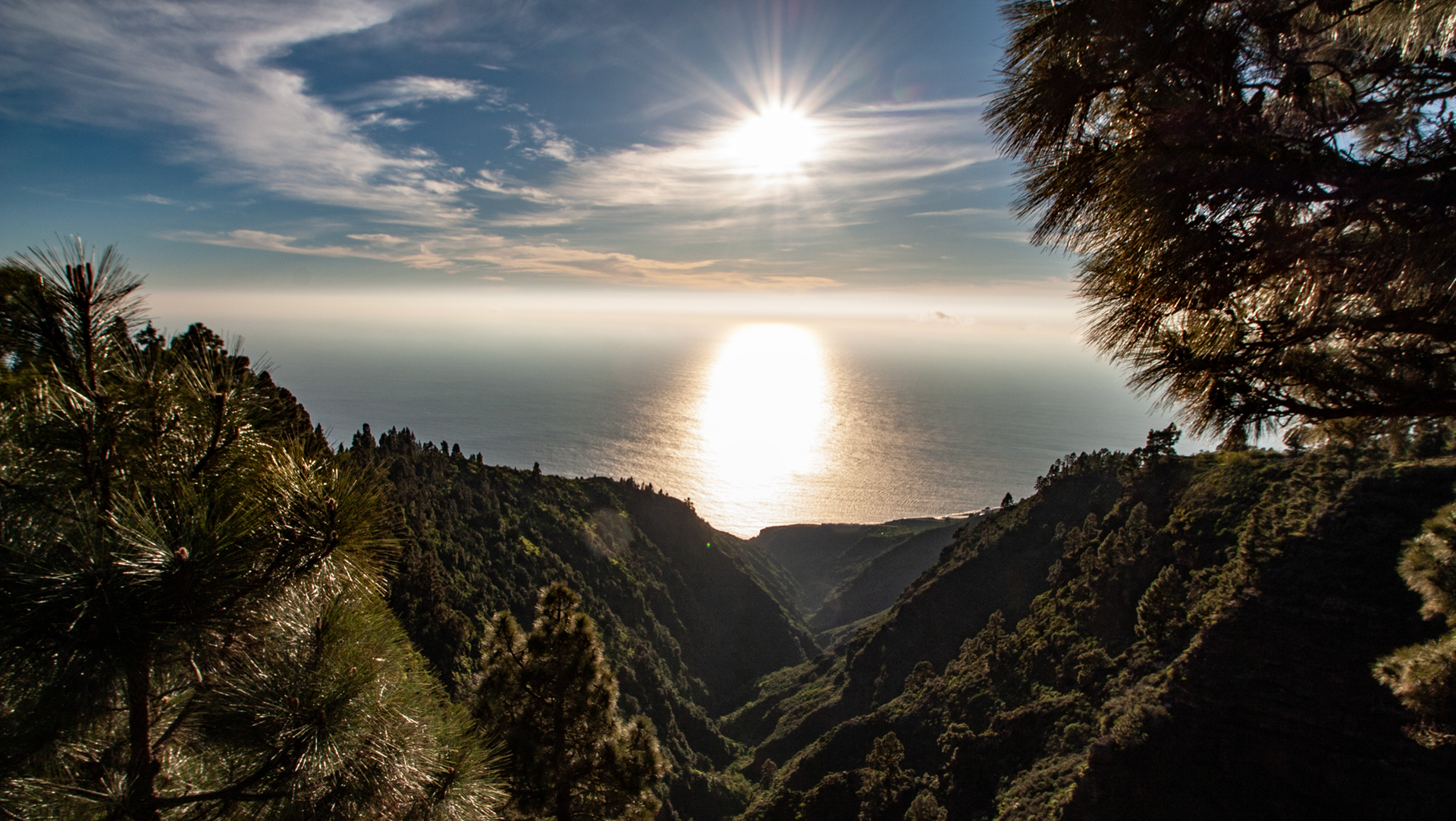
Mirador de Los Dragos
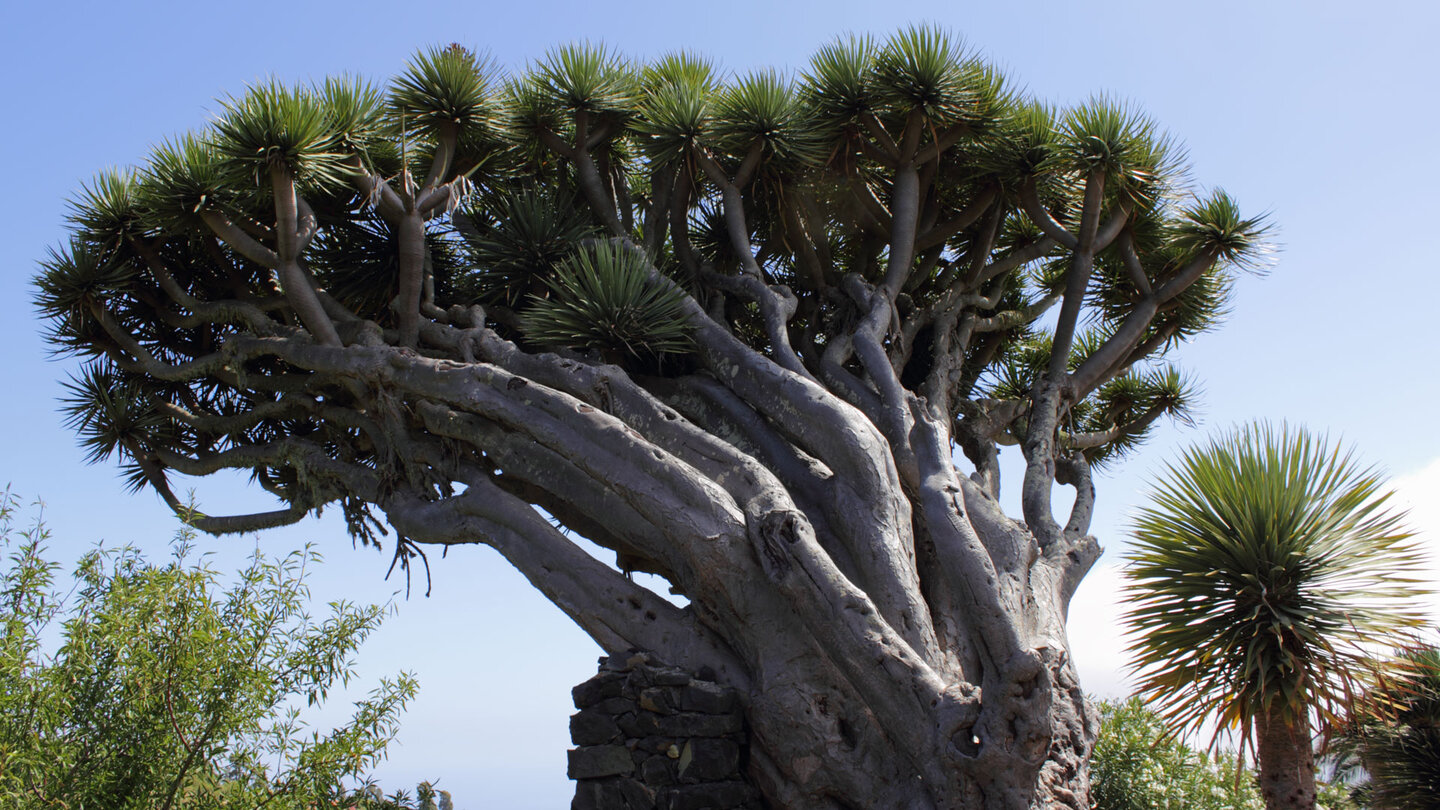
In the north of La Palma, in the municipality of Puntagorda. Named after the ancient dragon trees growing nearby – a unique combination of panoramic view and botanical highlight.
All the Important Miradores at a Glance
| Mirador | Location | View of |
|---|---|---|
| Roque de los Muchachos | 2,426 m, LP-4 | Caldera + all neighboring islands |
| La Cumbrecita | 1,833 m, LP-4 | Caldera de Taburiente |
| Mirador del Time | LP-1 Los Llanos–Tijarafe | West coast + Barranco Angustias |
| Mirador Barranco Fagundo | LP-1 northern El Tablado | Deepest gorge in the north |
| Mirador de Garome | Puntagorda / Tijarafe | North coast + Atlantic |
| Mirador de Los Dragos | Puntagorda | Northwest coast + dragon trees |
| Mirador Lomo de las Chozas | La Cumbrecita circular trail | Caldera + Atlantic on both sides |
The Best Time of Day for the Most Beautiful Viewpoints
| Viewpoint | Best Time to Visit | Why? |
|---|---|---|
| Roque de los Muchachos | Sunrise or shortly after sunrise | Particularly clear long-range views, often above the famous sea of clouds (Mar de Nubes). At night also one of the best stargazing spots in Europe. |
| Mirador de La Cumbrecita | Morning to early afternoon | The Caldera de Taburiente is usually in the best light then. In the afternoon, clouds more often drift into the Caldera. |
| Mirador de Los Andenes | Early morning | Outstanding long-range views along the Caldera rim, often with spectacular views over the sea of clouds. |
| Mirador del Time | Late afternoon to sunset | The low sun bathes the Aridane Valley and the west coast in warm light – ideal for landscape photography. |
| Mirador de La Concepción | Morning | Best views of Santa Cruz de La Palma and the east coast in favourable lighting conditions. |
| Mirador de San Bartolo | Late afternoon | The soft light shows the dragon trees, the steep coastline, and the Atlantic to their best advantage. |
| Mirador Astronómico Llano del Jable | Sunset and night | Perfect for sunsets, the sea of clouds, and then stargazing under one of the darkest skies in Europe. |
| Mirador del Risco de La Concepción | Early morning | Often clear views of the island capital, the port, and the Atlantic, before trade wind clouds form. |
| Mirador de El Time (Paragliding-Startplatz) | Afternoon | Paragliders can often be seen taking off here, and the light over the Aridane Valley is beautiful. |
Tips for Photographers
The most beautiful landscape photos are usually taken during the golden hour – shortly after sunrise or just before sunset. At high altitude, the light is particularly soft and the shadows long.
Tips for Mirador Excursions
Come early in the morning – before the trade wind clouds build up, the visibility is best. Warm clothing for the higher altitudes. Sun protection and water are essential.
Practical Tips for a Panorama Tour
Be prepared for large temperature differences
There is often an elevation difference of over 2,000 meters between the coast and the mountains. While it can be 25°C at the beach, temperatures at the Roque de los Muchachos can drop to 5°C or below – especially in wind and fog.
Experience the famous sea of clouds
One of the most impressive natural phenomena of La Palma is the so-called Mar de Nubes – the sea of clouds. Moist trade wind air is pushed up against the northern slopes by the Canary Islands’ relief and forms a dense cloud layer at an elevation of around 800 to 1,500 meters. Above it, the sky is often perfectly clear.
Check weather and road conditions
Conditions in the mountains can change rapidly. Fog, strong winds, rockfall and, in winter, occasional snow or ice are possible on the higher roads. Check the current road status before departing.
Frequently Asked Questions (FAQ)
Which mirador is best for sunset?
Which mirador can be reached without hiking?
When are the views most beautiful?
Why does the sun shine up top even when it's cloudy below?
Do I need warm clothing?
Are all miradores accessible year-round?
Miradores at Sunset
La Palma is located at the latitude where the sun sinks into the Atlantic year-round – without any land mass blocking the horizon to the west. This makes the sunsets at the western viewpoints uniquely spectacular.
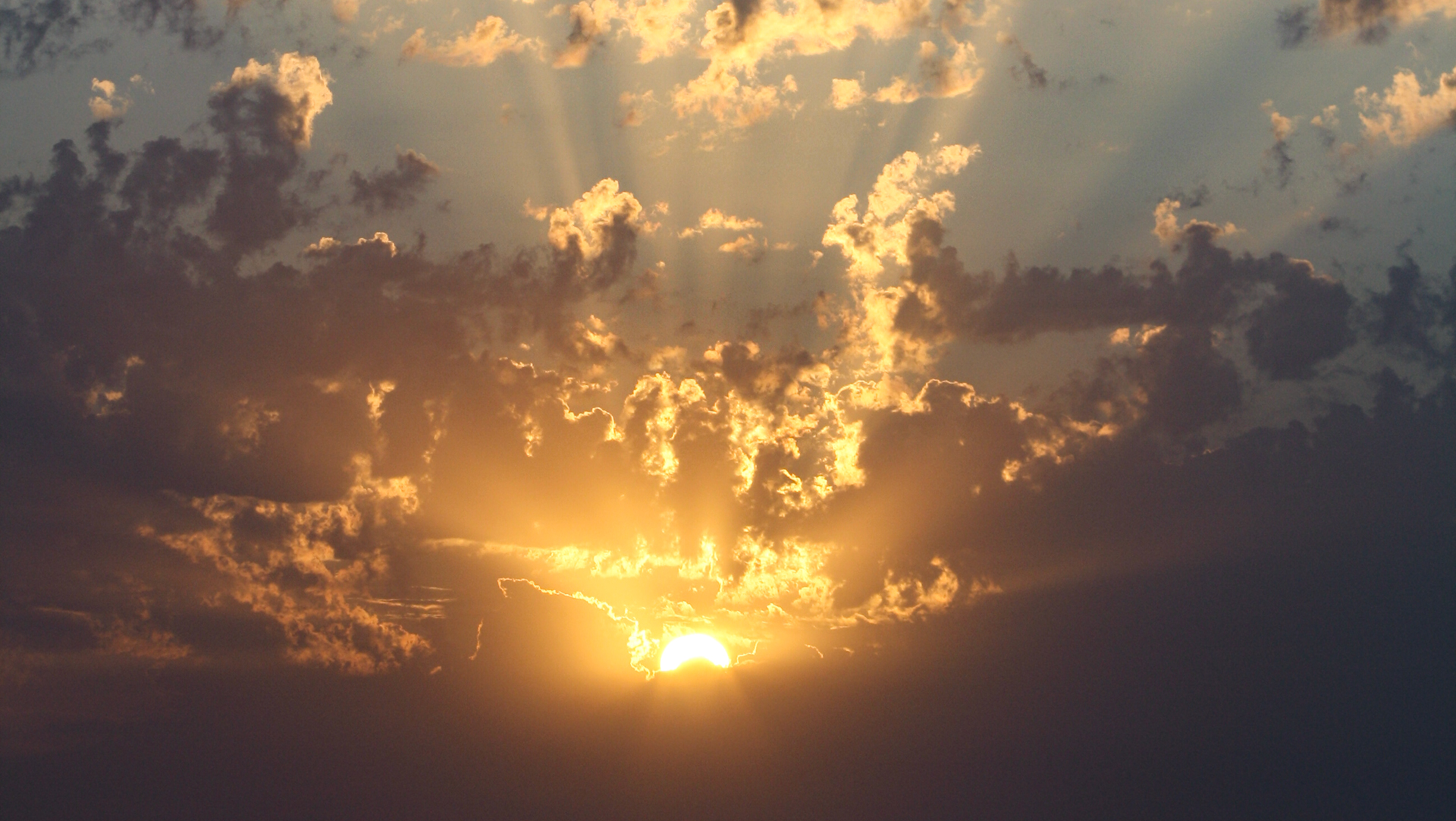
For sunrises, the east side is the right choice: The Mirador de San Bartolo near Puntallana offers a clear view to the east, and in summer the sun rises directly from the sea.
Visiting the Miradores with Children
For families traveling with children, roadside viewpoints are the best choice: Mirador del Time, Mirador de Garome and Mirador de Los Dragos all have safe parking areas and can be reached in just a few steps.
This article is based on the on-site knowledge of the Gequo editorial team – publishers of the Reisezeit Hiking Guides and operators of Sunhikes.com. As of: May 2026