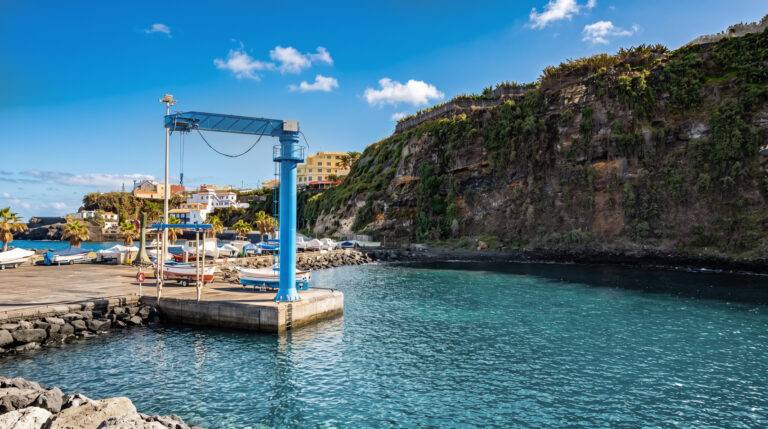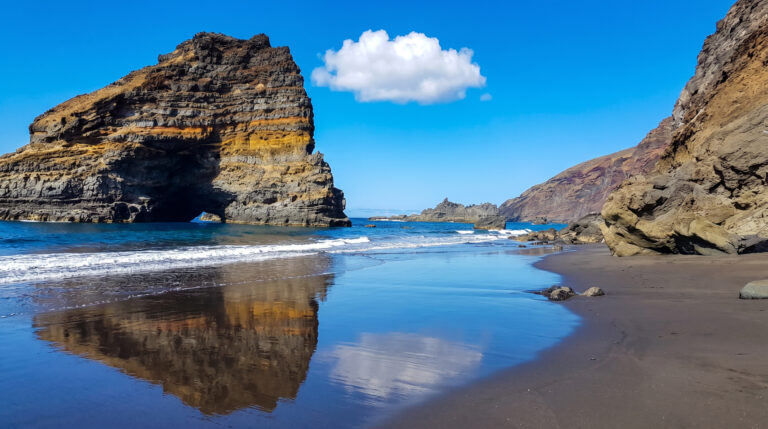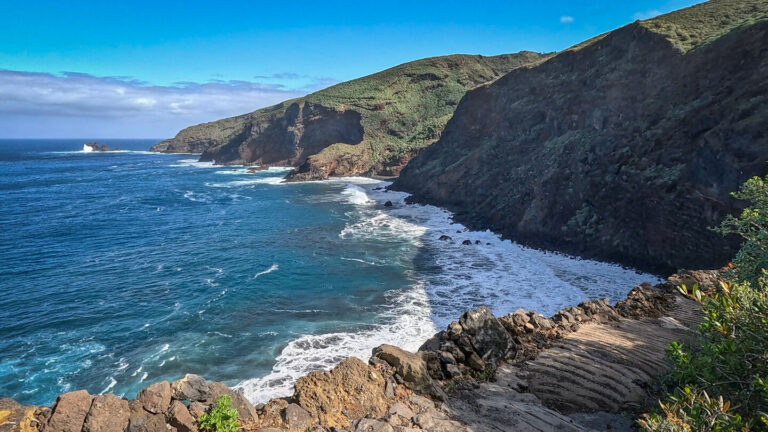
Playa de Puerto Naos – Black Sand Beach on the West Coast
On the west coast of La Palma a different world opens up. The air carries salt and warmth in equal measure, and somewhere between palm rows and black volcanic sand the water shimmers in a turquoise that you do not forget quickly. Puerto Naos is not a loud place. It is a place where you arrive – and where you understand why La Palma is gladly called the green pearl of the Canaries.
The Most Beautiful Bathing Beach of the West Coast
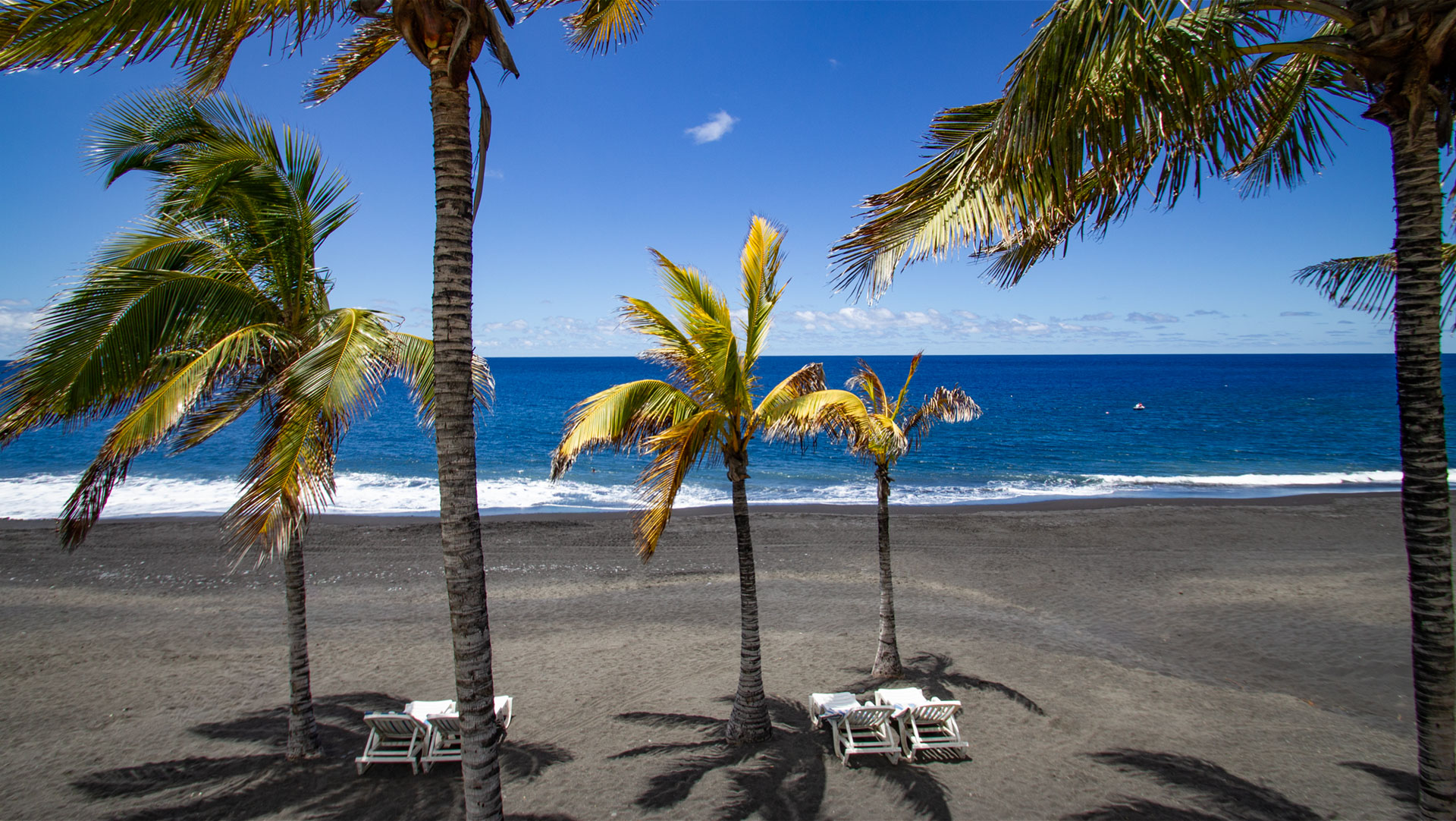
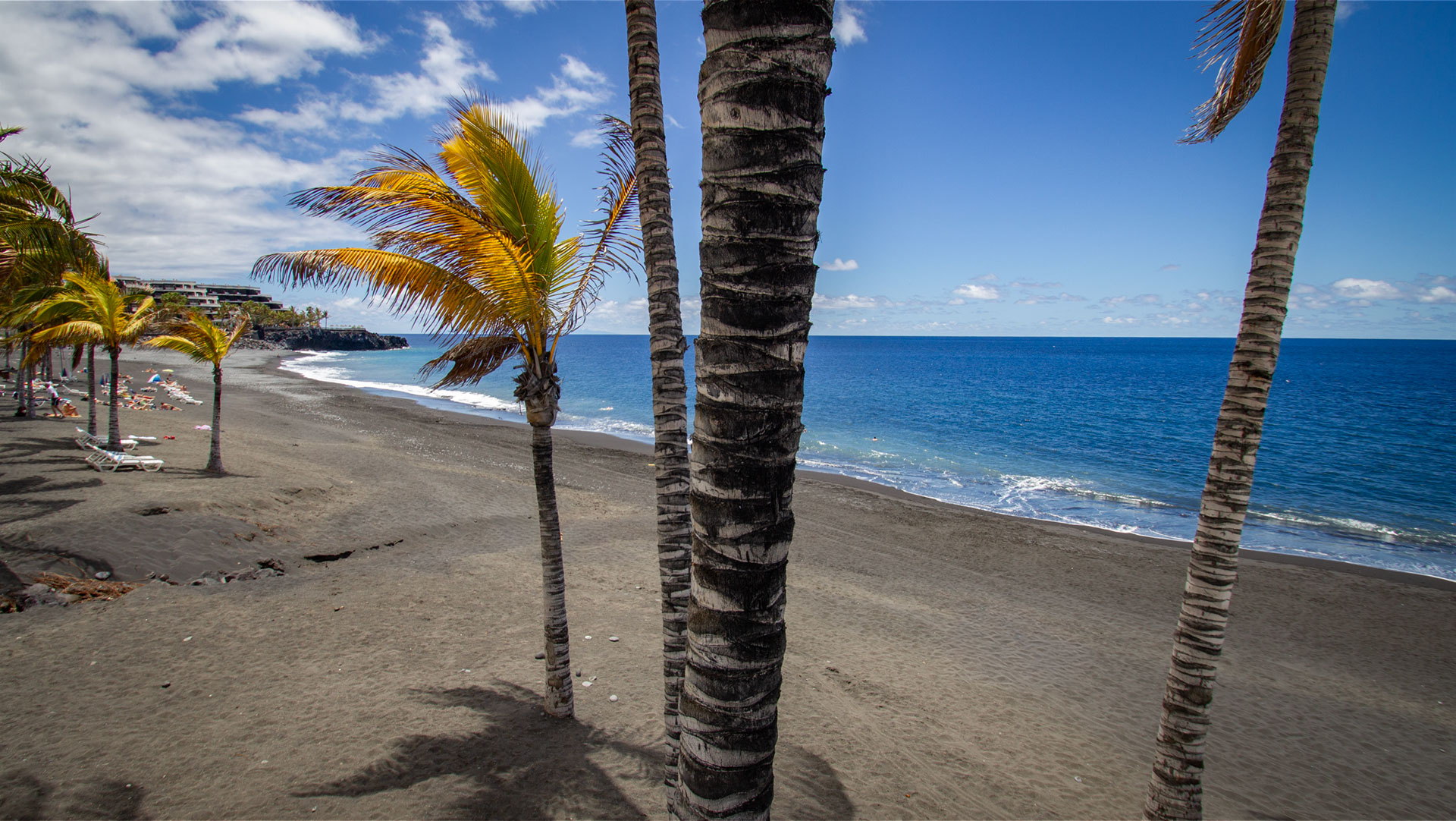
Around 600 metres of Playa de Puerto Naos stretches through the coastal resort of the same name, nestled in the sunniest corner of the island. Tazacorte and Puerto Naos share the reputation of receiving the most sunshine hours on La Palma – a proud 300 days per year. This makes the black sand beach a serious travel destination even in winter, when clouds elsewhere veil the mountain ridges and the coast in the southwest shines regardless.
The fine volcanic sand glistens dark in the contre-jour of the midday sun. Following the challenges of the 2021 volcanic eruption, which claimed the old beach palms, the bay is today awakening to new life. Access is regulated for safety reasons via a modern gas-measuring system, giving bathers an absolutely safe feeling.
The water off Playa de Puerto Naos is deep and clear. The seabed quickly changes from sand to lava rock, making snorkelling interesting – those who enter the water with a mask find octopus, sea bass and the typical parrotfish of the Canaries.
Swimming & Beach Safety
The beach flags give daily information about swimming conditions:
Green: Safe swimming conditions.
Yellow: Caution — waves or current. Children and less confident swimmers should stay ashore.
Red: Swimming strictly prohibited. Ignoring this is life-threatening and carries substantial fines.
Purple: Warning: jellyfish (Portuguese Man o’ War) or algae present.
Undertows on the west coast can be strong. Even with a calm surface, be aware of suction. Water shoes recommended.
After the Tajogaite eruption 2021: The CO2 traffic-light system at the beach remains active. Check current readings before visiting – especially in calm wind conditions.
Promenade, Restaurants and Life at the Beach
Gradually restaurants, terrace cafes and bars are bringing the pretty Avenida Marítima of Puerto Naos back to life. In the early morning the wide beach usually belongs to you alone – in winter it is then only the gulls and the roaring Atlantic that keep you company. Only at midday and afternoon does the beach fill with a pleasantly mixed crowd: recuperating northern Europeans in winter, Spanish holidaymakers who join in summer. It never feels overcrowded – the atmosphere always remains relaxed.
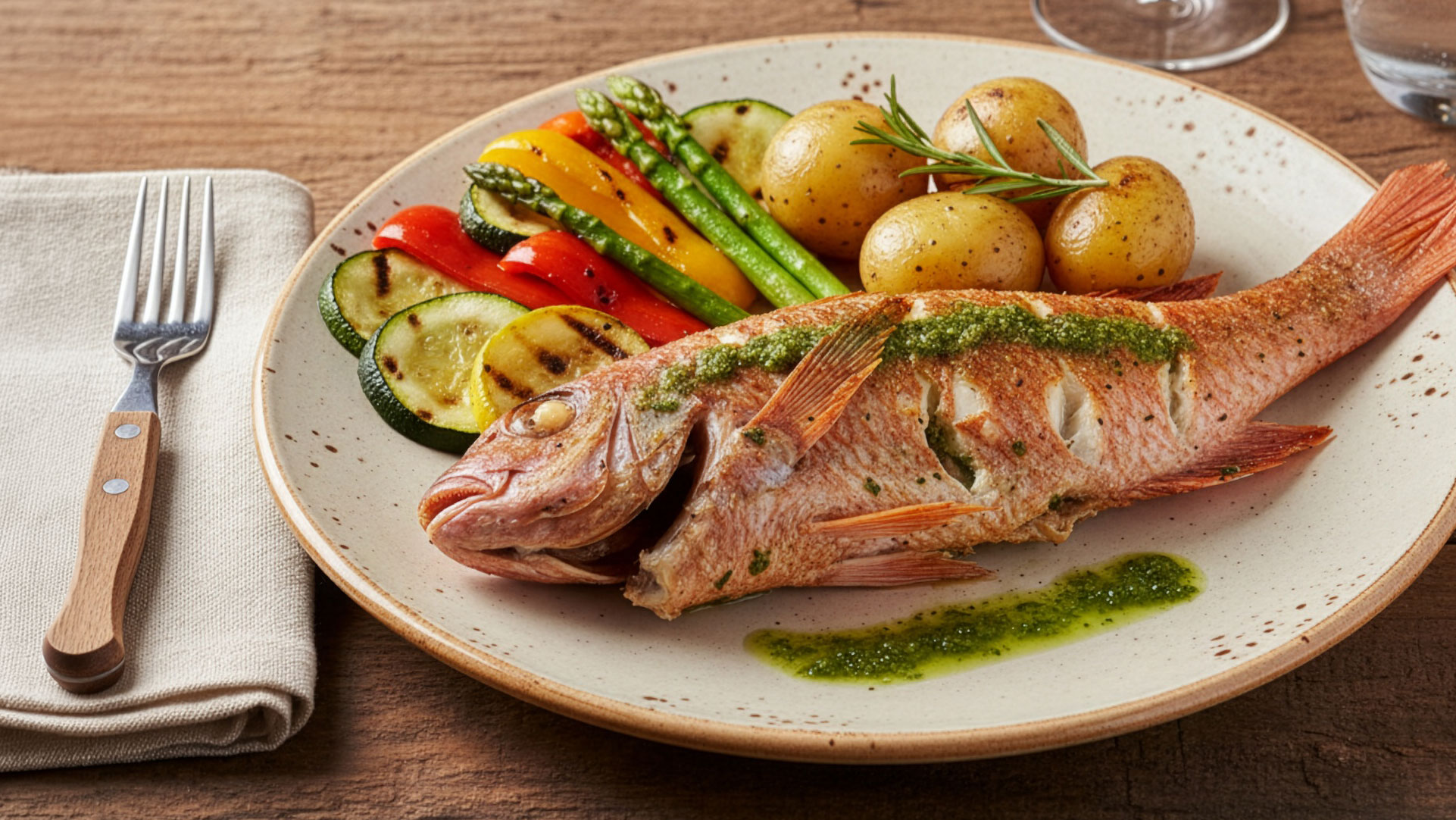
Gastronomically La Palma shows its best side here: coastal restaurants like the reopened La Nao or cosy beach kiosks serve freshly caught fish, papas arrugadas with mojo and grilled limpets (lapas). Those staying longer should not miss the sunset – a stroll along the beach as the air cools and the warm lights of the promenade reflect in the dark Atlantic rounds off the day perfectly.
Activities and Sports
The beach is the starting point for considerably more than just swimming. Dives in the lava waters of the west coast are organised by local diving bases – visibility is excellent, the underwater world diverse. Boat tours along the steep coast to the Cueva Bonita or to the dolphin grounds can be booked from Puerto de Tazacorte, which is just a few kilometres away.
Paragliders launch from the nearby take-off point high up in the Aridane valley and glide back to the coast – those lying on the beach in the morning sometimes see them gliding silently overhead. Bike hire and guided walks can be arranged in the resort.
Puerto Naos After the Tajogaite Eruption 2021
A chapter that distinguishes Puerto Naos from most other beach resorts in the Canaries: the volcanic eruption of the Tajogaite in September 2021. Puerto Naos lay directly in the path of the lava flows – and had to be evacuated. For months, then for over a year, the village was closed. The lava flowed to the sea, created new land at the beach, and left a quiet trail.
Since 2025/2026 Puerto Naos is largely reopened. Air quality sensors continuously monitor the concentration of volcanic gases, particularly CO2. Individual peripheral areas may still occasionally be briefly restricted. Those who want to be on the safe side inform themselves in advance at the Los Llanos de Aridane municipal administration or the information boards on site.
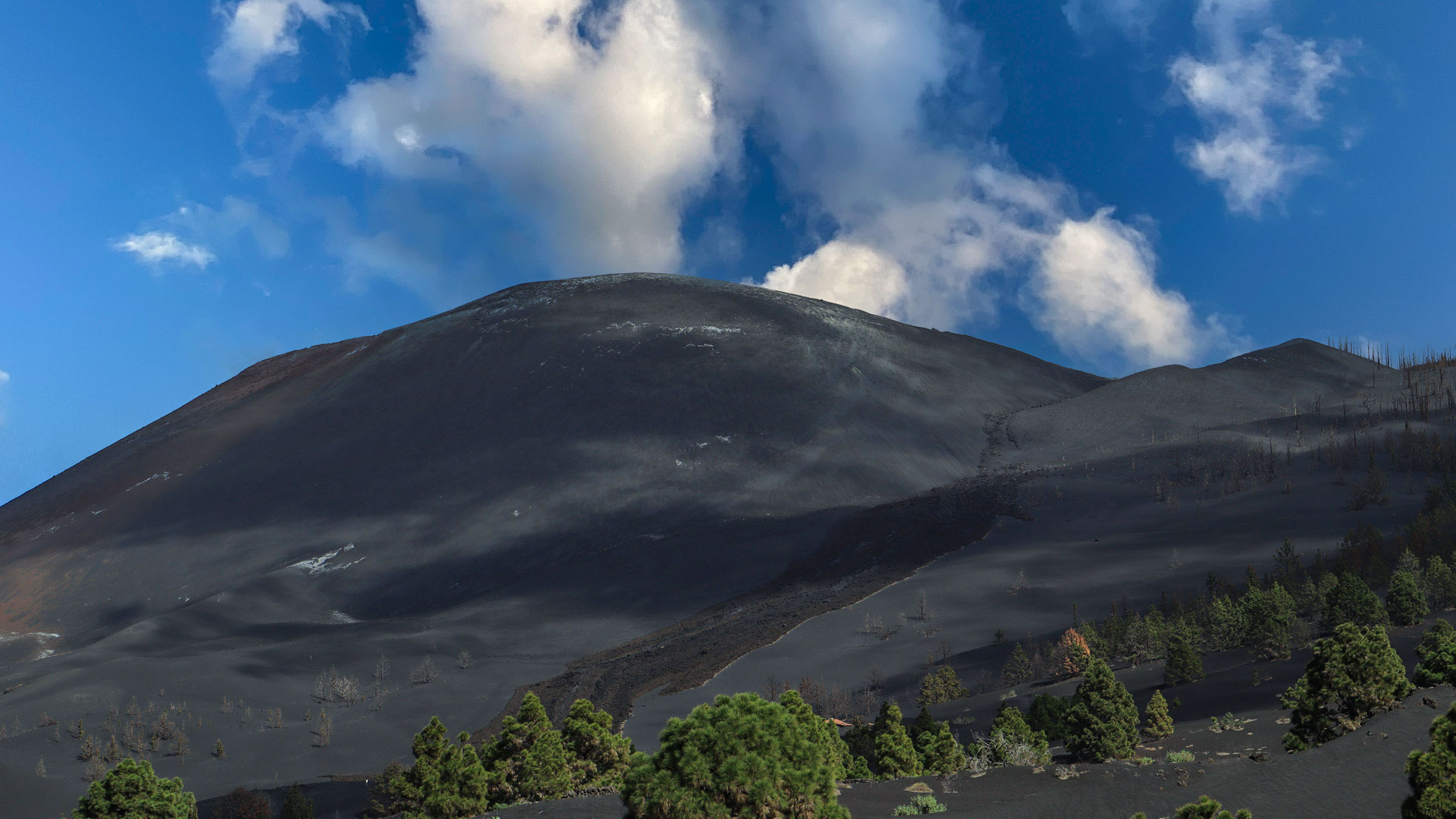
The Tajogaite lava field north of the village has in the meantime become an excursion destination: from viewpoints the solidified lava masses and the newly formed headland (Fajana) can be marvelled at – a striking proof of how young, dynamic and alive the nature on La Palma is.
Practical Information: Getting There, Parking & Facilities
Location: Approx. 15 km south-west of Los Llanos de Aridane, west coast
Strand: 600 m long, fine black volcanic sand, palms along the upper edge
Infrastruktur: Promenade, Restaurants, Bars, Supermarkt, Apotheke, Sportverleih
Parking: In the village; arrive early in high season
Beach Facilities: Sun loungers, parasols (for hire), showers, changing rooms
Water Temperature: 20–24°C year-round
Beste Reisezeit: Year-round; winter has a particularly reliable sunshine record
Nearest town: Los Llanos de Aridane (15 km), Tazacorte (3 km)
Accommodation in Puerto Naos and surroundings
Puerto Naos liegt in der Gemeinde Los Llanos de Aridane auf La Palma. The range extends from small apartments right on the beach to large fincas with pools in the vineyards above the village. Book directly via Clariso Los Llanos de Aridane.
The Black Sand: Volcanic Heritage
The sand of Playa de Puerto Naos is not black by chance. It consists of volcanic basalt rock that has been ground by the sea into fine grains over millennia. This dark colour stores heat – those who walk barefoot across the beach notice this immediately. In the contre-jour of the afternoon sun the sand glistens almost metallic. The image that distinguishes La Palma from other Canary Islands: no white coral sand, but this deep, volcanic blackness right at the turquoise water.
The Tajogaite Lava Field: A Glimpse into a New World
Directly north of Puerto Naos a landscape begins that did not even exist before 2021: the immense lava field of the Tajogaite. Within just a few weeks a pitch-black mass of lava rolled down to the Atlantic and created there a completely new headland, the Fajana.
Those who want to explore this young world must observe clear rules: inside, the lava still stores extreme residual heat, which is why the entire field is classified as a restricted area and must not be entered independently. It is only possible to approach the new crater safely with sturdy footwear and as part of an officially guided volcano excursion starting in the highlands at the Llano de Jable. Down at the coast near Puerto Naos, visitors can view the solidified lava mass from newly erected viewpoints – here you experience La Palma in its volcanic present, not just its history.
Snorkelling and Diving off Puerto Naos
Directly beneath the water surface off Puerto Naos a completely unique world opens up: the Atlantic water here is clear as glass, and the seabed quickly changes from fine, dark sand to jagged lava rock. Precisely this simple entry from the beach makes the bay popular with local diving operators who offer guided tours from here to impressive underwater cliff faces.
Even without prior experience the underwater world can be explored: mask and snorkel – best obtained beforehand in the shops on the promenade or in Los Llanos – are completely sufficient. The most rewarding time is early morning, when the sea is still calm and underwater visibility is at its best. Then colourful parrotfish, groupers and well-camouflaged octopus appear among the volcanic rocks, and with some luck even a small ray can be spotted.
Gastronomy: Fish and Canarian Cuisine
Along the promenade of Puerto Naos restaurants and bars line up offering fresh fish and Canarian classics. Papas arrugadas with Mojo Rojo and Verde are obligatory – the small salt potatoes that belong to every fish dish in the Canaries. Grilled limpets, the small sea snails on lava rock, are another highlight. Those who come in the evening, when the heat of the day subsides and the promenade comes to life, find the most relaxed version of Canarian gastronomy: without haste, with a sea view.
Summary: Playa de Puerto Naos
Puerto Naos is the most reliable bathing beach on the west coast – with the best sunshine record on the island, a beautiful promenade and everything you need for a relaxed day at the beach.
The Tajogaite chapter also makes Puerto Naos a place with history: those who do not just lie on the beach but also visit the new lava field understand something about this island that cannot be read.
Those looking for solitude go elsewhere. Those who want to arrive come here just right.
Frequently Asked Questions
Is Playa de Puerto Naos open all year round?
Is Puerto Naos safe again after the volcanic eruption?
Can you do water sports in Puerto Naos?
Are there restaurants right on the beach?
What do the beach flags mean?
This article is based on the on-the-ground knowledge of the Gequo editorial team – publishers of the Reisezeit hiking guides and operators of Sunhikes.com. Last updated: May 2026