El Remo – Where the Fish Is Still Fresh
There are places on La Palma you don’t visit because they’re beautiful. You visit them because they’re real. El Remo is one of those places: a small coastal settlement south of Puerto Naos, with a black sand beach, a few fishermen’s huts, and restaurants where what lands on your plate was in the net that morning.
The Place and Its Fish
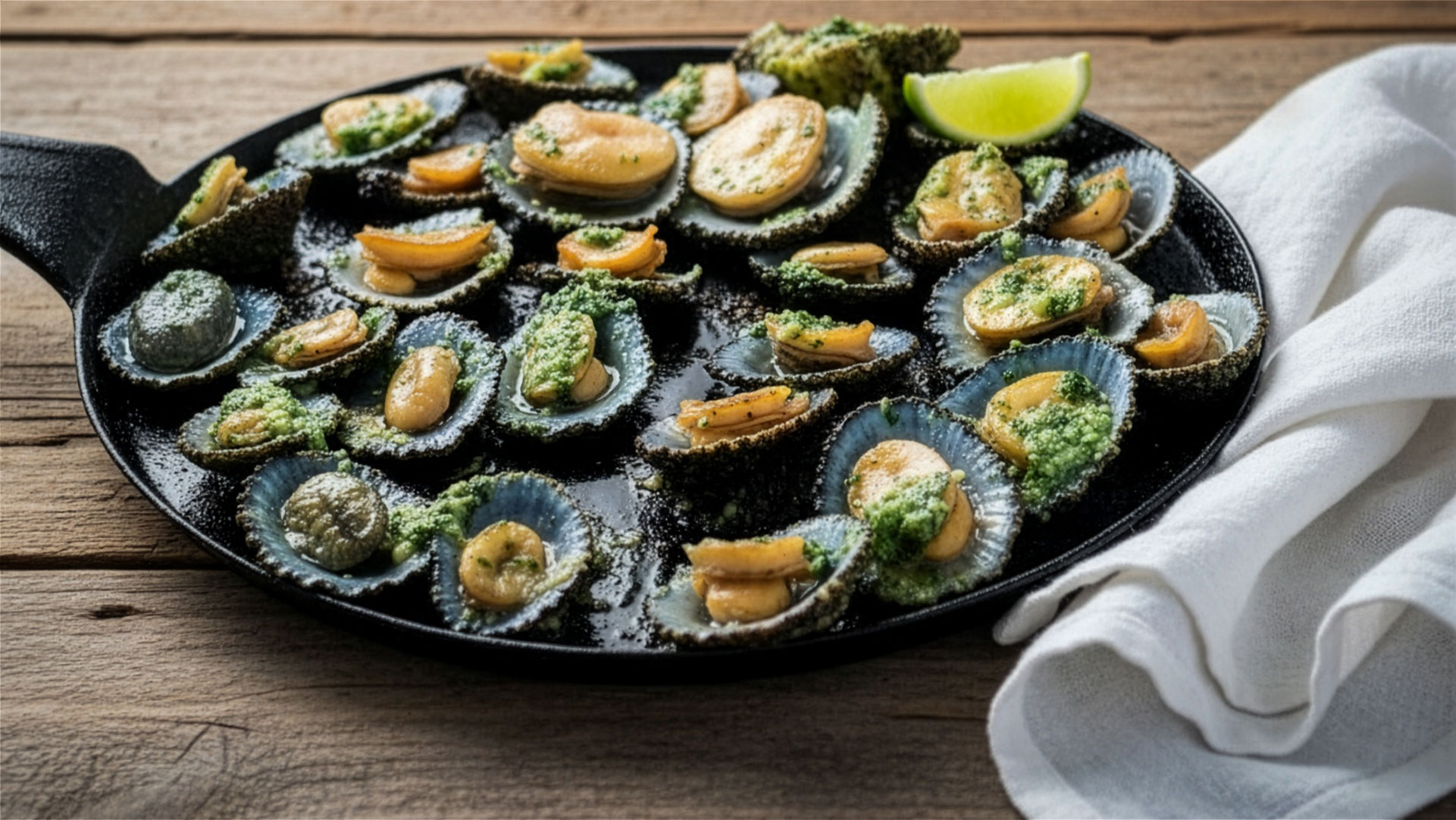
El Remo’s restaurants are considered by connoisseurs among the best on the west coast. The menu is simple and changes daily: Vinagrillo, Sama, Cherne, Bocinegro — Canarian fish species rarely found on tourist menus. Add papas arrugadas, house-made mojo, a glass of Malvasia. To order what’s fresh today, just ask. That’s always the right question in a fishing village.
The Beach
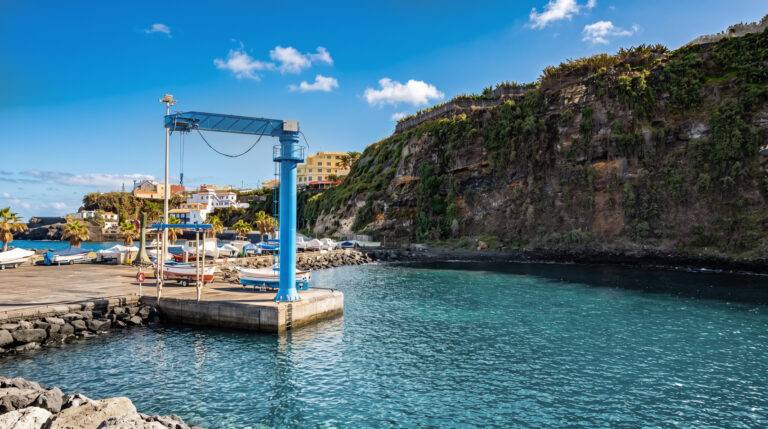
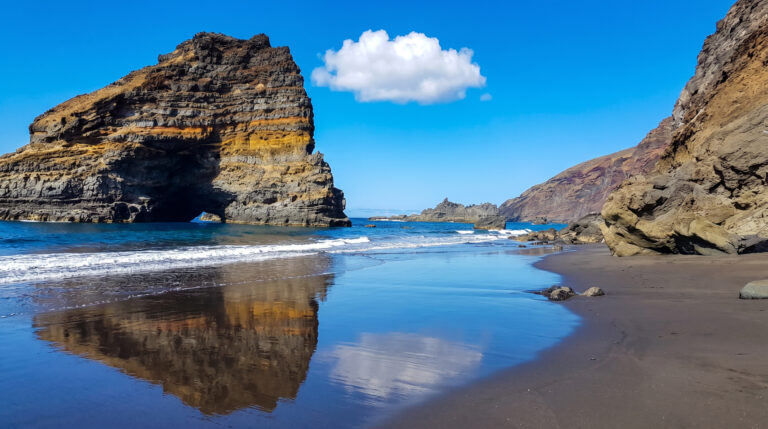
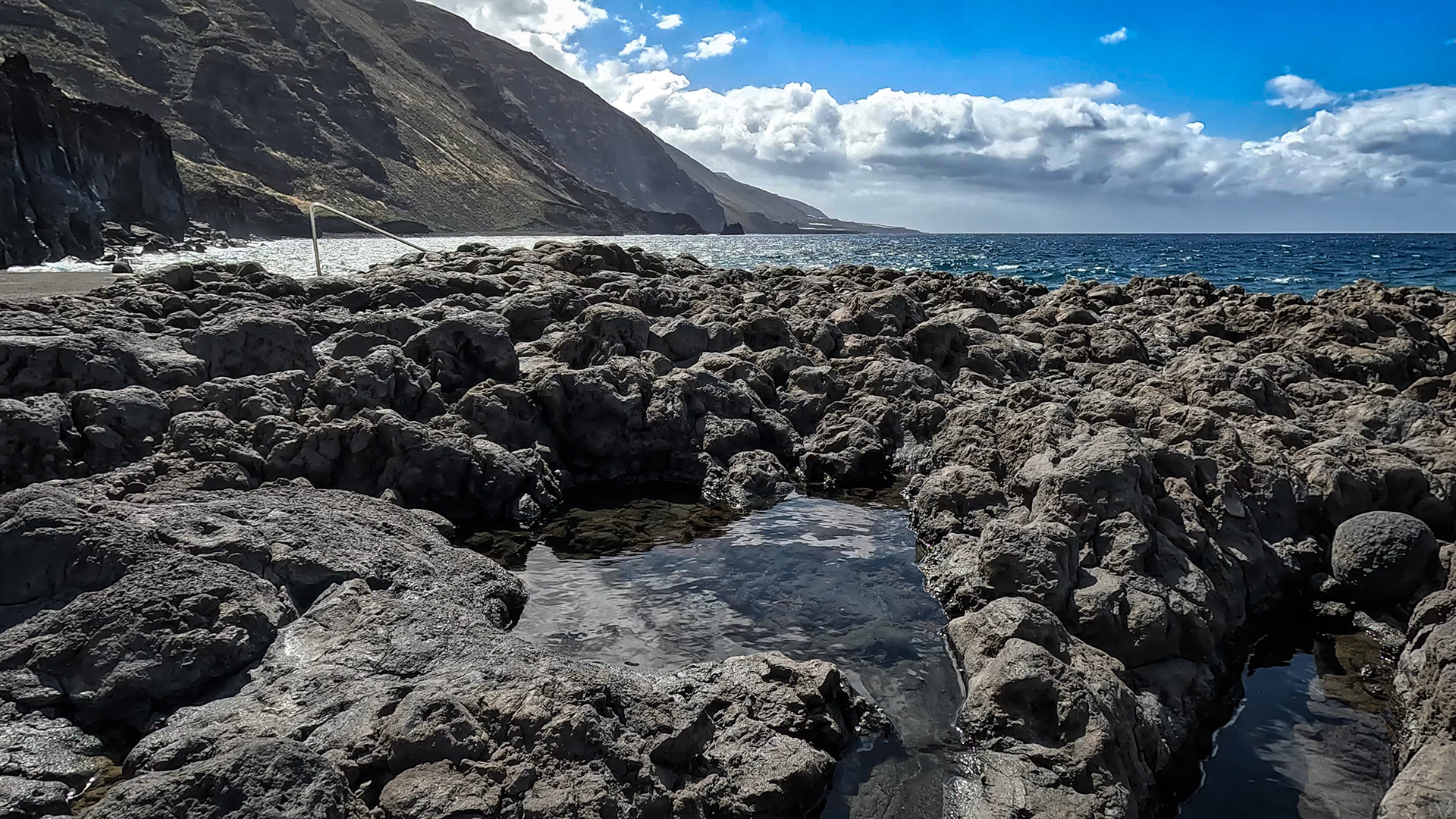
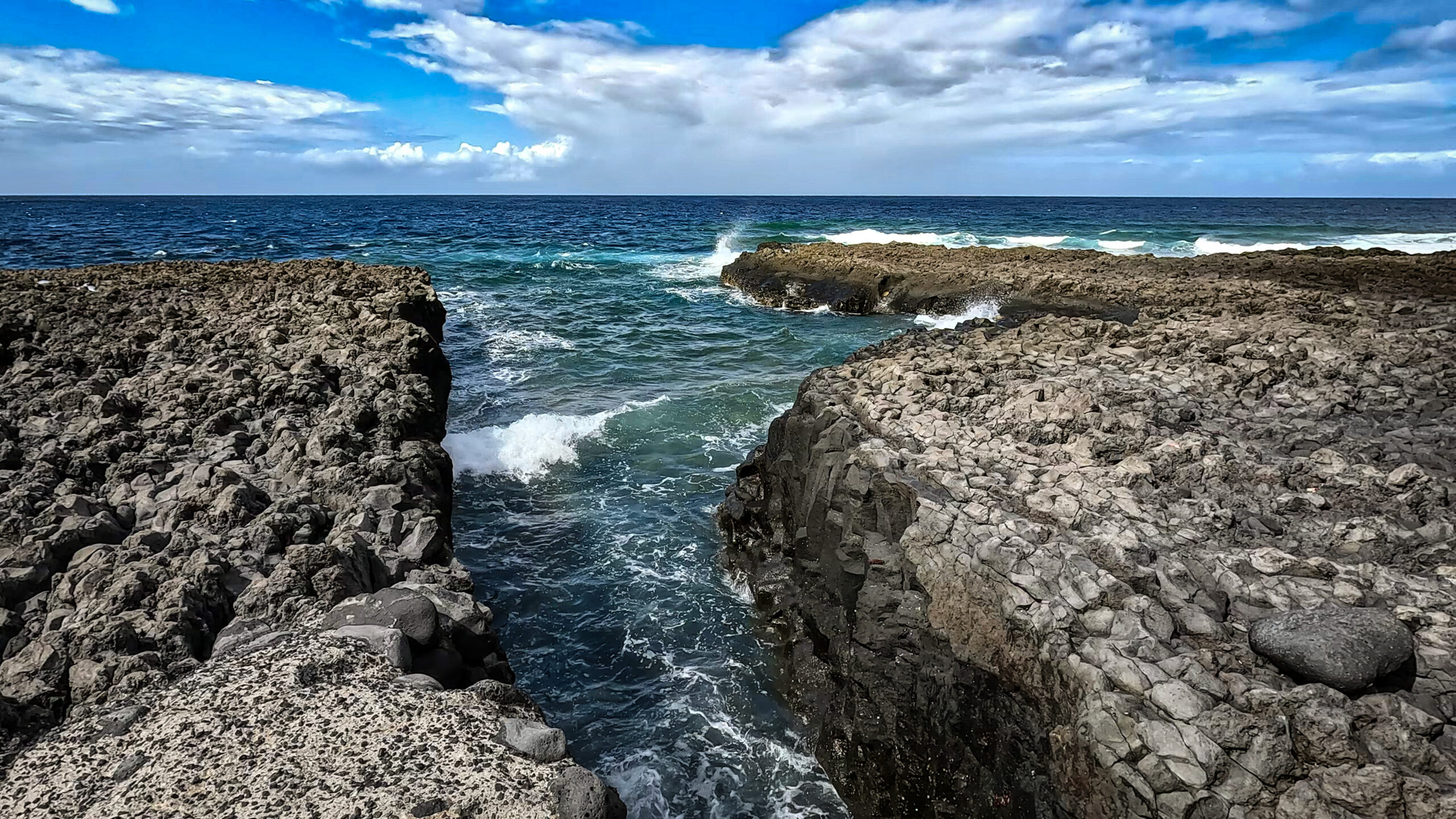
El Remo Beach is a typical harbour beach: black sand, fishing boats, a boarding ladder on the rocks, and lava stone around the edges. Swimming is possible, but those coming for the beach are better off heading to Puerto Naos or Charco Verde. People come to El Remo for the atmosphere: the smell of the catch, the sound of nets, the feeling of not being in a tourist-built backdrop.
Swimming & Safety
Keep an eye on the beach flags — west coast beaches frequently experience strong undercurrents.
Water shoes recommended — lava rock at the beach edge.
No lifeguard on site.
Check current access conditions after Tajogaite 2021 before visiting.
Getting There and Location
El Remo lies a few kilometers south of Puerto Naos along the coastal road, which ends in a dead end here. A rental car is recommended. Los Llanos de Aridane, the island’s largest town, lies a few kilometres further up — with market, supermarkets, and the densest accommodation options on the west coast.
After the Tajogaite 2021
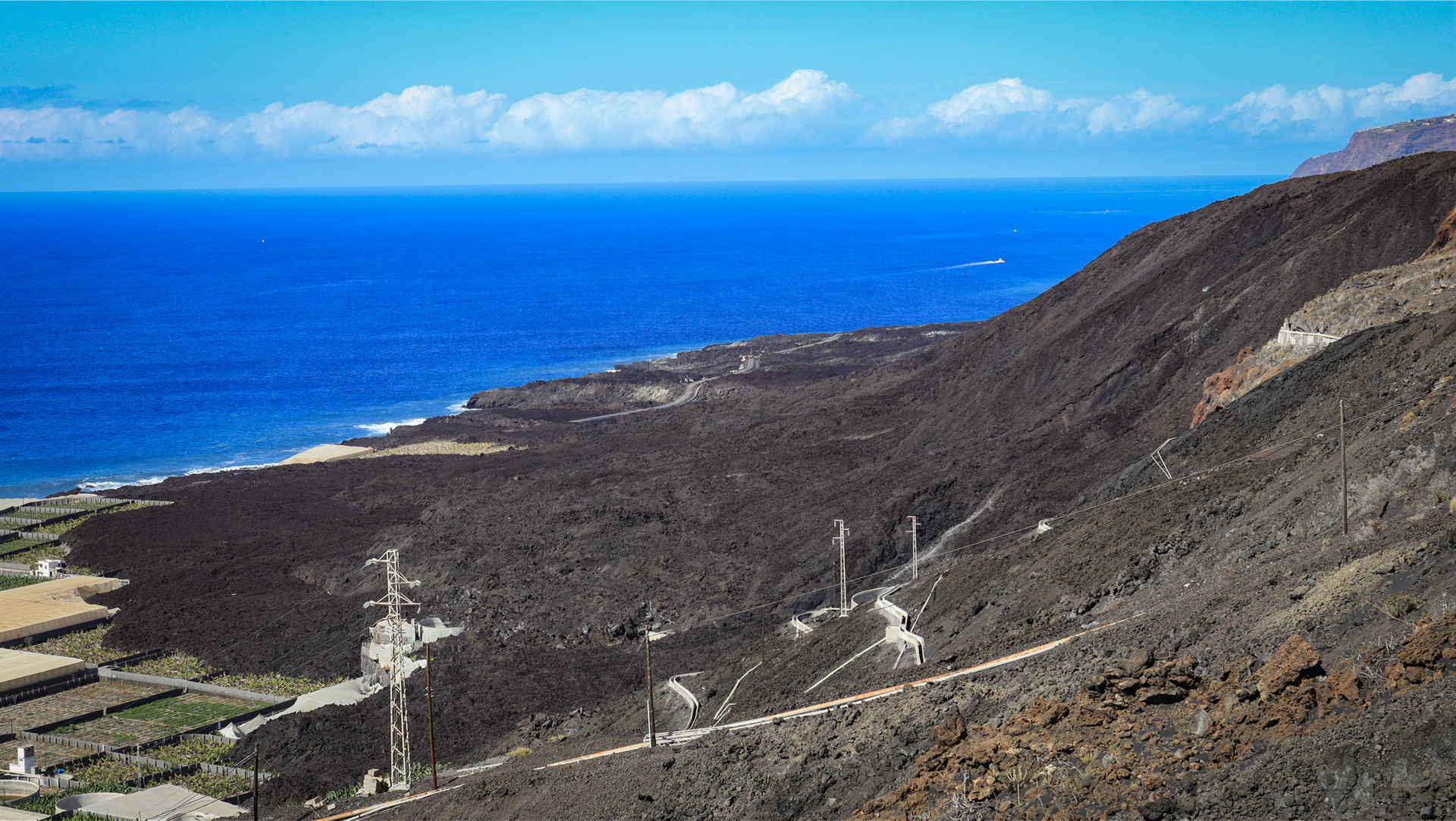
The 2021 Tajogaite eruption transformed the coast north of El Remo. Lava flows reached the sea and created new coastline. El Remo was right on the edge — temporarily closed, but largely accessible again since 2025/2026. The lava field begins north of the harbour.
| Location | West coast, south of Puerto Naos, municipality of Los Llanos |
|---|---|
| Highlight | Fish restaurants – the freshest seafood on the west coast |
| Beach | Black sand, harbour character |
| Parking | At the harbour |
The Tajogaite Lava Field: New Coastline
From Mirador de Las Hoyas on the road to Puerto Naos you can see the lava field of the 2021 Tajogaite eruption. New land, still dark, still without history — the cape the volcano created meeting the sea.
The Coastal Path to Puerto Naos
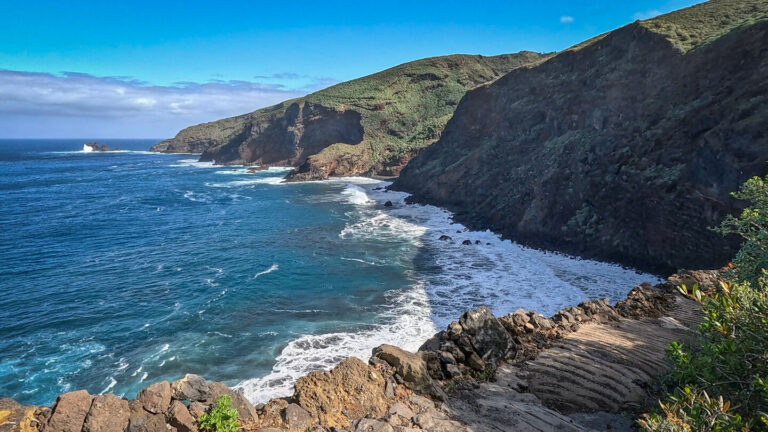
A simple coastal path connects El Remo with Puerto Naos to the south — about 45 minutes on foot. The route passes through a landscape that shows what La Palma’s west coast looks like without a road: lava rock, banana plantations on the slopes, the sea ahead. Starting in Puerto Naos in the morning, walking the coastal path to El Remo, and having lunch there is the best way to understand the west coast on foot.
Why El Remo Matters
There are plenty of places on La Palma made for visitors. El Remo is not one of them. The lava field behind it is not a tourist attraction; it’s the island’s most recent layer of history. Some rhapsodize about authenticity, others see only humble dwellings. Come to El Remo and you’re a guest in a real place — and you feel it.
Early Morning in El Remo
At 7am the cove is already awake. Small-scale fishermen drag their boats over the stones into the water, set their nets, exchange a few words in passing — this morning needs nothing more. No touristy quayside, no grand harbour basin to draw the eye. Just rock, water, boats casting off. By midday, when the restaurants open, none of that remains visible: El Remo has two faces, and this one shows itself only to those who arrive early enough.
There’s no real harbour here in the proper sense. What looks like one is a sheltered cove that fishermen have always used because the water is calm enough and the beach provides access. By afternoon the same spot belongs to swimmers and snorkelers; metal ladders on the cliffs lead comfortably down into the open sea.
What Awaits North of El Remo
Continuing north from El Remo brings you within a few kilometres to Tazacorte — the next fishing harbour on the west coast, with restaurants, boat trips to Cueva Bonita, and the harbour from which day visitors depart for the pirate cove. The west coast between El Remo and Tazacorte is the island’s most densely populated coastal stretch: fresh fish, boat trips, lava field, banana plantations, black sand — all in quick succession.
El Remo in Winter
El Remo is quieter in winter than in summer. Fewer boats, fewer guests in the restaurants, more space. What stays the same: the fish. In winter the selection is sometimes more interesting than in summer, as different species are active in Canarian waters. The west coast reaches 20 to 22°C on good winter days — warm enough to sit outside at midday. The lava field in winter light looks different from summer: quieter, more serious, more impressive.
Tip: Lunchtime, Not Evening
El Remo’s restaurants open at midday and close earlier than you’d expect. Wait for the evening and you may find closed doors. The reason: these are family restaurants, not tourist operations with long opening hours. Arriving between 12 and 2pm gives you the best selection and the freshest offering of the day. A tip that applies to many other restaurant recommendations on La Palma.
Conclusion: El Remo
El Remo isn’t a resort beach — it’s a state of mind: a genuine fishing spot, the finest fresh fish, and zero tourist fluff.
Those who want to know La Palma’s west coast — the real one — go to El Remo and stay for lunch.
Frequently Asked Questions
What is El Remo on La Palma?
Was El Remo affected by the Tajogaite eruption?
What should you eat at El Remo?
This article is based on the on-the-ground knowledge of the Gequo editorial team – publishers of the Reisezeit hiking guides and operators of Sunhikes.com. Last updated: May 2026