Porís de Candelaria – The Pirate Cove
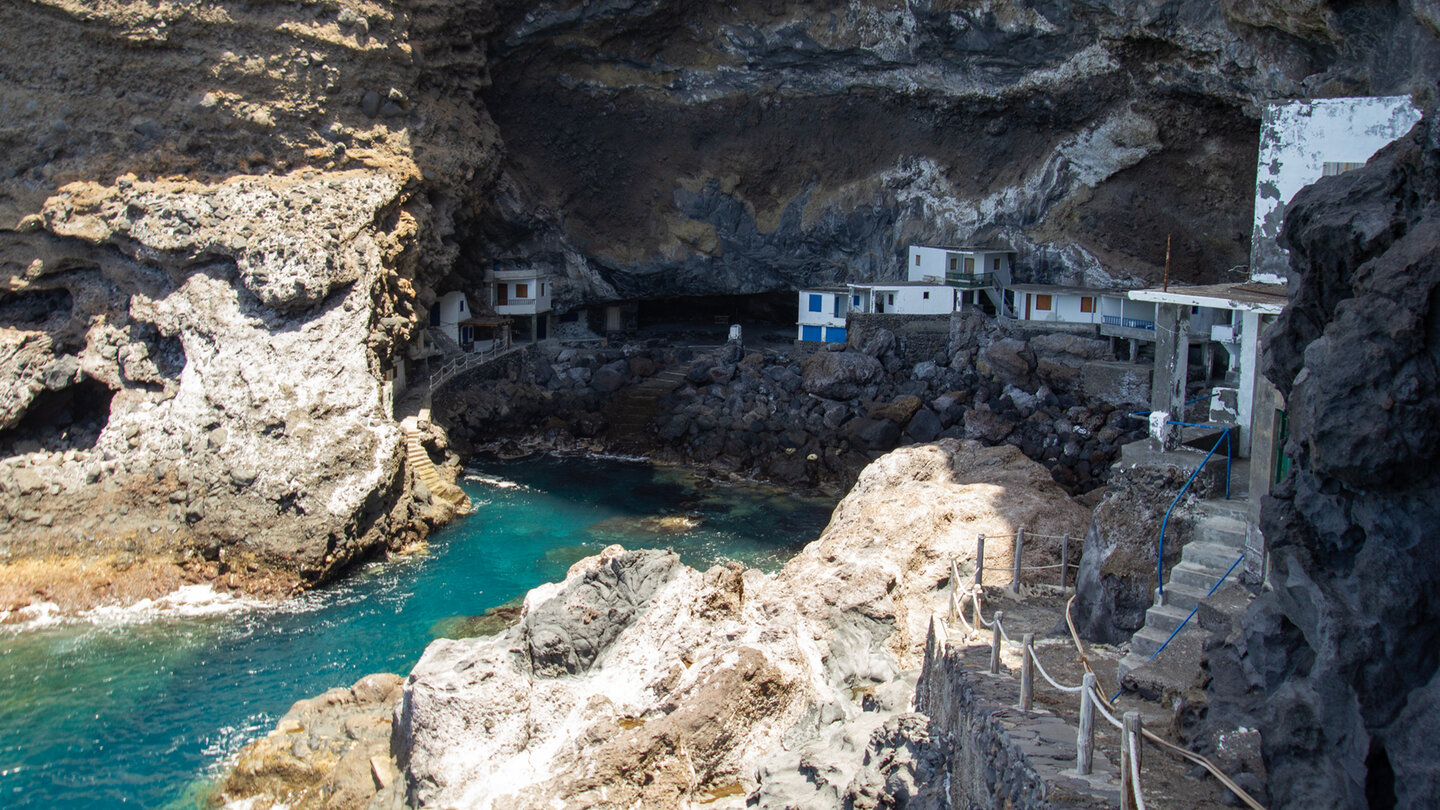
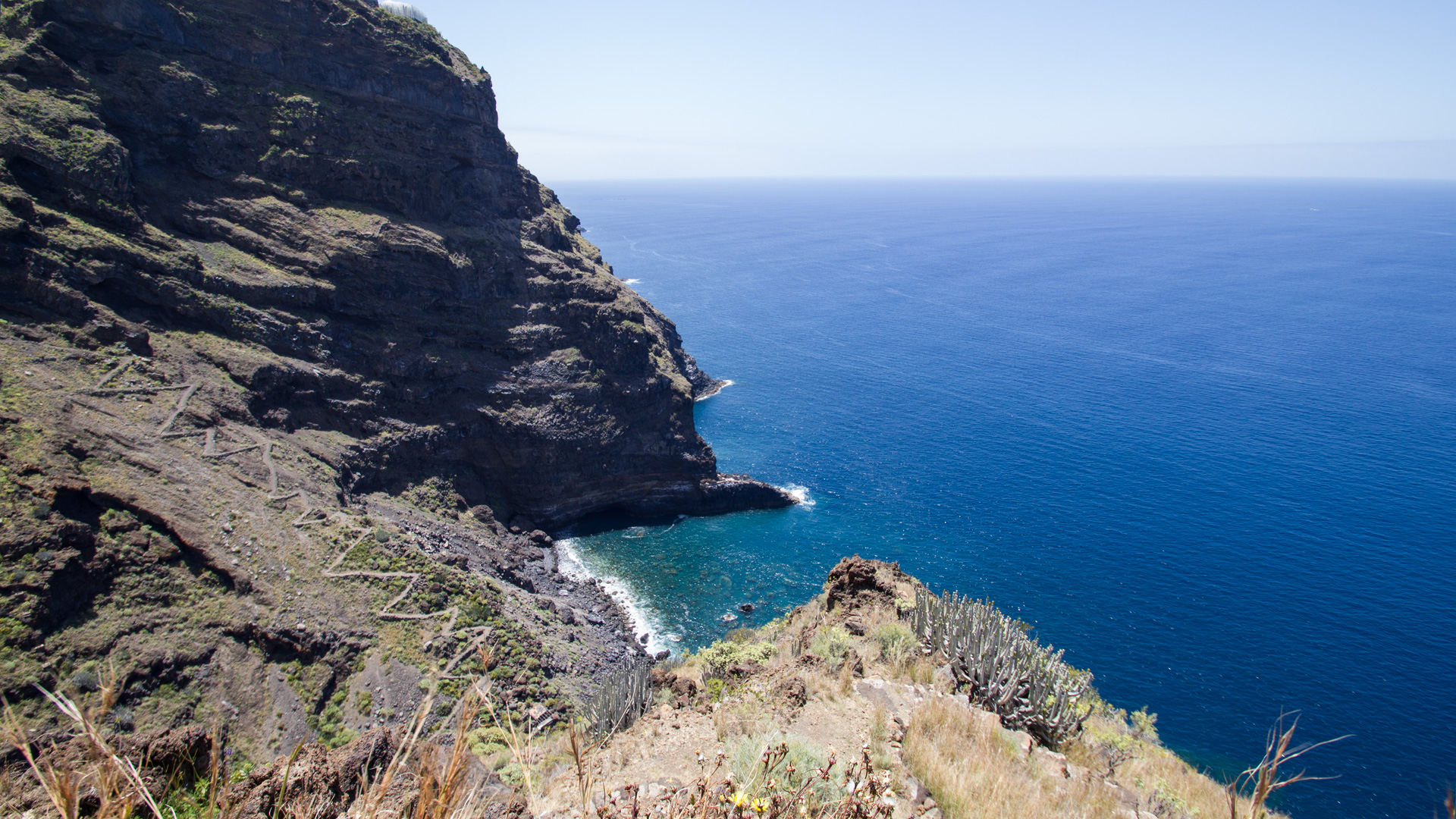
Some places explain themselves the moment you see them. Porís de Candelaria is one. Beneath a massive rock overhang, about twenty small white houses press against the sea — some carved into the cliff, some squeezed between, as if someone built a village that didn’t want to be found. In this seclusion lies the name: Pirate Cove.
A Cove With History
Tradition holds that pirates and smugglers found refuge here. Credible enough – the bay is invisible from the coastal road, barely visible from the sea, and on foot only accessible via steep paths. Those who came here wanted not to be found. Today it is fishermen and families from the area who open up their small houses on summer weekends, launch their boats and live a daily life that has nothing to do with the island’s tourist trade. During the week the bay is silent.
The Myth of the Pirates: The name “Pirate Cove” is a tourism marketing term. Locals refer to the place exclusively as Porís de Candelaria. It once served as an important transshipment point for legal trade; there was never a pirate base there.
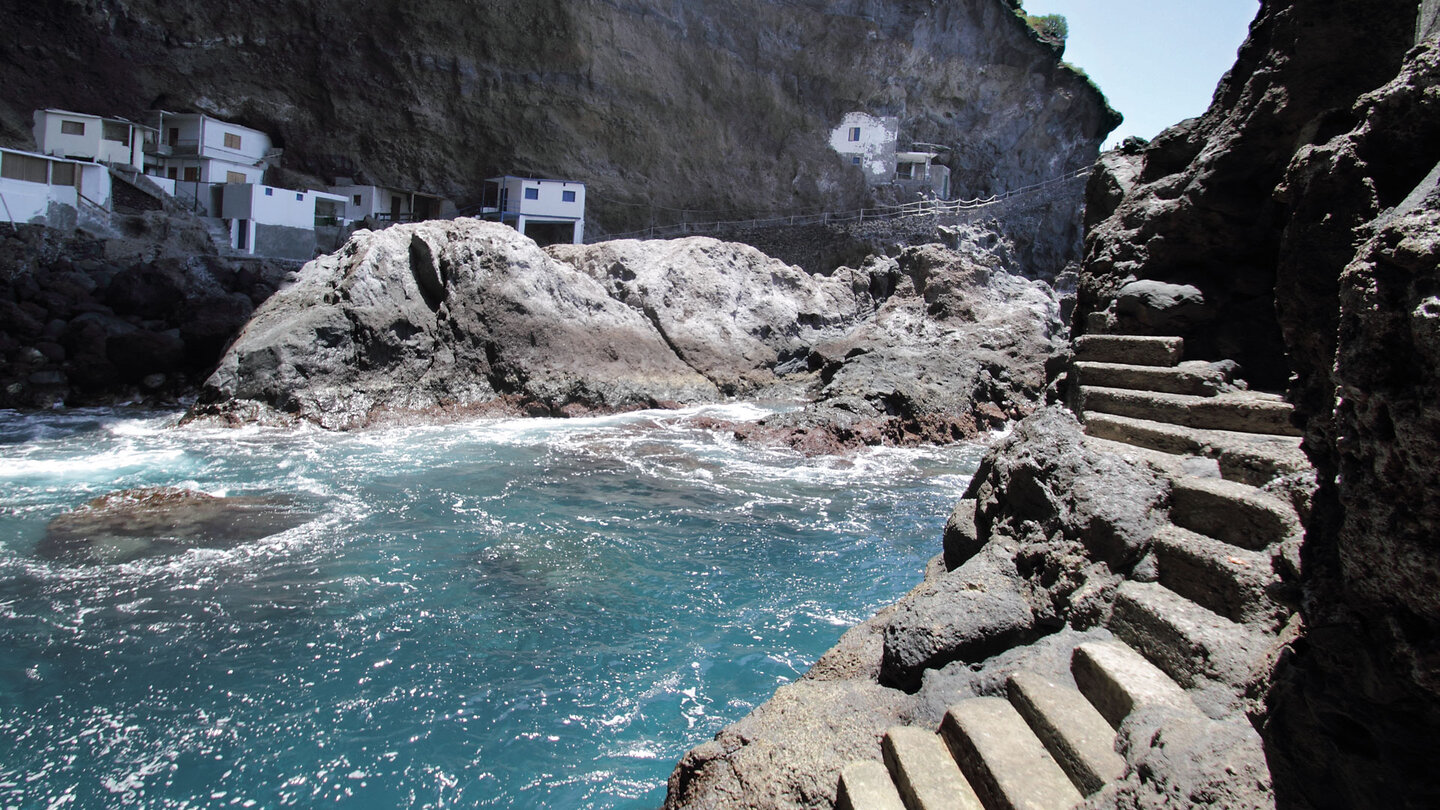
The Afternoon Light
The cove shows its best face in the afternoon. That’s when the sun reaches even the furthest little houses, the cliff walls glow orange, and the water in front is the turquoise you find everywhere on La Palma — but here, framed by rock and houses, it looks different from anywhere else. The Pirate Cove is a picture. Once seen, you carry it with you.
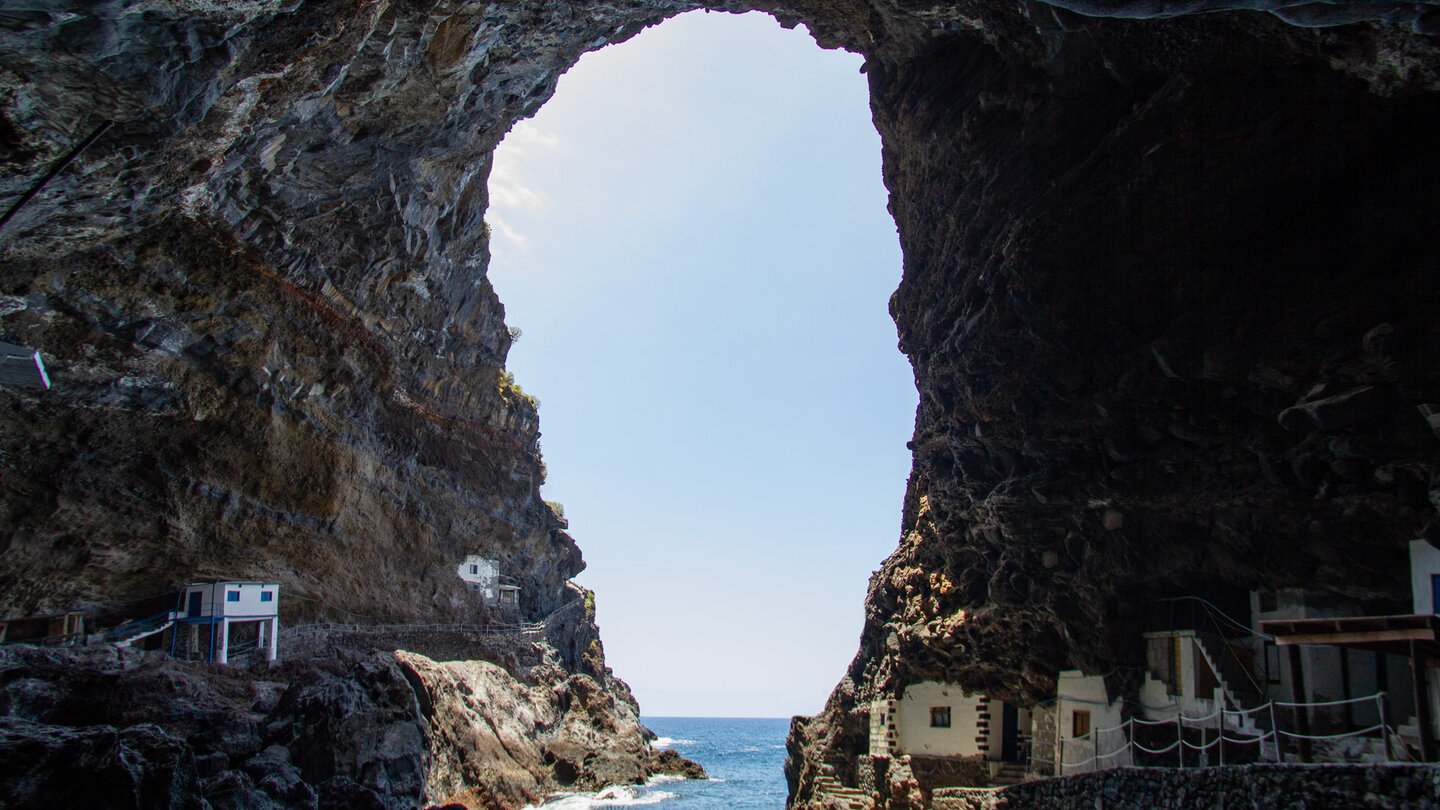
How to Get There: Hike or Boat
Two routes lead to Porís de Candelaria. The Barranco del Jurado hike descends from Mirador Barranco del Jurado in Tijarafe — challenging, steep, for sure-footed hikers. From Puerto de Tazacorte, regular boat tours show the cove from the sea side: that is the pirates’ perspective.
You can drive to a small parking area above the cove — from there it’s only about 5 to 10 minutes on foot along a paved path. Invisible and secluded, the bay has remained so despite the road.
Access & Safety
On foot: descent approx. 45–75 min — sturdy footwear and sure footing required.
By boat: views of the cove from the sea side — no landing, return by boat.
Swimming only in calm sea and for experienced swimmers only — no lifeguard.
Allow extra time for the ascent: it’s harder than the descent.
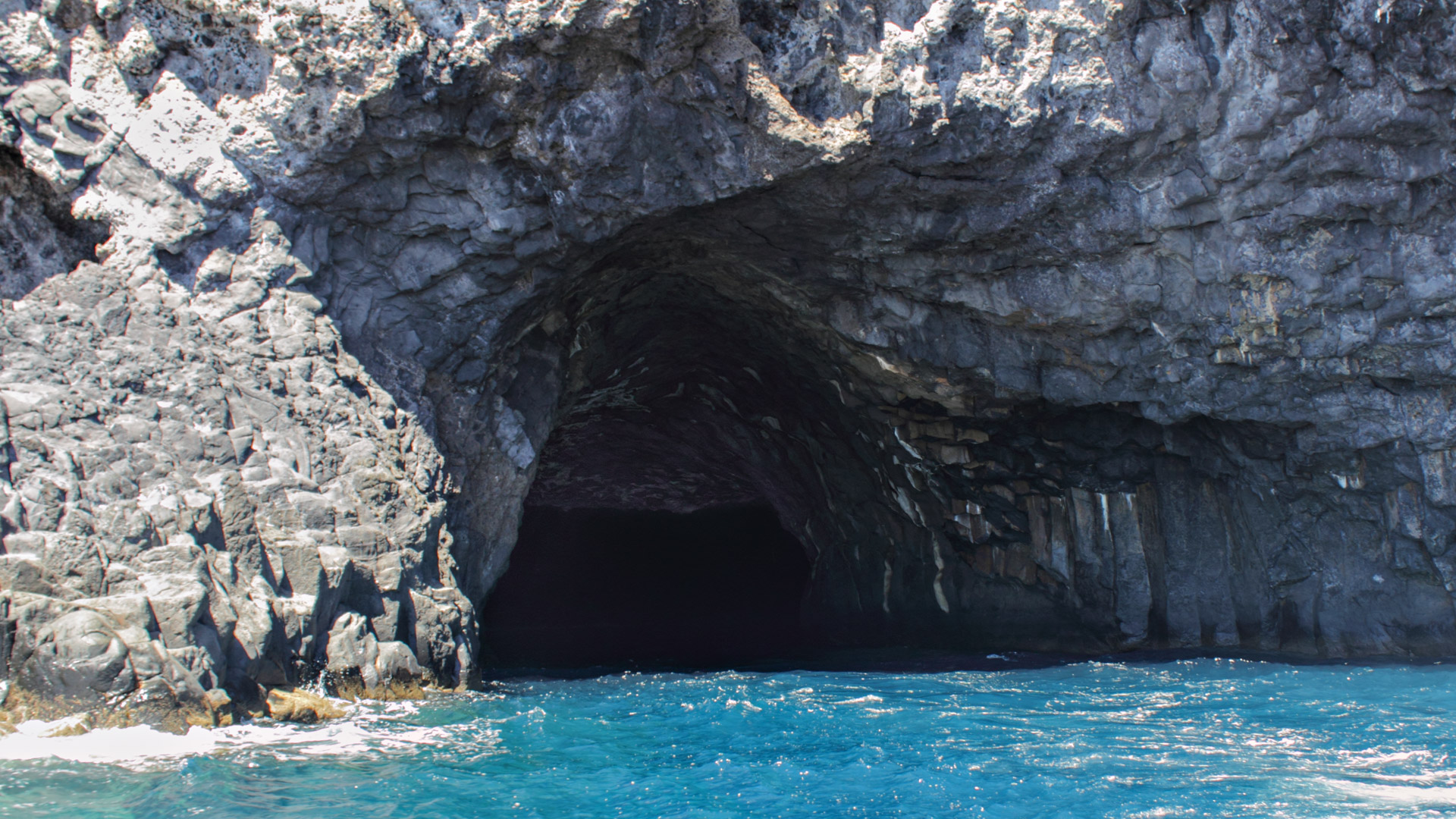
The Cueva Bonita Nearby
A few kilometres along the cliff coast lies the Cueva Bonita — La Palma’s most beautiful sea cave, reachable only by boat. Anyone planning a boat trip from Puerto de Tazacorte can combine both in one excursion: first the cave with its light show, then the Pirate Cove with its little houses. That is the most complete answer to the question of what La Palma’s west coast has to offer.
| Location | West coast of La Palma, municipality of Tijarafe, near Cueva Bonita |
|---|---|
| Access | Hike Barranco del Jurado to the Pirate’s Bay (45–75 min) or boat tour from Tazacorte |
| Swimming | Only in calm seas and for experienced swimmers |
| Highlight | Weekend settlement tucked under a rock overhang |
| Best time | Summer afternoons – when the sun reaches into the cove |
| Accommodation | Clariso Tijarafe (37 houses) |
Accommodation in Tijarafe
Tijarafe has the largest selection of Clariso holiday homes on La Palma: 37 properties, many with pool and sea view. Book directly via Clariso Tijarafe.
Tijarafe: The Village Above the Cove
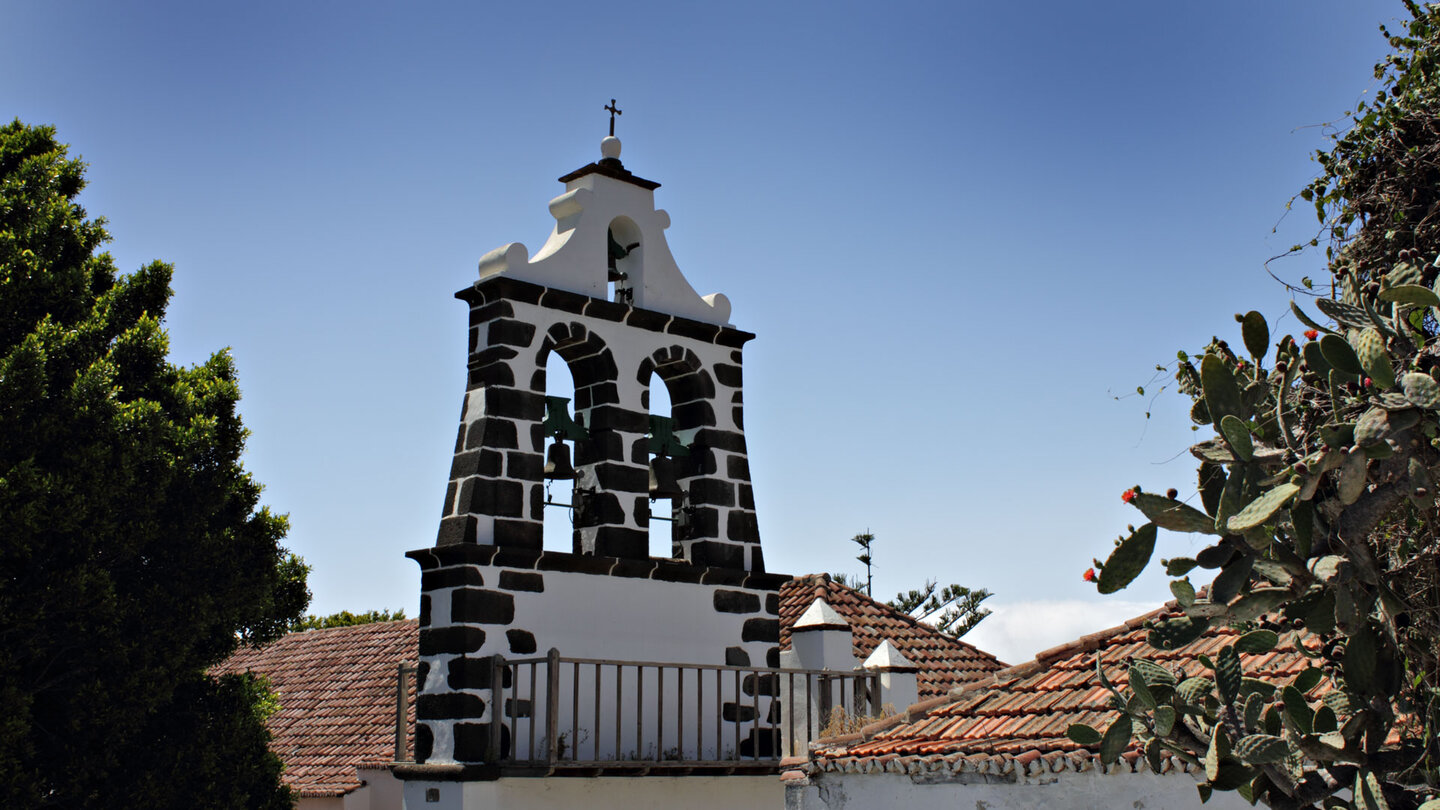
Tijarafe is small and unhurried. The village centre barely asserts itself: a church with one of the most beautiful wooden ceilings on the west coast, a church square with old trees, a few bars — nothing more needed. Around it a web of paths, gardens, and individual houses, some open to the sea, others pressed against steep slopes. Mass tourism is nowhere to be found. What Tijarafe has instead: the Pirate Cove, breathtaking sunsets, and hiking trails that seem to have no end.
Barranco del Jurado Hike to the Pirate Cove: Route and Character
The Barranco del Jurado route to the Pirate Cove descends from Mirador Barranco del Jurado through the gorge and then along the west coast to Porís de Candelaria. The descent through the barranco takes 45 to 75 minutes depending on fitness. The coastal stretch after is wilder than expected — no marked trail, just lava rock and orientation by the sea. Press on and you reach the Pirate Cove after another 90 minutes. Five to seven hours for the full round trip: a long day, one of the island’s best.
La Palma at Its Best
The Pirate Cove is most beautiful in the afternoon sun — when the light falls deep into the rock overhang and the little white houses glow. But in morning light too, arriving first when the cove is still quiet, there is something moving about it. It is not La Palma’s most beautiful beach. It is not a beach at all, in the proper sense. It is a place where you understand how people lived on a volcanic island — with the rock, not against it.
Swimming in the Pirate Cove
In calm sea, the water in front of the Pirate Cove is what you seek everywhere on La Palma: turquoise, clear, cold enough to keep you alert, warm enough to linger. Rocky entry points, no sand below — water shoes make sense. The surf genuinely calms here at times, especially in the early morning. No lifeguard, no beach flags: those who go in decide for themselves.
Holiday Houses Directly in the Cove
A few of the little houses in the Pirate Cove are occasionally available to rent — through local agents in Tijarafe, no booking platform, no comfort in the usual sense. What you get: four walls in the rock, the sound of the sea as the only backdrop, and the feeling of living in a place others only briefly visit. Ask locally in Tijarafe.
Annual Rhythm: Silence and Weekend Village
Monday to Friday: empty. Saturday and Sunday in summer: fishermen, families, open houses, boats in the water. That is the rhythm of the Pirate Cove — a place that lives twice a week and sleeps five. Come on a weekday and you have the cove to yourself. Come on a weekend and you experience what a coastal village is that doesn’t exist for tourists. The Sunhikes video shows the bay and the view across the landscape — a good first impression before making the trip yourself.
What the Boat Trip Offers
Visiting the Pirate Cove by boat from Tazacorte shows it as you cannot otherwise see it: from the sea side. The little houses suddenly emerge from the rock, the overhang is even more imposing from below, and the turquoise water between boat and cliff has a depth you don’t sense from above. On the return, most tours also pass through the Cueva Bonita — a bonus that makes the trip doubly worthwhile.
Conclusion: Porís de Candelaria
The Pirate Cove is La Palma’s most spectacular coastal jewel: a rock overhang, twenty little houses, turquoise water — and a story that earns the word pirate.
Accessible only on foot or by boat, and that is exactly why it’s unforgettable.
Frequently Asked Questions
How do you get to Porís de Candelaria (the Pirate's Bay)?
Can you swim at the Pirate's Bay?
Can you stay overnight at the Pirate's Bay?
When is the best time to visit?
What is the shortest route to the Pirate's Bay?
This article is based on the on-the-ground knowledge of the Gequo editorial team – publishers of the Reisezeit hiking guides and operators of Sunhikes.com. Last updated: May 2026