The Tajogaite: 85 Days That Changed La Palma
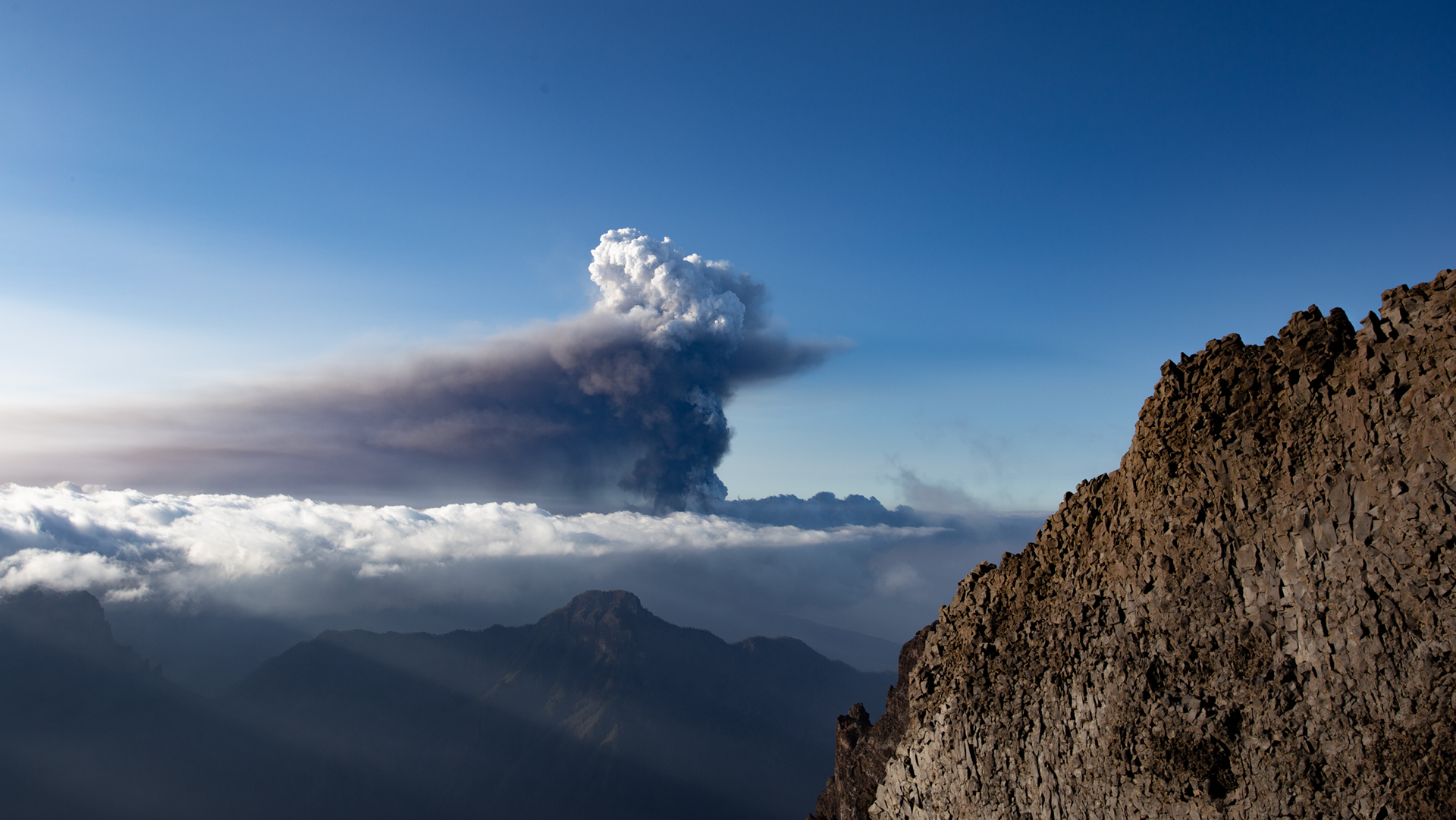
September 19, 2021, 3:12 pm. On the western flank of the Cumbre Vieja, above the Aridane plain, the earth opened. An eruption fissure tore the ground apart; lava flowed sluggishly at first, then with increasing force. Within hours, the lava flows began moving down the slopes toward Los Llanos and El Paso. The evacuations began.
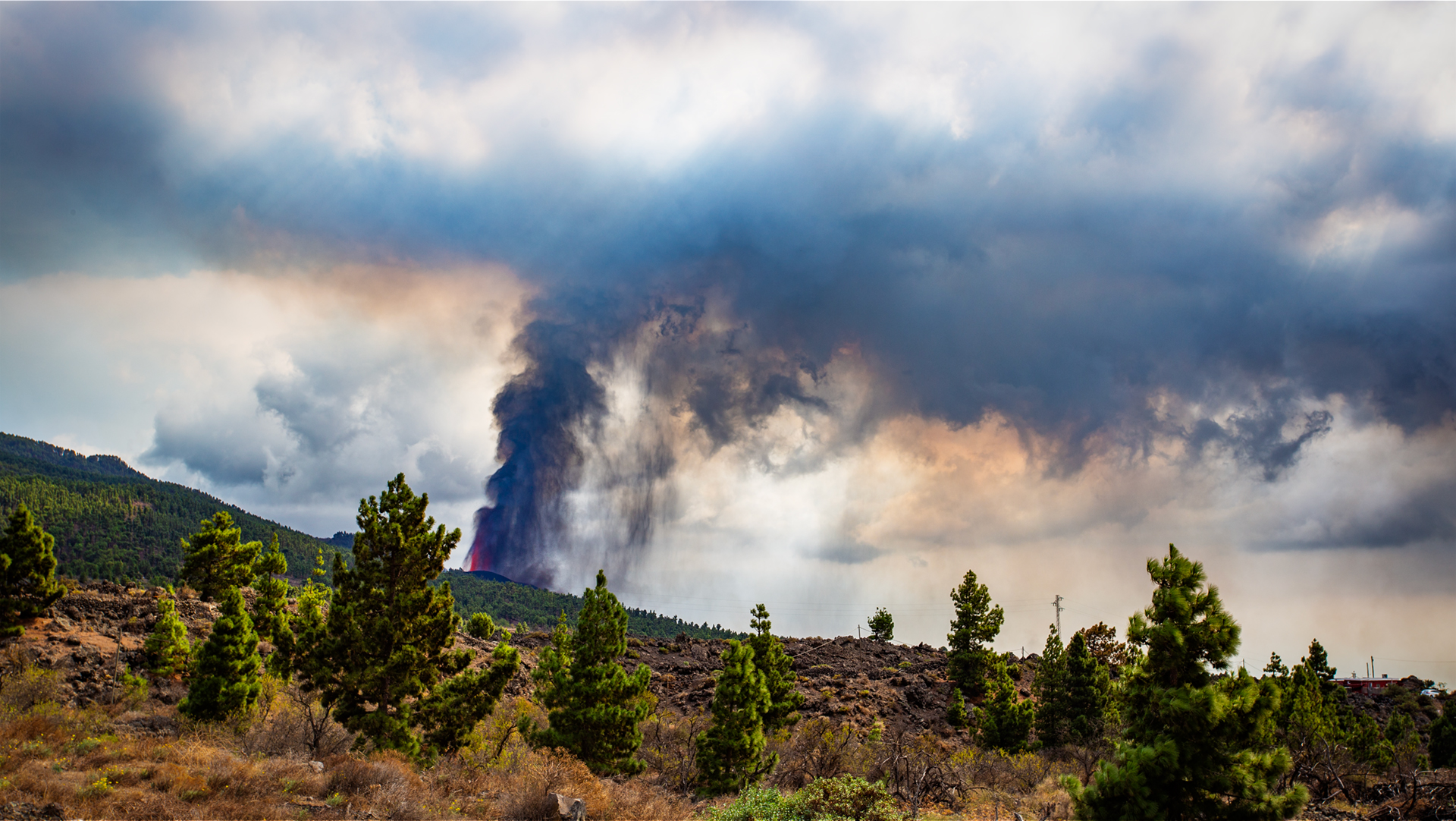
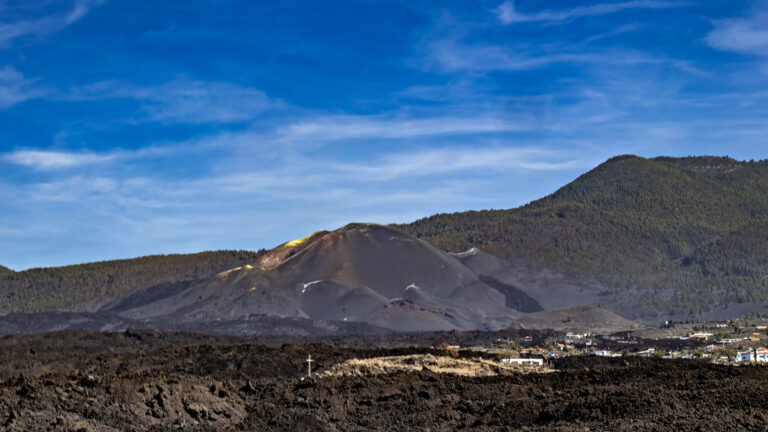
What followed were 85 days — the longest volcanic eruption in La Palma’s recorded history. The Tajogaite—as the new volcano was later named—permanently altered the island’s southwest coast. And it changed the lives of thousands of people who lost their homes, their fields, their neighborhoods.
What Happened During the Eruption
The lava flows moved westward across the Aridane plain, through El Paso, Los Llanos and Tazacorte, all the way to the sea. On its path, the lava buried more than 1,200 hectares and destroyed over 3,000 buildings. The villages of Todoque, La Laguna, Las Manchas and parts of El Paso were hit particularly hard. Entire residential areas disappeared under the lava, roads were cut off and countless banana plantations were destroyed. Over 7,000 people were evacuated; fortunately, no deaths were directly caused by the eruption itself.
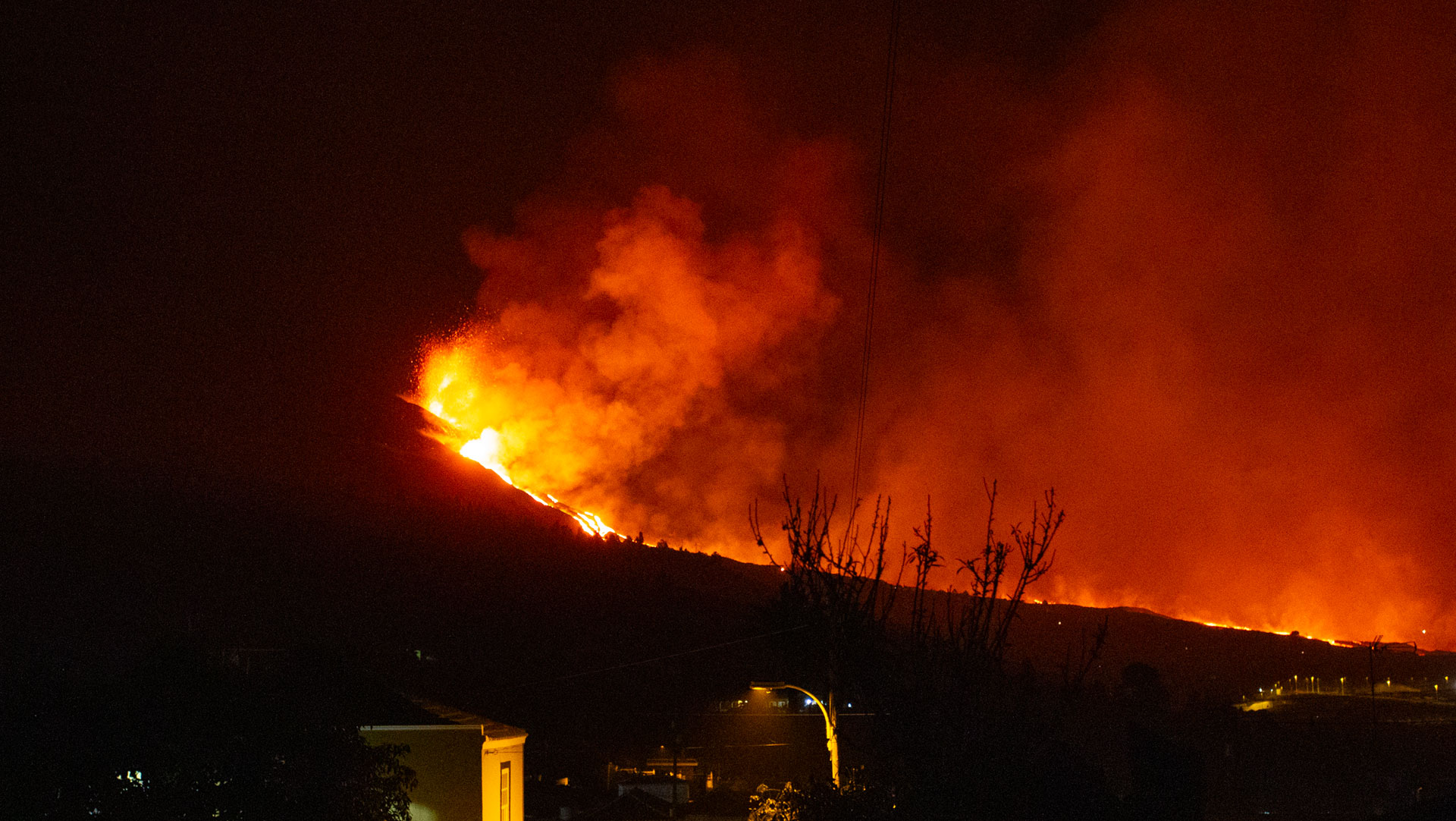
The lava that flowed into the sea created two new peninsulas (fajanas), increasing La Palma’s total land area by around 50 hectares. The lava masses at the coast reached up to 60 metres in height. The Tajogaite had several secondary cones and repeatedly changed its behavior: at times lava flowed calmly downhill; at others, explosive phases produced lava fountains up to around 100 metres high.
La Palma Today: The Reconstruction
Since the official end of the eruption on 13 December 2021, reconstruction has been under way. Today, Puerto Naos is largely accessible once again, though it continues to be monitored by a CO₂ measurement and warning system. New roads connect the previously cut-off districts, and numerous residential buildings and agricultural areas are being gradually restored. The lava field, the volcanic cone and the new fajanas can be experienced at selected viewpoints and on guided tours. The visitor centre Caños de Fuego provides information about La Palma’s volcanism and offers guided tours of the historic lava tube Cueva de las Palomas, which formed during the 1949 eruption of the San Juan volcano. The lava tubes formed during the Tajogaite eruption, however, are currently not open to visitors.
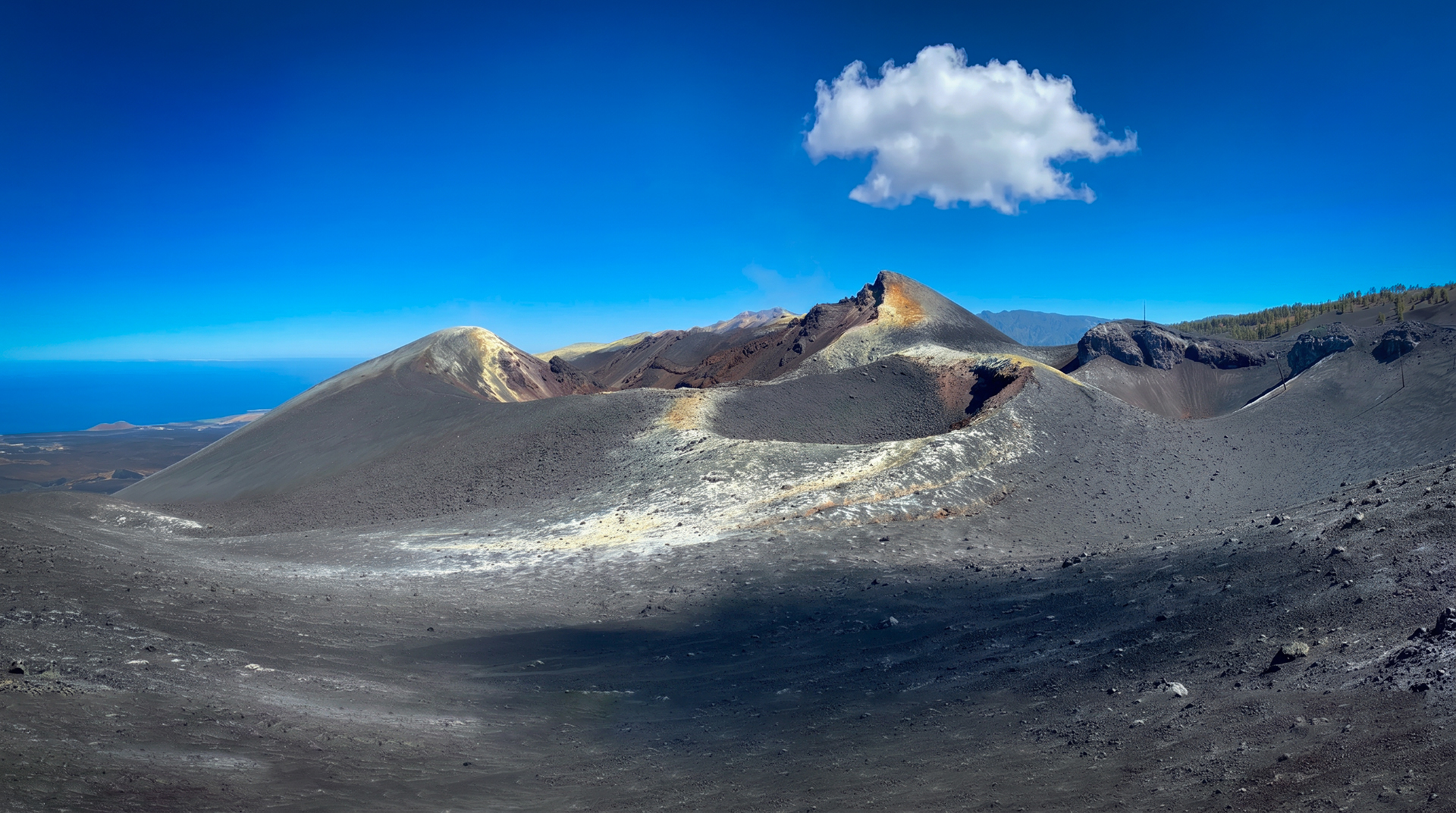
The Tajogaite remains both a tourist attraction and a painful reminder of loss. For many Palmeros, it represents both a site of destruction and a symbol of resilience.
Note
Visiting the lava field: Parts of the lava field and certain areas around Puerto Naos and La Bombilla remain subject to access restrictions or special safety requirements due to natural CO₂ emissions from the ground. Before visiting, always check current official advisories and follow local signage.
Conclusion
The Tajogaite changed La Palma — but did not break it. The island is rebuilding, growing, and continues to draw visitors who want to understand what happened here. The resulting landscape is now one of the most striking natural spectacles in the Canaries.
Frequently Asked Questions
When did the Tajogaite eruption begin and end?
How many people were evacuated?
Can you visit the lava field today?
Why is the volcano called Tajogaite?
How large is the new lava field?
This article is based on the on-the-ground knowledge of the Gequo editorial team – publishers of the Reisezeit hiking guides and operators of Sunhikes.com. Last updated: May 2026