Birdwatching on La Palma: Endemic Species in the Laurel Forest
While La Palma might not be a classic birding hotspot like Fuerteventura or Tenerife, nature lovers will find something far more special here: rare bird species and endemic subspecies closely tied to the ancient laurel forests of the Canary Islands. A walk through Los Tilos or the Cubo de la Galga in the early morning hours quickly becomes an unforgettable experience for birdwatchers and nature photographers.
The Most Important Endemic Species
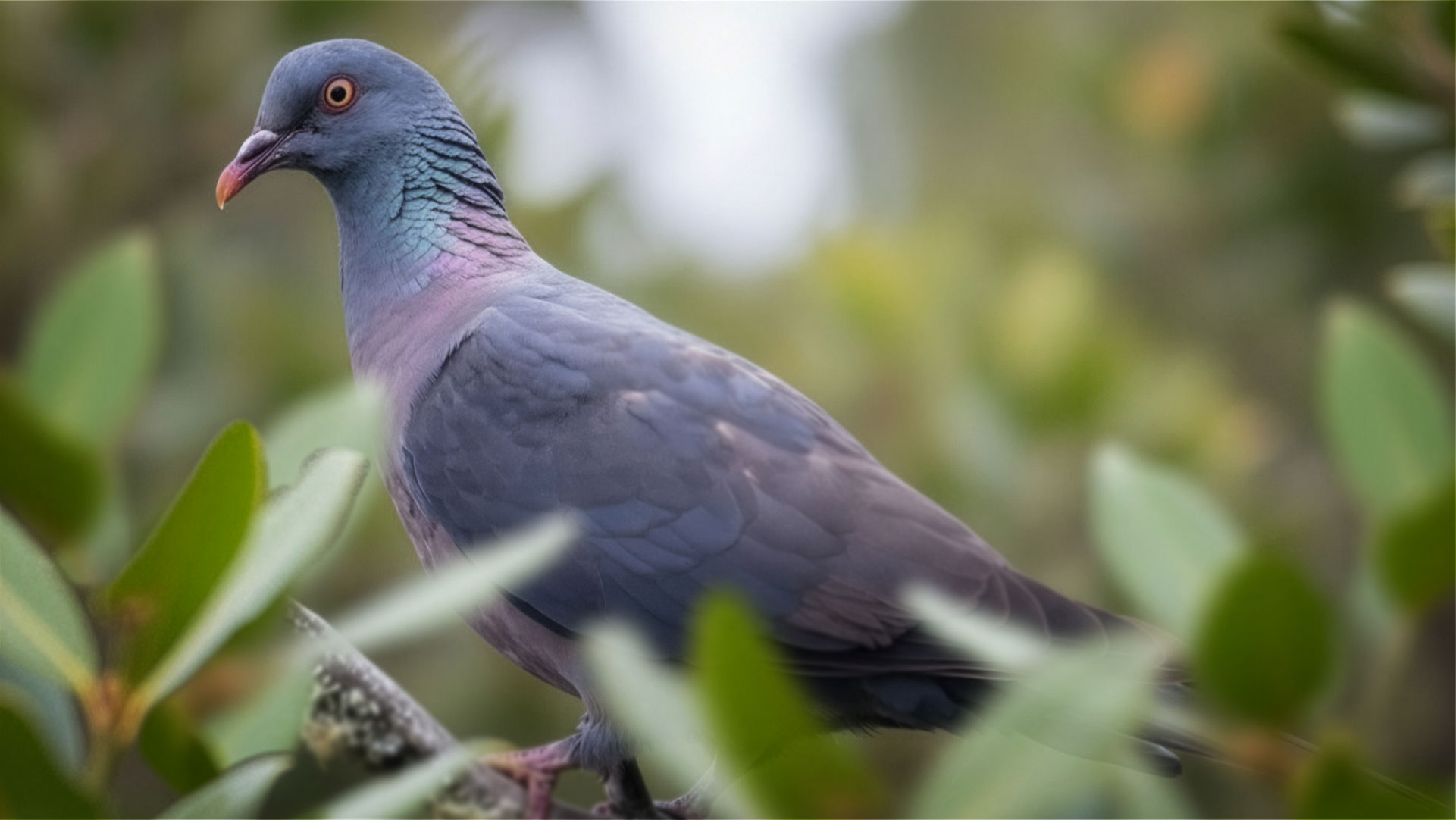
The White-tailed Laurel Pigeon (Columba junoniae) is one of the rarest birds in the Canaries. Its copper-chocolate plumage and the striking pale band on its tail make it easy to identify in flight. More often than not, you’ll hear its deep cooing long before you catch a glimpse of it in the dense canopy.
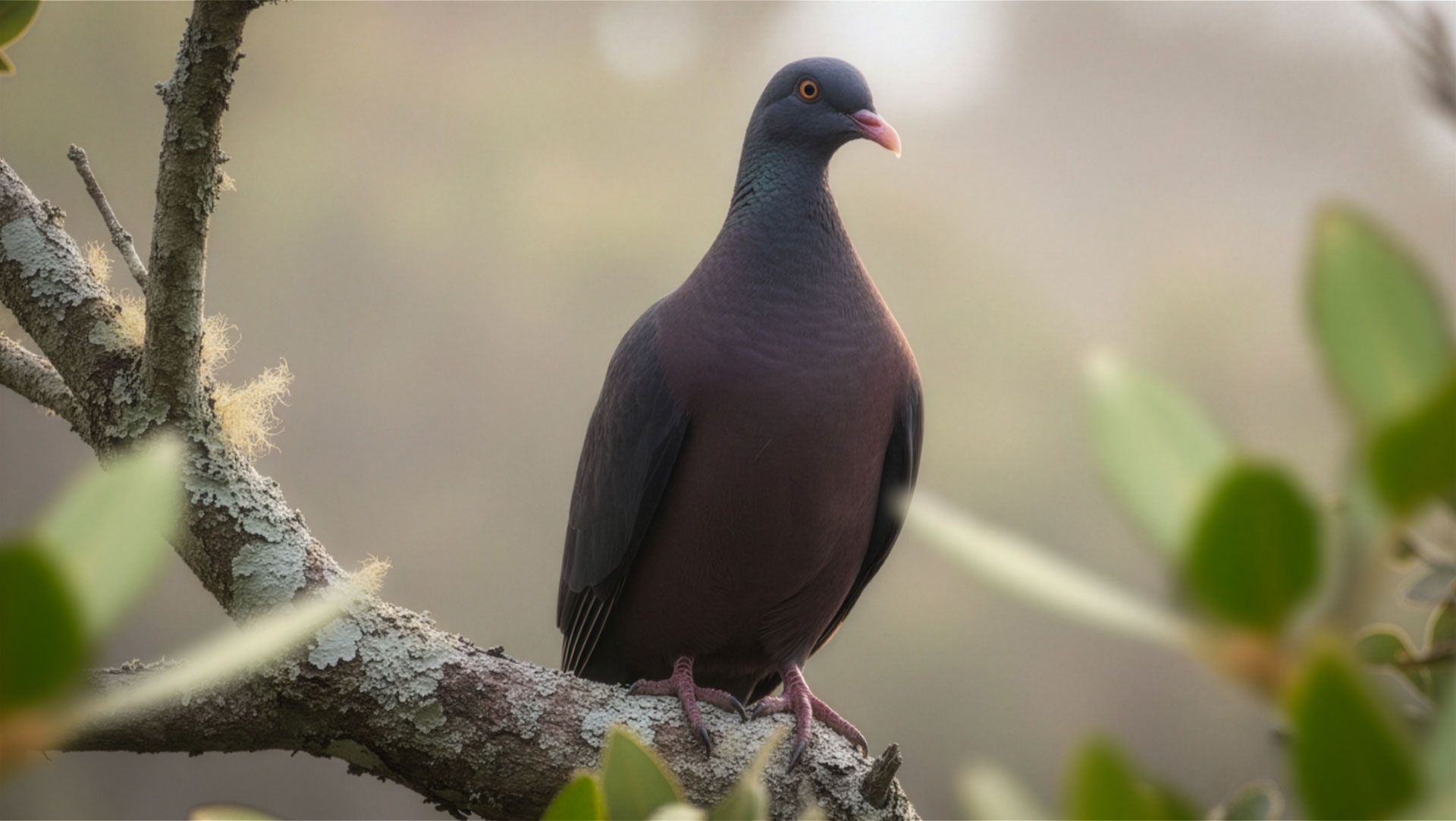
Bolle’s Laurel Pigeon (Columba bollii), also known on the Canary Islands as Paloma turqué, appears overall darker and slate-gray. It lacks the pale tail band of the White-tailed Laurel Pigeon; instead it has a reddish bill. Both species are closely tied to the laurel forest and are among the most significant bird species of the Canary Islands.
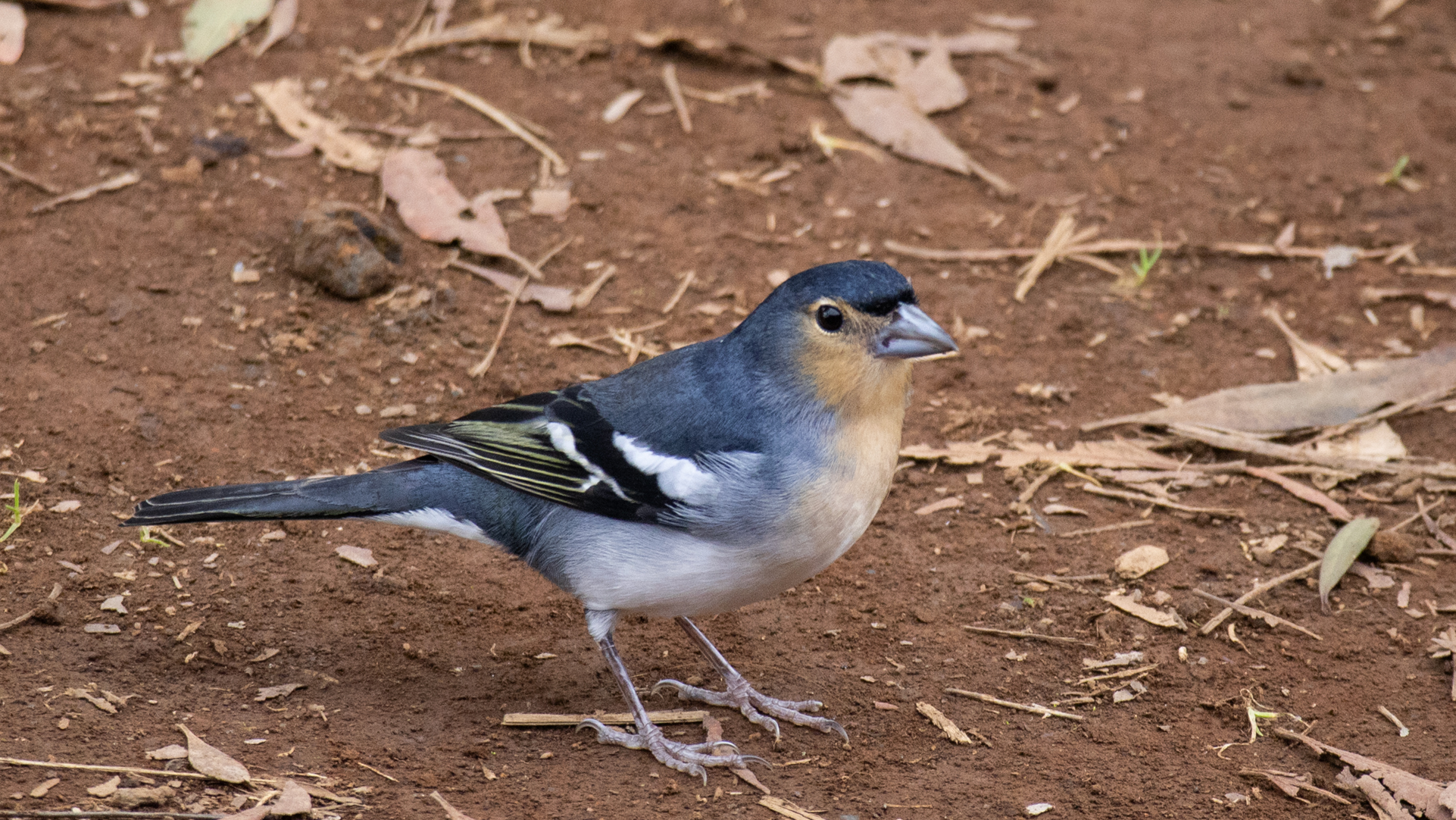
The La Palma Chaffinch (Fringilla coelebs palmae) is a subspecies found only on La Palma and is one of the most common songbirds in both the laurel forest and the pine forest.
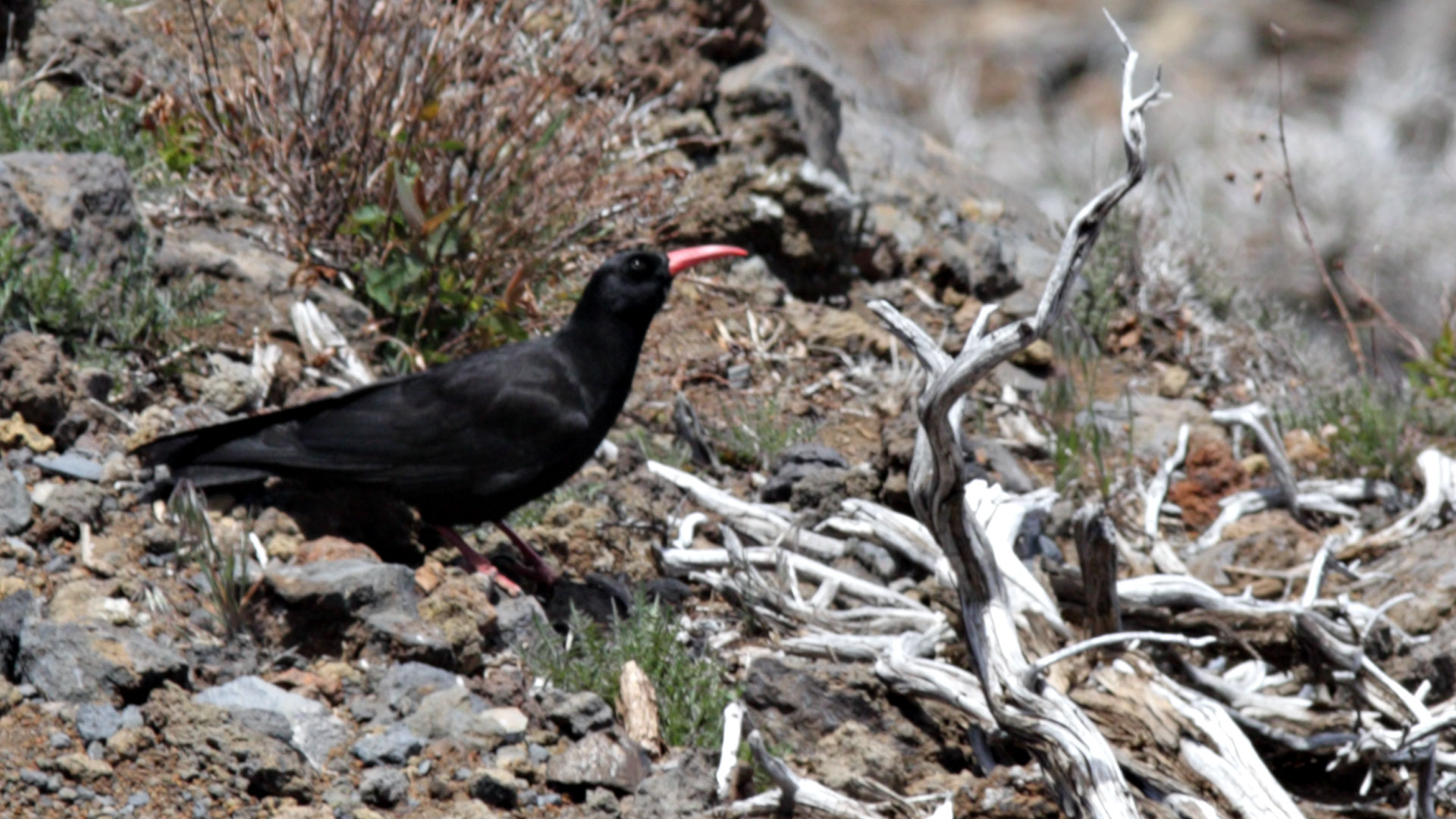
The Graja (Pyrrhocorax pyrrhocorax barbarus), the Palmerian subspecies of the Red-billed Chough, is iconic to La Palma. With its glossy black plumage and bright red bill, it is instantly recognizable. It is most frequently spotted on the cliff faces of the Caldera de Taburiente and in the deep barrancos of the north and northwest.
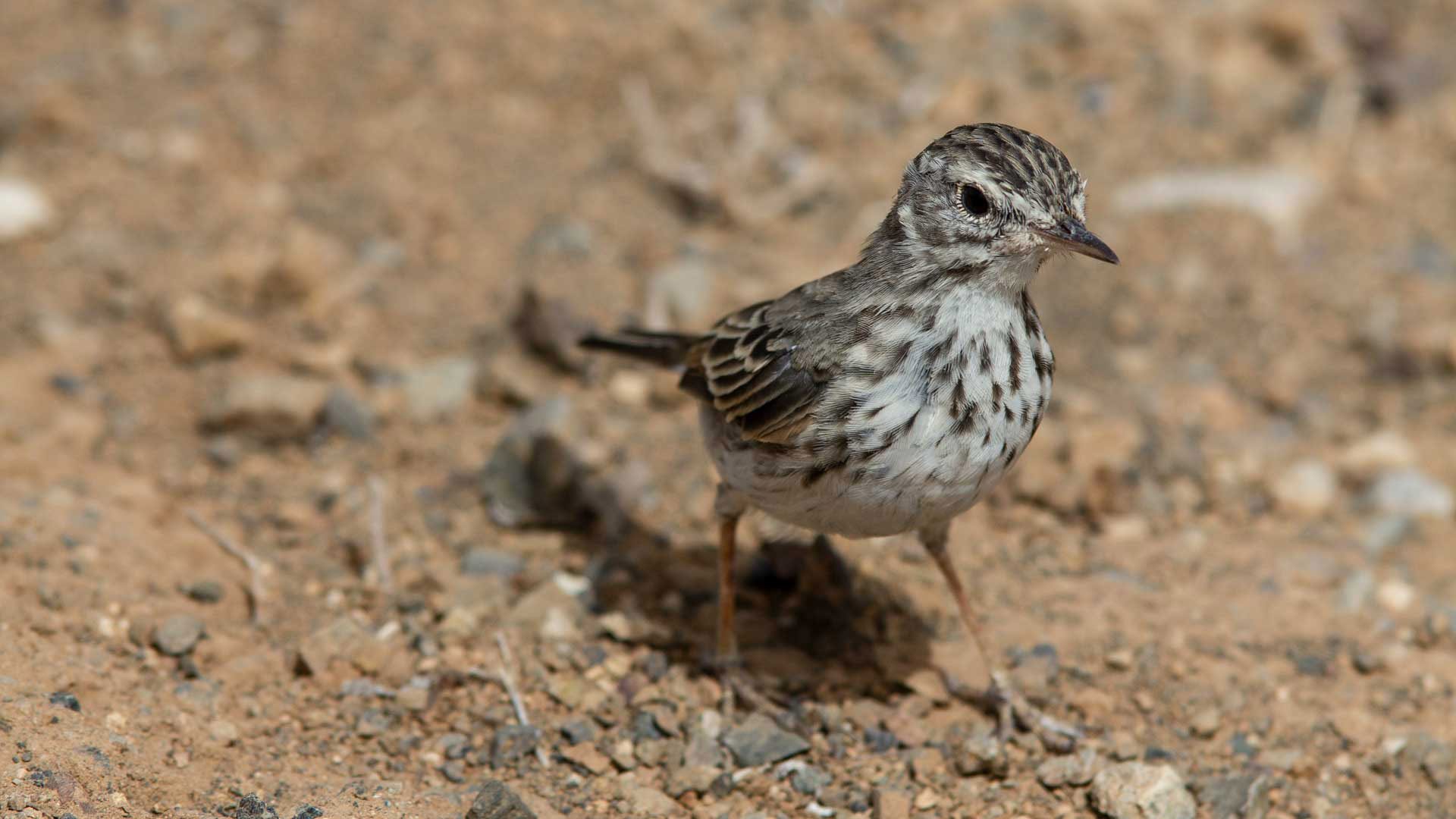
Berthelot’s Pipit (Anthus berthelotii) thrives in open landscapes from the coast to the high peaks, making it a common sight across the island.
Best Birdwatching Hotspots
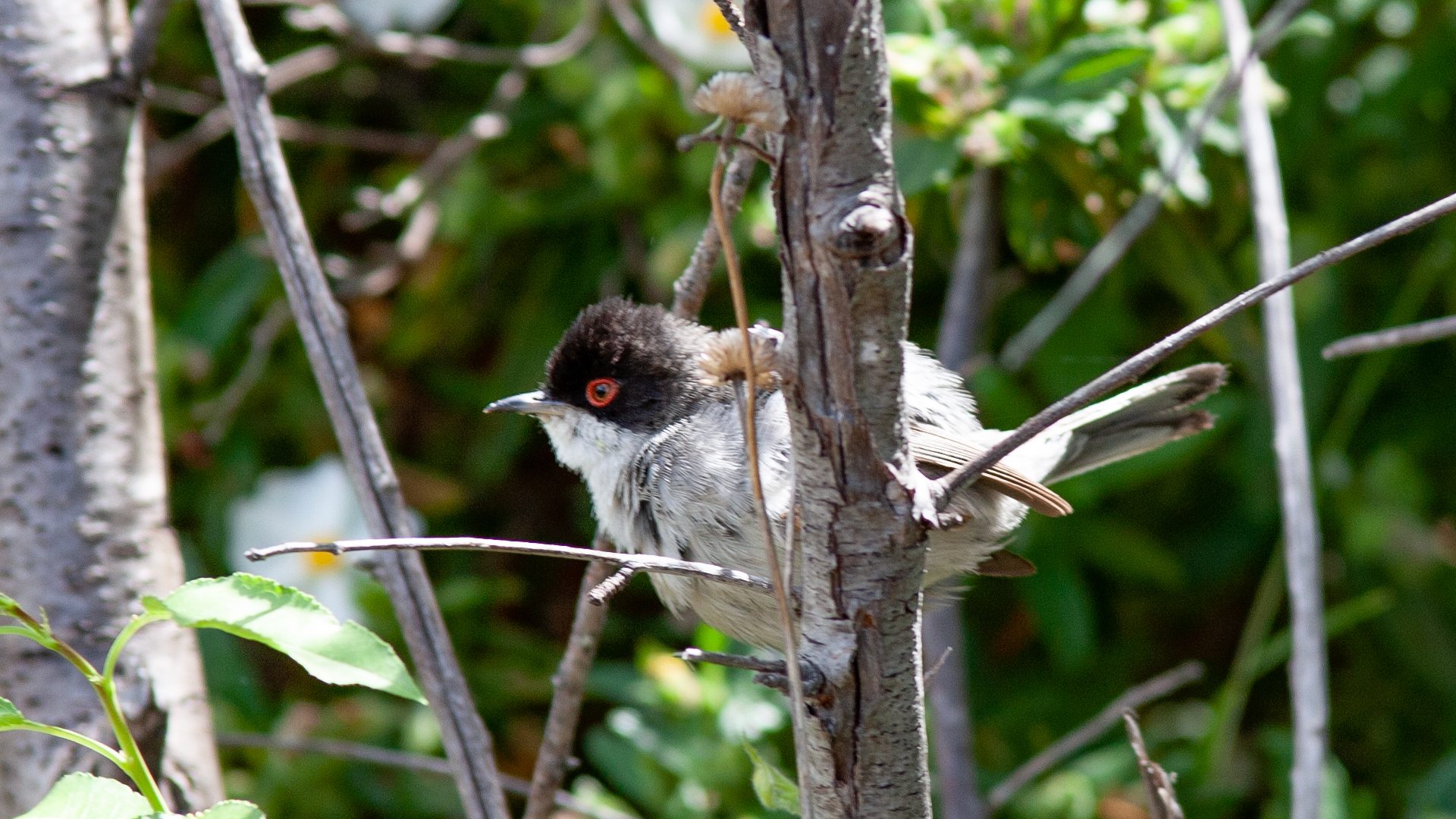
Los Tilos (San Andrés y Sauces): One of the best spots for observing the White-tailed Laurel Pigeon, Bolle’s Laurel Pigeon, La Palma Chaffinch, and Canary Kinglet. The early morning hours in the Barranco del Agua are especially rewarding.
Cubo de la Galga (Puntallana): A densely wooded laurel forest with excellent chances of spotting both laurel pigeon species and numerous other woodland birds.
Roque de los Muchachos and the Caldera ridge: This is where Grajas can be observed particularly well. Kestrels and Canary Island species of the high elevations are also present.
Fuencaliente Salt Pans: Especially in fall and spring, one of the island’s most interesting observation sites. Migratory birds use the salt pans as a resting stop on their journey between Europe and Africa.
Conclusion:
La Palma’s birdlife isn’t about massive flocks — it’s a reward for those who rise early and venture into the laurel forest. White-tailed Laurel Pigeon, Graja, and La Palma Chaffinch: three reasons to bring a camera.
Frequently Asked Questions
What Birds Are Typical for La Palma?
When Is the Best Time for Birdwatching on La Palma?
Do You Need Binoculars for Birdwatching?
Where Can You See the Graja Most Often?
Where Is the Best Place to Observe Laurel Pigeons?
This article is based on the on-the-ground knowledge of the Gequo editorial team – publishers of the Reisezeit hiking guides and operators of Sunhikes.com. Last updated: May 2026