Tazacorte: Where the Bananas Taste Best
Some say the best bananas in the Canary Islands grow in Tazacorte. That’s hard to prove — but anyone who has driven through the endless, emerald-green plantations stretching from the town centre down to the coast will understand why this claim refuses to go away.
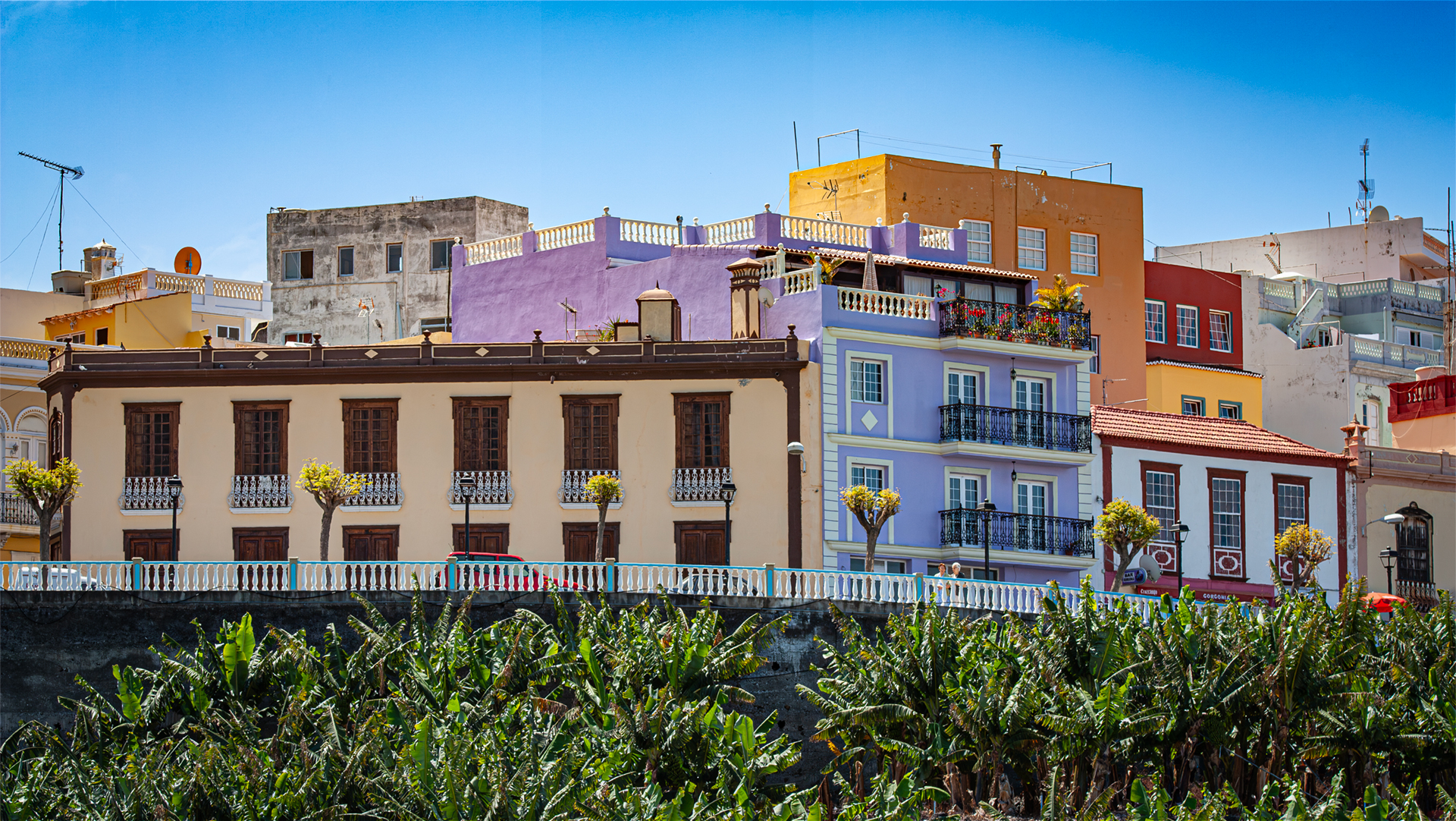
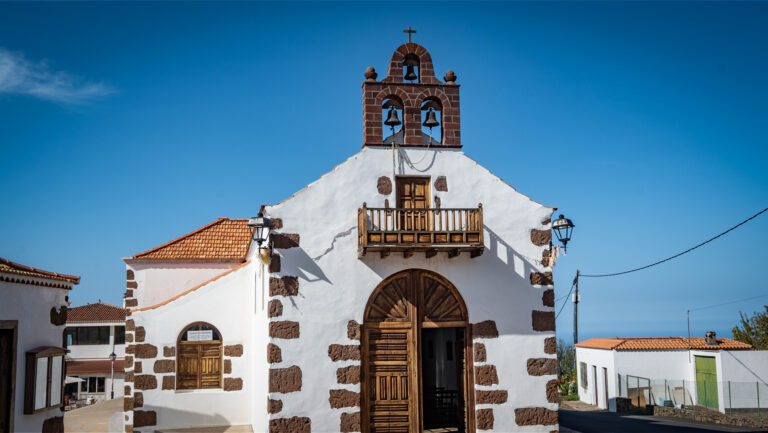
Tazacorte is situated in the west of La Palma, nestled between steep cliffs, the Aridane Valley, and the Atlantic. The municipality is one of the sunniest and mildest regions on the island and has preserved a wonderfully rural character despite its importance for banana cultivation. Grand manor houses recall the era of sugar cane, once the economic “gold” of the island, while the colourful lanes still speak of the traditional life of the Palmeros today.
The historic harbour made Tazacorte one of the most important trading ports on La Palma at an early stage. Sugar was first exported through it; later bananas took over as the most important agricultural product. To this day, the plantations shape the landscape and set the rhythm of the town.
The Old Town: Between Sugar Lords and Banana Barons
Among traditionally decorated colourful houses, winding alleys, and quiet squares, Tazacorte still retains much of its historic charm and social fabric. Alongside the magnificent, freshly whitewashed manor houses of the former sugar and later banana estate owners — draped in violet bougainvillea climbing up the walls — more modest workers’ houses stand close together, an architectural mirror of the town’s history. Those seeking authentic western La Palma — without the bustle of Los Llanos or the tourist remnants of Puerto Naos — come here.
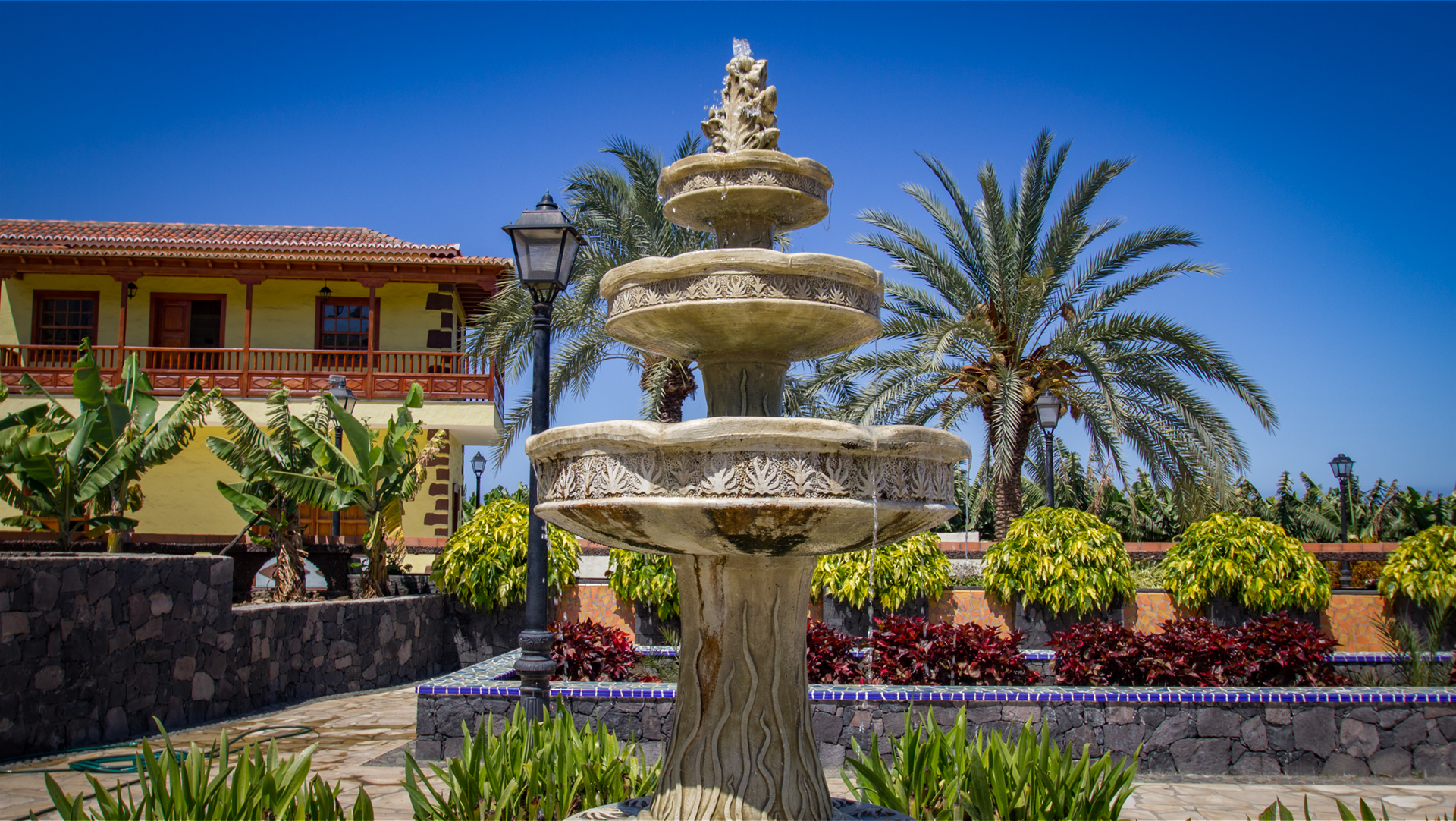
The Plaza de España with the Iglesia de San Miguel forms the heart of the municipality. The Avenida de la Constitución promenade curves gracefully around the town centre, offering repeated views across the plantations and the sea. This is where people meet in the evenings, where they walk, where they sit together — everyday life far from large tourist centres.
Puerto de Tazacorte: Fishing Harbour with Views of the New Volcanic Landscape
A few minutes below the town centre lies the Puerto de Tazacorte. The sheltered harbour is one of the safest anchorages on the west coast, protected from the powerful Atlantic winds by the high cliffs. What was once a simple fishing harbour is today one of the most beautiful spots on the western side for a relaxed evening by the sea.
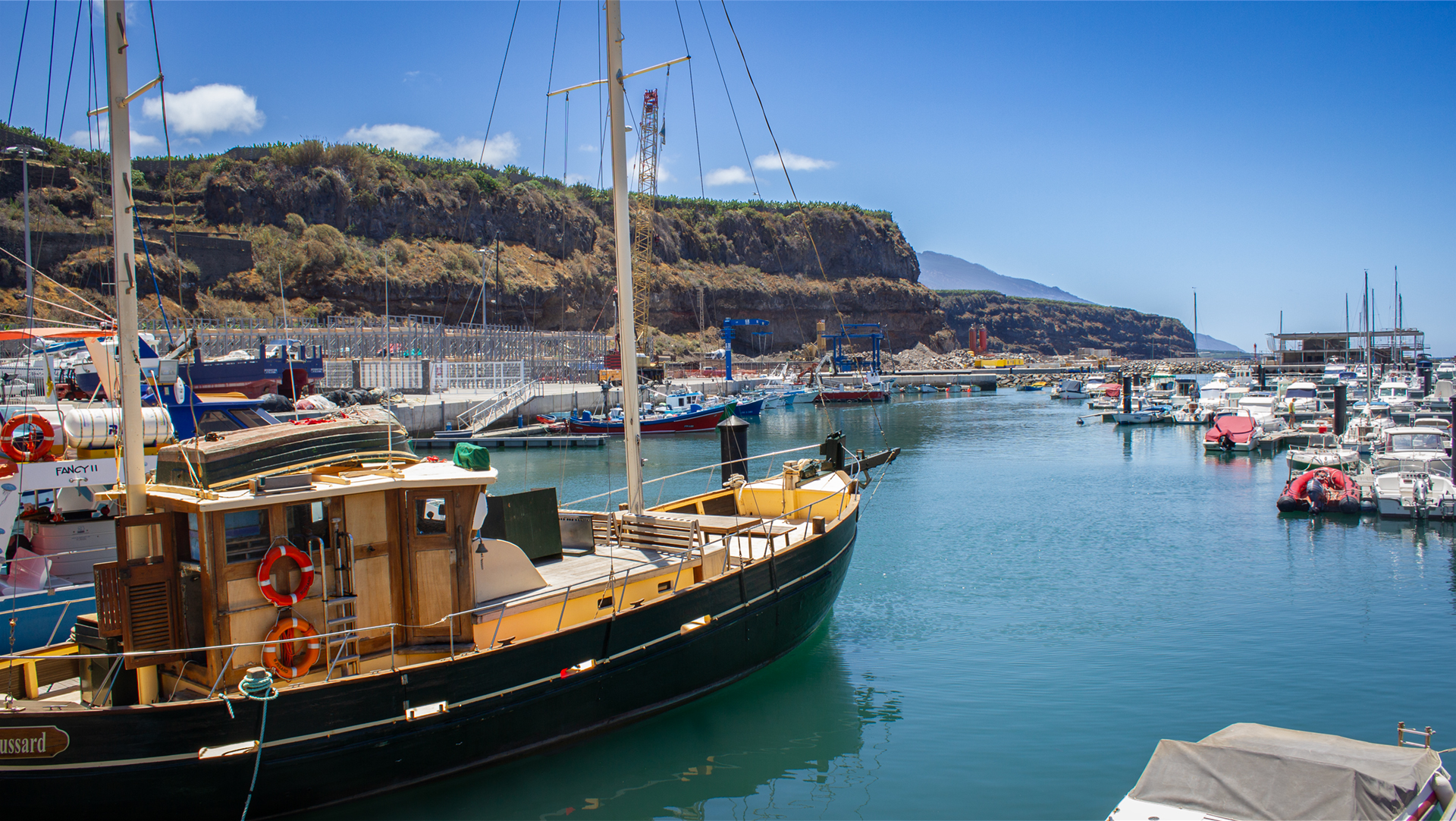
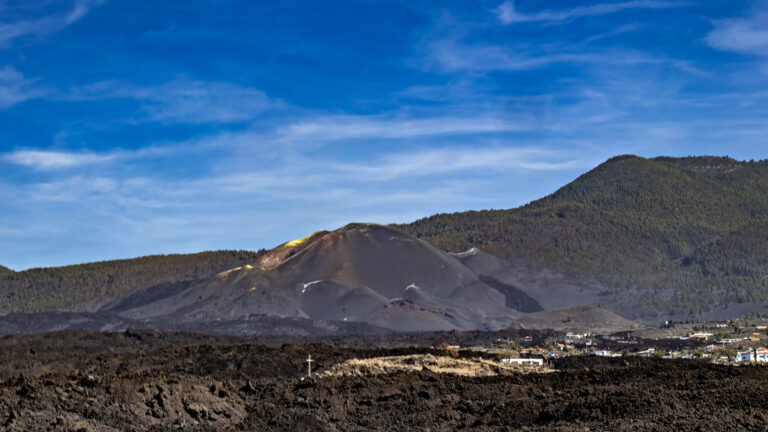
Restaurants line up here, serving fresh seafood and fish dishes at prices considerably lower than on the larger neighbouring islands. Add to that the view of the Atlantic and the impressive coastal landscape south of the town, which was reshaped by the 2021 Tajogaite volcanic eruption.
Boat excursions along the west coast also depart from the harbour. The perspective from the water is particularly striking: the new lava fields and the newly formed land spurs are best viewed from the sea.
Playa de Tazacorte and the Banana Museum
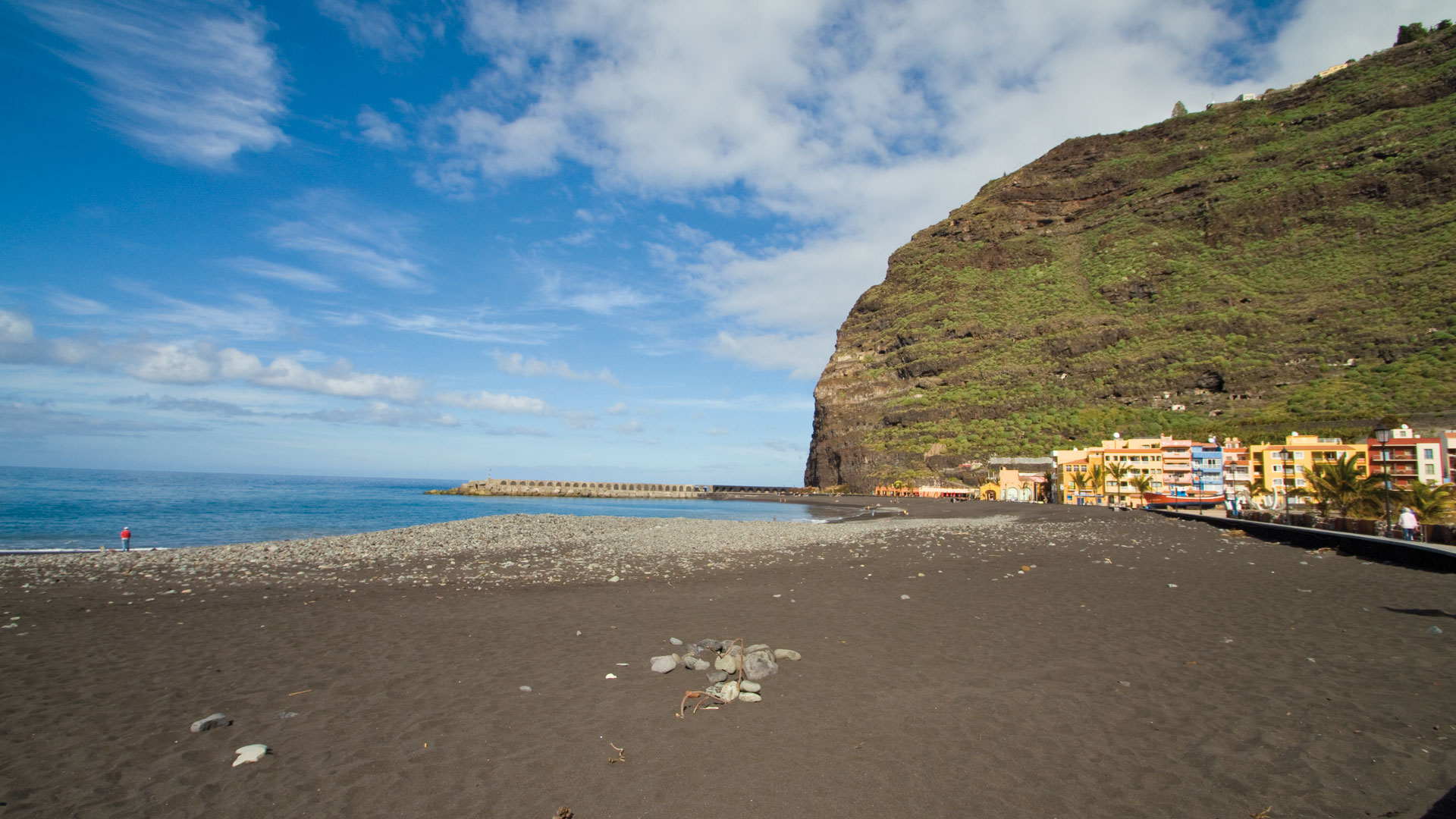
Right next to the harbour lies the Playa de Tazacorte, divided into two sections: Playa Grande and Playa del Puerto. The black volcanic sand and the relatively calm water make the beach the preferred swimming spot for locals. In summer it can get crowded — the best times are in the morning or late afternoon, when the sun sits lower and the light sparkles on the water.
For anyone who wants to understand why the banana is La Palma’s most important export: the Museo del Plátano in Tazacorte documents the history of cultivation, the different varieties, the harvest, and the economic importance for the island. The exhibition is compact and informative; please check opening hours on-site, as they vary seasonally.
Conclusion
Tazacorte is one of the most authentic municipalities on the west coast of La Palma: a historic old town with colonial heritage, magnificent manor houses from the sugar and banana era, excellent fish restaurants right at the harbour, and a black sand beach for relaxed afternoons on the Atlantic.
Ideal as a half-day trip from Los Llanos — or as a quiet, unspoiled base for anyone who wants to experience authentic island life away from large hotel complexes.
Frequently Asked Questions
What is Tazacorte known for?
How far is Tazacorte from Los Llanos?
Can you swim in Tazacorte?
Can you visit the banana plantations in Tazacorte?
This article is based on the on-the-ground knowledge of the Gequo editorial team – publishers of the Reisezeit hiking guides and operators of Sunhikes.com. Last updated: May 2026