Porís de Santo Domingo – Wild North of Garafía
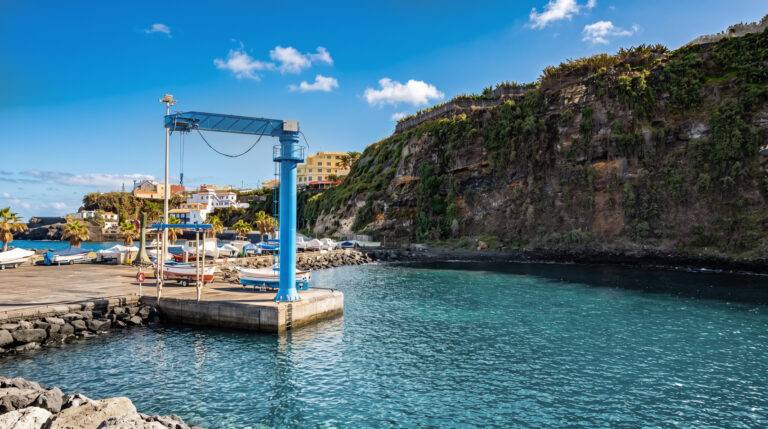
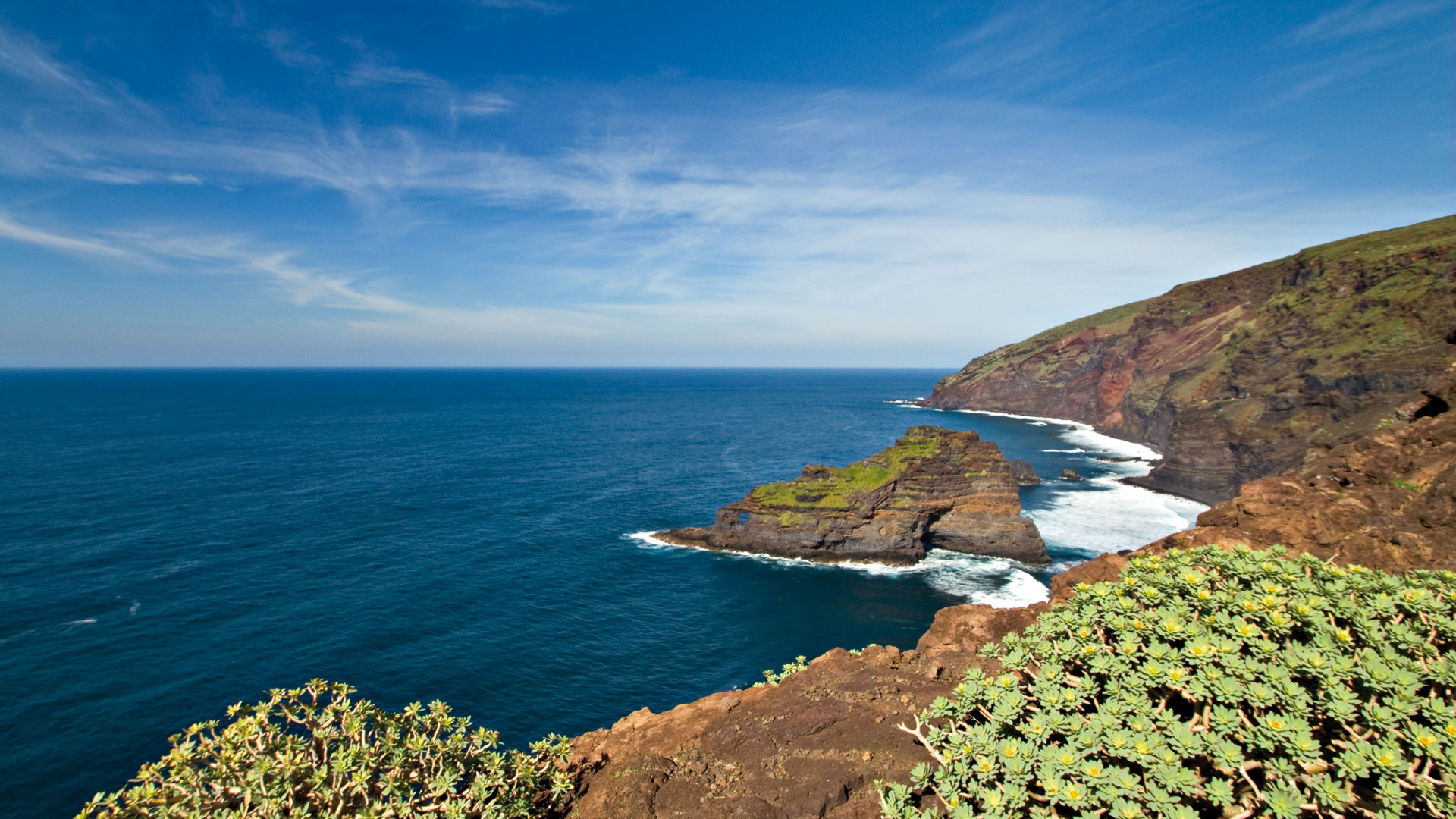
Garafía is the wildest municipality of La Palma – this is not a marketing phrase, but a geographical fact. In the north of the island, where steep cliffs drop vertically into the sea and barely a road reaches the water, lies Porís de Santo Domingo: an old harbour cove from which generations of farmers carried their goods to sea before roads connected the villages.
The Old Harbour: History in Stone
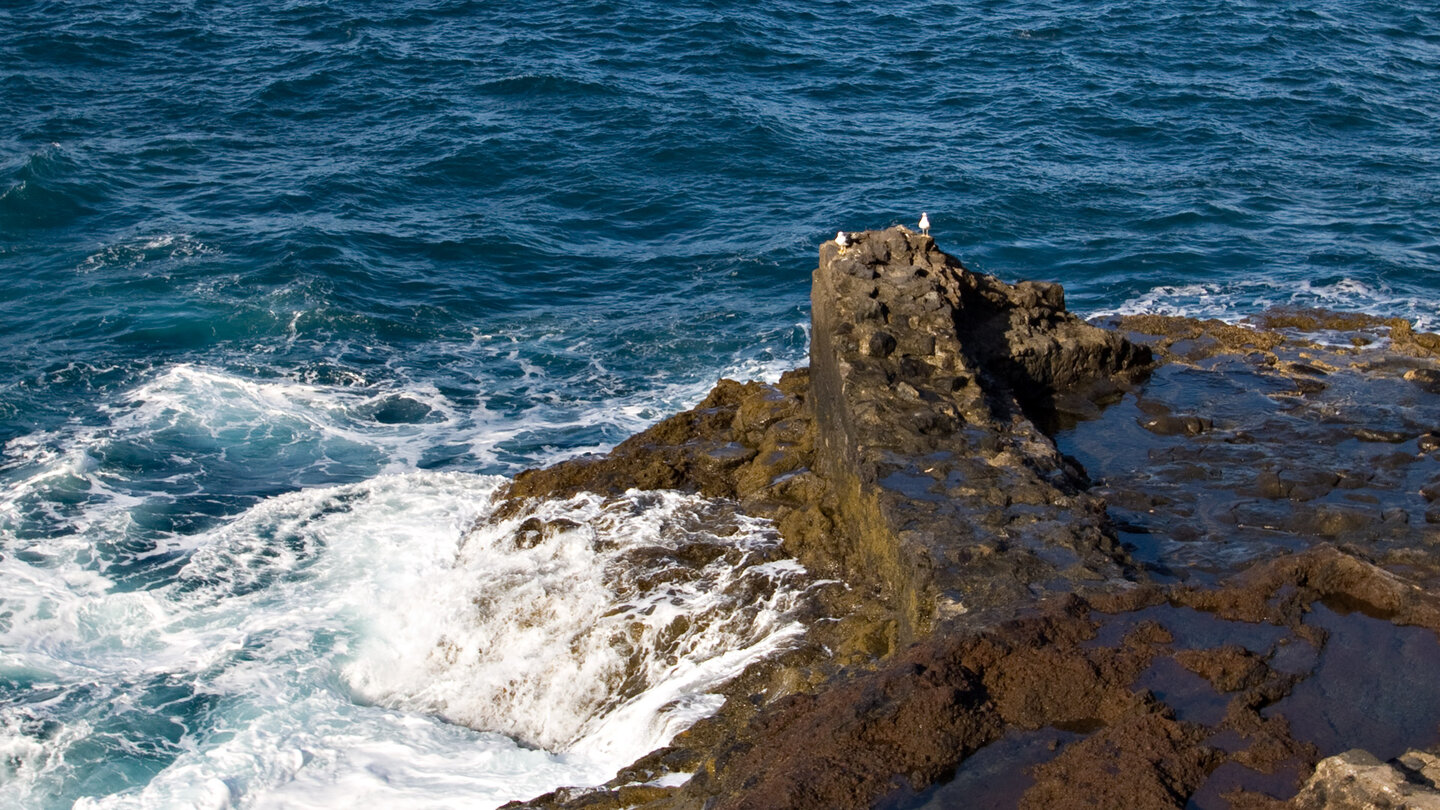
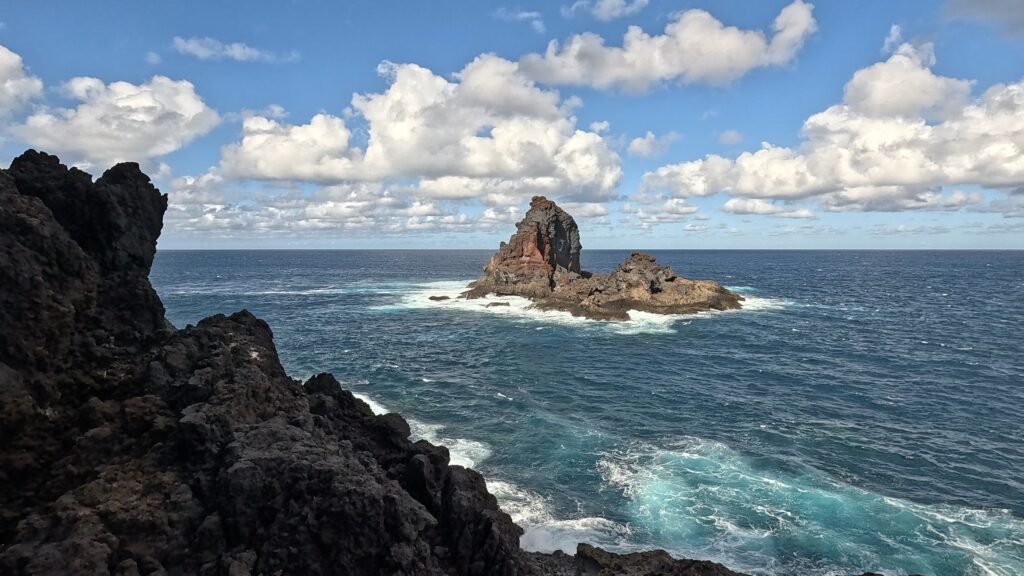
Porís de Santo Domingo is not a beach in the conventional sense. It is a stretch of coastline with old stone loading stations, fishing huts that look as though they know the sea, and the remains of a harbour wall that for decades was the only connection these coastal communities had with the outside world. Before La Palma built its northern roads, potatoes, wine and cheese were loaded onto wooden boats from these platforms and transferred to waiting ships.
This history is readable in the stone. The worn grooves on the walls, the iron rings for the ropes, the steps down to the water – these are not tourist attractions, but the tools of an era when this coastline was a lifeline.
Swimming & Safety
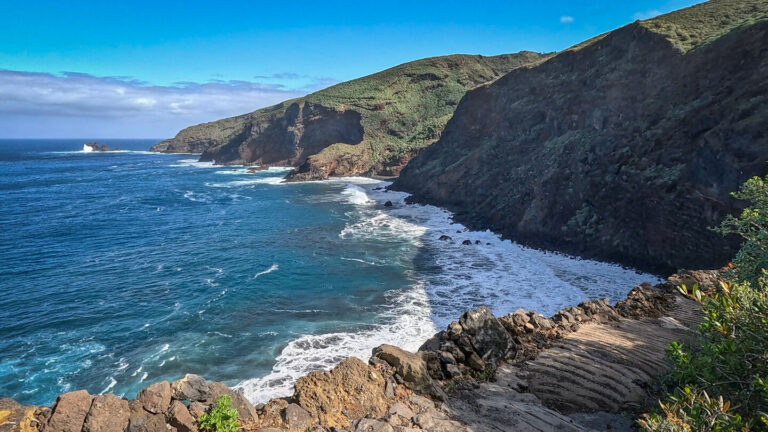
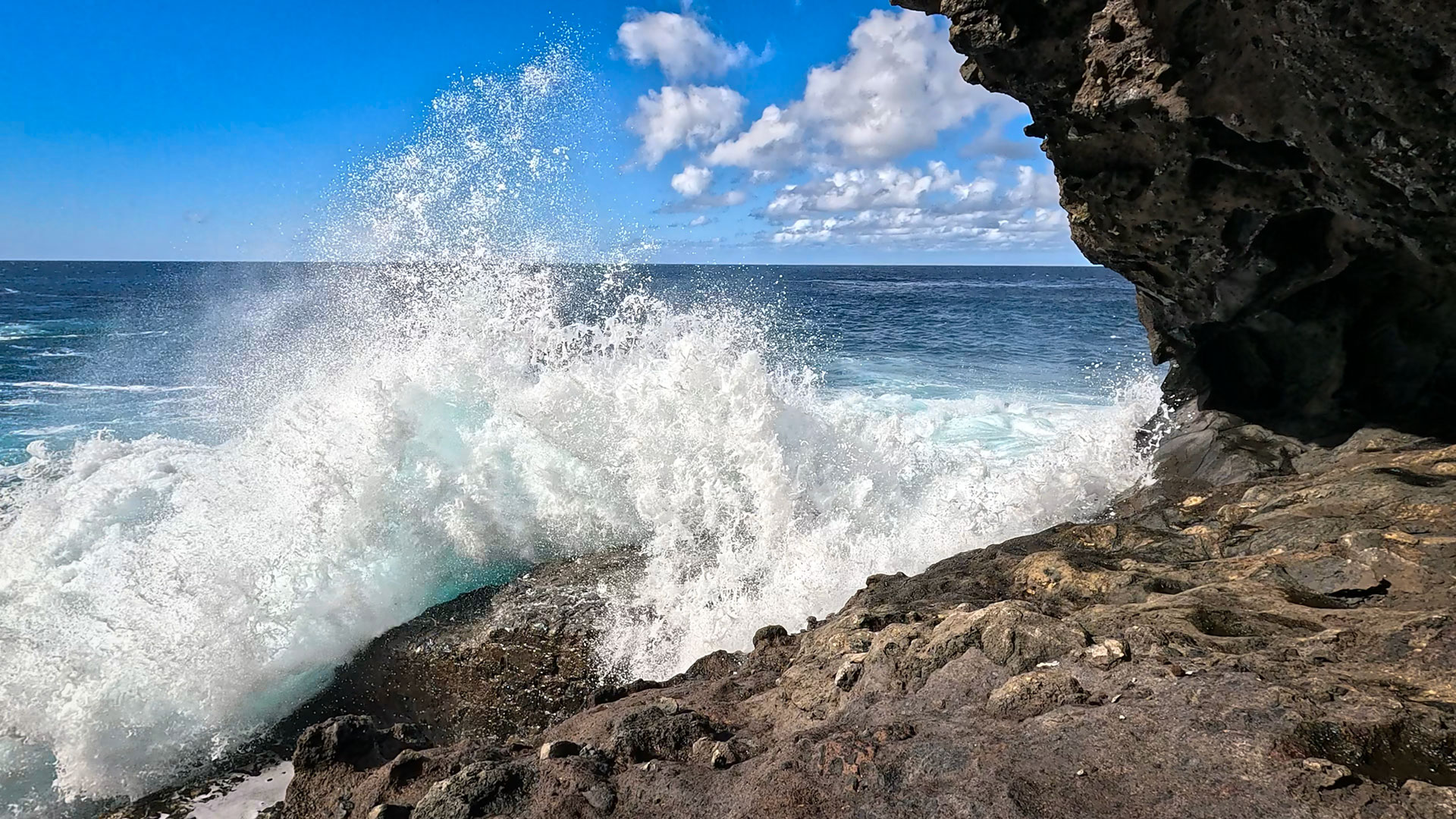
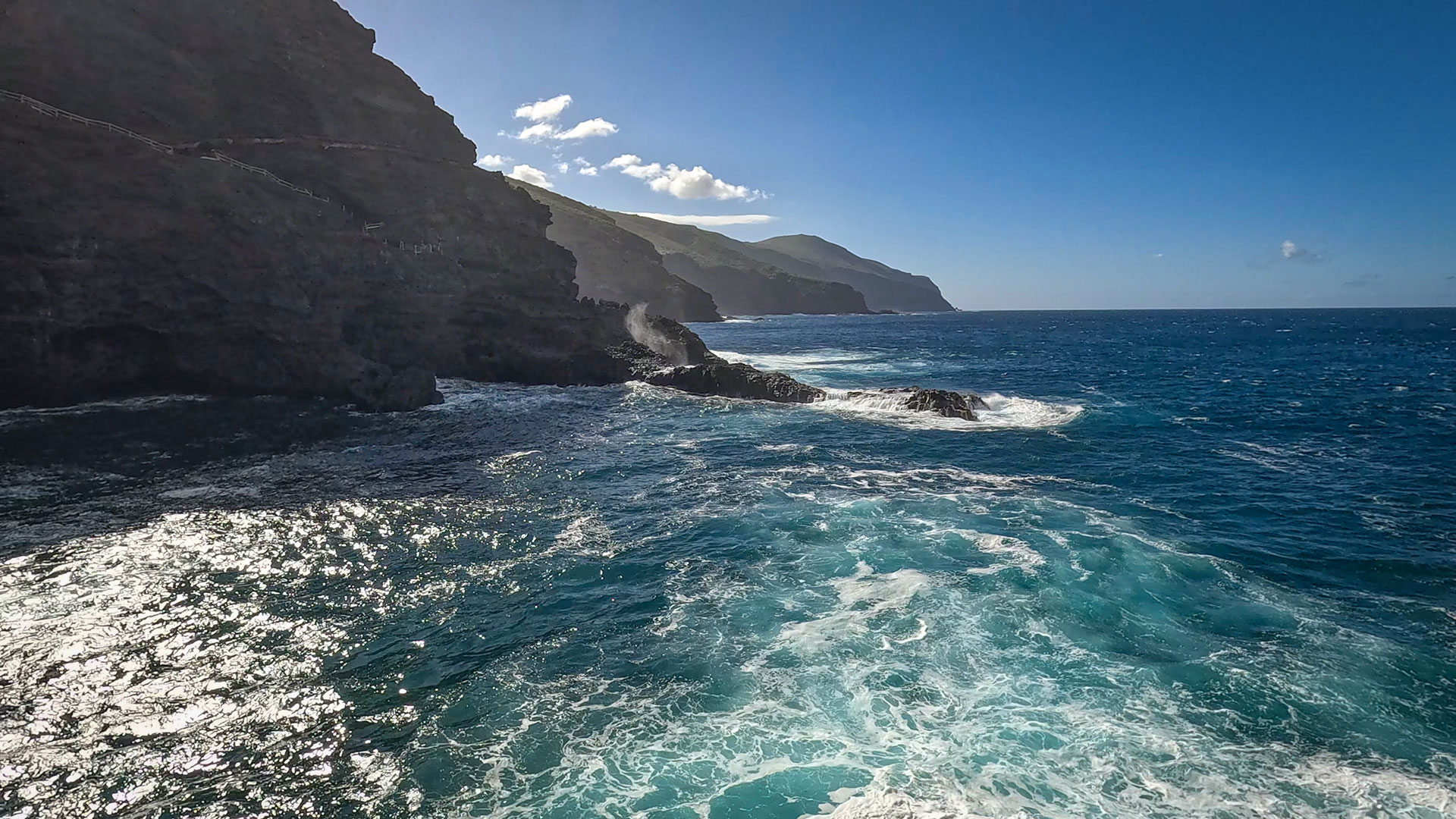
The north coast of La Palma is the roughest on the island. Surf and currents can be strong.
No rescue service on site. Suitable for experienced swimmers only in calm conditions.
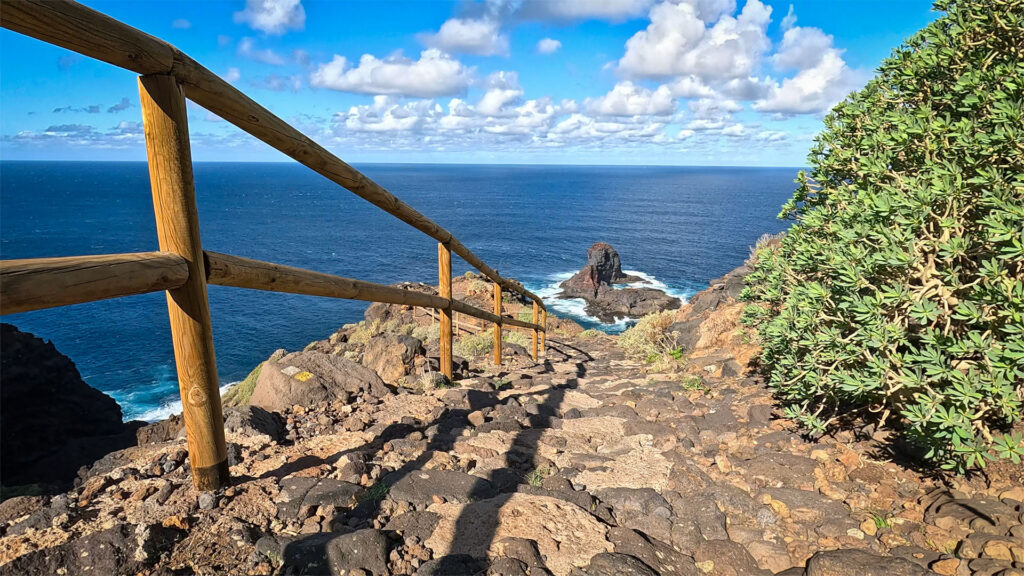
Sturdy footwear is essential for the descent and the rock formations.
Cave Dwellings and Fishermen’s Life
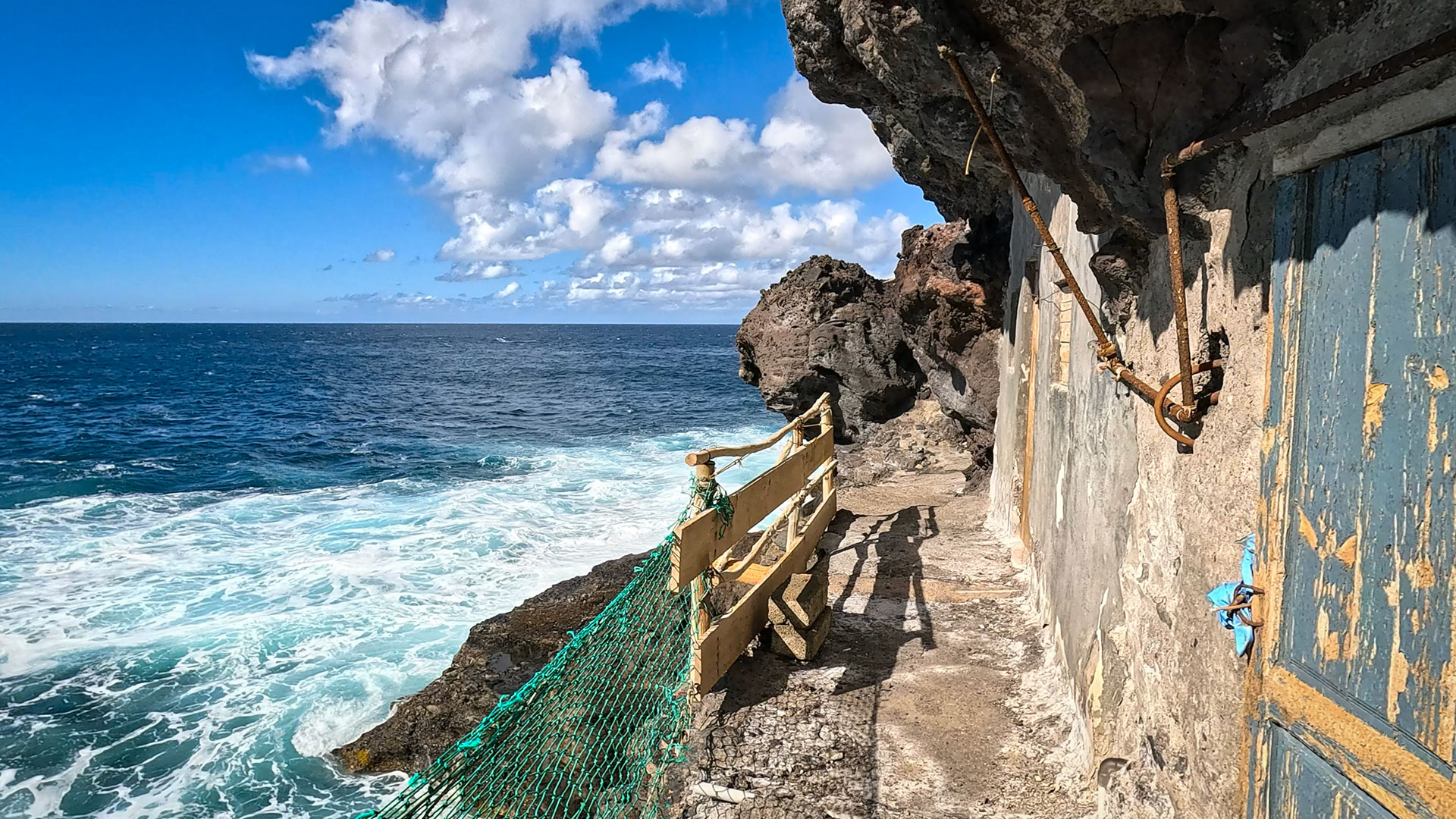
At Porís de Santo Domingo there is something rarely seen at other coastal spots on La Palma: cave dwellings carved directly into the rock. Fishermen who stayed at the coast for the fishing season used these caves as simple shelters. Some are still in use today, others stand empty and allow a glimpse inside – raw spaces that reveal the simplicity of life on this coastline.
The Wildness of the North
The Atlantic off Garafía is a different sea from the one off Puerto Naos. The waves arrive unbroken from the open ocean, the cliffs are high, the surf thundering. Swimming is only possible in absolute calm – and such days are rare on the north coast. Those who come here do not come to swim. You come for the views, for the history, and for the feeling of standing in a place the tourism industry has yet to discover.
Getting There and Combining Attractions
Porís de Santo Domingo lies below the village centre of Santo Domingo de Garafía. A narrow road leads down from the coastal road – the final section requires care. Parking is available. Those who want to discover Garafía combine the harbour visit with the village itself: the Cultural Park La Zarza y La Zarcita with its petroglyphs, the Mirador El Serradero, and the island’s only Guanche anthropology museum.
| Location | North coast of La Palma, municipality of Garafía, below Santo Domingo |
|---|---|
| Character | Old harbour, loading stations, fishermen’s huts, cave dwellings |
| Swimming | Only in calm seas and for experienced swimmers |
| Lifeguard | None – swim at your own risk |
| Footwear | Sturdy shoes required for the rock formations |
| Combine with | La Zarza y La Zarcita · Playa de Bujarén · Santo Domingo de Garafía |
| Accommodation | Clariso Garafía (3 houses) |
Accommodation in Garafía
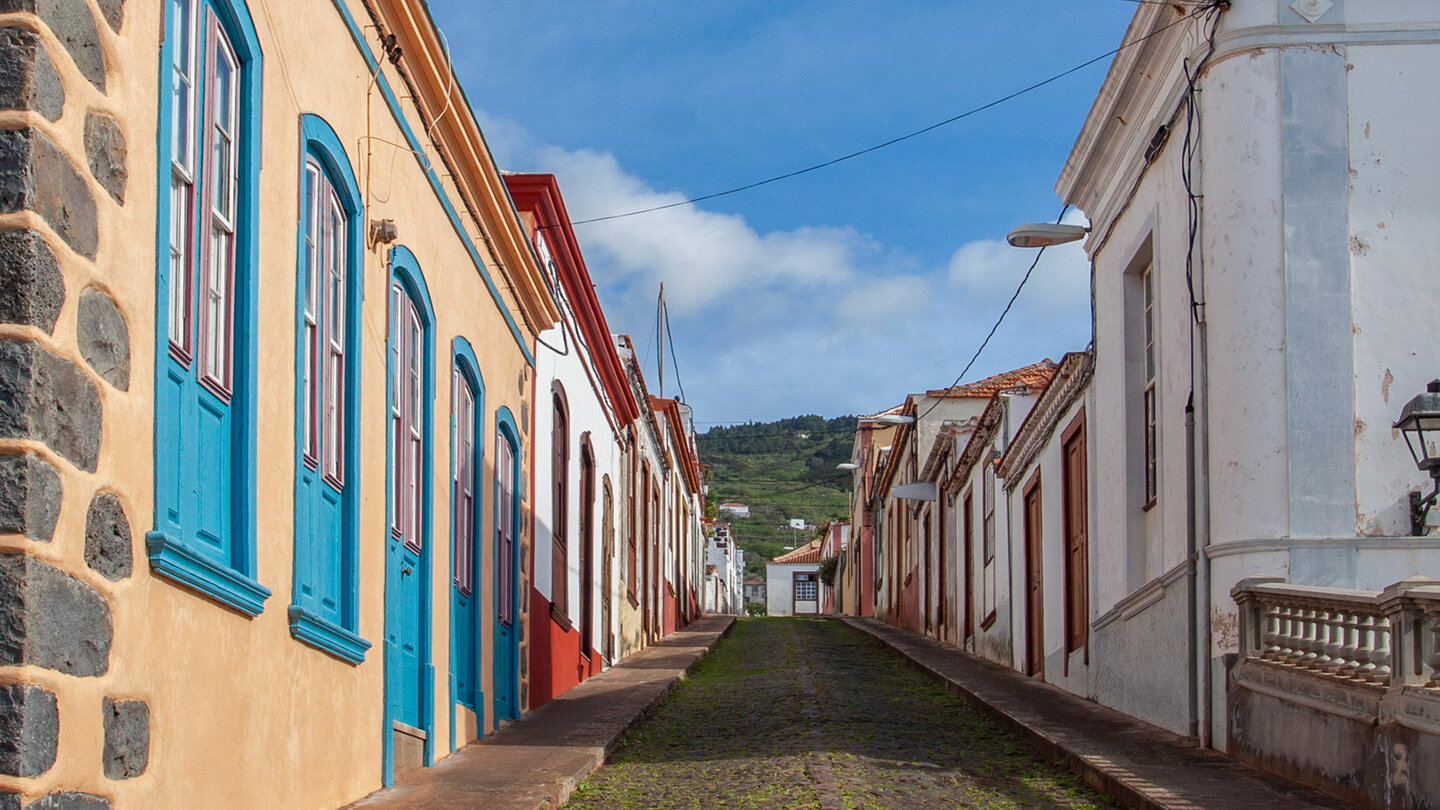
Garafía ist eine der acht Clariso-Gemeinden auf La Palma. Das Angebot ist klein, but carefully chosen: three holiday homes, all reflecting the remoteness of the north. Book via Clariso Garafía – for everyone who wants to experience La Palma truly off the beaten track.
Garafía: The Cheese that Defines the Island
When people hear Garafía, they think of cheese. The Queso de Garafía – a matured goat’s cheese made from the milk of the native Palmera goats – is considered one of the finest goat’s cheeses in the world. The animals graze on the high plateaus of the municipality, feeding on the aromatic herbs of the laurel forest zone and producing milk without equal. The cheese is made in small dairies according to old tradition – dry-aged, with a firm rind and a flavour reminiscent of hazelnuts and wild herbs. Every good restaurant on La Palma features it on the menu.
The Barrancos of the North
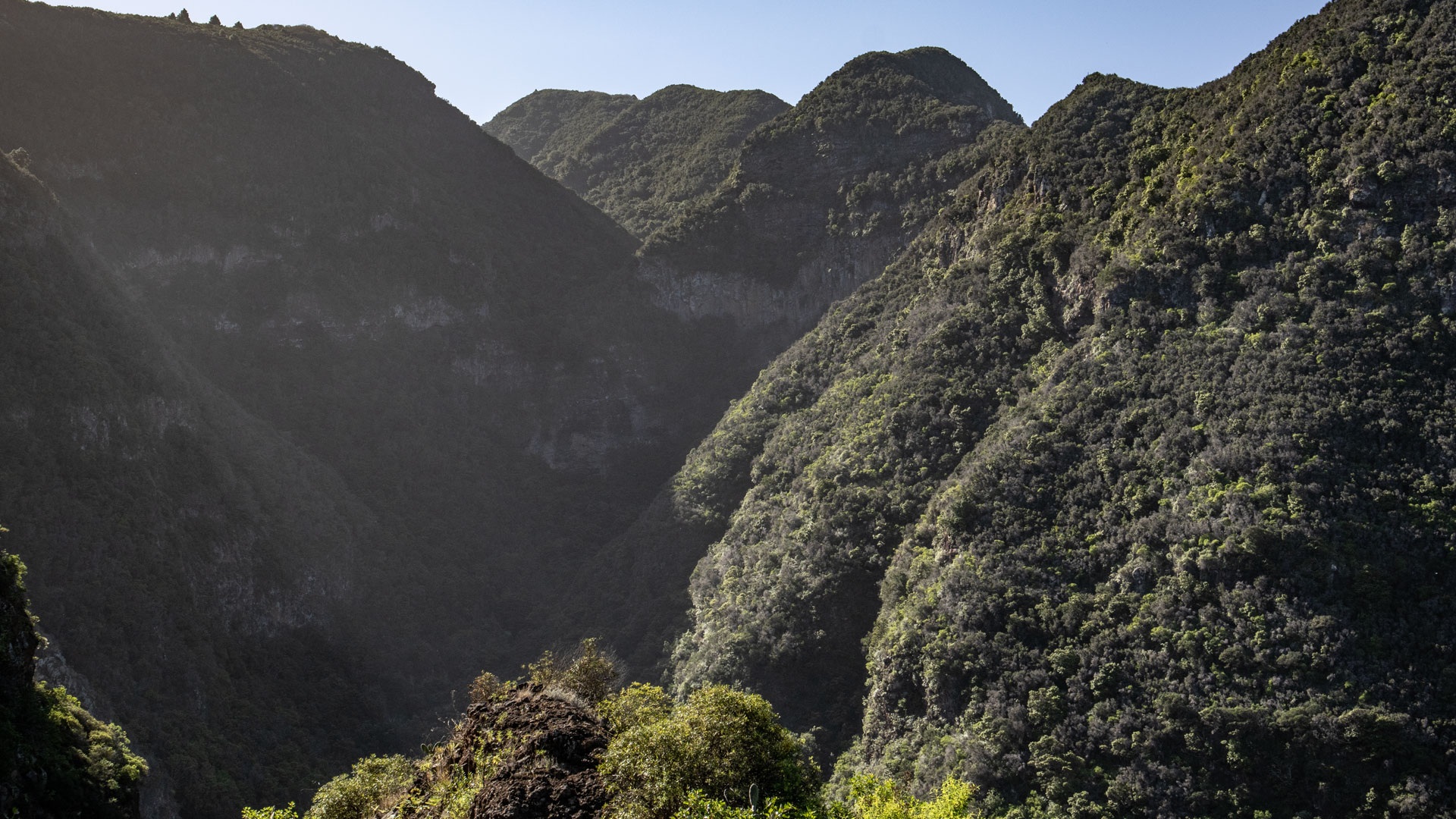
Garafía is crossed by deep ravines – the barrancos that cut down from the high mountains to the coast. Barranco de Fagundo, Barranco de los Hombres, Barranco de la Luz: these gorges are the lifeblood of the north. Laurel forests grow in them and traditional paths run through them from one coastal settlement to the next. Those who truly want to get to know Garafía walk into one of these ravines – not just down to the coast.
Cultural Park La Zarza y La Zarcita
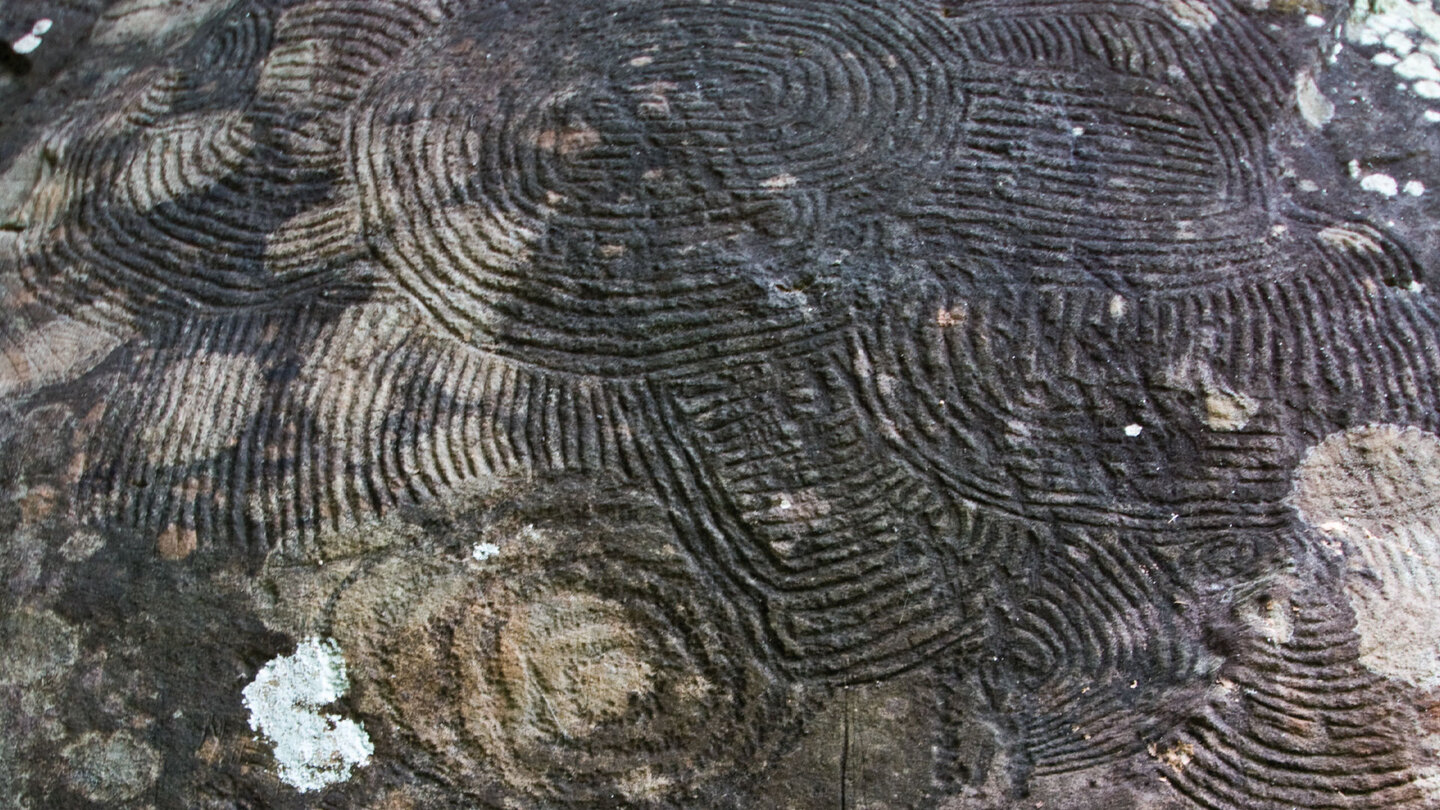
Wenige Kilometer vom Porís de Santo Domingo entfernt liegt der Cultural Park La Zarza y La Zarcita – a site with petroglyphs of the Benahoaritas, the indigenous people of La Palma. The rock carvings show geometric patterns and spiral symbols bearing witness to an advanced culture. The park is well signposted, and a visitor centre explains the context. Combined with a visit to the Porís coastline, this makes for a half-day that illuminates Garafía’s history from two angles: the maritime and the pre-Spanische.
Steep Coast and Atlantic Views
The Mirador El Serradero above Porís de Santo Domingo offers one of La Palma’s sweeping coastal views: the steep cliffs fall vertically into the sea, the barrancos open as narrow incisions into the Atlantic. From here you understand why Garafía has a coastline that is so difficult to access – and why the people who lived here used the sea as their only connection to the outside world.
Playa de Bujarén
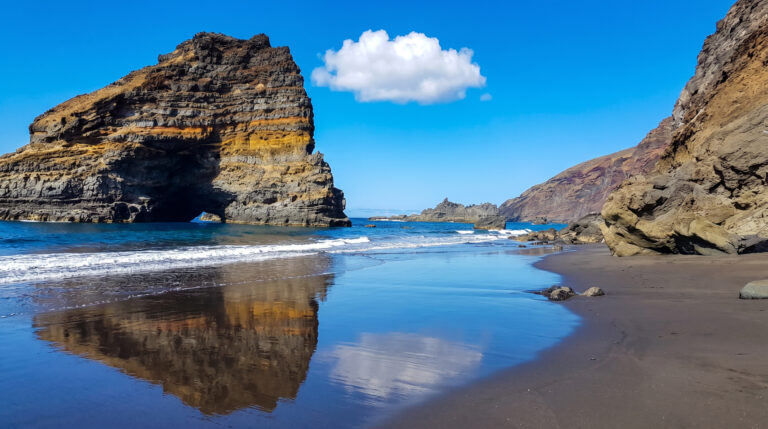
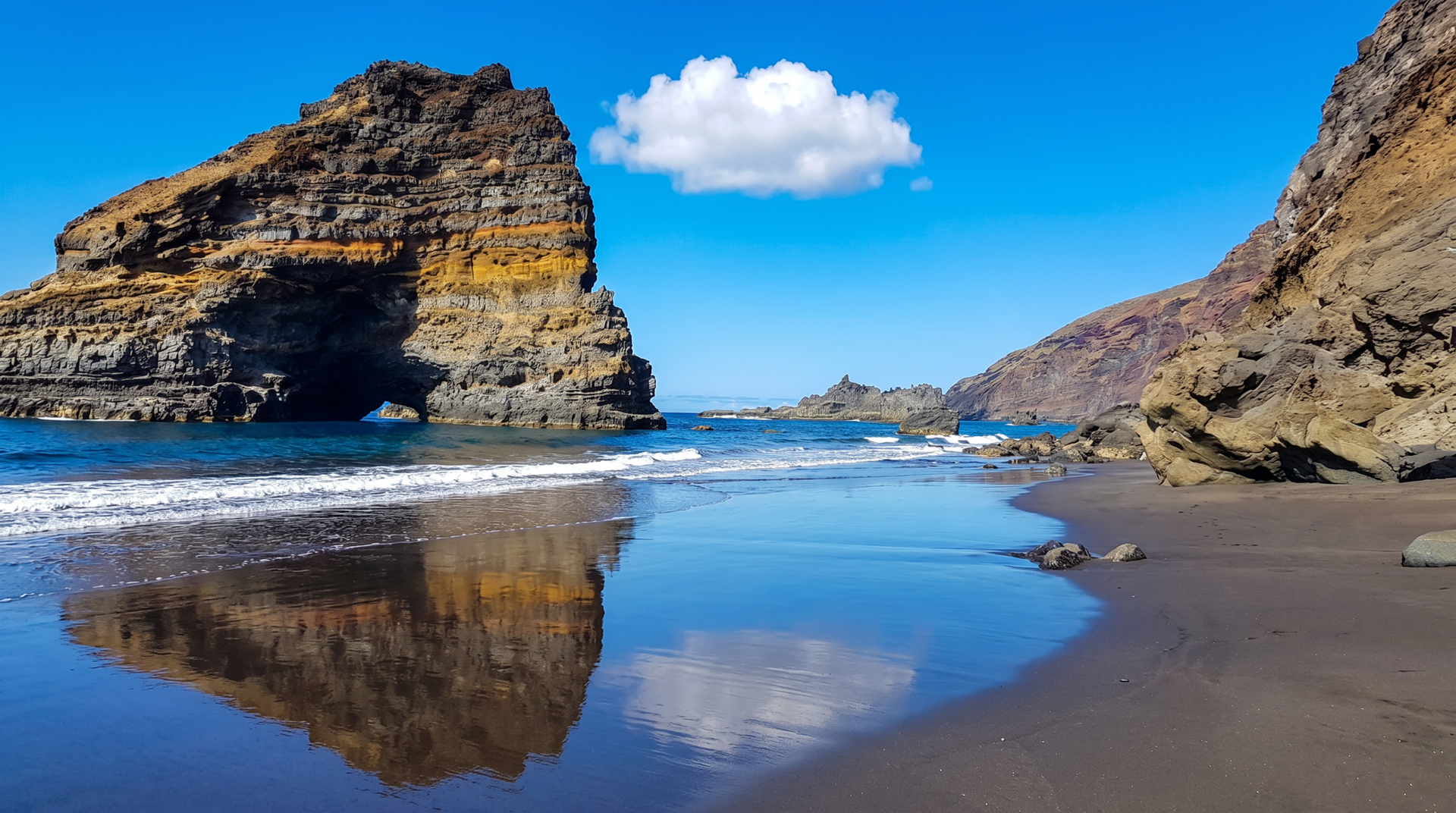
Playa de Bujarén lies right next to the old harbour of Garafía: a small, unspoilt beach beneath steep cliffs, accessible only via exposed, steep paths and almost always deserted. Those who make the descent discover a coastline that was never designed for visitors – a narrow cove enclosed by lava rocks, with black sand and pebbles.
Remote Garafía: Getting There and Getting Around
Garafía is the most remote municipality when travelling from Santa Cruz. The journey from the island capital takes about 1 hour 40 minutes via the LP-1 and then the LP-112 to the coast. The roads are well maintained but winding – those unfamiliar with Canarian mountain roads should allow extra time. The village of Santo Domingo de Garafía is the starting point for the descent to the Porís. Fill up before reaching Garafía – petrol stations are scarce. The municipality is easily reachable by rental car; without your own vehicle, the northwest of La Palma is difficult to explore.
Vino de Tea: The Wine Aged in Pine Wood Barrels
Garafía produces one of the most extraordinary wines of the Canary Islands: the Vino de Tea. The wine is aged in barrels made from Canarian pine wood – a technique unique to the Canaries that gives the wine a resinous, smoky character that polarises and fascinates. It can be tasted in the small bodegas around Garafía. Served with a plate of Queso de Garafía, the Vino de Tea is one of those culinary experiences not to be missed on La Palma.
Porís de Santo Domingo is not a beach where you set up a sun lounger. It is a place where you move carefully, look closely, and understand that the history of La Palma is not only found in museums but written into the stones of this coastline. Once you have been here, you no longer see Garafía as a remote outlying municipality, but as the heart of what La Palma once was – and what it still is, away from the tourist routes.
Conclusion: Porís de Santo Domingo
Porís de Santo Domingo is not a swimming beach – it is a historical site. Those who come here understand how La Palma functioned before the roads were built.
Old harbour, cave dwellings, thundering surf, solitude: this is the wildest north of the island in its most honest form.
For all those who want to experience La Palma off the beaten track.
Frequently Asked Questions
What is the Porís de Santo Domingo?
Is swimming possible at Porís de Santo Domingo?
What are the cave dwellings at Porís?
What else is there to see in Garafía besides the coast?
This article is based on the on-the-ground knowledge of the Gequo editorial team – publishers of the Reisezeit hiking guides and operators of Sunhikes.com. Last updated: May 2026