The Castles of Santa Cruz: Witnesses of the Pirate Age
That a small Atlantic island needed multiple fortifications is explained by its eventful past: in the 16th century, Santa Cruz de La Palma was one of the most important ports in Atlantic trade. Goods passed through the harbour between Europe and the New World — and with wealth came the greed of foreign seafarers.
After the devastating attack by French privateer François Le Clerc in 1553, during which Santa Cruz de La Palma was almost completely destroyed, construction of a modern defensive line began. Powerful fortifications were built to protect the harbour and the prosperous trading city from future pirate raids.
Today, two structures in particular recall this era: the Castillo de Santa Catalina on the Avenida Marítima and the Castillo de la Virgen above the Plaza de la Alameda.
Castillo de Santa Catalina: The Fortress That Stopped Francis Drake
The Castillo de Santa Catalina is the most important historic fortification in Santa Cruz de La Palma. After the 1553 pirate attack, the fortress was expanded and reinforced several times. Under Philip II, a modern structure was built following the principles of Renaissance fortress architecture. The Italian military engineer Leonardo Torriani, who inspected the Canary Islands’ defences in 1584, contributed valuable insights to the strategic planning of the island’s fortifications.
The castle’s test came in November 1585: the English privateer Francis Drake attempted to attack Santa Cruz de La Palma and plunder the prosperous trading city. The guns of the Castillo de Santa Catalina under the command of Melchor de Alarcón opened heavy fire on the English fleet. Drake was forced to abandon the attack and leave the island — an event the Palmeros still recall with pride today.
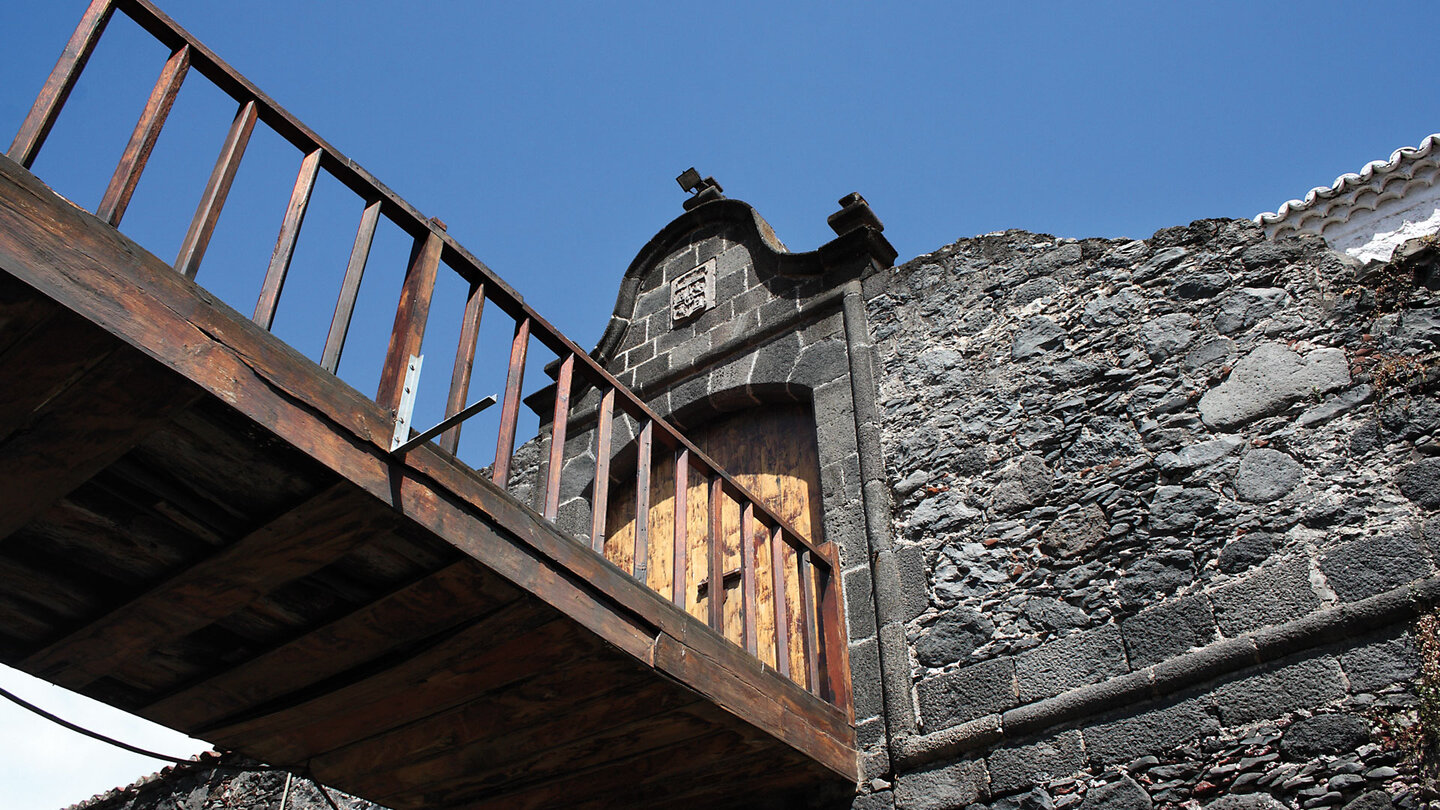
The star-shaped layout with its massive dark lava stone walls and cannon embrasures is well preserved on the outside. The interior is not regularly open to the public, but the fortress is one of the most impressive subjects to photograph along the waterfront promenade.
Castillo de la Virgen: Fortress and Living Tradition
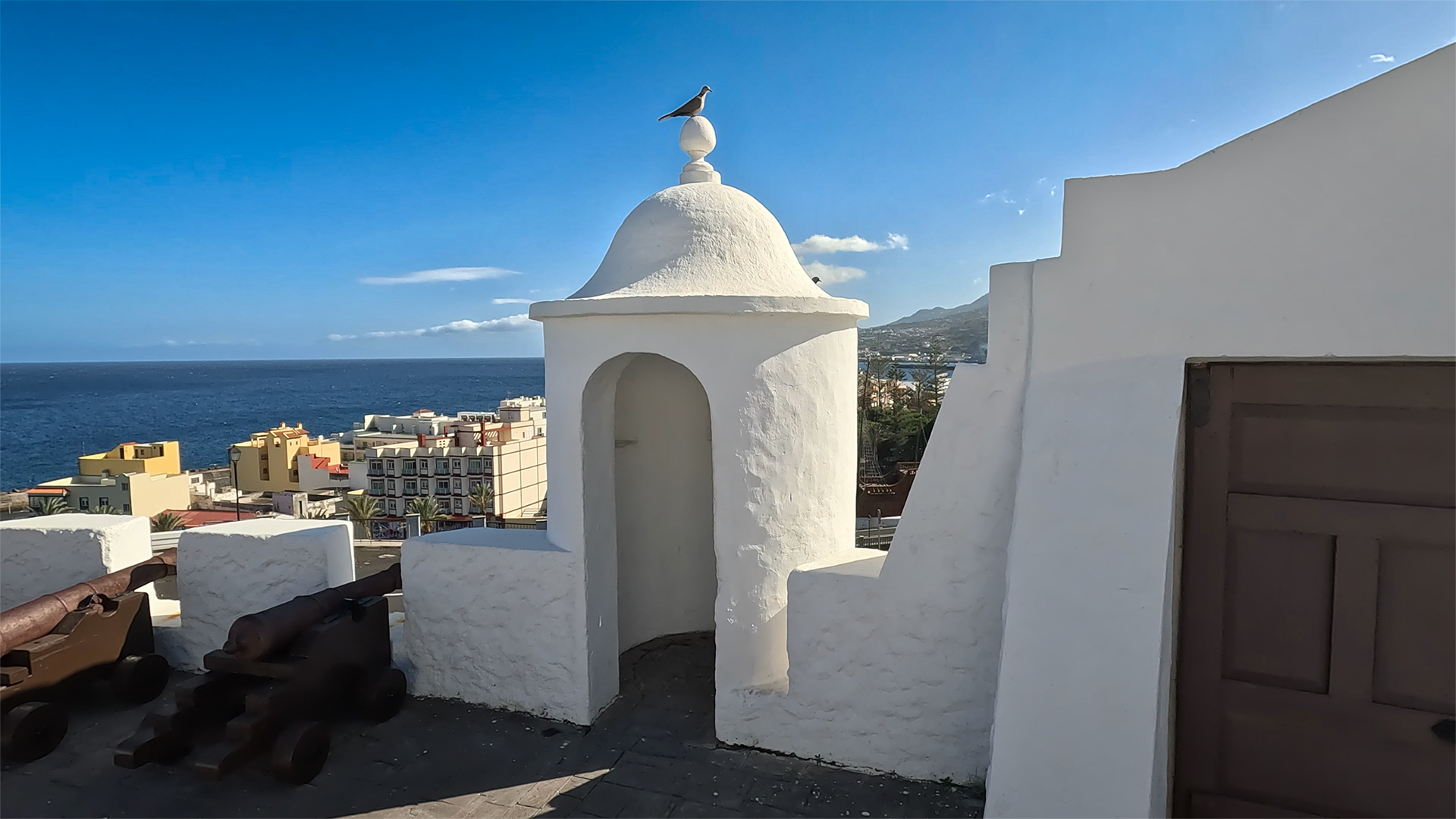
The Castillo de la Virgen sits above the Plaza de la Alameda in the northern part of the old town. This smaller defensive structure was built in the 18th century to complement the city’s protective system.
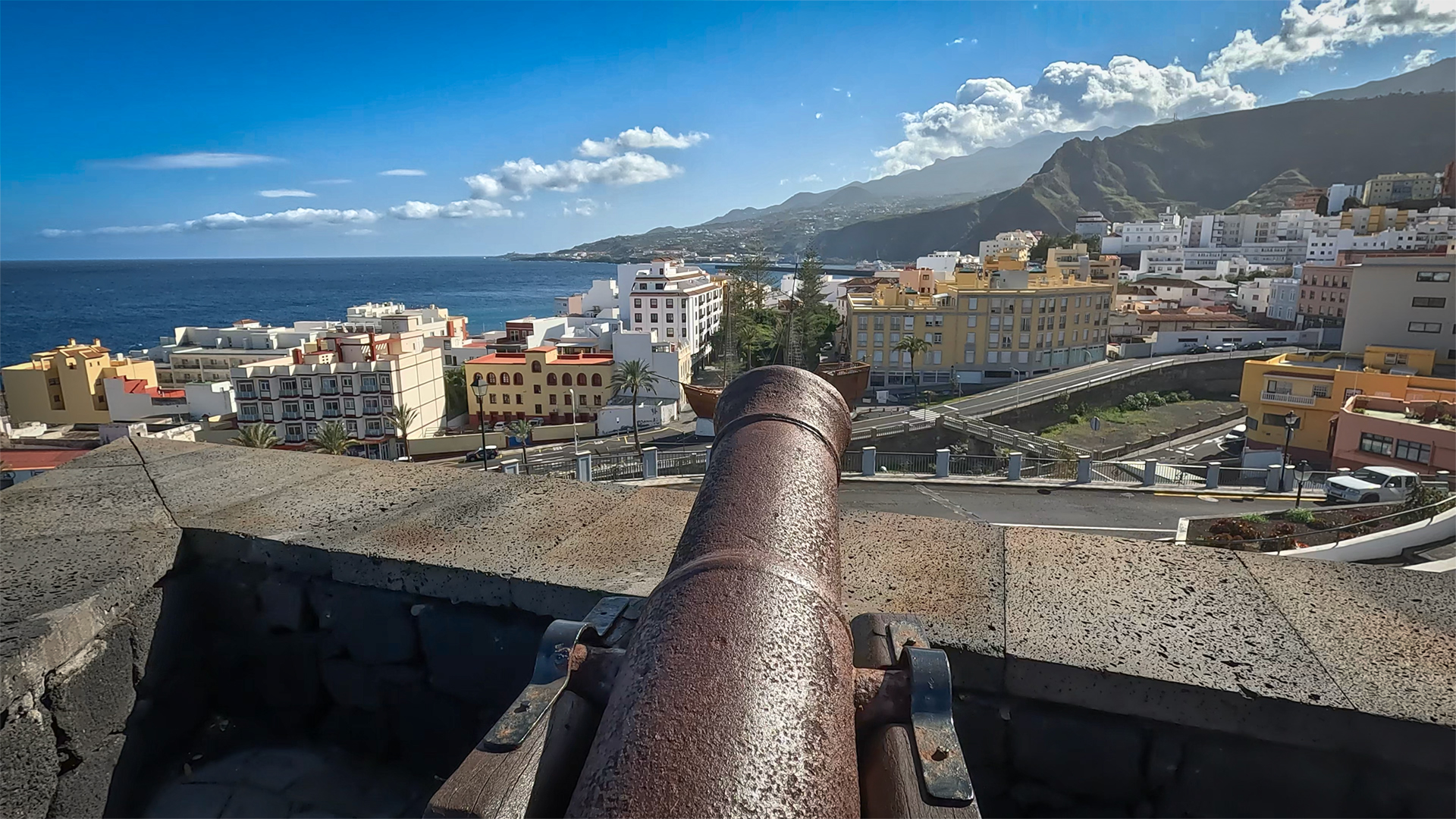
Today the castle is primarily of cultural significance. During the famous Bajada de la Virgen – the island’s great festival in honour of its patron saint, held every five years – the site becomes the setting for an extraordinary tradition: in the “Diálogo entre el Castillo y la Nave”, the fortress and the historic ship engage in a spectacular cannon dialogue – a blend of theatre, history and folk festival. From the walls of the Castillo de la Virgen, there is also a beautiful view over the rooftops of the old town and the Atlantic.
The Castles of Santa Cruz at a Glance
| Category | Details |
|---|---|
| Location | Castillo de Santa Catalina on the Avenida Marítima; Castillo de la Virgen above the Plaza de la Alameda in Santa Cruz de La Palma |
| History | Built to defend the important Atlantic trading city after the pirate attack by François Le Clerc in 1553 |
| Historic Highlight | Successful repulsion of Francis Drake’s attack in November 1585 by the artillery of the Castillo de Santa Catalina |
| Architecture | Renaissance and Baroque fortifications with massive lava stone walls and cannon positions |
| Special Feature | Castillo de la Virgen as the setting for the historic “ship battle” during the Bajada de la Virgen |
| Visiting | Exterior areas accessible at any time; Castillo de la Virgen accessible as a viewpoint and during events |
Explorer’s Tip: Santa Cruz on Foot – The Historic City Walk
The most important sights of Santa Cruz de La Palma can be explored on foot: Plaza de España, Calle O’Daly, Balcones Típicos, Casa Salazar, Museo Naval and Castillo de Santa Catalina all lie along a varied route through the old town.
- Distance: approx. 2–3 km
- Duration: approx. 1.5–2.5 hours
- Character: easy walking tour through the historic old town
- For the route description: City walk through Santa Cruz de La Palma
Guardians of the Atlantic Gateway
The castles of Santa Cruz are history set in stone — reminders of a time when La Palma was wealthy enough to be plundered, and strong enough to defend itself.
Frequently Asked Questions
Can you visit the castles of Santa Cruz?
Is it true that Francis Drake was defeated here?
When were the castles built?
This article is based on the on-the-ground knowledge of the Gequo editorial team – publishers of the Reisezeit hiking guides and operators of Sunhikes.com. Last updated: May 2026