Calle O’Daly: The Shopping Street with an Irish Name
Anyone strolling through the historic old town of Santa Cruz de La Palma will come across a street name that sounds unusual for a Canary Island: Calle O’Daly. In everyday life, many Palmeros still refer to it as Calle Real – the traditional royal road and main shopping street of the capital.
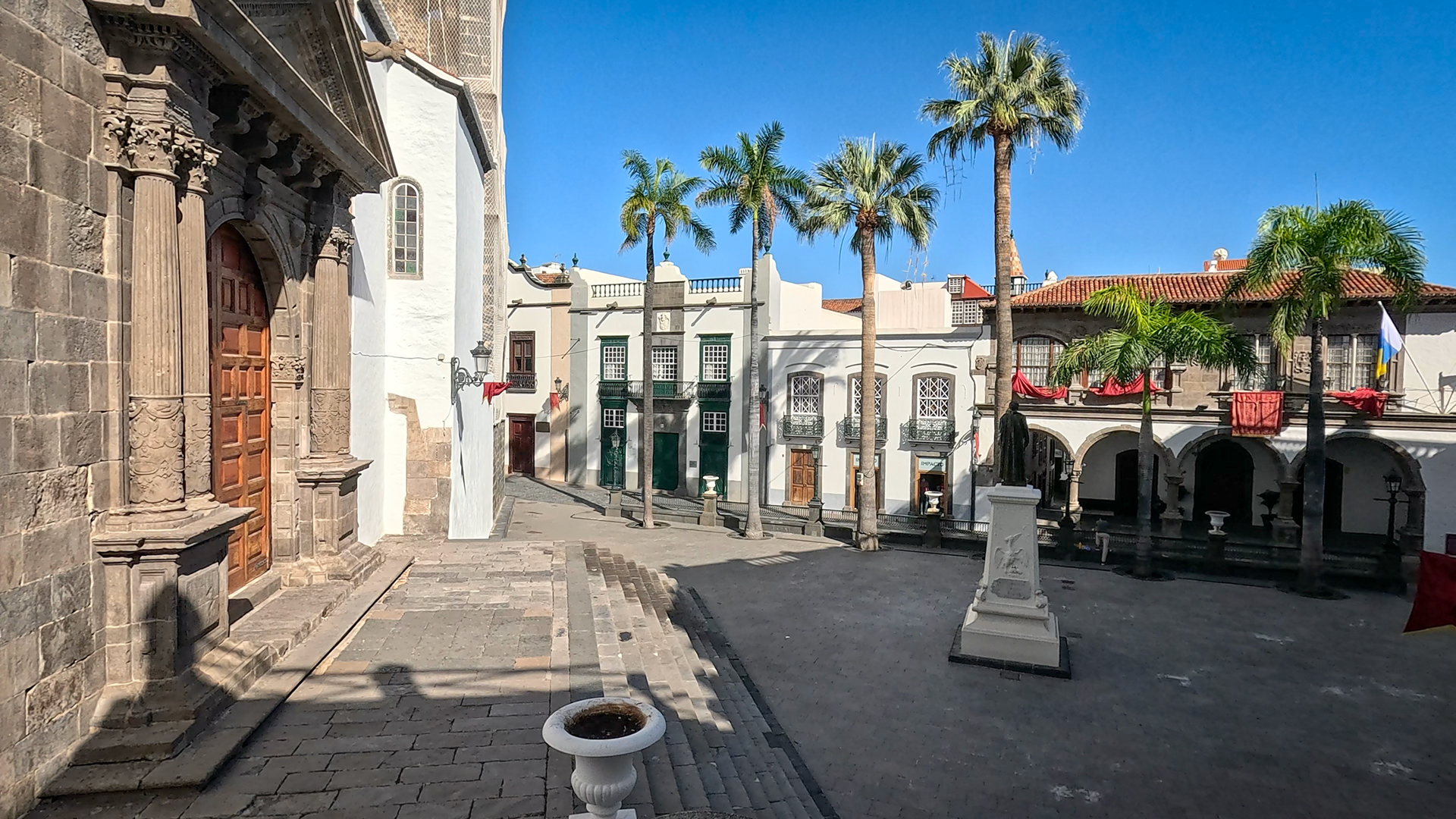
The pedestrian zone is today the vibrant centre of Santa Cruz: here colonial architecture, small shops, cafés and centuries of history converge. The name O’Daly does not simply recall a merchant – but a man who changed the political history of Spain.
Dionysius O’Daly: An Irishman Fights for Democracy
The story behind the street name unfolds in the 18th century. The Irish merchant Dionysius O’Daly lived in Santa Cruz de La Palma at the time and observed how the city was controlled by a small group of influential families. The so-called Regidores largely controlled the political leadership themselves and distributed offices within their own circles.
Together with the Palmerian lawyer Anselmo Pérez de Brito, O’Daly stood up against this system. The two filed a lawsuit that was ultimately heard before the highest court in Madrid. The outcome was extraordinary: in 1773 the old city government was forced out, and Santa Cruz de La Palma received a democratically elected municipal council. In doing so, the city wrote an important chapter in Spanish history.
In memory of these two figures, two sections of the historic shopping street still bear their names: the southern part is called Calle O’Daly, while the northern section is named Calle Anselmo Pérez de Brito – though it is still traditionally referred to as Calle Real.
Strolling Between Colonial Houses and Local Shops
As a traffic-calmed promenade, the street runs flat through the heart of the old town, linking the capital’s most important squares. Unlike many modern shopping streets, it thrives on small local businesses. Boutiques, bookshops, bakeries, cafés, and traditional speciality stores alternate with historic buildings. Mornings bring everyday life to the streets: locals run errands, children head to school, and the day begins at the cafés with a Canarian coffee.
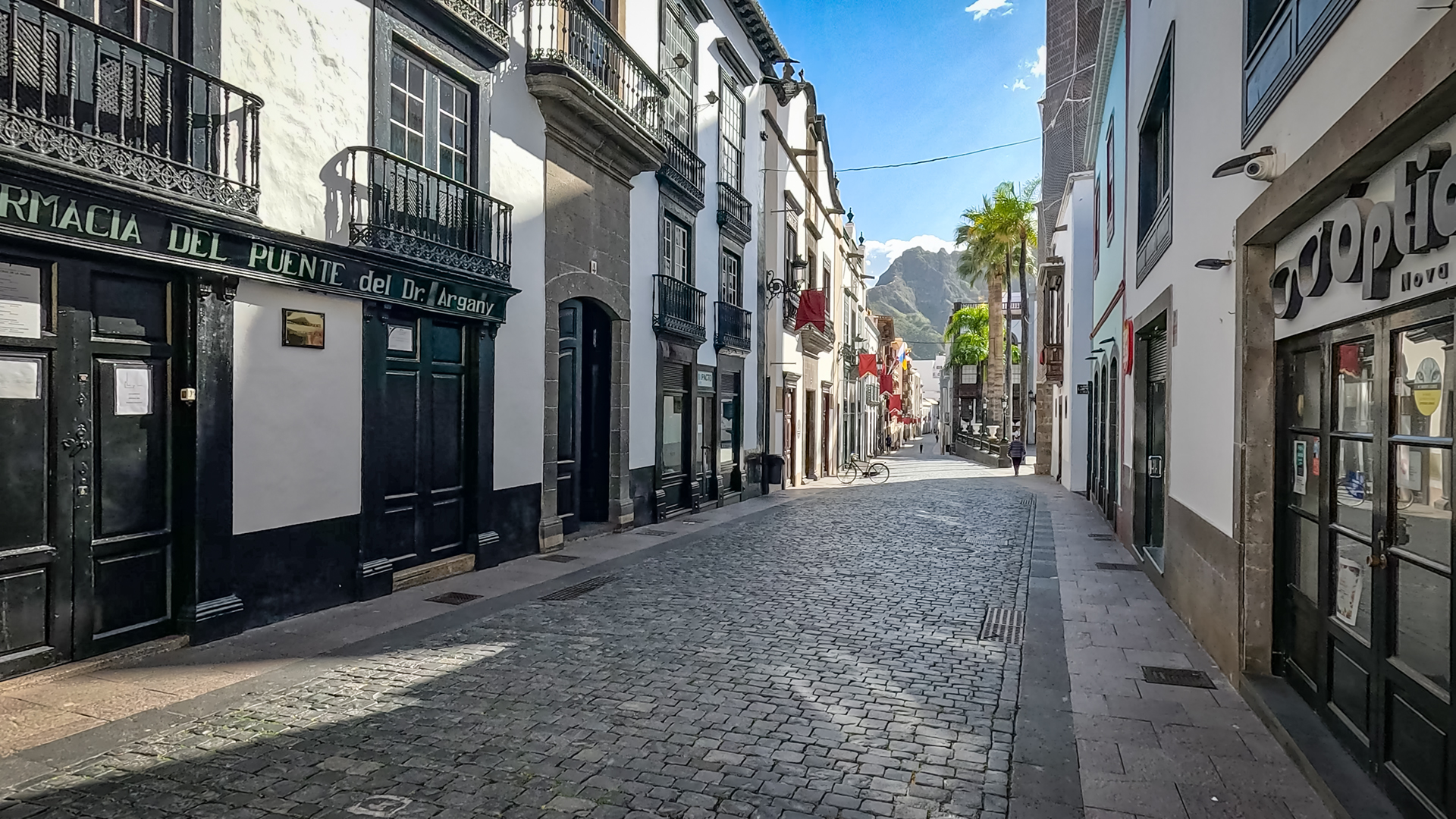
It is precisely this mix that gives Calle O’Daly its special charm: it is not just a tourist attraction, but a street that remains part of daily city life to this day.
Casa Salazar: Baroque Splendour on Calle O’Daly
Among the street’s architectural highlights is the Casa Salazar, one of the most beautiful historic buildings in Santa Cruz de La Palma. The magnificent 17th-century Baroque palace impresses with its ornate stone facade, elegant balconies, and a typically Canarian inner courtyard with wooden galleries. Many visitors overlook the unassuming entrance — but a look inside the courtyard is absolutely worth it.
Along the street you’ll also find numerous other examples of Canarian urban architecture: white townhouses, colourful façades, and buildings reflecting the influence of the Indianos — wealthy returnees from Cuba and other parts of the Americas who brought new architectural ideas to the island in the 19th century.
The Mercado Municipal: Everyday Life Over Tourism
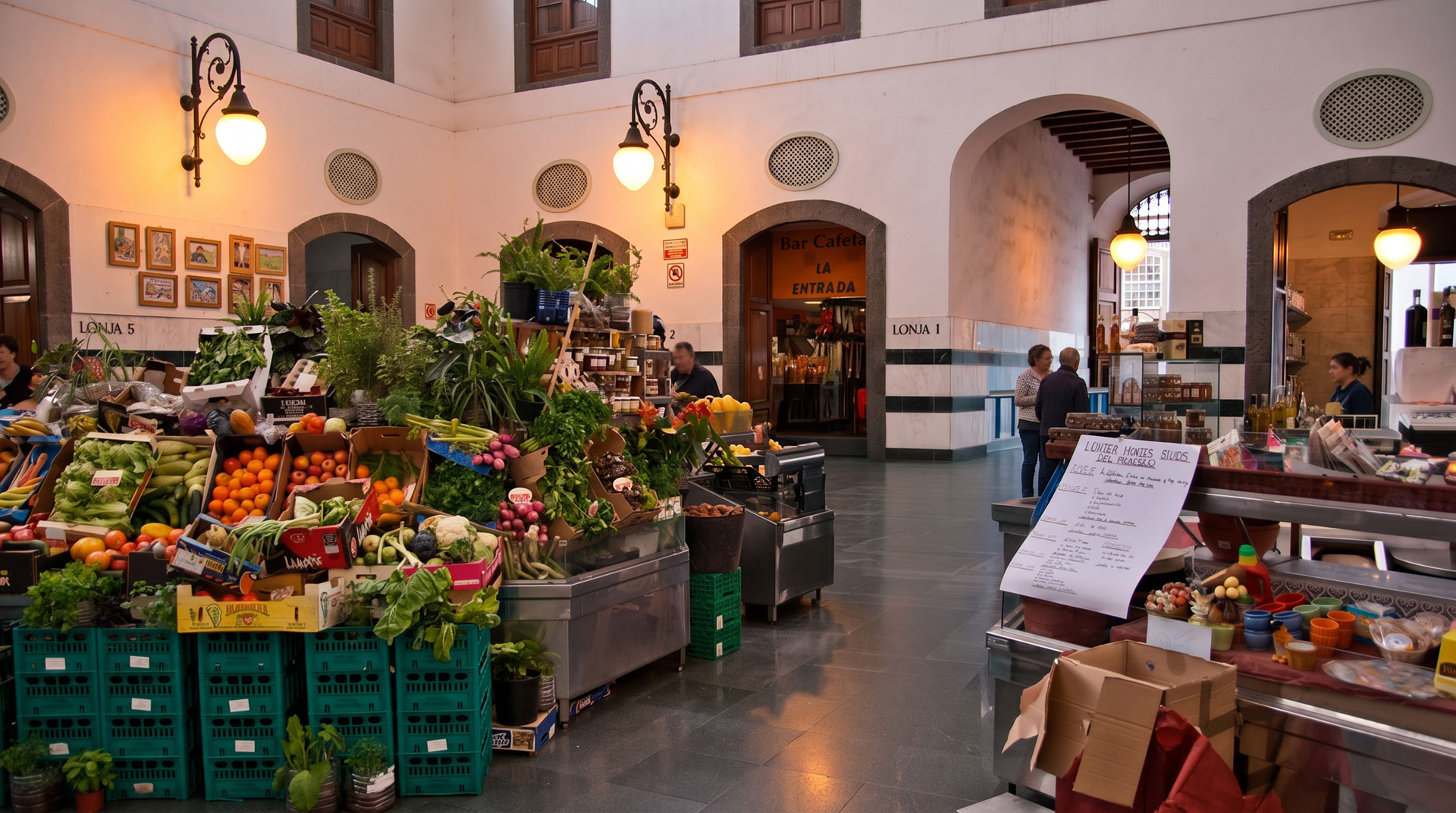
Following the Calle Real further north, you reach the Mercado Municipal of Santa Cruz. The historic market hall is one of the best places to experience authentic island life.
Fresh fruit, vegetables, Canarian cheeses, local specialities, and regional products make the market a lively meeting place, especially in the mornings. Here you experience La Palma away from the classic tourist sights.
Calle O’Daly at a Glance
| Category | Details |
|---|---|
| Location | Historic pedestrian zone in the centre of Santa Cruz de La Palma |
| Name Origin | Named after the Irish merchant Dionysius O’Daly, who together with Anselmo Pérez de Brito fought for a democratic city government |
| History | Scene of the 1773 political upheaval that made Santa Cruz de La Palma a pioneer of democratic municipal governance in Spain |
| Architecture Highlights | Casa Salazar, colonial townhouses, elegant Indiano facades, and traditional Canarian wooden balconies |
| Atmosphere | Authentic shopping street with local shops, cafés, and the lively everyday life of the Palmeros |
| Experience | Ideal for strolling, shopping, and exploring the historic old town |
Conclusion
Calle O’Daly is much more than a shopping street. Between historic façades, small shops and lively squares, it tells the story of a city that once looked far beyond the boundaries of the Canary Islands.
Those who stroll slowly through its lanes discover not just architecture and shopping — but the everyday rhythm and distinctive character of Santa Cruz de La Palma.
Frequently Asked Questions
Why is the shopping street called Calle O'Daly?
What can you buy on Calle O'Daly?
What sights are on or near Calle O'Daly?
When are the shops on Calle O'Daly open?
How long is Calle O'Daly?
This article is based on the on-the-ground knowledge of the Gequo editorial team – publishers of the Reisezeit hiking guides and operators of Sunhikes.com. Last updated: May 2026