Wine on La Palma – When the Soil Is More Than Soil
There is a simple truth about La Palma wine: you can taste where it comes from. That sounds like marketing — but it is a mineral, saline, and faintly resinous reality. Wine that grows on cooled lava and volcanic ash carries the ground inside it. The mineral concentration of these soils, the water retention of porous rock, the Atlantic breeze that sweeps over the vines every day — all of this creates a terroir that exists nowhere else on earth.
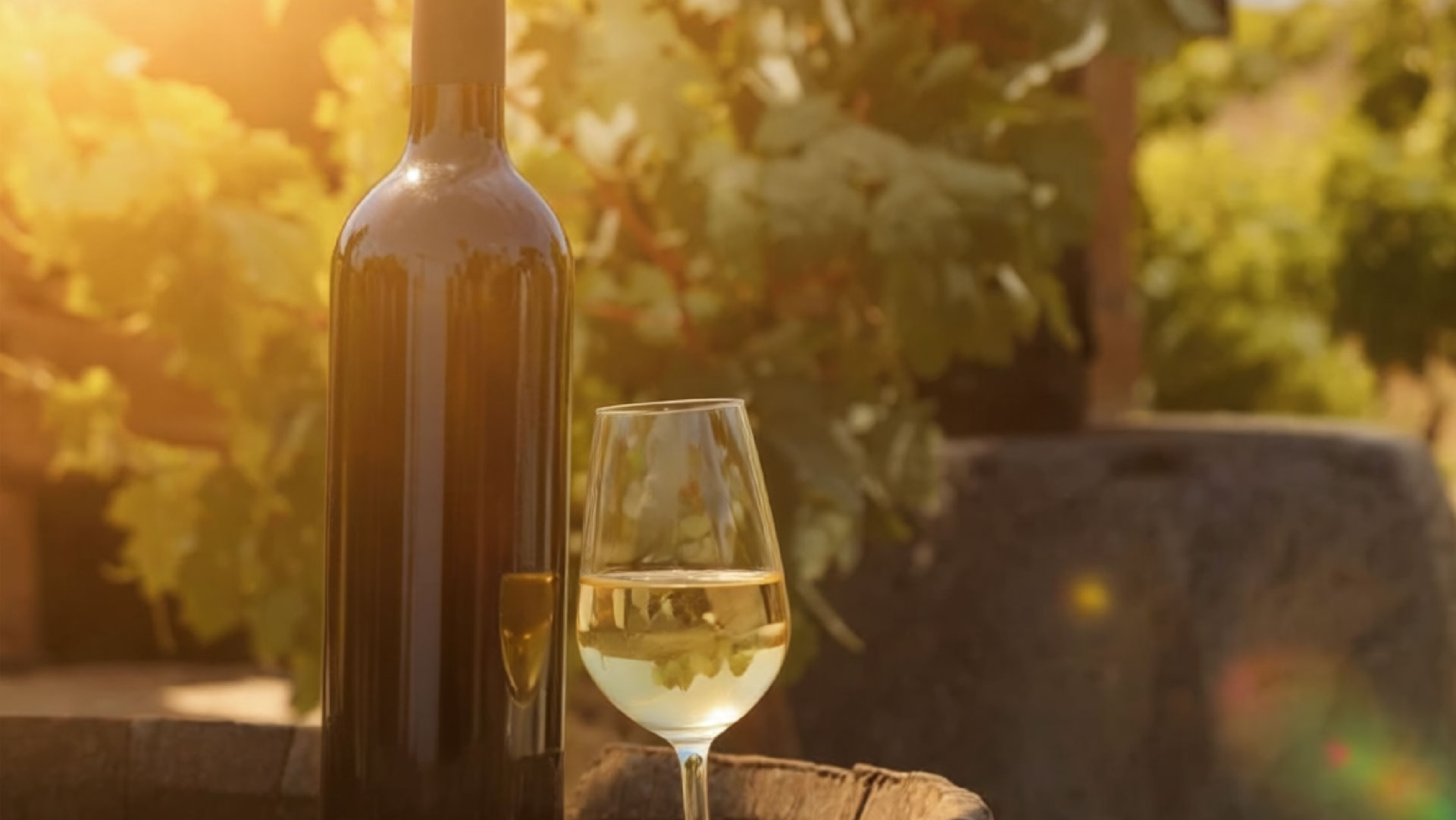
La Palma does not make bulk wine. Production volumes are limited, the bodegas are family-run, and export abroad is minimal. What that means for visitors: you can buy wine here that is found in no wine shop back home. And you buy it directly from the people who made it.
The Three Wine Zones of D.O. La Palma
Fuencaliente – Malvasía Volcánica
The island’s most important wine zone lies in the south, around the volcanic craters and lighthouses of Fuencaliente. Here grows the Malvasía Volcánica — a grape variety that has made La Palma internationally known. Golden-yellow, with a mineral acidity and a slight saltiness on the finish that cannot be replicated anywhere. English kings of the 17th century had it shipped in barrels across the Atlantic — Shakespeare even mentioned it in his plays. Today, a quiet renaissance is well under way.
Hoyo de Mazo – The Eastern Zone
Around Mazo and Breña Alta: more humid conditions, fresher aromas, and lighter wines. Listán Blanco yields floral, fresh whites — perfect with fish and ideal for summer. Listán Negro produces light, fruity reds with low tannins. The most accessible wine zone for newcomers to La Palma wine.
The North – Vino de Tea and the Grape Queen of the Northwest
The most distinct zone, the most distinct product: Vino de Tea from the north, aged in Canarian pine heartwood casks. A wine that leaves no one indifferent. Beyond the extraordinary Vino de Tea, the north of La Palma also produces some of the most exciting white wines on the island. The variety Albillo Criollo in particular impresses with aromas of peach, apricot and tropical fruit alongside a fine mineral quality that reflects the volcanic terroir.
Bodegas Offering Tours and Tastings
- Bodega El Níspero (Briesta, Garafía) — The best-known address for tastings and tours on La Palma. Small, family-run, with direct views over the volcanic landscape. Tours on request, direct wine sales. Reservations are often unnecessary — you can usually just drop in.
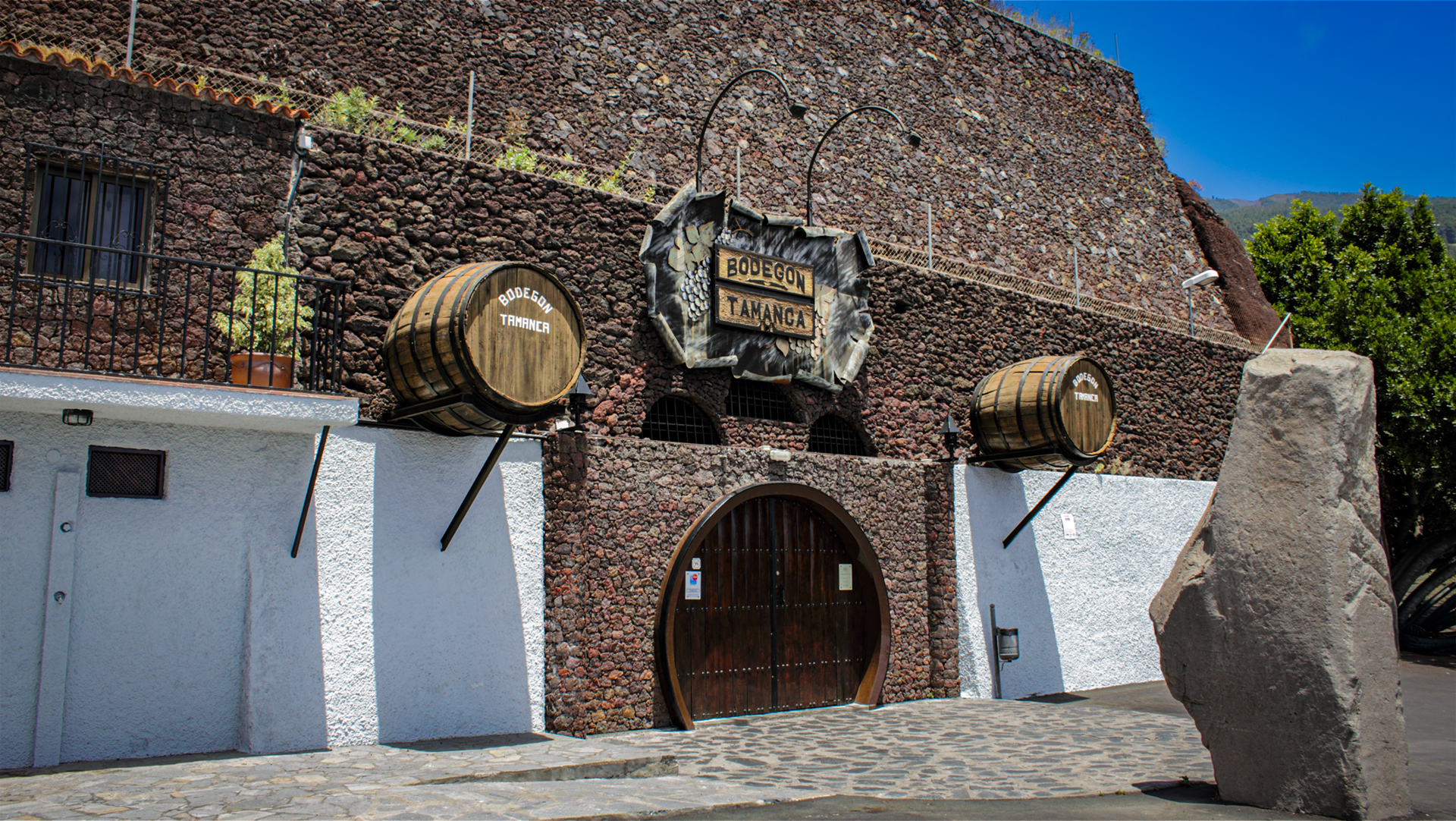
- Bodega Tamanca (El Paso / San Nicolás) — A cave bodega carved into volcanic rock. Tastings in an authentic vaulted cellar with vineyard views.
- Bodegas Noroeste de La Palma (Garafía) — The address for Vino de Tea. Direct sales and tours on request.
What to Buy and Take Home
- Malvasía dulce (sweet Malvasía) — The most popular La Palma souvenir. Works as a dessert wine or aperitif. Unopened bottles keep for years; once opened, refrigerate and drink within a few weeks.
- Listán Negro rosado (rosé) — Fresh and fruity, perfect for warm evenings, and far more affordable than comparable mainland European rosés.
- Vino de Tea — For the adventurous. A memory of La Palma’s uncompromising north.
Frequently Asked Questions (FAQ)
Can you buy La Palma wine outside Spain?
What wine regions are there on La Palma?
Which grape variety is typical of La Palma?
Can you visit wineries on La Palma?
What does D.O. La Palma mean?
Which wine makes the best souvenir?
Why do La Palma wines taste so mineral?
This article is based on the on-the-ground knowledge of the Gequo editorial team – publishers of the Reisezeit hiking guides and operators of Sunhikes.com. Last updated: May 2026