Festivals on La Palma – Island Culture in Full Splendour
La Palma loves to celebrate – and does so frequently and well. Canarian festival culture is not an artificial backdrop for visitors; it is the living expression of an island society that takes pride in carrying its saints, its history, and its joy for life out into the streets. Anyone who happens to be on La Palma during one of the great traditional festivals experiences the island from a side that no hiking trail and no museum can reveal.
The Big Festival Highlights on La Palma 2026
Los Indianos – White Carnival / Carnival of the Indianos (February)
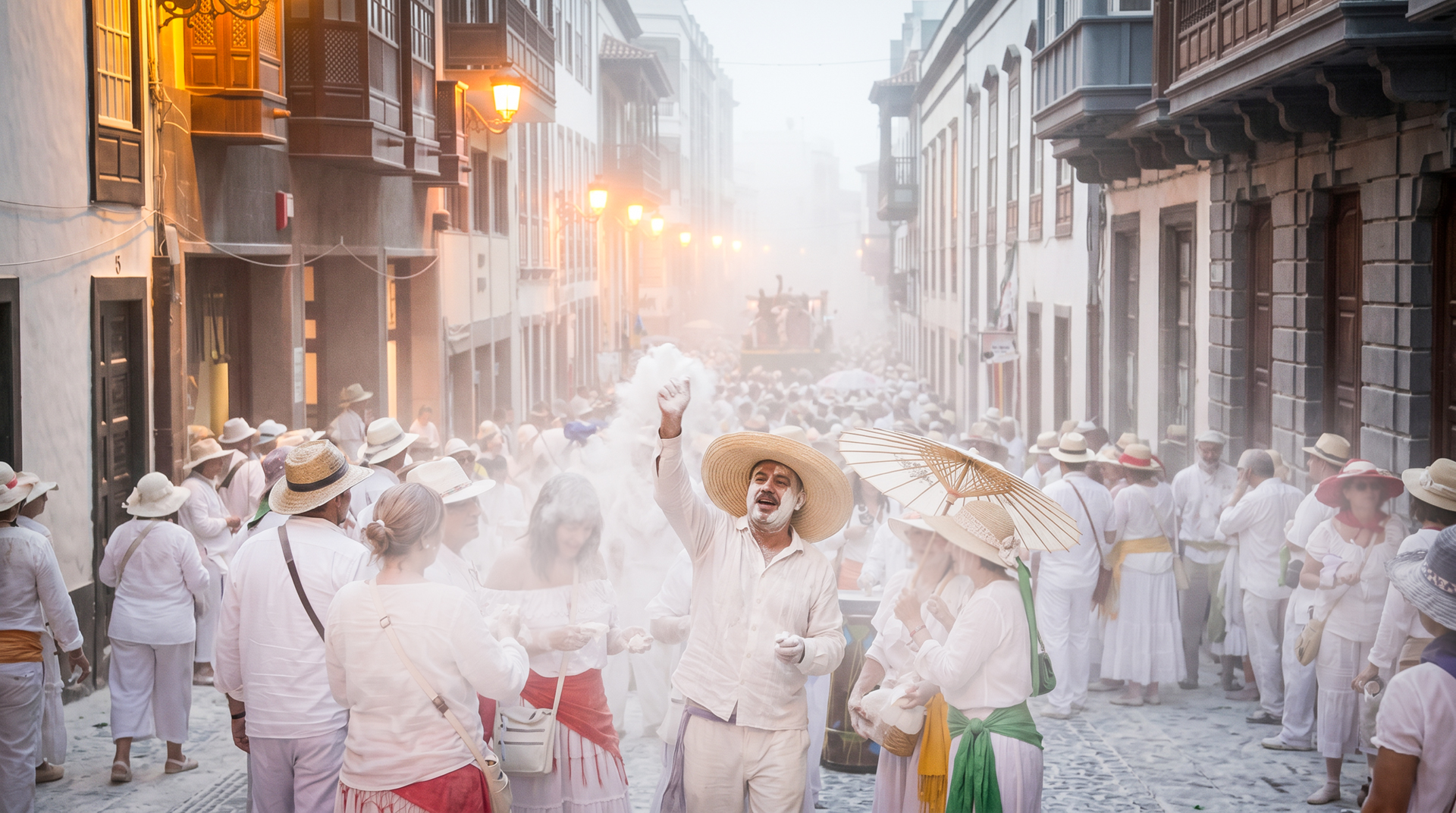
On Shrove Monday, Santa Cruz de La Palma is transformed into an extraordinary stage from another era. The streets fill with people dressed in white, Cuban rhythms, and a cloud of talcum powder. The Indianos are being celebrated – those Palmeros who once emigrated to Cuba, prospered there, and later returned home in splendour.
Los Indianos is one of the most unusual carnival celebrations in Spain. It is not an ordinary procession, but a shared act of remembrance of migration, homecoming, and the historic ties between La Palma and Cuba.
Semana Santa – Holy Week
In contrast to the exuberant carnival, Holy Week on La Palma is a quiet and deeply rooted religious event. The processions in Santa Cruz de La Palma in particular are among the most impressive in the Canary Islands.
Historic religious figures from the 17th and 18th centuries are carried through the narrow lanes of the old town. Candlelight, drumbeats, and the special atmosphere of the city at night make these days an extraordinary experience. The most important processions traditionally take place between Maundy Thursday and Holy Saturday.
Corpus Christi – Floral Carpets in Mazo (June)
The Corpus Christi festival is one of La Palma’s finest art and tradition events. In Villa de Mazo in particular, residents transform streets and squares into intricate landscapes made from natural materials.
Over the course of weeks, enormous floral carpets and filigree ornaments are created from millions of petals, seeds, mosses, bark, plant materials, and volcanic earth. The artworks are then walked over by the community during the procession.
5 August – Nuestra Señora de las Nieves
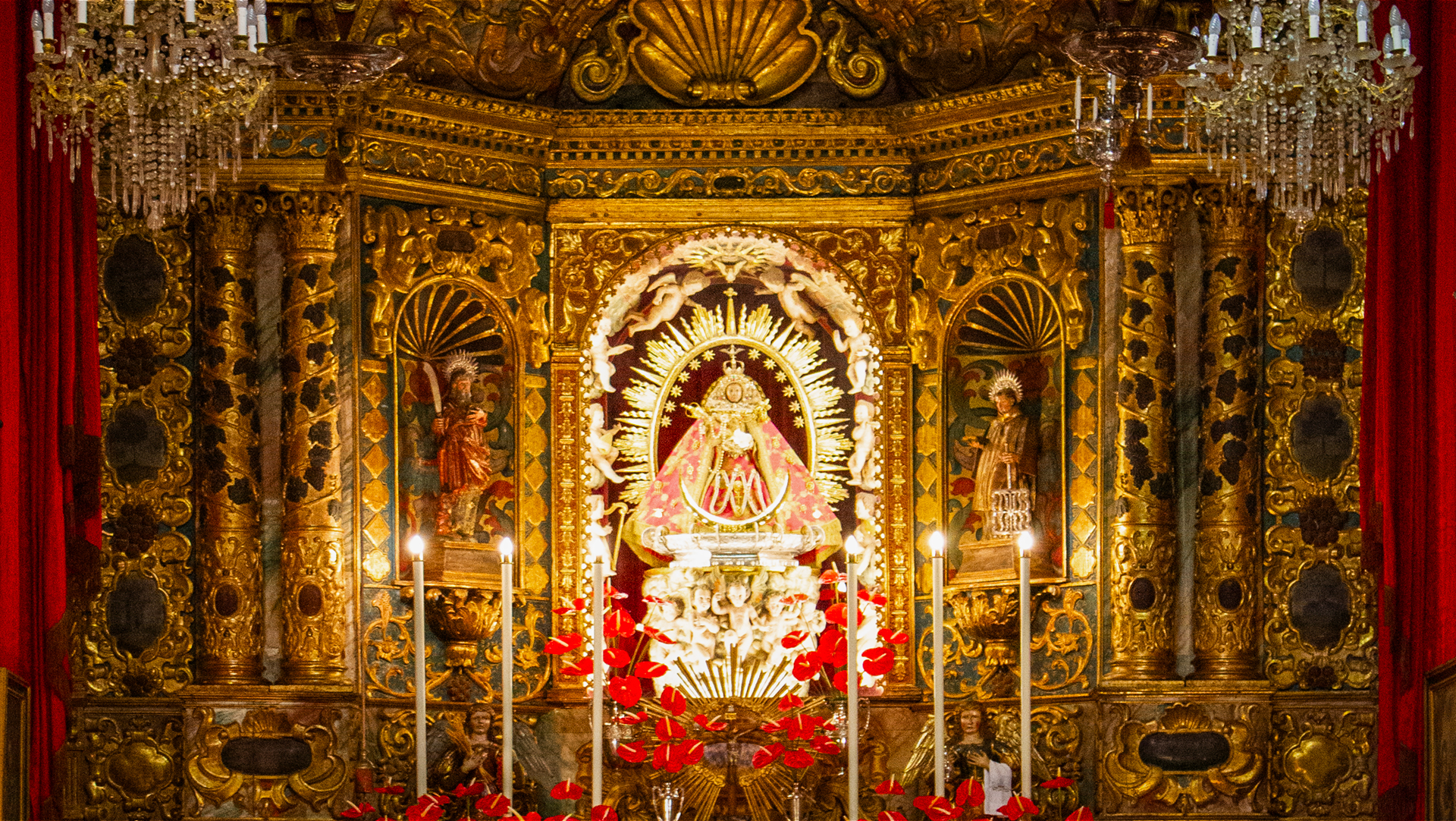
La Palma’s most important island holiday is dedicated to the island’s patroness: Nuestra Señora de las Nieves (‘Our Lady of the Snows’).
On 5 August, people from all 14 municipalities make a pilgrimage to the Royal Sanctuary (Real Santuario de Nuestra Señora de las Nieves) above Santa Cruz de La Palma. The day combines religious tradition with music, Canarian folklore, and communal celebration.
Bajada de la Virgen – The Festival of the Century (every five years)
La Palma’s greatest festival takes place only once every five years: the Bajada de la Virgen de las Nieves.
The image of the patroness is carried in a multi-week sequence of celebrations from the mountain sanctuary down to Santa Cruz de La Palma. Historic processions, music, folk dances, and special traditions characterise this extraordinary event.
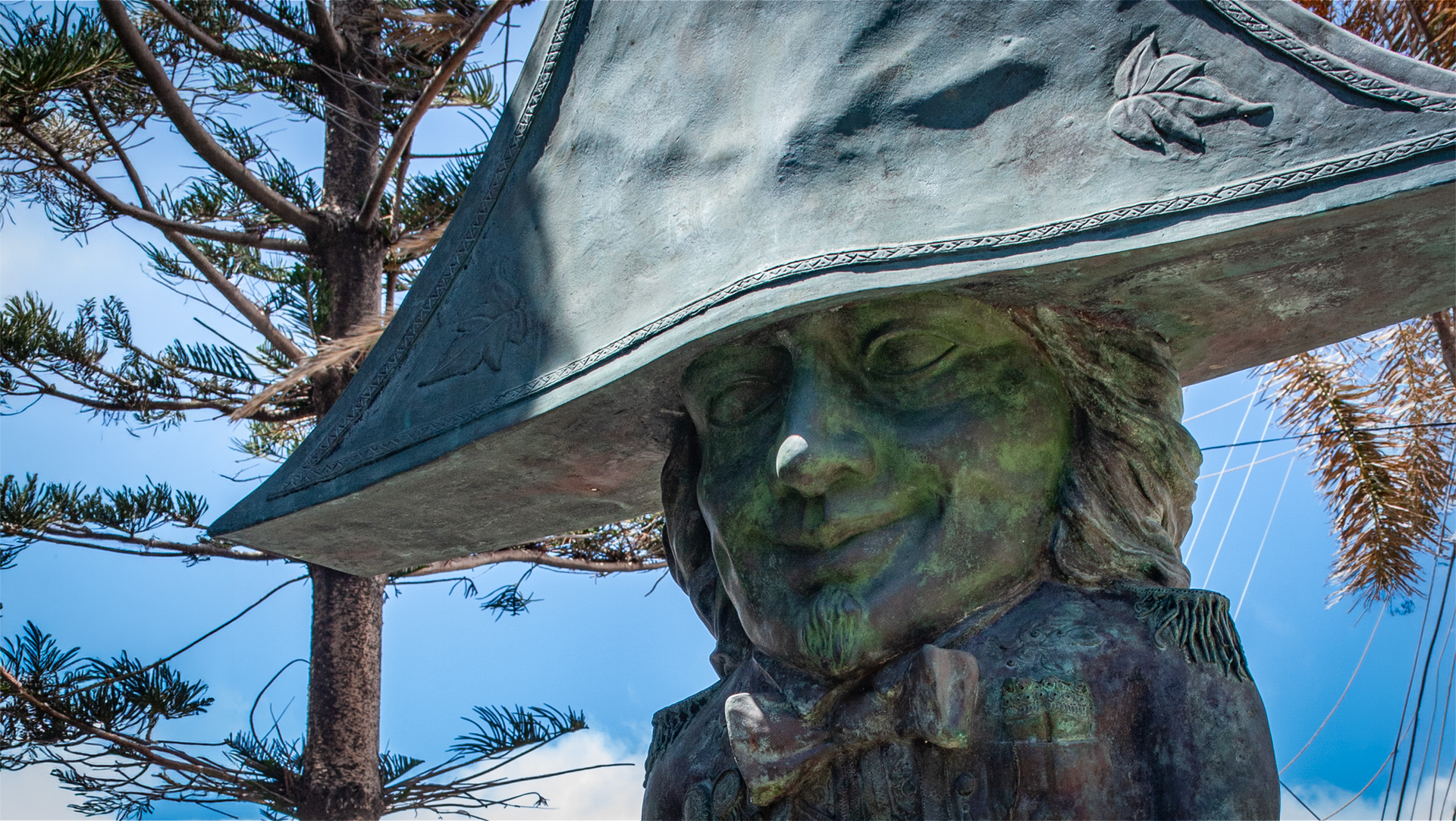
A highlight is the famous Danza de los Enanos – the Dance of the Dwarfs – which is one of the island’s best-known cultural symbols.
Note: The next Bajada de la Virgen will take place in the summer of 2030.
Key Public Holidays 2026 at a Glance
| Date | Festival / Public Holiday | Type |
|---|---|---|
| 1 January | New Year’s Day | National |
| 6 January | Epiphany (Reyes Magos) | National |
| 16 February | Los Indianos | Island Highlight |
| 2 April | Maundy Thursday | National |
| 3 April | Good Friday | National |
| 1 May | Labour Day | National |
| 30 May | Canary Islands Day (Día de Canarias) | Regional |
| 4 June | Corpus Christi | Local Highlight |
| 5 August | Nuestra Señora de las Nieves | Island Holiday |
| 15 August | Assumption of Mary | National |
| 12 October | National Day (Hispanidad) | National |
| 1 November | All Saints’ Day | National |
| 6 December | Constitution Day | National |
| 8 December | Immaculate Conception | National |
| 25 December | Christmas Day | National |
On public holidays, government offices, banks, and many shops remain closed. Supermarkets may also have reduced opening times.
Local Holidays – When the Bakery Is Suddenly Closed
In addition to the major holidays, each of La Palma’s 14 municipalities has two additional local holidays per year. These are usually tied to the patron saint of the relevant place.
On these days, public life in the municipalities often comes to a standstill: small shops, craft businesses, and local bakeries stay shut. Anyone on an island tour who suddenly finds doors locked may well have stumbled upon a local municipal holiday.
For visitors, however, these days are often particularly interesting. The traditional Romerías – colourful festival processions with traditional costumes, decorated ox carts, music, and regional specialities – offer an authentic glimpse into real life on La Palma.
Here you experience the island not as a tourist backdrop, but as a living community that continues to preserve its traditions to this day.
Frequently Asked Questions (FAQ)
When is the best time to experience one of the great festivals on La Palma?
Can visitors take part in the festivals on La Palma?
Are shops and restaurants open on public holidays?
What makes the Bajada de la Virgen so special?
What are Romerías and why should one visit them?
This article is based on the on-the-ground knowledge of the Gequo editorial team – publishers of the Reisezeit hiking guides and operators of Sunhikes.com. Last updated: May 2026