Art on La Palma – From Flemish Masters to Luis Morera’s Mosaics
At first glance, La Palma is not a classic art metropolis. There are no large museum quarters and no international gallery scene. Yet the art that has emerged on the island and continues to be cultivated here possesses a remarkable variety: mysterious rock carvings by the Benahoaritas, Flemish masterpieces in historic village churches, traditional crafts, colourful street art, and the unmistakeable mosaic works of Palmero artist Luis Morera, which continue to shape the face of the island today.
Pre-Spanish Ceramics and Mysterious Petroglyphs
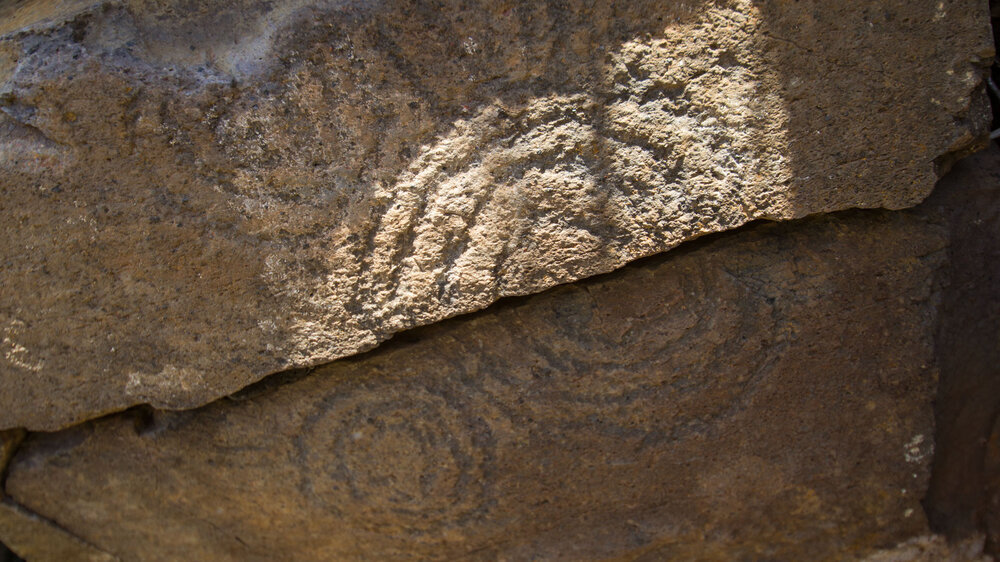
The oldest artworks on La Palma come from the Benahoaritas, the island’s indigenous people. Around 50 known sites with petroglyphs are scattered across the island. Spirals, circles, and geometric patterns were carved into the basalt and continue to pose riddles about their meaning to this day.
The ceramics of the Benahoaritas also have a character entirely their own. The vessels were made entirely without a potter’s wheel, using traditional hand-building techniques, and impress with their simple, timeless forms.
The most important archaeological finds are on display today at the Museo Insular in Santa Cruz de La Palma and at the Archaeological Museum (MAB) in Los Llanos de Aridane. In traditional workshops in Villa de Mazo and El Paso, this millennia-old craft technique continues to be passed on.
The Flemish Masterpieces – Sugar for Art
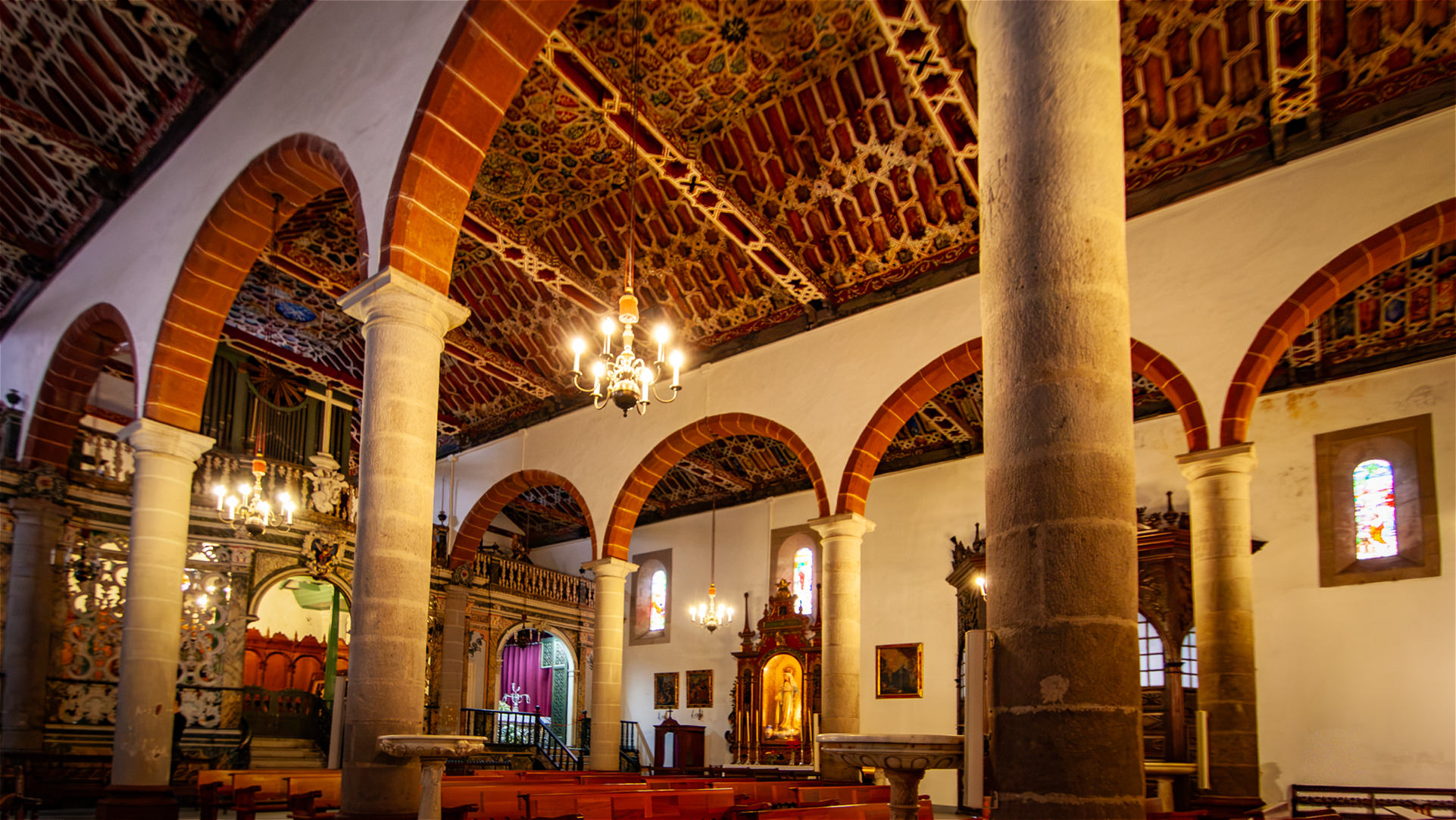
In the 16th century, La Palma was one of the wealthiest islands in the Atlantic. The sugar trade brought great prosperity, part of which was invested in extraordinary works of art. Flemish merchants delivered precious altarpieces, sculptures, and triptychs to the island — pieces that today rank among the most significant Flemish art treasures outside Belgium.
Among the most important locations are the Iglesia de El Salvador in Santa Cruz de La Palma and the church of Nuestra Señora de Montserrat in San Andrés. Behind their often plain church facades lie true art-historical treasures.
Luis Morera – La Palma’s Gaudí
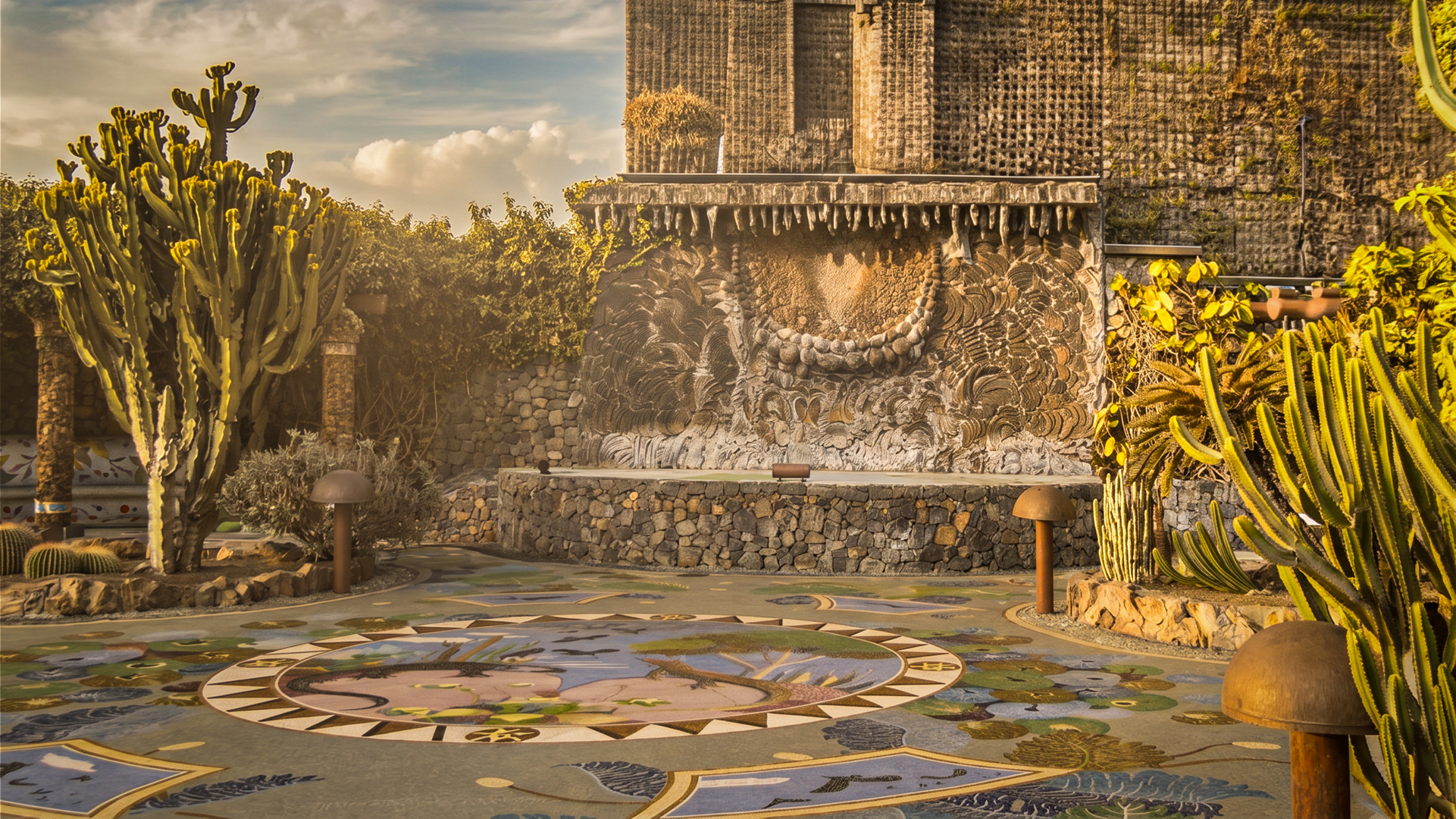
Few artists have left such a lasting mark on the appearance of La Palma as Luis Morera. Born in 1946 in Santa Cruz de La Palma, this sculptor, painter, musician, and poet combines the organic style of Catalan Modernisme with lava stone, ceramic mosaics, and the plants of the island in his works.
His best-known works include:
- Plaza de la Glorieta (Las Manchas): An immersive, walk-through mosaic artwork featuring motifs from native flora and fauna.
- Parque Antonio Gómez Felipe (Los Llanos de Aridane): A harmoniously designed park with sculptures, waterways, and natural stone.
- Mirador del Universo (Tijarafe): A viewpoint with artistic floor mosaics depicting constellations and the night sky.
- Bronze Enano Figure: Installed in front of the Museo Naval in Santa Cruz de La Palma.
Morera’s works combine art and landscape in a unique way and today rank among the island’s best-known landmarks.
Street Art in Los Llanos – the City as Open-Air Gallery
Los Llanos de Aridane has developed in recent years into a centre of contemporary street art. Through the CEMFAC project (Ciudad en el Museo Foro de Arte Contemporáneo), numerous large-format murals by international and Canarian artists were created.
A large number of murals can be found around the Plaza de España, along the Calle Díaz Pimienta, the Calle Fernández Taño, and in the area of the Calle Ramón y Cajal. A walk through the town centre resembles a tour of a modern open-air gallery, combining urban art with the historic atmosphere of the city.
Traditional Crafts
La Palma is one of the few regions in Europe where centuries-old craft techniques have remained alive to this day.
Silk Weaving in El Paso
In El Paso, the entire silk production process is still carried out traditionally – from raising silkworms and spinning to weaving on historic wooden looms. This complete production chain is a rarity worldwide.
Traditional Embroidery
The famous Bordados Palmeros are among the island’s best-known craft arts. The intricate Realejo stitch in particular continues to adorn traditional costumes, altar cloths, and fine household linens.
Hand-Built Ceramics
In workshops in Villa de Mazo and El Paso, the pre-Spanish technique of hand-built ceramics continues to be practised. The vessels are created without a potter’s wheel and follow the forms of the Benahoaritas.
Where to Discover Art on La Palma
The Museo Insular is housed in the historic Real Convento de San Francisco in Santa Cruz de La Palma and is regarded as the island’s most important art museum. It brings together archaeological finds of the Benahoaritas, Flemish art of the 16th century, and works by modern Canarian artists.
Also worth visiting is the Espacio de Arte O’Daly, which hosts regularly changing exhibitions of contemporary art.
Many of the island’s churches also surprise visitors with impressive art treasures. Flemish altarpieces, richly decorated wooden ceilings in the Mudéjar style, and intricate woodcarvings make them small museums of European art history.
A tour of Santa Cruz de La Palma — taking in the Museo Insular, the Iglesia de El Salvador, and the historic lanes — is therefore one of the finest cultural experiences the island has to offer.
Frequently Asked Questions (FAQ)
Where can Luis Morera's art best be experienced?
Which is the island's most important art museum?
What makes La Palma's churches so special for art lovers?
Where are the finest street art works on La Palma to be found?
Can traditional crafts still be experienced live on La Palma?
This article is based on the on-the-ground knowledge of the Gequo editorial team – publishers of the Reisezeit hiking guides and operators of Sunhikes.com. Last updated: May 2026